Agni by Mantra
Agni by Mantra brings Indian cooking into Manila’s dining conversation through spice structure rather than spectacle. With no public awards, chef billing, or price band attached, the useful read is contextual: this is a Manila Indian address to assess by how carefully it handles tempering, heat, acidity, and the balance between richness and lift.
Pearl is the En Primeur Club membership app — saves, bookings, and concierge access live there. Same editors, same standards.
- Address
- Manila, Philippines
- Directions
- Get directions
 Saves & bookings on Pearl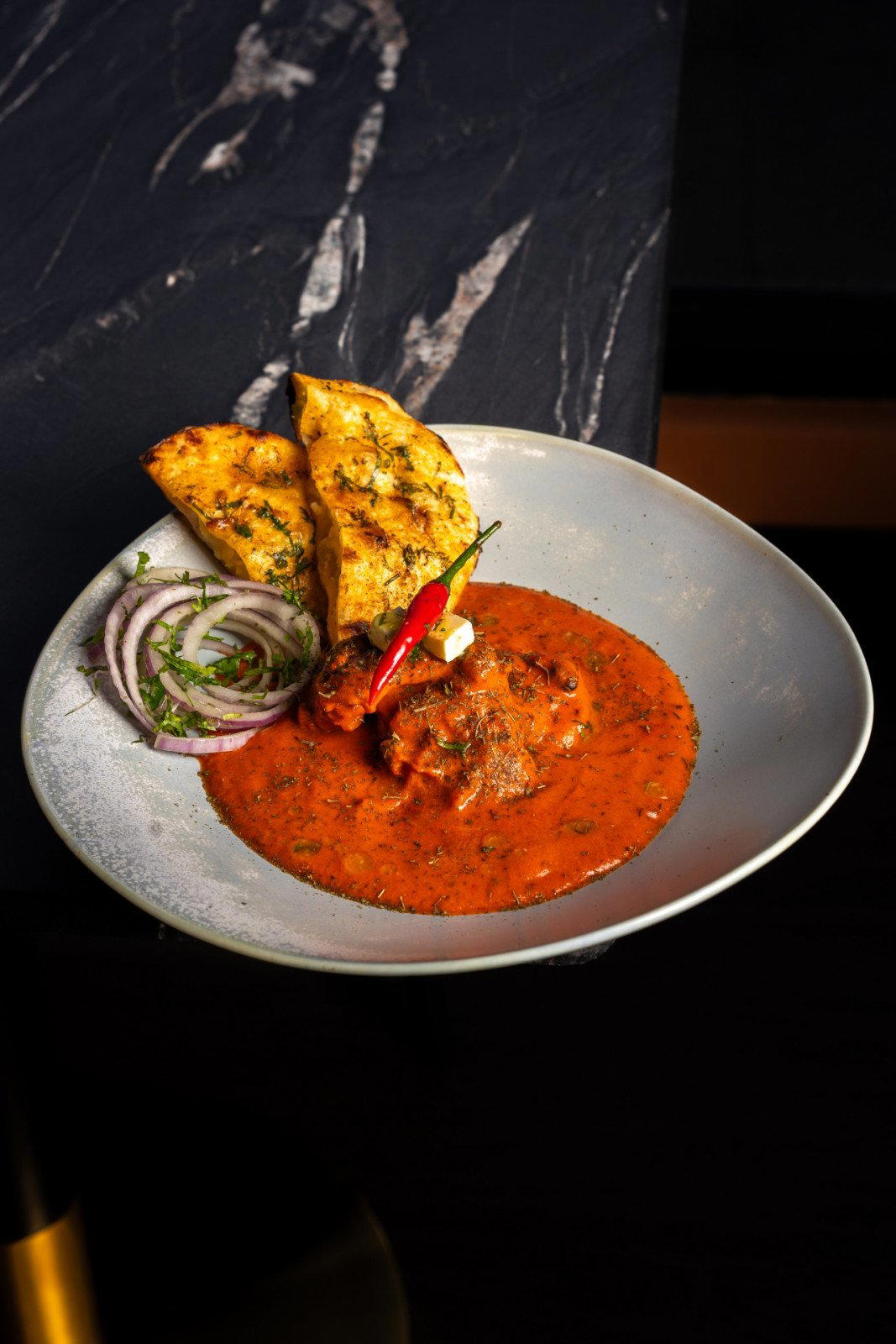
Manila dining rooms often announce themselves through movement: mall corridors, hotel lobbies, late dinners after traffic, tables that run from business meals to family gatherings in the same service. Indian cooking fits that rhythm when it is handled as architecture rather than volume. At Agni by Mantra, the point of interest is the cuisine’s grammar: whole spices warmed until aromatic, ground masalas used for depth, tempered aromatics added for lift, and heat treated as one layer among several rather than the whole argument.
That matters in Manila, where international restaurants compete not only with each other but with a local palate fluent in vinegar, char, coconut, garlic, fermented savor, and slow-cooked richness. Indian food can read heavy in this context if the kitchen leans only on cream, ghee, or chilli. The more compelling version is built on sequencing: cumin before coriander, cardamom before smoke, yoghurt or tomato to sharpen a sauce, herbs to keep the finish from turning flat. Agni by Mantra is strongest as an idea when read through that lens, as an Indian restaurant whose value depends on spice control rather than imported pageantry.
Indian spice work in a Manila dining room
Indian cooking is often flattened into a single word, “spicy,” but the better question is where the spice enters the dish. Whole spices give fragrance and snap; powdered blends bring bass notes; blooming in fat changes raw edges into warmth; finishing tempering can redirect an entire plate in the final seconds. That structure gives the cuisine range, from tandoor-led smoke and dry heat to slow sauces where sweetness, acidity, and fat have to stay in proportion.
In Manila, this kind of cooking occupies a specific lane. It is international, but not neutral. It carries a strong identity into a city where diners already know how to read sourness, salt, sweetness, and heat in close formation. The useful benchmark is not whether a dish is fiery, but whether the heat has shape. A well-built Indian meal should move across textures and registers: charred, stewed, crisp, soft, cooling, aromatic. That progression is what separates a serious Indian table from a generic curry-and-bread stop.
Agni by Mantra is listed simply as Indian, without a public chef name, award record, or stated price range. That absence shifts the critical focus away from personality and toward category. For diners, the signal to watch is consistency across the spice base: whether gravies taste distinct from one another, whether breads arrive as structural partners rather than filler, whether rice and cooling elements are treated as part of the meal’s balance. In a city where many restaurants succeed on atmosphere first, Indian cooking earns repeat attention through calibration.
How to read the meal: heat, fat, acidity, and restraint
The sharper way to order in this category is by contrast. Pair grilled or tandoor-style preparations with sauced dishes rather than stacking several rich plates in the same register. Use breads for texture and sauce, but let rice reset the palate when spice and fat build. Look for dishes that show different spice techniques rather than different proteins wearing the same base. A table that moves from smoke to simmered depth, then to something cooling or herb-led, will tell more about the kitchen than a spread chosen only by familiarity.
This is also where Manila’s dining habits matter. Group ordering works well for Indian food because the cuisine is built for cross-table exchange, but that same abundance can blur distinctions if everything lands at once. Smaller waves make the spice work easier to read. Start with dry heat or crisp textures, move into deeper sauces, then close with lighter or cooling elements if available. The sequence keeps the meal from becoming a single note.
Awards can help identify a competitive tier, but Indian dining often has a parallel reputation system built through community use, repeat family meals, and how well a kitchen handles staples under pressure. In Manila, that can be a stronger practical signal than a trophy line, especially for cuisines with loyal diaspora and local followings.
Where Agni by Mantra fits in a wider Manila plan
For readers mapping a Manila stay, the restaurant belongs in the restaurant layer of the itinerary rather than the hotel-dining or bar-led layer. The broader city edit sits in Our full Manila restaurants guide, while adjacent planning can run through Our full Manila hotels guide, Our full Manila bars guide, Our full Manila wineries guide, and Our full Manila experiences guide. Within that wider edit, Manila’s range can stretch from steakhouse formality at 22 Prime to club dining at Admiral Club Manila Bay, international polish at Blackbird Makati (International), resort-leaning ease at Breezes, and contemporary local energy at Cabel.
For a wider Philippines and Indian-food reading list, compare the Manila frame with 12/10 in Makati, Abaseria Deli & Cafe in Cebu, Amianan, Pangulasian Island in El Nido, Anila Poolside Restaurant in Tagaytay City, Antonio's in Manilla, and Asador Alfonso in Cavite. For Indian cooking outside the Philippines, Aanch, Indian in Toronto and Adda Indian Cuisine, Indian in Queens show how the same culinary tradition changes when filtered through different city palates.
The editorial verdict is restrained: the restaurant is worth considering when the meal calls for Indian spice work in Manila, especially for diners who care about structure more than novelty. The right expectation is not ceremony or trophy dining. It is a table where the measure of success is whether heat, fat, smoke, acidity, and aroma stay in deliberate proportion from the first shared plate to the last.
Comparable venues nearby, for context on price, style, and recognition.
| Venue | Cuisine | Price | Awards | Notes |
|---|---|---|---|---|
| Agni by MantraThis venue — the venue you are viewing | Modern Regional Indian | $$$ | Not listed | Not listed |
| Casa Italianos | Northern Italian-Filipino Fusion | $$ | Not listed | Salcedo Village |
| El Poco Cantina (Malate) | Casual Mexican Taqueria | $ | Michelin Plate | Malate |
| Manam Comfort Filipino | Filipino Comfort Food | $$ | Not listed | Pasay |
| Blackbird Makati | International Fusion | $$$ | Michelin Plate | Ayala Triangle |
| Cabel | Filipino Heritage (Luzon, Visayas, Mindanao) | $$ | Bib Gourmand | San Miguel |






At a Glance
- Elegant
- Lively
- Trendy
- Intimate
- Date Night
- Group Dining
- Celebration
- Special Occasion
- After Work
- Standalone
- Design Destination
- Craft Cocktails
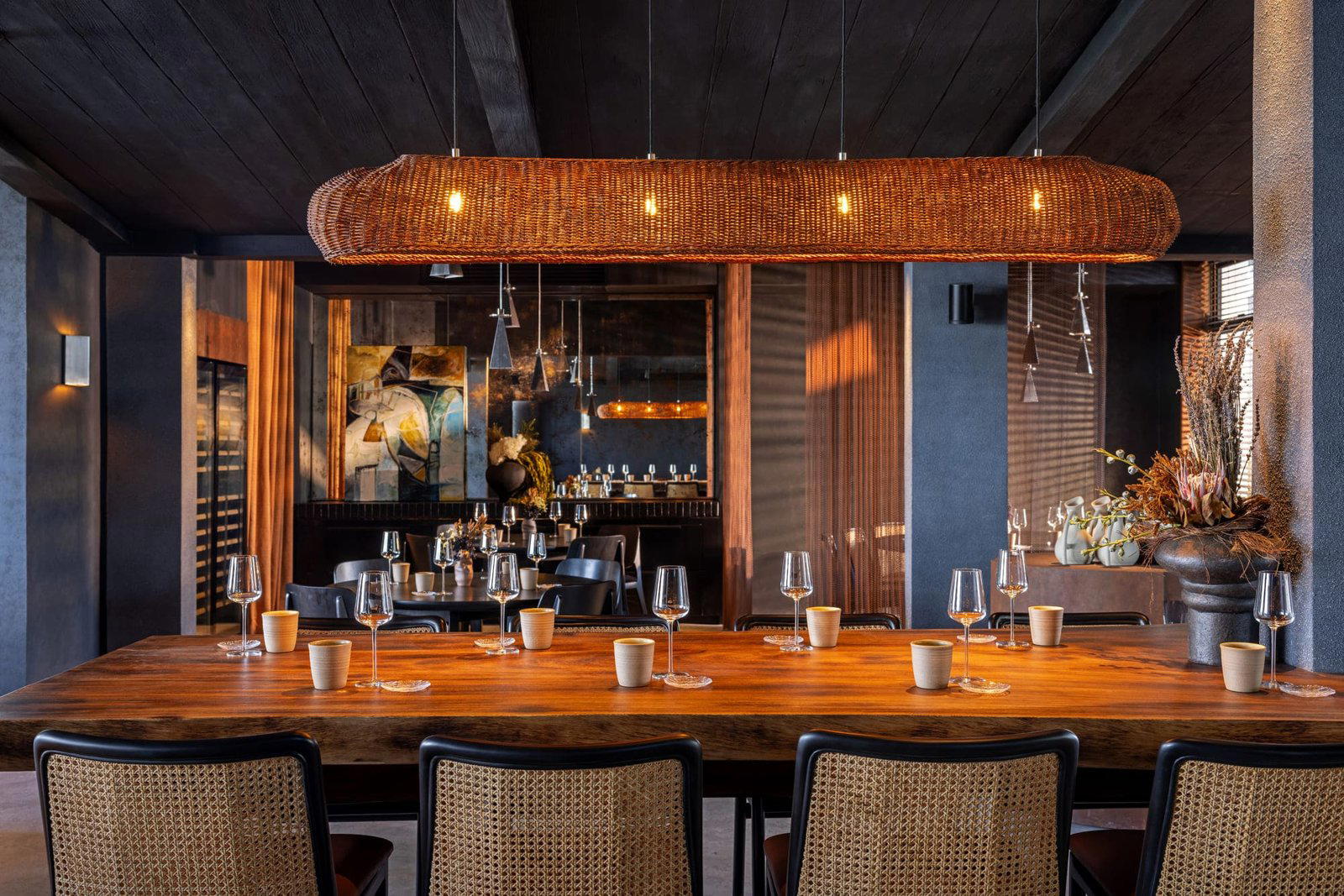
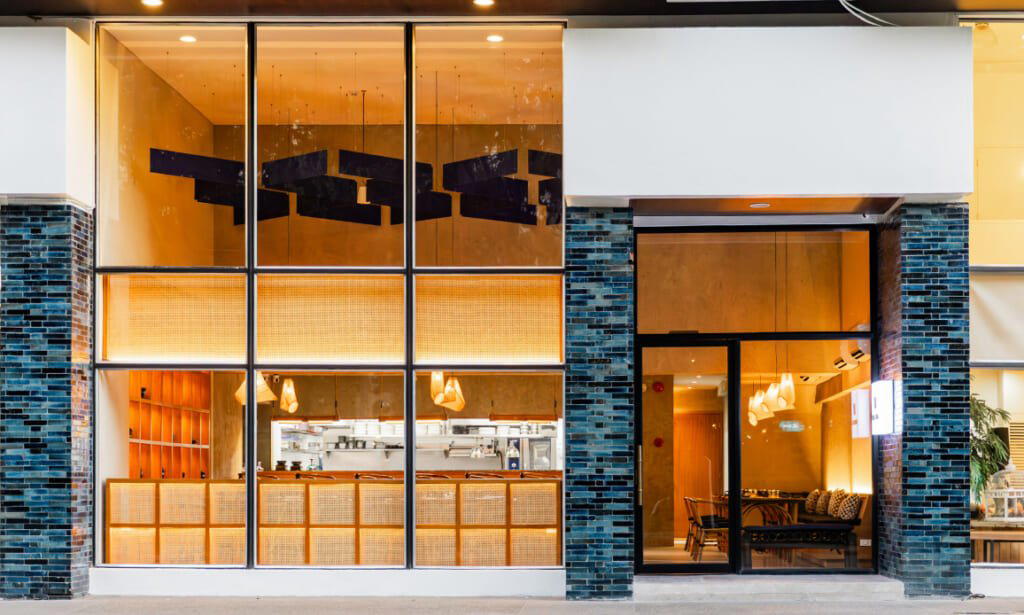
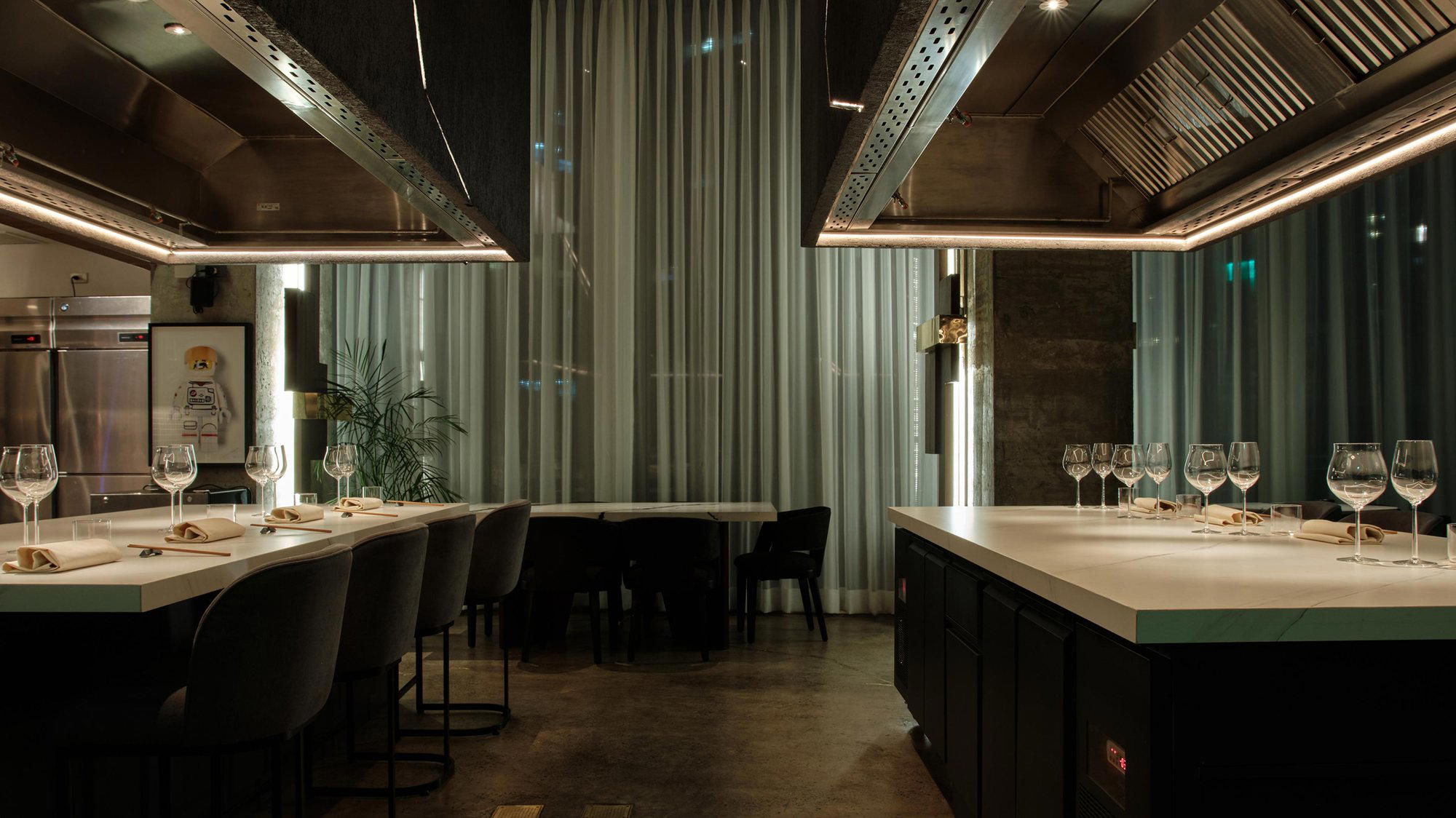
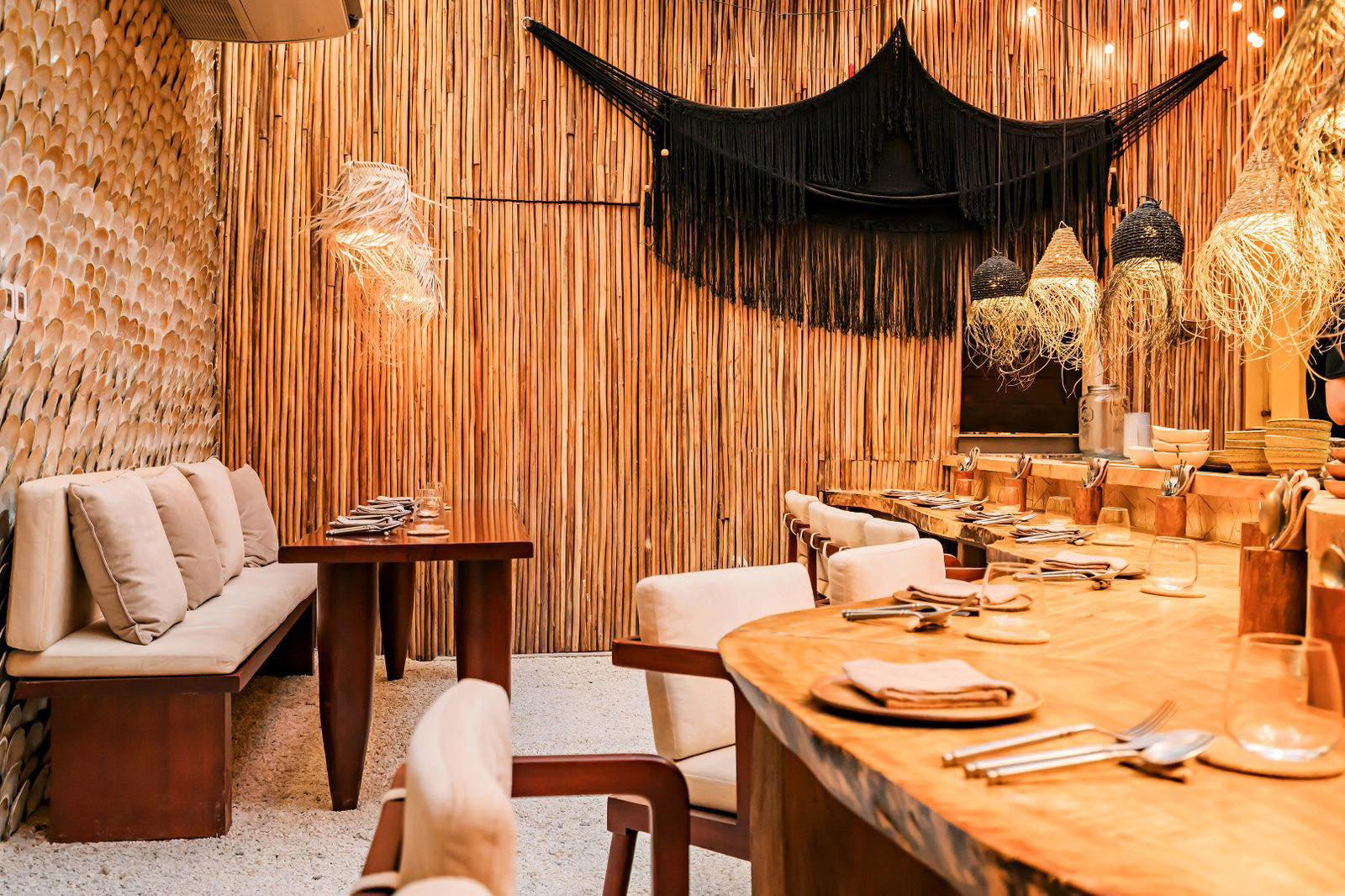
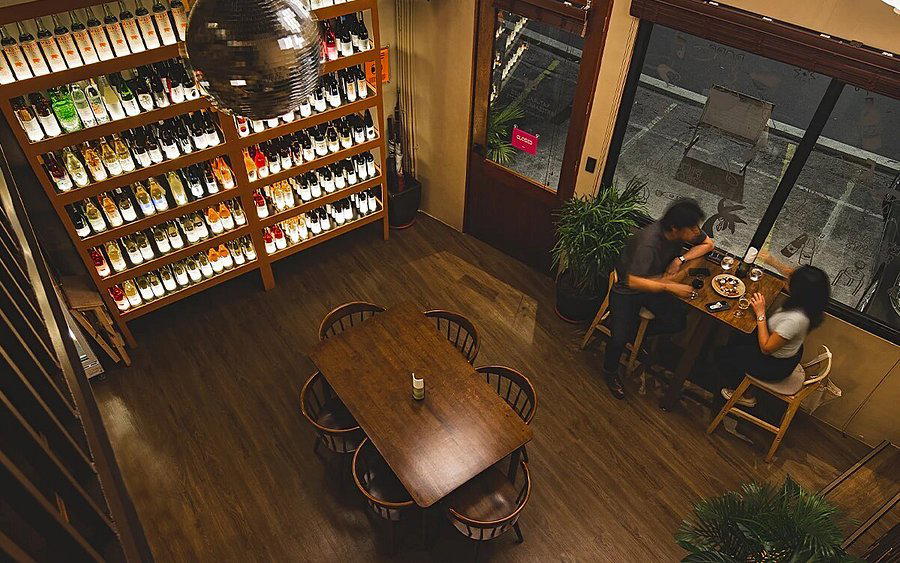
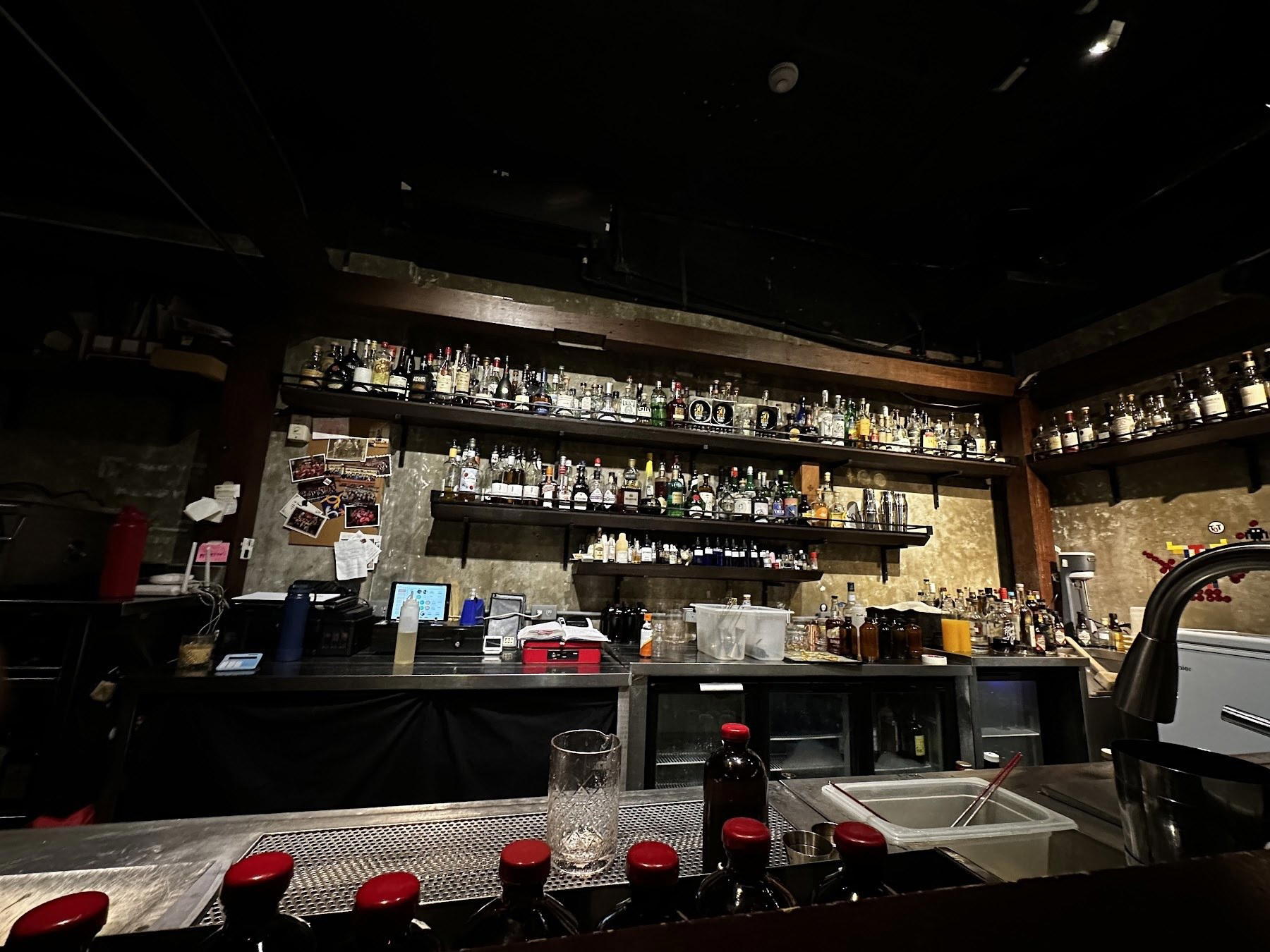
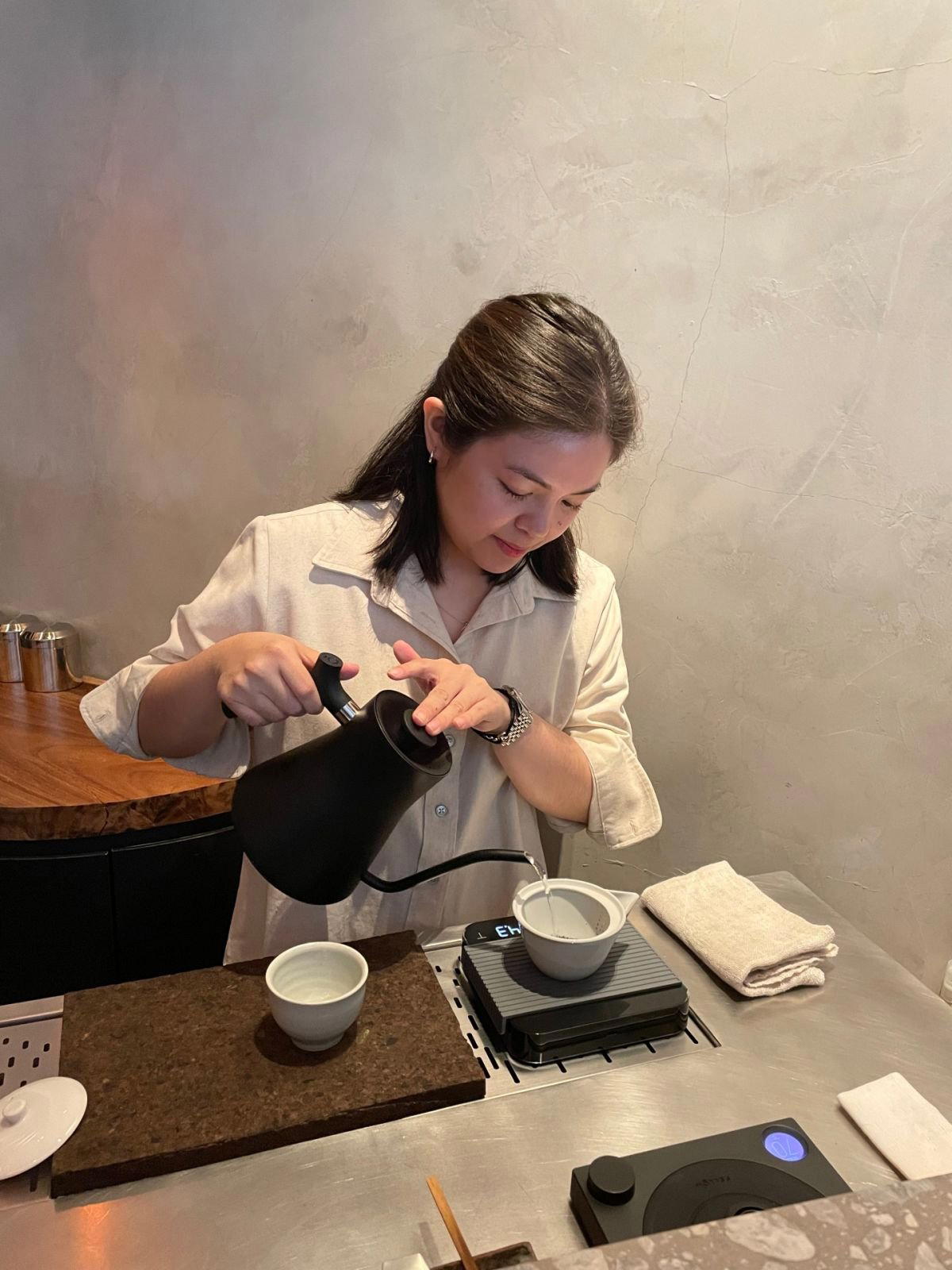
Warm, dimly lit and contemporary, with an intimate upper-casual feel that works well for dates or night-outs, combining the homey warmth associated with Mantra with a sleeker, trendier dining room and bar-focused energy.