Phuket Village
Phuket Village sits on Balesin Island, one of the Philippines' most exclusive private-island retreats, off the Polillo coast in Quezon province. The property draws from Thai architectural vernacular, placing it in a distinct design tier among Balesin's collection of themed village clusters. Access is tightly controlled, making it one of the more deliberately secluded resort experiences in the archipelago.
Pearl is the En Primeur Club membership app — saves, bookings, and concierge access live there. Same editors, same standards.
- Address
- Balesin Island, 4339 Polillo, Quezon
- Directions
- Get directions
 Saves & bookings on Pearl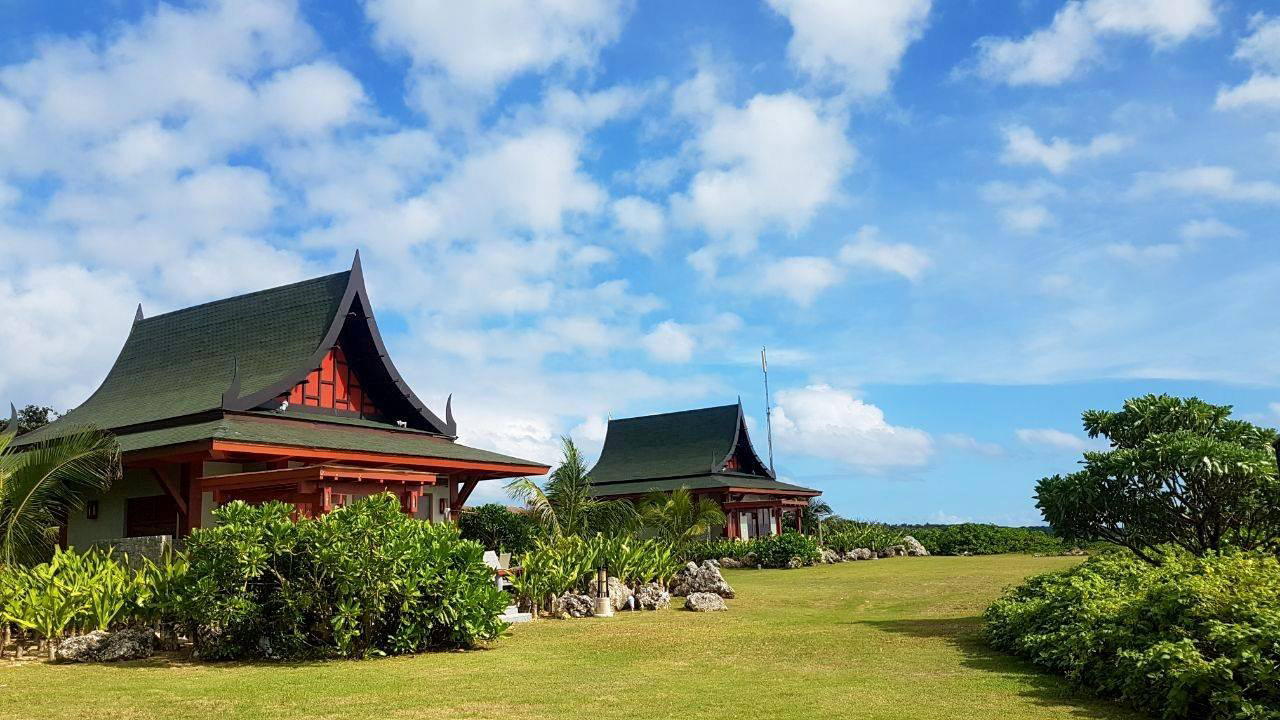
A Private Island Built Around a Design Premise
Balesin Island operates on a concept that few resorts in Southeast Asia have attempted at scale: a single private island divided into architecturally distinct village clusters, each referencing a different regional or international design tradition. Phuket Village is one node in that system, drawing from the vernacular architecture of southern Thailand. The approach positions Balesin not as a conventional beach resort but as a curated collection of spatial experiences, where the design of the built environment is itself the programme. In this context, Phuket Village is less a standalone property than a chapter in a larger editorial argument about what a private island can be.
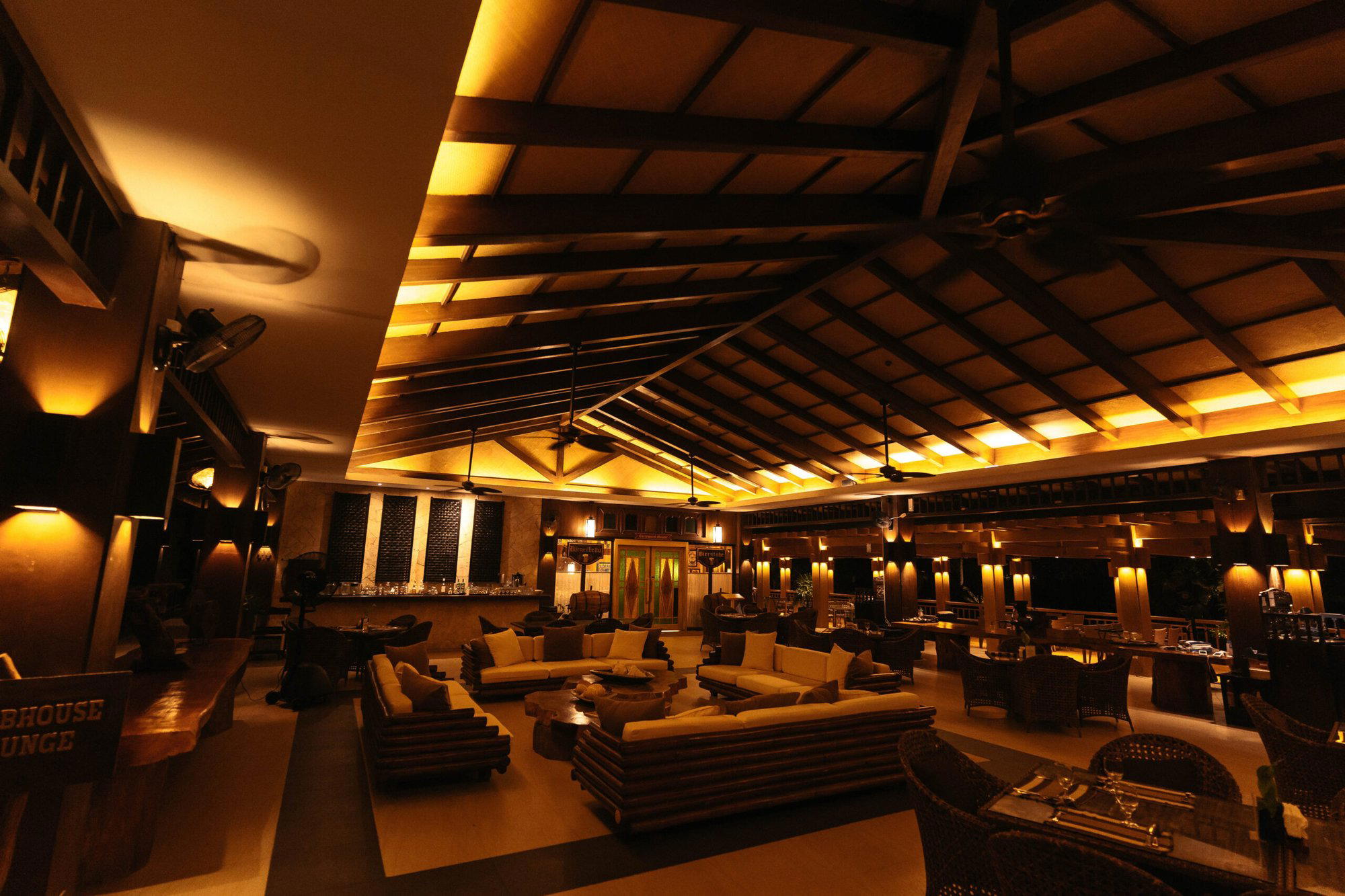
That argument is worth taking seriously. The dominant model for Philippine island resorts, well represented by properties like Amanpulo on Pamalican Island or Banwa Private Island in Palawan, centres on natural immersion and restrained luxury, with architecture serving landscape rather than competing with it. Balesin's multi-village model inverts that hierarchy: the architecture is the attraction, and the landscape provides the frame. Phuket Village, with its Thai-inflected structures, pitched roofs, and warm timber detailing, delivers a spatial experience that reads as deliberately theatrical in the leading sense, setting it apart from the nature-first resorts that dominate the Philippine archipelago's premium tier.
The Design Language of Thai Vernacular on a Philippine Shore
Thai vernacular architecture carries a set of well-established formal codes: steep rooflines with upturned eaves, open-sided sala pavilions that dissolve the boundary between inside and outside, dark hardwood columns, and decorative detailing that borrows from Buddhist temple craft. Applied to a resort context, these elements create a particular quality of shade and enclosure that is both ornamental and climatically intelligent. The steep pitch sheds tropical rain quickly; the open-sided structures catch sea breezes; the heavy timber absorbs heat rather than reflecting it back.
At Phuket Village, those principles translate into a coherent spatial environment. Arriving guests move through a sequence of covered walkways and open courts that create compression and release, a rhythm common in traditional Thai compound design, where forecourts, inner courtyards, and sleeping quarters are organised around deliberate transitions rather than a single open plan. This sequencing is what separates architecture that references a tradition from architecture that merely costumes itself in it. On Balesin, the distinction matters because guests are choosing between villages, and design fidelity is part of what justifies the selection.
For comparison, the Thai design tradition has been applied in resort contexts across the region, from Phuket itself to Koh Samui and beyond, often with diminishing returns as the vocabulary becomes formulaic. The interest at Balesin is the relocation of that vocabulary to a Philippine island context, where the surrounding landscape, marine environment, and operational culture are distinctly different. The result is an architectural dialogue rather than a replica.
Balesin Island: Access, Scale, and Positioning
Balesin Island sits in the Polillo group of islands off Quezon province, roughly 90 kilometres northeast of Manila. Access is exclusively by private aircraft, with Balesin Island Club operating its own terminal and flight schedule from Manila. That access model places it in a different tier from resorts reachable by commercial flights and ferry connections, such as Amorita Resort on Panglao Island or Bluewater Sumilon Island Resort. The flight itself functions as an arrival ritual, reinforcing the sense of separation from the mainland that private-island hospitality depends on.
Balesin Island Club operates as a members-only club, which distinguishes it structurally from open-market luxury resorts. Membership controls the guest pool, manages occupancy across the island's village clusters, and creates a social dynamic closer to a private club than a hotel. For travellers accustomed to properties like Discovery Coron or Nay Palad Hideaway in Siargao, the membership layer adds a friction point worth understanding before planning a visit. Non-members can access the island as guests of a member, which keeps the experience deliberately limited in scale.
The island's multi-village structure means that the hotel competes internally as much as externally. Guests select a village based on architectural preference, and the island includes clusters referencing Mediterranean, Balinese, and other design traditions alongside the Thai-inspired the hotel. This internal competition creates an interesting dynamic: design quality and coherence matter in a way they rarely do when a resort has only one aesthetic to deliver.
Placing Phuket Village in the Philippine Island Resort Field
The Philippine premium island segment has diversified considerably over the past decade. At one end, ultra-low-key properties like Manami Resort in Sipalay prioritise environmental immersion with minimal built intervention. At the other, larger resort operations like Crimson Resort and Spa on Boracay or Dusit Thani Mactan Cebu Resort operate at scale with branded amenity programmes. Balesin and the hotel occupy a different position: architecturally ambitious, access-controlled, and premised on design differentiation rather than natural landscape alone.
That positioning has parallels in other markets. The concept of a single destination housing multiple distinct architectural environments shares DNA with resort collections like those operated by Aman, where properties are designed as responses to specific cultural and geographic contexts. Amanpulo itself represents the Aman approach in the Philippines, though as a single-aesthetic property rather than a multi-village collection. Balesin's model is genuinely less common, and the hotel benefits from being part of a concept that has few direct comparators in the archipelago.
For travellers who have experienced design-led island properties elsewhere in the region, including those who might compare notes with stays at Aman Venice or Aman New York on the urban end of the same brand's range, the question the hotel poses is direct: does the architectural premise deliver a coherent and sustained experience, or does the Thai vernacular read as set dressing once the novelty passes? The answer likely depends on which village you choose and how much weight you give to spatial design relative to beach quality and service depth.
Planning a Stay at Phuket Village
Access to Balesin Island requires either membership in Balesin Island Club or an invitation from a current member. The private aircraft transfer from Manila is arranged through the club and is the only practical route to the island. Because availability is managed through the membership structure rather than a conventional booking platform, planning timelines are less predictable than at open-market resorts. Prospective guests should engage with the club well in advance of intended travel dates, particularly for peak Philippine holiday periods, when member demand concentrates.
Comparable Spots, Quickly
Comparable venues nearby, for context on price, style, and recognition.
| Venue | Cuisine | Price | Awards | Notes |
|---|---|---|---|---|
| Phuket VillageThis venue — the venue you are viewing | Thai village replica in a private island setting | $$$$ | Not listed | Not listed |
| Nawa Wellness, Calatagan | Wellness retreat resort | $$$$ | Not listed | Barangay Bagong Silang |
| Sofitel Philippines Plaza Manila | Hotel | Not listed | Not listed | Pasay |
| El Nido Resorts Lagen Island | Hotel | Not listed | Not listed | El Nido |
| Nawa Wellness | Holistic wellness sanctuary rooted in Filipino heritage | $$$$ | 3-Star | Bagong Silang |
| Cala Laiya | Eco-friendly tropical casitas inspired by Bahay Kubo with contemporary Filipino design. | $$$ | Not listed | Laiya |
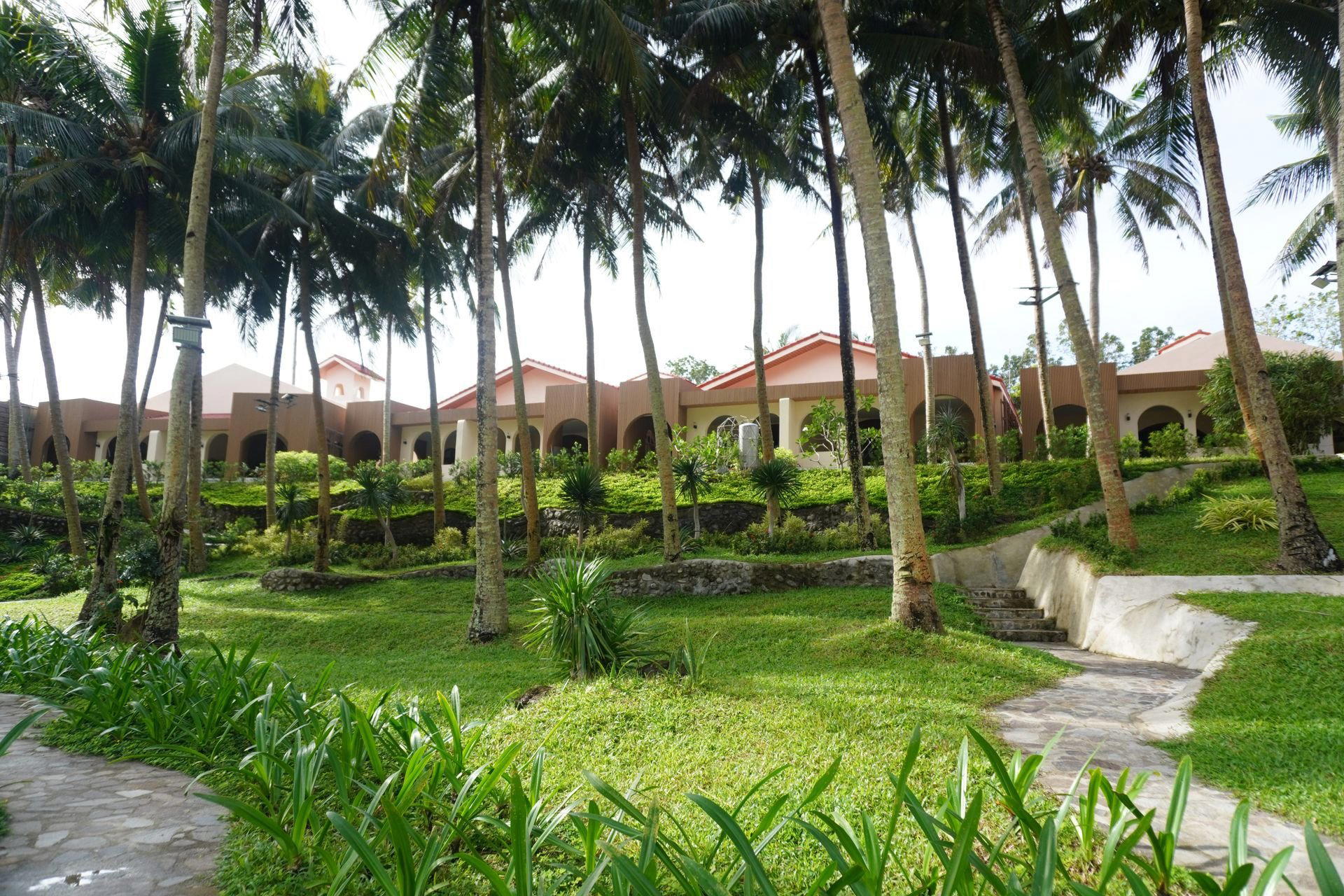
At a Glance
- Rustic
- Elegant
- Scenic
- Honeymoon
- Romantic Getaway
- Weekend Escape
- Private Villa
- Waterfront
- Pool
- Spa
- Waterfront
- Pool
- Spa
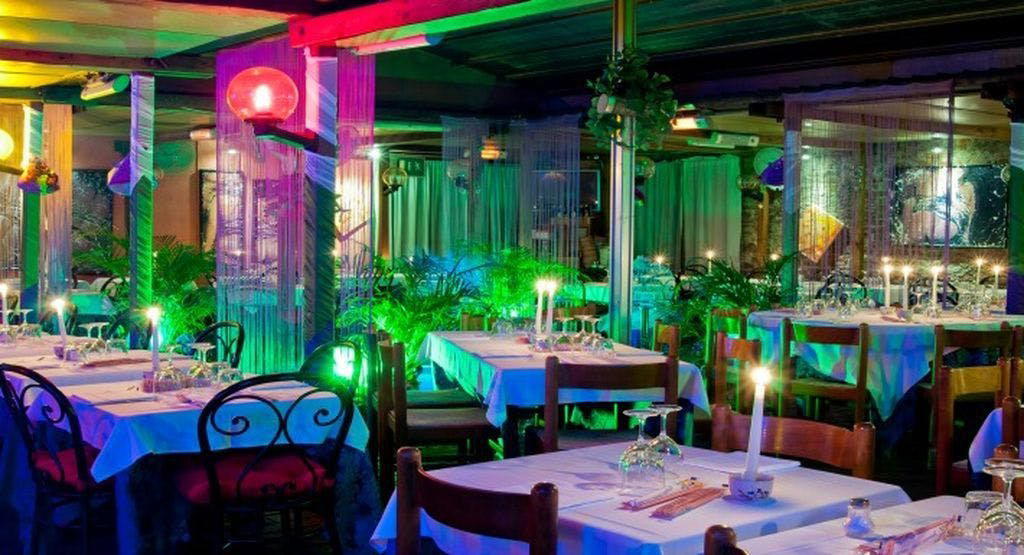
Tranquil and luxurious Thai-inspired atmosphere evoking serenity with elegant villa accommodations.