Hotel Schwarzer Adler sits on Kaiserjägerstraße 2 in central Innsbruck, placing it within walking distance of the Altstadt and the celebrated Golden Roof. One of the city's oldest hotel addresses, it occupies a position in Innsbruck's upper-tier accommodation tier alongside design-led independents and alpine wellness properties. Travellers who want a historically grounded base for both urban exploration and mountain access find it a logical anchor point.

Pearl is the En Primeur Club membership app, where members save venues, book tables and use the concierge.
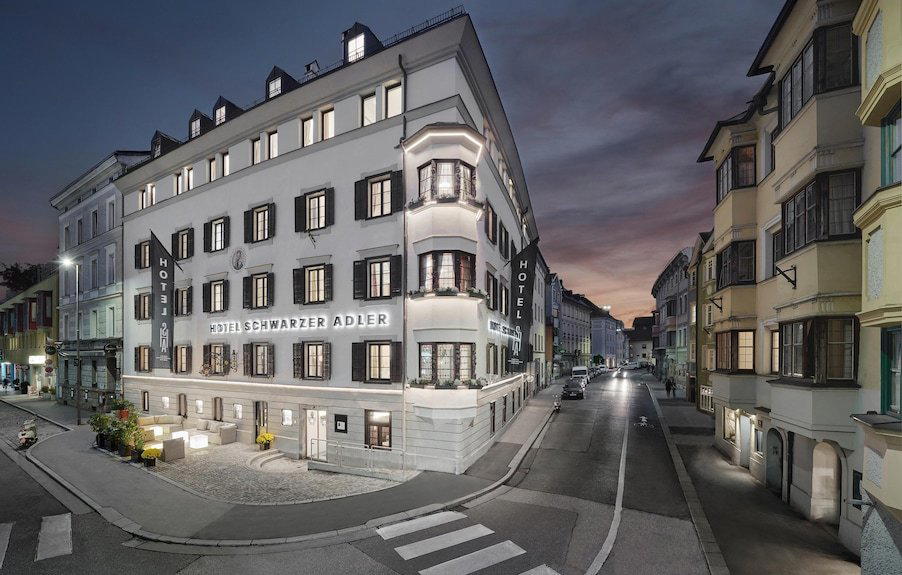
Stone, Timber, and Five Centuries of Alpine Hospitality
Innsbruck's relationship with its built environment is unusually direct. The mountains do not merely frame the city, they press against it, and the architecture that has survived here tends to reflect that physical fact: thick walls, steep pitches, narrow Gothic arcades giving way to Baroque facades that somehow hold their ground against the scale of the Nordkette above. Hotel Schwarzer Adler, at Kaiserjägerstraße 2, belongs to that longer conversation between Alpine construction and urban ambition. The address places it at the edge of the Altstadt, close enough to the Goldenes Dachl to feel embedded in Innsbruck's historic core, but on a street that carries the slightly more purposeful energy of a city going about its day rather than performing itself for visitors.
That positional quality matters more than it might seem. Innsbruck's premium accommodation has divided, broadly, into two camps: the design-forward properties that arrived in the last decade, oriented toward younger mountain-lifestyle travellers, and the older, more established hotel addresses that carry institutional weight, names that the city's own residents recognise as reference points. The Schwarzer Adler belongs to the second category, which means its credibility rests on accumulated character rather than recent renovation announcements. For some travellers, that distinction is exactly the point. For more on the design-led alternative in central Innsbruck, STAGE 12 - Hotel by Penz represents the newer architectural approach in the city's upper accommodation tier.
What the Building Carries
Historic Alpine hotel buildings operate by different rules than contemporary design properties. The credibility of a place like the Schwarzer Adler is structural and literal: the age of the masonry, the proportions of the public rooms, the way a corridor turns at a slightly unexpected angle because the building predates the standardisation of hotel floor plans. These are not details that can be retrofitted. They accumulate over generations, and they produce a specific atmospheric register, one that Austrian hoteliers have historically managed with considerable skill, balancing the appeal of genuine age against the expectation of contemporary comfort.
That balance is the central editorial question for any historic Austrian hotel. Properties that have handled it well tend to treat original architectural elements as fixed points around which contemporary fittings are organised, rather than as obstacles to modernisation. The Schwarzer Adler's position in central Innsbruck, on a named historic address, implies that it operates within that tradition. Among the comparison set of independent Innsbruck hotels, Boutiquehotel Weisses Rössl occupies a similar niche of character-led accommodation, while Gesundheitszentrum Park Igls takes a different approach entirely, prioritising wellness infrastructure over historic atmosphere.
Innsbruck as a Hotel Context
Understanding where the Schwarzer Adler sits requires some sense of what Innsbruck's hotel market looks like. The city punches above its size in accommodation quality, partly because it serves two distinct travel patterns simultaneously: alpine sports visitors who use it as a base for the Stubai, Ötztal, and ski resorts to the west and south, and cultural travellers drawn by the Habsburg architecture, the Hofburg, and Innsbruck's position as a secondary Austrian cultural city after Vienna and Salzburg. Properties that serve both audiences tend to occupy the city's most durable addresses.
The broader Austrian alpine premium hotel circuit runs from Innsbruck outward through Tyrol and into the Salzburg region. For travellers building a longer Austrian itinerary, that circuit includes properties like Grand Tirolia Kitzbühel in Kitzbühel, Naturhotel Waldklause in Längenfeld, Alpen-Wellness Resort Hochfirst in Obergurgl, and Aktiv & Wellnesshotel Bergfried in Tux. Moving into the Salzburg orbit, Rosewood Schloss Fuschl in Hof bei Salzburg and Schloss Mönchstein in Salzburg represent the château and palace-hotel end of the Austrian luxury spectrum. The Schwarzer Adler's position in central Innsbruck places it at the urban end of this regional continuum rather than the resort end.
For an overview of where the Schwarzer Adler fits within the city's wider dining and hospitality scene, our full Innsbruck restaurants guide maps the category across neighbourhoods and price tiers.
The Austrian Hotel Tradition and What It Demands
Austrian hotel culture carries specific expectations that go beyond thread counts and breakfast variety. The tradition of the Stadthotel, the city hotel with a proper restaurant, a bar with character, and a level of service formality that is warmer than German equivalents but more structured than Italian, is a distinct hospitality register. Historic Vienna properties like Hotel Sacher Wien represent its most codified form, but the tradition runs through provincial capitals and alpine towns with equal seriousness. The Schwarzer Adler's address in Innsbruck's historic core positions it within that lineage.
Internationally, the closest analogues to this format are the grand city hotels of comparable alpine capitals, properties where the building itself functions as a form of editorial endorsement, where the choice to stay communicates something about the traveller's orientation toward place and history. Aman Venice operates in a similar register of palace-scale historic accommodation, though at a different price tier and geographic context. For Austrian guests travelling further afield, Aman New York and The Fifth Avenue Hotel represent how the historic-building hotel format translates into American urban luxury.
Planning a Stay
The Schwarzer Adler's location at Kaiserjägerstraße 2 puts it within walking distance of the Altstadt, the Hofburg, and the Nordkettenbahn cable car that ascends directly from the city to 2,256 metres at Hafelekar. That vertical access is one of Innsbruck's structural advantages over comparable Austrian cities: you can be in a Habsburg-era hotel corridor in the morning and at alpine elevation before lunch. For travellers arriving by train, Innsbruck Hauptbahnhof is approximately fifteen minutes on foot or a short tram ride, making the Schwarzer Adler direct to reach without a car. Direct rail connections link Innsbruck to Vienna, Munich, and Zurich, which is relevant for travellers building multi-city European itineraries. Booking through the hotel's own channels is advisable for historic properties in this category, where room-type distinctions and seasonal availability carry more weight than at standardised chain properties.
For those whose Austrian itinerary extends to wellness-focused mountain retreats, Alpenresort Schwarz in Obermieming, Alpine Resort Sacher Seefeld in Seefeld, and LEADING Hotel Hochgurgl in Hochgurgl extend the regional network at higher elevation and with more dedicated spa infrastructure. Wine-focused travellers may also find LOISIUM Wine & Spa Resort Langenlois in Langenlois worth noting as an Austrian counterpoint, architecturally ambitious in a different direction, built around the Kamptal wine region rather than alpine terrain. Additional Austrian properties worth cross-referencing include DAS EDELWEISS in Grossarl, Falkensteiner Schlosshotel Velden on the Wörthersee, Hotel Schloss Seefels in Techelsberg, Hotel Almhof Schneider in Lech, Bergland Sölden in Sölden, Garner Hotel Klagenfurt Moser Verdino in Klagenfurt, and Chalet Untersberg in Grodig.
Fast Comparison
| Venue | Price | Awards |
|---|---|---|
| Hotel Schwarzer Adler InnsbruckThis venue (the venue you are viewing) | Not listed | Not listed |
| Boutiquehotel Weisses Rössl | $100–200 | 1 Michelin Key |
| Gesundheitszentrum Park Igls | $200–300 | La Liste Top Hotels |
| STAGE 12 - Hotel by Penz | Not listed | Michelin Selected · La Liste Top Hotels |
Continue exploring
More in Innsbruck
Hotels in Innsbruck
All hotels in Innsbruck →
Bars in Innsbruck
All bars in Innsbruck →

Details
- Historic
- Cozy
- Elegant
- Rustic
- Romantic Getaway
- Business Trip
- Weekend Escape
- Historic Building
- Panoramic View
- Terrace
- Wi Fi
- Sauna
- Room Service
- Concierge
- Bar
- Spa
- Mountain
- Wheelchair Accessible
- Step Free Entrance
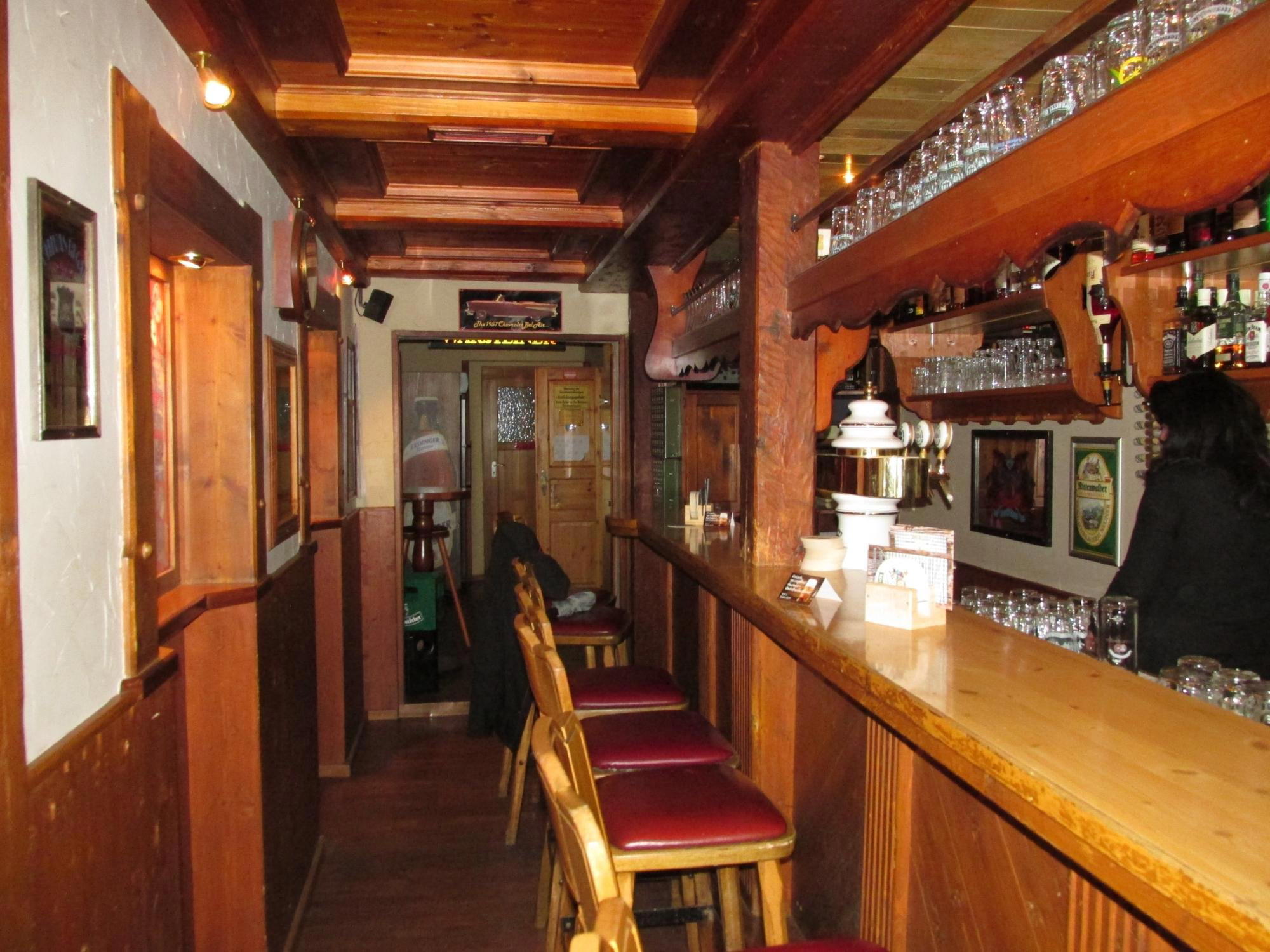
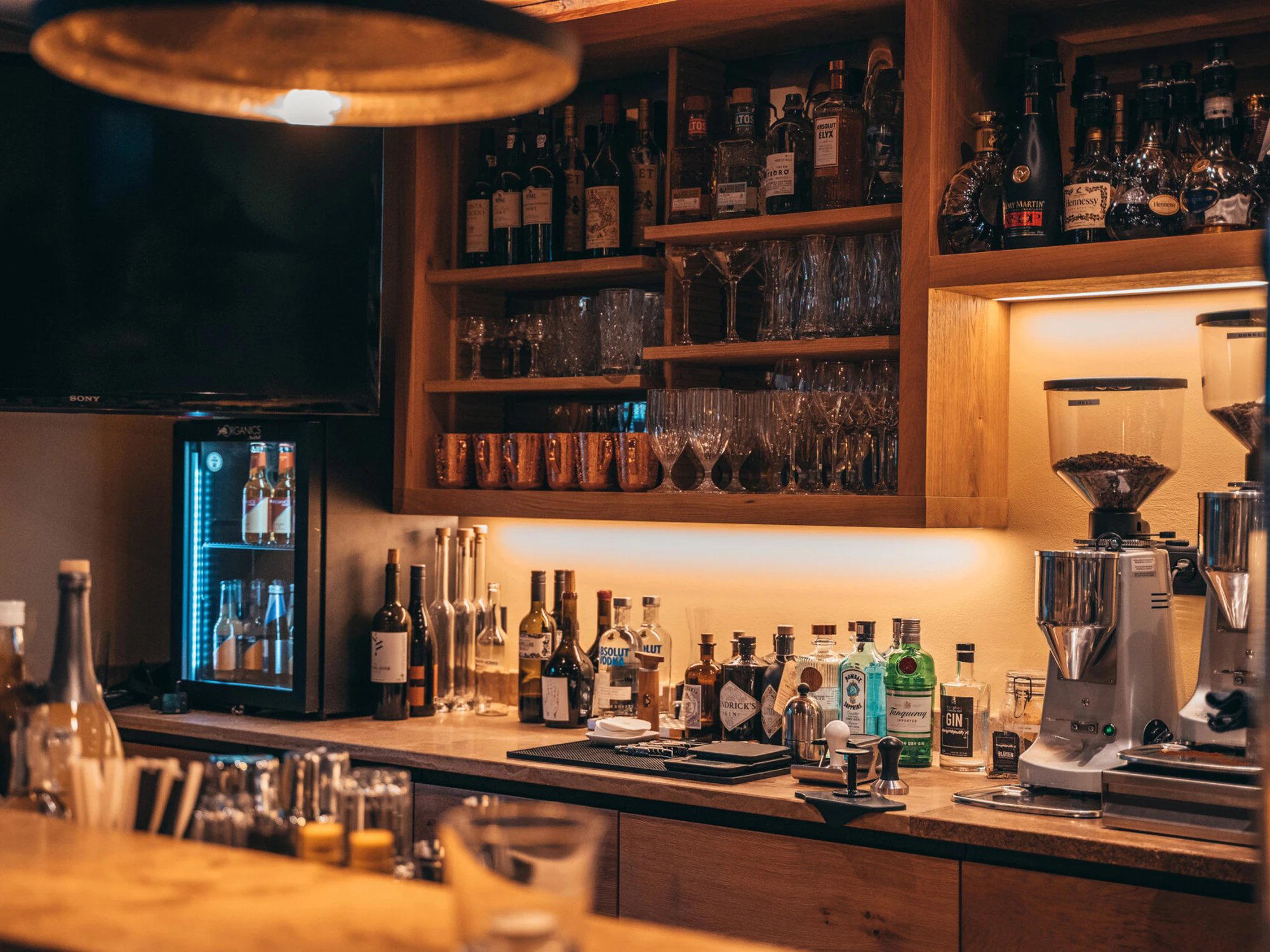
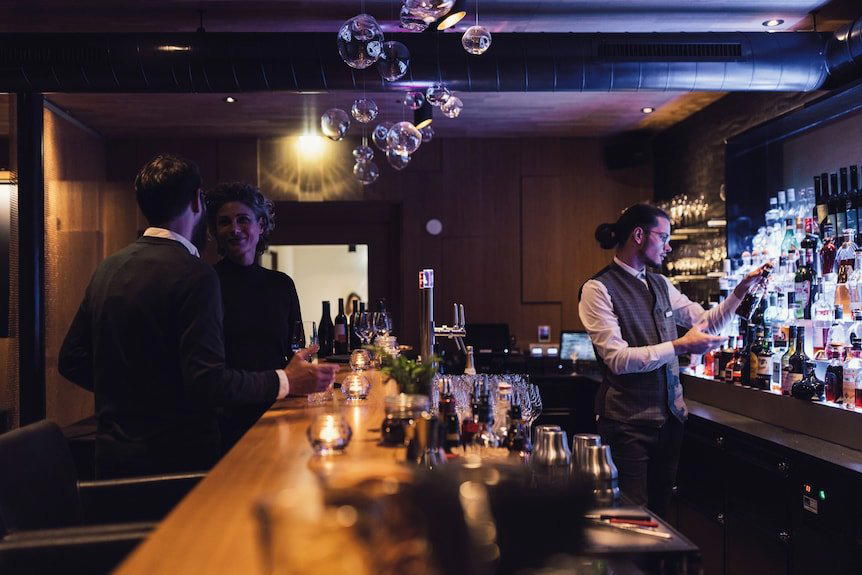
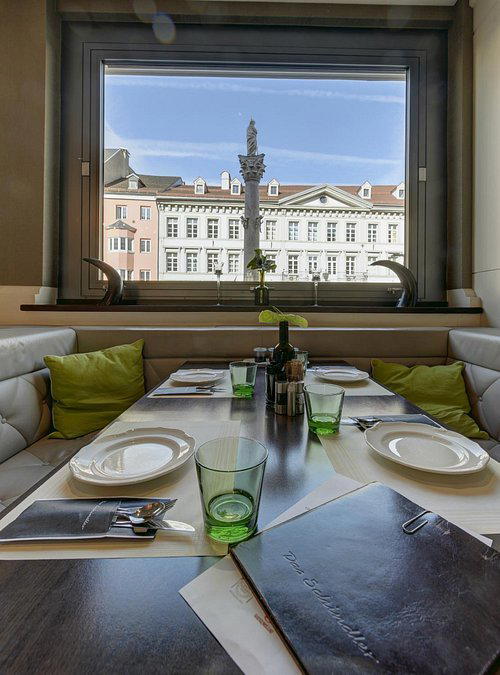
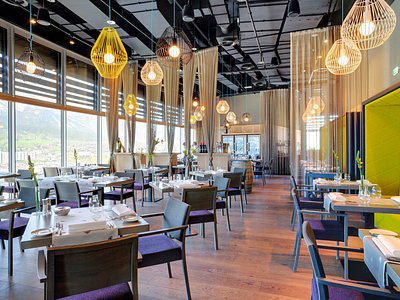
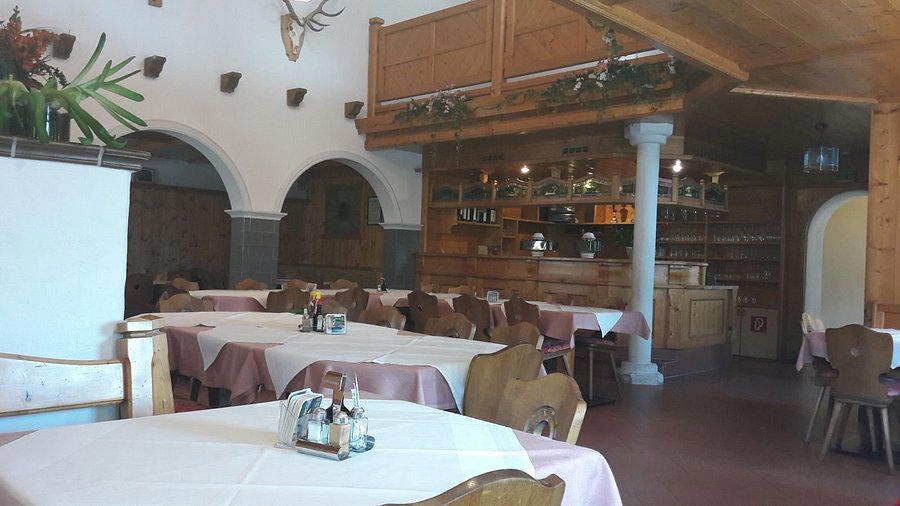
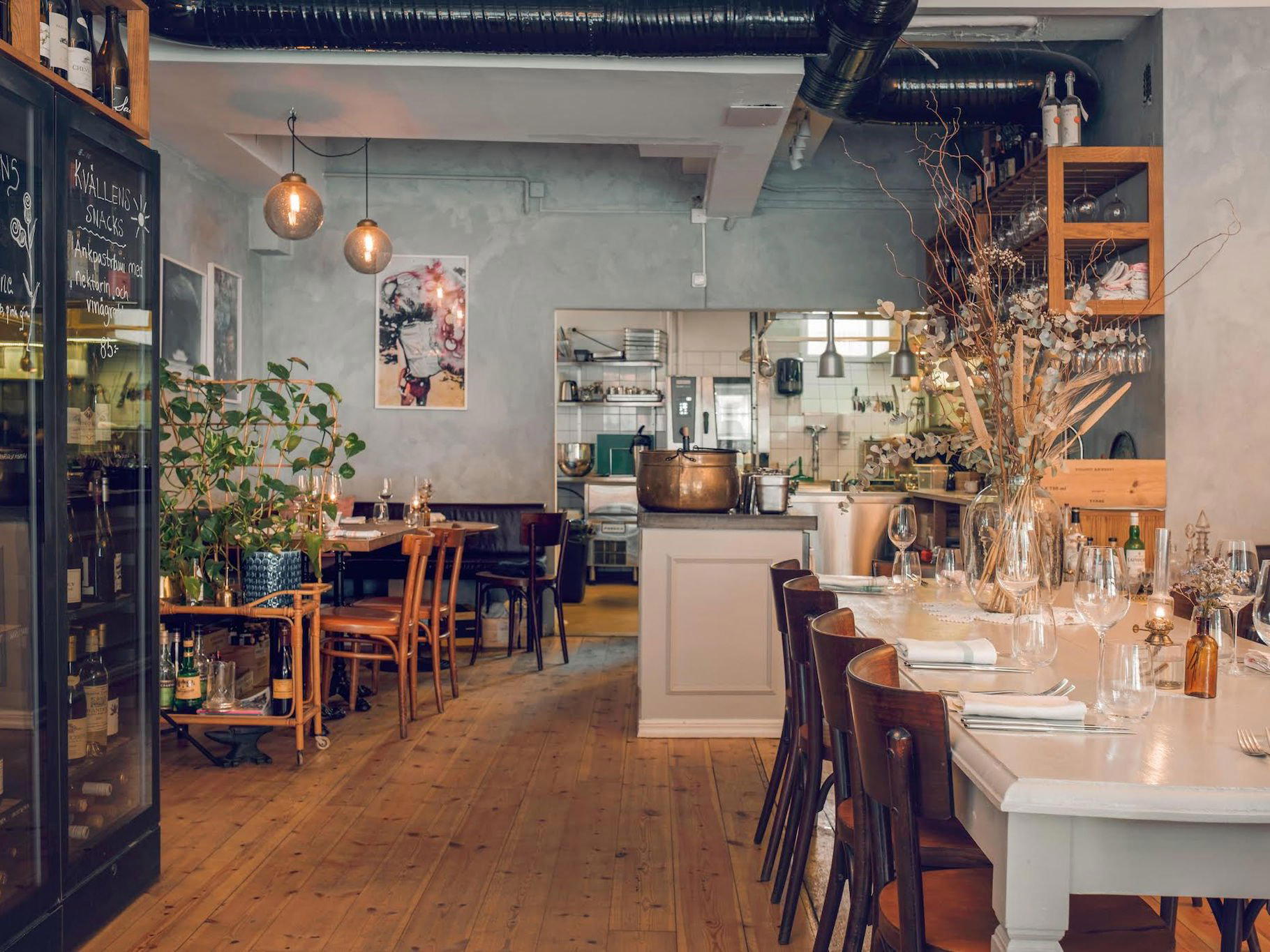
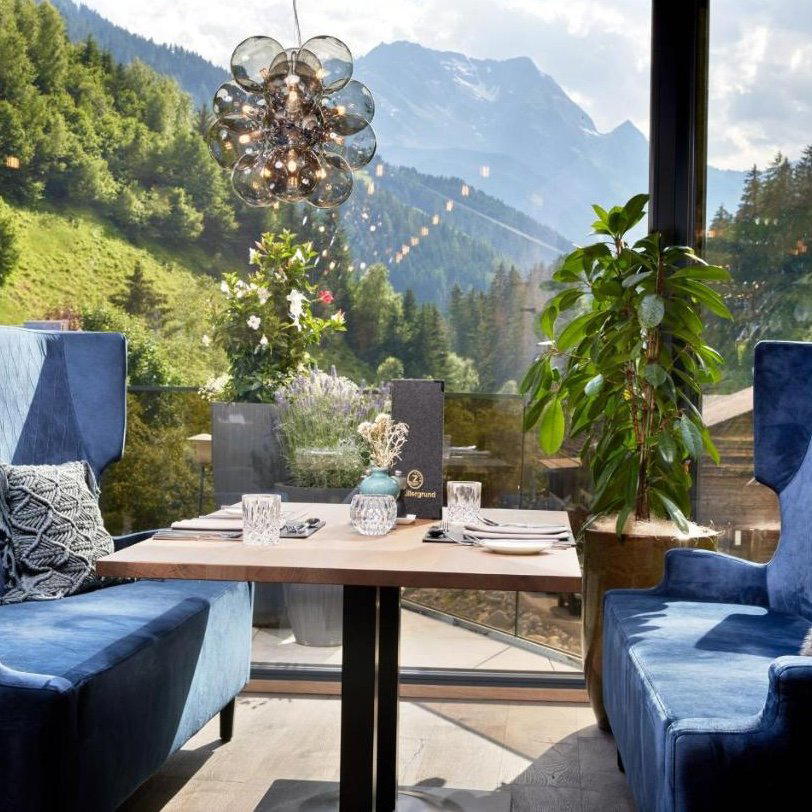
Charming mix of historic and modern elements with cozy lighting, mountain views from select rooms and rooftop terrace.