
Mandai Rainforest by Banyan Tree places Singapore hospitality in a different frame: away from the Marina Bay-Orchard axis and beside the Mandai nature precinct at 60 Mandai Lake Road. With no published public sources on room count, pricing, awards, dining, or booking channels, the useful reading is contextual: this is a nature-adjacent Singapore stay where service expectations should be judged against resort pacing rather than downtown hotel choreography.
Pearl is the En Primeur Club membership app — saves, bookings, and concierge access live there. Same editors, same standards.
- Address
- 60 Mandai Lake Rd, Singapore 729979
- Phone
- +65 6038 3939
- Website
- banyantree.com
- Directions
- Get directions
 Saves & bookings on Pearl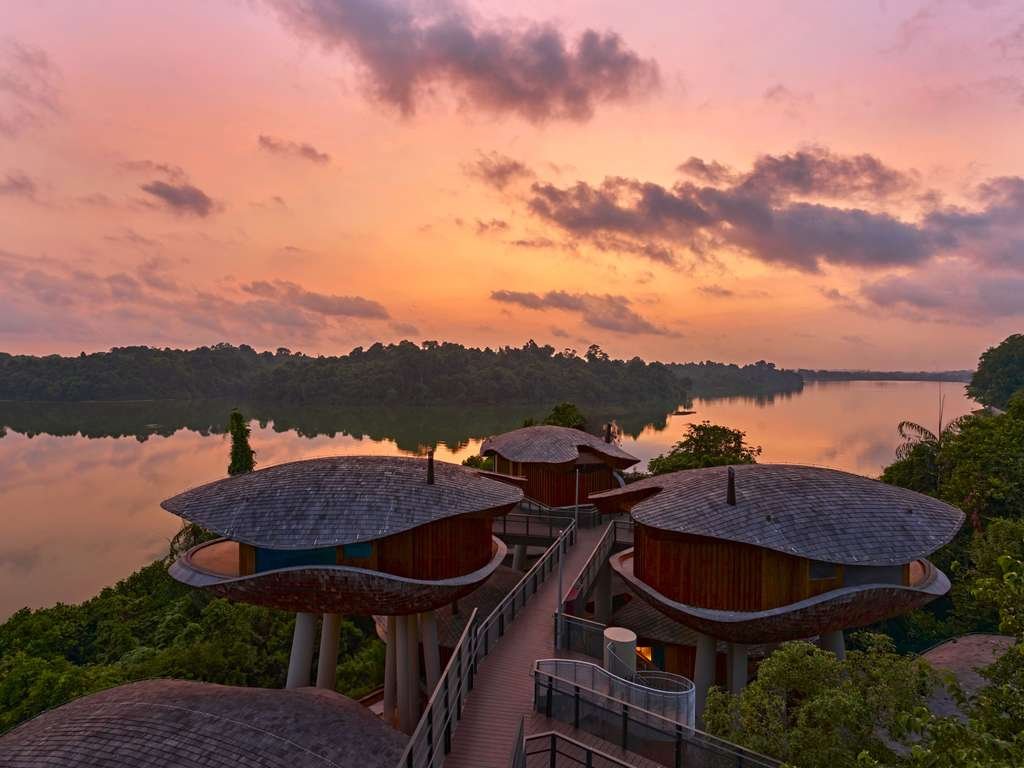
Arrival at the edge of Singapore's wilder north
The drive to 60 Mandai Lake Road changes the usual rhythm of a Singapore hotel arrival. The city’s familiar hotel corridors tend to announce themselves through malls, porte-cochères, office towers, conserved shophouses, or waterfront promenades. Mandai shifts that grammar. The approach points toward the island’s northern green belt, close to the wildlife and nature precinct that has long pulled families, conservation-minded travellers, and returning Singapore residents away from the central shopping and business districts.
That location matters more than any decorative claim. Singapore luxury is often read through the Raffles-to-Marina Bay line: heritage ceremony, skyline height, club-floor efficiency, and restaurant access measured in minutes. Mandai Rainforest by Banyan Tree belongs to a quieter category, where the guest experience is shaped by retreat pacing, daytime nature programming, and a different set of service pressures. Staff culture in this setting is not only about remembering preferences at breakfast. It is about helping guests structure a stay around heat, rain, transfers, children, early starts, and the gap between a city itinerary and a nature-adjacent one.
Mandai Rainforest by Banyan Tree is a 5-star hotel in Singapore at 60 Mandai Lake Rd, Singapore 729979. That absence should not be filled with guesswork. It does, however, define the editorial reading. This is a Singapore hotel page where the address and brand name provide the firm facts, while the meaningful comparison comes from the city’s lodging map.
Where Mandai fits in Singapore's hotel hierarchy
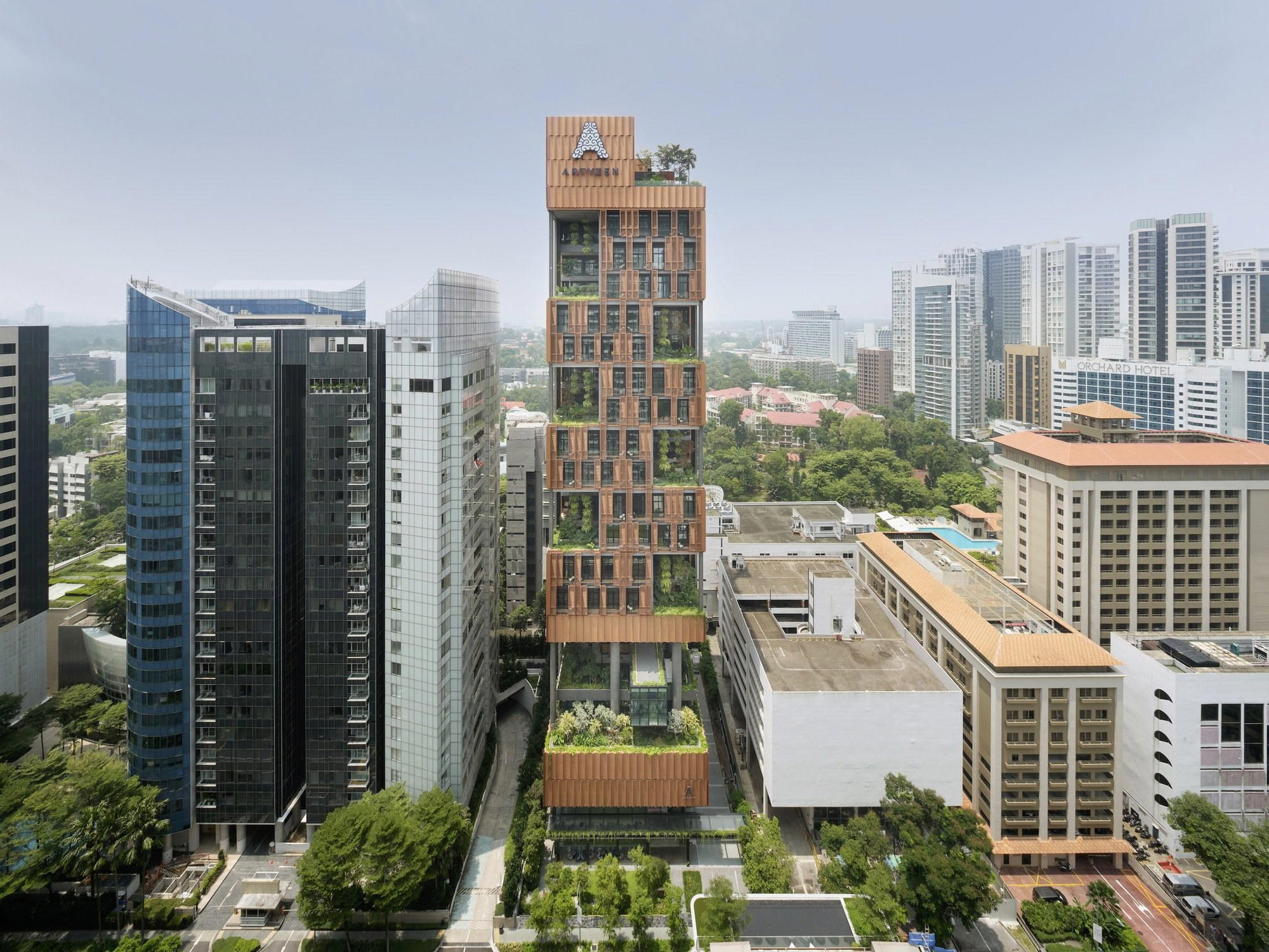
Singapore’s hotel market divides into several clear tribes. Colonial and civic-district hotels trade on ceremony and architectural memory; Raffles Hotel Singapore sits in that lineage. Island resorts draw guests south toward Sentosa, with Capella Singapore and The Outpost Hotel Sentosa by Far East Hospitality in Sentosa Island offering a leisure-first alternative to the central grid. Design-led city hotels, from 21 Carpenter to Artyzen Singapore, pull attention back to neighbourhood identity and architectural reuse. Business-friendly addresses such as Amara Singapore, Carlton Hotel Singapore, Andaz Singapore, and Como Metropolitan Singapore compete through connectivity, dining convenience, and access to commercial districts.
Mandai Rainforest by Banyan Tree sits outside those familiar lanes. Its address places it in northern Singapore, not the Orchard, Marina Bay, Civic District, Chinatown, Tanjong Pagar, or Sentosa clusters that dominate visitor planning. That makes it a more deliberate choice. A guest choosing Mandai is not trying to compress shopping, gallery-hopping, bar reservations, and business meetings into a single central base. The logic is slower: wake close to nature attractions, spend less time crossing the island for Mandai-based plans, and accept that restaurants and nightlife in the centre require more planning.
This difference also changes the service equation. In a downtown hotel, anticipatory service often means speed: a taxi at the right minute, a pressed shirt, a table confirmed, a meeting room found. In a nature-adjacent hotel, it means sequencing the day. Rain, humidity, child energy, opening times at nearby attractions, and the need for downtime become part of hospitality. The hotel that succeeds in this category does not simply provide a bed outside the centre. It makes the less urban side of Singapore legible.
Service philosophy: what matters in a nature-adjacent stay
The service culture expected here is closer to resort stewardship than city-hotel polish. That distinction is practical, not poetic. Guests are likely to ask different questions: when to visit nearby wildlife attractions, how to pace outdoor time in tropical weather, how to avoid overloading younger travellers, and how to move between Mandai and the rest of Singapore without wasting the day. With no published public sources on formal amenities, the fair assessment is to judge the stay by how well the on-property team handles these rhythms rather than by assumptions about luxury markers.
Personalisation in this setting should feel operational. A couple may need a quiet, low-friction schedule after a long-haul flight. A family may need help aligning meals, naps, transport, and ticketed activities. A returning Singapore-based guest may be using the stay as a local reset rather than a sightseeing base. The service test is whether staff can read those different uses of the same address and adapt without theatrical fuss.
Singapore has trained travellers to expect efficiency. That expectation can become a trap in a resort environment, where constant speed can flatten the point of being away from the centre. Mandai’s stronger promise is not acceleration. It is calibration: knowing when guests need movement, when they need shade, when they need instructions, and when they need to be left alone. For a premium stay near a nature precinct, that is the service language that counts.
Dining context without invented menu claims
The record does not list a cuisine type, chef, signature dishes, restaurant name, price range, or dining hours. The better way to read dining here is through location. A hotel in Mandai cannot rely on the same walk-out dining density as Chinatown, Telok Ayer, Kampong Glam, Dempsey, or Orchard. If on-site food is limited, guests feel it more sharply; if it is well handled, it becomes central to the stay rather than an incidental amenity.
For travellers planning a broader food itinerary, Mandai is better paired with scheduled restaurant movements than spontaneous grazing. Singapore rewards planning: hawker centres, Michelin-recognised dining rooms, Peranakan kitchens, Japanese counters, and modern Southeast Asian restaurants are spread across a compact but traffic-sensitive city. A northern base works when meal plans are treated as anchored appointments, not last-minute decisions.
Bars require the same realism. Singapore’s cocktail scene is concentrated around the central districts, hotel bars, and shophouse zones, not Mandai. Guests who want serious drinking should plan transport and timing before dinner rather than assuming an easy post-meal wander.
The Singapore comparison: city ceremony, island resort, northern retreat
Mandai’s clearest comparable set is not a single hotel category. It borrows from the resort logic of Sentosa, the brand-led comfort expected of international luxury hospitality, and the itinerary specificity of a destination hotel. That makes it more comparable in travel behaviour than in architecture to properties that reshape how a city is used. Aman New York in New York City, The Fifth Avenue Hotel in New York City, Aman Venice in Venice, and Cipriani, A Belmond Hotel, Venice in Venice all ask guests to choose a particular rhythm of place rather than a neutral sleep address.
The same is true of European grand hotels, though their cues are different. Hôtel de Paris Monte-Carlo in Monte Carlo, Badrutt's Palace Hotel in St. Moritz, Mandarin Oriental Ritz, Madrid in Madrid, Le Bristol Paris in Paris, and Hotel Sacher Wien in Vienna operate through civic presence and inherited rituals. Mandai’s register is less about public theatre and more about controlled distance from the dense centre. In Asia, Bvlgari Hotel Tokyo in Tokyo and Mandarin Oriental Bangkok in Bangkok show how urban hotels can become destinations in themselves. Mandai attempts a different version of that destination logic, tied to Singapore’s ecological and family-travel map rather than finance-district glamour.
Within Singapore, this distinction is useful for choosing well. Travellers who want immediate access to museums, restaurants, offices, and nightlife should start with and compare central addresses first. Travellers building a stay around the Mandai precinct should treat the northern location as an advantage, not a compromise. The wrong guest will find the distance inconvenient. The right guest will see that distance as the reason to stay.
Planning a stay from 60 Mandai Lake Road
The confirmed address is 60 Mandai Lake Rd, Singapore 729979, and the hotel has 338 rooms, a 5-star rating, a smart casual dress code, and recommended reservations. That means planning should begin with verification through the property’s current official channels or a trusted travel adviser before any flight, transfer, or dining plan is locked. In a city where hotel pricing can move sharply around Formula 1, major conferences, school holidays, and festive periods, the absence of a published price band is not a small detail.
Transport planning deserves more attention than it would for a central hotel. Mandai is not a walkable extension of Orchard Road or Marina Bay. Guests should think in blocks: Mandai-focused mornings, rest time during the hottest part of the day, and central-city dinners or bar reservations grouped efficiently. Singapore’s compact size can mislead first-time visitors; the island is easy to cross by regional standards, but poorly sequenced plans can turn a premium stay into a string of transfers.
The room decision should also be made from verified inventory, not assumed hierarchy. The record does not list room types or style details. The practical approach is to ask for the quietest suitable category, clarify outlook, bedding, accessibility needs, and proximity to facilities, then match the room to the purpose of the stay. A family using the hotel as a base for Mandai attractions will have different needs from a couple using it as a low-tempo retreat after several nights downtown.
Who should choose it
Mandai makes sense for travellers who want Singapore without using the central hotel belt as default. Families, nature-focused visitors, repeat guests, and residents planning a local break are the clearest audiences. The address gives the stay a defined purpose. That can be a strength in a market crowded with polished, centrally located hotels competing through similar convenience claims.
It is less suitable for travellers with restaurant-heavy itineraries across the central districts, late-night bar plans, or business schedules that depend on rapid movement between meetings. Those guests may still visit Mandai during the day and sleep elsewhere. The decision is not about quality in the abstract. It is about itinerary fit.
The editorial verdict is therefore measured. Mandai Rainforest by Banyan Tree is interesting because it changes the Singapore hotel question from “Which central address is easier?” to “What version of Singapore is the trip built around?” Choose it when the northern setting is central to the stay.
Comparable venues nearby, for context on price, style, and recognition.
| Venue | Cuisine | Price | Awards | Notes |
|---|---|---|---|---|
| Mandai Rainforest by Banyan TreeThis venue — the venue you are viewing | Luxury nature resort with a contemporary eco-conscious design language. | $$$$ | 5-Star | Not listed |
| QT Singapore | Playful luxury in heritage building | $$$$ | 5-Star | CECIL |
| InterContinental Singapore Robertson Quay | Luxury lifestyle riverfront residence merging modern elegance with urban serenity. | $$$$ | 5-Star | ROBERTSON QUAY |
| Mondrian Singapore Duxton | deconstructed shophouse chic | $$$$ | 5-Star | CHINATOWN |
| Mett Singapore | Lifestyle-led luxury heritage hotel in a restored colonial building surrounded by Fort Canning Park’s greenery. | $$$$ | 5-Star | FORT CANNING |
| InterContinental Singapore | Luxury lifestyle hotel with riverfront residences blending modern elegance and heritage charm. | $$$$ | 5-Star | BUGIS |
Recognition history
Dated appearances from independent guides and award organizations, with the underlying list record or original source where available.
AFAR Best New Hotels
AFAR · AFAR 40 Best New Hotels 2026
At a Glance
- Scenic
- Modern
- Elegant
- Sophisticated
- Family Vacation
- Wellness Retreat
- Weekend Escape
- Destination Wedding
- Garden
- Design Destination
- Panoramic View
- Destination Spa
- Wi Fi
- Pool
- Spa
- Fitness Center
- Room Service
- Concierge
- Valet Parking
- Garden
- Wi Fi
- Pool
- Spa
- Fitness Center
- Room Service
- Concierge
- Valet Parking
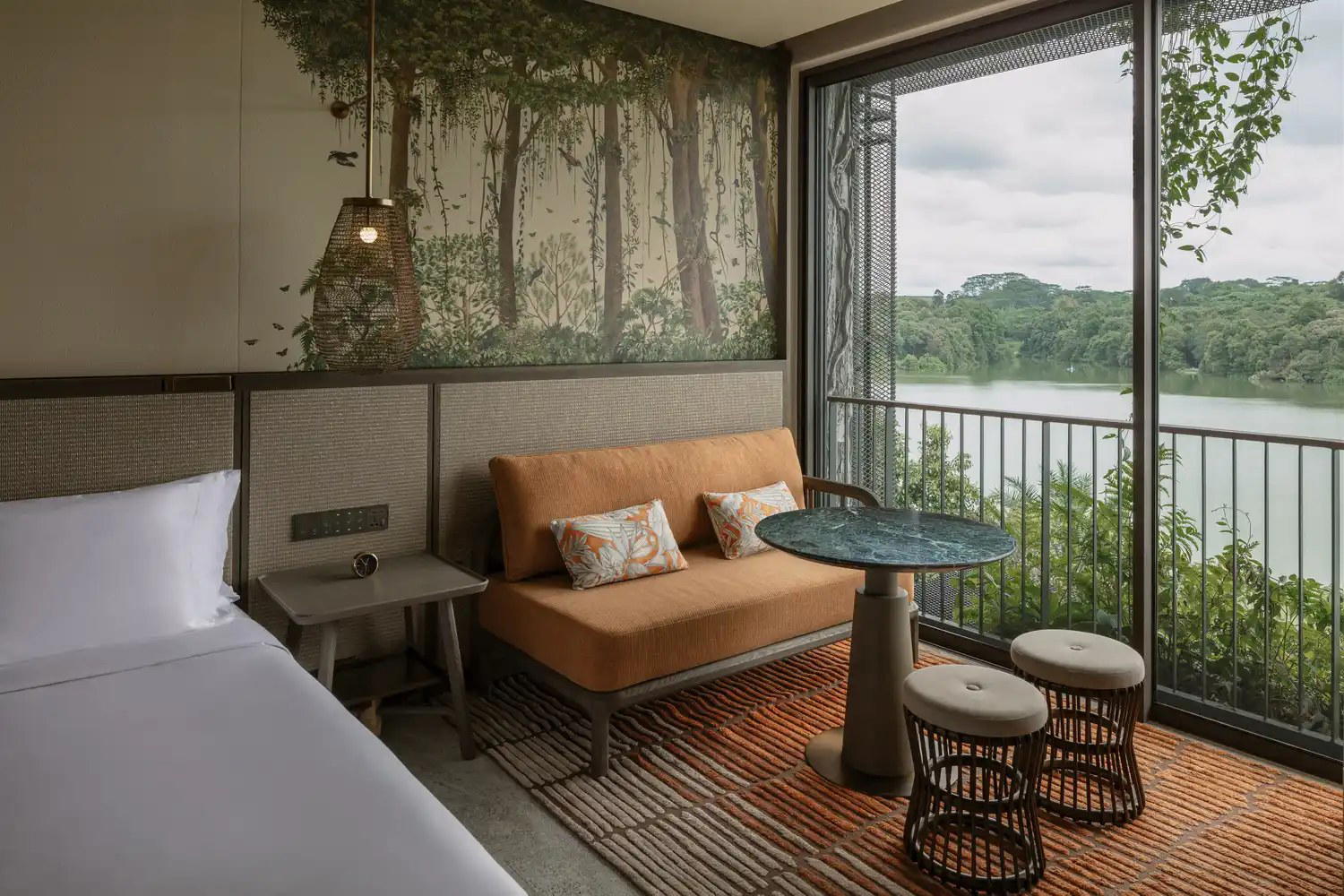
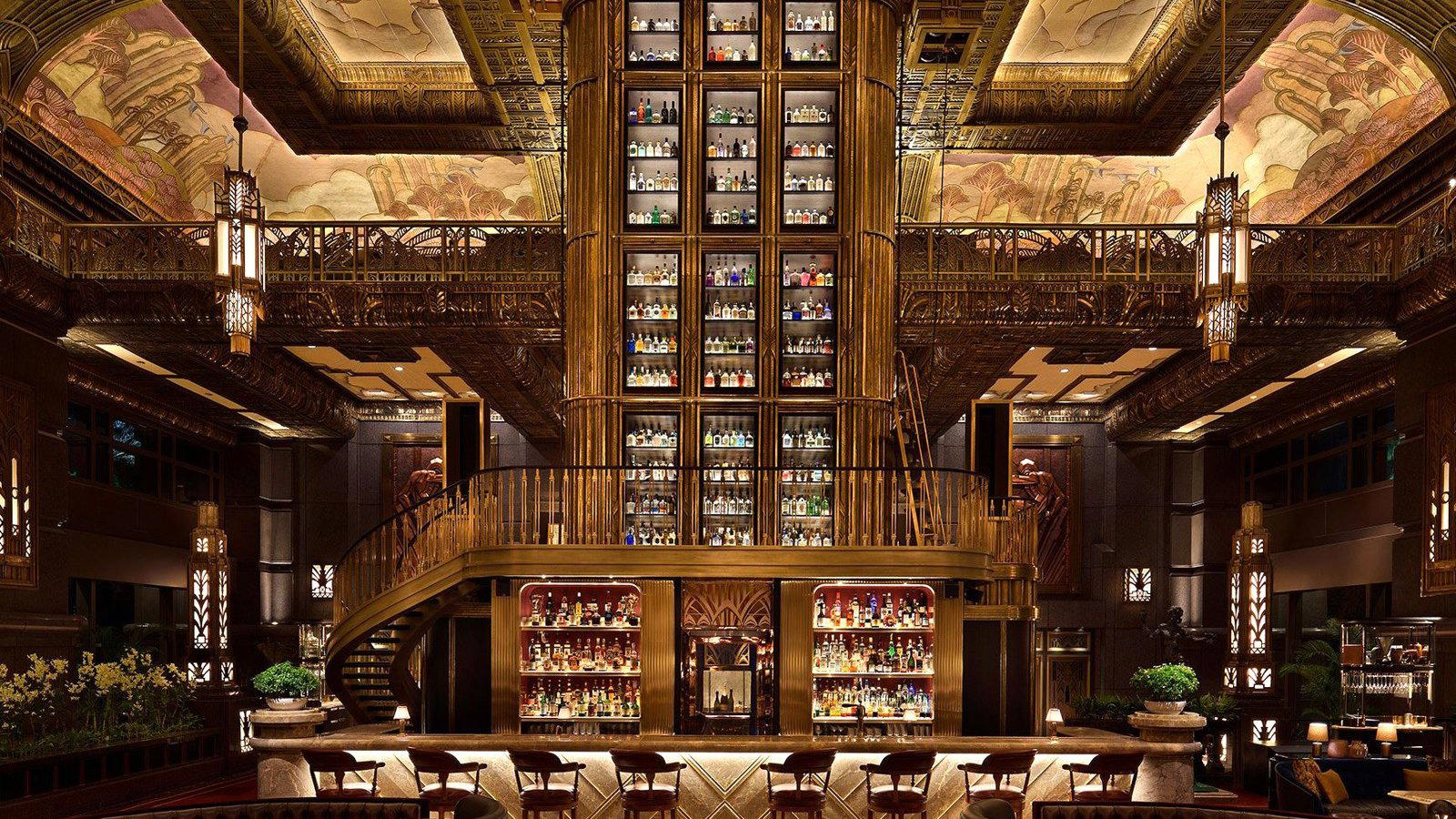
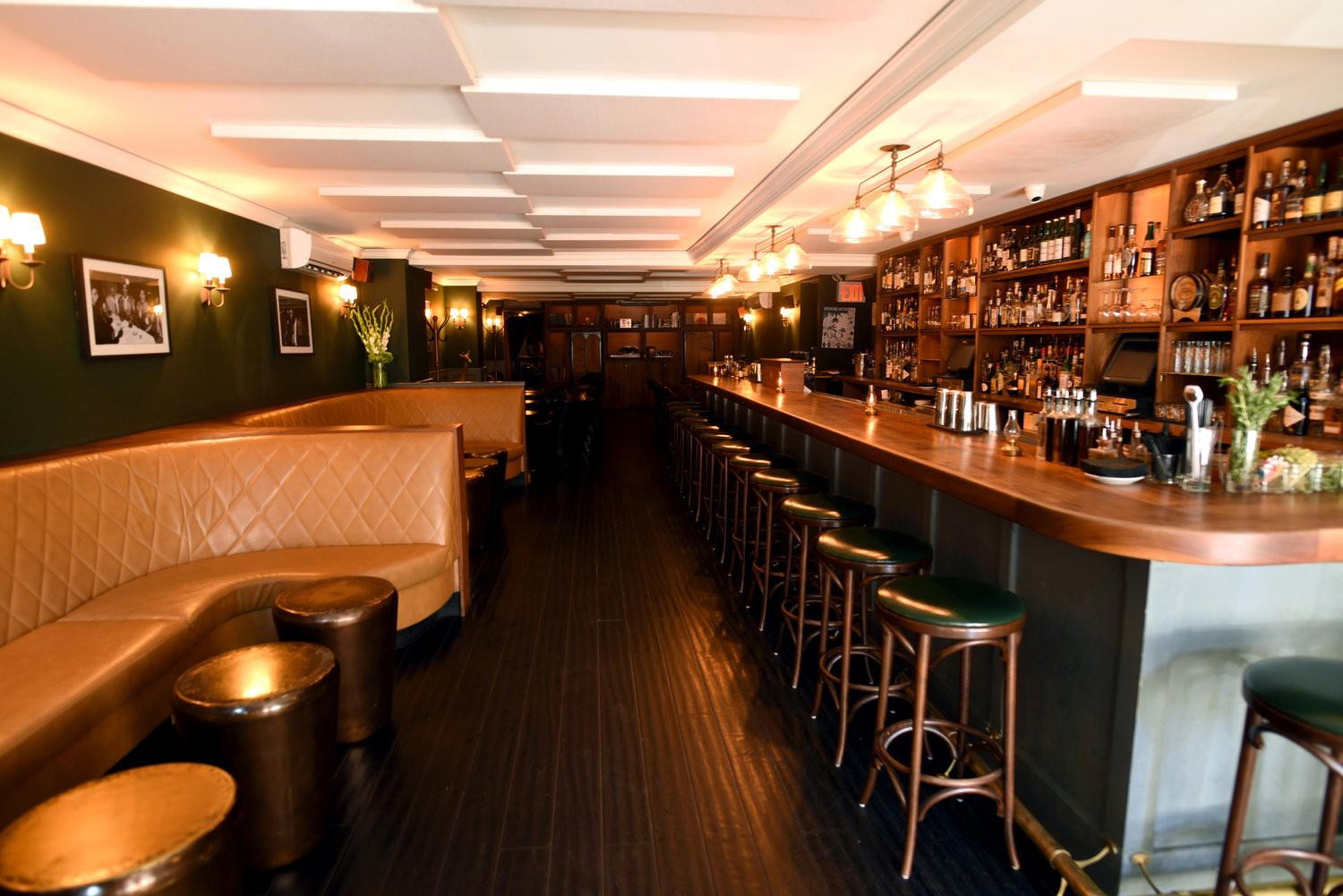
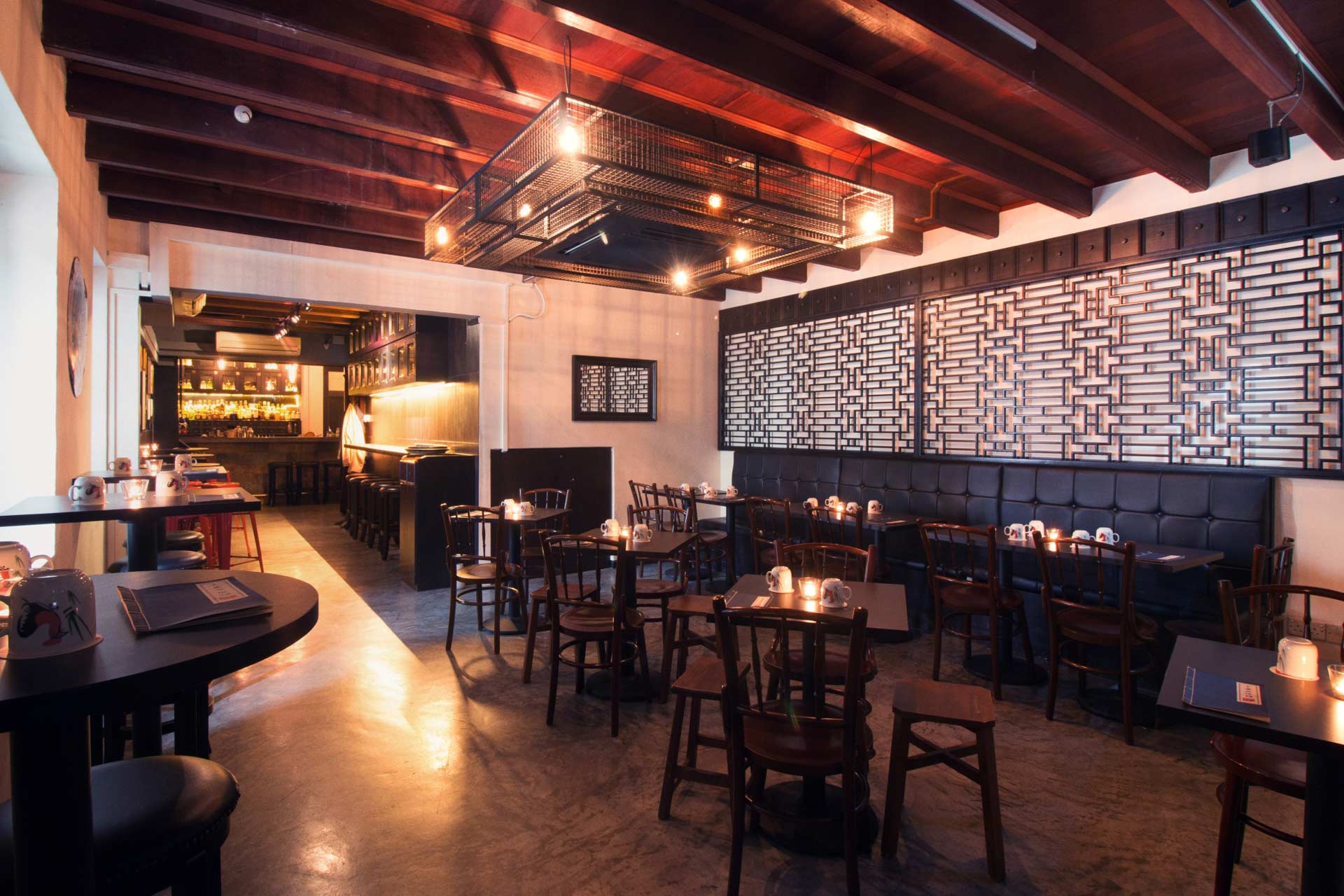
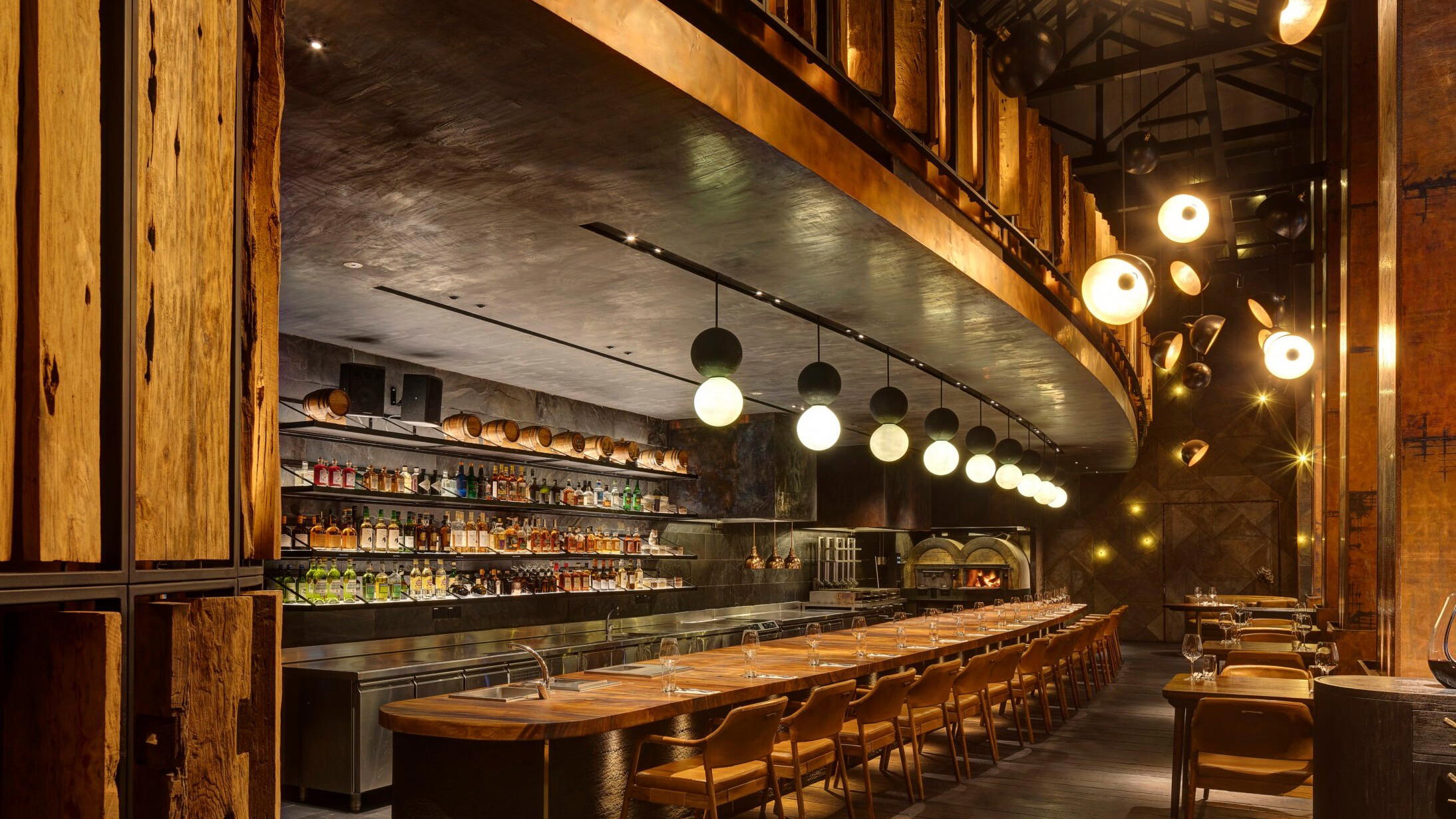
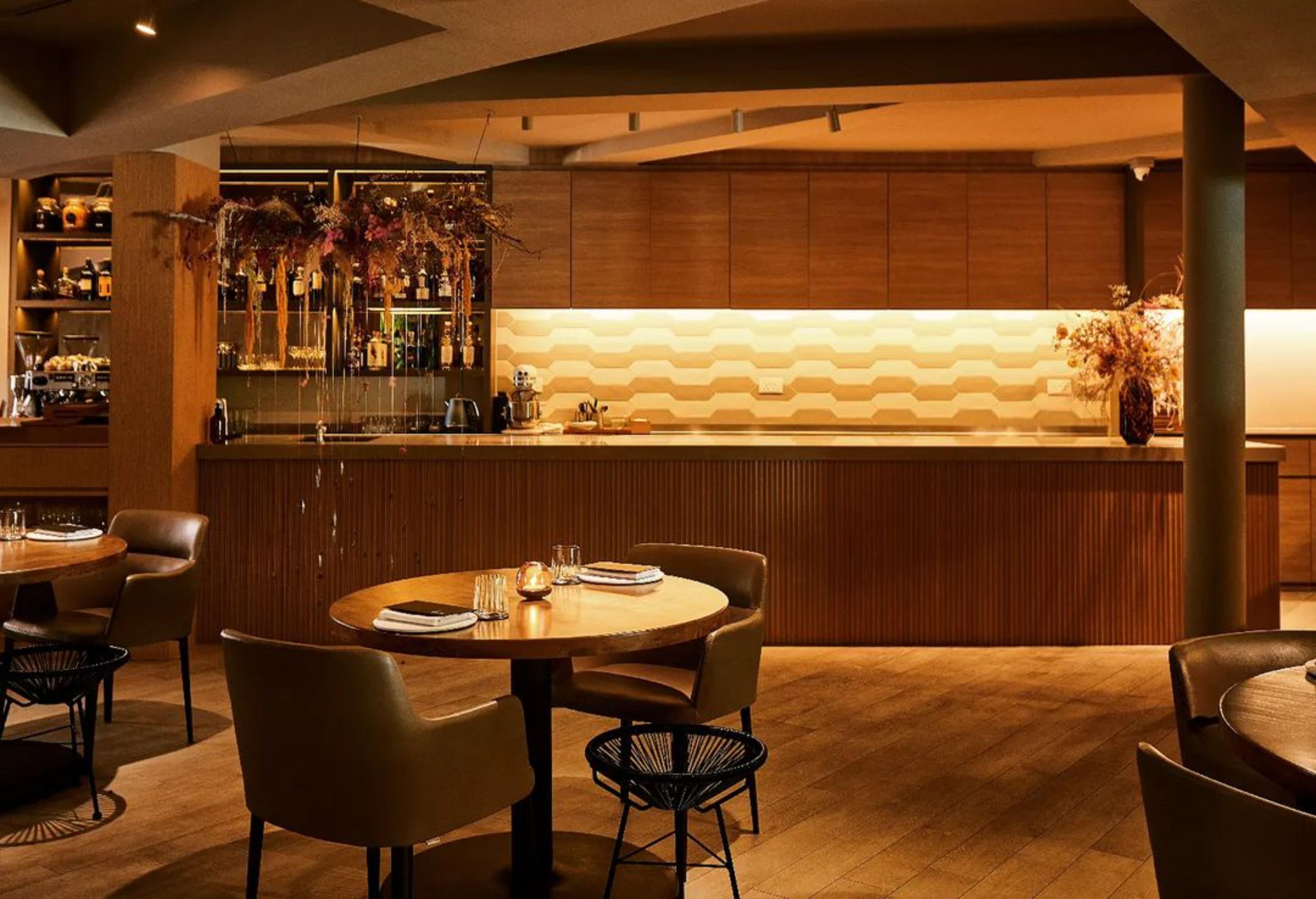
Biophilic and nature-immersed, with a calm rainforest atmosphere that feels secluded from the city while still being designed in a contemporary luxury style.