

Mett Singapore is defined less by published hotel metrics than by its address: 11 Canning Walk, a Fort Canning setting that places the stay between civic Singapore, Orchard Road, Clarke Quay and the museum district. With awards, room count, dining format and booking details not listed in the current record, the useful read is contextual: a centrally placed hotel whose value depends on access, rhythm and neighbourhood fit.
Pearl is the En Primeur Club membership app — saves, bookings, and concierge access live there. Same editors, same standards.
- Address
- 11 Canning Walk, Singapore 178881
- Phone
- +65 6799 8800
- Website
- metthotelsandresorts.com
- Directions
- Get directions
 Saves & bookings on Pearl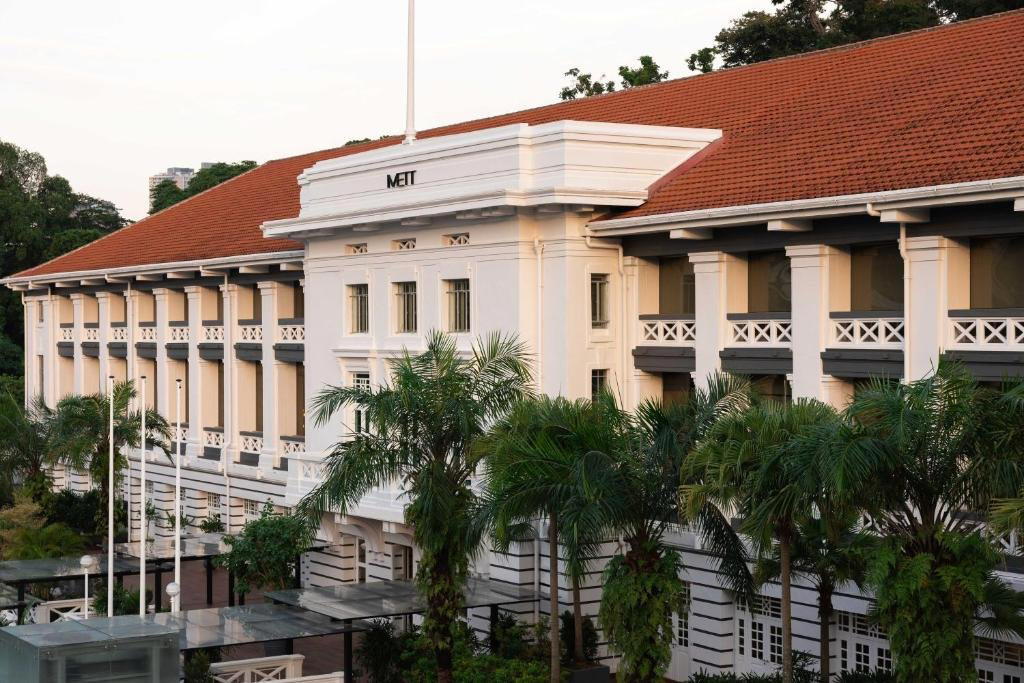
Fort Canning sets the tone before the lobby does
Arrival at 11 Canning Walk has a different cadence from Singapore’s glass-tower hotel districts. The approach is green, slightly lifted from the city’s traffic pattern, and tied to one of the island’s oldest civic hills rather than a mall podium or waterfront promenade. That matters in Singapore, where luxury hotels often compete through scale, skyline height, retail adjacency or heritage restoration. A Fort Canning address gives Mett Singapore a quieter form of capital: centrality without the constant performance of a major shopping street.
The immediate context is the story. Fort Canning sits between Orchard Road, City Hall, Clarke Quay, Dhoby Ghaut and the museum belt, so the address works for travellers who want Singapore’s central districts close at hand without sleeping inside the densest commercial corridors. In hotel terms, that places the property in a different decision set from resort-leaning Sentosa stays such as Capella Singapore or The Outpost Hotel Sentosa by Far East Hospitality in Sentosa Island. The trade is clear: less beach-resort separation, more city reach.
Singapore rewards that kind of positioning. The city’s luxury hotel scene has fractured into several camps: restored colonial institutions, high-rise lifestyle hotels, clubby boutique conversions, business hotels with strong transport logic and island resorts built around seclusion. A Canning Walk address sits across those categories rather than neatly inside one, which is why the location deserves more attention than any unsupported claim about style, service or room product.
Singapore hotel luxury is now a geography question
The old shorthand for Singapore hotels was simple: Marina Bay for views, Orchard for retail, Sentosa for resort space, the Civic District for heritage. That map still works, but it misses how travellers now use the city. A long weekend can move from Peranakan houses in Katong to cocktail bars in Chinatown, from a gallery afternoon near Bras Basah to a late dinner around Keong Saik, then back through riverfront nightlife without needing a resort-style buffer. In that pattern, a central hill address becomes practical rather than merely atmospheric.
Against the grand-hotel tradition represented by Raffles Hotel Singapore, the appeal of Fort Canning is not ceremony. It is access with a measure of remove. Raffles carries a documented heritage signal that few hotels in Asia can match, while newer city hotels work through design, wellness, dining or neighbourhood energy. Mett Singapore, based on the available record, should be read through its site first: the listed address at 11 Canning Walk is the hard data point, and in a compact city-state, that data point is unusually meaningful.
This is also where comparisons inside Singapore become useful. 21 Carpenter belongs to the boutique conservation conversation near the Singapore River. Andaz Singapore sits in the Bugis and Kampong Glam orbit, with a different relationship to street life, transit and contemporary tower design. Como Metropolitan Singapore is tied more directly to Orchard’s retail and wellness economy. Fort Canning offers neither the same immediate shopping density nor the same nightlife frontage; its advantage is the ability to touch several central zones without belonging wholly to one of them.
The address: 11 Canning Walk
That places it within the Fort Canning area, a historically layered hill that has served different civic, military and cultural roles over time. For a hotel guest, the practical outcome is less abstract. The location is near Singapore’s central arts, government and river districts, while remaining distinct from the hotel clusters at Marina Bay and Orchard Road.
For first-time visitors, this can be a smart base if the itinerary is split rather than single-purpose. Orchard Road is Singapore’s retail corridor. Clarke Quay and Boat Quay pull in riverfront dining and late-night drinking. City Hall and Bras Basah cover galleries, museums, churches, concert halls and civic architecture. Chinatown, Tanjong Pagar and Keong Saik hold a dense concentration of restaurants and bars. A hotel on Canning Walk sits in the middle of that mental map, which makes short taxi rides and public-transport connections more valuable than any single postcard view.
The same location may be less persuasive for travellers seeking direct waterfront theatre or a resort schedule built around pools, beaches and long lunches away from the city. For that brief, Sentosa’s hotel set or Marina Bay’s high-rise properties make a clearer argument. For travellers who prefer to move through Singapore by district, meal and appointment, Fort Canning gives a more flexible base.
What the available record does, and does not, say
Good hotel writing has to respect absence. Those omissions matter because they limit any claim about service tier, brand pedigree, rate position, dining ambition or awards standing.
That lack of published detail changes how the property should be evaluated against better-documented peers. Amara Singapore, Carlton Hotel Singapore and Artyzen Singapore occupy different parts of the city-hotel field, and each comparison depends on the traveller’s priorities: transit, dining, room size, brand preference, event facilities, wellness or neighbourhood mood. For Mett Singapore, the present evidence points most strongly to geography. Until rates, facilities and recognition are published in the record, the address remains the defensible basis for editorial judgment.
This restraint is not a weakness in planning. It prevents the common hotel-page problem of treating every property as if it had a confirmed chef, spa programme, design thesis and awards list. In Singapore, where high-quality accommodation exists across many price bands, unsupported adjectives add little. A Canning Walk address, by contrast, tells the reader something useful: the stay is oriented toward central movement rather than resort distance.
How it fits among Singapore's hotel districts
Fort Canning versus Orchard
Orchard is efficient, commercial and familiar. It suits travellers who want retail, medical appointments, international brands and taxi availability at the door. Fort Canning is close to that orbit but not absorbed by it. The difference is not merely mood; it changes the day. From an Orchard hotel, the city can feel like a sequence of malls and arterial roads. From Canning Walk, the first frame is parkland and civic history, with shopping as a nearby option rather than the organising principle.
Fort Canning versus Marina Bay
Marina Bay hotels sell skyline drama and waterfront scale. They work for travellers who value views, large-format dining, convention access and the symbolic Singapore of glass, gardens and finance. Fort Canning is lower-key and more inward-facing. It will not replace a bayfront panorama, but it can provide better balance for travellers moving between museums, river districts, Orchard appointments and evening dining in Chinatown or Tanjong Pagar.
Fort Canning versus Sentosa
Sentosa changes the trip’s rhythm. It slows movement and separates the guest from central Singapore, which can be a strength for families and resort-minded stays. Fort Canning does the opposite. It keeps the city close, so lunch, galleries, meetings and late drinks remain easy to combine in a single day. That makes Mett Singapore a stronger fit for travellers who want Singapore as an urban circuit rather than a retreat.
Dining and drinking: use the city, not just the hotel
That is not a compromise. The city is built for cross-district eating, with hawker centres, tasting-menu rooms, regional kitchens, cocktail bars and hotel restaurants all operating within short travel windows. A Fort Canning base lets a guest treat dinner as a neighbourhood choice rather than a property default.
For a broader read of the city’s dining scene, Our full Singapore restaurants guide is the stronger starting point than assuming the hotel will define the culinary schedule. The same logic applies after dinner. Singapore’s bar culture has moved beyond the old hotel-lobby model into Chinatown, Amoy Street, Tanjong Pagar, Joo Chiat and the City Hall-Bugis corridor; Our full Singapore bars guide gives that scene the necessary context. Travellers building a wider itinerary can also cross-reference Our full Singapore experiences guide and Our full Singapore wineries guide, while Our full Singapore hotels guide frames the accommodation set citywide.
This is where the location works hardest. A hotel does not need to carry every meal if the city around it has range and density. Fort Canning is near enough to several restaurant clusters that the wiser plan is to choose meals by district: Chinatown for contemporary dining density, Little India for spice and late hours, Kampong Glam for Middle Eastern and Malay-linked foodways, Orchard for polished hotel restaurants, and the river for easy post-meal movement.
Who should consider it
Mett Singapore makes the cleanest case for travellers who value central positioning and do not need a hotel’s awards file to make the decision. It suits itineraries with mixed demands: a morning meeting near City Hall, an afternoon museum visit, dinner in Tanjong Pagar and a late return without the sense of commuting from a resort enclave. It also suits repeat visitors who have already done the Marina Bay spectacle and want a less obvious base inside central Singapore.
The less natural fit is the traveller comparing hotels by published accolades, room count, chef-led restaurants, spa facilities or precise rate category. Those data points are not present in the record. Anyone making a decision around those criteria should verify directly through current official channels before committing. That is especially true in Singapore, where rate gaps can be significant across weekdays, Formula 1 periods, major conferences, school holidays and year-end travel.
For travellers looking beyond Singapore, useful peer thinking comes from other cities where address carries the stay. The Fifth Avenue Hotel in New York City trades on NoMad’s cultural and dining momentum. Aman New York in New York City uses Midtown verticality and privacy in a different way. Hôtel de Paris Monte-Carlo in Monte Carlo is inseparable from Casino Square, while Badrutt's Palace Hotel in St. Moritz is tied to mountain-season social geography. In Venice, Aman Venice in Venice and Cipriani, A Belmond Hotel, Venice in Venice show how canal position and island separation create different kinds of luxury. The same principle applies in Singapore: the right hotel is often the right map.
Planning notes
The practical record is limited, so planning should begin with confirmation. Guests should verify rates, inclusions, cancellation terms, breakfast arrangements, check-in times and transport access through current official or trusted booking channels before arranging flights around the stay. For Singapore, that verification becomes more important during major event weeks, when central hotels can shift quickly in price and availability.
Transport planning should reflect Singapore’s strengths. Taxis and ride-hailing are generally efficient, and the MRT network makes central movement predictable when stations are convenient to the day’s route. The reliable planning principle is district-based: Fort Canning is central enough for short cross-town movements, but the fastest route will depend on weather, traffic, luggage and the exact entrance used.
In the regional luxury field, Singapore also competes with cities where hotel heritage and address are tightly linked. Bvlgari Hotel Tokyo in Tokyo, Mandarin Oriental Ritz, Madrid in Madrid, Le Bristol Paris in Paris, Mandarin Oriental Bangkok in Bangkok and Hotel Sacher Wien in Vienna all demonstrate that the street or district can be as decisive as the room category. Singapore’s version is more compact and more transit-led, but the rule holds: choose the address that matches the intended rhythm of the trip.
Comparable venues nearby, for context on price, style, and recognition.
| Venue | Cuisine | Price | Awards | Notes |
|---|---|---|---|---|
| Mett SingaporeThis venue — the venue you are viewing | Lifestyle-led luxury heritage hotel in a restored colonial building surrounded by Fort Canning Park’s greenery. | $$$$ | 5-Star | Not listed |
| Como Metropolitan Singapore | Contemporary urban lifestyle hotel integrated with retail, wellness, and dining in a 19-story tower. | $$$$ | 5-Star | SOMERSET |
| Andaz Singapore | Contemporary urban luxury infused with Singaporean cultural heritage | $$$$ | 5-Star | BUGIS |
| Hotel Fort Canning | Heritage luxury boutique hotel combining British colonial architecture with contemporary minimalist design and wellness focus. | $$$$ | 5-Star | FORT CANNING |
| JW Marriott Hotel Singapore | Contemporary luxury with heritage preservation, targeting sophisticated business travelers and design-conscious guests. | $$$$ | 5-Star | CITY HALL |
| The Barracks Hotel Sentosa | Restored colonial military barracks with contemporary luxury | $$$$ | 5-Star | SENTOSA |
Recognition history
Dated appearances from independent guides and award organizations, with the underlying list record or original source where available.
Michelin Guide New Hotels New Hotel
Michelin Guide New Hotels
Michelin Selected
Michelin
World Luxury Hotel Awards WLHA Regional Winner
World Luxury Hotel Awards
At a Glance
- Elegant
- Scenic
- Sophisticated
- Modern
- Classic
- Weekend Escape
- Romantic Getaway
- Family Vacation
- Business Trip
- Wellness Retreat
- Celebration
- Garden
- Historic Building
- Design Destination
- Terrace
- Private Dining
- Wi Fi
- Pool
- Spa
- Fitness Center
- Room Service
- Concierge
- Business Center
- Valet Parking
- Garden
- Skyline
- Wi Fi
- Pool
- Spa
- Fitness Center
- Room Service
- Concierge
- Business Center
- Valet Parking
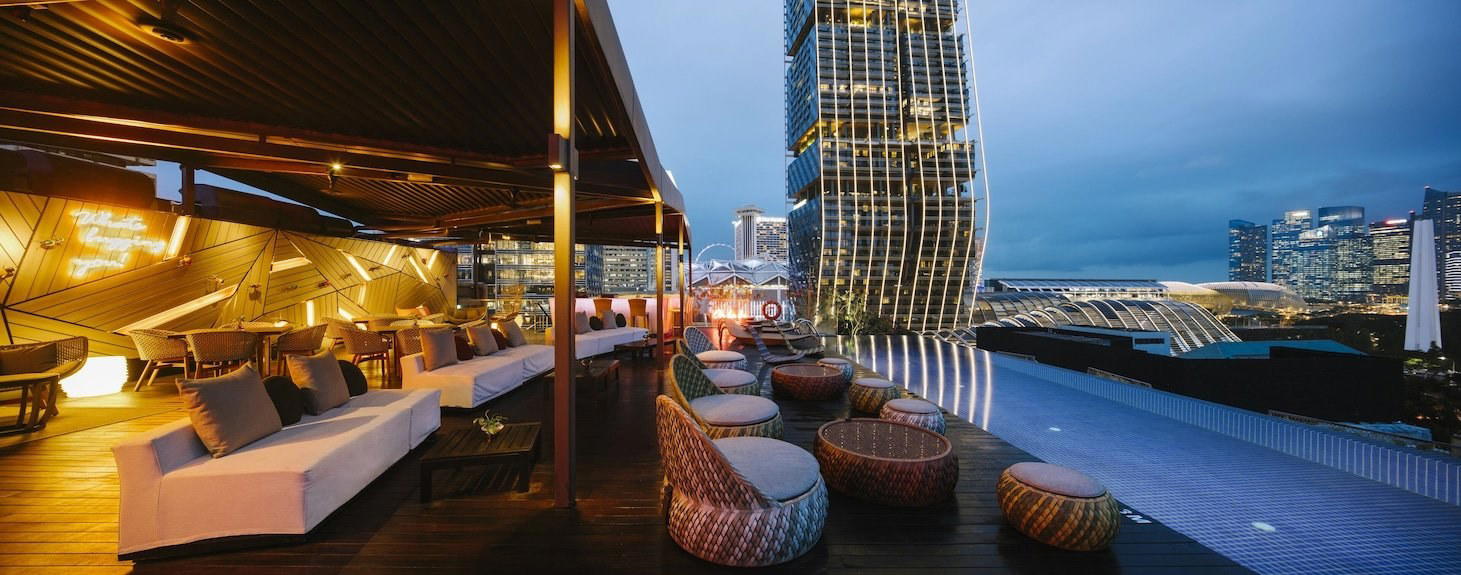
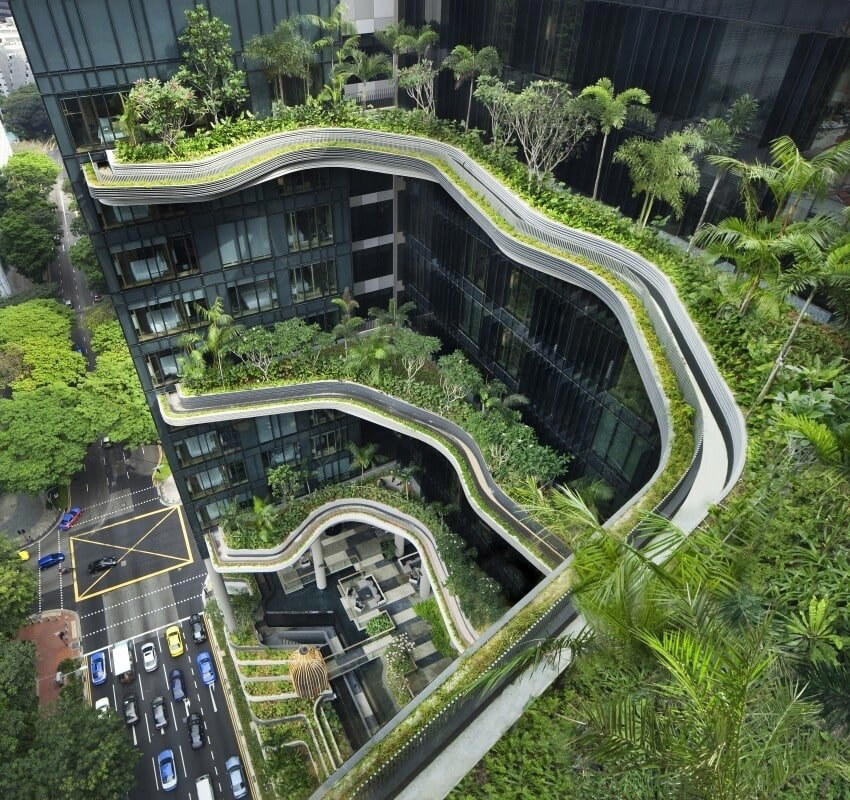
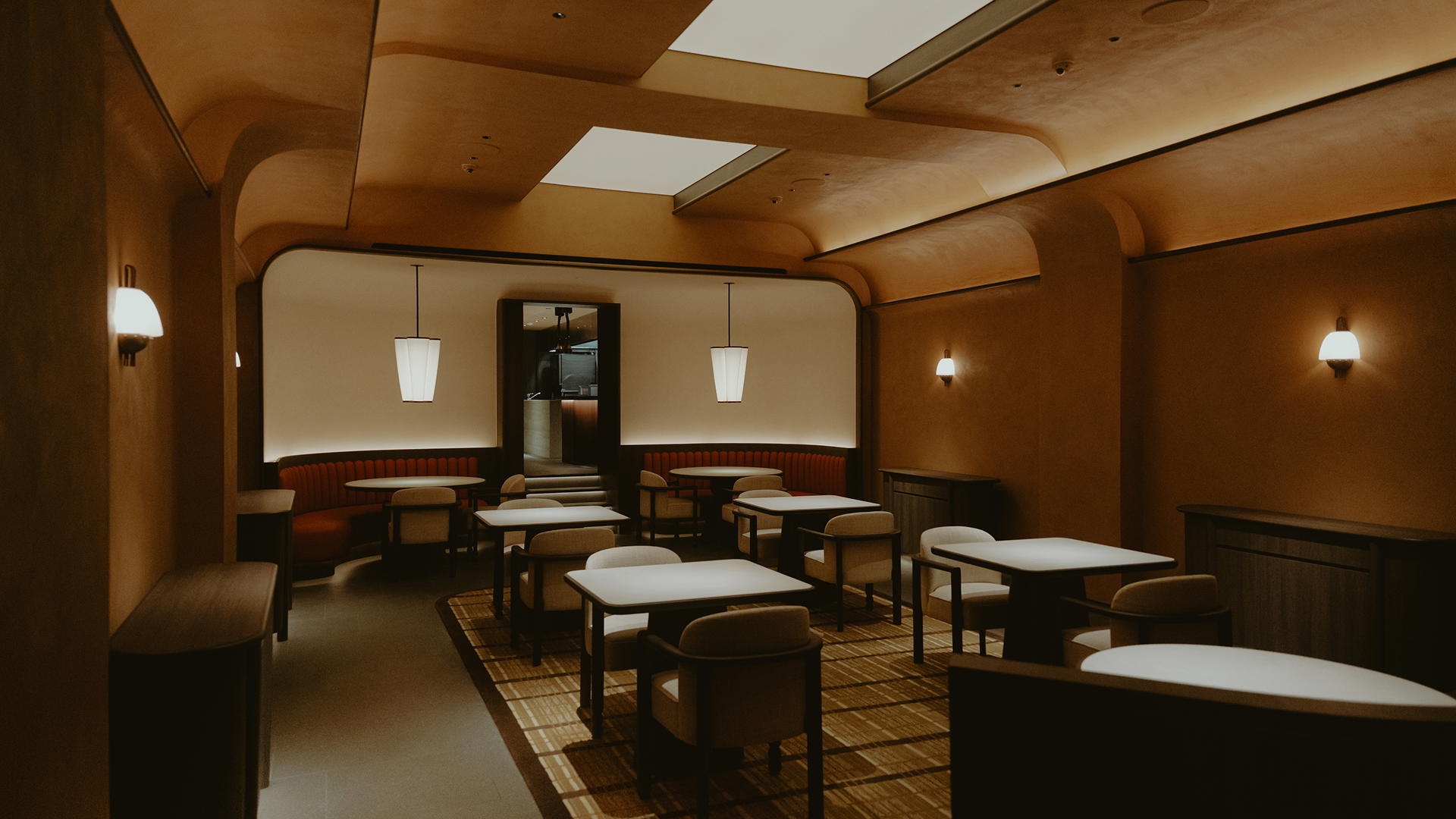
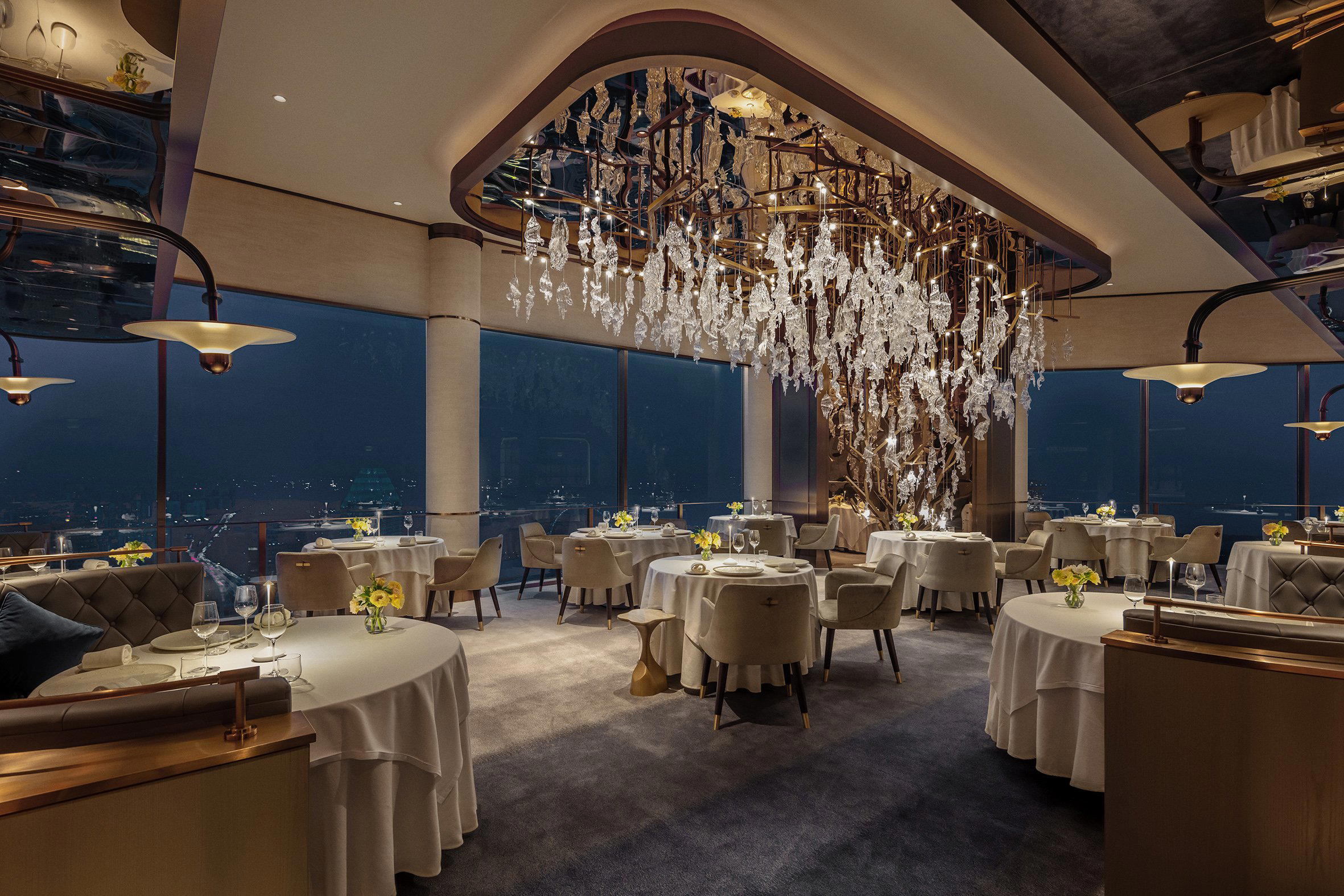
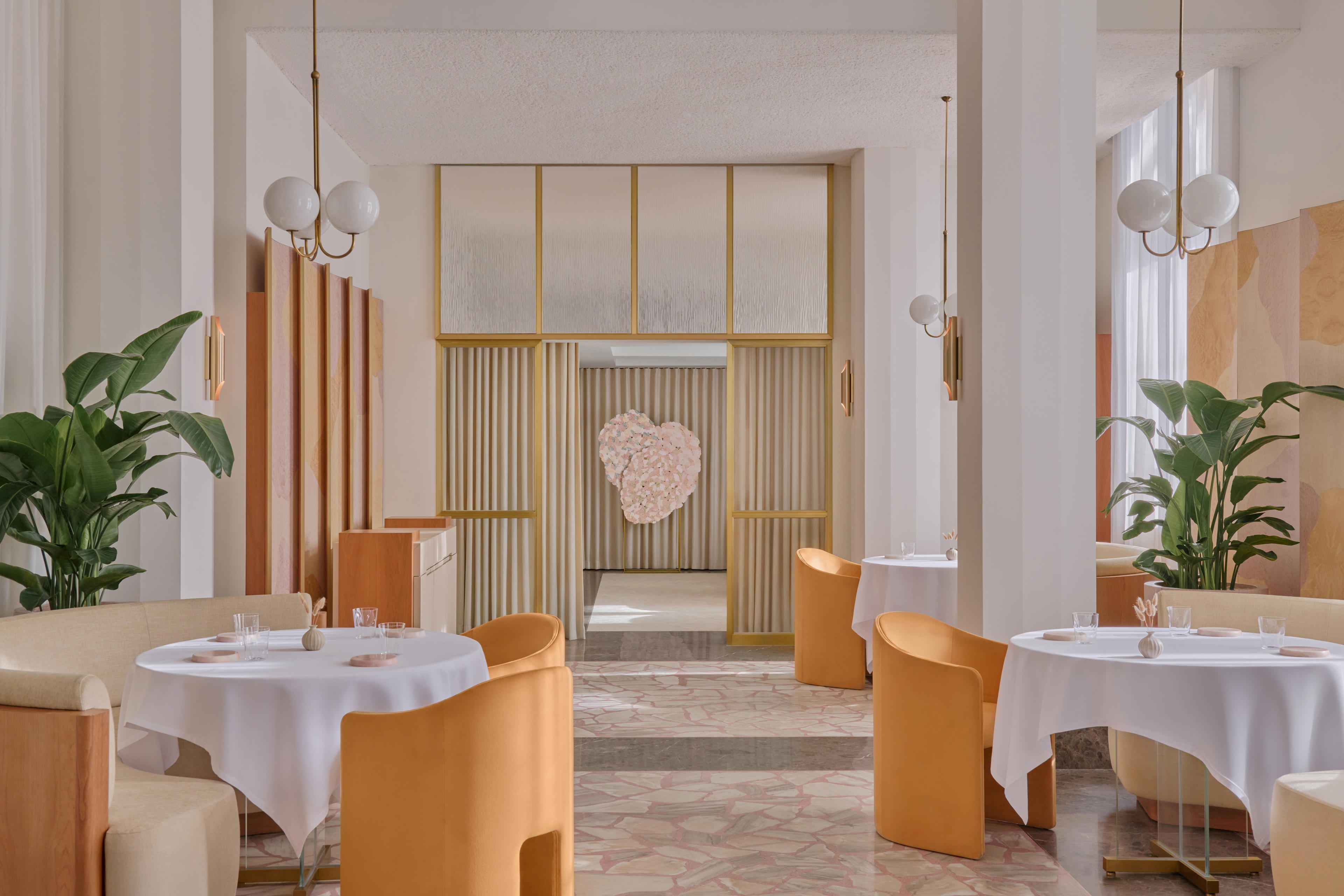
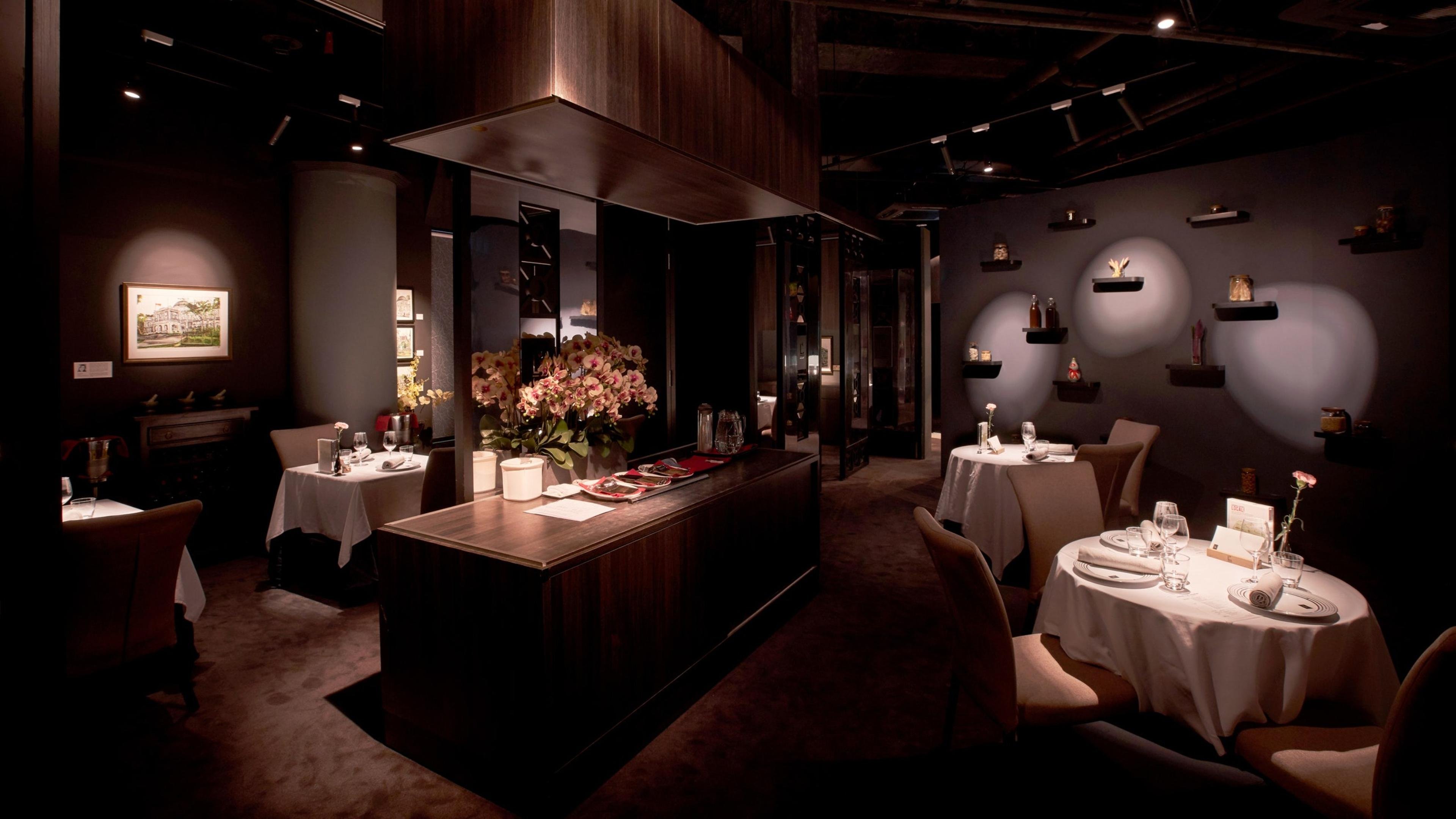
A tranquil, park-side retreat with colonial architecture, high ceilings and abundant natural light, styled in a minimalist black-and-white palette that feels calm, contemporary and sociable rather than formal.