



Michelin Selected · Design Hotels Member · Mr & Mrs Smith Seal of Approval
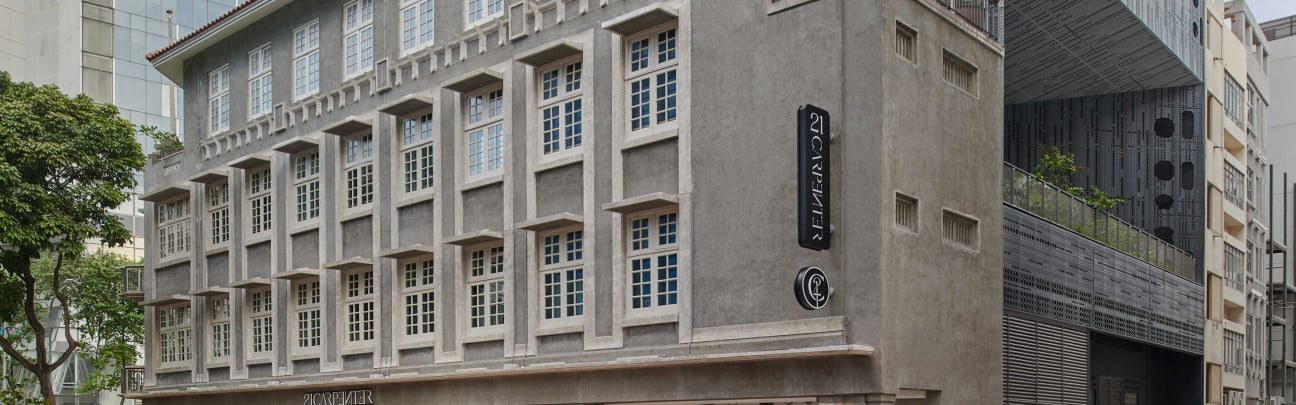
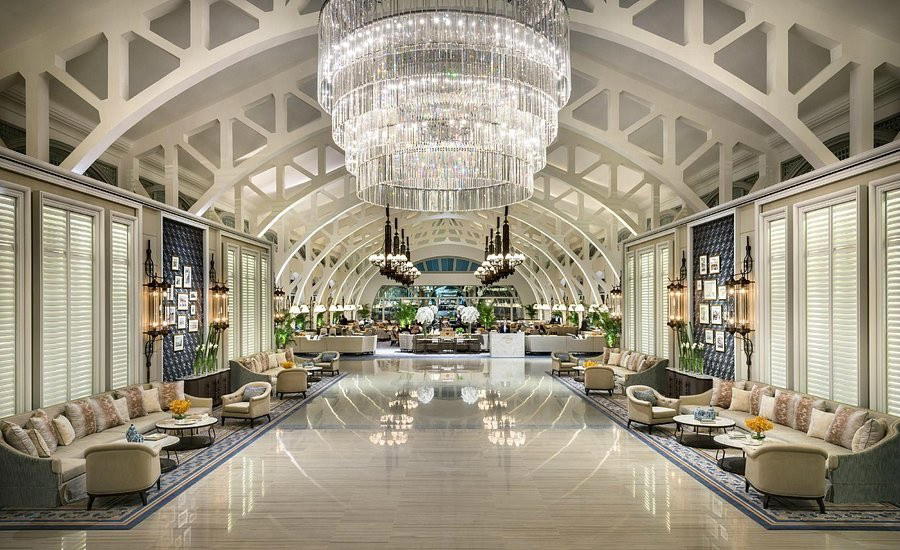
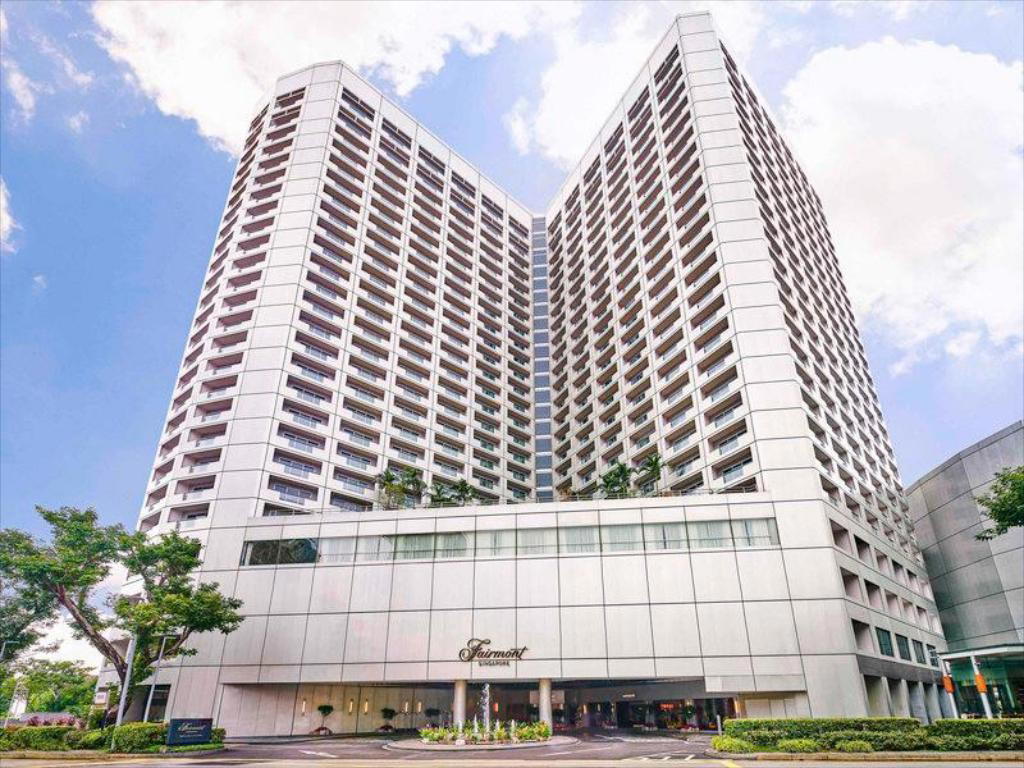
A meticulously restored 1930s remittance house on Carpenter Street, 21 Carpenter sits at the intersection of Chinatown's shophouse heritage and the energy of Clarke Quay. Named to the Tatler Best Hotels Asia-Pacific 2025 list, this boutique hotel occupies a format that prizes intimacy and architectural character over scale, placing it in a distinct tier among Singapore's accommodation options.

Pearl is the En Primeur Club membership app, where members save venues, book tables and use the concierge.
Where Carpenter Street Holds Its Ground
Singapore's hotel market has long split between two poles: the grand-scale international properties anchored around Marina Bay and Orchard Road, and a smaller, more architecturally specific cohort of boutique hotels embedded in the city's conserved districts. 21 Carpenter belongs firmly to the second category. The address, 21 Carpenter Street in the Chinatown-Clarke Quay corridor, places it inside one of Singapore's most historically compressed streetscapes, where early 20th-century shophouse facades run directly into the pedestrian energy of the river precinct. Approaching along Carpenter Street, the building reads as a 1930s remittance house that has been restored rather than reinvented, its proportions and materiality intact in a city that has often chosen demolition over preservation.
That restraint is a deliberate positioning choice. In a market where properties like Capella Singapore and Raffles Hotel Singapore command authority through heritage at grand scale, or where Andaz Singapore and Artyzen Singapore operate as design-forward towers, 21 Carpenter occupies a niche defined by limited keys, preserved architecture, and a neighbourhood identity that no amount of interior design can manufacture from scratch.
The Boutique Tier in Singapore's Conservation Districts
Singapore's Urban Redevelopment Authority has conserved stretches of Chinatown and the CBD fringe with enough rigour that a cluster of restored shophouses and pre-war commercial buildings remain habitable as hotels. The format that results, small footprints, original structural bones, courtyard light wells, and rooms that conform to historical room widths rather than contemporary hotel-room standards, requires a specific kind of guest tolerance and a specific kind of hospitality approach to work. Scale cannot compensate for the limitations of the building. Service depth has to.
This is where Tatler Asia's recognition of 21 Carpenter in its Leading Hotels Asia-Pacific 2025 list carries some weight. Tatler's Asia-Pacific hotel selections tend to reward properties where the guest experience is the product, not incidental to it. Inclusion in that list, alongside properties recognised for design, locality, and service culture, positions 21 Carpenter in a competitive set that sits apart from the Carlton Hotel Singapore or Amara Singapore tier of mid-scale city hotels.
Service at Boutique Scale
Boutique hotels in conserved buildings succeed or fail on the quality of their service culture more than any other variable. A 400-room tower can absorb average service through amenity volume. A small remittance house cannot. What guests notice in a property of this format is whether the staff know who they are, whether anticipatory gestures arrive before requests, and whether the texture of the stay reflects the character of the building and neighbourhood rather than a generic luxury-hotel playbook.
The boutique hotels that sustain recognition in competitive Asian markets, from properties in Singapore to internationally recognised addresses like Castello di Reschio in Lisciano Niccone or Hotel Esencia in Tulum, share a common denominator: the service architecture is built around the specifics of that place, not imported wholesale from a brand standard. At 21 Carpenter, the Chinatown-Clarke Quay location gives staff a genuinely dense neighbourhood to interpret for guests, from the morning market tempo of the surrounding streets to the evening shift toward the river. That local fluency, when it operates well, is a form of personalisation that larger properties struggle to replicate.
For guests comparing options, the contrast with Conrad Singapore Marina Bay or Conrad Singapore Orchard is fundamental rather than marginal. Those properties offer a different product entirely: international brand infrastructure, large-scale amenities, and the spatial confidence of a tower. 21 Carpenter offers something smaller and more specific, and that specificity is the point.
Location Logic: Chinatown Meets Clarke Quay
Carpenter Street runs through the southern edge of Singapore's CBD, a few minutes' walk from the shophouse-dense blocks of Chinatown proper and equally close to the riverside stretch of Clarke Quay, where the city's bar and dining energy concentrates after dark. The dual adjacency gives guests an unusual range of walking options: hawker-centre breakfasts and temple architecture in one direction, cocktail bars and waterfront restaurants in the other.
For travellers who want Singapore's heritage districts rather than its Marina Bay skyline, the address works well. The MRT network connects Chinatown station directly to the rest of the city, making the neighbourhood a practical base rather than a scenic detour. The Outpost Hotel Sentosa by Far East Hospitality on Sentosa Island and properties along the Orchard corridor serve different visitor orientations entirely. For more on Singapore's broader dining and hospitality scene, see our full Singapore restaurants guide.
The conservation building format means the physical scale of the hotel is modest. Guests who expect the spatial generosity of a property like Cheval Blanc Paris, Aman New York, or Hotel Plaza Athénée in Paris will find a different register here. Guests who want architectural character, neighbourhood embeddedness, and a hotel with a specific identity rather than a global brand signature are better matched to what 21 Carpenter offers.
Planning Your Stay
21 Carpenter is located at 21 Carpenter Street, Singapore 059984, in the Chinatown-Clarke Quay corridor of the central city. As a boutique property in a restored 1930s building, room inventory is limited, and the hotel's inclusion in the Tatler Leading Hotels Asia-Pacific 2025 list has raised its profile among the regional travel audience. Booking in advance is advisable, particularly for weekend stays and during Singapore's peak visitor periods around the Formula 1 Grand Prix in September and the year-end festive calendar. The property sits at the boutique, design-conscious end of Singapore's accommodation market, and is well suited to travellers whose priorities are neighbourhood character, architectural specificity, and a smaller-scale guest experience over full-service hotel amenities. Comparable properties across global boutique hotel categories include Hotel Sacher Wien in Vienna, Badrutt's Palace Hotel in St. Moritz, and Bvlgari Hotel Tokyo, though each operates at a different scale and price register. Among Asia-Pacific boutique references, HOTEL THE MITSUI KYOTO in Kyoto offers a useful point of comparison for the intersection of heritage restoration and considered hospitality programming.
Category Peers
Comparable venues nearby, for context on price, style, and recognition.
| Venue | Cuisine | Price | Awards | Notes |
|---|---|---|---|---|
| 21 CarpenterThis venue (the venue you are viewing) | Heritage boutique hotel blending restored shophouse architecture with contemporary luxury. | Not listed | Michelin Selected · Design Hotels Member | Not listed |
| JW Marriott Hotel Singapore | Contemporary luxury with heritage preservation, targeting sophisticated business travelers and design-conscious guests. | $200–300 | Michelin Selected | CITY HALL |
| Mondrian Singapore Duxton | deconstructed shophouse chic | $200–300 | Michelin Selected | CHINATOWN |
| THE WESTIN SINGAPORE | Contemporary wellness retreat in the heart of Marina Bay | Not listed | World Luxury Hotel Awards WLHA Global Winner | CENTRAL SUBZONE |
| The Paiza Collection at Marina Bay Sands | Modern ornate luxury with Asian sensibility; residential-style suites designed as palatial homes away from home with bespoke furnishings and artisanal details. | $2,500+ | Forbes 5-Star | BAYFRONT SUBZONE |
| Duxton Reserve | Heritage shophouse restored to ornate elegance | $300–500 | Michelin Selected | CHINATOWN |
Recognition history
Dated appearances from independent guides and award organizations, with the underlying list record or original source where available.
Michelin Selected
Michelin
Design Hotels Member
Design Hotels
Mr & Mrs Smith Seal of Approval
Mr & Mrs Smith
Tatler Listed in Best Hotels Asia-Pacific
Tatler
Continue exploring
More in Singapore
Hotels in Singapore
All hotels in Singapore →
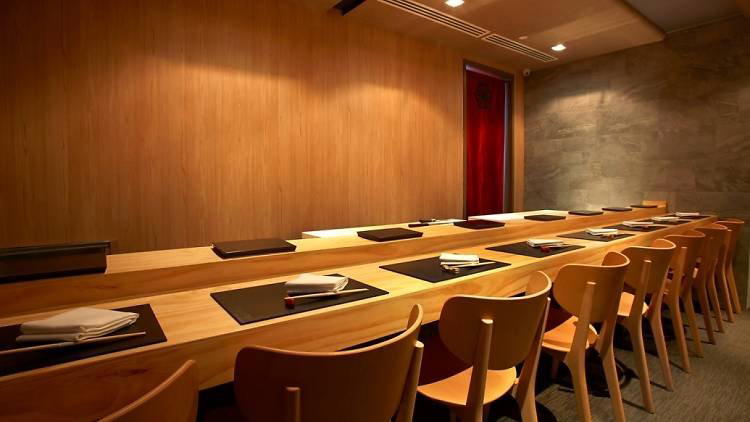
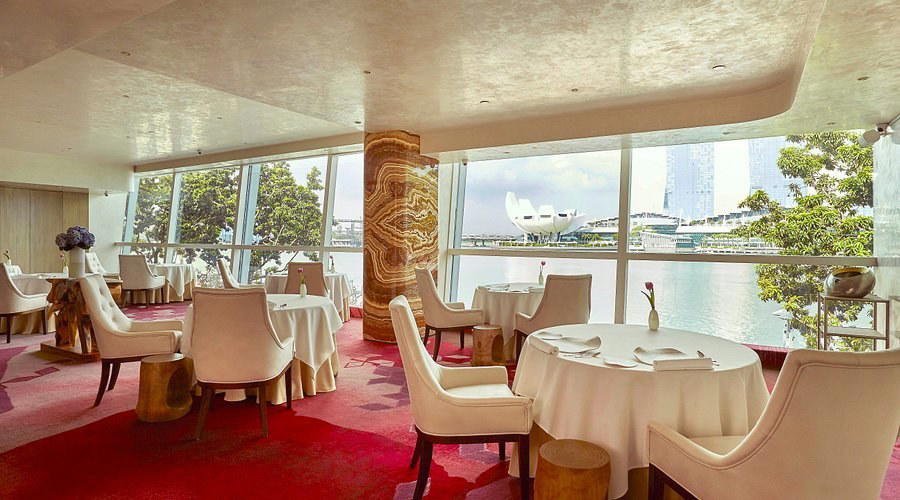
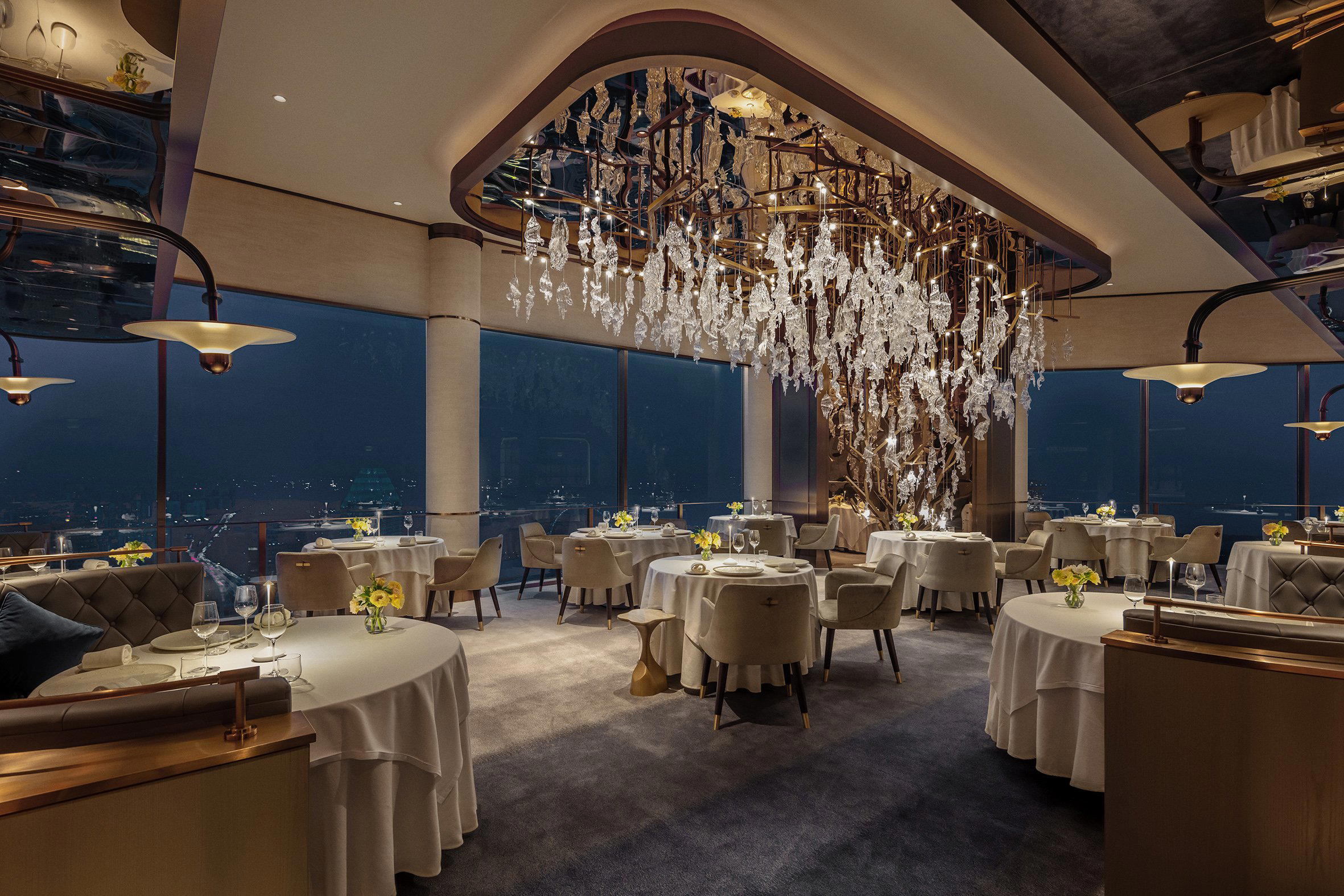
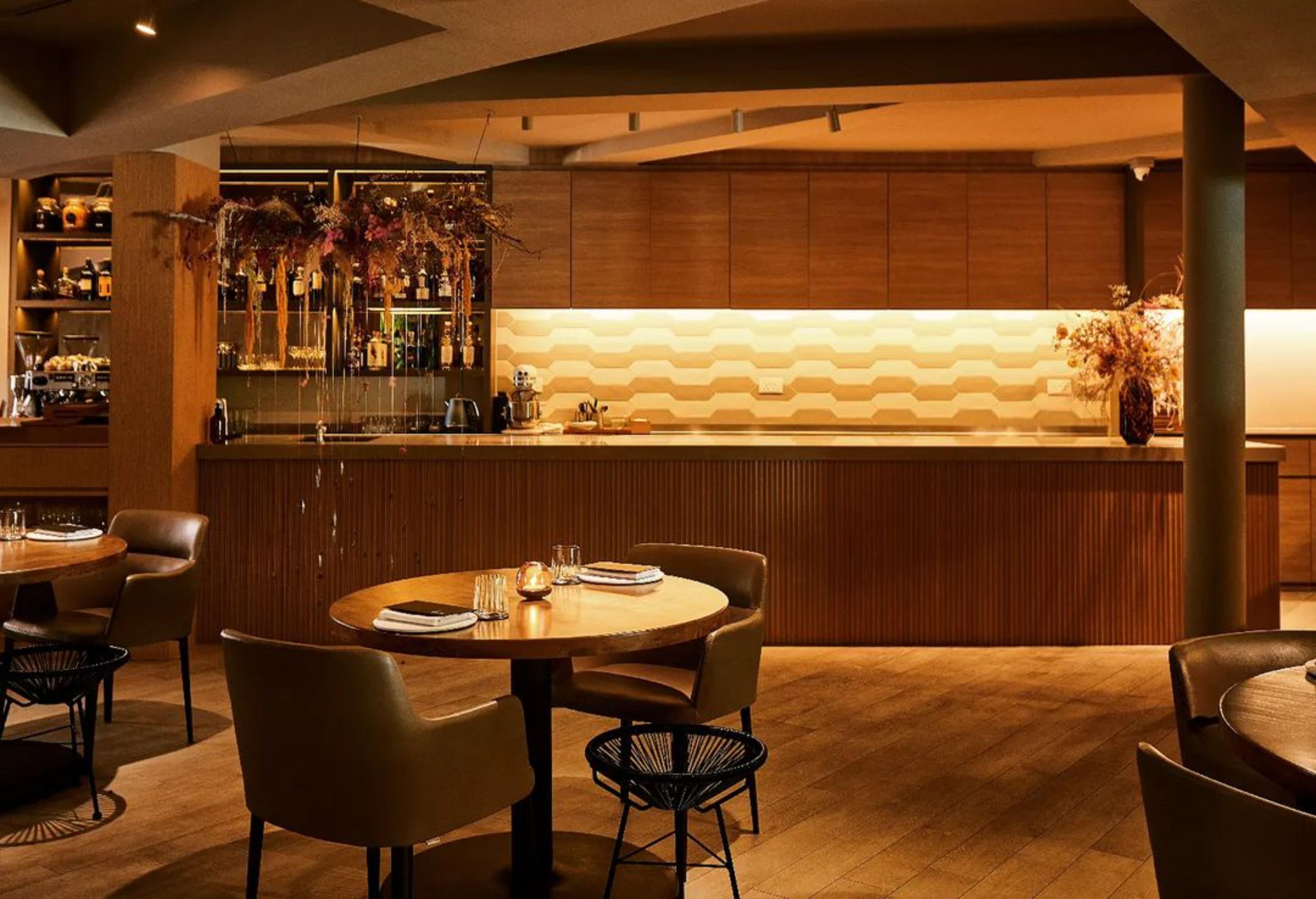
Details
- Modern
- Elegant
- Sophisticated
- Intimate
- Minimalist
- Romantic Getaway
- Business Trip
- Weekend Escape
- Rooftop Pool
- Infinity Pool
- Garden
- Historic Building
- Panoramic View
- Wi Fi
- Pool
- Fitness Center
- Room Service
- Concierge
- Restaurant
- Skyline
- Wheelchair Accessible
- Elevator
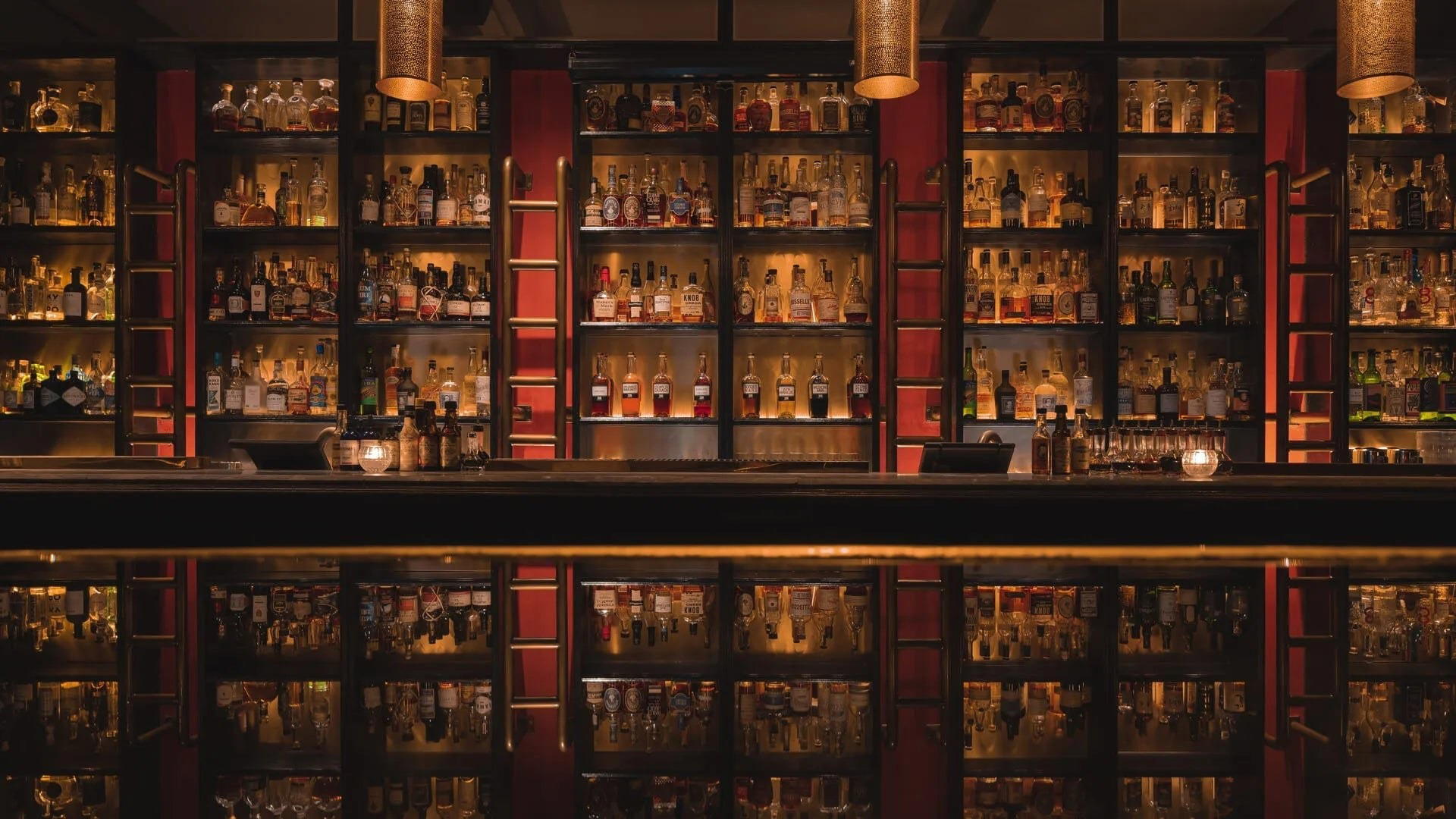
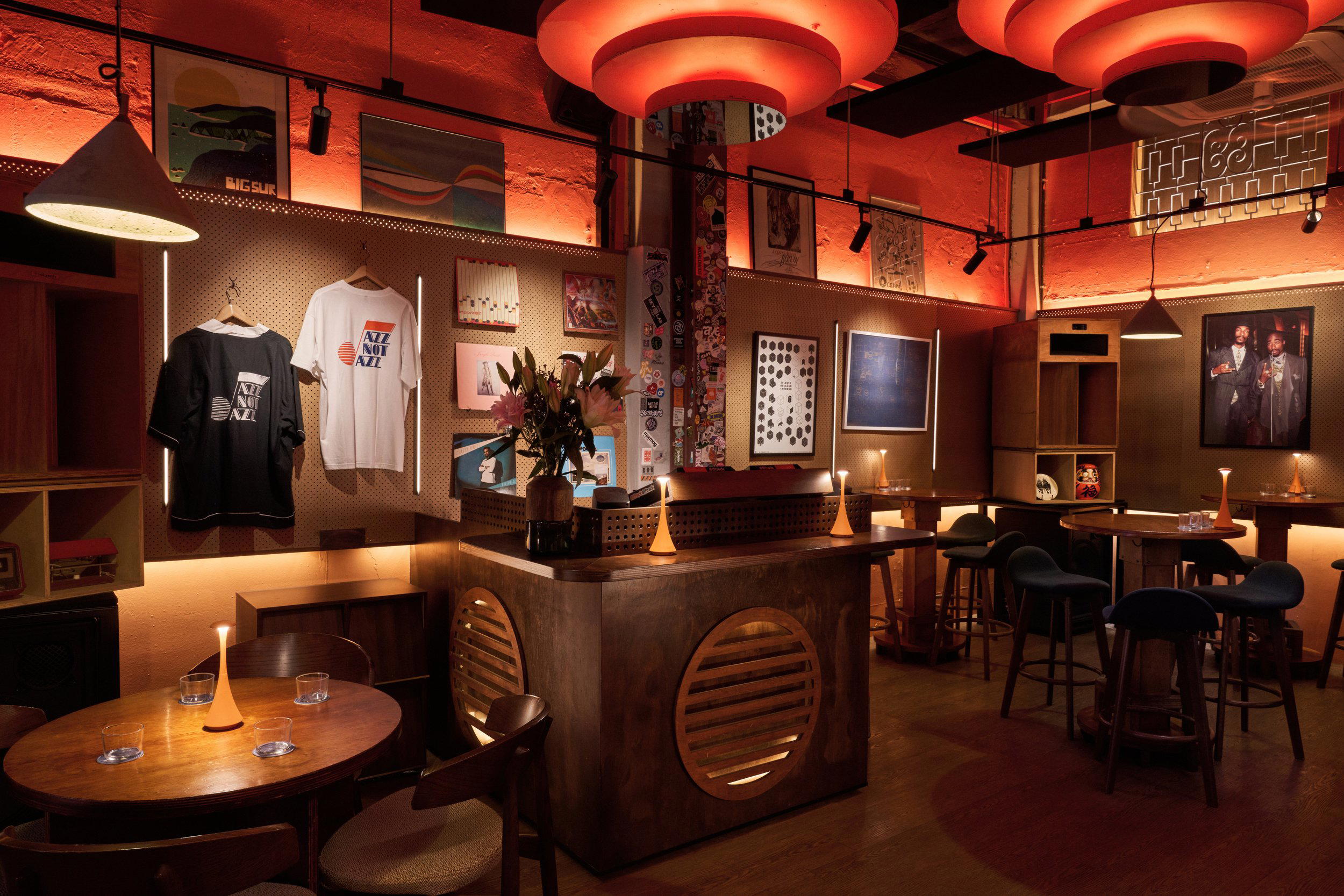
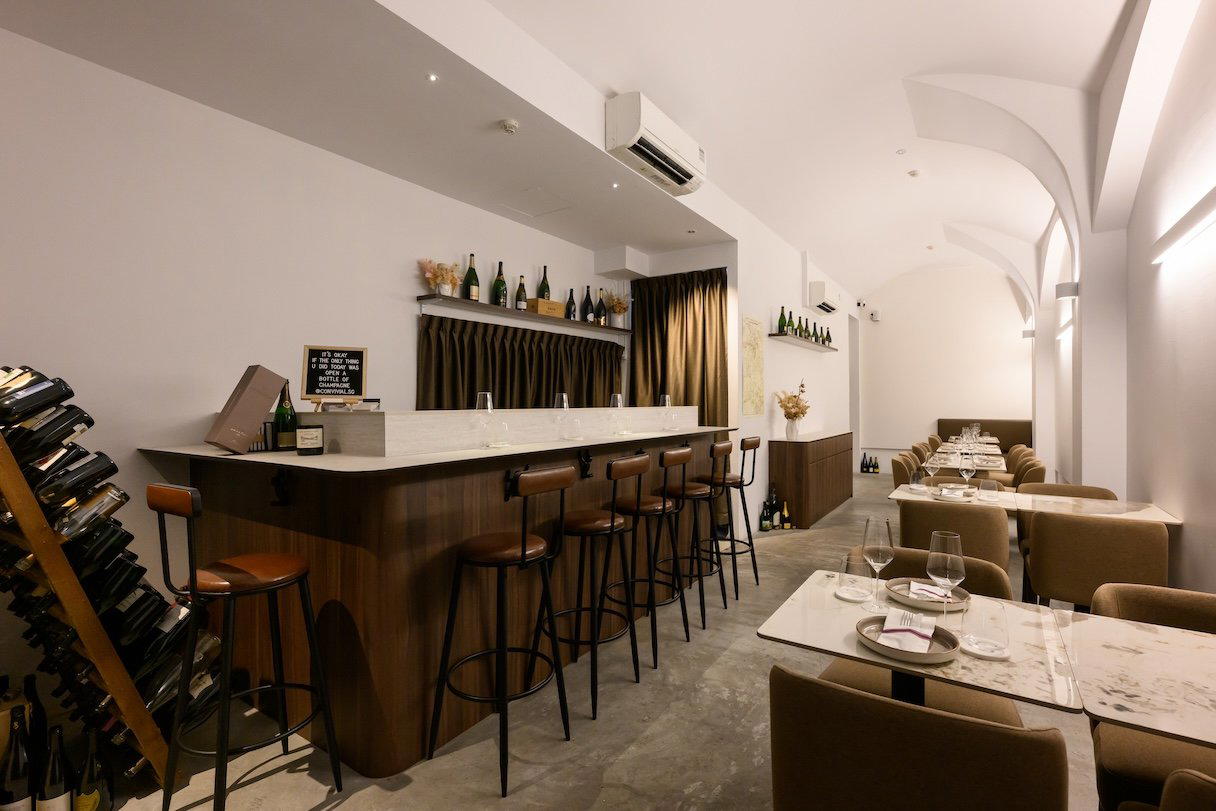
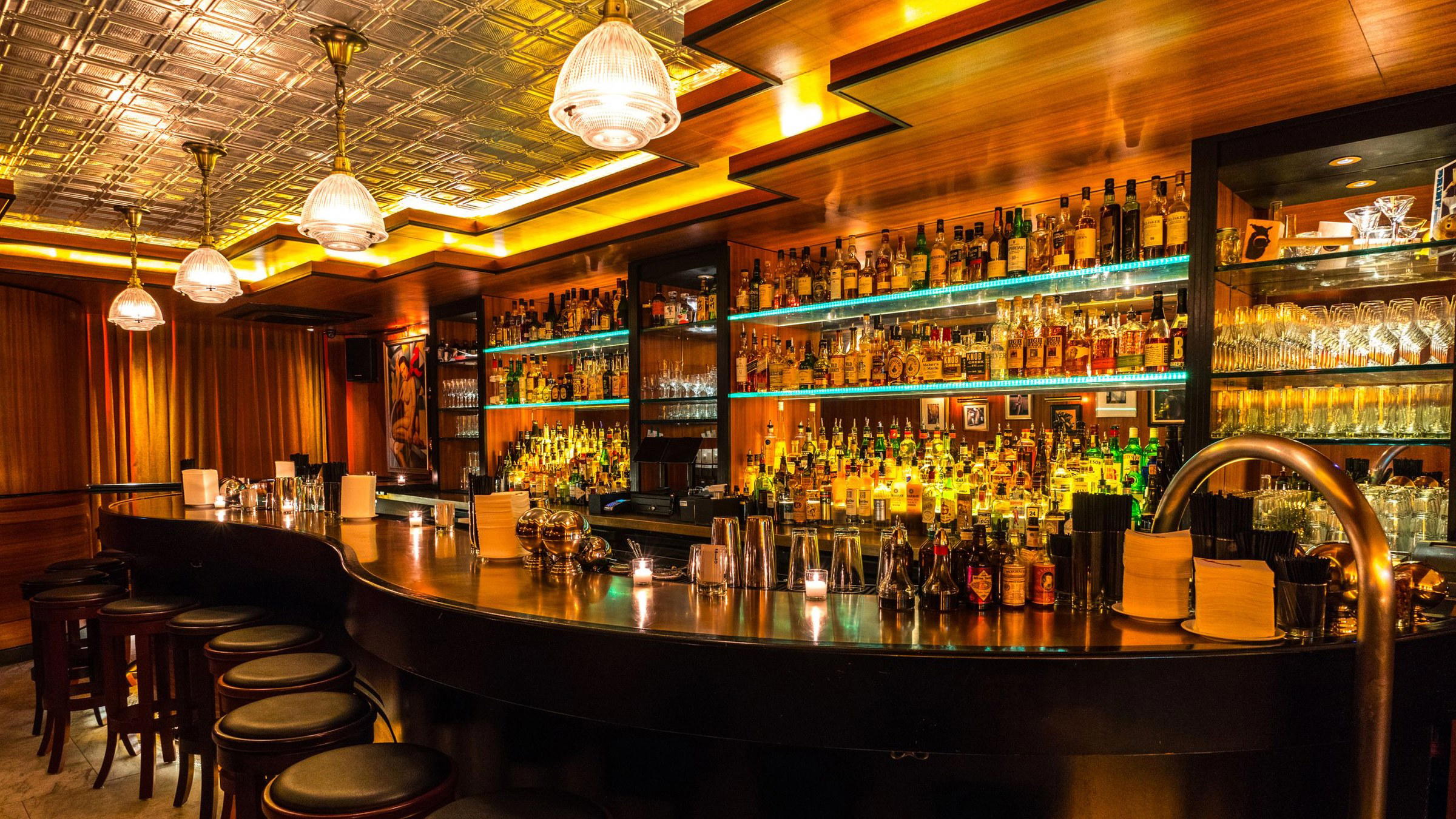
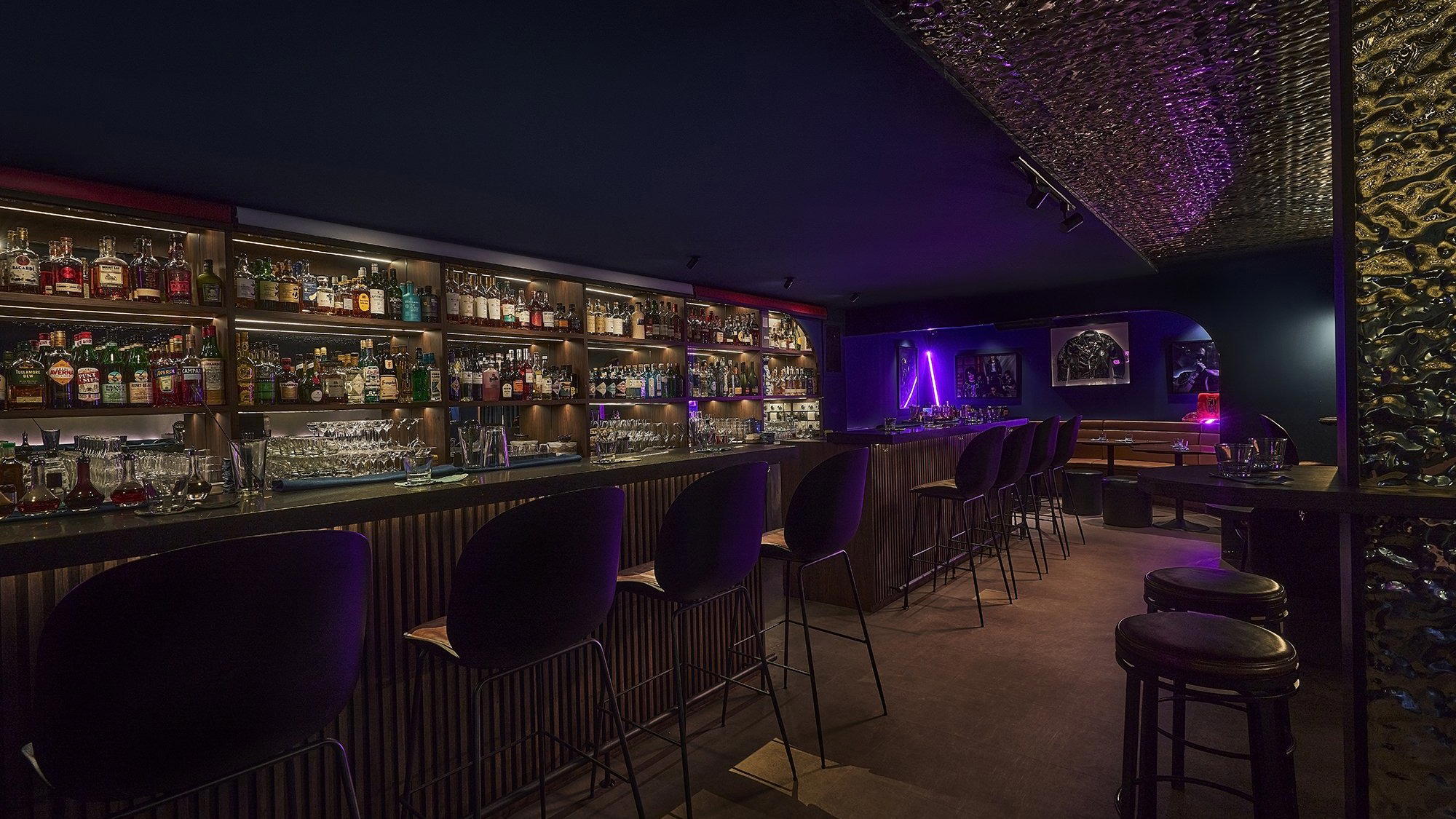
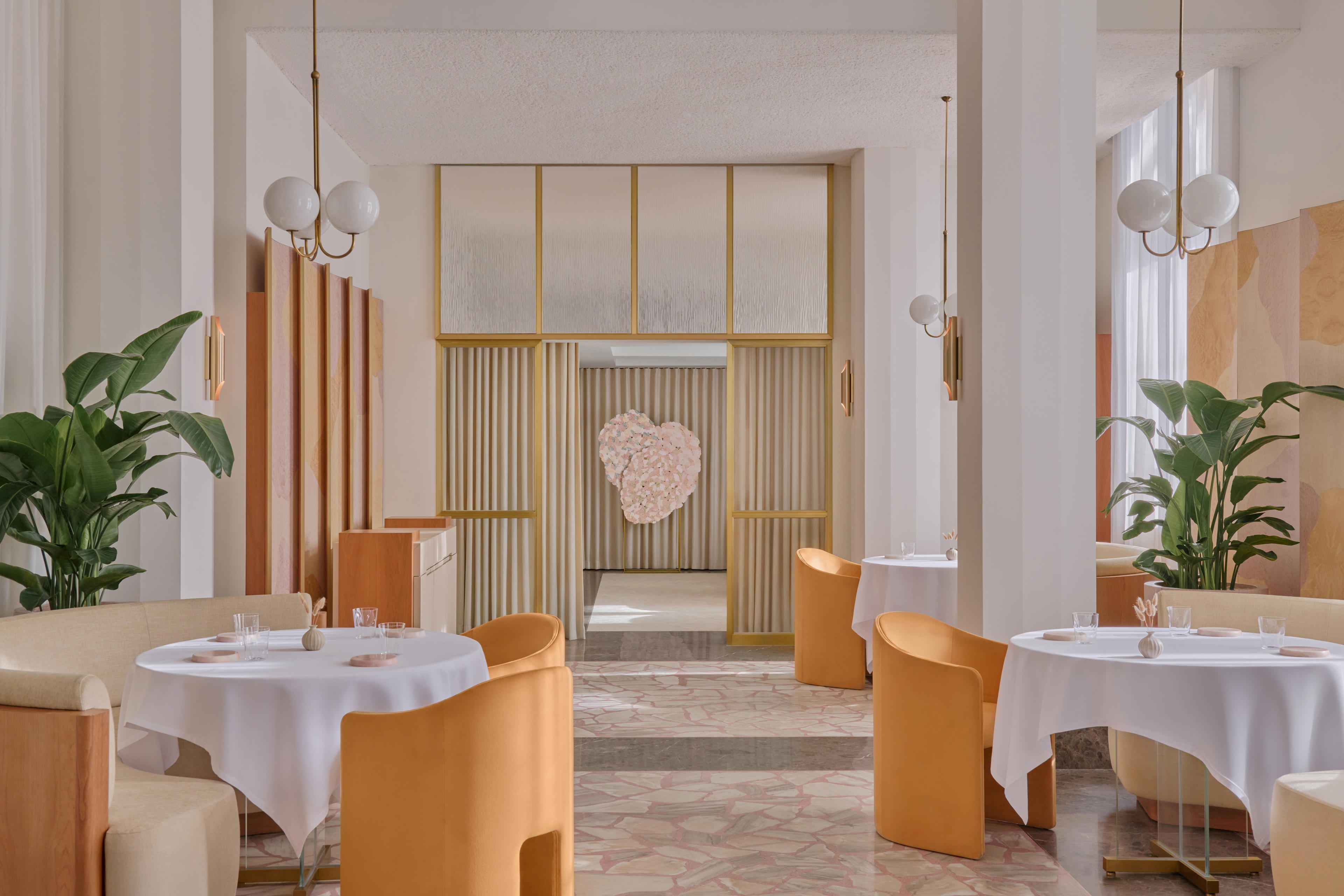
Cozy and intimate with warm lighting, blending heritage charm and modern design for a serene, homey atmosphere.