
InterContinental Singapore Robertson Quay sits along the Singapore River in the city's most walkable after-dark district, recognised with a 2025 World Luxury Hotel Award for Luxury Lifestyle Hotel at the continental level. The hotel occupies a residential-scale position in Robertson Quay, where the pace is slower than Marina Bay and the crowd is decidedly local-leaning. It draws repeat visitors who prefer neighbourhood texture over landmark-district spectacle.
Pearl is the En Primeur Club membership app — saves, bookings, and concierge access live there. Same editors, same standards.
- Address
- 1 Nanson Rd, Singapore 238909
- Phone
- +65 6826 5000
- Website
- ihg.com
- Directions
- Get directions
 Saves & bookings on Pearl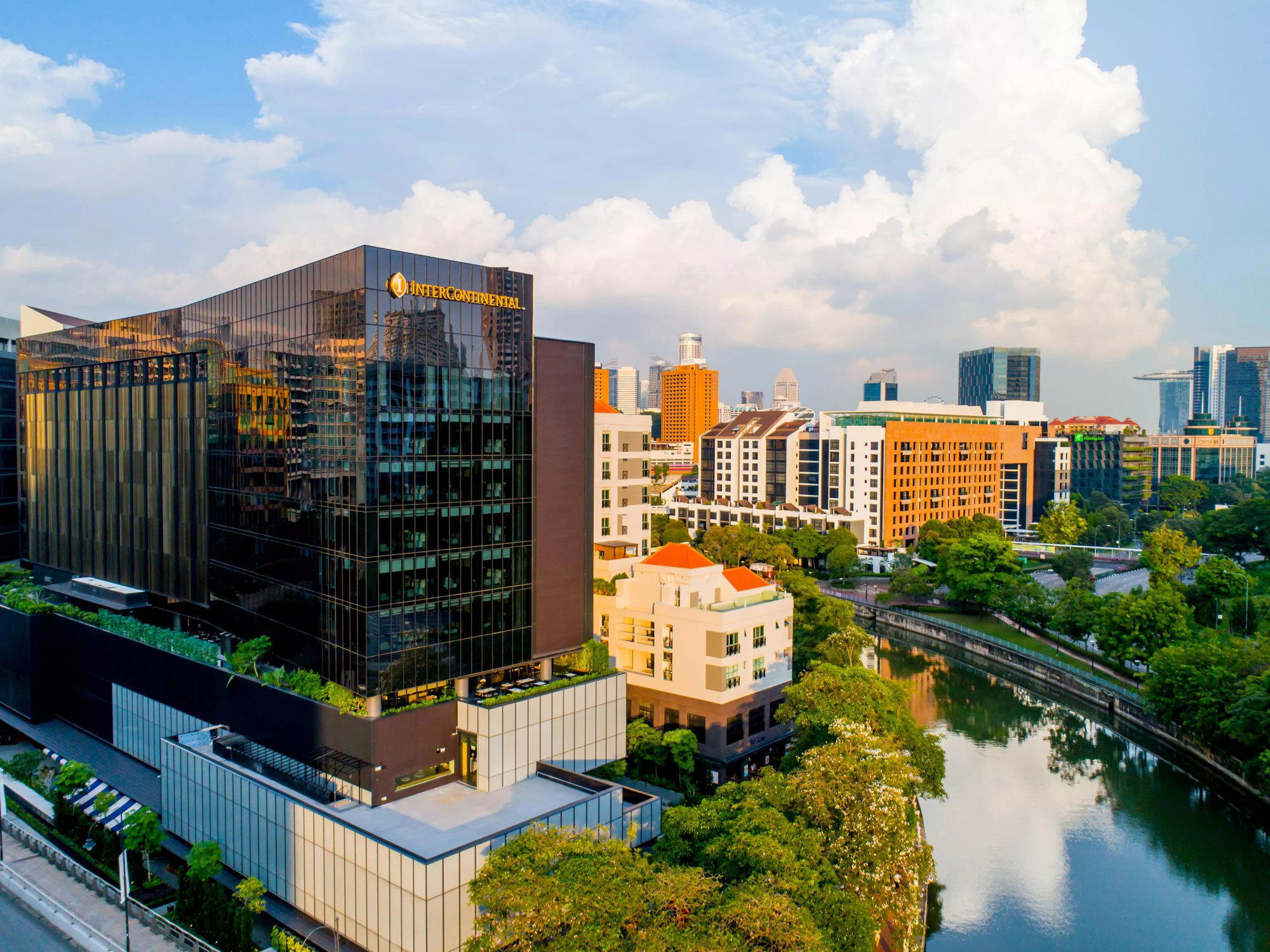
Where the River Crowd Returns
Robertson Quay operates at a different register from Singapore's central hotel corridors. The stretch of the Singapore River between Clarke Quay and the quieter residential blocks to the west has developed, over the past decade, into the city's most consistently inhabited dining and bar district, one where the clientele is more likely to be long-term expats and returning business travellers than first-time tourists working through a checklist. Hotels that sit well in this district tend to do so because they match the neighbourhood's residential cadence rather than fighting it with lobby spectacle. InterContinental Singapore Robertson Quay, at 1 Nanson Road, positions itself squarely inside that model.
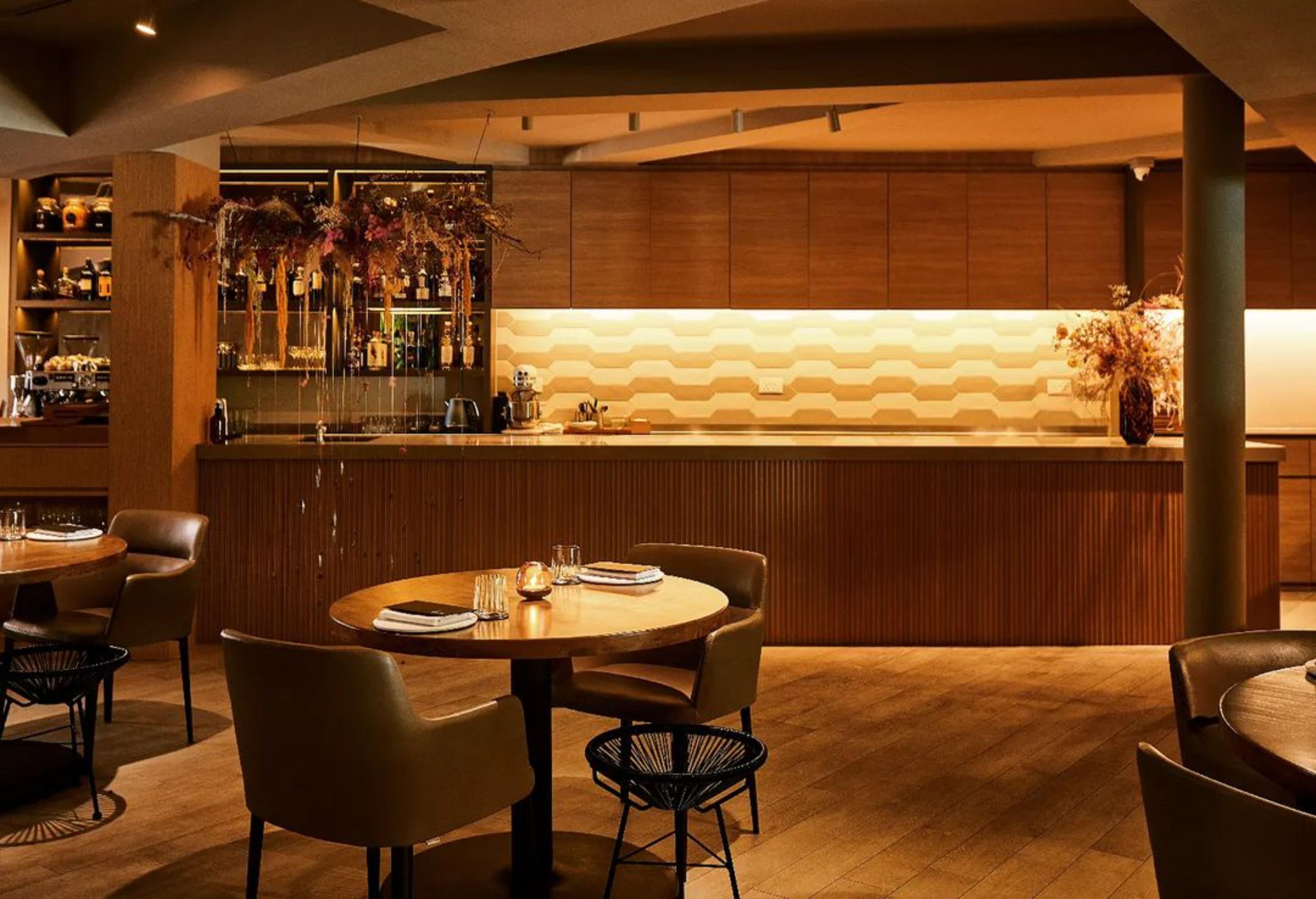
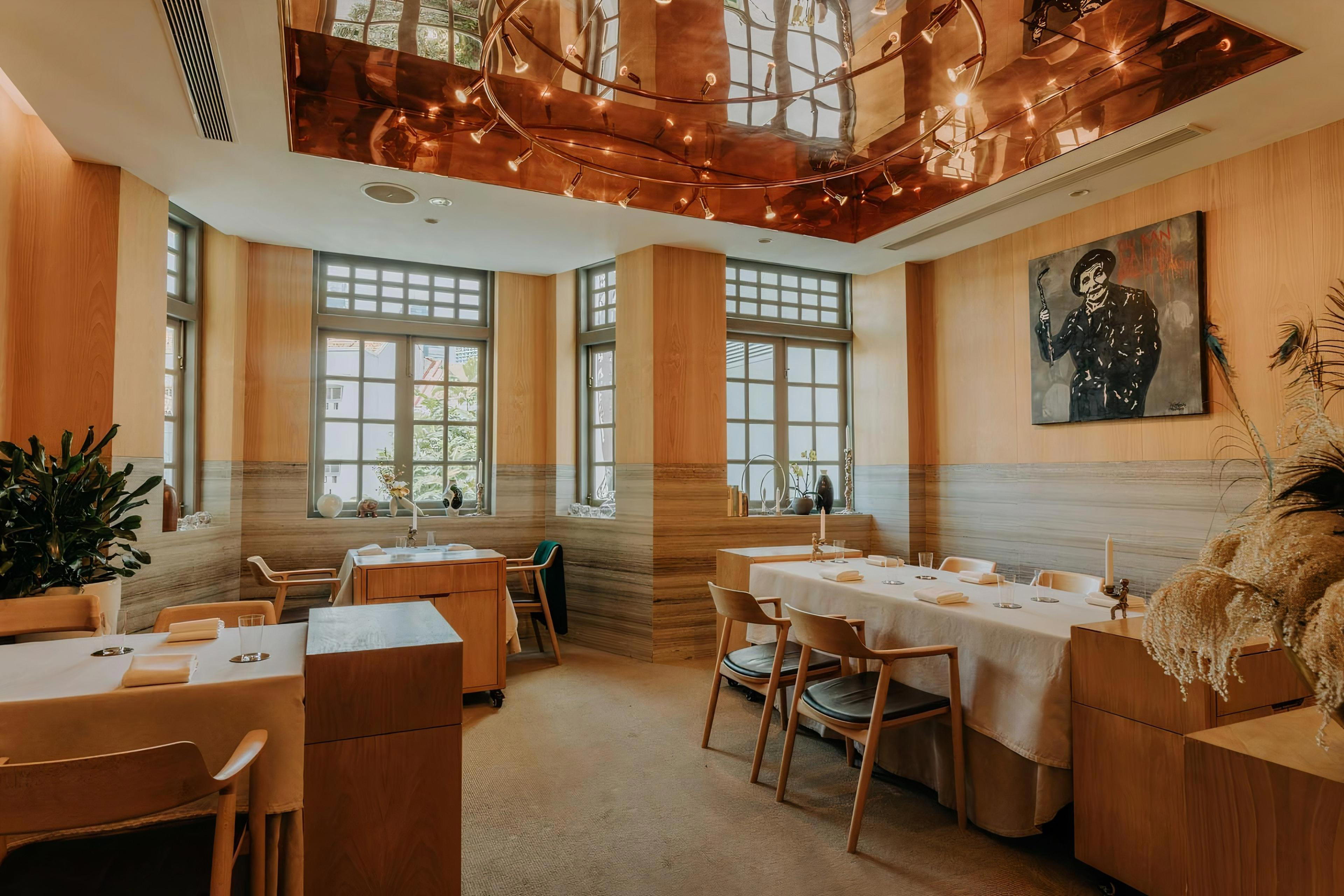
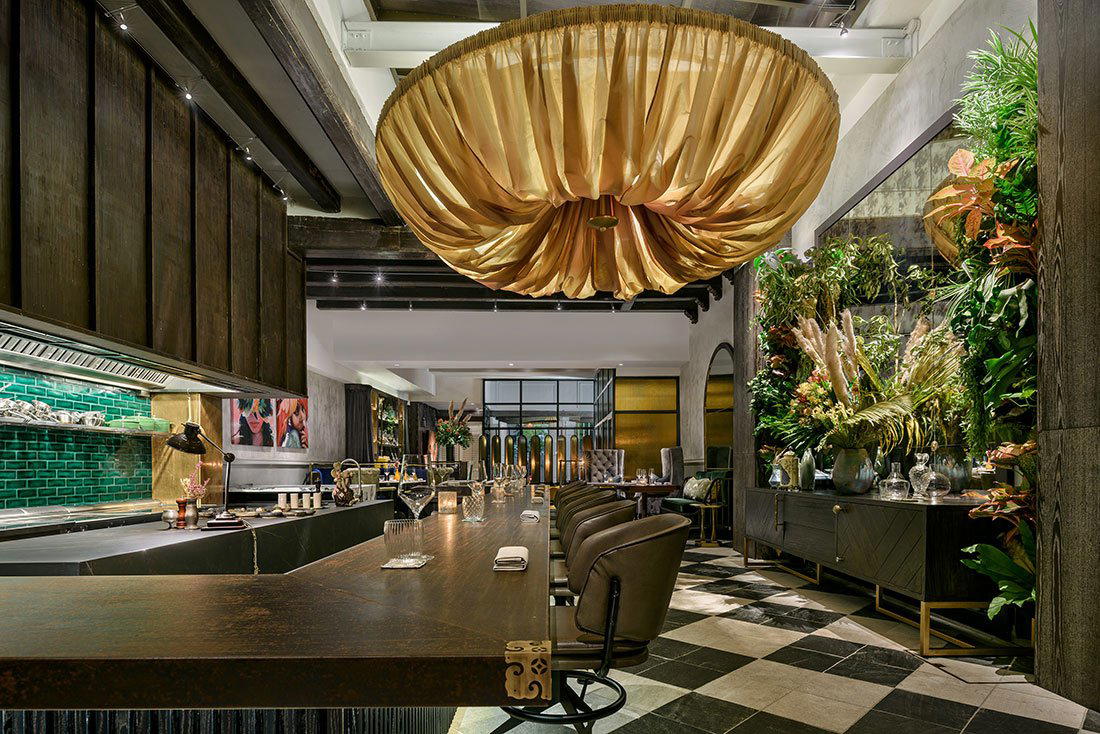
Approaching from the riverside walkway, the building reads as contemporary without being aggressive. Natural light enters generously, and the interiors lean toward calm material choices rather than the high-contrast drama favoured by some of Singapore's Marina Bay addresses. For guests who return specifically to this property, that restraint is the point. The hotel's 2025 Asia Luxury Lifestyle Hotel Award reflects a positioning that values composed experience over showmanship, which is consistent with what the Robertson Quay corridor signals to those who know Singapore well.
The Robertson Quay Argument
Singapore's premium hotel market splits, broadly, between the Marina Bay and Orchard Road poles and a smaller cohort of riverside and district-specific properties. The Marina Bay end is represented by address-driven hotels like Conrad Singapore Marina Bay, where the skyline view is as much a product as the room. Orchard Road offers a different proposition: retail-adjacent, high-density, built around the infrastructure of a global shopping circuit. Robertson Quay fits neither template.
What the district offers instead is walkability to a concentrated cluster of independent restaurants, wine bars, and casual-to-serious dining rooms that cater to a neighbourhood crowd rather than a convention overflow. Guests who return to InterContinental Singapore Robertson Quay repeatedly tend to cite that access as a primary reason. The unwritten advantage of staying here is that the restaurants within ten minutes on foot are staffed and priced for people who eat out regularly, not for one-off occasion dining. That changes the quality of what you can find at short notice on a Tuesday evening in a way that a Marina Bay postcode rarely allows.
For comparison within Singapore's wider hotel range, properties like Capella Singapore and Raffles Hotel Singapore operate with a different heritage-and-landmark logic. Both are valid and frequently excellent, but they attract a different type of return visitor. The guest who books Robertson Quay again is usually optimising for neighbourhood integration, not postcard geography. Elsewhere in the city, Andaz Singapore and Artyzen Singapore occupy comparable design-led mid-scale territory, though with different neighbourhood anchors.
What Keeps Guests Coming Back
The regulars' logic at a hotel like this is rarely articulated as a single feature. It accumulates. Residential-scale design means rooms are proportioned for working and staying, not just sleeping. The Singapore River proximity provides orientation and a usable outdoor corridor without the ambient noise of Clarke Quay's more commercial stretch. The hotel's measured approach to design, described in its award recognition as blending understated elegance with a distinct sense of place, lands differently for the tenth visit than it might for the first.
Singapore's hotel market is competitive enough that loyalty tends to be earned through operational consistency rather than novelty. A returning business traveller who has stayed across multiple InterContinental properties globally will benchmark Robertson Quay against those experiences, and the IHG network affiliation provides a known baseline. What differentiates the Robertson Quay property within that network is the neighbourhood it occupies. Few IHG-affiliated hotels in Southeast Asia sit inside a walkable dining district of this density and character.
For guests arriving from internationally recognised hotels in other cities, whether that's Cheval Blanc Paris for European reference or Bvlgari Hotel Tokyo for the Asia-Pacific circuit, Singapore's Robertson Quay property offers a specific counter-argument: that one useful address in a city is not always one prominent one.
Singapore's River District in Context
Robertson Quay's development as a dining and hospitality district accelerated during Singapore's post-SARS recovery period in the mid-2000s and has continued to layer in quality since then. The precinct now holds a range of wine-focused bars, European bistros, Japanese restaurants, and cocktail rooms that operate at a genuinely serious level. This is not a tourist simulation of local dining. It is, by most measures, where people who live and work in Singapore choose to eat when they want a neighbourhood meal with some ambition.
That context matters for understanding why a premium hotel in this location generates repeat bookings from guests who could, in theory, choose Marina Bay or Sentosa. The value proposition is experiential rather than symbolic. You are not staying here to have the Marina Bay Sands skyline as your view. You are staying here because the walk to dinner is fifteen minutes through a neighbourhood that functions as an actual neighbourhood.
Singapore's wider hotel range, from 21 Carpenter to Amara Singapore to Carlton Hotel Singapore, covers a spectrum of price points and district priorities. Robertson Quay's InterContinental property occupies the upper-middle tier of that range with a neighbourhood specificity that most of its comparable set cannot replicate.
Planning Your Stay
Singapore's peak travel windows cluster around the Formula 1 Grand Prix in September and the year-end holiday period from late November through early January, when hotel rates across the city compress available inventory at the quality end. For Robertson Quay specifically, the surrounding restaurant and bar district operates at higher energy during those windows, which can work for or against you depending on what you want from the neighbourhood. The quieter months of February and July tend to offer more relaxed access to the restaurants within walking distance and more negotiable room rates across Singapore's competitive hotel market.
The property sits at 1 Nanson Road, accessible from the central city in under fifteen minutes by taxi or ride-hail from Changi Airport via the AYE. The nearest MRT access points place the hotel inside an easy walk from Fort Canning and Clarke Quay stations, making day movement around the city direct for guests without a car. Booking directly is the standard approach for securing preferred room categories; Robertson Quay's scale means the better-positioned rooms move quickly during peak periods.
Globally, the property belongs to a growing category of city hotels where neighbourhood legibility is a primary differentiator. That logic runs through properties as different as Hotel Bel-Air in Los Angeles or Hotel Esencia in Tulum, addresses whose value depends partly on where they sit within a city's texture, not just how the lobby presents on arrival. At Robertson Quay, that logic is particularly legible. The neighbourhood is the amenity.
Similar Picks
Comparable venues nearby, for context on price, style, and recognition.
| Venue | Cuisine | Price | Notes |
|---|---|---|---|
| InterContinental Singapore Robertson QuayThis venue — the venue you are viewing | Luxury lifestyle riverfront residence merging modern elegance with urban serenity. | $$$$ | Not listed |
| Maxwell Reserve | Heritage colonial building restored with modern luxury | $$$$ | CHINATOWN |
| W Singapore, Sentosa Cove | Contemporary luxury resort with bold W Hotels signature design language, blending tropical island aesthetics with cosmopolitan sophistication. | $$$$ | SENTOSA |
| Mondrian Singapore Duxton | deconstructed shophouse chic | $$$$ | CHINATOWN |
| So/ Singapore | Luxury boutique hotel fusing French elegance with Singapore heritage in a landmark building. | $$$$ | CECIL |
| THE WESTIN SINGAPORE | Contemporary wellness retreat in the heart of Marina Bay | $$$$ | CENTRAL SUBZONE |
Recognition history
Dated appearances from independent guides and award organizations, with the underlying list record or original source where available.
World Luxury Hotel Awards WLHA Continent Winner
World Luxury Hotel Awards
Continue exploring
More in Singapore
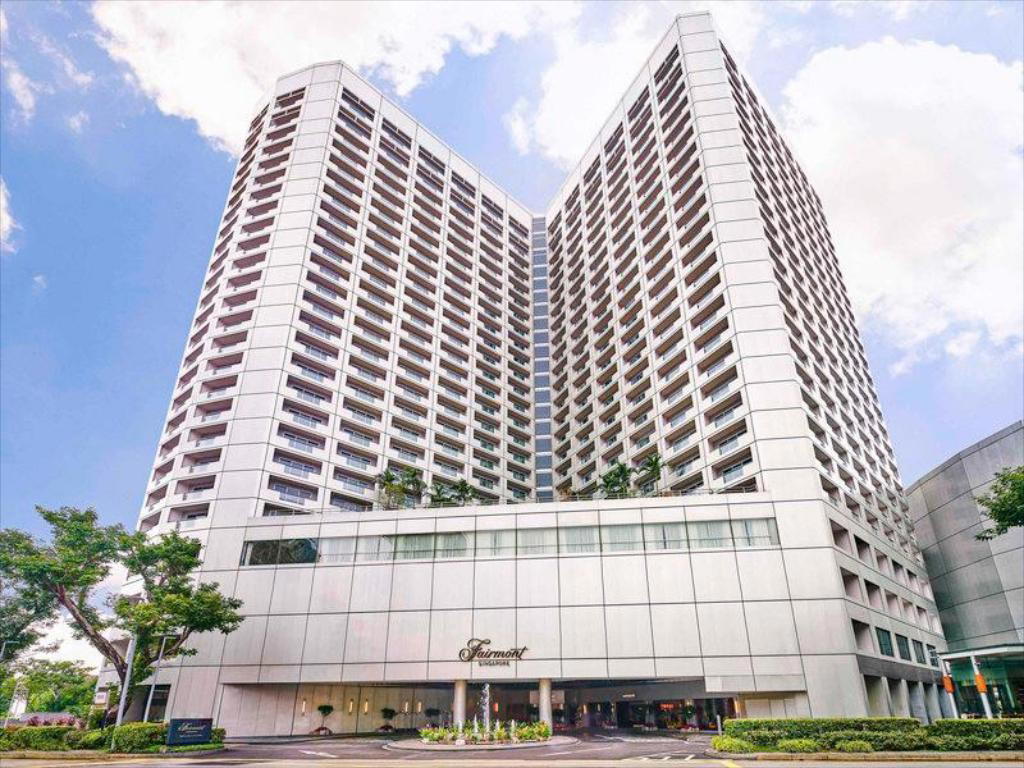
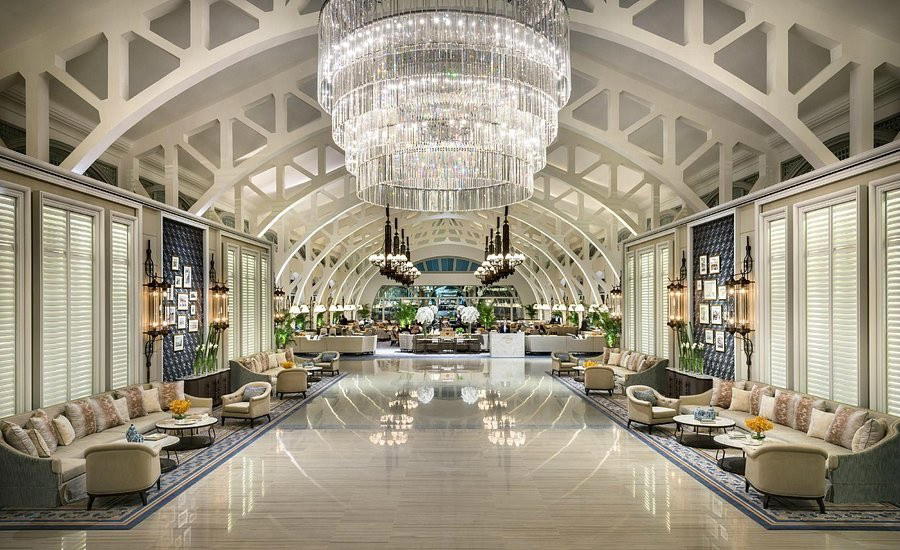
Hotels in Singapore
Browse all →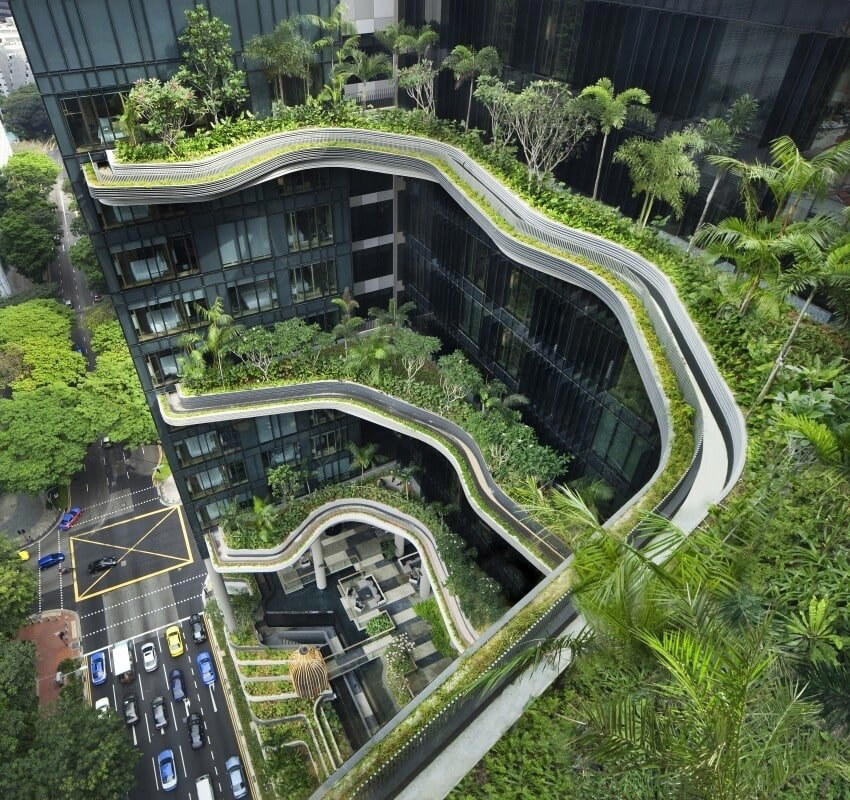
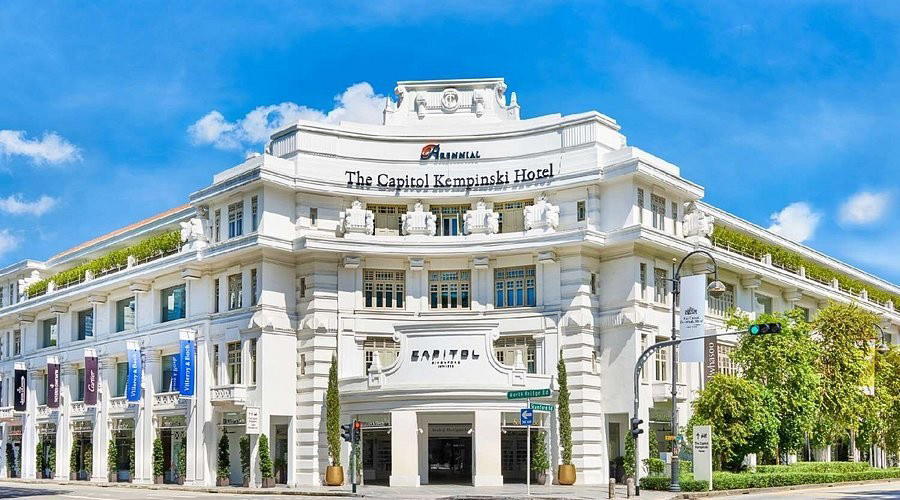
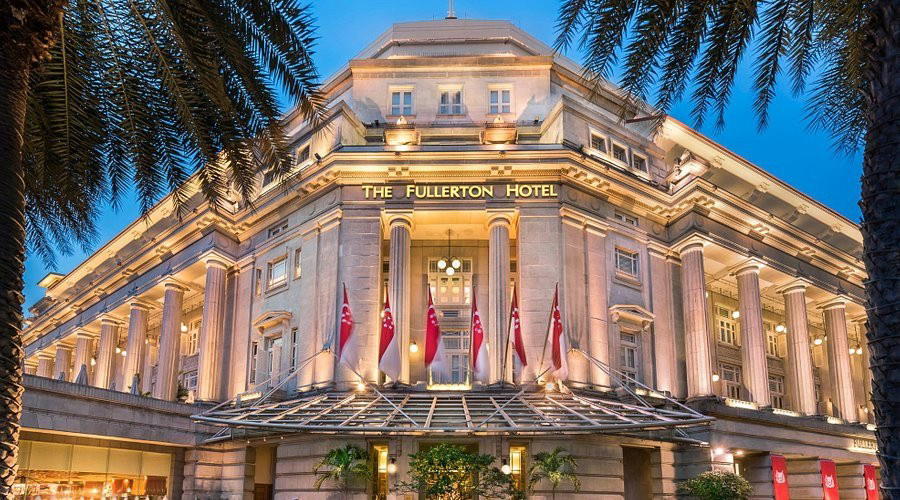
Bars in Singapore
Browse all →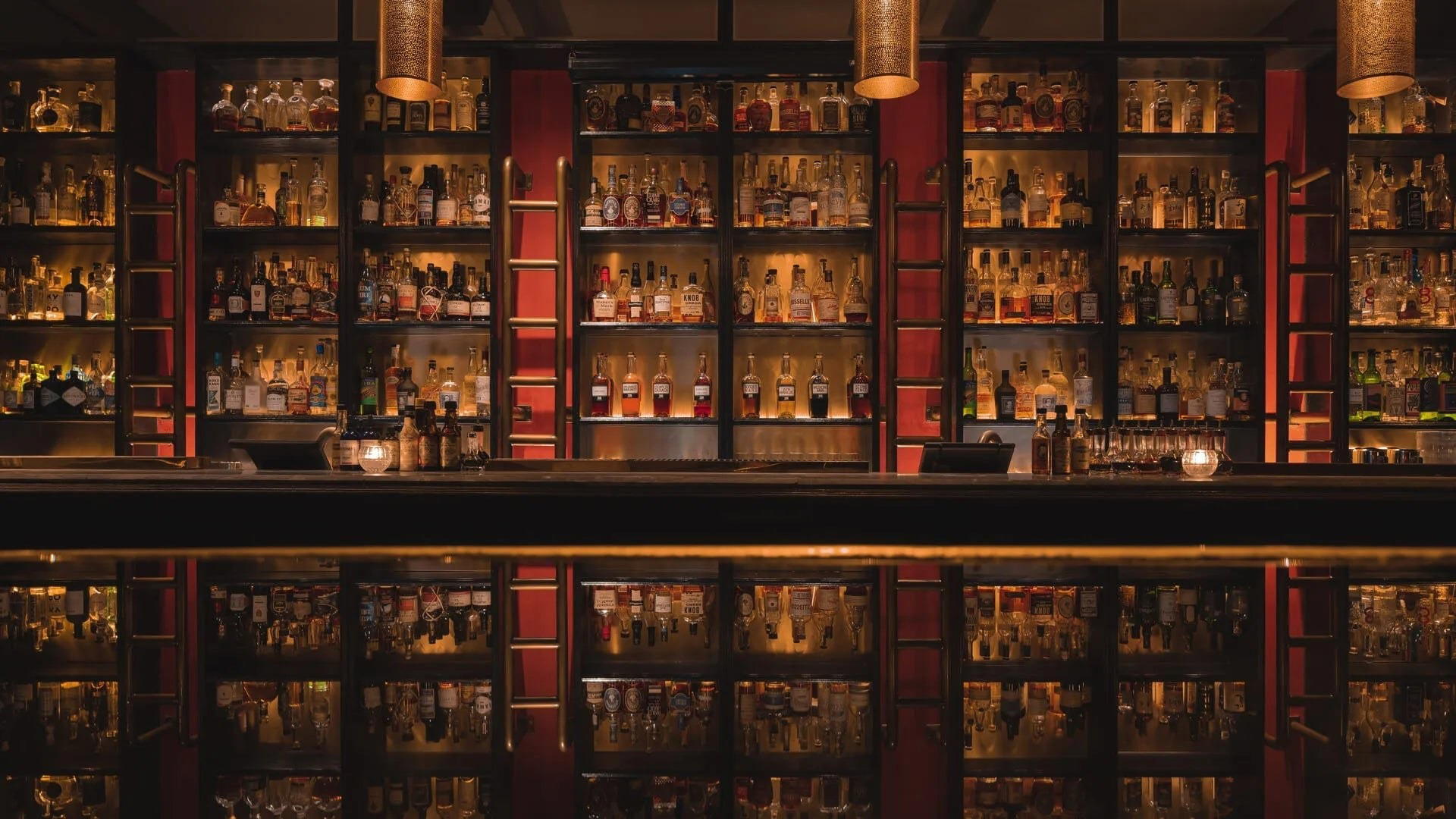
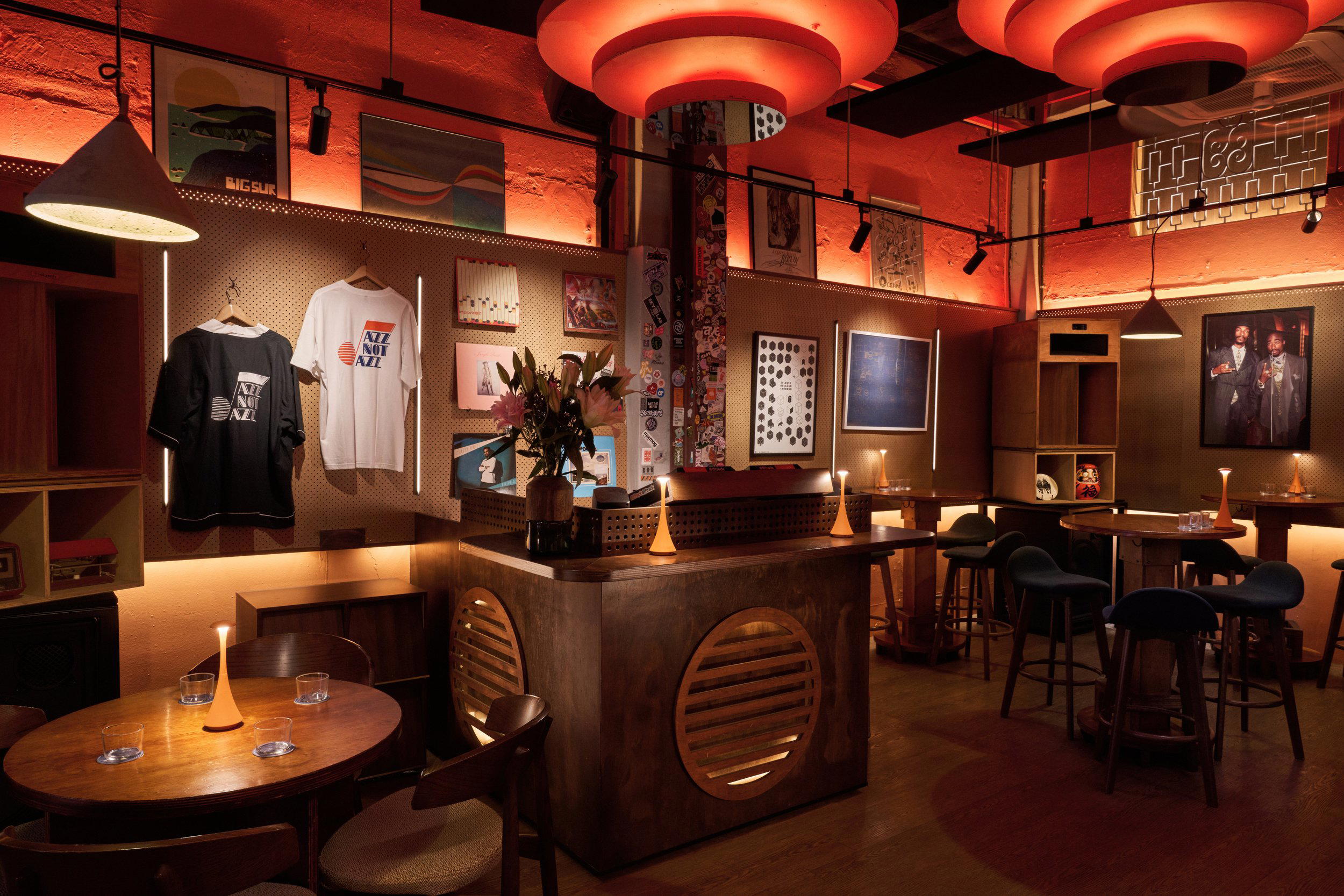
Restaurants in Singapore
Browse all →
At a Glance
- Modern
- Elegant
- Sophisticated
- Business Trip
- Romantic Getaway
- Weekend Escape
- Rooftop Pool
- Waterfront
- Panoramic View
- Wi Fi
- Pool
- Spa
- Fitness Center
- Room Service
- Concierge
- Business Center
- Valet Parking
- EV Charging
- Waterfront
- Wi Fi
- Pool
- Spa
- Fitness Center
- Room Service
- Concierge
- Business Center
- Valet Parking
- EV Charging
Light-filled spaces with natural light from floor-to-ceiling windows, creating a tranquil and sophisticated riverside atmosphere.