

Positioned in Bugis at the edge of Singapore's Museum Planning Area, Frasers House, a Luxury Collection Hotel, Singapore holds the Country Winner award for Luxury Heritage Hotel and draws on the neighbourhood's Peranakan and multicultural history. Shophouse-inspired rooms, a rooftop pool, weekly heritage walking trails, and service calibrated for both business and family travellers place it in a distinct tier among central Singapore's full-service hotels.
Pearl is the En Primeur Club membership app — saves, bookings, and concierge access live there. Same editors, same standards.
- Address
- 80 Middle Rd, Singapore 188966
- Phone
- +65 6338 7600
- Website
- marriott.com
 Saves & bookings on Pearl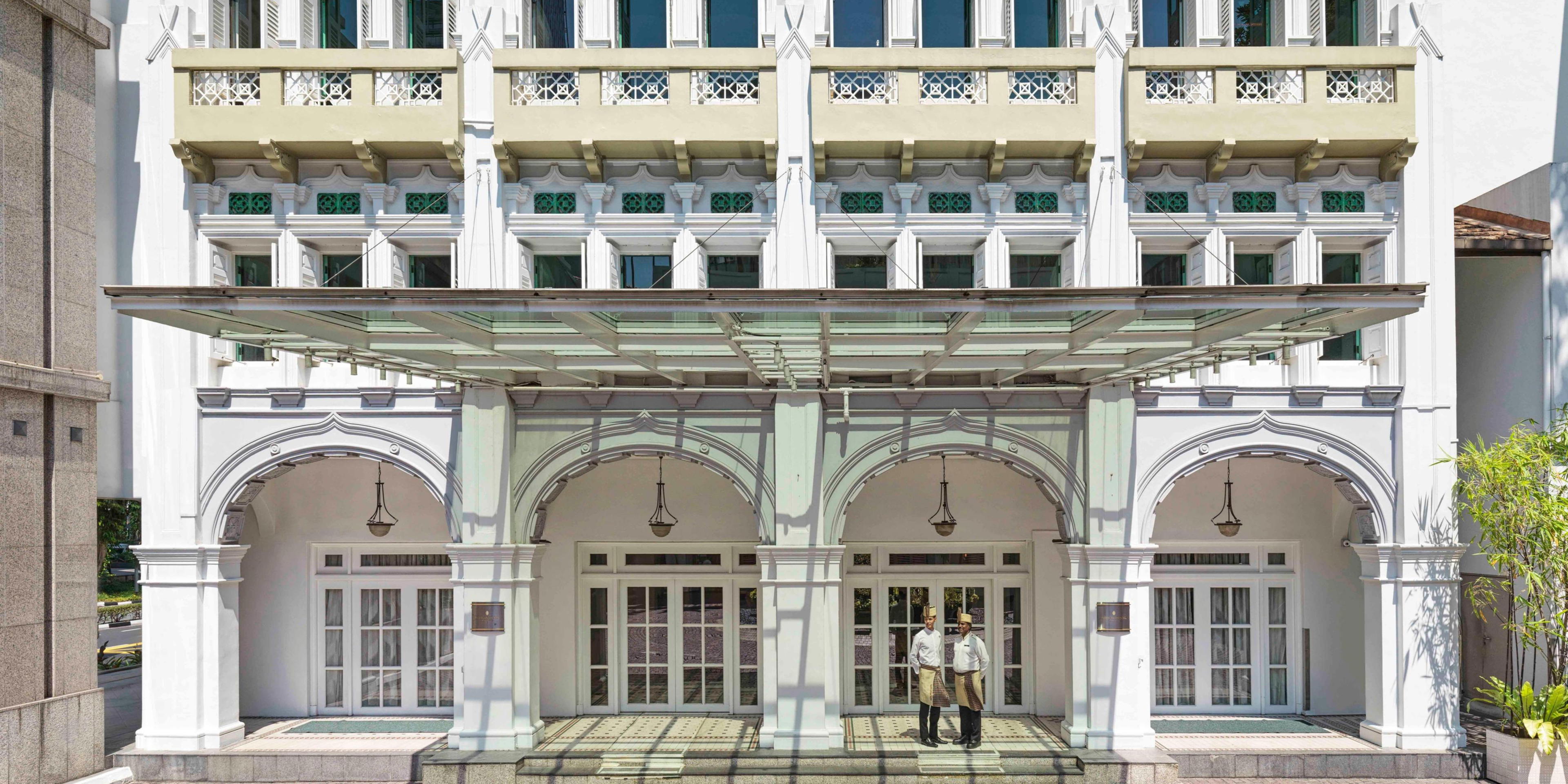
Where Bugis Puts Heritage Hotels to Work
Singapore's luxury hotel market has, over the past decade, sorted itself into two broad camps: waterfront-facing towers competing on view and spectacle, and neighbourhood-anchored properties that trade on cultural context and spatial character. Frasers House, a Luxury Collection Hotel, Singapore, at 80 Middle Road, occupies the second camp. It sits at the edge of Bugis, a district that compresses more cultural density per block than almost anywhere else in central Singapore: Little India begins a short walk north, Arab Street lies to the east, and the Museum Planning Area, home to the Singapore Art Museum and the National Museum of Singapore among ten cultural institutions, is within walking distance. For a heritage-positioned hotel, the address is not incidental. It is the argument.
Frasers House, a Luxury Collection Hotel, Singapore sits between those poles: formal enough in its credentials to hold a national award, neighbourhood-integrated enough to feel like a working base rather than a destination unto itself.
The Rooms and What They Carry
Room design in heritage hotels often resolves into two unsatisfying directions: museum-piece period reproduction or token gestures toward local culture slapped onto otherwise generic interiors. The Shophouse rooms here take a more considered path. White walls and silk-threaded panels share space with wooden fretwork and colourful headboards that draw from Peranakan craft traditions, while flat-screen televisions and Nespresso machines confirm that the brief was comfort-first rather than aesthetic exercise. The 430-square-foot Heritage Rooms extend that programme further, adding Club InterContinental access, which covers daily breakfast and evening cocktails. Views split between city skyline on one side and a narrow side street below on the other; the latter, in a city that has demolished much of its intimate streetscape, carries its own kind of appeal.
The Peranakan reference point matters here beyond interior decoration. The Straits Chinese community that shaped Bugis and its surroundings produced a material culture, notably in ceramics, embroidery, and carved furniture, that is specific enough to be recognisable and significant enough to merit serious treatment. When the room programme leans on that tradition, it is borrowing from a well-documented local heritage rather than inventing atmosphere from scratch. That grounding distinguishes it from properties where "local character" means a single batik cushion on an otherwise international business-hotel bed.
For other heritage-forward luxury hotels operating in a similar register internationally, the comparison set is wide. Hotel Sacher Wien in Vienna, Badrutt's Palace Hotel in St. Moritz, and HOTEL THE MITSUI KYOTO in Kyoto each operate heritage positioning in culturally specific ways. What they share with the Frasers House, a Luxury Collection Hotel, Singapore is the premise that a hotel's physical address and cultural context should do meaningful work, not simply provide a backdrop.
Service Architecture Across Guest Types
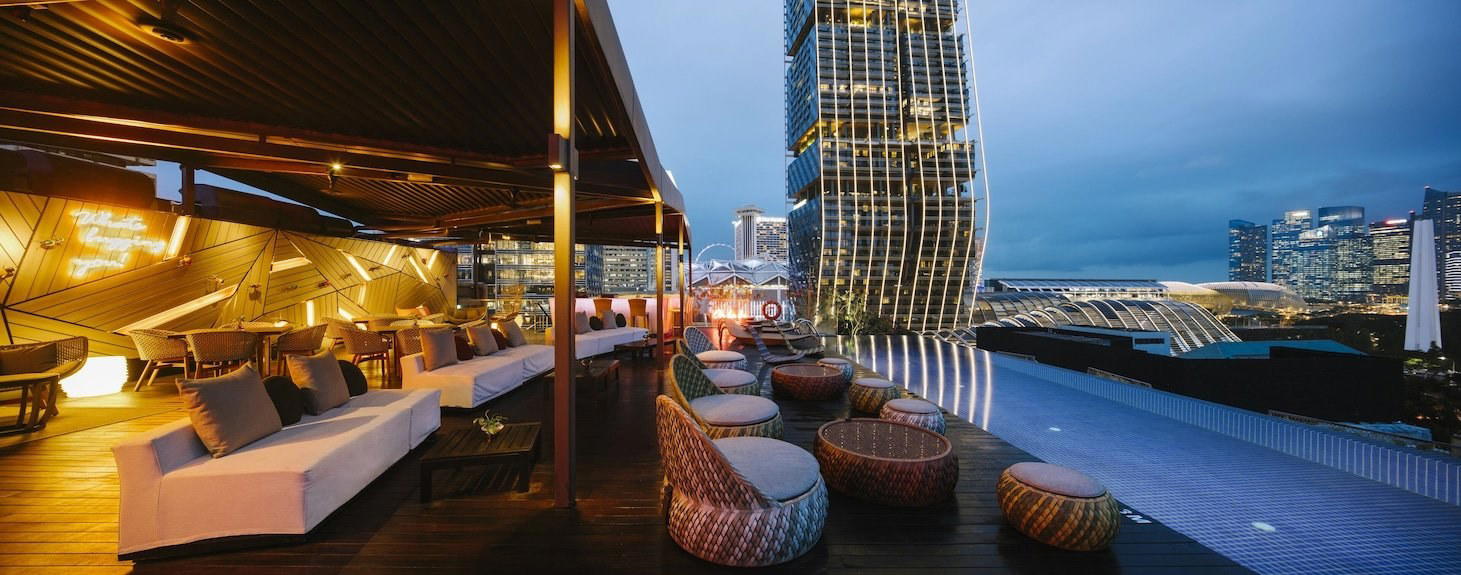
The editorial angle that applies most usefully to this hotel is not the room product or the pool. It is how the service structure has been calibrated to hold two different guest types simultaneously without compromising either. Business travellers and family leisure guests are not natural roommates in a hotel's operational logic. The former need friction-free efficiency: fast check-in, reliable connectivity, evening quiet. The latter need activity programming, child-specific dining, and the kind of shallow paddling pool that turns an ordinary afternoon into something manageable for parents of small children.
The Frasers House, a Luxury Collection Hotel, Singapore has made deliberate structural choices to accommodate both. In hotels that try to serve multiple guest profiles, service quality typically shows stress at the handoff points: when a business guest and a family of four arrive at the same desk at the same moment, or when the Lobby Lounge needs to function as a quiet working space and a children's after-swim destination at adjacent hours. Maintaining warmth and attentiveness across those scenarios requires deliberate team training and clear service choreography, not just good intentions.
Children's room service menu, with dishes built around familiar formats and age-appropriate customisation, reflects the same logic. Hotels that treat children's dining as a minor operational afterthought produce generic pasta dishes and call it done. A menu with hide-and-seek vegetable integration in a Bolognese, or lychee frozen yogurt as a deliberate offering, signals that the family segment was part of the original brief, not an accommodation made reluctantly after opening.
The Guided Heritage Trail and What It Signals
Weekly Guided Heritage Trail the hotel runs through Bugis and its surrounding enclaves is worth examining as a signal about how the property understands its role. Hotels that offer similar programming often frame it as a branded amenity, a curated experience that begins and ends with the hotel as protagonist. The more useful version, which this trail appears to attempt, treats the hotel as a point of departure rather than a destination, directing guests toward Little India, Arab Street, and the historical markers of the Museum Planning Area with enough context to make those visits meaningful rather than transactional.
That posture connects to a broader shift in premium hospitality, visible across properties like Castello di Reschio in Lisciano Niccone and Hotel Esencia in Tulum, where the hotel's value proposition increasingly includes the depth of engagement it can broker between the guest and the surrounding place, not just the quality of the room or the pool.
Practical Considerations for Planning
The hotel sits at 80 Middle Road, Singapore 188966, within the Bugis district and close to Bugis MRT, making it easy to reach from Changi Airport via the East-West line without the taxi dependency that some central Singapore addresses require. The Museum Planning Area's ten institutions, including the Singapore Art Museum and the National Museum of Singapore, are within walking range, making this a logical base for travellers whose Singapore itinerary extends beyond the Marina Bay circuit.
Other IHG-affiliated and comparable central Singapore properties worth mapping against include Amara Singapore, Andaz Singapore, Artyzen Singapore, Carlton Hotel Singapore, and 21 Carpenter, each operating in distinct neighbourhood contexts and at different points on the price and format spectrum. The The Outpost Hotel Sentosa by Far East Hospitality offers a useful contrast for those weighing a Sentosa-based stay against a central district one. The Conrad Singapore Marina Bay represents the waterfront-tower alternative for guests whose priorities run toward bay views over neighbourhood integration.
For reference points in other global cities, the hotel's heritage-and-neighbourhood positioning finds analogues in properties like Cheval Blanc Paris in Paris, Hotel Plaza Athénée in Paris, Aman New York in New York City, Hotel Bel-Air in Los Angeles, Bvlgari Hotel Tokyo in Tokyo, Hôtel de Paris Monte-Carlo in Monte Carlo, Hotel Du Cap-Eden-Roc in Cap d'Antibes, Aman Venice in Venice, Amangiri in Canyon Point, and The Fifth Avenue Hotel in New York City. Each operates a version of the same core premise: that a hotel embedded in a specific cultural moment or place produces something materially different from a hotel that happens to be located in one.
Recognition Snapshot
Comparable venues nearby, for context on price, style, and recognition.
| Venue | Cuisine | Price | Awards | Notes |
|---|---|---|---|---|
| Frasers House, a Luxury Collection Hotel, SingaporeThis venue — the venue you are viewing | Luxury lifestyle hotel with riverfront residences blending modern elegance and heritage charm. | $$$$ | 5-Star | Not listed |
| The Paiza Collection at Marina Bay Sands | Modern ornate luxury with Asian sensibility; residential-style suites designed as palatial homes away from home with bespoke furnishings and artisanal details. | $$$$ | 5-Star | BAYFRONT SUBZONE |
| Fraser Residence River Promenade, Singapore | Contemporary serviced apartments in heritage warehouses | $$$$ | 5-Star | ROBERTSON QUAY |
| The St. Regis Singapore | Luxury urban hotel with butler service and garden-inspired design. | $$$$ | 5-Star | TANGLIN |
| Singapore Marriott Tang Plaza Hotel | Well-known urban luxury resort | $$$$ | 5-Star | BOULEVARD |
| Mett Singapore | Lifestyle-led luxury heritage hotel in a restored colonial building surrounded by Fort Canning Park’s greenery. | $$$$ | 5-Star | FORT CANNING |
Recognition history
Dated appearances from independent guides and award organizations, with the underlying list record or original source where available.
Forbes Recommended
Forbes
World Luxury Hotel Awards WLHA Country Winner
World Luxury Hotel Awards
At a Glance
- Elegant
- Modern
- Sophisticated
- Scenic
- Business Trip
- Romantic Getaway
- Rooftop Pool
- Panoramic View
- Pool
- Spa
- Fitness Center
- Room Service
- Concierge
- Wi Fi
- EV Charging
- Pool
- Spa
- Fitness Center
- Room Service
- Concierge
- Wi Fi
- EV Charging
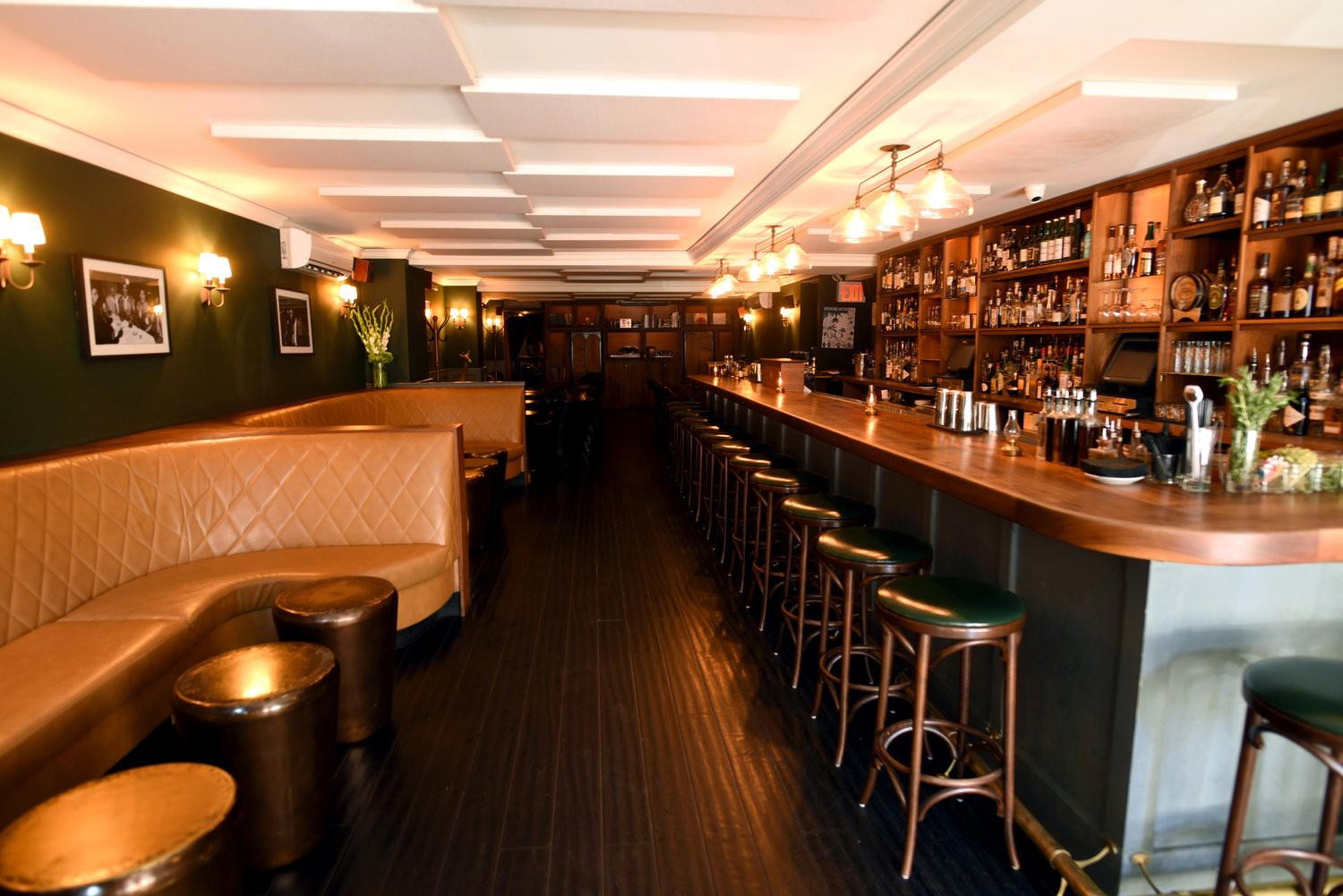
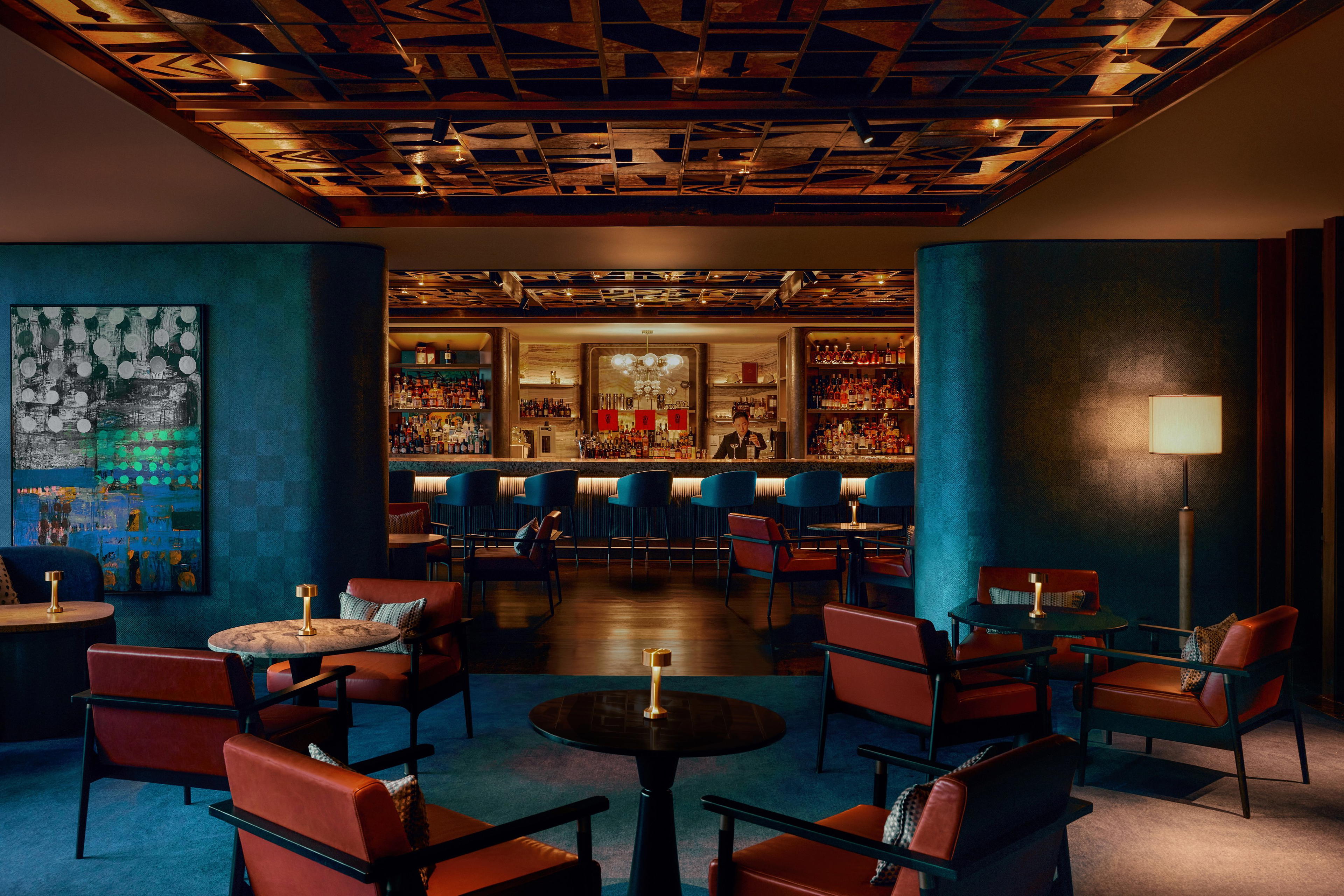
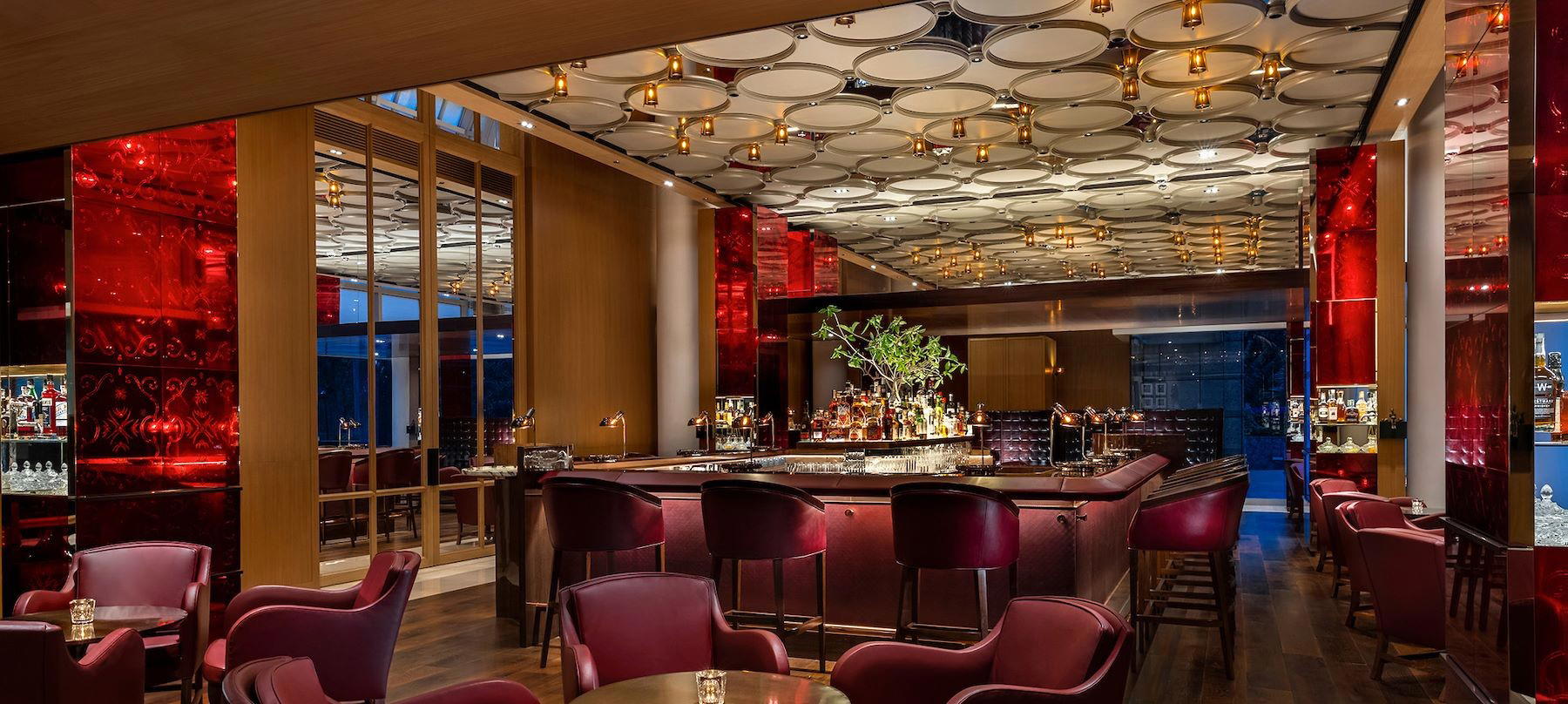
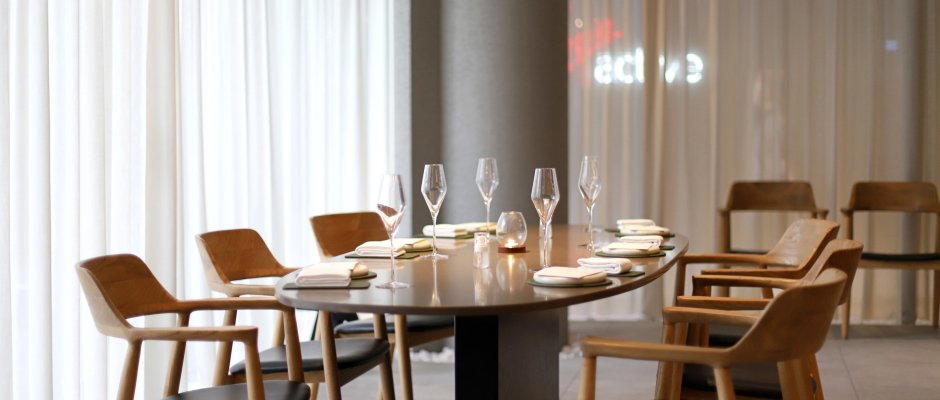
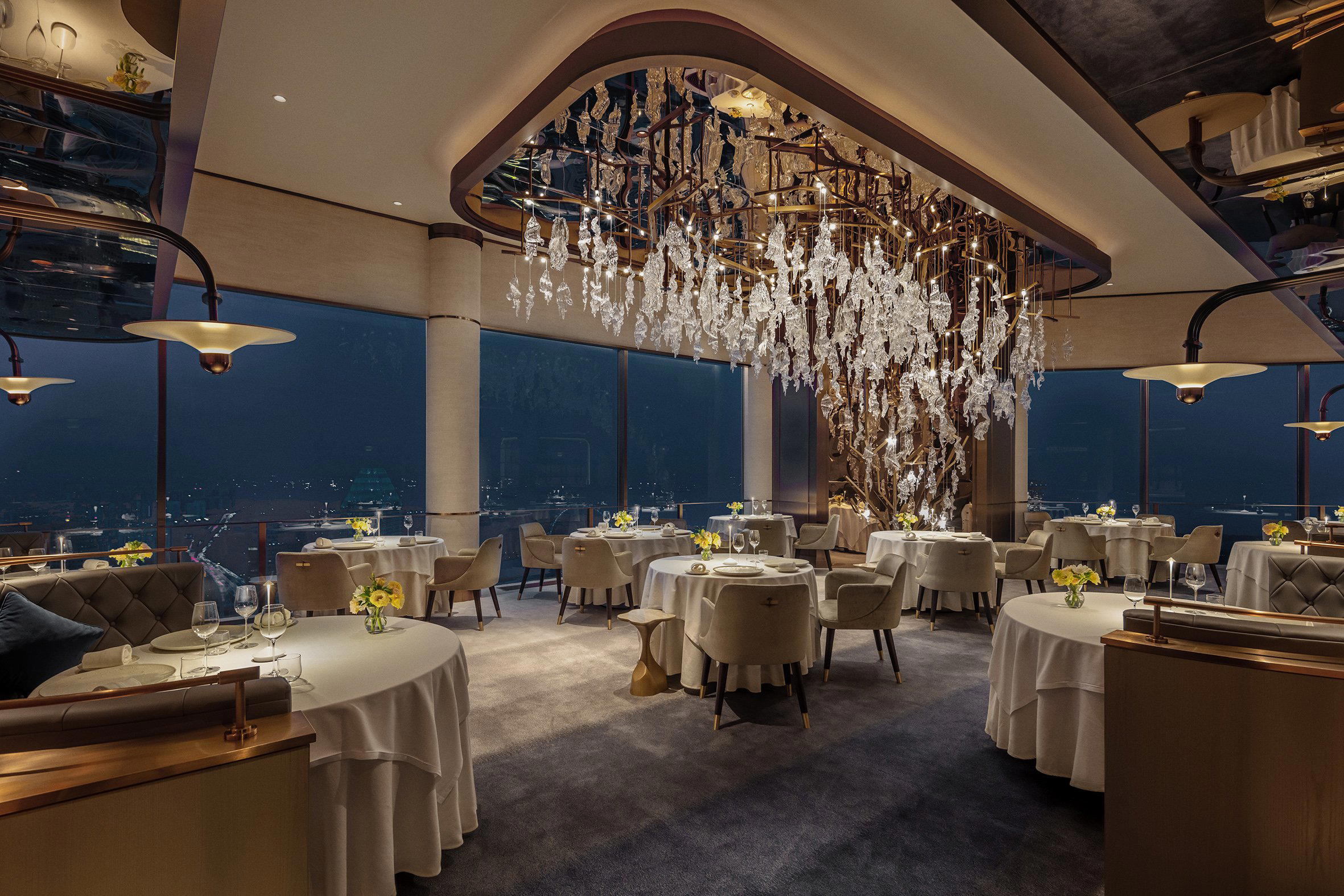
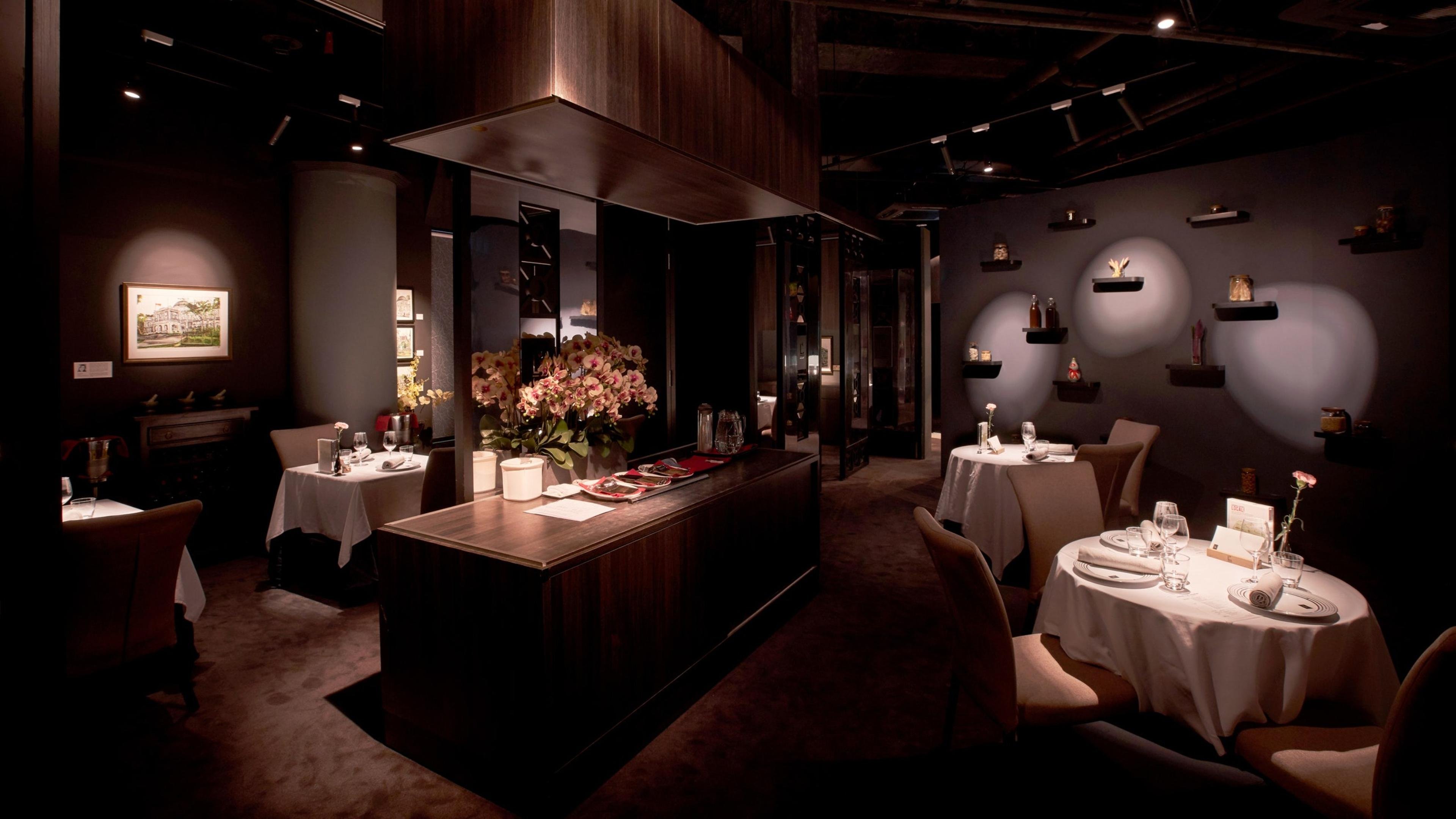
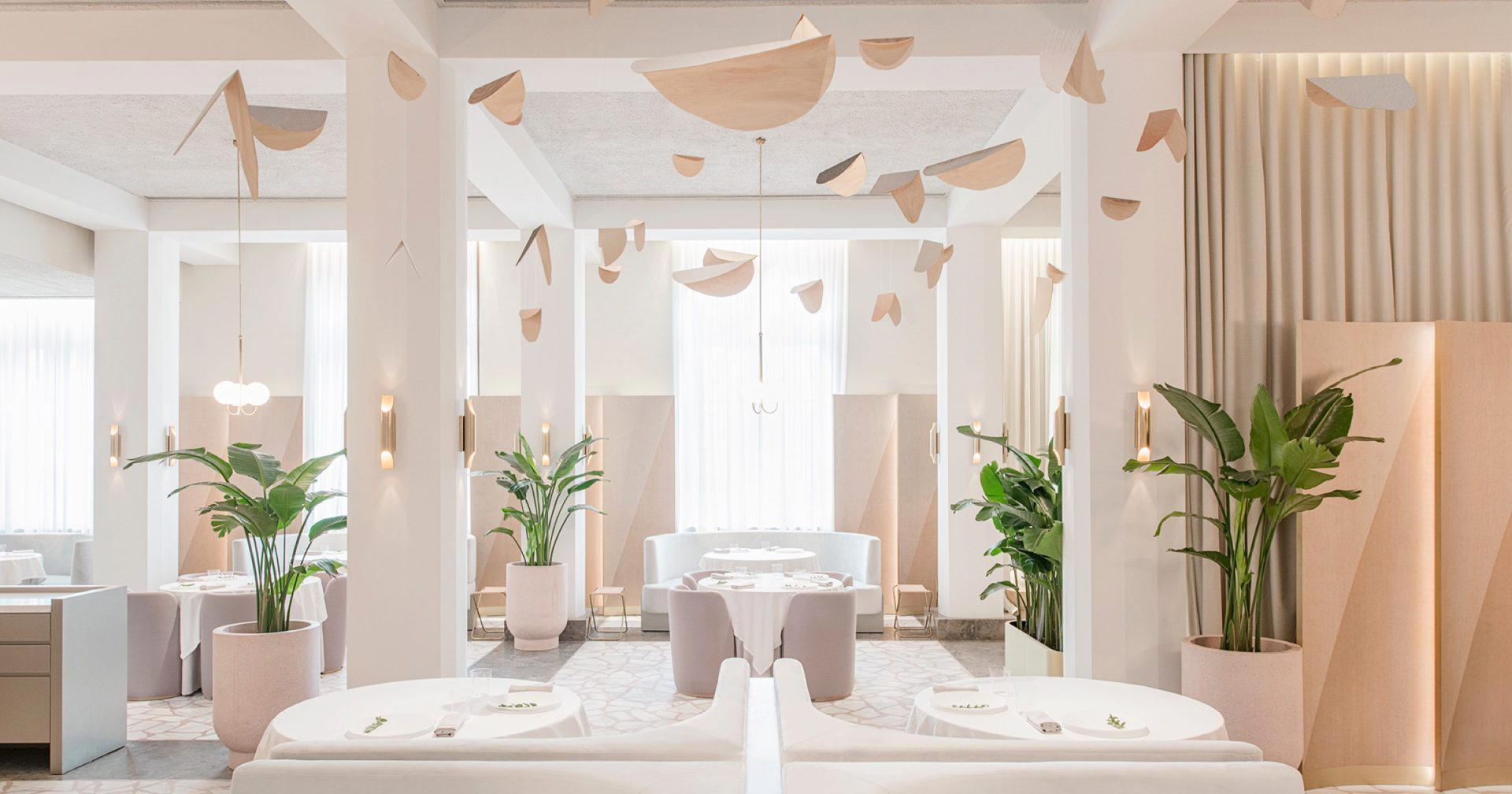
Relaxing and beautifully designed common areas with modern, sophisticated interiors and thoughtful lighting.