
Marseille’s grand seafood dining tradition reaches its sharpest formal expression at Le Petit Nice-Passedat, where the architecture of the meal is inseparable from the Mediterranean in front of it. The point is not generic luxury, but a precise dialogue between sea-facing rooms, local fish species, and a three-star kitchen built around the city’s maritime identity.
Pearl is the En Primeur Club membership app — saves, bookings, and concierge access live there. Same editors, same standards.
- Address
- Anse de Maldormé, Corniche J.-F.-Kennedy
 Saves & bookings on Pearl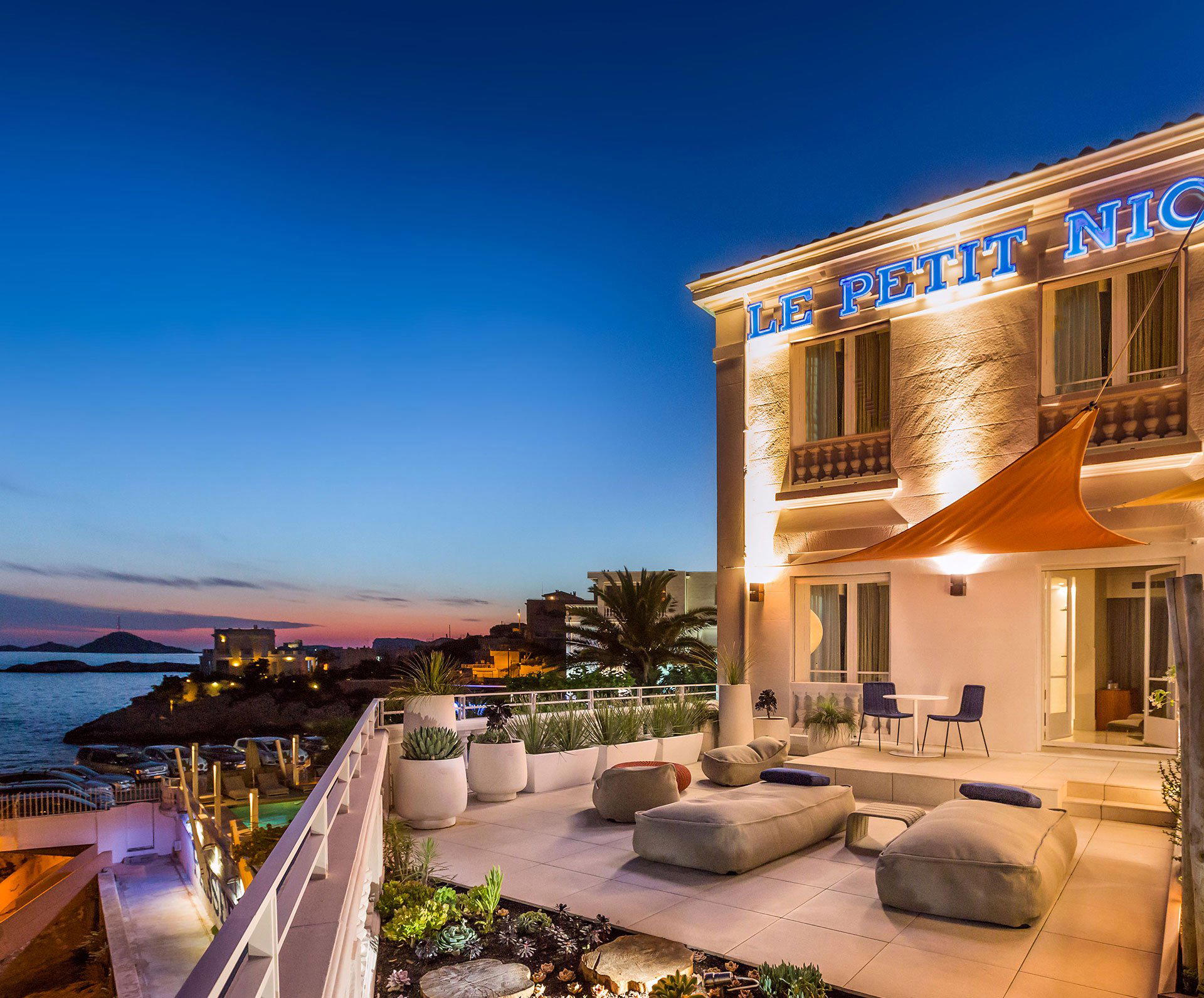
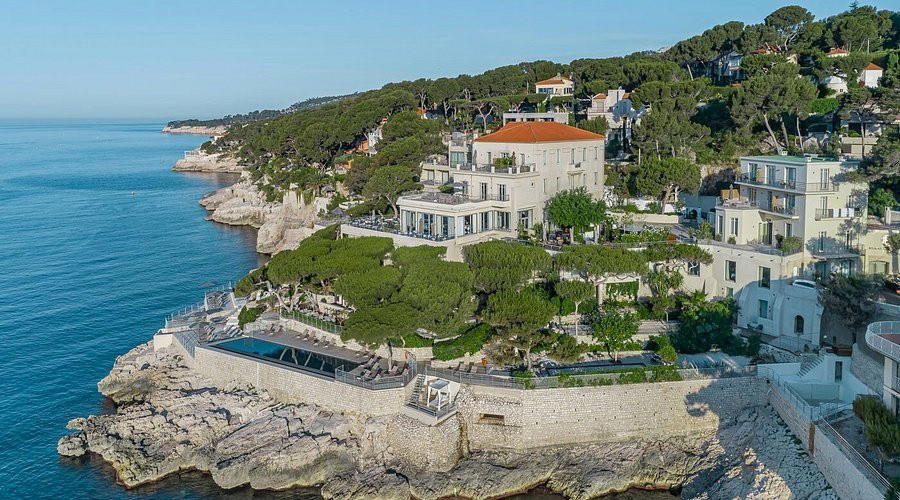
The approach along Marseille’s Corniche sets the terms before the first plate arrives: limestone, salt air, open water, and the hard light that makes the city feel less like Provence than a port facing outward. In this part of Marseille, architecture is never neutral. Terraces, dining rooms, and hotel bedrooms are oriented toward the sea because the Mediterranean is not background here; it is the city’s working larder, its horizon, and its strongest cultural argument.
Le Petit Nice-Passedat belongs to that small category of restaurants where the room and the cooking make the same claim. Sea views run through the terrace, restaurant, and bedrooms, and the kitchen’s three-star identity is anchored in Mediterranean fish rather than imported luxury signals. That matters in Marseille, a city often simplified into bouillabaisse and port folklore. The stronger reading is more exacting: this is a maritime cuisine shaped by local species, fishing seasons, and resource limits, translated into a formal dining language.
Marseille seafood, treated as architecture rather than abundance
French fine dining has often treated seafood as a marker of access: turbot, lobster, langoustine, caviar. Marseille’s more interesting tradition is different. It asks what can be done with a coastline where small boats, rocky inlets, and Mediterranean biodiversity produce a broader, less predictable repertoire. The kitchen here works from that premise, naming sea anemones, bonito, sea urchins, crabs, shellfish, and a rotating fish vocabulary that can reach more than 65 locally fished varieties over the year.
That figure is more than trivia. It explains why the restaurant’s identity sits apart from Parisian grand dining and from Riviera glamour. Tub gurnard, rascasse, red porgy, comber fish, and common dentex carry different cultural weight from a luxury-product checklist. They speak to a Mediterranean grammar in which bitterness, iodine, bones, stock, and restraint can matter as much as richness. The resource-protection framework attached to the fish supply also places the restaurant inside a contemporary tension: high gastronomy now has to defend not only technique, but extraction.
The emblematic dish, “Bouille Abaisse,” makes that argument through naming alone. It invokes bouillabaisse without treating the classic as museum property. Marseille’s famous fish soup is often flattened for visitors into a single expected order; here, the reference is lighter, iodized, and deliberately reworked. The Lucie Passedat sea bass carries a more familial register, but the broader point remains the same: the menu is less about a parade of luxury ingredients than about editing the Mediterranean into a disciplined sequence.
A sea-facing room with the confidence to stay quiet
The design story is not one of spectacle. Marseille already supplies the theatre: glare on the water, the edge of the Corniche, the sense that the city is always half-turned toward departure. A dining room in this position does not need decorative noise. Its task is to frame the horizon and let the meal’s marine logic feel inevitable. That restraint is a form of confidence, especially in a category where restaurants often over-explain themselves through materials, lighting, and tableware.
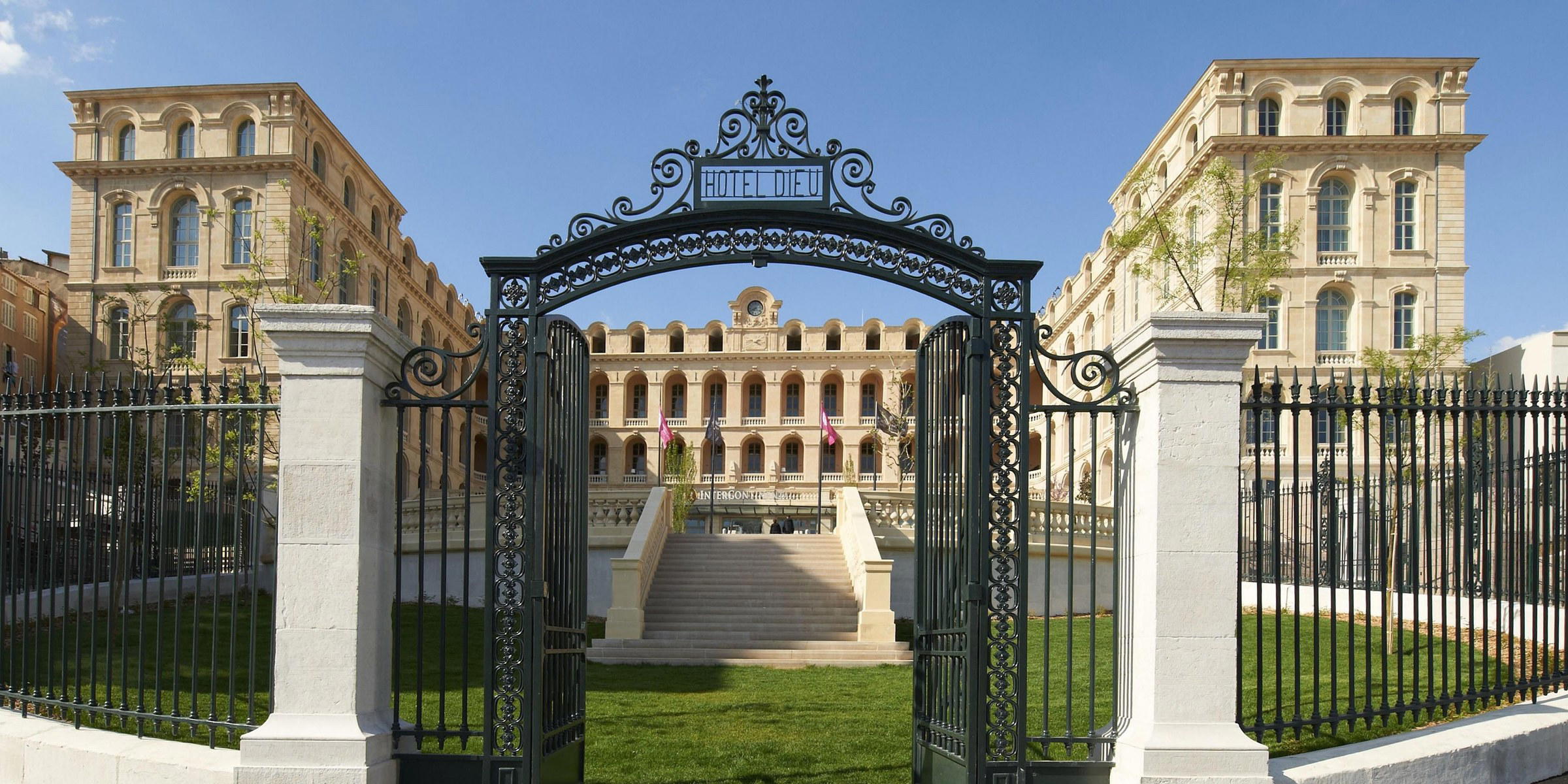
This is where Le Petit Nice-Passedat and its hotel setting become inseparable. Marseille has several strong hospitality personalities, from the sea-level immediacy of Les Bords de Mer - Fontenille Collection to the 19th-century scale of Hôtel Dieu Intercontinental Marseille, the private-mansion register of Hôtel C2, and the Vieux-Port sightlines of La Résidence du Vieux Port. The Corniche proposition is narrower and more elemental: stay close to the water, eat from the water, and let the building’s orientation do much of the storytelling.
That makes the restaurant useful for understanding Marseille beyond the postcard. The city’s dining culture is not polished in the manner of Lyon, nor ceremonial in the manner of Paris. Its higher register is at its strongest when it keeps contact with fishing, migration, working-port directness, and Mediterranean weather. The three-star recognition confirms the technical tier, but the more interesting achievement is that the room does not sever the cuisine from its geography.
How to place it within a Marseille itinerary
For travelers building a Marseille stay around food, the restaurant works less as an isolated trophy reservation than as a lens on the city’s coastal identity. Pairing it with a night at Le Petit Nice keeps the experience self-contained, while hotels such as Amista, Maisons du Monde Marseille, and Hôtel Le Corbusier point to different versions of the city: resort edge, central design comfort, and modernist pilgrimage. The useful planning move is to decide whether the trip is built around sea-facing quiet, port access, or architectural character, then choose the table accordingly.
Readers comparing Marseille with broader French travel can scan Our full Marseille restaurants guide, Our full Marseille hotels guide, Our full Marseille bars guide, Our full Marseille wineries guide, and Our full Marseille experiences guide. For design-led hotel contrasts elsewhere, the spectrum runs from 25hours Terminus Nord in Paris, 48° Nord in Breitenbach, 5 Terres - MGallery in Strasbourg, 5 Terres Hôtel & Spa in Barr, and 70 Hectares & l'Océan - Fontenille Collection in Seignosse to more remote addresses such as A MANDRIA DI MURTOLI in Sartène, A Piattatella in Monticello, A Pignata in Levie, A Speranza in Bonifacio! Xaus Lodge in Dawid Kruiper. Here Baa Atoll Maldives in Baa Atoll, and "Róże i Zen" Apartamenty. Pokoje Gościnne in Torun.
The editorial case for Le Petit Nice-Passedat is clear: choose it when the point of the meal is Marseille itself, not just French gastronomic status. The address compresses the city’s strongest assets into a single format: sea-facing architecture, a locally grounded fish repertoire, and a three-star kitchen that treats the Mediterranean as discipline rather than decoration.
Comparison Snapshot
Comparable venues by cuisine and price in the same metro.
| Venue | Cuisine | Price | Awards | Notes |
|---|---|---|---|---|
| Le Petit Nice-PassedatThis venue — the venue you are viewing | Intimate seaside Relais & Châteaux villa combining luxury hospitality with a flagship gastronomic restaurant. | $$$$ | 5-Star | Not listed |
| Hôtel C2 | Renovated historic mansion with modern twists | $$$ | 5-Star | Palais De Justice |
| Maisons du Monde Marseille | stylish and convivial urban hotel reflecting Maisons du Monde's art of living | $$$ | 4-Star | Opera |
| Hôtel Dieu Intercontinental Marseille | Historic luxury hotel in restored 800-year-old building | $$$$ | 5-Star | Hotel De Ville |
| Sofitel Marseille Vieux Port | Nautical luxury inspired by a lavish yacht with marine-themed decor. | $$$$ | 5-Star | Vieux Port |
| Mama Shelter Marseille | Eccentric urban design hotel blending industrial kitsch with Mediterranean vibrancy. | $$ | 3-Star | Notre Dame Du Mont |
Recognition history
Dated appearances from independent guides and award organizations, with the underlying list record or original source where available.
Relais Chateaux Award
Relais Chateaux
Continue exploring
More in Marseille
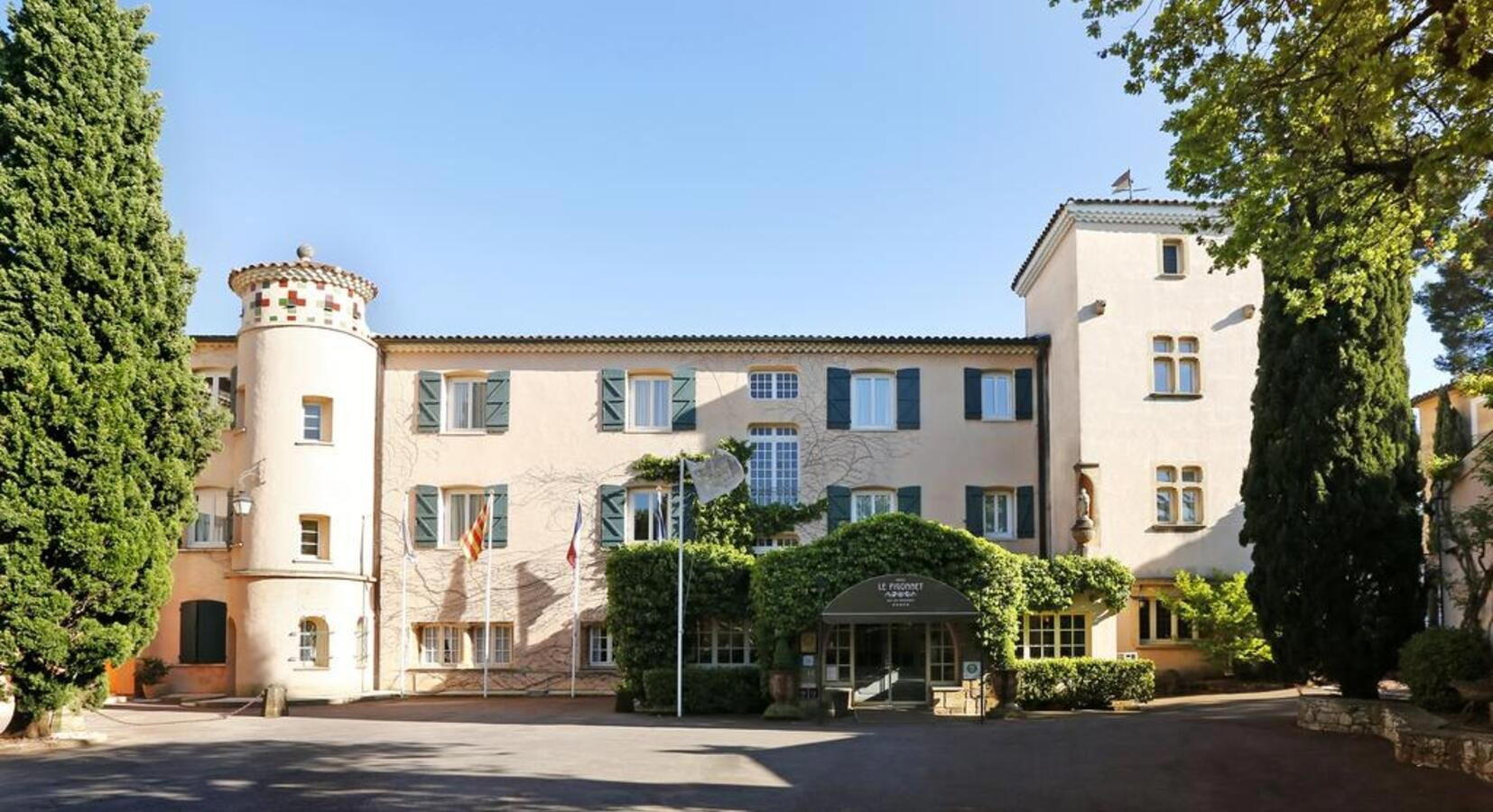
Hotels in Marseille
Browse all →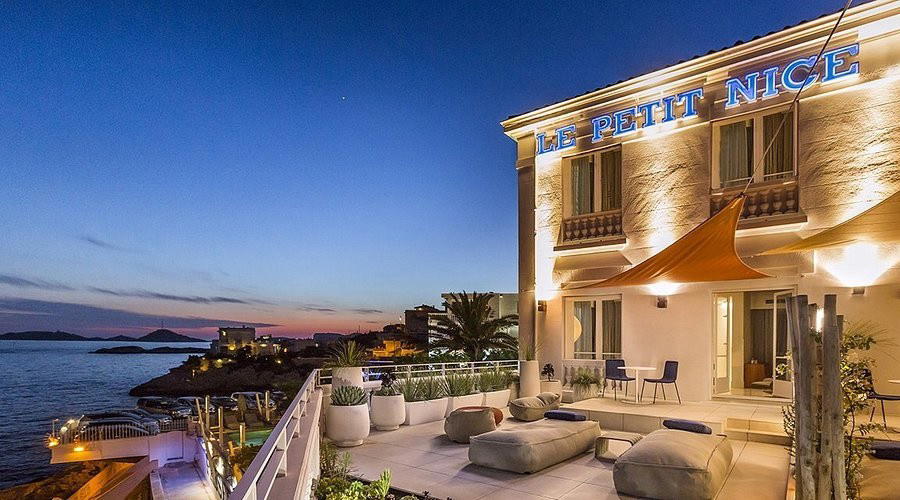
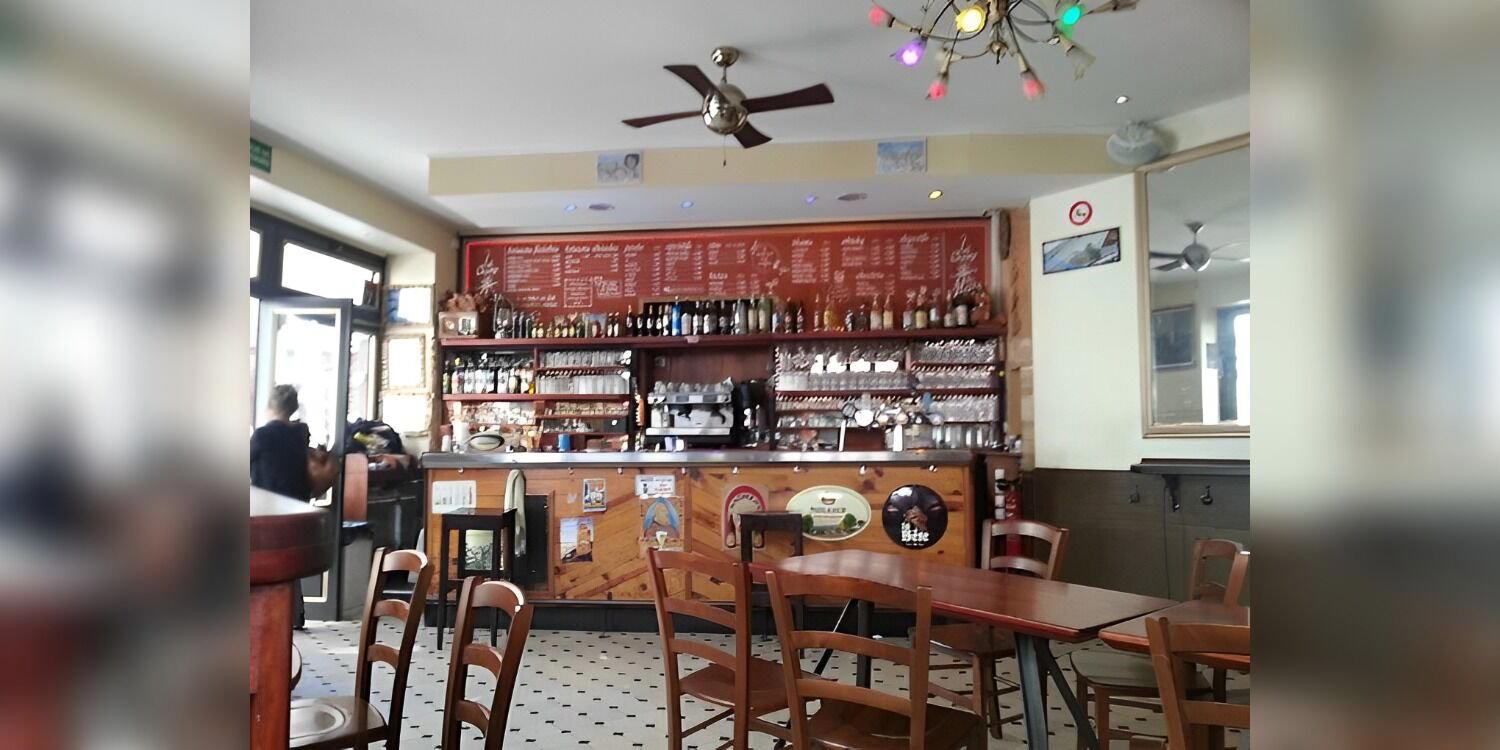
Bars in Marseille
Browse all →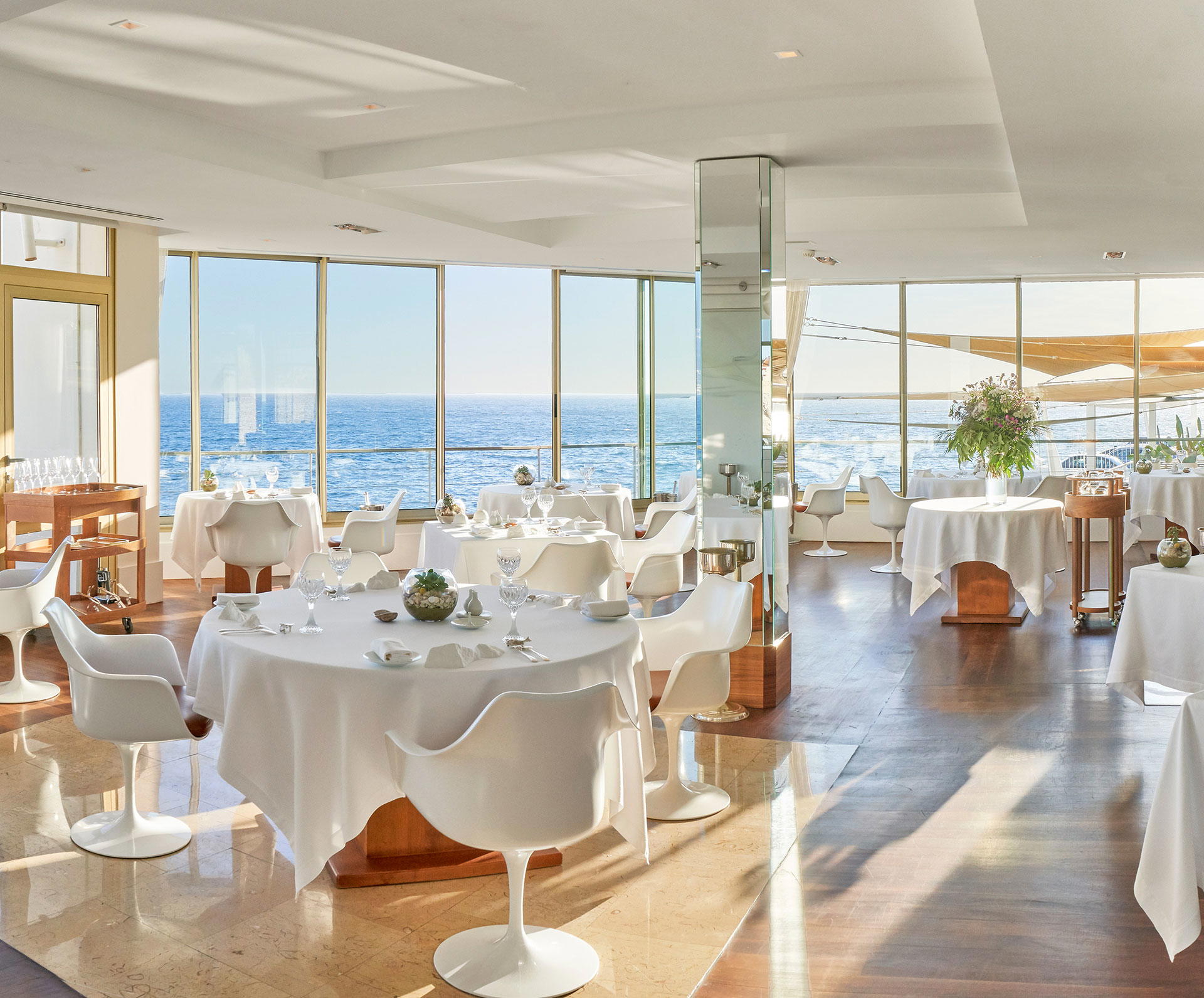
Restaurants in Marseille
Browse all →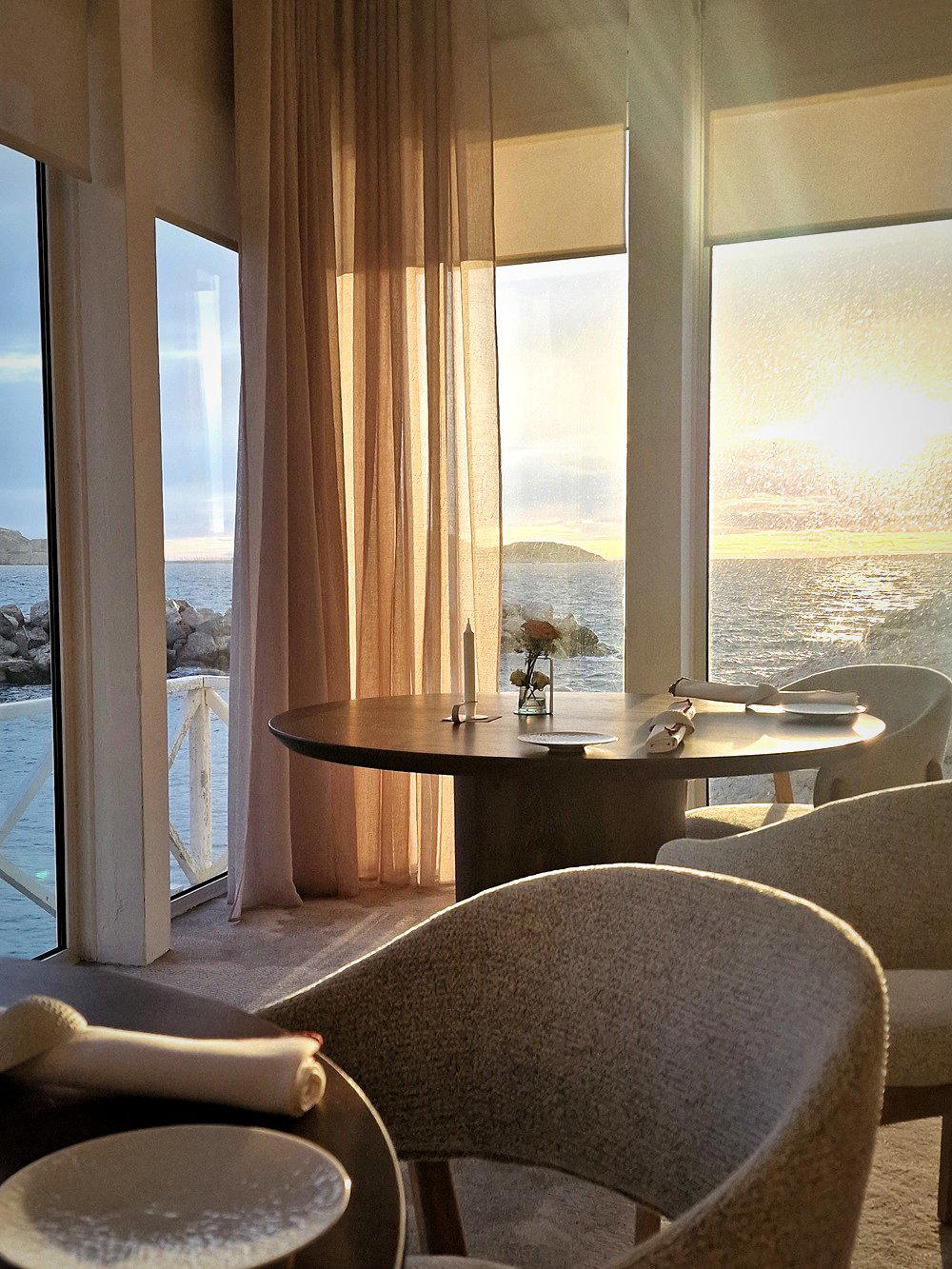
At a Glance
- Elegant
- Scenic
- Romantic
- Quiet
- Sophisticated
- Intimate
- Honeymoon
- Romantic Getaway
- Anniversary
- Weekend Escape
- Celebration
- Destination Wedding
- Beachfront
- Waterfront
- Terrace
- Panoramic View
- Destination Spa
- Private Dining
- Wi Fi
- Pool
- Spa
- Fitness Center
- Room Service
- Concierge
- Business Center
- Valet Parking
- Beach Access
- Waterfront
- Wi Fi
- Pool
- Spa
- Fitness Center
- Room Service
- Concierge
- Business Center
- Valet Parking
- Beach Access
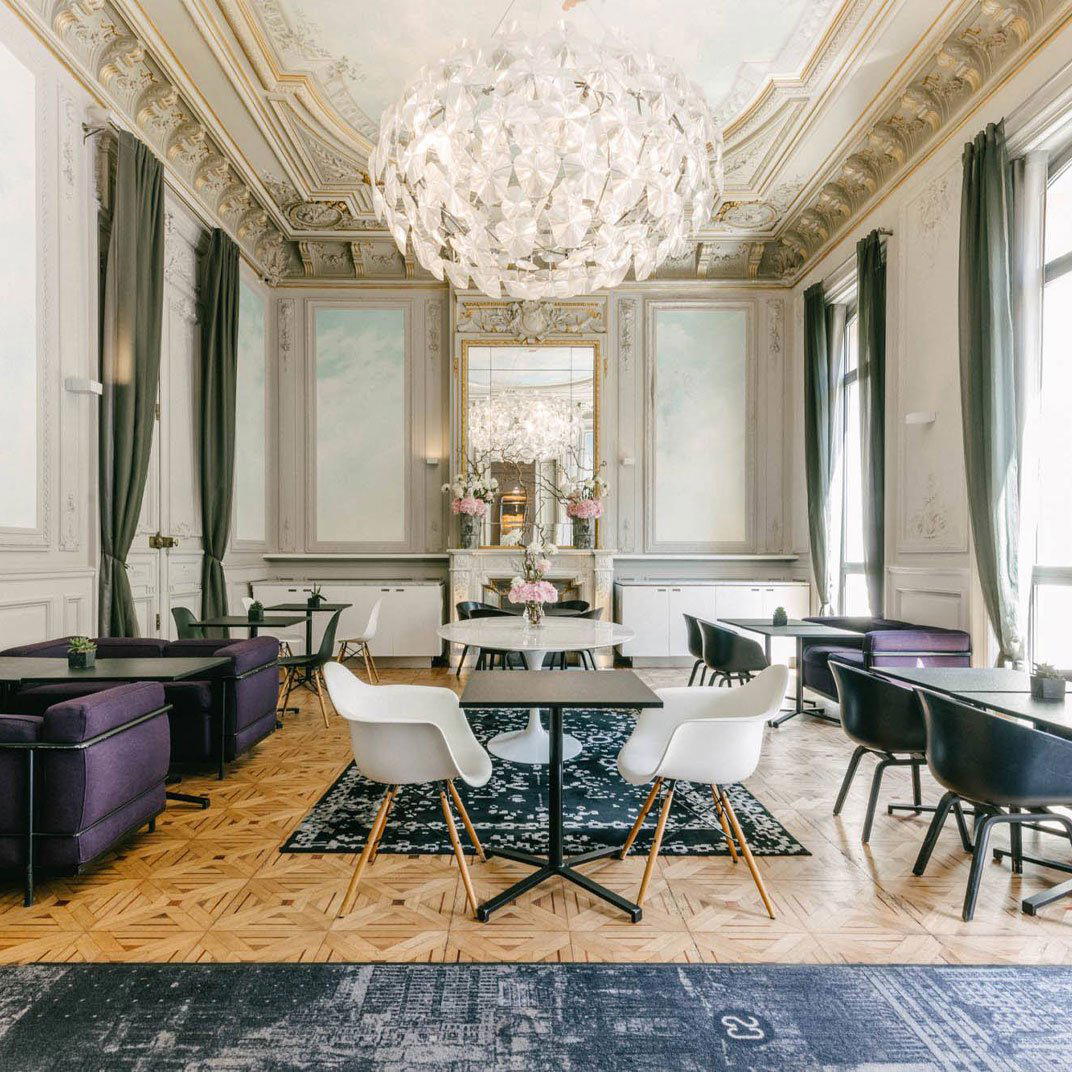
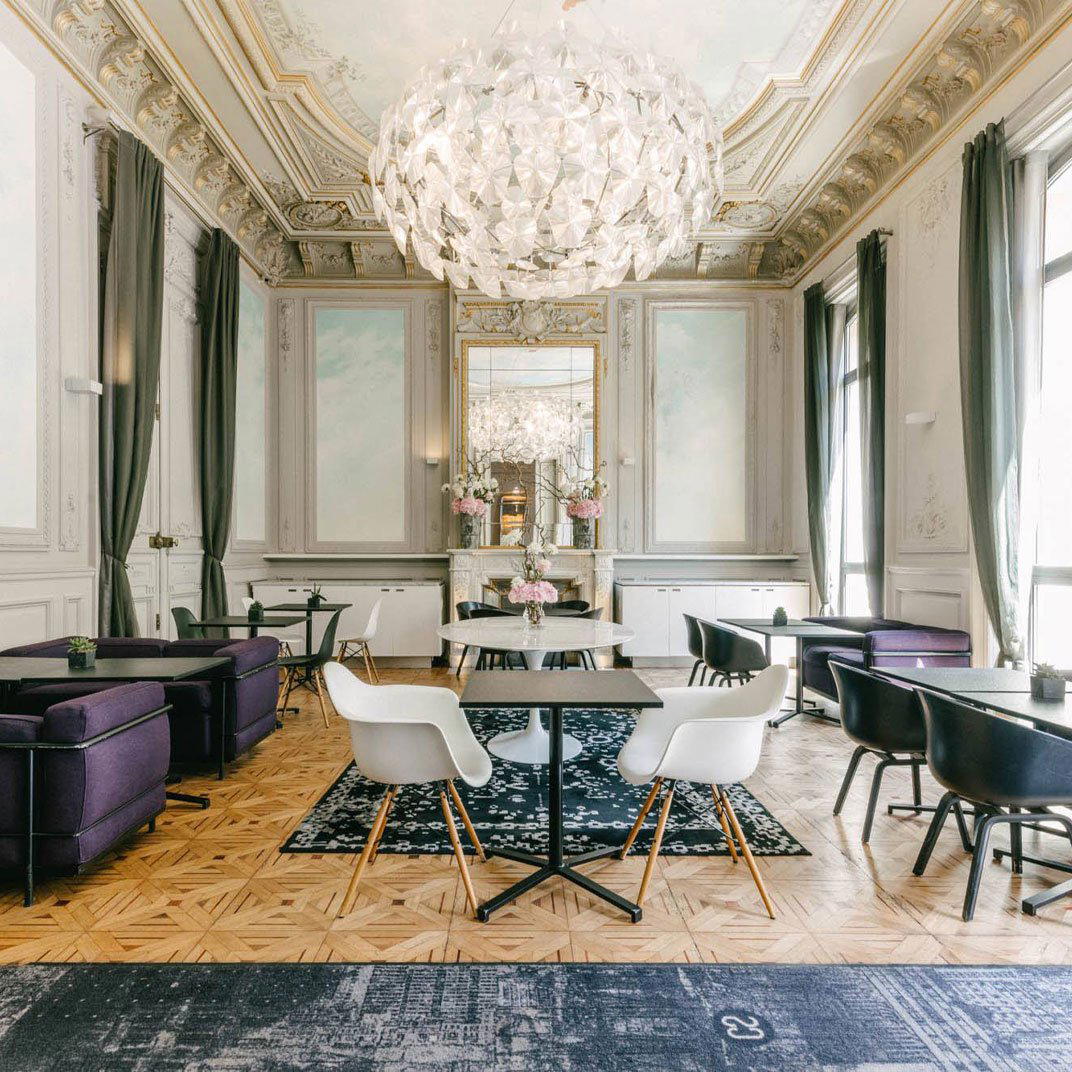
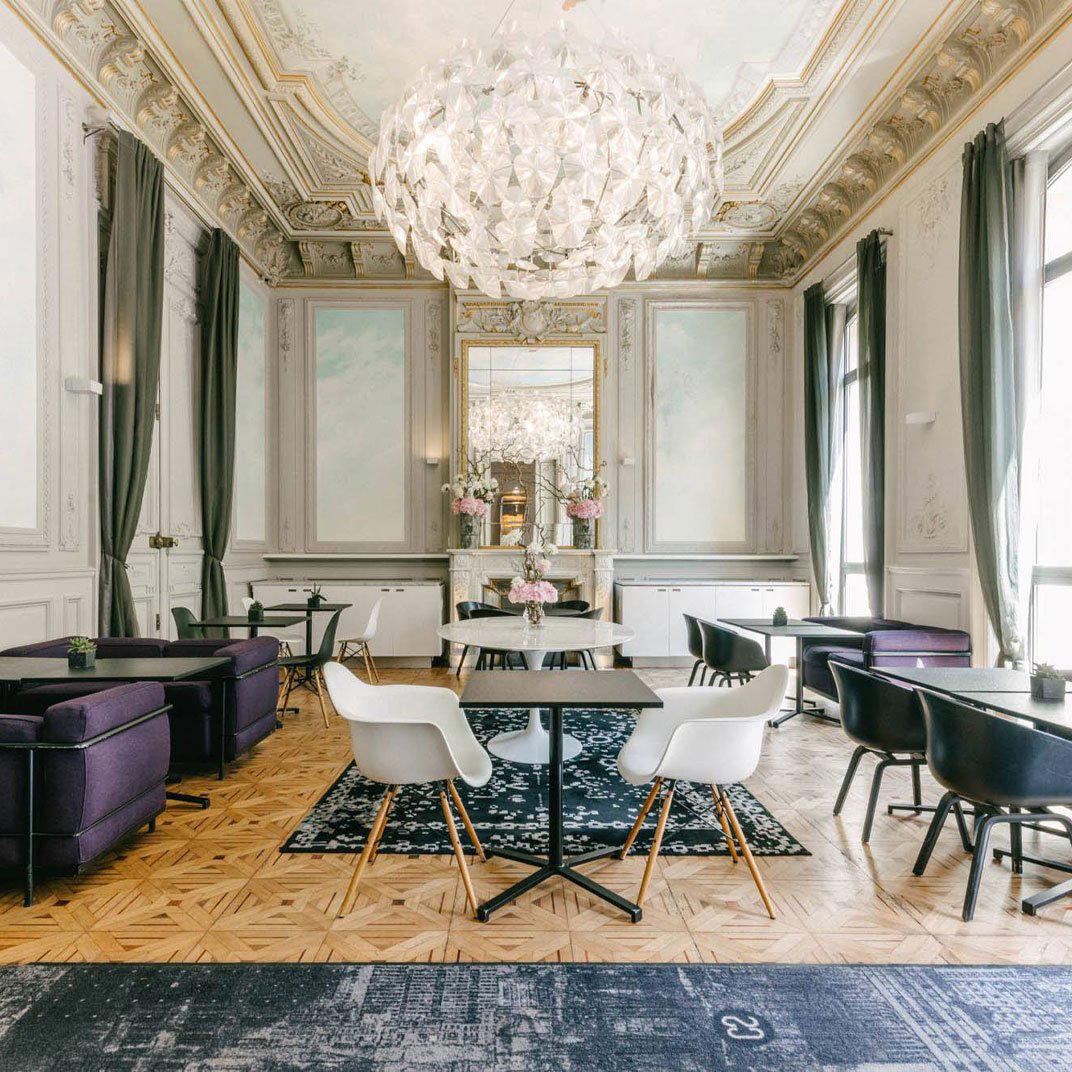
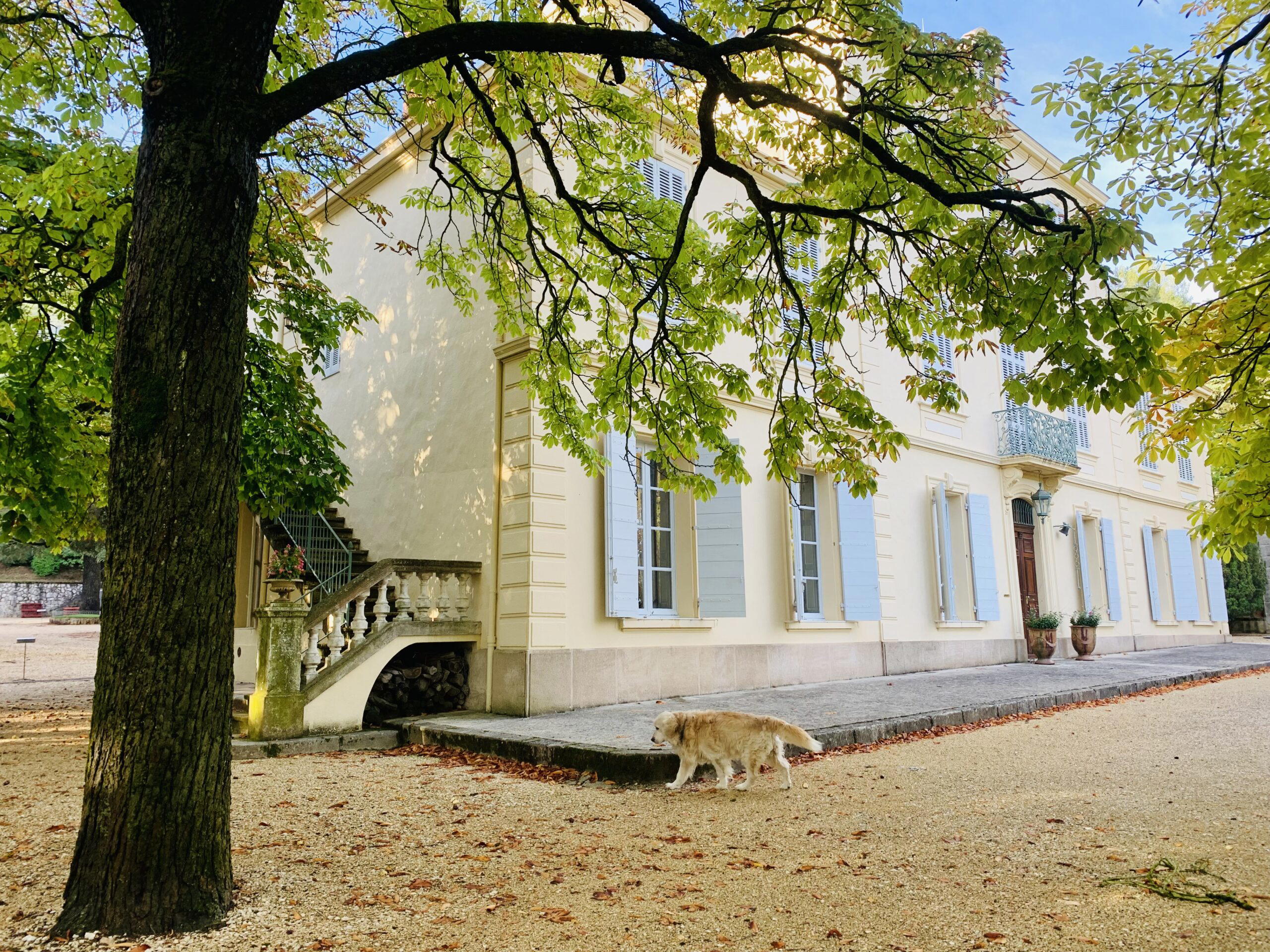
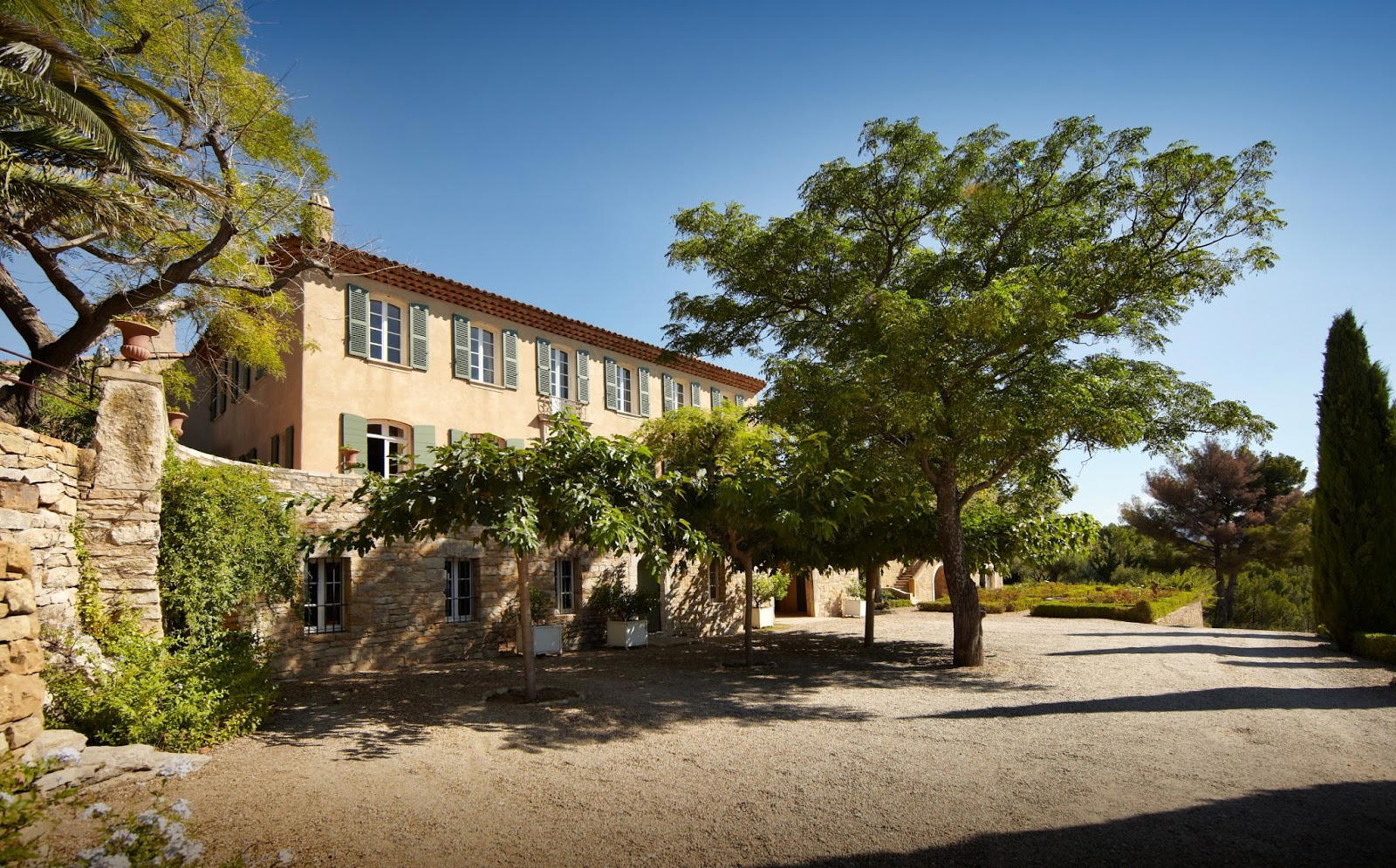
Serene and refined, with bright, white contemporary interiors that open onto terraces and panoramic sea views, creating a calm, luxurious atmosphere between sky and water.