Lapa Rios

Lapa Rios sits on a ridge above the Osa Peninsula in 1,000 acres of private rainforest reserve, with 16 thatched-roof bungalows designed to open entirely to the surrounding canopy. No televisions, no phones, and no air conditioning — the architecture is built around the forest, not against it. At around $1,371 per stay with full board included, it occupies a distinct tier among Costa Rica's eco-lodges.
Pearl is the En Primeur Club membership app — saves, bookings, and concierge access live there. Same editors, same standards.
- Address
- Provincia de Puntarenas, Punto Jimenez
- Phone
- +1 800-963-1195
- Website
- laparios.com
- Directions
- Get directions
 Saves & bookings on Pearl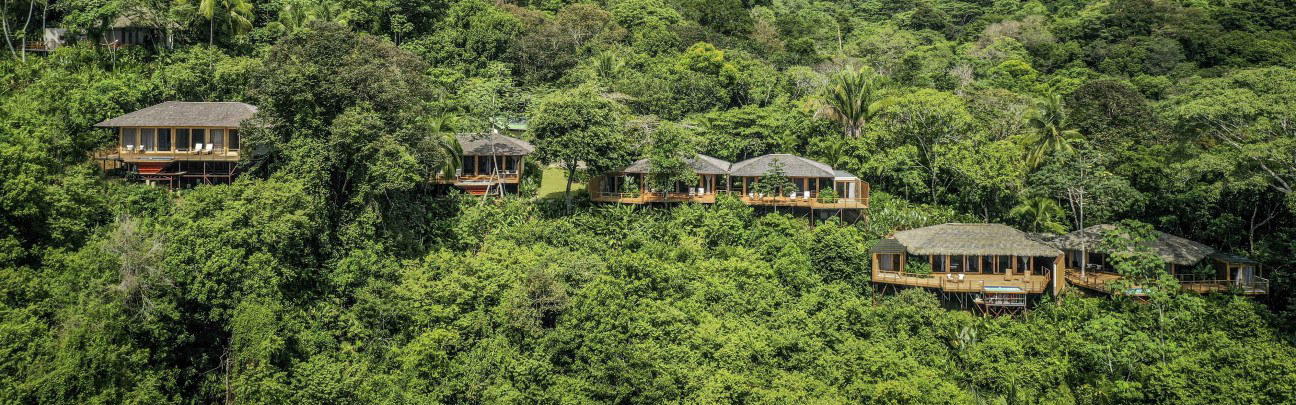
A Ridge Above the Last Lowland Rainforest
The approach to Lapa Rios tells you most of what you need to know about what kind of place it is. After a 40-to-50-minute flight from San José to Puerto Jiménez, guests board a 4x4 safari truck for a 45-minute overland journey into the Osa Peninsula. There is no smooth hotel driveway, no uniformed porter waiting at a portico. The road is the point. By the time you reach the ridge — several hundred feet above the Pacific, deep inside 1,000 acres of private rainforest reserve — the distance from conventional luxury hotel infrastructure is already understood. You've left it behind in stages. See our full Puerto Jimenez restaurants guide for broader context on the region.
Architecture Built Around Absence
The design logic at Lapa Rios is one of deliberate subtraction. Sixteen thatched-roof bungalows sit along the ridge, each oriented to capture ocean views without requiring the forest to be cleared for sightlines. Not a single tree was felled during construction, a constraint that shaped every placement decision and produced a compound that reads as woven into the canopy rather than imposed on it. The thatching itself is a living maintenance programme: thousands of native palm trees have been planted on the property specifically to supply roofing material, closing the resource loop in a way that most eco-labelled properties only gesture toward.
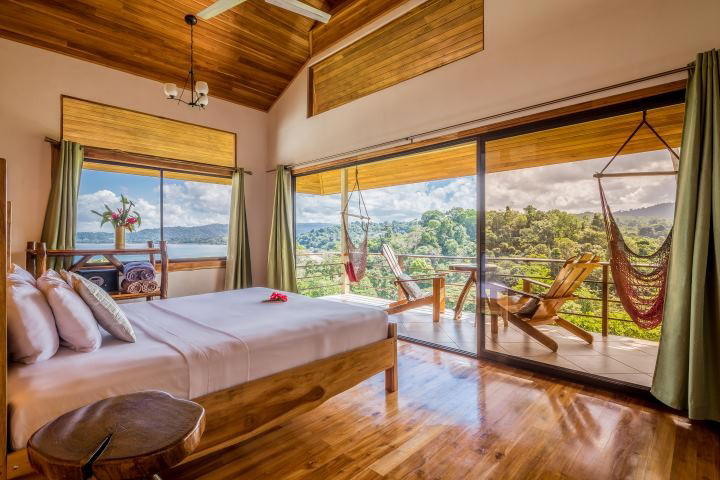
Inside the bungalows, the architecture continues to work through openness rather than enclosure. Walls open fully to admit the breeze, which eliminates the need for air conditioning as a design choice, not an amenity cut. Solar water heaters reduce energy draw without affecting the quality of the tiled bathrooms. Each bungalow includes hardwood floors, a patio garden, an indoor/outdoor shower, and a private hardwood deck with Pacific views. The sensory experience of sleeping in a structure that breathes with the rainforest, hearing the canopy without glass between you and it, is what separates this tier of eco-lodge from properties that trade on sustainability branding while delivering a sealed, climate-controlled room.
Those properties work within the international resort template; Lapa Rios works against it. Closer comparisons in terms of scale and philosophy include the Drake Bay Getaway Resort and El Silencio Lodge & Spa, though the Osa Peninsula's particular ecosystem, Central America's last surviving lowland tropical rainforest, gives Lapa Rios a setting that very few small-footprint properties can match on ecological terms.
The Osa Peninsula's Ecological Standing
The Osa Peninsula holds approximately 2.5% of the world's biodiversity within a fraction of a percent of its land area. That figure is not a marketing claim; it comes from decades of biological survey work and underpins the region's status as one of the most species-dense places on earth. The Corcovado National Park, which borders the private reserve surrounding Lapa Rios, is among the most strictly protected areas in Central America. For a property to operate inside that context requires a level of ecological accountability that goes beyond standard green certification. The palm plantation for thatching, the solar heating infrastructure, the zero-tree-felling construction record, these are operational commitments, not add-ons.
This context matters when reading the price. At around $1,371 with full board, Lapa Rios sits above the middle tier of Costa Rican eco-lodges but below the per-night rates of ultra-luxury peninsula properties like Hacienda AltaGracia, Auberge Resorts Collection. What the rate includes, meals, access to the private reserve, excursion infrastructure, positions it as a contained-experience property rather than a room-only base. Guests who want to range beyond the grounds can access guided jungle tours, boat trips, surf lessons, and dolphin swims, but the property functions coherently as a destination in itself.
Excursions and the Self-Guided Alternative
Lapa Rios operates its own network of trails through the reserve, ranging from self-guided nature walks to led canopy and wildlife programmes. The excursion range reflects the Osa's biodiversity: scarlet macaws (the 'lapa roja' from which the property takes its name), tapirs, pumas, and four species of monkey are all recorded within the reserve. Boat access to the gulf opens routes to different ecosystems and to dolphin observation in the Golfo Dulce. Surf access is available through the property, connecting guests to the Pacific breaks of the southern Osa coast.
For travellers comparing similar experience-forward properties on the Pacific side, Arenas Del Mar Beachfront & Rainforest Resort and Kura Boutique Hotel offer their own versions of the rainforest-meeting-ocean format, but neither operates within a private reserve of this scale. The 1,000-acre footprint around Lapa Rios is functionally an extension of Corcovado, which means wildlife encounters happen on the property, not only on organised trips to it.
Planning Your Stay
Getting to Lapa Rios requires two legs: a domestic flight from San José to Puerto Jiménez, running roughly $185 to $210 per person return and taking 40 to 50 minutes, followed by the 4x4 transfer from the airstrip to the lodge. The Puerto Jiménez airstrip is adjacent to the Lapa Rios office, so the transition between arrival and departure is direct. The 45-minute overland transfer is not optional or incidental; it is the physical separation between the road network and the reserve, and it functions as part of the arrival experience. Plan for a minimum of three nights to make the logistics worthwhile and to allow time for both on-property exploration and at least one or two excursions.
With 16 rooms at full board and a private reserve of this ecological significance, Lapa Rios sits in a category of Costa Rican lodging that doesn't have many direct equivalents. Properties like Hotel Belmar in Monteverde, Finca Rosa Blanca Coffee Farm and Inn, and Esh Hotel & Spa in Nosara share the small-footprint, immersive-setting approach, but each operates in a different ecosystem and at a different scale. For the Osa specifically, the depth of the reserve access, the no-television-no-phone format, and the construction record make this a property with a clearly defined position in Costa Rica's premium lodging tier.
How Lapa Rios Puerto Jimenez compares with similar nearby venues.
| Venue | Awards |
|---|---|
| Lapa Rios | Michelin 1 Key |
Recognition history
Dated appearances from independent guides and award organizations, with the underlying list record or original source where available.
Mr & Mrs Smith Smith Seal of Approval
Mr & Mrs Smith
Michelin 1 Key
Michelin
Continue exploring
More in Puerto Jimenez
Hotels in Puerto Jimenez
Browse all →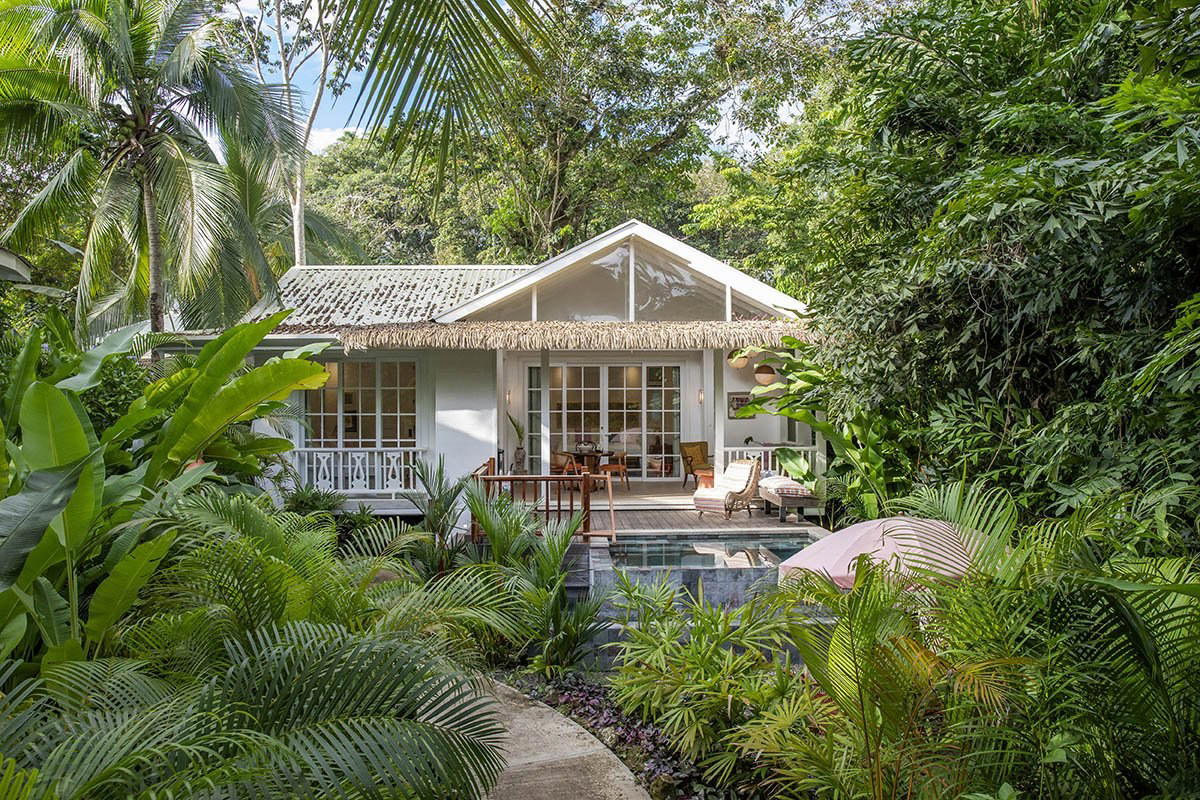
Restaurants in Puerto Jimenez
Browse all →
At a Glance
- Romantic
- Scenic
- Quiet
- Elegant
- Honeymoon
- Romantic Getaway
- Wellness Retreat
- Anniversary
- Beachfront
- Private Villa
- Destination Spa
- Panoramic View
- Garden
- Terrace
- Wi Fi
- Pool
- Spa
- Room Service
- Concierge
- Beach Access
- Restaurant
- Bar
- Waterfront
- Garden
- Mountain
- Wi Fi
- Pool
- Spa
- Room Service
- Concierge
- Beach Access
- Restaurant
- Bar
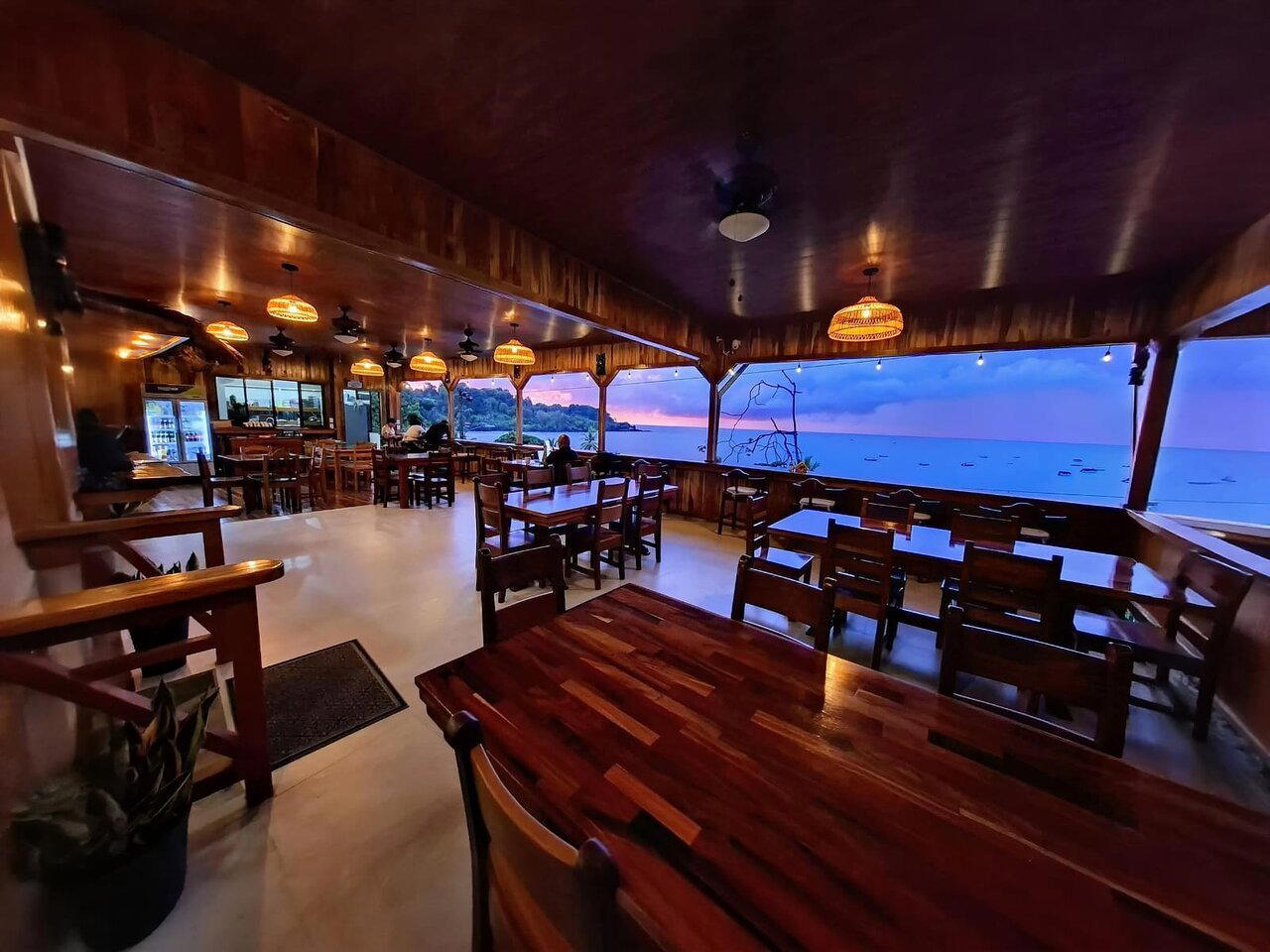
Natural, serene atmosphere with ocean breezes, jungle sounds, and soft morning light; no air conditioning or TVs encourage immersion in nature while maintaining five-star comfort.