Finca Rosa Blanca Coffee Farm and Inn
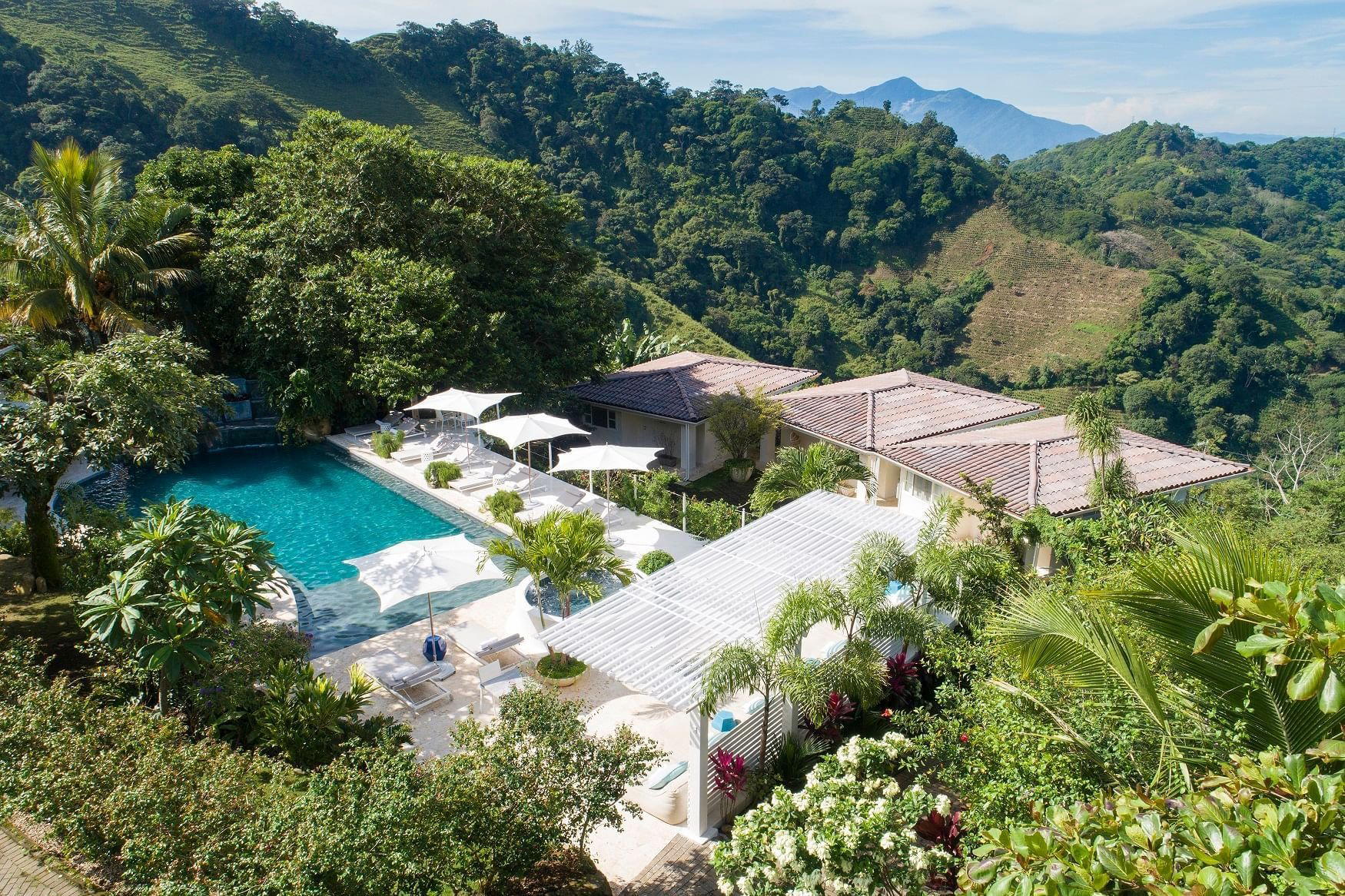
Set on the volcanic slopes of the Central Valley's coffee belt, Finca Rosa Blanca Coffee Farm and Inn sits 800 metres north of the Café Britt distribution centre in Jesús de Santa Bárbara, placing guests directly inside one of Costa Rica's most storied arabica-growing zones. The property operates as both a working farm and boutique inn, making it a reference point for travellers who want agricultural immersion without sacrificing design-conscious accommodation.
Pearl is the En Primeur Club membership app — saves, bookings, and concierge access live there. Same editors, same standards.
- Address
- 800 m norte del Centro de Distribución de Café Britt, Jesús de Santa Bárbara
- Website
- fincarosablanca.com
- Directions
- Get directions
 Saves & bookings on Pearl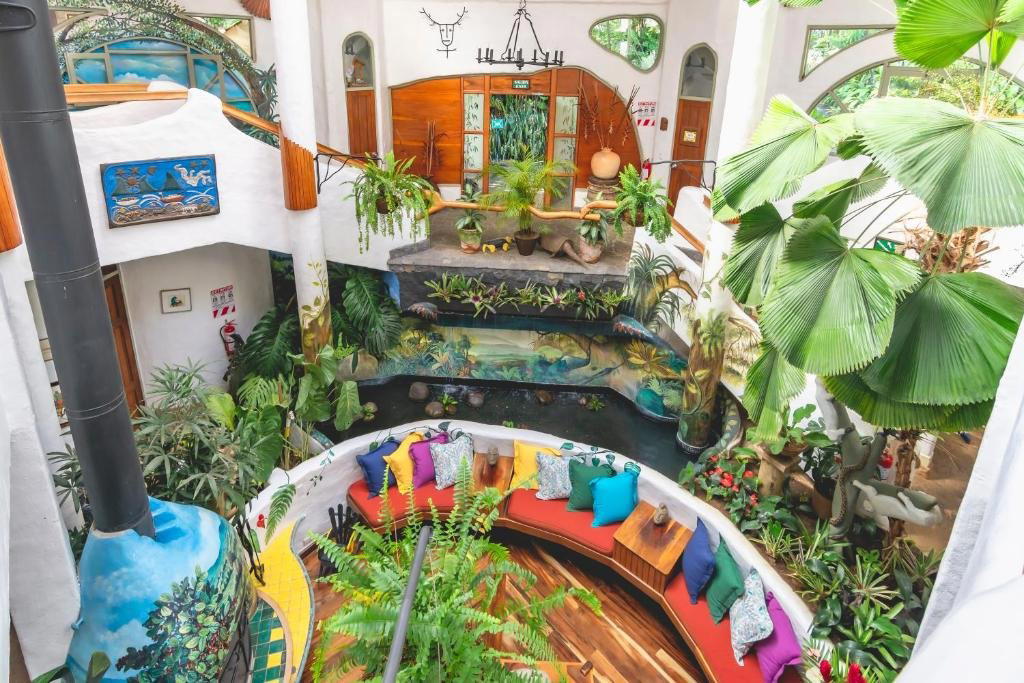
Where the Farm Becomes the Architecture
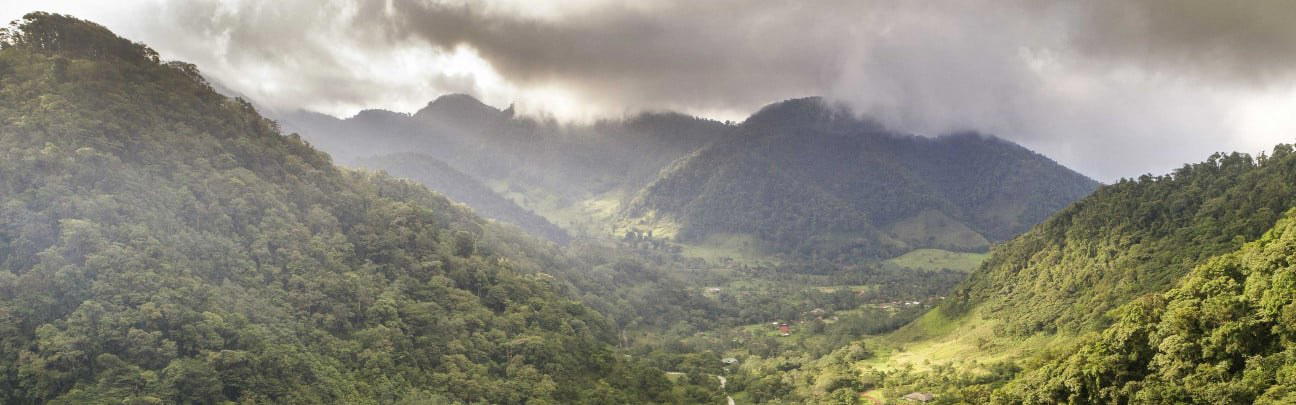
The coffee farms of Costa Rica's Central Valley highlands have long operated as a kind of open-air infrastructure, terracing the volcanic hillsides above San José in a way that shapes both the ecology and the economy of the region. What has changed in recent years is that a small number of these farms have repositioned themselves as destinations in their own right, offering lodging whose physical form takes direct cues from the agricultural landscape around it. Finca Rosa Blanca Coffee Farm and Inn, addressed 800 metres north of the Café Britt distribution centre in Jesús de Santa Bárbara, sits inside that specific niche: a working arabica farm that doubles as a boutique inn, where the design vocabulary of the rooms and common spaces draws deliberately from the terrain rather than imposing on it.
This matters as an architectural and editorial category because it is a different proposition from the large-format resort model found elsewhere in Costa Rica. Properties like the Andaz Costa Rica Resort at Peninsula Papagayo in Guanacaste or the JW Marriott Guanacaste Resort and Spa in Santa Cruz operate on a beach-and-amenities logic, scaling their experience outward. Finca Rosa Blanca works in the opposite direction: the scale is compressed, the experience is vertical in the sense that it moves deeper into a single place rather than broader across multiple offerings.
The Physical Environment and Its Logic
Jesús de Santa Bárbara sits in the highland coffee belt of Heredia province, a zone that has produced some of Costa Rica's most consistently rated arabica lots due to its elevation, volcanic soil composition, and the temperature differentials that slow cherry development and concentrate sugars. The village itself is a short drive from San José's urban centre, which means the farm operates close enough to the capital to function as a day-trip destination for coffee-focused visitors, while also being sufficiently removed to feel like a genuine agricultural escape.
The spatial logic of a working coffee farm shapes how guests move through the property. Unlike a coastal resort where the architecture faces outward toward water, a hillside farm property tends to direct attention inward and downward: into the rows of coffee plants, across the valley floor visible from refined vantage points, and toward the micro-environments created by the farm's own cultivation practices. This orientation produces a specific kind of spatial experience that is harder to replicate in a purpose-built hotel and that positions Finca Rosa Blanca within a category of genuine agricultural estates rather than stylised rural hotels.
For travellers already considering the highland properties of Costa Rica, the comparison set is instructive. El Silencio Lodge and Spa in Bajos del Toro similarly draws its identity from a specific highland ecosystem, as does Hotel Belmar in Monteverde. What separates Finca Rosa Blanca from both is the presence of an active agricultural operation as the primary organising principle of the property. The coffee is not decorative; it is the reason the land exists in its current form.
Coffee as Context, Not Amenity
Costa Rica's specialty coffee sector has matured considerably over the past two decades. The country was among the first in Central America to legislate against lower-grade robusta cultivation, a policy decision that has kept its arabica identity intact and given farms like those in the Heredia and Santa Bárbara micro-regions a defensible quality positioning. The proximity of Finca Rosa Blanca to the Café Britt operation nearby is geographically informative: this is a zone where coffee infrastructure, from processing to distribution to export, is densely concentrated, giving any farm-based property an immediate commercial and agricultural context that is easy to read on arrival.
For the traveller interested in traceability, the Central Valley highland farms represent a more accessible entry point than remote rainforest estates. The growing conditions are visible, the processing logic is explainable at the farm scale, and the short distance to San José means that a stay here can anchor a broader Costa Rica itinerary without requiring a domestic flight or a long transfer. Travellers who want to combine this kind of agricultural immersion with a beach extension should note that coastal properties like Arenas Del Mar Beachfront and Rainforest Resort in Aguirre or Hotel Nantipa in Santa Teresa de Cobano sit within practical driving range for a multi-property itinerary.
Placing It in Costa Rica's Boutique Hotel Scene
Costa Rica's design-led boutique accommodation category has expanded across almost every region of the country. The Pacific coast has produced properties like Kura Boutique Hotel in Uvita de Osa and Casa Chameleon at Las Catalinas in Potrero, both of which operate in the small-keys, high-design register. The Osa Peninsula has its own version of this category, anchored by properties like Lapa Rios in Puerto Jiménez and Drake Bay Getaway Resort. The southern zone adds Hacienda AltaGracia, Auberge Resorts Collection in Pérez Zeledón, which shares with Finca Rosa Blanca a hacienda-adjacent sense of place rooted in land use rather than coastal scenery.
What the Central Valley farm category adds to this picture is an agricultural seriousness that beach and jungle properties generally do not attempt. The design choices at a property like Finca Rosa Blanca are legible against the productive landscape: materials, orientation, and landscaping that reference coffee cultivation create a coherence that purpose-built resorts achieve through different means. This is not a criticism of resort design; it is simply a description of a different architectural grammar. See our full Jesús de Santa Bárbara restaurants guide for broader context on what the area offers beyond the farm itself.
Planning a Stay
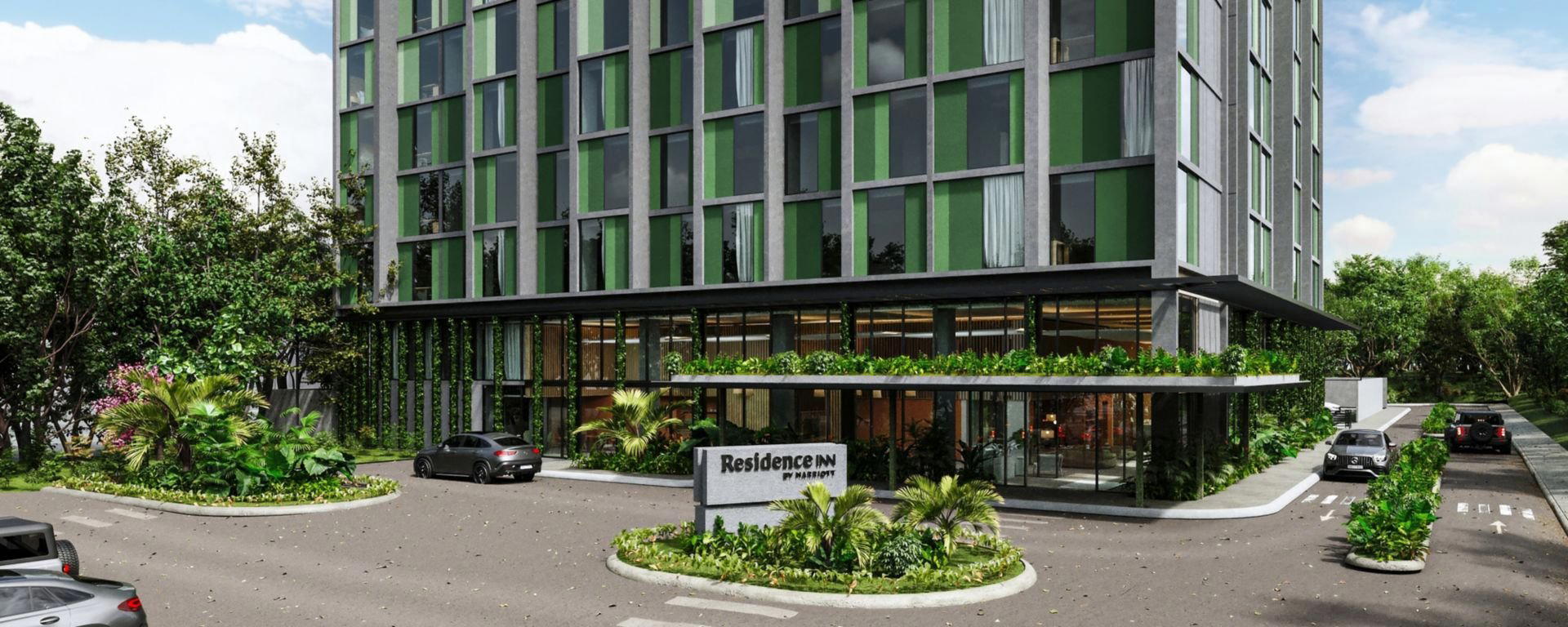
Jesús de Santa Bárbara is accessible from San José's international airport via a drive through Heredia, keeping transfer times reasonable by Costa Rica standards. The proximity to the capital makes the property workable as both a standalone destination and as a first or last night option around a flight. Visitors combining a highland coffee experience with broader Costa Rica travel may also consider how properties such as Costa Rica Marriott Hotel Hacienda Belén in Belén or the Residence Inn by Marriott San José Alajuela El Coyol in Alajuela fit into an airport-adjacent logistics plan. For the highland stay itself, the dry season months between December and April generally offer clearer skies and easier access to the farm's outdoor areas, though the Central Valley's elevation moderates temperatures year-round in ways that the lowland coasts do not.
A Quick Peer Check
| Venue | Cuisine |
|---|---|
| Finca Rosa Blanca Coffee Farm and InnThis venue — the venue you are viewing | This venue |
Continue exploring
More in Jesús de Santa Bárbara
Hotels in Jesús de Santa Bárbara
Browse all →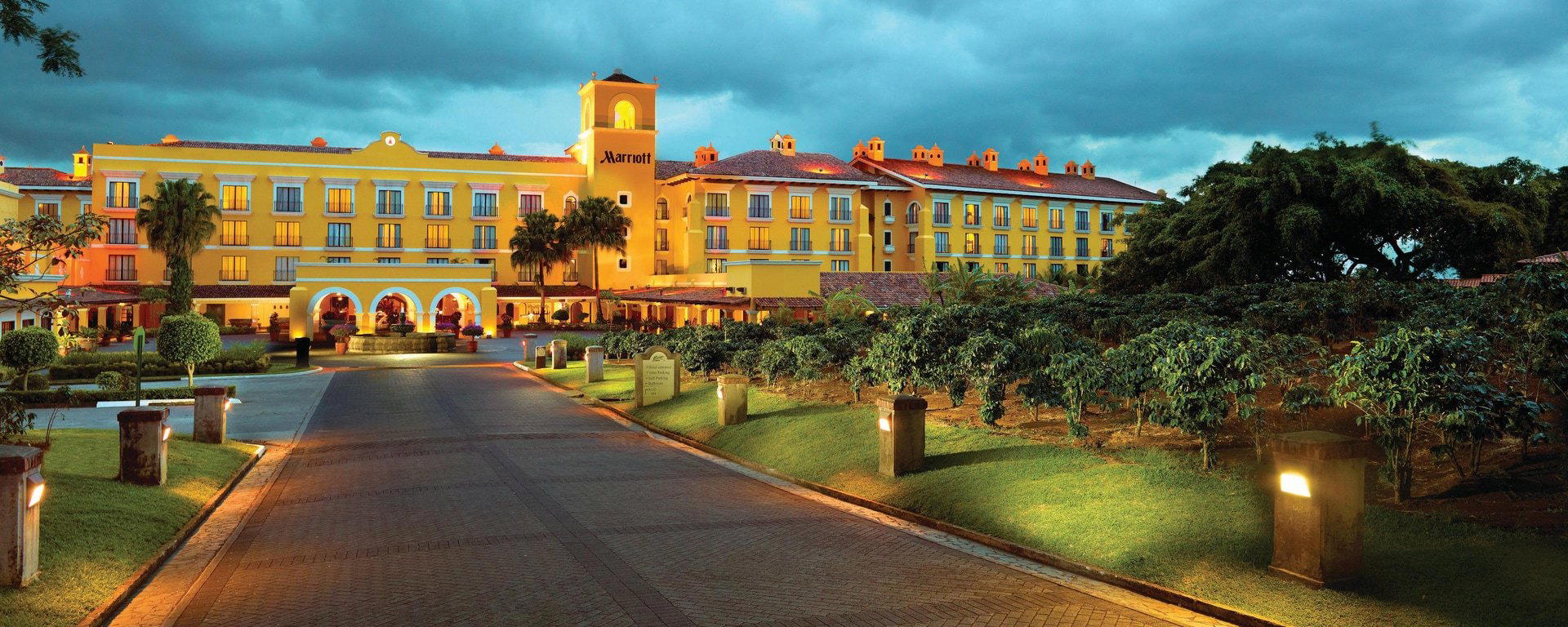
Bars in Jesús de Santa Bárbara
Browse all →
At a Glance
- Romantic
- Quiet
- Scenic
- Rustic
- Cozy
- Intimate
- Romantic Getaway
- Honeymoon
- Wellness Retreat
- Weekend Escape
- Garden
- Panoramic View
- Wi Fi
- Pool
- Spa
- Massage
- Mountain
- Garden
- Wi Fi
- Pool
- Spa
- Massage
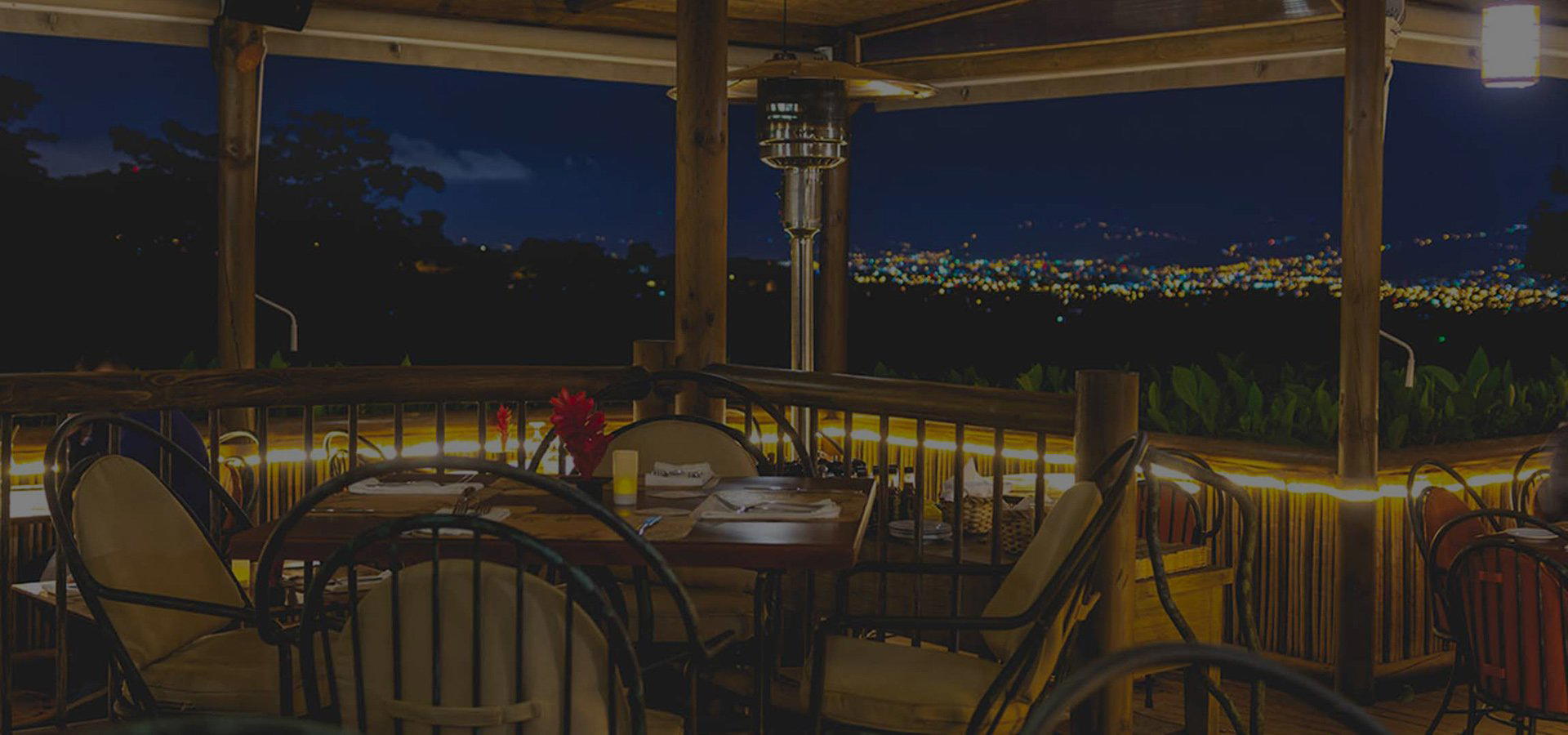
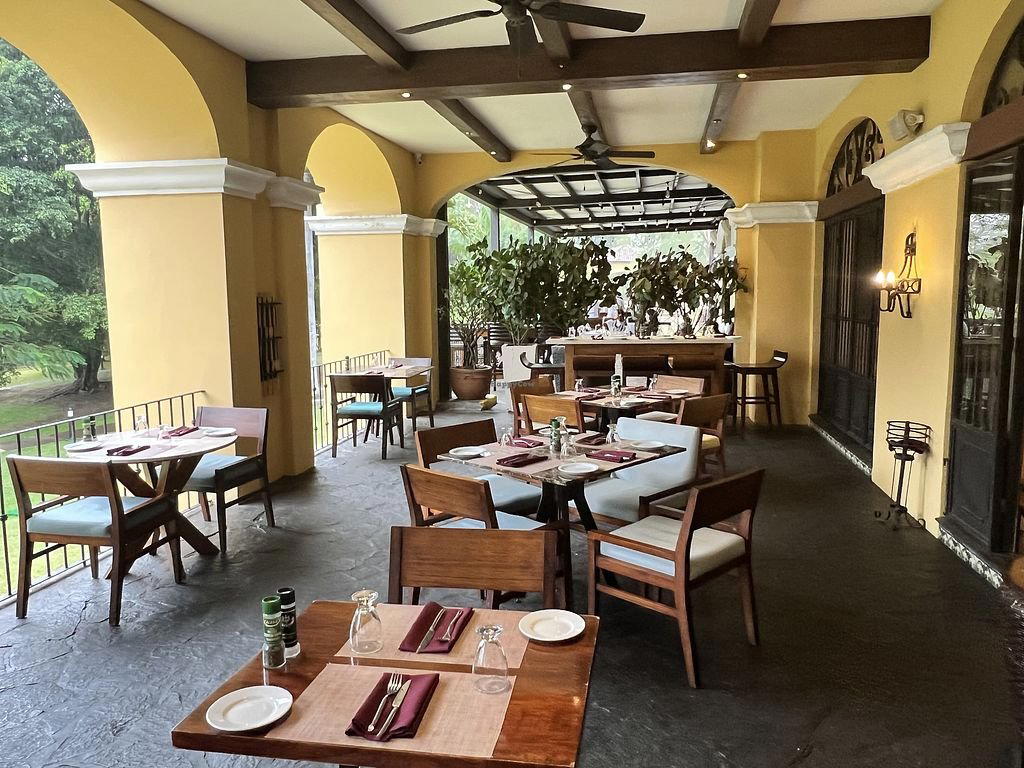
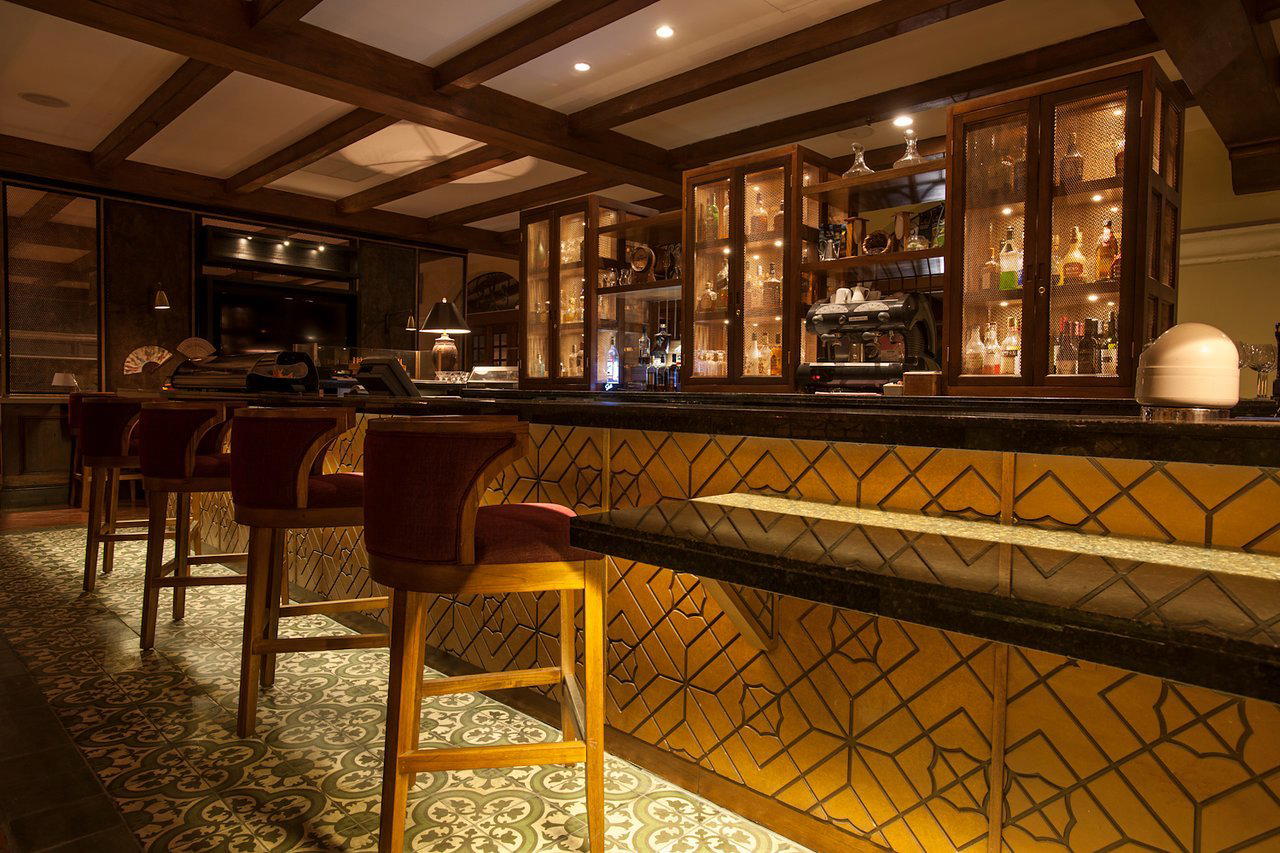
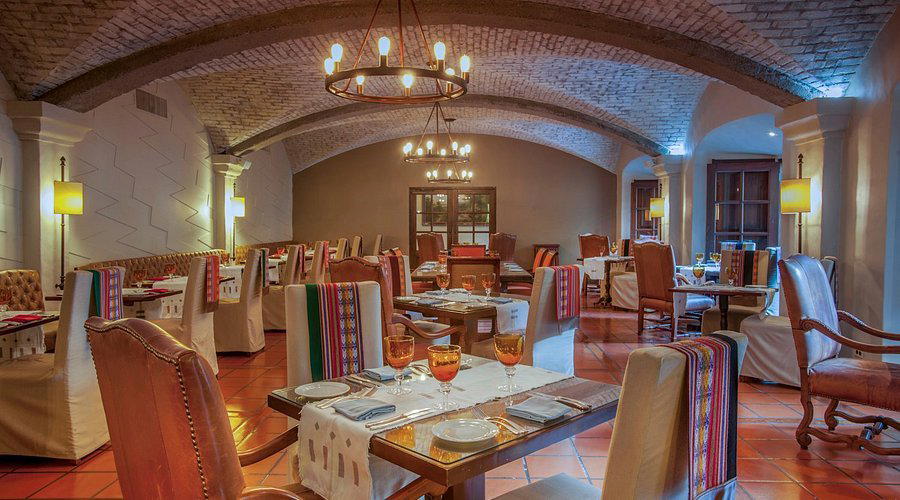
Warmly lit by wall lanterns with a laid-back, artistic atmosphere featuring lively murals, lush gardens, and a serene, enchanting retreat vibe.