Hotel Three Sixty

Positioned 300 metres above the Pacific, Hotel Three Sixty sits at the edge of the Osa Peninsula's southern rainforest corridor, where the Puntarenas coastline meets one of Costa Rica's least-trafficked stretches of jungle. The property takes its name from the panorama: mist-covered hills on one axis, open ocean on the other, and a canopy below that runs unbroken to the horizon.
Pearl is the En Primeur Club membership app — saves, bookings, and concierge access live there. Same editors, same standards.
- Address
- C. Perezoso, Provincia de Puntarenas, Ojochal, 60501
- Directions
- Get directions
 Saves & bookings on Pearl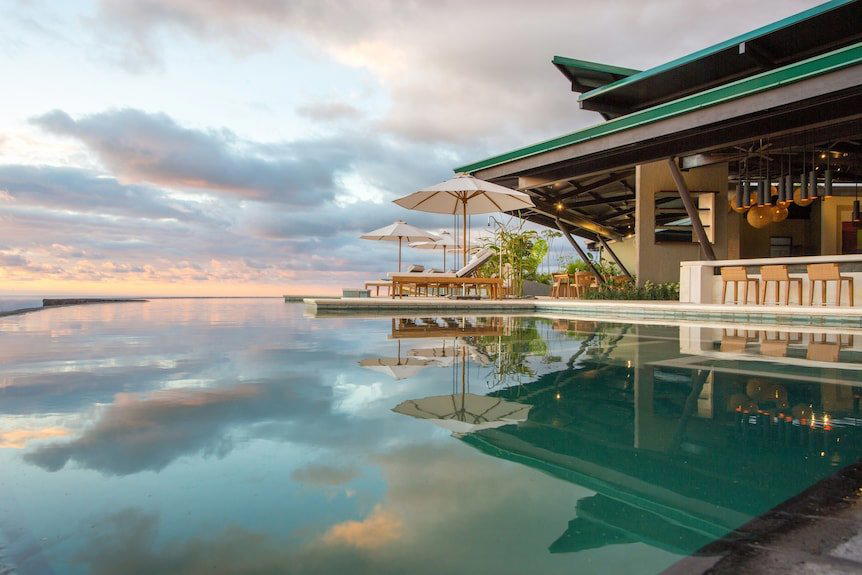
Three Hundred Metres Above the Pacific
The Osa Peninsula's southern fringe does not ease you in gently. The road through Ojochal climbs past fruit stands and hand-painted signs before the tree cover thickens and the air shifts — cooler, wetter, heavier with the smell of earth. By the time you reach Hotel Three Sixty, set 300 metres above sea level with unobstructed sightlines to the Pacific, the lowland world has receded entirely. To one side, mist-draped ridgelines roll inland. To the other, the ocean sits flat and vast below a changing sky. The elevation is not incidental to the experience here — it is the experience.
This corner of the Osa Peninsula has attracted a particular type of traveller for decades: people who come not despite the remoteness but because of it. Ojochal, once a quiet settlement known mainly among expat communities and naturalists, has developed a quiet reputation as one of Costa Rica's more considered destinations, the kind of place where the absence of large resort infrastructure is the point. Hotel Three Sixty belongs to that category of property where the setting functions as the primary design gesture.
Design in Dialogue with Elevation
The architecture of premium eco-conscious properties in Costa Rica's southern Pacific zone has followed a consistent logic over the past two decades: open structures that resist enclosure, materials that blur the threshold between built and natural, and siting decisions that prioritise panoramic relationship over ground-level convenience. Properties like Kura Boutique Hotel in Uvita and Lapa Rios in Puerto Jimenez have built their identities on exactly this model: the view is not amenity, it is architecture.
Hotel Three Sixty's name signals the spatial ambition directly. A 360-degree panorama at this elevation means the property must solve a design problem that few sites present: how to preserve sightlines in every direction without producing a structure that reads as a viewing platform rather than a place to stay. The most successful properties in this format achieve it through careful orientation of sleeping quarters, communal spaces positioned to function as natural gathering points at different hours, and landscape integration that keeps vegetation from blocking the horizon without stripping the site of its forest character.
Among Costa Rica's design-led hillside properties, this approach places Hotel Three Sixty in a distinct niche, smaller in scale and more topographically dramatic than the large peninsula resorts like Andaz Costa Rica Resort at Peninsula Papagayo or JW Marriott Guanacaste Resort and Spa, and more specifically anchored to its geography than properties whose luxury identity is primarily brand-driven.
Where the Osa Places You
Ojochal sits within the broader Osa corridor that runs south from Uvita toward the Golfo Dulce. This stretch of Costa Rica's Pacific coast holds some of the highest biodiversity concentrations in Central America, a fact that shapes everything about how properties here operate and who they attract. The Corcovado National Park to the southwest remains one of the hemisphere's more serious wildlife reserves, and the marine environment along this coastline sees whale migration patterns that have made the Ballena Marine National Park a reference point for naturalists.
For travellers considering this part of Costa Rica, the geographic context matters practically. The southern Pacific zone is not served by the same infrastructure as the Guanacaste resort corridor. Getting to Ojochal typically involves either a domestic flight to Palmar Sur followed by ground transfer, or a four-to-five-hour drive south from San José. The road south of Dominical is paved but narrow. Properties in this zone, including Hotel Three Sixty, operate on the assumption that guests have chosen the difficulty of access as part of the proposition. Those arriving expecting resort-corridor convenience will find themselves recalibrating.
For a sense of the regional context before committing, our full Ojochal de Osa restaurants guide maps the broader dining and hospitality picture around the town. Ojochal has developed a culinary reputation that outpaces its size, a function of the expat and long-stay traveller community that settled here in the 1990s and early 2000s.
How This Property Sits in the Costa Rica Spectrum
Costa Rica's premium accommodation market has split into roughly three tiers: international chain properties concentrated in Guanacaste and San José; mid-scale eco-lodges distributed across the country's conservation zones; and a smaller cluster of design-led, high-tariff independent properties positioned around exceptional natural sites. Hotel Three Sixty belongs to that third category alongside properties like Hacienda AltaGracia in Pérez Zeledón and El Silencio Lodge and Spa in Bajos del Toro.
What separates the better properties in this tier is how seriously they take the relationship between structure and site. The difference between a property that happens to have a view and one whose entire spatial logic is organised around it shows up in details: which way the beds face, where you take breakfast, whether the loudest sounds at dawn are birds or air conditioning units. At 300 metres above the Pacific with a panorama that runs in every direction, Hotel Three Sixty has a site that could sustain either approach, the architecture either earns the elevation or it squanders it.
Comparable elevation-and-view-driven properties across Costa Rica's landscape, from Hotel Belmar in Monteverde to Villa Caletas in Garabito, demonstrate that altitude-based design is a consistent idiom along the Pacific coast.
Planning Your Stay
The southern Pacific zone operates on a pronounced seasonal rhythm. The dry season runs from December through April, when access roads are easiest and Pacific sunsets arrive without cloud interference. The green season (May through November) brings daily rain and dramatically thicker vegetation, a trade-off that rewards travellers more interested in wildlife density than guaranteed sunshine. At elevation, the green season also means morning mist sitting directly over the property, which changes the character of the panorama entirely.
Given the access considerations and the distance from major transport hubs, Hotel Three Sixty is leading approached as the anchor of a trip rather than a one-night stopover. The investment in getting here, whether by road from the Manuel Antonio coast or by domestic flight, favours a stay long enough to settle into the elevation and the pace the Osa demands. Booking through the property's direct channels, when available, is standard practice for smaller independent lodges in this region, where room allocations are limited and last-minute availability at peak season is rare.
Travellers building a broader Costa Rica itinerary can pair the southern Pacific with the Central Valley, Finca Rosa Blanca Coffee Farm and Inn near Heredia represents a contrasting but complementary property type, or use San José as a transit base before heading south. Those arriving internationally will find the capital's airport connections direct; the Osa itself is where the infrastructure thins and the proposition sharpens.
How Hotel Three Sixty Ojochal compares with similar nearby venues.
| Venue | Awards |
|---|---|
| Hotel Three Sixty | Small Luxury Hotels of the World Member (2025) |
Recognition history
Dated appearances from independent guides and award organizations, with the underlying list record or original source where available.
Small Luxury Hotels of the World Member
Small Luxury Hotels of the World
Continue exploring
More in Ojochal de Osa
Hotels in Ojochal de Osa
Browse all →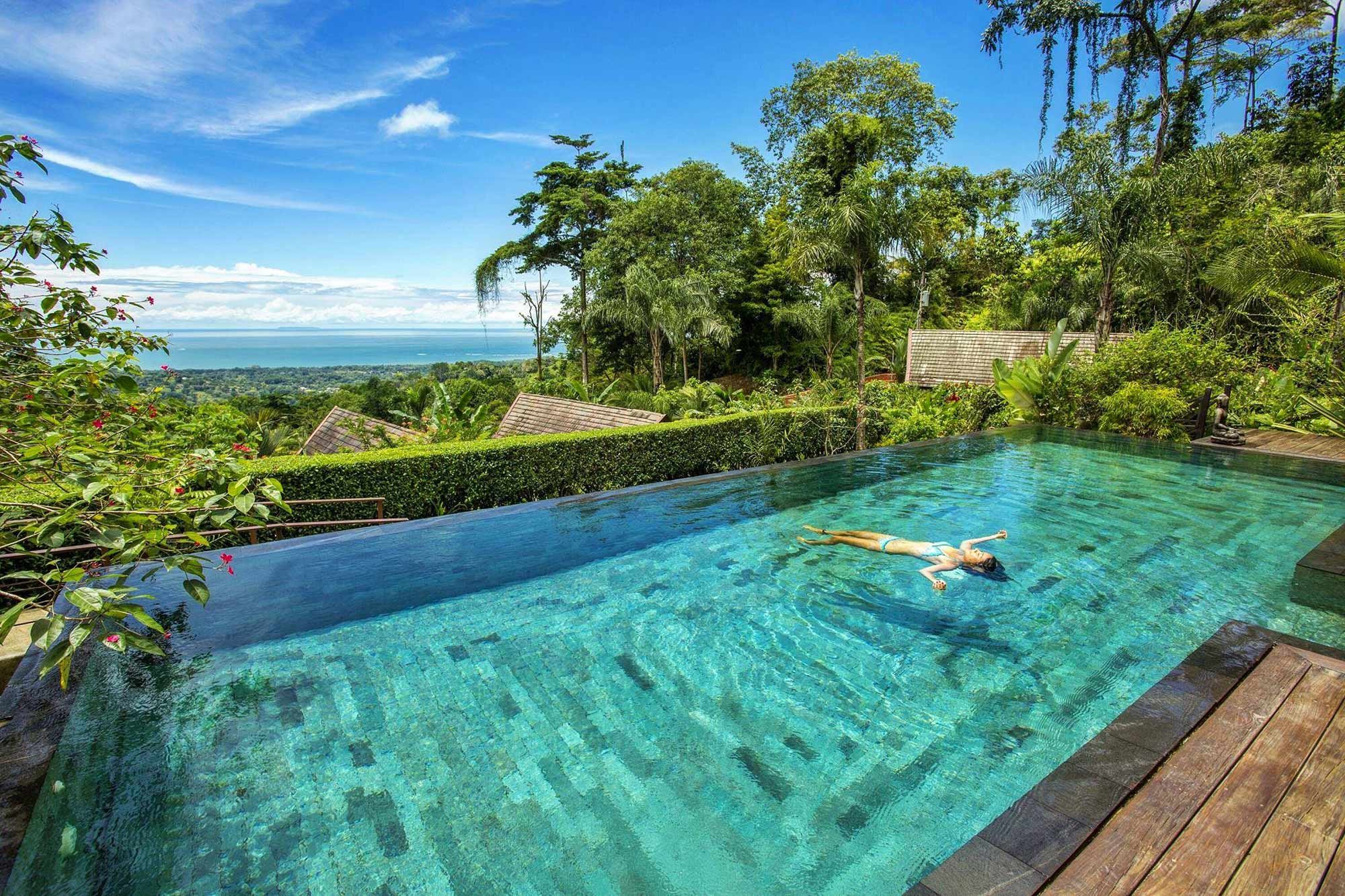
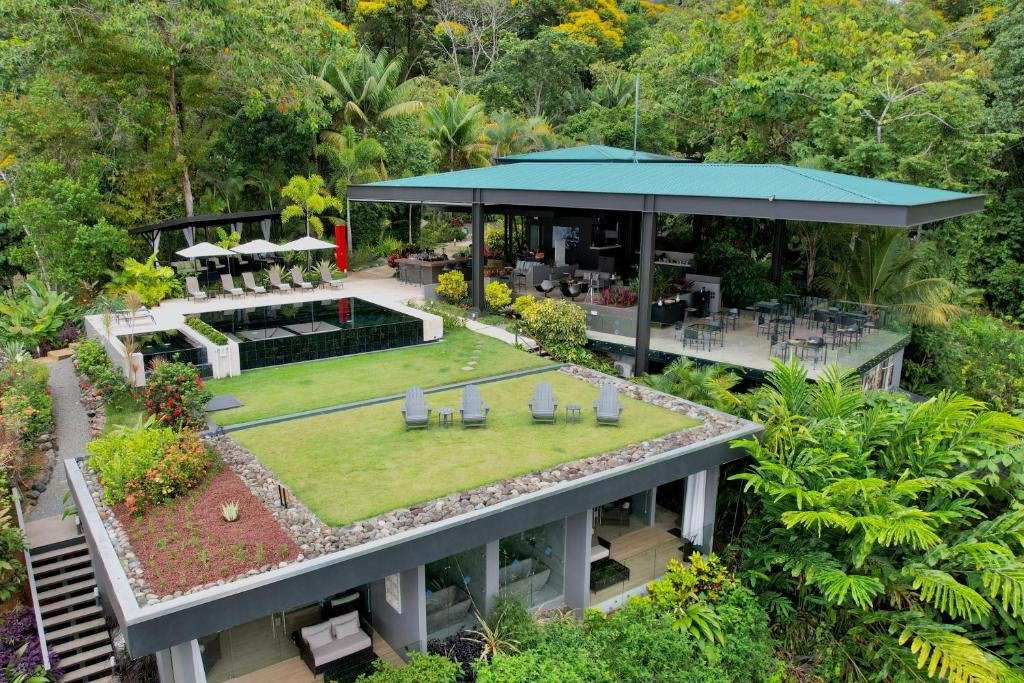
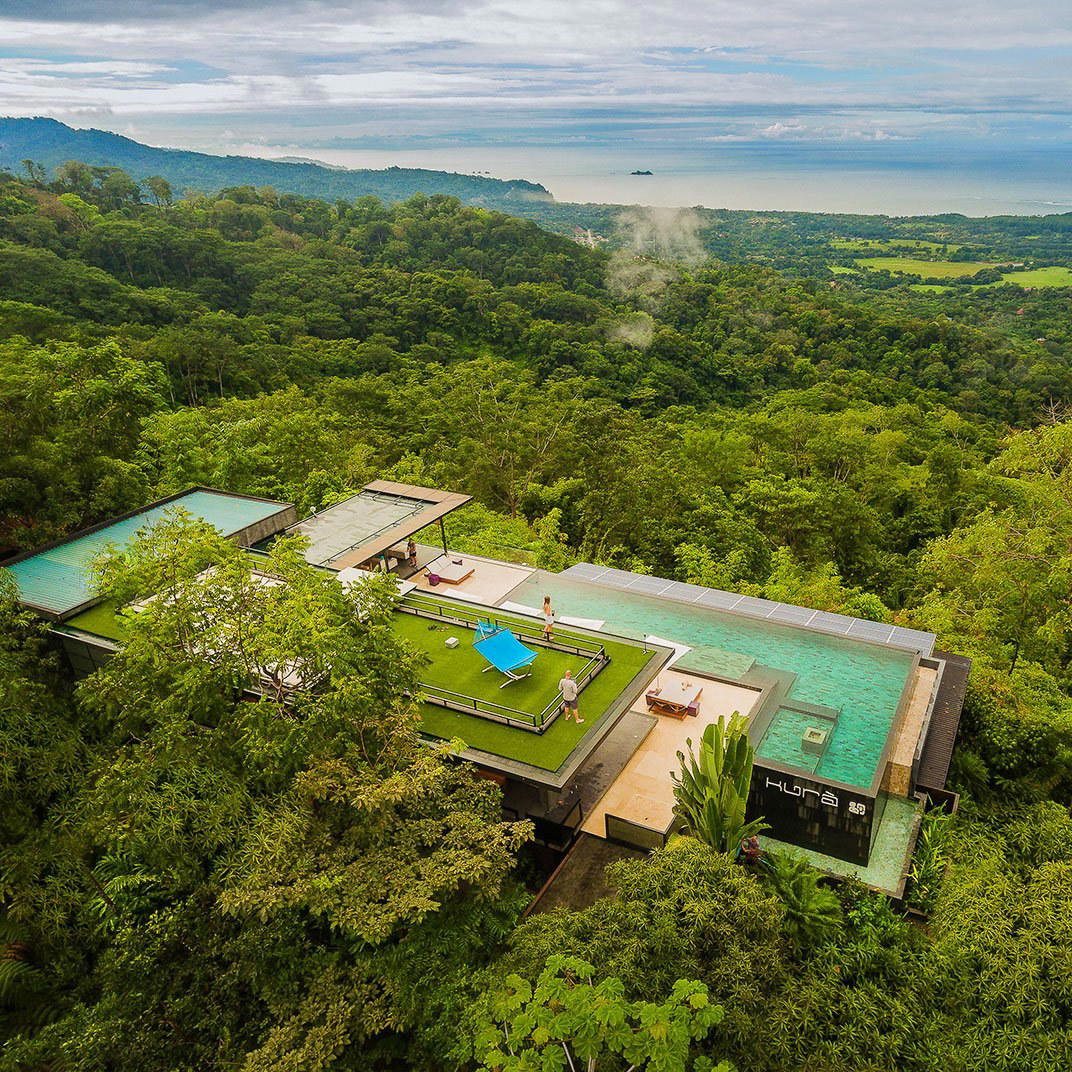
Bars in Ojochal de Osa
Browse all →
Restaurants in Ojochal de Osa
Browse all →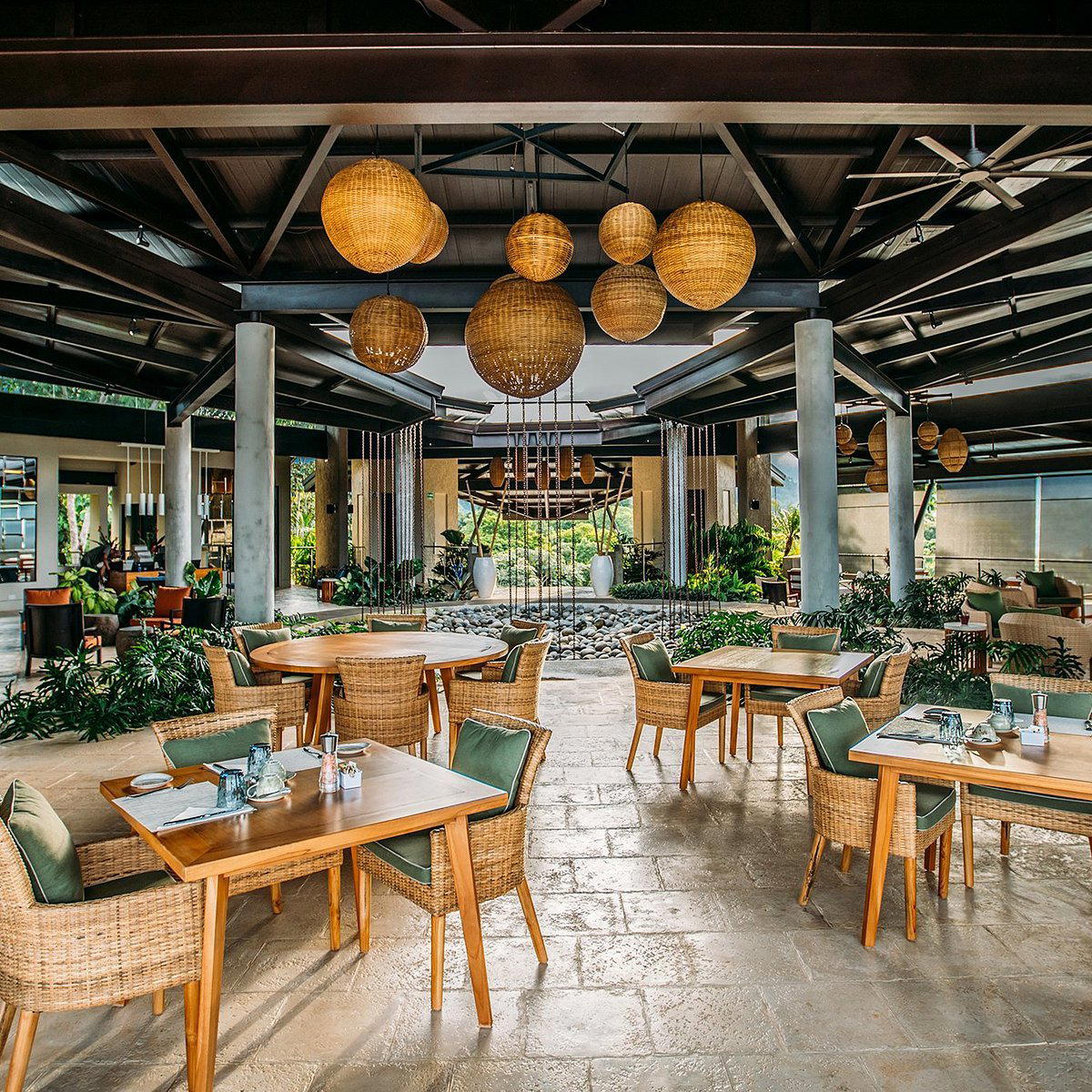
At a Glance
- Romantic
- Scenic
- Elegant
- Intimate
- Sophisticated
- Honeymoon
- Romantic Getaway
- Anniversary
- Wellness Retreat
- Celebration
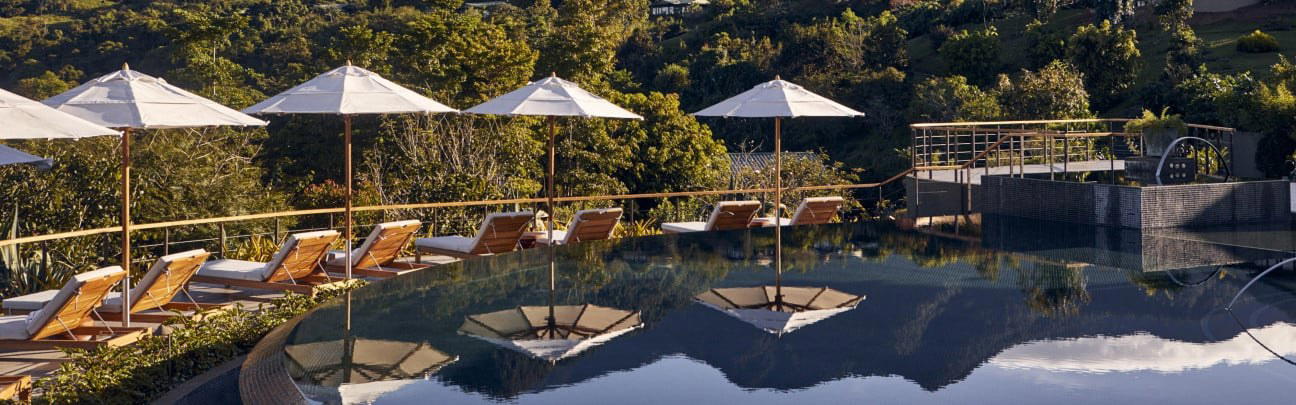
- Infinity Pool
- Private Villa
- Destination Spa
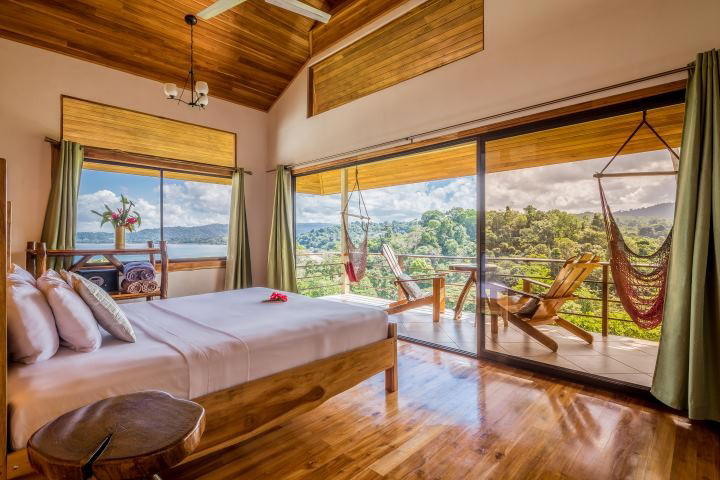
- Panoramic View
- Private Dining
- Garden
- Terrace
- Wi Fi
- Pool
- Spa
- Fitness Center
- Room Service
- Concierge
- Valet Parking
- Restaurant
- Bar
- Massage
- Waterfront
- Garden
- Mountain
- Wi Fi
- Pool
- Spa
- Fitness Center
- Room Service
- Concierge
- Valet Parking
- Restaurant
- Bar
- Massage
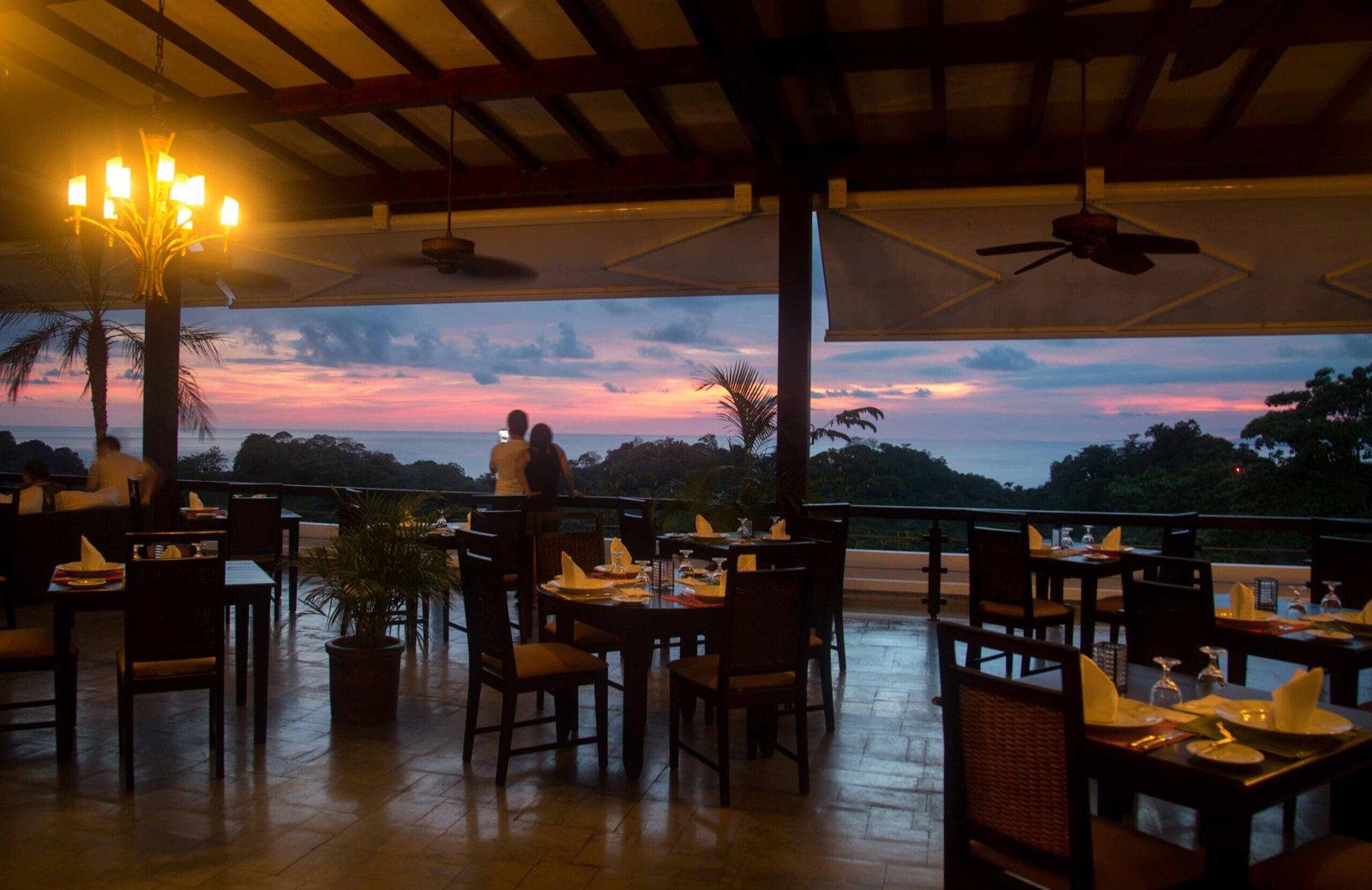
Serene and sophisticated with natural light throughout open-air spaces, sunset views over the Pacific, lush jungle surroundings, and warm hospitality creating an intimate retreat atmosphere.