JW Marriott Guanacaste Resort & Spa
Set within Hacienda Pinilla on Guanacaste's Pacific coast, JW Marriott Guanacaste Resort & Spa occupies a stretch of coastline where the dry tropical forest meets the ocean. The property operates in the upper tier of Guanacaste's full-service resort market, positioned alongside Peninsula Papagayo competitors as a large-footprint, amenity-heavy destination with beach, spa, and golf access built in.
Pearl is the En Primeur Club membership app — saves, bookings, and concierge access live there. Same editors, same standards.
- Address
- Hacienda Pinilla, Provincia de Guanacaste, Guanacaste, 50309, Costa Rica
- Phone
- +506 2681 2000
- Website
- marriott.com
- Directions
- Get directions
 Saves & bookings on Pearl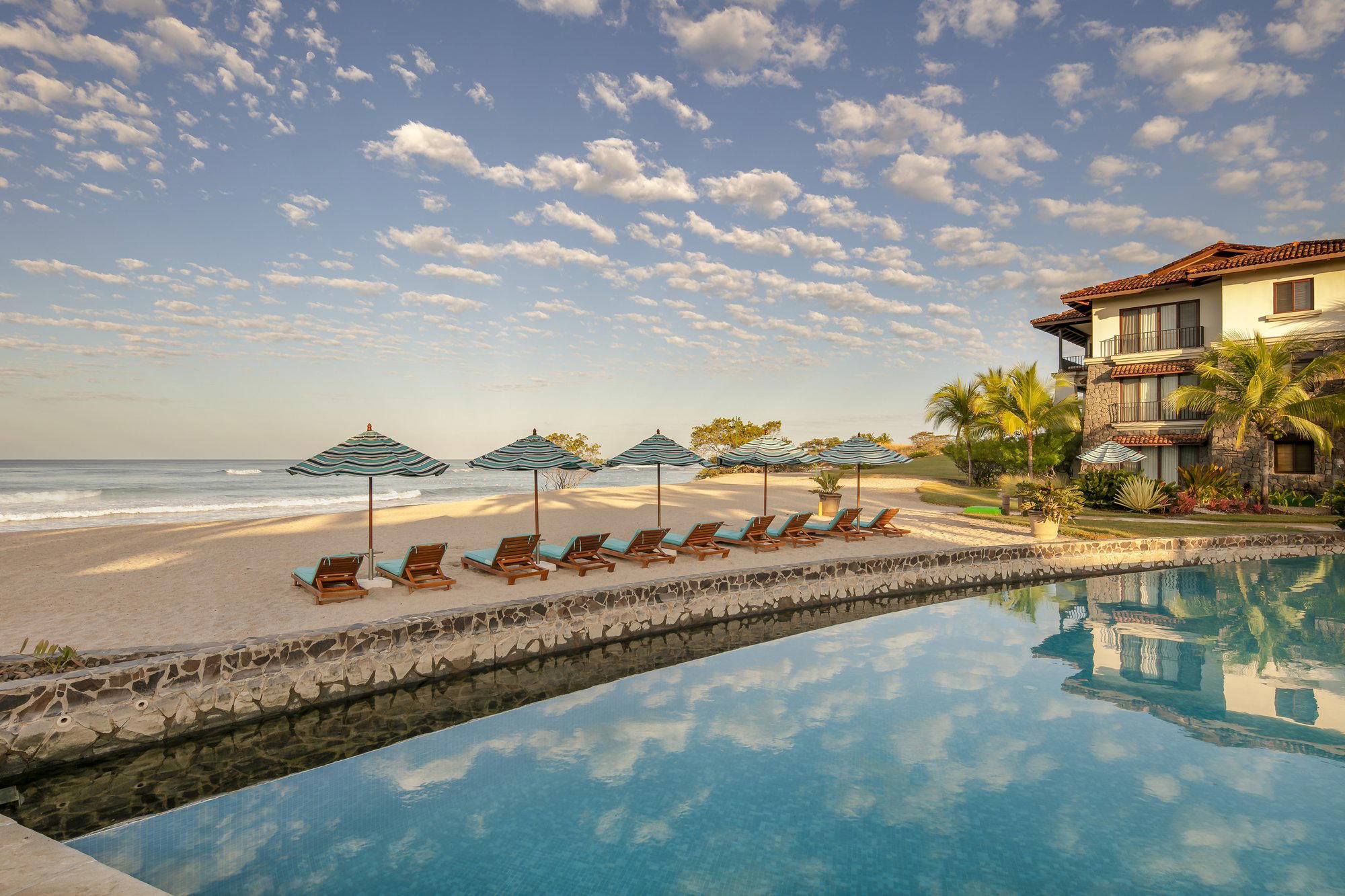
Where the Dry Forest Meets the Pacific: Guanacaste's Resort Architecture in Context
Guanacaste's premium resort corridor has developed along two distinct lines over the past two decades. The other extends south along the Santa Cruz coastline, where hacienda-scale landholdings allowed developers to build resort compounds with internal road networks, multiple beach access points, and amenity programs large enough to function as self-contained destinations. JW Marriott Guanacaste Resort & Spa sits in the second group, operating from within Hacienda Pinilla, a private development covering several thousand acres of dry tropical forest and Pacific shoreline in the Provincia de Guanacaste.
The spatial logic here is different from the tightly planned Papagayo compounds. Hacienda Pinilla's layout means the resort occupies a working landscape rather than a purpose-cleared platform, and that distinction registers in how the property feels at ground level. Arrival involves passing through working ranch terrain before the resort architecture comes into view, which sets the experiential register early: this is Guanacaste presented at scale, not in miniature.
The Design Argument: International Brand Frame, Regional Setting
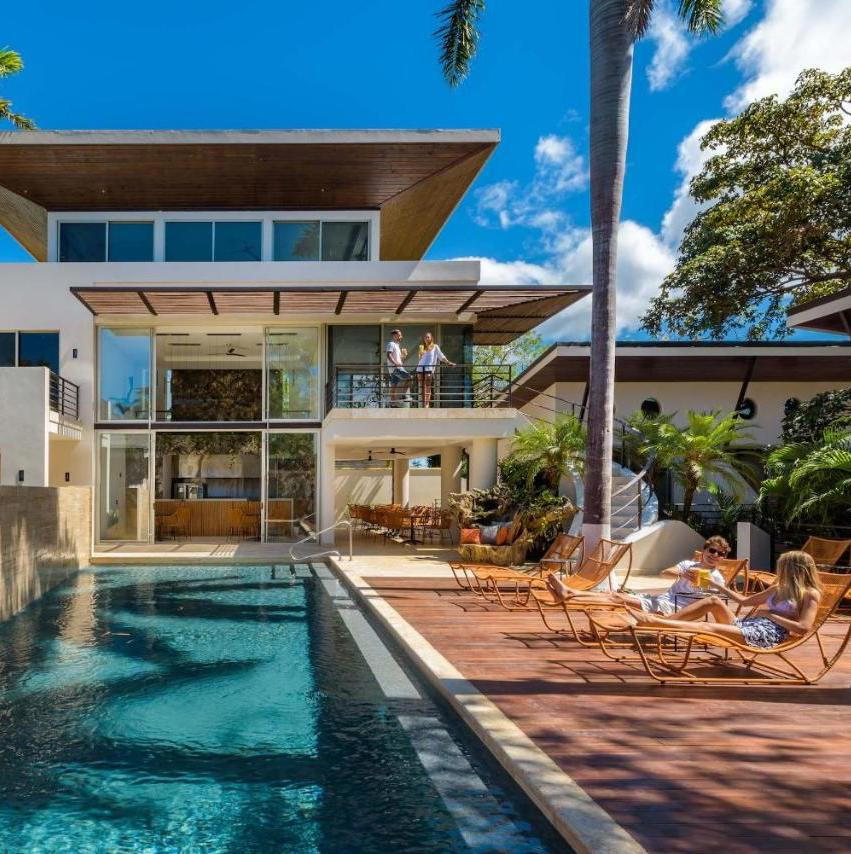
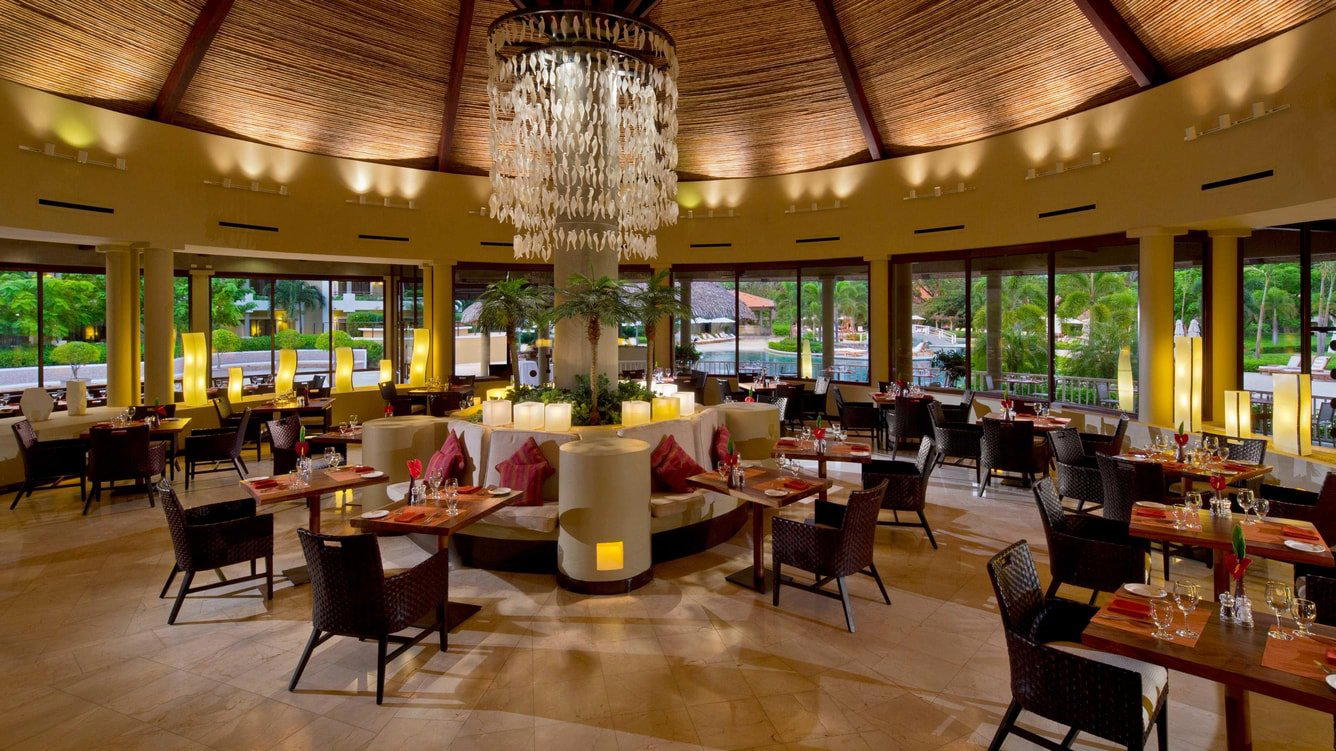
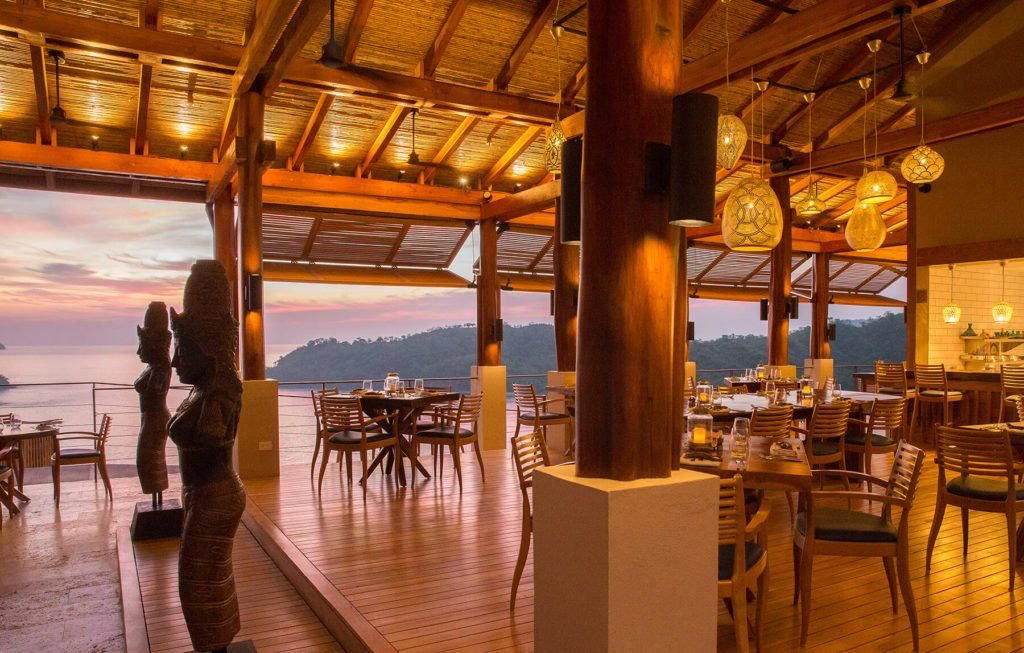
JW Marriott's design language across its resort portfolio tends toward a readable formula: generous open-air public spaces, tiled and stone-finished surfaces that reference local building tradition without committing to vernacular architecture, and landscaping that creates a visual transition between manicured resort grounds and the denser vegetation of the surrounding land. The Guanacaste property follows that framework, and the result is a resort that reads as coherent from a brand perspective while remaining calibrated to its Pacific coastal setting.
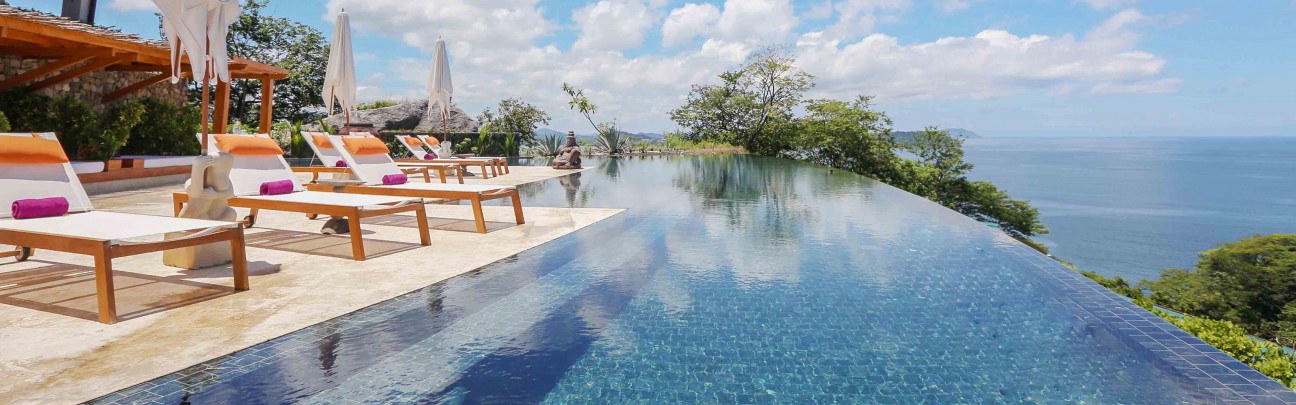
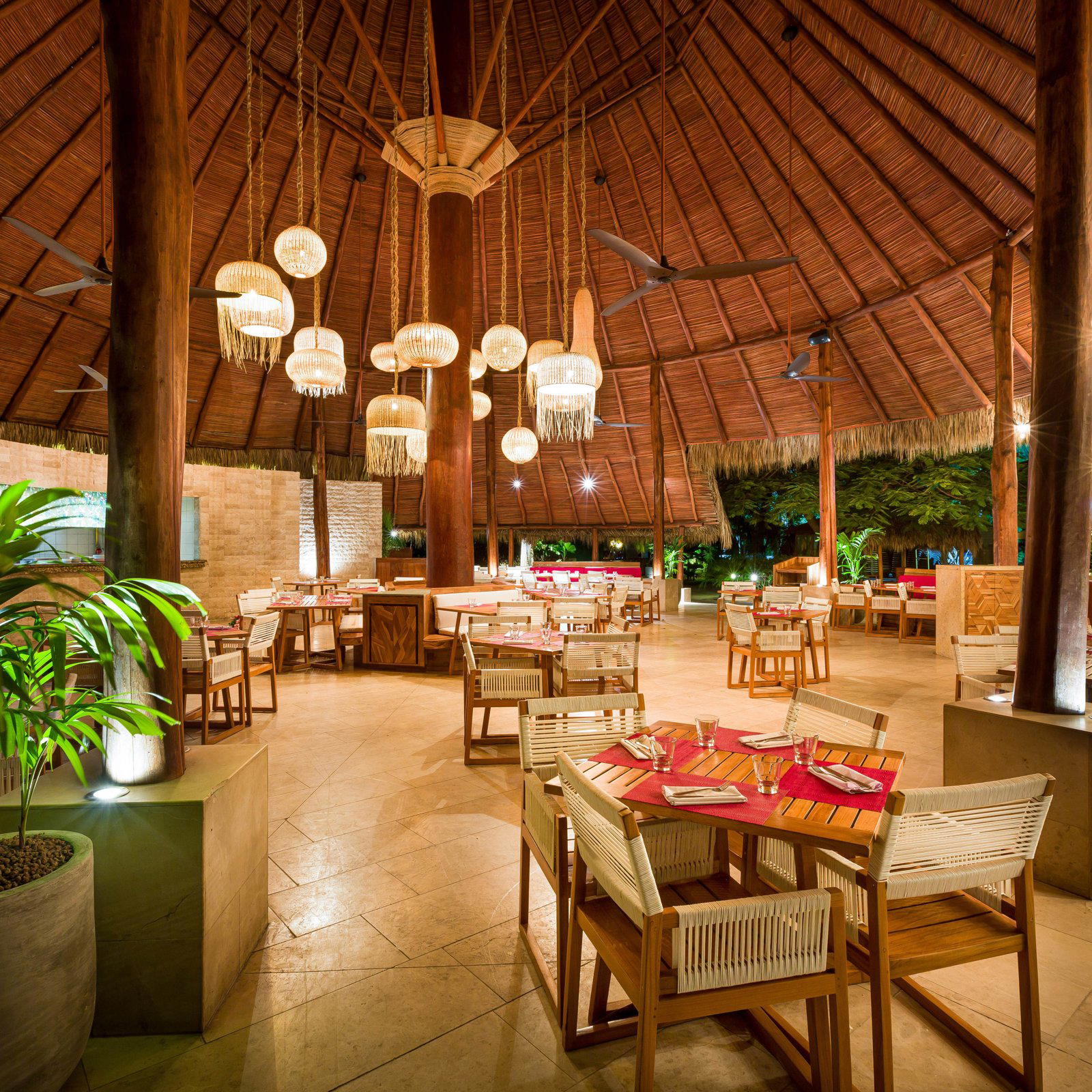
The outdoor orientation matters here because Guanacaste's dry season, which runs roughly November through April, delivers the kind of low-humidity, consistently clear-sky conditions that make open-sided lobbies and covered outdoor dining functional for extended stretches of the day. Resorts that design for this climate rather than against it tend to produce a more convincing sense of place. When the architecture creates shade without enclosure, the Pacific light does the atmospheric work that interior design would otherwise have to supply. For guests arriving from North American or European winters, the effect is immediate and the contrast is the point.
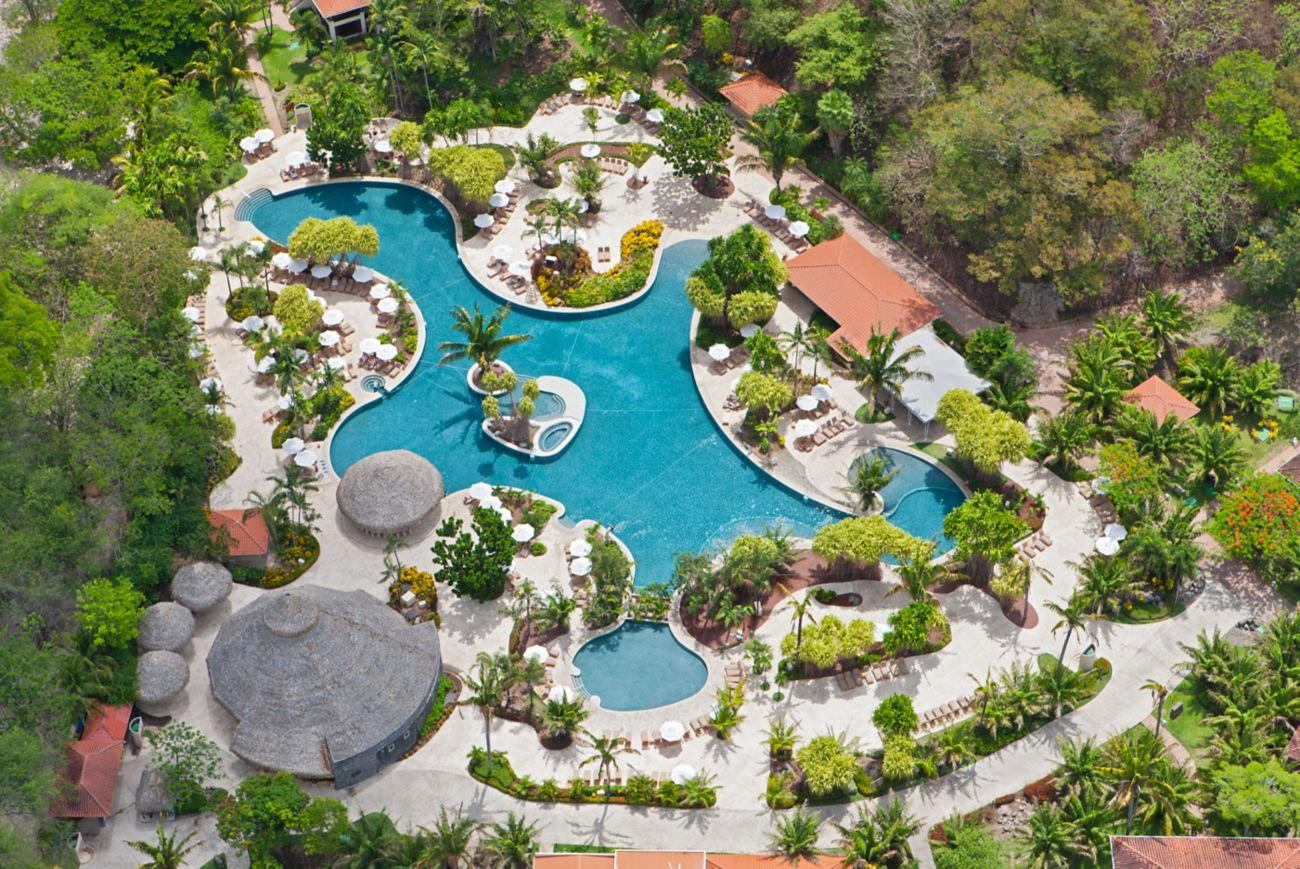
Compared to smaller-format design properties elsewhere in Costa Rica, such as Hotel Nantipa in Santa Teresa or Kura Boutique Hotel in Uvita, the JW Marriott operates at a different scale and with different design priorities. Those properties make intimacy and material specificity their primary arguments. The JW Marriott's argument is completeness: the resort is large enough to hold golf, spa, multiple dining formats, and beach access within a single property without any one element crowding the others.
Placing It in the Guanacaste Competitive Set
Guanacaste's upper-tier full-service resort market is reasonably defined. At Peninsula Papagayo, the Four Seasons and Andaz operate with strong brand identities and high-density amenity programs. Further south, The Westin Reserva Conchal competes directly in the all-inclusive golf resort category from an adjacent position in Santa Cruz canton. The JW Marriott sits between these reference points: it carries a stronger brand premium than mid-tier beach hotels but operates with a more conventional resort framework than the ultra-luxury boutique properties that have emerged across Costa Rica's southern and Caribbean zones.
For comparison, properties like Hacienda AltaGracia, Auberge Resorts Collection in Pérez Zeledón or Arenas Del Mar in Aguirre have built their identities around ecological integration and limited scale. The JW Marriott does not compete in that register.
That distinction matters for how you frame the decision to book here. Travelers who want a curated, owner-directed experience with high material specificity are better served by Costa Rica's growing boutique tier, including options like Casa Chameleon at Las Catalinas in Potrero or El Silencio Lodge & Spa in Bajos del Toro. Travelers who want a full-service resort where everything functions predictably, where children can be accommodated without logistical stress, and where multiple activity formats are available on-site without requiring transport will find the JW Marriott's model appropriate to those priorities.
Planning: What to Know Before You Arrive
The practical entry point for the Guanacaste coast is Liberia Daniel Oduber Quirós International Airport, which receives direct international flights from North America on multiple carriers, making the JW Marriott accessible without a connection through San José. Drive time from the airport to Hacienda Pinilla runs approximately one hour depending on road conditions in the Santa Cruz zone. The dry season window of November through April represents the highest-demand period for coastal Guanacaste; bookings during Christmas and Easter weeks typically require advance planning of several months. The shoulder months of May and early November offer lower rates and reduced occupancy while the weather remains workable, though the green-season rains that begin around May can affect afternoon beach programs.
Guests planning to use the resort as a base for regional exploration will find that Hacienda Pinilla's southern Santa Cruz location requires a vehicle or arranged transport for access to towns like Tamarindo, which sits roughly 20 kilometers north along the coastal road. The resort's internal amenity program, including beach access, spa, and golf, is substantial enough to support a stay without leaving the property, which is the model most guests use. For those who want to move around the province, our full Santa Cruz restaurants guide covers dining options beyond the resort grounds.
Costa Rica's wider Marriott presence, including the Costa Rica Marriott Hotel Hacienda Belen in Belen and the Residence Inn by Marriott San Jose Alajuela El Coyol, gives loyalty program members options for combining a coastal stay with a night or two near the capital at either end of a trip, a logical routing for anyone flying in through Juan Santamaría International and continuing on to Guanacaste.
Quick Comparison
| Venue | Cuisine |
|---|---|
| JW Marriott Guanacaste Resort & SpaThis venue — the venue you are viewing | This venue |


At a Glance
- Elegant
- Romantic
- Scenic
- Sophisticated
- Family Vacation
- Romantic Getaway
- Wellness Retreat
- Anniversary
- Beachfront
- Infinity Pool
- Destination Spa
- Golf Course
- Garden
- Terrace
- Panoramic View
- Wi Fi
- Pool
- Spa
- Fitness Center
- Room Service
- Concierge
- Kids Club
- Beach Access
- Golf Course
- Bicycle Rental
- Waterfront
- Garden
- Wi Fi
- Pool
- Spa
- Fitness Center
- Room Service
- Concierge
- Kids Club
- Beach Access
- Golf Course
- Bicycle Rental
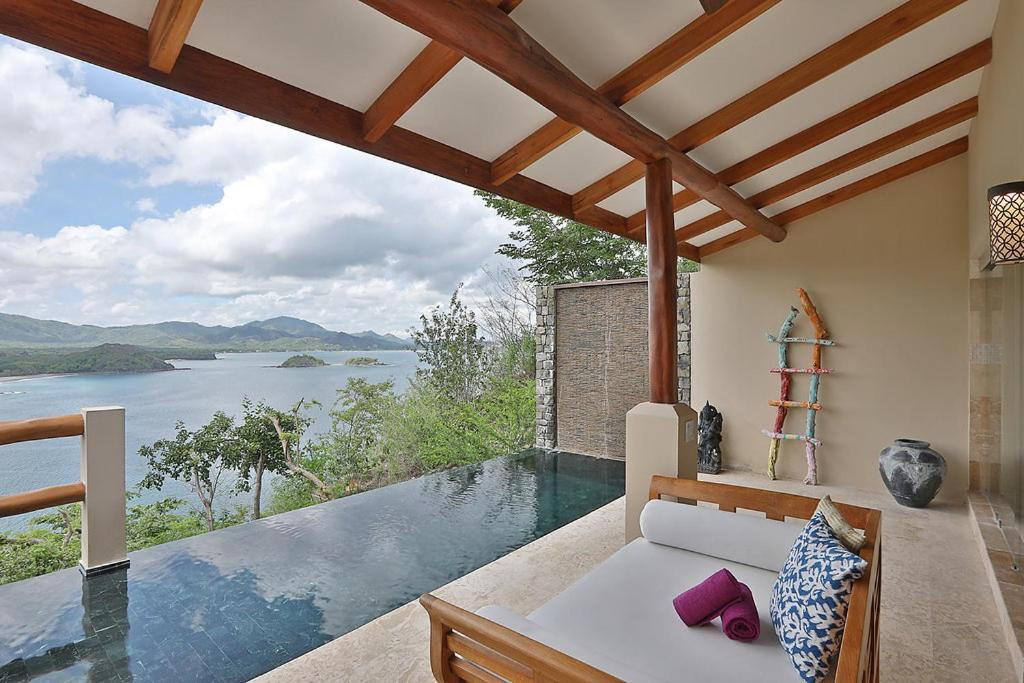
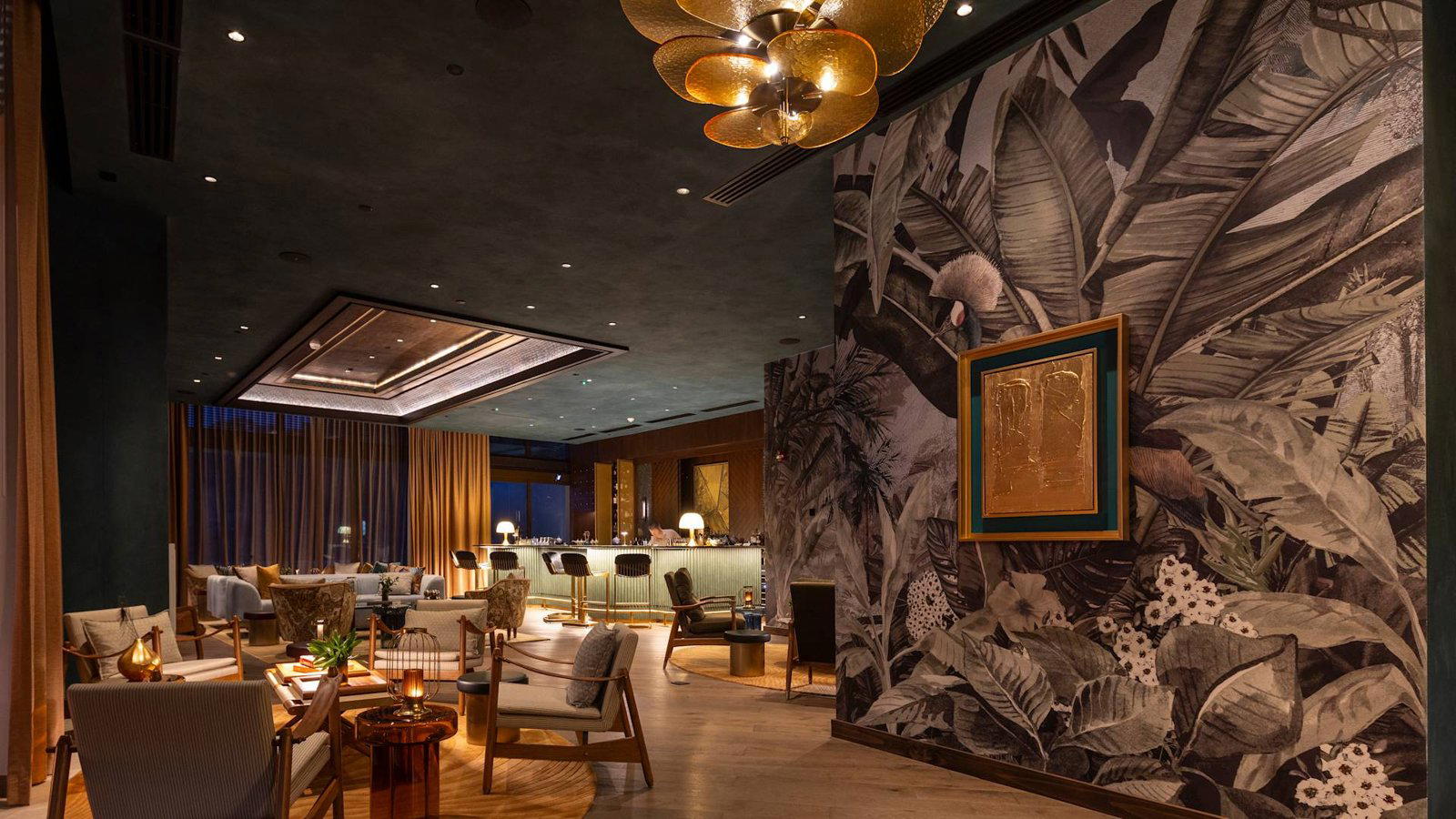
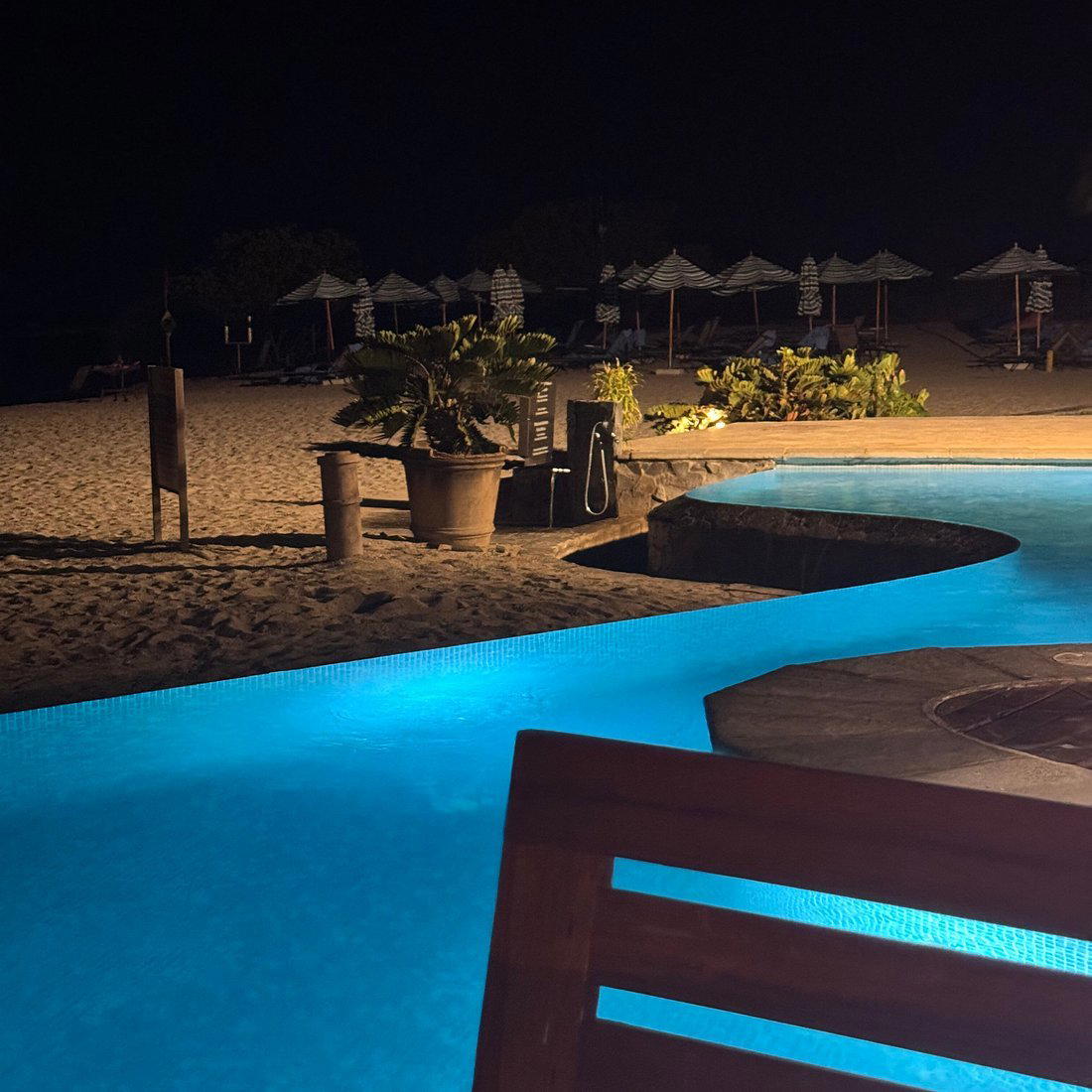
Colonial Spanish architecture with tropical elegance; warm amber lighting during Pacific sunsets; serene courtyards with hammocks and lush gardens creating a refined yet relaxed atmosphere.