Villa Caletas Hotel

Villa Caletas Hotel occupies a clifftop position above the Pacific coast in Puntarenas Province, placing it within Costa Rica's small tier of design-led properties that trade on dramatic natural siting rather than resort scale. The property draws guests who prioritise architectural atmosphere and panoramic ocean exposure over beach-access convenience. It sits in the Jacó corridor, one of the Central Pacific's most accessible stretches from San José.
Pearl is the En Primeur Club membership app — saves, bookings, and concierge access live there. Same editors, same standards.
- Address
- Puntarenas Province, Jaco, Costa Rica
- Phone
- +506 2630 3000
- Website
- hotelvillacaletas.com
- Directions
- Get directions
 Saves & bookings on Pearl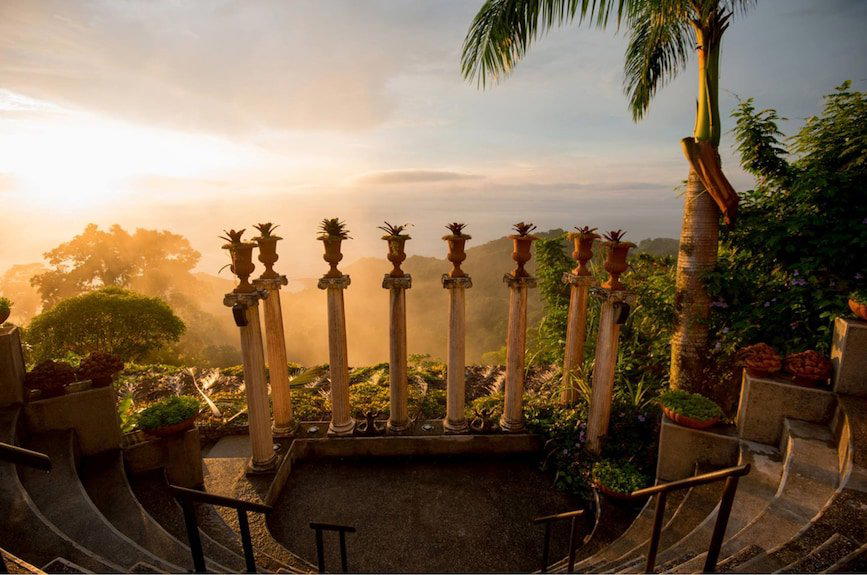
A Clifftop Position That Defines the Property's Logic
Costa Rica's premium hotel market has divided along a familiar fault line: large-footprint resort complexes with full amenity suites on one side, and smaller properties where the site itself does the architectural work on the other. Villa Caletas belongs firmly to the latter group. Positioned on a forested ridge above the Central Pacific coast in Puntarenas Province, the property earns its reputation not through scale but through placement. The approach road climbs above the tree canopy, and by the time the main structure comes into view, the Pacific horizon is already a visual presence rather than a distant promise.
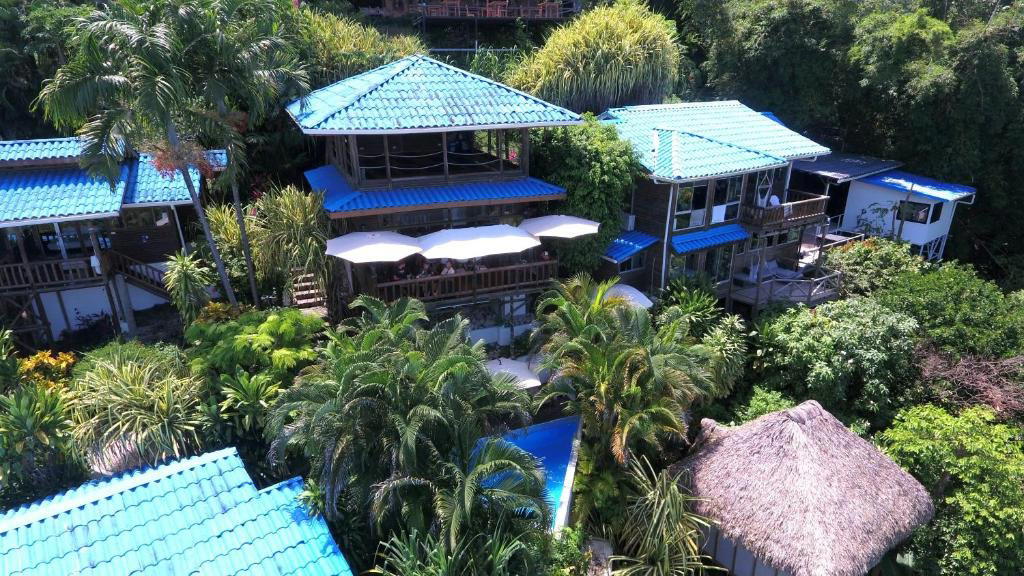
That relationship between built structure and landscape is the defining design decision here. Many Central American luxury properties solve the ocean-view problem by clearing vegetation and positioning pools at property's edge. Villa Caletas takes a different approach, allowing the surrounding forest to press close to the structures while opening sight lines selectively toward the water. The effect is that guests experience the Pacific framed rather than exposed, which gives interior spaces a quality of discovery that flatter, more open properties cannot replicate.
Architectural Identity in the Central Pacific Corridor
The Jacó corridor, where Villa Caletas sits, is one of the more accessible stretches of Costa Rica's Pacific coast. It sits roughly 90 minutes by road from San José's Juan Santamaría International Airport, which places it within range of both short-break and week-long itineraries without requiring the domestic flight connection that more remote properties on the Osa Peninsula or Guanacaste demand. That accessibility has historically attracted a mixed market, and Jacó itself carries a reputation as a surf and nightlife destination that sits at some distance from the quieter luxury register Villa Caletas occupies.
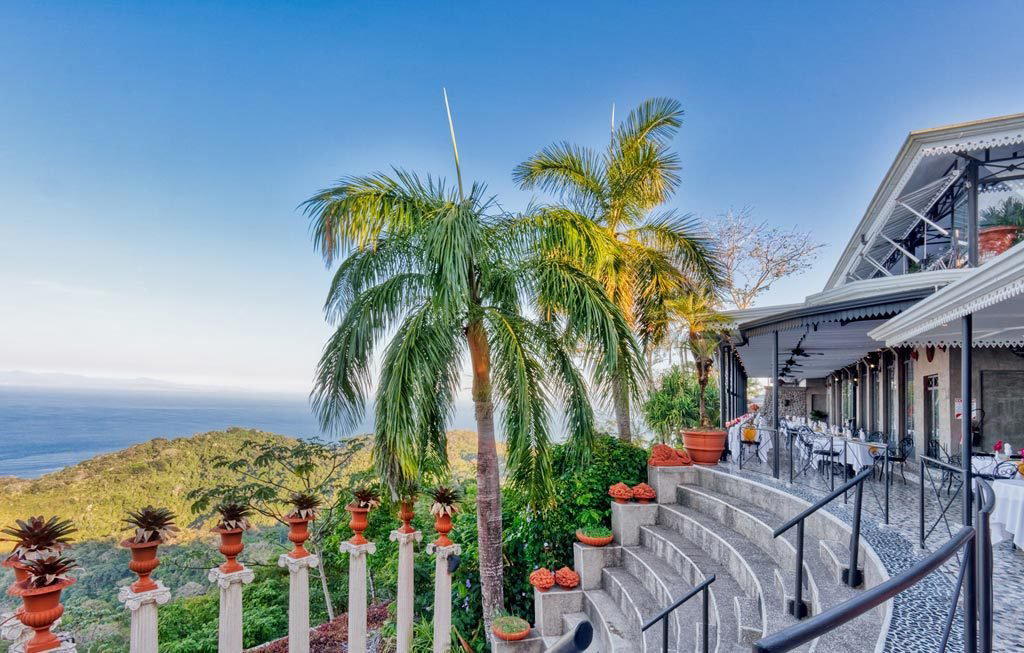
The property's clifftop elevation is partly what separates it physically and atmospherically from the beach town below. The design leans into a kind of neo-colonial romanticism, with covered walkways, wrought ironwork, and an amphitheatre structure that has become one of the more photographed architectural details on this stretch of coast. In a region where contemporary minimalism dominates the newer properties, that stylistic choice reads as deliberate and committed rather than dated. For travellers who find the glass-and-concrete aesthetic of newer Costa Rican properties interchangeable, the architectural vocabulary here offers a different register entirely.
For context on the range of design approaches across Costa Rica's premium tier, properties like Kura Boutique Hotel in Uvita and Hotel Three Sixty in Ojochal de Osa take a contemporary minimalist approach to hillside siting, while Finca Rosa Blanca Coffee Farm and Inn in the Central Valley pursues a similarly expressive architectural identity through different means. Villa Caletas occupies its own position in that spectrum.
The Amphitheatre and the Sunset Ritual
One structural feature recurs in any serious discussion of Villa Caletas: the open-air amphitheatre positioned to face the Pacific sunset. In architectural terms, it is a modest structure. In experiential terms, it functions as the property's primary gathering space and its most deliberate design gesture. Sunset-watching as a structured activity is a well-worn feature of clifftop and beachside properties across the tropics, but the amphitheatre format gives it a different character here, closer to a civic or theatrical tradition than a resort amenity. Guests gather at a specific place, at a specific time, oriented toward a specific event. The formality of that arrangement, however light, is unusual.
This connects to a broader pattern in Costa Rica's design-led properties. Smaller boutique hotels in this market have increasingly recognised that shared architectural moments, rather than private plunge pools or individual villa perimeters, can become the feature guests remember and reference. El Silencio Lodge in Bajos del Toro and Hotel Belmar in Monteverde each handle this differently, building shared-experience architecture around cloud forest rather than Pacific ocean exposure. Villa Caletas makes the case for the Pacific clifftop version.
Placing Villa Caletas in Costa Rica's Competitive Set
Costa Rica's luxury accommodation market is wide enough that meaningful peer comparisons require some specificity. The large-scale resort operators, including properties like the JW Marriott Guanacaste Resort and Spa and the Andaz Costa Rica Resort at Peninsula Papagayo, compete on amenity breadth and brand recognition. Villa Caletas does not compete on those terms and does not need to.
Within the Central Pacific specifically, Arenas Del Mar Beachfront and Rainforest Resort in Aguirre and Los Altos Resort in Manuel Antonio are both relevant reference points, each occupying refined positions with Pacific exposure and a focus on natural setting over amenity scale. Villa Caletas sits in that same conceptual tier, differentiated by its more pronounced architectural personality and its clifftop rather than beach-adjacent location.
Travellers considering the Osa Peninsula or more remote southern Pacific properties, including Lapa Rios in Puerto Jiménez or Drake Bay Getaway Resort, should weigh the additional travel time and access complexity those destinations require against Villa Caletas's relative convenience from San José. The tradeoff is real: greater remoteness tends to correlate with more intact wilderness, while the Central Pacific corridor offers easier logistics and a more developed surrounding infrastructure.
Planning a Stay
The dry season on Costa Rica's Central Pacific coast runs from roughly December through April, when rainfall is minimal and road conditions are most reliable. That period also represents peak demand across the region's tourism infrastructure, so advance planning applies across this tier of property. The shoulder months of May and November bring increased rainfall but also noticeably fewer guests, which changes the character of quieter properties like this one in ways that can favour the experience. The Jacó area is served by the Coastal Highway, and most guests arriving via San José's international airport will reach the property by private transfer or rental car in under two hours.
For travellers building a broader Costa Rica itinerary, the Central Pacific works well as either an opening or closing segment, pairing with Guanacaste properties like Casa Chameleon at Las Catalinas or Azura Resort in Sámara for a Pacific-focused trip, or with the Caribbean coast via Hotel Aguas Claras in Puerto Viejo for a coast-to-coast contrast. See our full Garabito restaurants and hotels guide for additional context on the area.
At-a-Glance Comparison
| Venue | Cuisine |
|---|---|
| Villa Caletas HotelThis venue — the venue you are viewing | This venue |
Recognition history
Dated appearances from independent guides and award organizations, with the underlying list record or original source where available.
Michelin Selected
Michelin


At a Glance
- Romantic
- Elegant
- Scenic
- Sophisticated
- Ornate
- Honeymoon
- Romantic Getaway
- Anniversary
- Infinity Pool
- Panoramic View
- Pool
- Spa
- Fitness Center
- Room Service
- Concierge
- Private Beach
- Wi Fi
- Mountain
- Pool
- Spa
- Fitness Center
- Room Service
- Concierge
- Private Beach
- Wi Fi
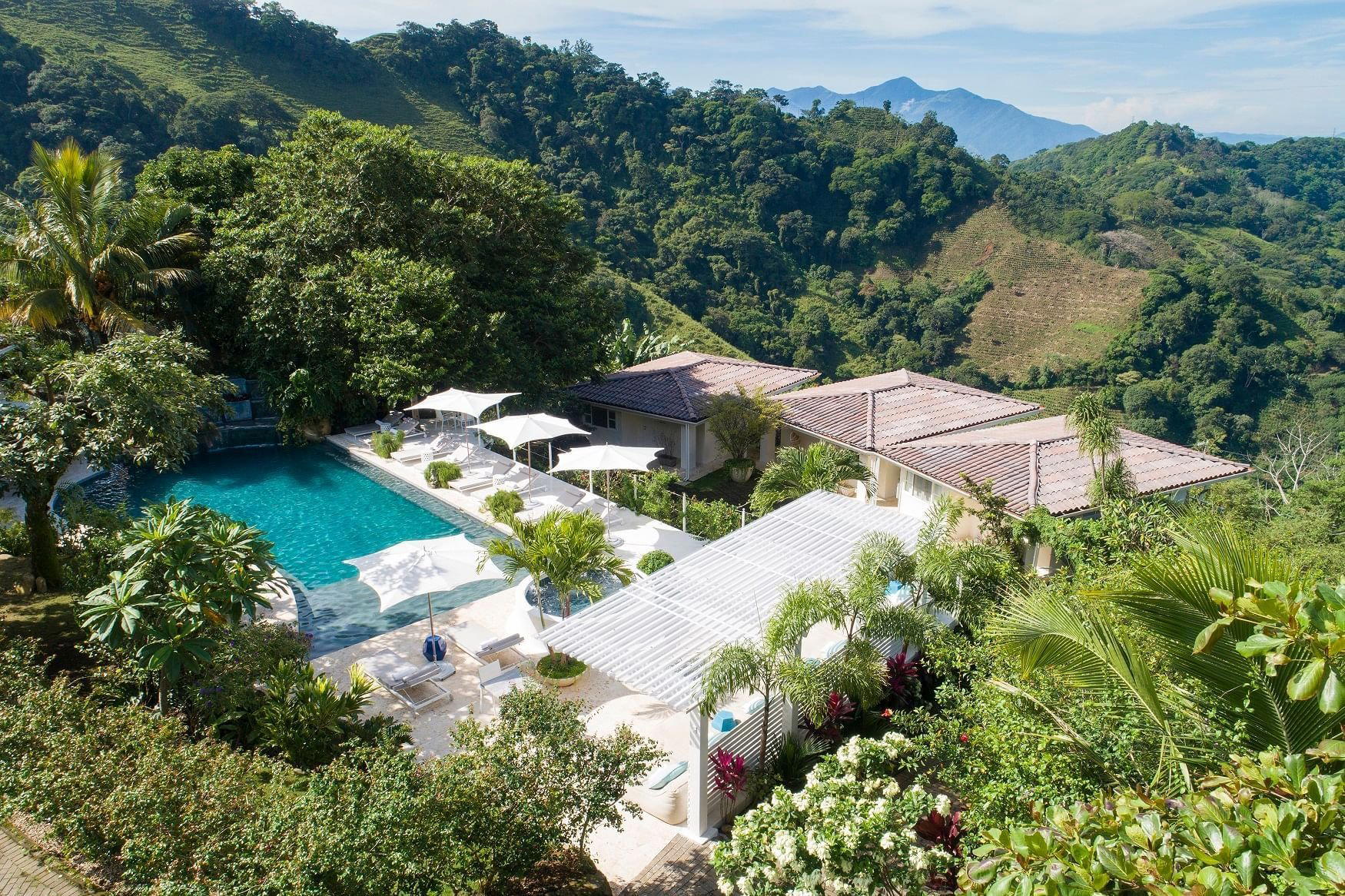
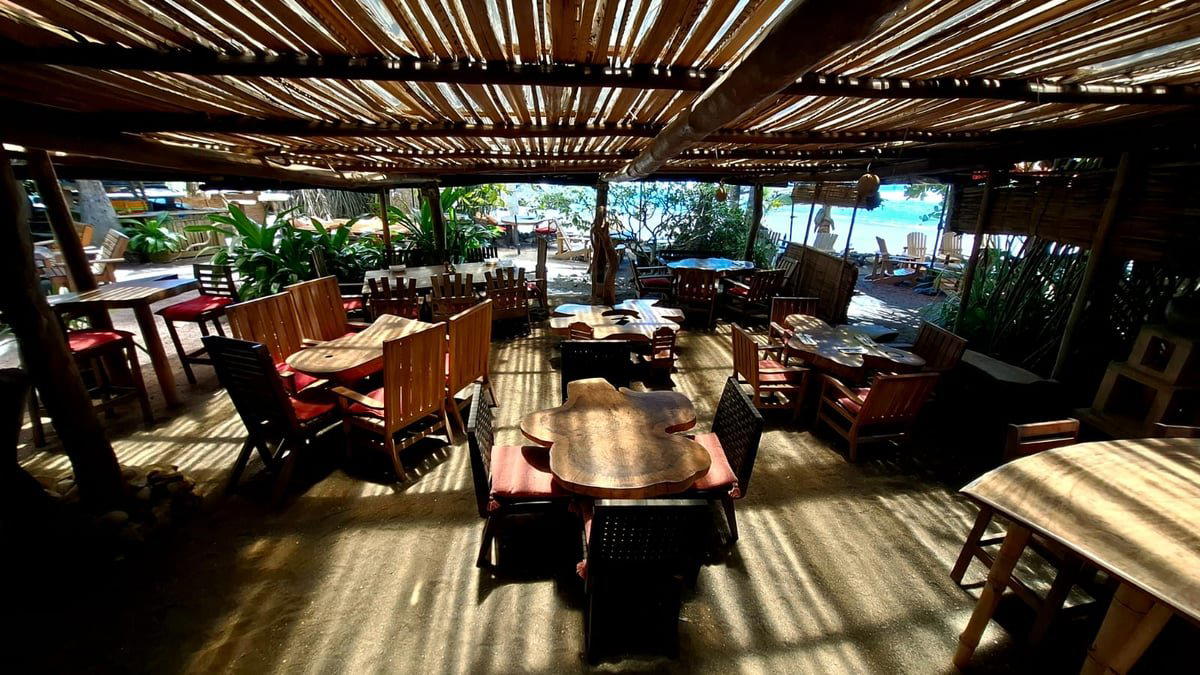
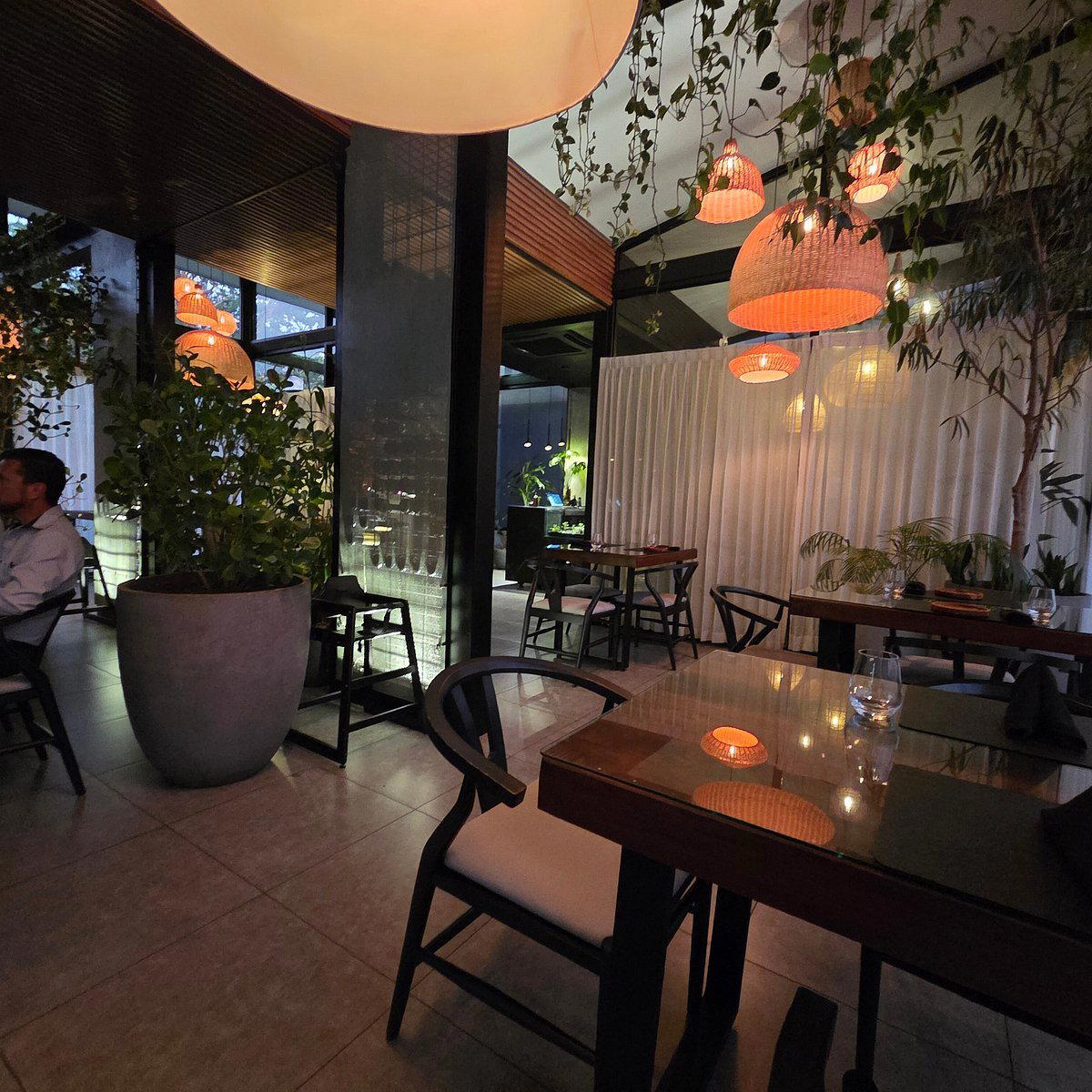
Romantic and tranquil with elegant antique decor, lush jungle surroundings, and far-reaching sunset vistas from terraces and infinity pool.