Hotel Belmar



Family-owned since 1985 and carbon-neutral since before sustainability became a selling point, Hotel Belmar is one of Monteverde's oldest continuously operated eco-lodges. Austrian chalet architecture meets cloud forest canopy in rooms that guests describe as having a treehouse quality, with food drawn directly from on-site gardens and the coast. It sits in a category of its own among Monteverde's boutique properties.
Pearl is the En Primeur Club membership app — saves, bookings, and concierge access live there. Same editors, same standards.
- Address
- 300 meters east of the gas station, Provincia de Puntarenas, Monteverde
- Phone
- +506 2645 5201
- Website
- hotelbelmar.net
- Directions
- Get directions
 Saves & bookings on Pearl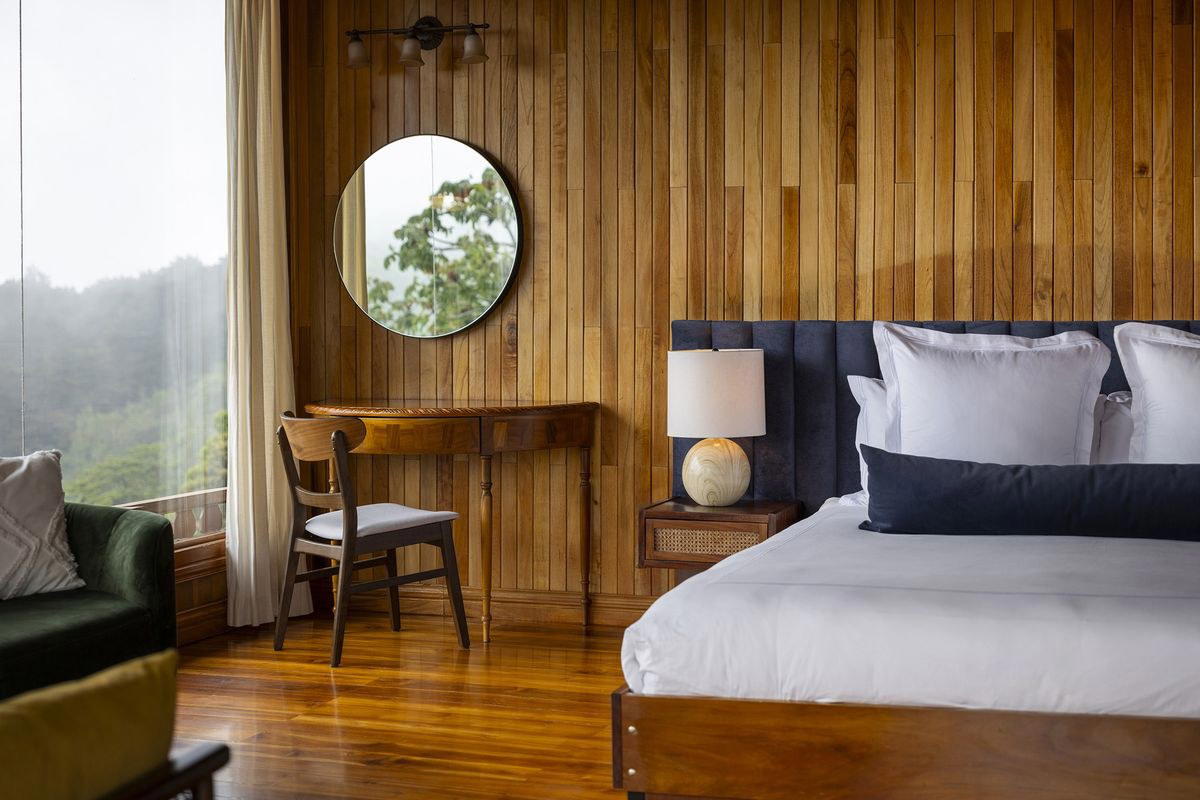
Where the Cloud Forest Sets the Terms
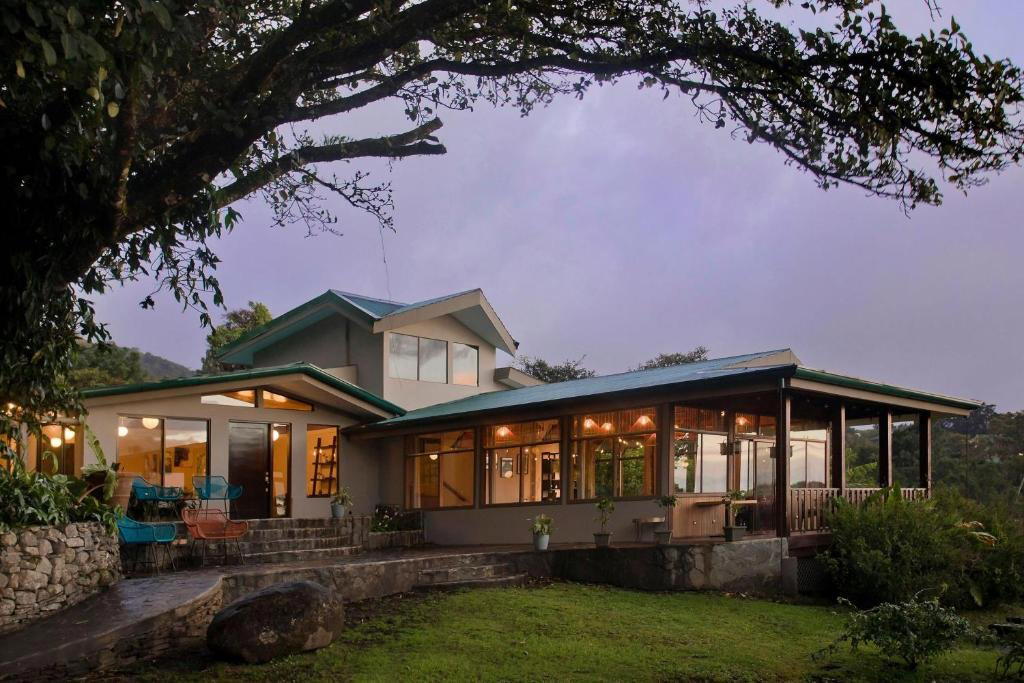
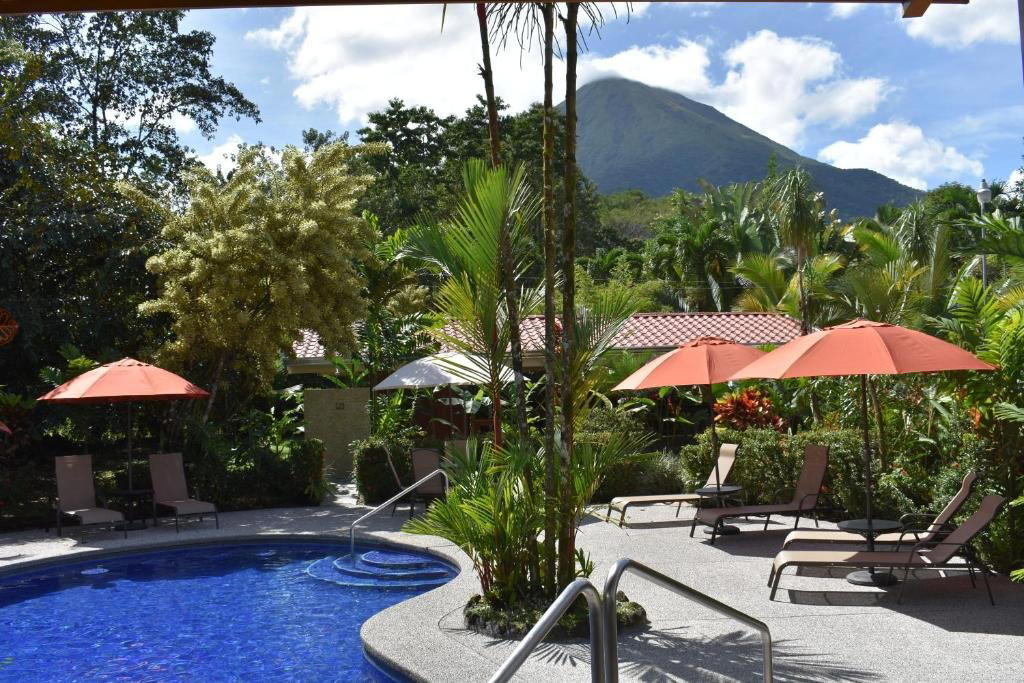
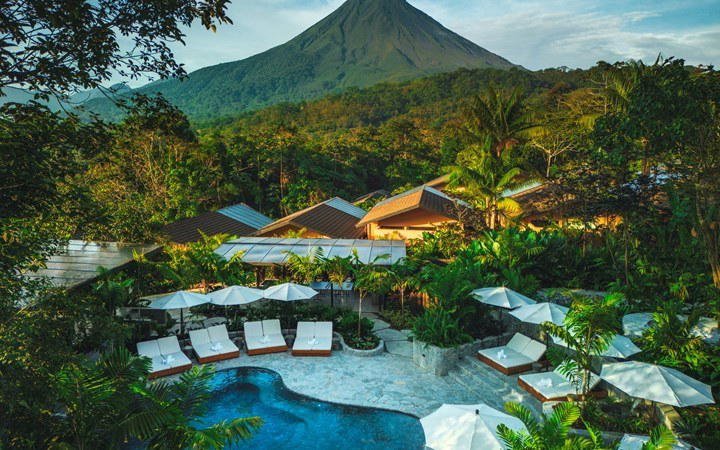
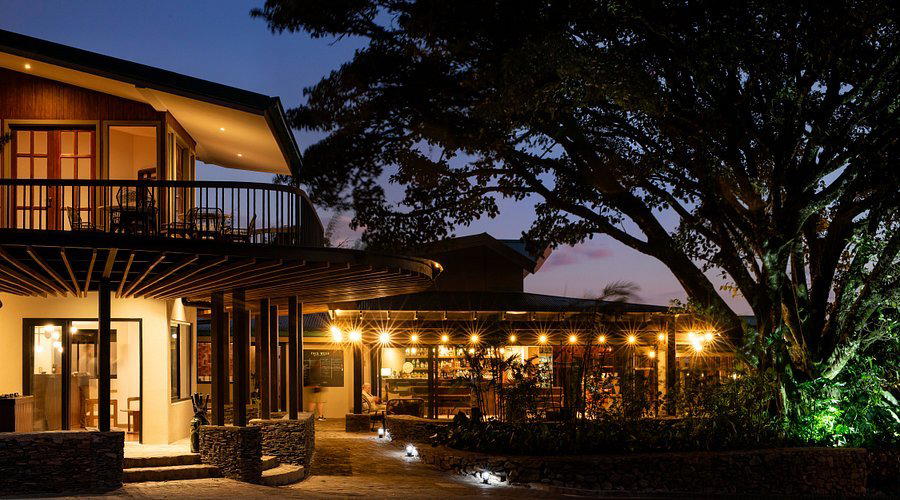
Approaching Monteverde, the road climbs through increasingly dense vegetation until visibility shortens and the air cools noticeably — this is the cloud forest asserting itself. Hotel Belmar, positioned 300 meters east of the town's gas station, announces itself not through grand gates or manicured forecourts, but through a shift in scale and material. The architecture borrows from Alpine chalet tradition: steeply pitched rooflines, timber framing, and an overall verticality that reads as deliberate rather than decorative. In a region where eco-lodges often default to open-air ranch structures, the Austrian-influenced design is a considered departure, drawing a visual line between Belmar and the more rustic camp-style properties that populate the Monteverde corridor.
The chalet references are not arbitrary. The Belmar family, who have owned and operated the property since 1985, have maintained the design logic across nearly four decades of operation, making it one of the oldest continuously run eco-lodges in Monteverde. That continuity matters in a market where boutique properties frequently change hands or concept. Compare this to newer entrants like Senda Monteverde Hotel, and the difference is immediately legible: Belmar operates with the institutional confidence of a property that has grown alongside the cloud forest tourism it helped establish.
Rooms That Earn Their Description
The phrase "treehouse feel" gets overused in eco-lodge marketing, but in Belmar's case the description has structural grounding. Guest rooms are positioned to maximise canopy adjacency, with the surrounding forest pressing close enough that the distinction between interior and exterior softens. Timber finishes, high ceilings, and window proportions that prioritise forest sightlines over interior volume define the aesthetic throughout. The design philosophy here aligns with a broader shift in Central American boutique hotels: away from shielding guests from the environment and toward embedding them in it, while maintaining material quality that competes with international comfort standards.
This places Belmar in a different competitive tier from properties that offer environmental access without design investment. The comparison set for serious travellers includes places like El Silencio Lodge & Spa in Bajos del Toro and Lapa Rios in Puerto Jimenez — properties where design and ecology are treated as mutually reinforcing rather than competing priorities. Against Costa Rica's larger resort developments, such as the Andaz Costa Rica Resort at Peninsula Papagayo or the JW Marriott Guanacaste Resort & Spa, Belmar operates at a scale where individual guest experience, rather than facility breadth, drives the offer.
Carbon-Neutral Before It Was Expected
Belmar holds carbon-neutral status, a credential that has more weight when you consider the property's founding date. Sustainability frameworks that are now standard expectations across Central American eco-tourism were not industry norms when the Belmar family began operating in 1985. The carbon-neutral designation reflects operational choices embedded over decades: sourcing protocols, energy management, and land stewardship practices that predate the current wave of properties retrofitting green credentials for marketing purposes.
Within Costa Rica's broader eco-lodge spectrum, this longevity of practice distinguishes Belmar from properties that adopt sustainability positioning more recently. Travellers comparing options across the country's southern Pacific coast, where properties like Arenas Del Mar Beachfront & Rainforest Resort in Aguirre or Kura Boutique Hotel in Uvita de Osa offer their own environmental frameworks, will find that Monteverde's cloud forest context creates a different kind of immersion than coastal or rainforest alternatives. The ecosystem here is rarer, the tourism infrastructure more concentrated around the forest reserve, and the case for staying within the forest zone rather than commuting to it is correspondingly stronger.
Food Rooted in Place
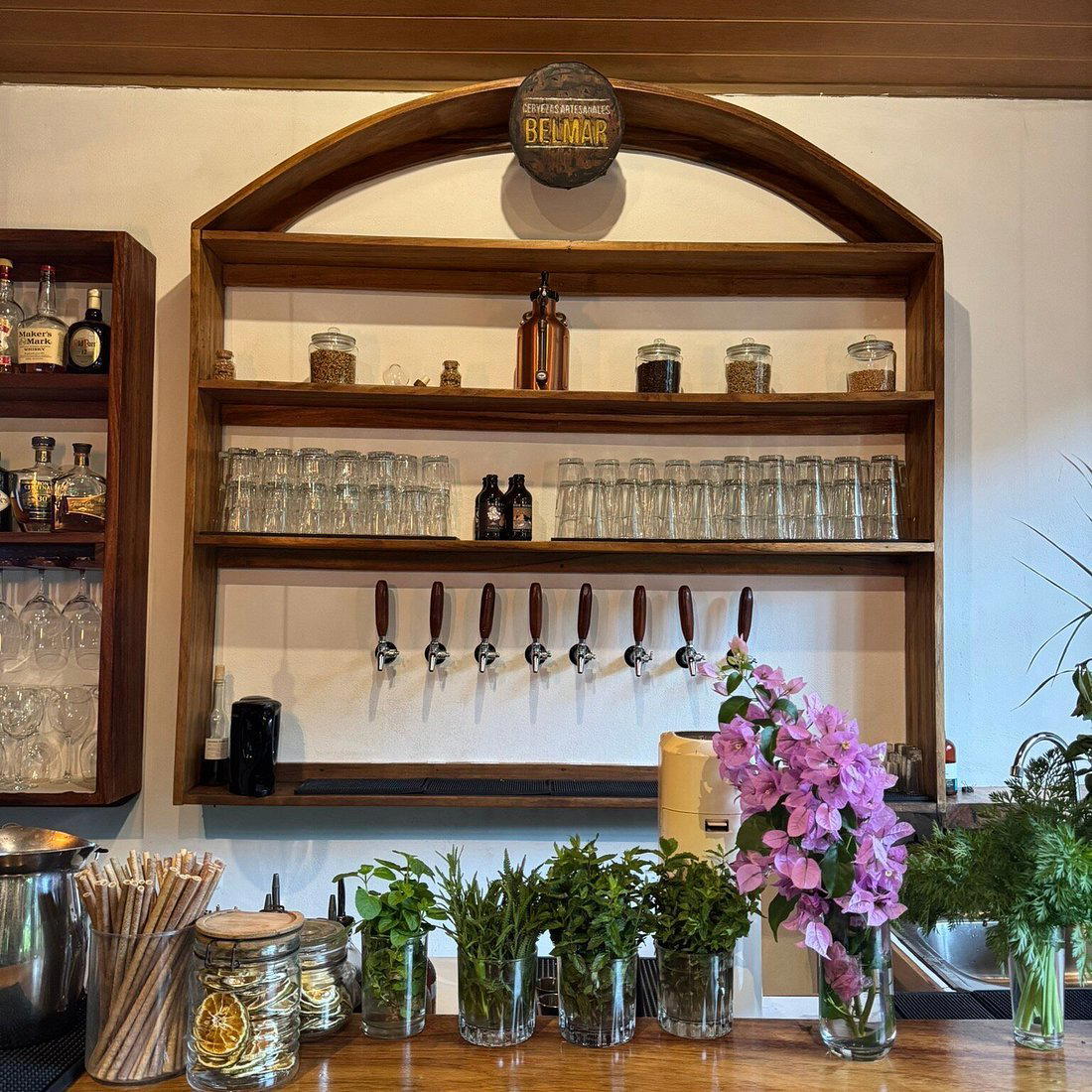
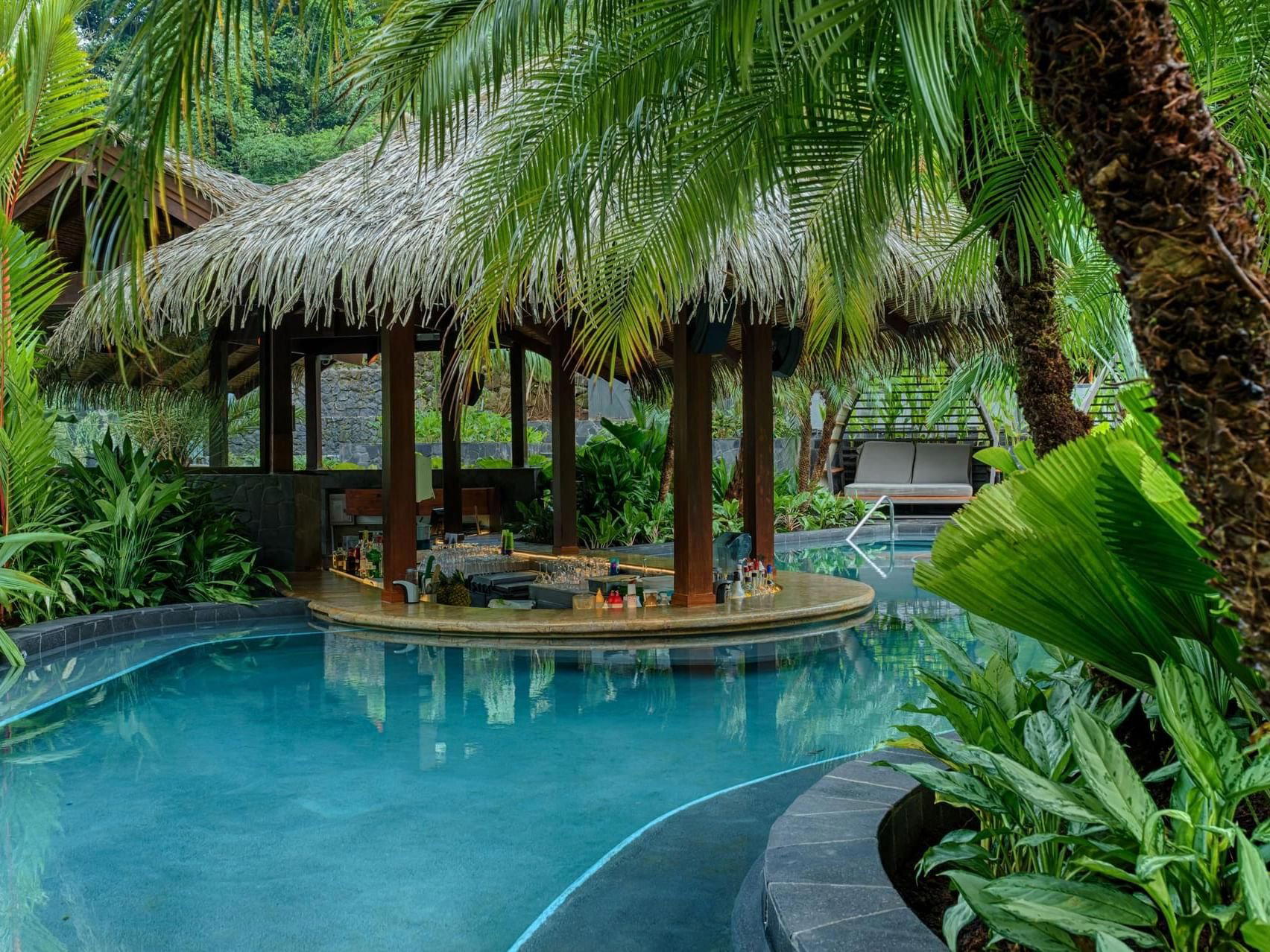
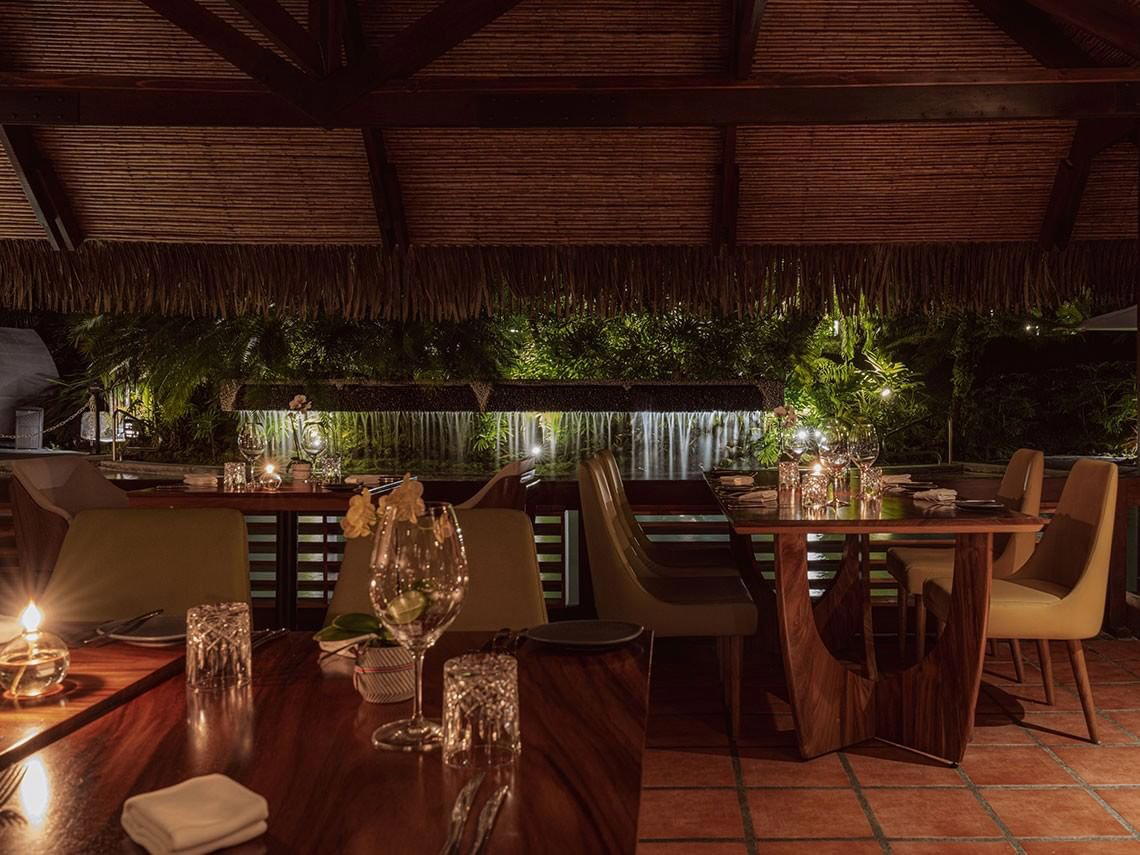
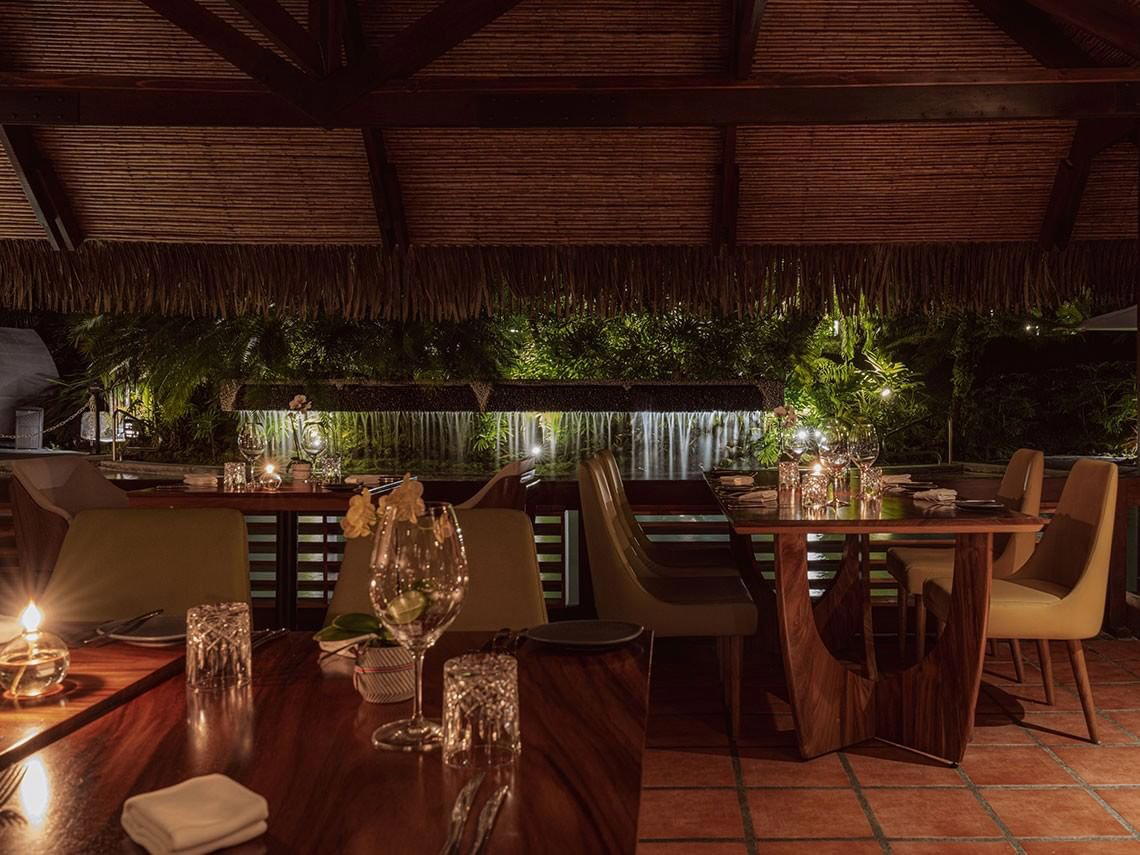
The dining program operates from an on-site garden supplemented by coastal sourcing. This dual approach, altitude-grown produce paired with ocean-sourced protein, reflects Monteverde's geographic position: high enough for cold-weather crops, close enough to the Pacific coast to receive seafood within reasonable supply windows. Reader feedback has specifically cited the food quality as a distinguishing element, which matters because dining is often the weak link in eco-lodge offers, where environmental credentials are front-loaded and culinary investment is secondary.
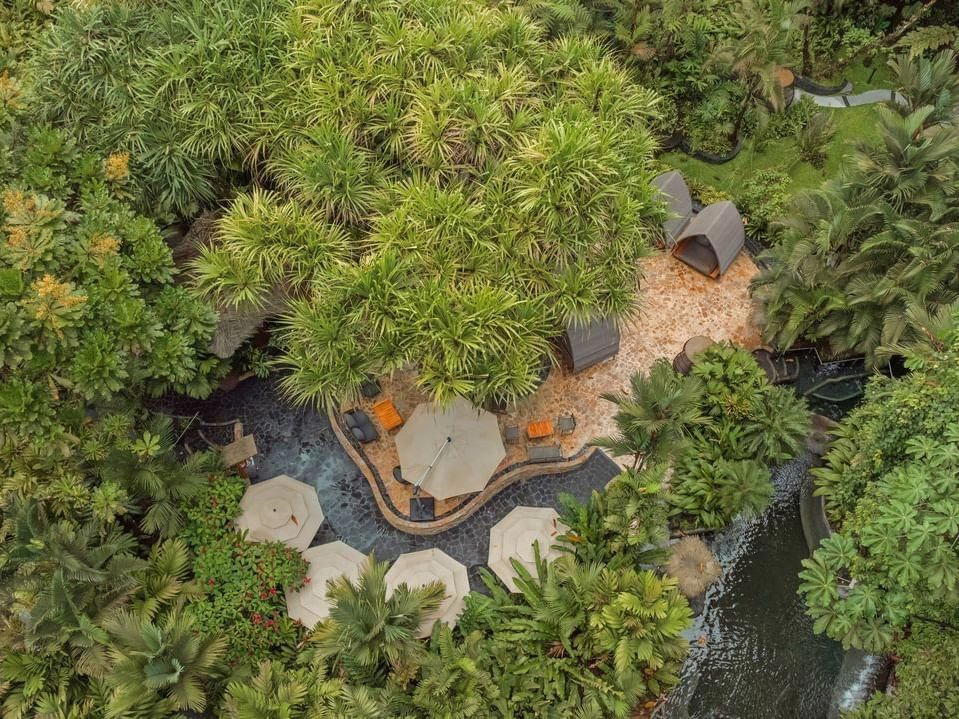
At Belmar, the garden-to-table supply chain is visible in the property's physical footprint, not just in menu copy. The on-site gardens are part of the design logic rather than a decorative afterthought. For travellers whose reference points include farm-driven properties like Finca Rosa Blanca Coffee Farm and Inn or Hacienda AltaGracia in Pérez Zeledón, the dining approach at Belmar will feel consistent with that category of property, where the sourcing story is verifiable on-site rather than implied by branding.
Placing Belmar in Costa Rica's Boutique Hotel Spectrum
Costa Rica's premium accommodation market has expanded considerably in the past decade. At the high-volume end, international brands have anchored major resort developments on the Pacific coast. At the other end, a smaller group of independently owned, design-conscious properties has maintained a different kind of offer: limited keys, specific environmental positioning, and an identity tied to place rather than brand standards. Belmar occupies this latter group firmly, sitting alongside properties such as Hotel Nantipa in Santa Teresa, Hotel Aguas Claras in Puerto Viejo, and Casa Chameleon at Las Catalinas in the independent boutique tier.
What distinguishes Belmar within that cohort is age and continuity. Most boutique properties in Costa Rica are relatively recent; Belmar has nearly 40 years of uninterrupted family operation behind it, which produces a kind of institutional calm that newer openings, however well-designed, cannot replicate. For a broader picture of what the Monteverde area offers across dining and accommodation, our full Monteverde restaurants and hotels guide maps the options by category and position.
Planning Your Stay
Monteverde's cloud forest is most active and most visited between December and April, when the dry season makes the mountain roads more manageable. The wet season from May through November brings heavier mist and quieter visitor numbers; for those prioritising forest atmosphere over logistical ease, the low season has genuine appeal. The property is located 300 meters east of the Monteverde gas station, a reference point that reflects the town's scale, Monteverde is compact, and most orientation happens on foot or by short transfer from the town center. Given Belmar's standing as one of the area's oldest lodges, booking ahead of peak season is advisable, particularly for rooms with the strongest canopy positions. For travellers building a wider Costa Rica itinerary that includes the capital or beach regions, the Costa Rica Marriott Hotel Hacienda Belen near San José airport and the Villa Caletas Hotel in Garabito are useful staging points at either end of a Monteverde leg.
At-a-Glance Comparison
| Venue | Cuisine |
|---|---|
| Hotel BelmarThis venue — the venue you are viewing | This venue |
Recognition history
Dated appearances from independent guides and award organizations, with the underlying list record or original source where available.
AHEAD Awards AHEAD Americas Suite Shortlist
AHEAD Awards · AHEAD Americas Awards 2026 Shortlist - Suite
Design Hotels Member
Design Hotels
Travel + Leisure 100 Favorite Hotels in the World #33 · No. 33
Travel + Leisure · 2026 Travel + Leisure 100 Favorite Hotels in the World
Travel + Leisure 100 Favorite Hotels in the World #70
Travel + Leisure

At a Glance
- Scenic
- Quiet
- Cozy
- Classic
- Romantic
- Honeymoon
- Romantic Getaway
- Wellness Retreat
- Weekend Escape
- Anniversary
- Private Villa
- Destination Spa
- Garden
- Terrace
- Panoramic View
- Wi Fi
- Spa
- Restaurant
- Bar
- Parking
- Airport Shuttle
- Room Service
- Concierge
- Mountain
- Garden
- Wi Fi
- Spa
- Restaurant
- Bar
- Parking
- Airport Shuttle
- Room Service
- Concierge
Handcrafted and nature-immersed, with a quiet, lodge-like atmosphere, warm natural materials, and sweeping cloud-forest views that feel intimate rather than resort-like.