

A large-format Marriott property on Puming Road in Pudong, the JW Marriott Marquis Hotel Shanghai Pudong holds a 2026 Star Wine List award and positions itself within Shanghai's river-facing business hotel tier. The address places guests within reach of Pudong's financial district and the Huangpu riverfront, suited to travellers who want scale, wine program depth, and proximity to the city's eastern commercial core.
Pearl is the En Primeur Club membership app — saves, bookings, and concierge access live there. Same editors, same standards.
- Address
- No. 988 Puming Road, Pudong, Shanghai
- Phone
- 86-21-23218888
- Website
- marriott.com
- Directions
- Get directions
 Saves & bookings on Pearl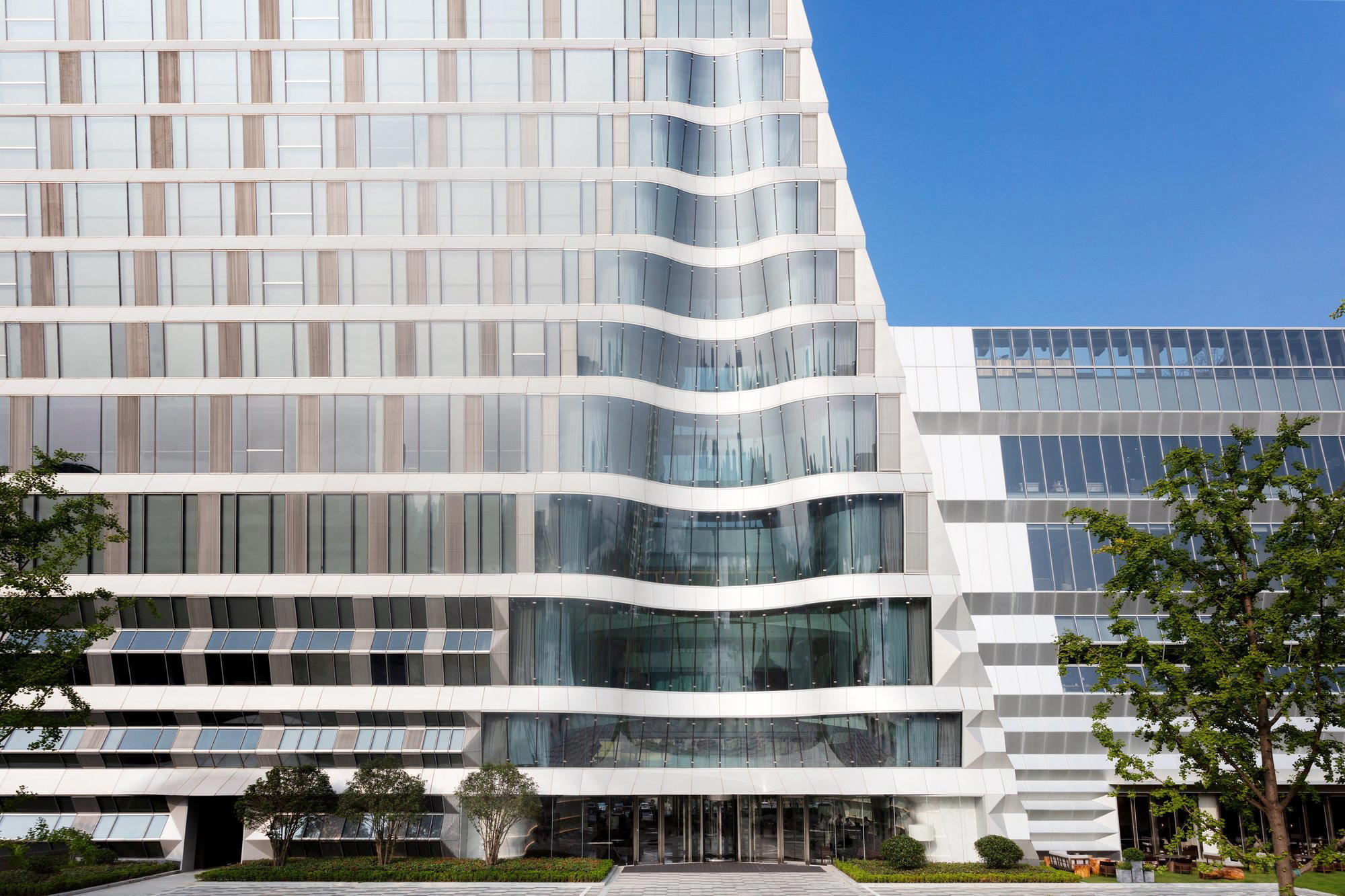
Pudong's River Tier: Where Business Hotels Meet the Huangpu
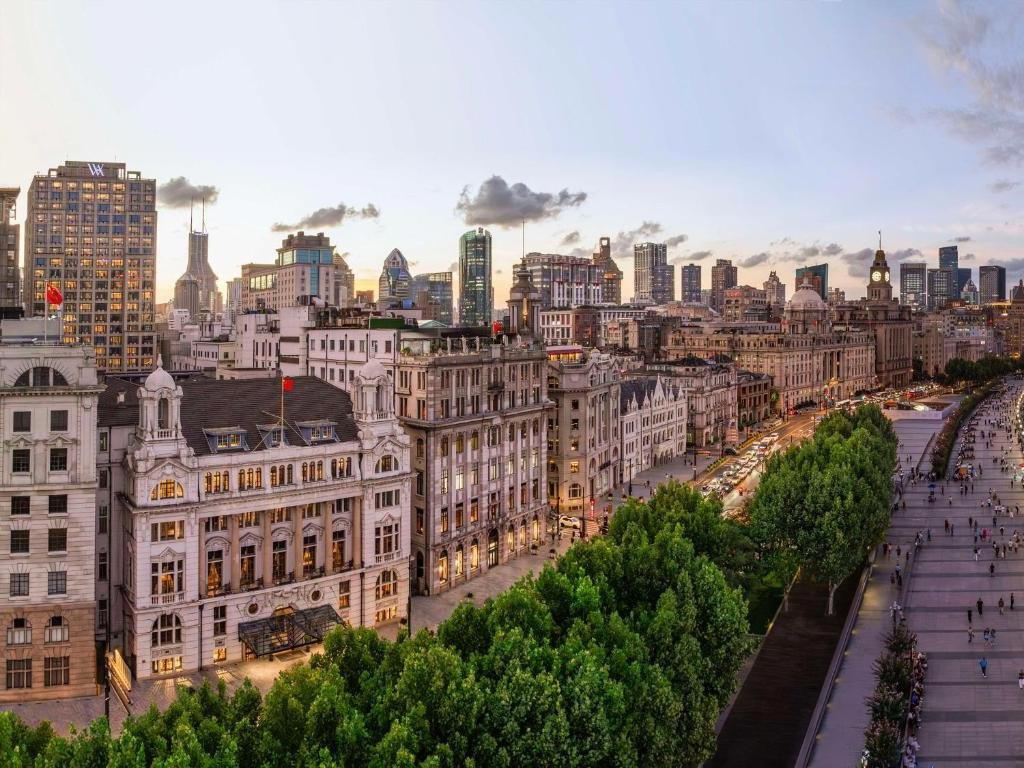
Shanghai's hotel market separates along a clear axis: the Bund-facing Puxi properties, with their heritage architecture and cocktail-bar culture, and the Pudong side, where tower-format hotels align with the financial district and a different kind of traveller. The JW Marriott Marquis Hotel Shanghai Pudong sits at No. 988 Puming Road, on the Pudong bank of the Huangpu River, inside the cohort of large-scale properties that serve the eastern district's corporate and leisure crossover demand. This is the tier where floor counts matter, meeting space scales to hundreds, and the wine program is a differentiator within an otherwise standardised format.
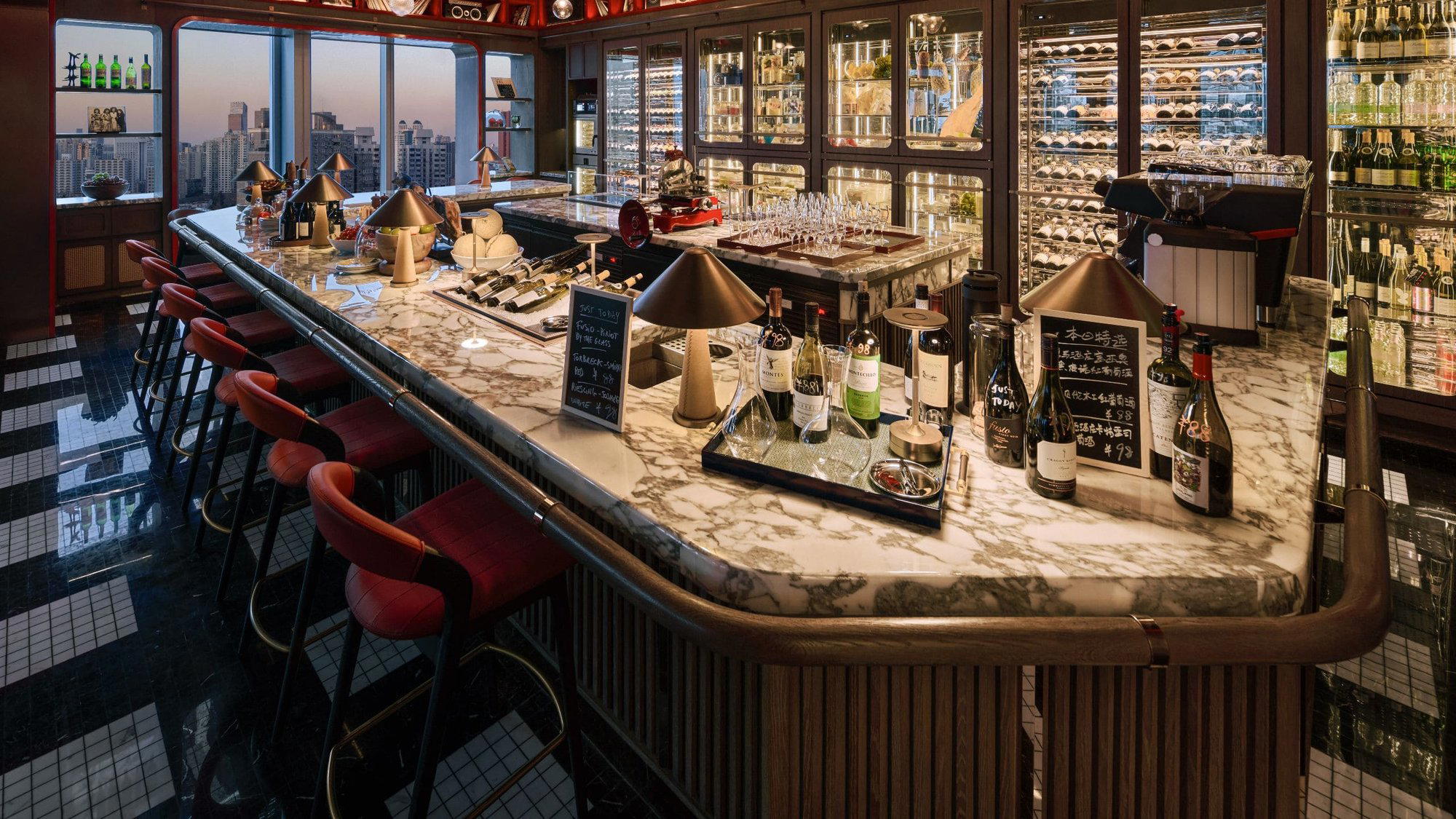
That wine program carries weight here. The hotel holds a 2026 Star Wine List award. In a city where wine culture has accelerated sharply over the past decade, Shanghai now hosts some of China's most active fine wine auction and retail activity, a property-level wine recognition signals something specific: the list is not a token gesture toward imported Bordeaux, but a structured program that the Star Wine List panel found worth distinguishing. For a hotel of this scale and format, that award signals a serious beverage program.
The Rhythm of a Stay: From Arrival to the Table
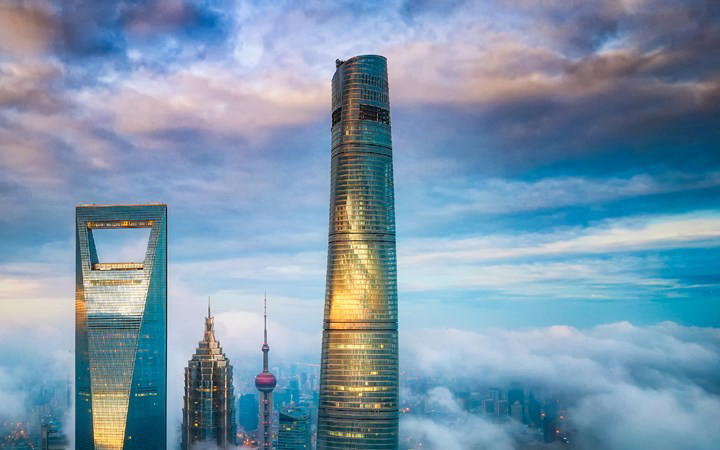
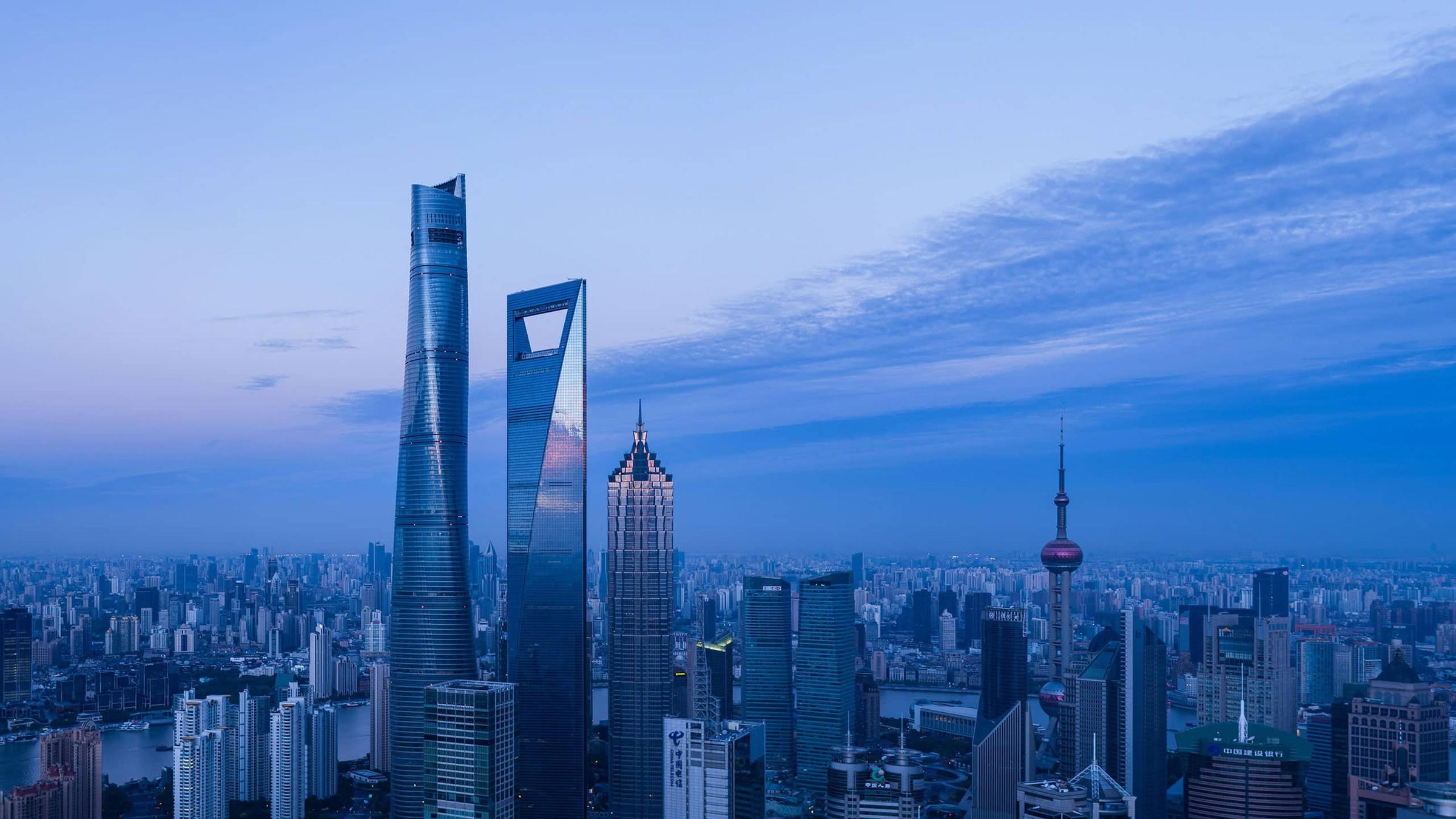
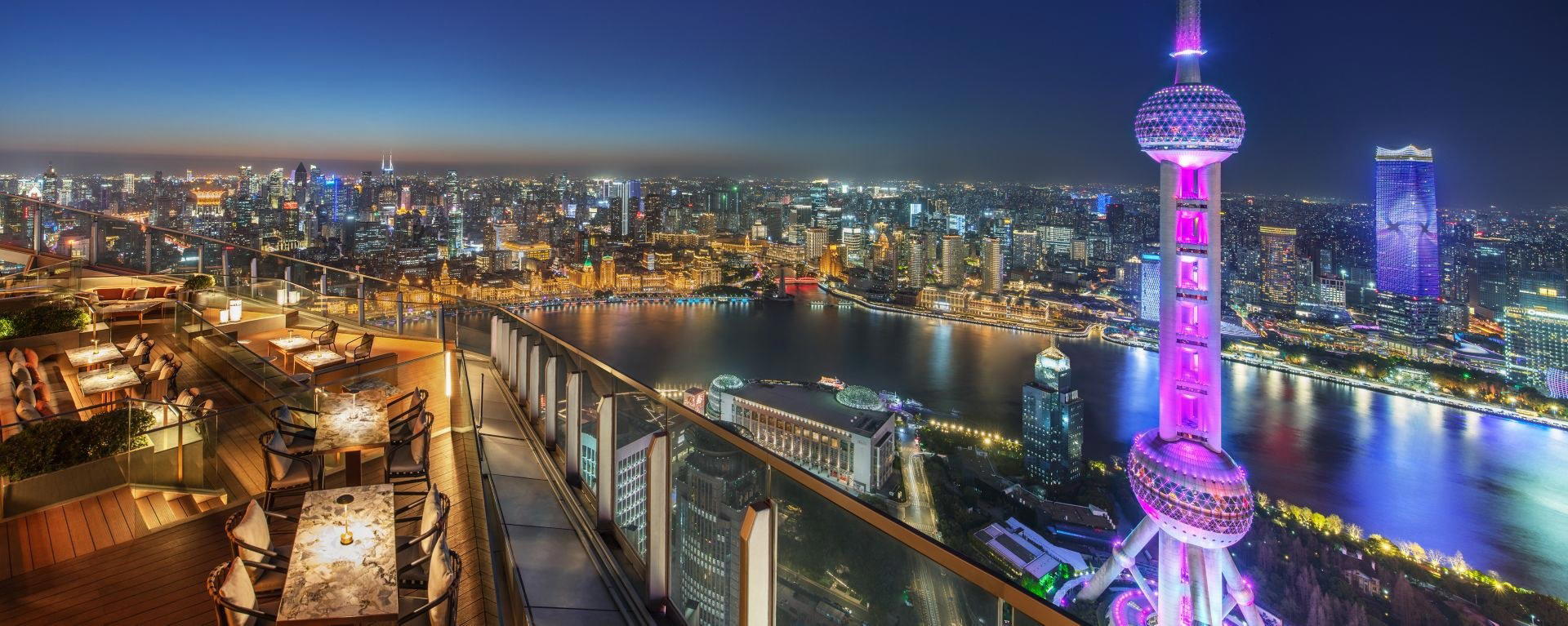
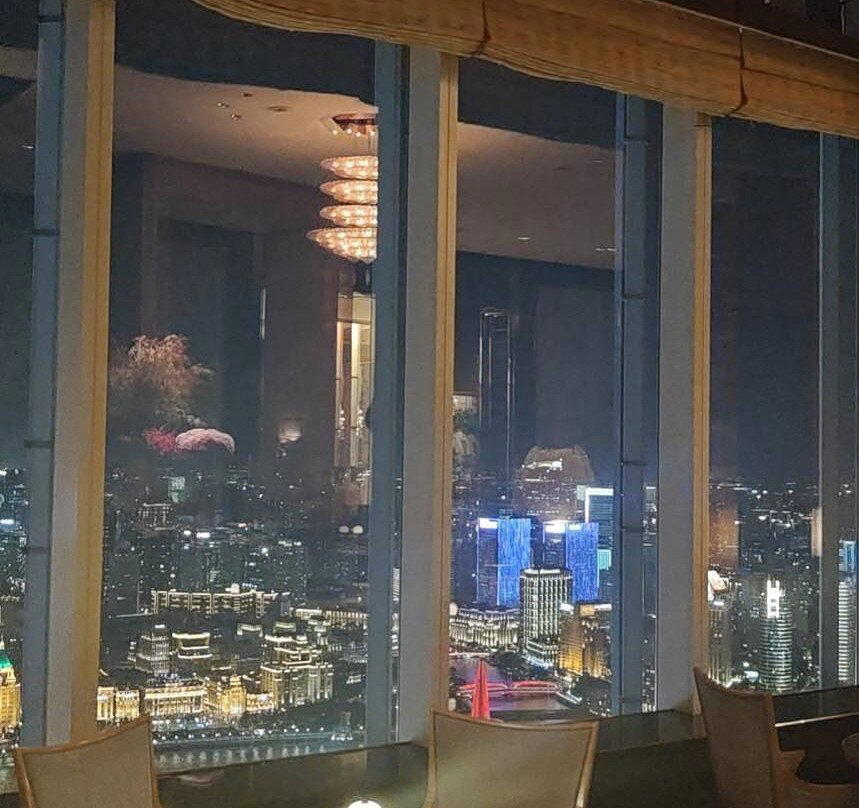
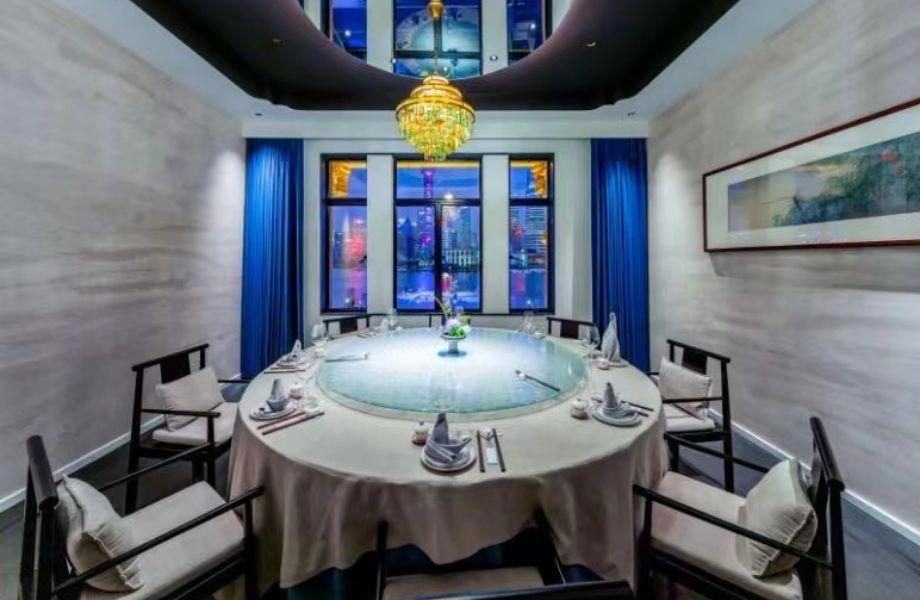
Arriving from Pudong International Airport, the hotel is accessible by metro (Line 6, Pudong Avenue station, approximately 30 minutes under normal conditions) or by taxi along the riverfront roads. The Puming Road address places the property south of the Lujiazui financial core, which means less congestion at street level than the towers clustered directly around the Oriental Pearl. The river view from the hotel's upper floors tracks directly across to the Puxi skyline, a view that carries most of its drama after dark, when the Bund illumination runs its nightly sequence.
Check-in at a Marquis-branded Marriott operates within the brand's premium tier. For those comparing within Shanghai's Pudong tower set, peer properties include the Pudong and the Kerry Hotel, while the Star Wine List distinction gives it a specific differentiator at the bar and dining level.
Wine-Led Dining in a City That Has Learned to Order
The Star Wine List recognition points toward a dining and beverage experience worth sequencing deliberately. Shanghai's restaurant culture has matured to the point where wine pairing across multi-course formats is a standard expectation at this price tier, not an afterthought. Properties with recognised wine programs tend to anchor their food and beverage offering around that list, meaning the meal sequence here is worth approaching with the cellar in mind rather than treating beverage selection as a second thought after ordering food.
Pudong's dining scene has grown considerably since the district's early development years, when eating in the financial district meant hotel restaurants by default. That is less true now, the riverfront has attracted standalone restaurants and the Xintiandi-style mixed developments have migrated eastward, but hotel dining in this tier remains relevant because the kitchen scale and wine access are difficult to match in smaller neighbourhood formats. A traveller wanting to move through a full evening's progression, from lighter dishes and aromatic whites through to richer mains paired from a cellar with genuine depth, will find the infrastructure for that sequence more reliably inside a property with a Star Wine List credential than in most of the neighbourhood alternatives.
For context on how this fits Shanghai's broader hotel and dining picture, properties with strong wine programs and river positioning represent a specific niche within the city's premium hotel tier. Bvlgari Hotel Shanghai operates at a higher price point with a smaller key count and a fashion-house identity. Capella Shanghai, Jian Ye Li emphasises heritage lane-house architecture and intimate scale. Amanyangyun sits outside the city centre entirely, oriented around rescued Ming-dynasty structures and rural quiet. The JW Marriott Marquis occupies a different position: river-facing, full-scale, and wine-credentialled within the Pudong business hotel cohort.
Shanghai's Eastern Bank in Context
Pudong's reputation has evolved considerably from its 1990s image as a speculative skyline project. The district now hosts the Shanghai Stock Exchange, the Lujiazui finance and trade zone, and a concentration of international corporate headquarters that makes it the city's commercial centre by most measures. For travellers whose itinerary has a business component, a Pudong address eliminates the cross-river commute that Puxi-based properties require during peak hours. The Bund is accessible by ferry or taxi, and the distance is short enough that evening excursions to Puxi's bar and restaurant concentration remain practical.
Shanghai's hotel market has expanded significantly, with properties like Andaz Xintiandi, Shanghai anchoring the Puxi lifestyle end and Alila Shanghai representing the design-led boutique end of the spectrum. The JW Marriott Marquis in Pudong occupies the large-format, amenity-heavy position in a city where that tier has genuine demand, the corporate travel volume alone sustains it, and the river address and wine program give leisure travellers a reason to consider it beyond pure convenience.
Travellers moving through China who want to calibrate against comparable premium properties elsewhere in the country can reference Mandarin Oriental Qianmen in Beijing, Amanfayun in Hangzhou, or Amandayan in Lijiang for the range of positioning that exists across the country's premium tier. For those extending travel beyond China, Aman New York and Aman Venice represent comparable calibre international reference points.
Planning a Stay
The hotel's address at No. 988 Puming Road, Pudong, Shanghai, places it within a manageable radius of Pudong International Airport and the metro network. Booking through Marriott Bonvoy's platform applies standard tier benefits and point accrual. The 2026 Star Wine List award applies to the current program, making this a relevant booking window for travellers prioritising a serious cellar experience. Artyzen NEW BUND 31 Shanghai, Bellagio Shanghai, and Cachet Boutique Shanghai cover the range from design-led to lifestyle-boutique formats on the other side of the river.
Budget and Context
Comparable venues nearby, for context on price, style, and recognition.
| Venue | Cuisine | Price | Awards | Notes |
|---|---|---|---|---|
| JW Marriott Marquis Hotel Shanghai PudongThis venue — the venue you are viewing | Not listed | $$$$ | 5-Star | Not listed |
| Regent Shanghai on The Bund | Not listed | $$$$ | 5-Star | Hongkou, Luxury high-rise blending contemporary sophistication with Shanghai's cultural heritage |
| Jing An Shangri-La, West Shanghai | Jing'an, High-rise urban luxury tower | $$$$ | 5-Star | Not listed |
| MGM Shanghai West Bund | Not listed | $$$$ | 5-Star | Yangsi Xiang, Art-infused urban luxury with Chinese heritage and modern design by HBA. |
| Himalayas Hotel Shanghai | Not listed | $$$$ | 5-Star | Beicai Zhen, Contemporary luxury integrated with art and cultural center |
| Park Hyatt Shanghai | Not listed | $$$$ | 5-Star | Lu Jia Du, Sophisticated modern-Chinese residence in the sky |
Recognition history
Dated appearances from independent guides and award organizations, with the underlying list record or original source where available.
Forbes Recommended
Forbes
Star Wine List
Star Wine List
At a Glance
- Modern
- Elegant
- Sophisticated
- Ornate
- Business Trip
- Family Vacation
- Romantic Getaway
- Panoramic View
- Wi Fi
- Pool
- Spa
- Fitness Center
- Room Service
- Concierge
- Business Center
- Indoor Pool
- Skyline
- Wi Fi
- Pool
- Spa
- Fitness Center
- Room Service
- Concierge
- Business Center
- Indoor Pool
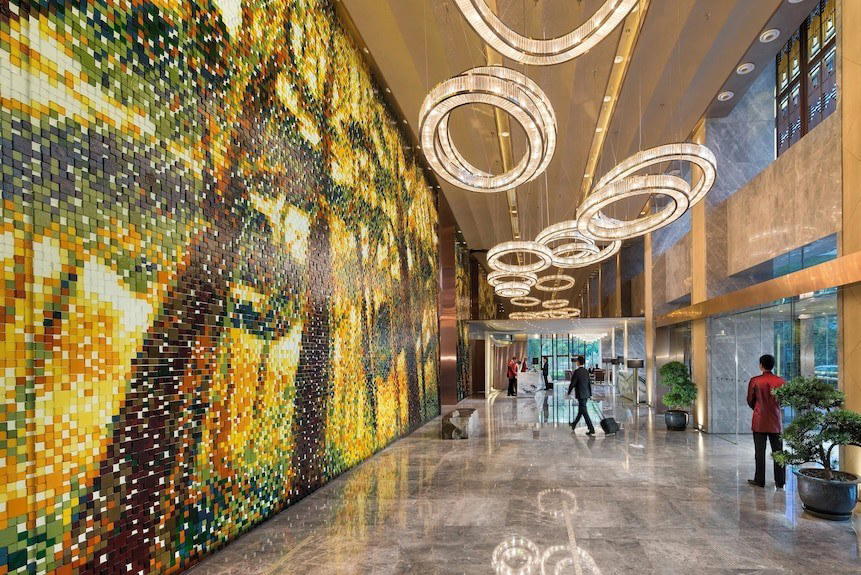
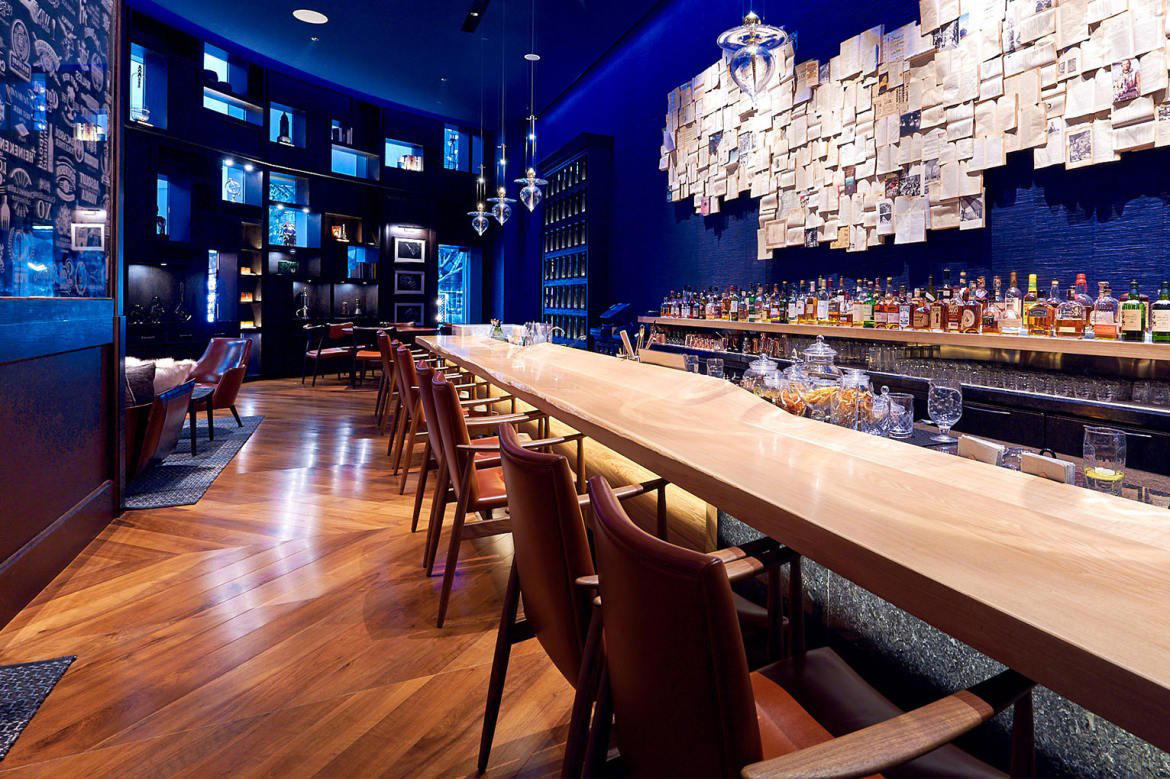
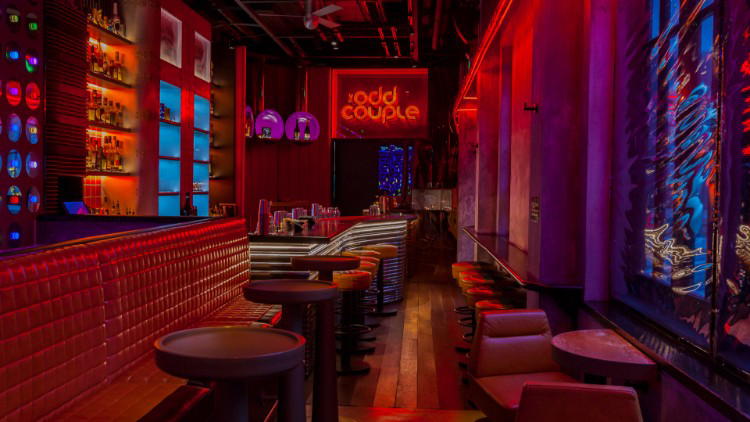
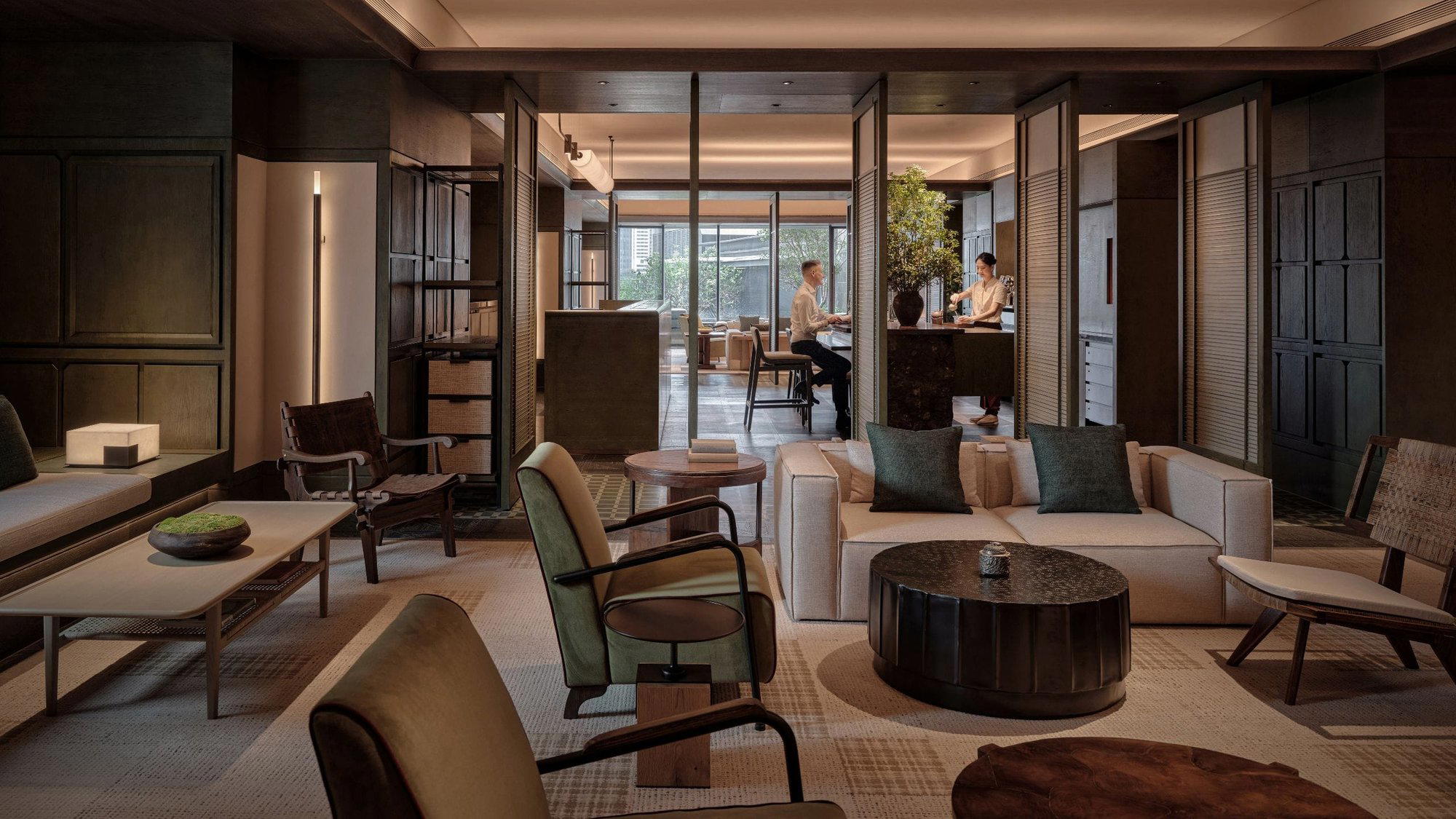
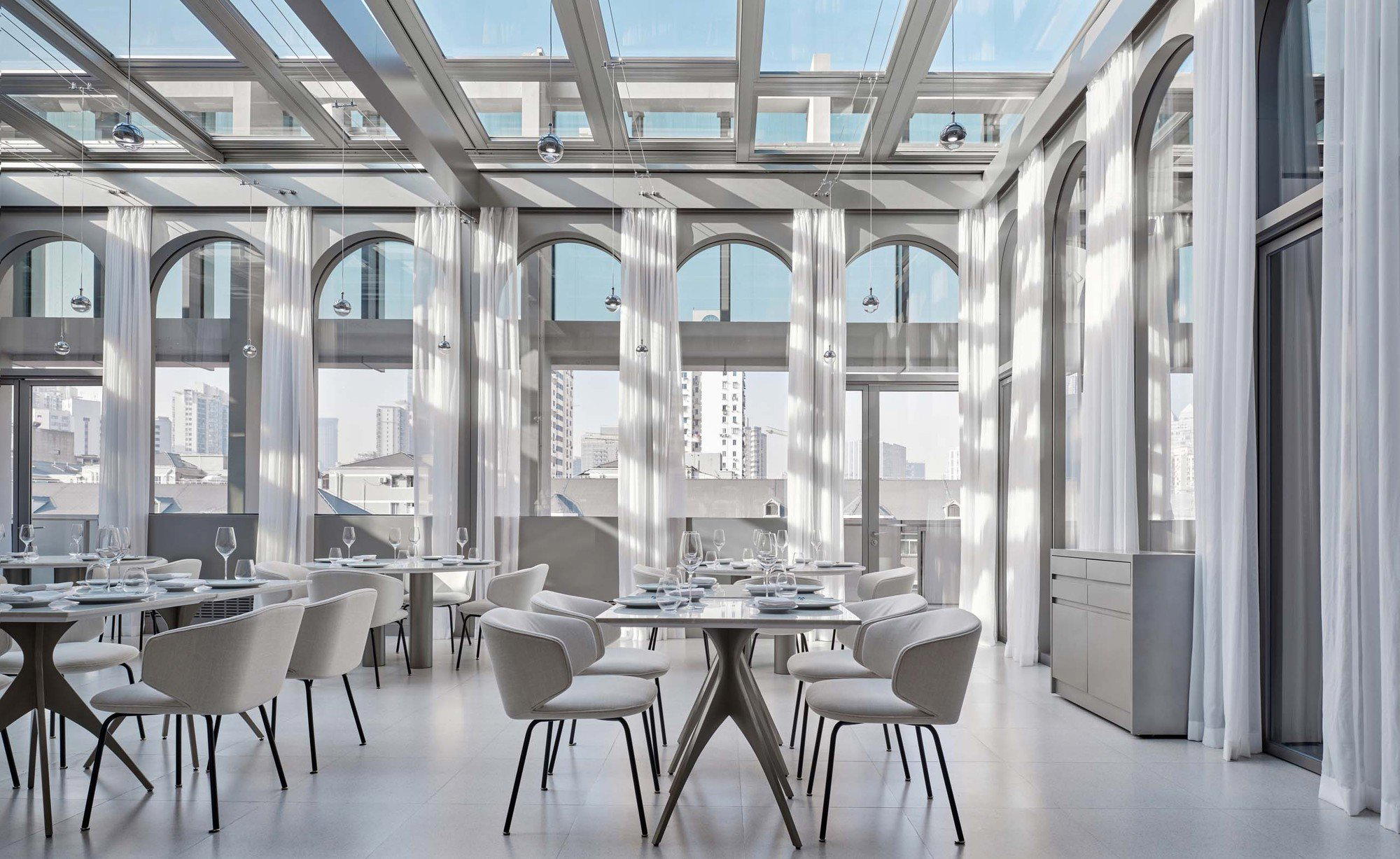
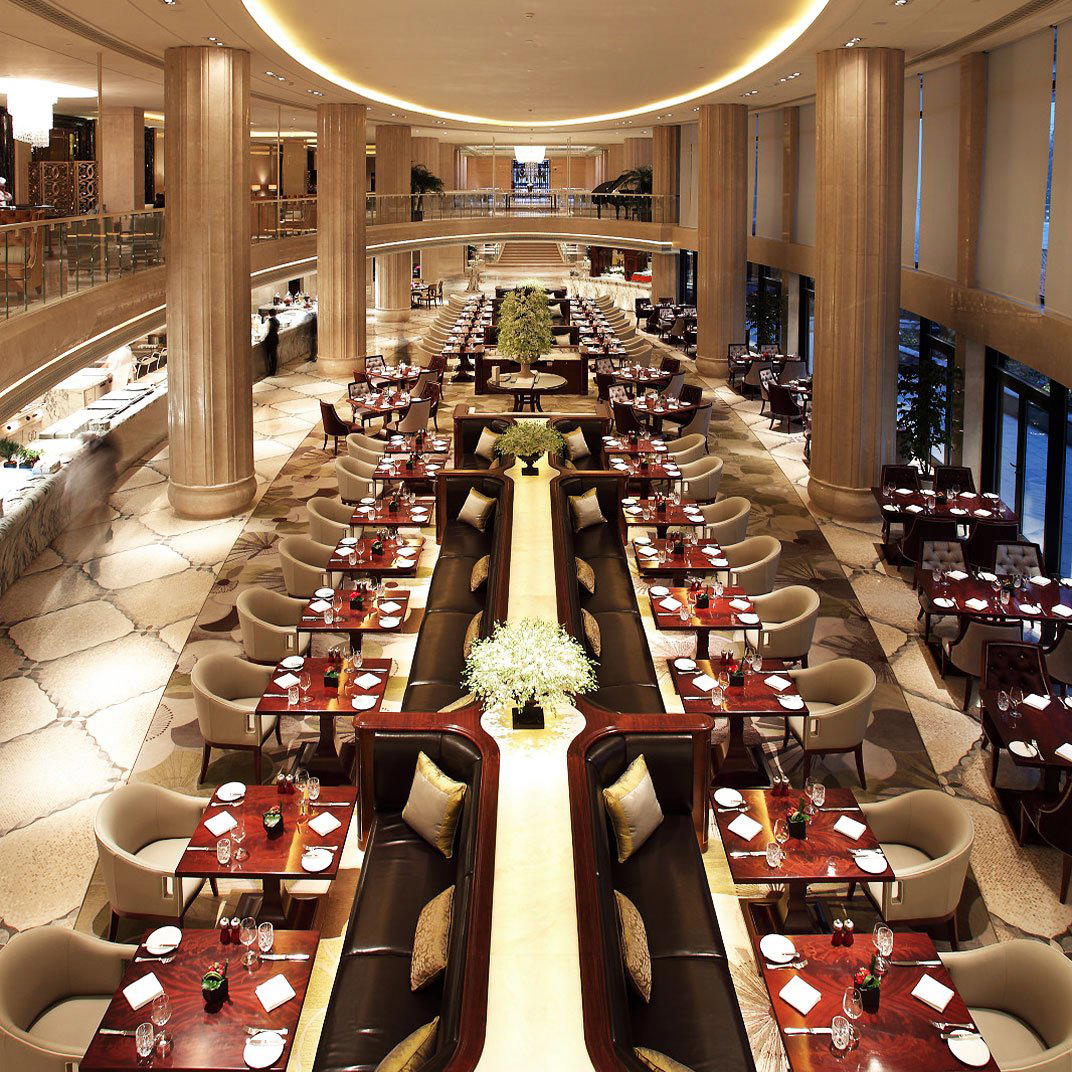
Elegant and ornate with modern sophistication, featuring plush bedding, soundproof rooms, dramatic atrium, and relaxing river views enhanced by plants throughout.