
A Michelin Selected hotel occupying a former Carmelite convent on Arles' central boulevard des Lices, Jules César sits where the city's Roman-era ambition meets its Provençal present. The building's cloister and historic bones set the architectural tone, while its boulevard-facing position places guests within walking distance of the Arles Amphitheatre and the Saturday market that defines the city's weekly rhythm.
Pearl is the En Primeur Club membership app — saves, bookings, and concierge access live there. Same editors, same standards.
- Address
- 9 Bd des Lices, 13200 Arles, France
- Phone
- +33 4 90 52 52 52
- Website
- mgallery.accor.com
- Directions
- Get directions
 Saves & bookings on Pearl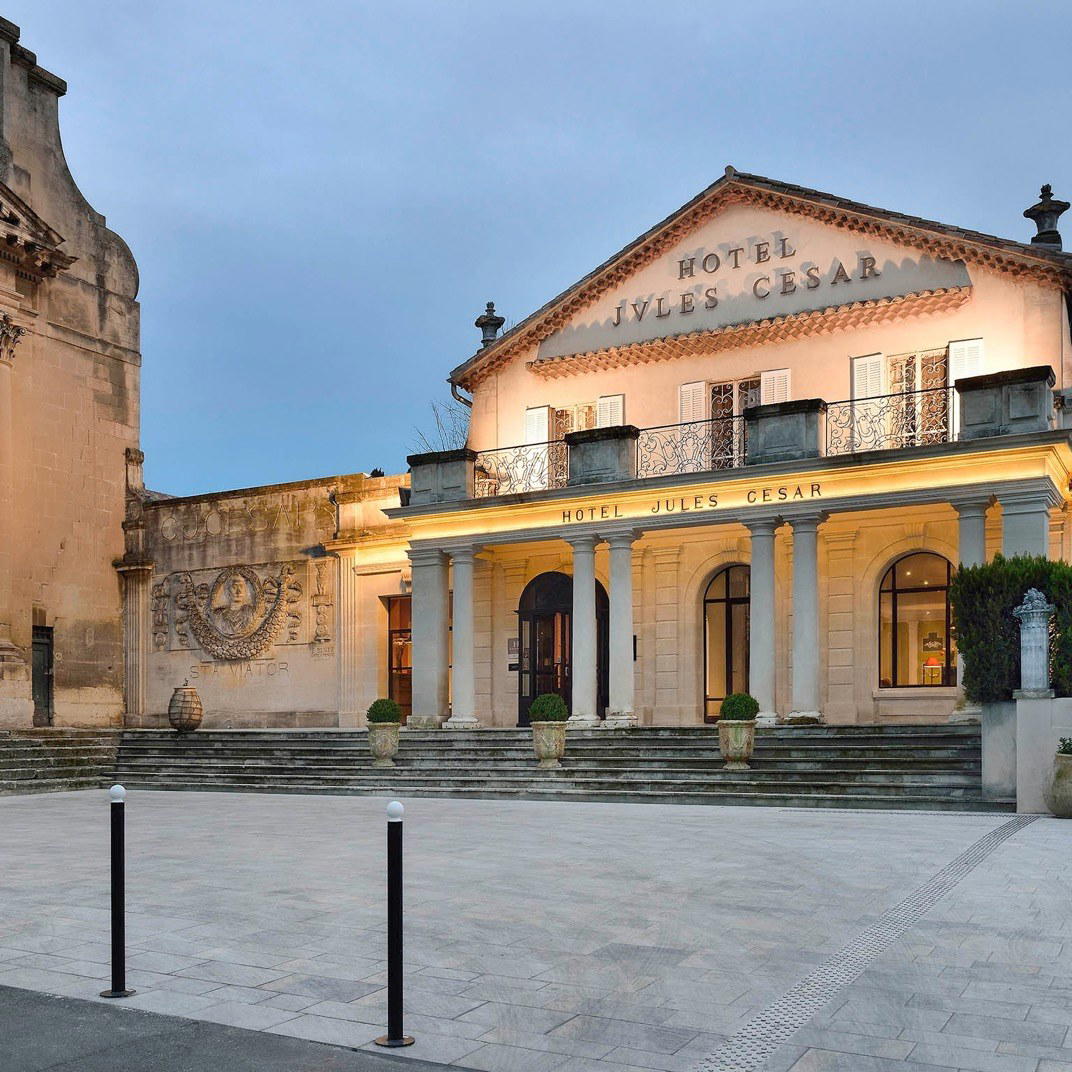
Boulevard des Lices and the Arles Hotel Tier
Arles organises its accommodation around a clear hierarchy. At the leading sit intimate maisons with single-digit room counts and design-forward interiors, properties like L'Hôtel Particulier and Maison Volver, which trade on discretion and curatorial precision. Further into the Camargue hinterland, Mas de Peint offers a working-farm register entirely removed from the city. Jules César occupies a different position in that map: a five-star hotel in Arles at 9 Bd des Lices, with 52 rooms and a Michelin Selected distinction for 2025.
That Michelin Selected status matters as a framing device. The guide's hotel selection skews toward properties where the quality of hospitality and physical environment both clear a threshold, not merely one or the other. For Arles, a city that punches well above its size in cultural programming, particularly around the Rencontres de la Photographie each July, the pool of Michelin-recognised accommodation is small. Jules César holds a defined position within it.
A Convent Built for Contemplation, Repurposed for Hospitality
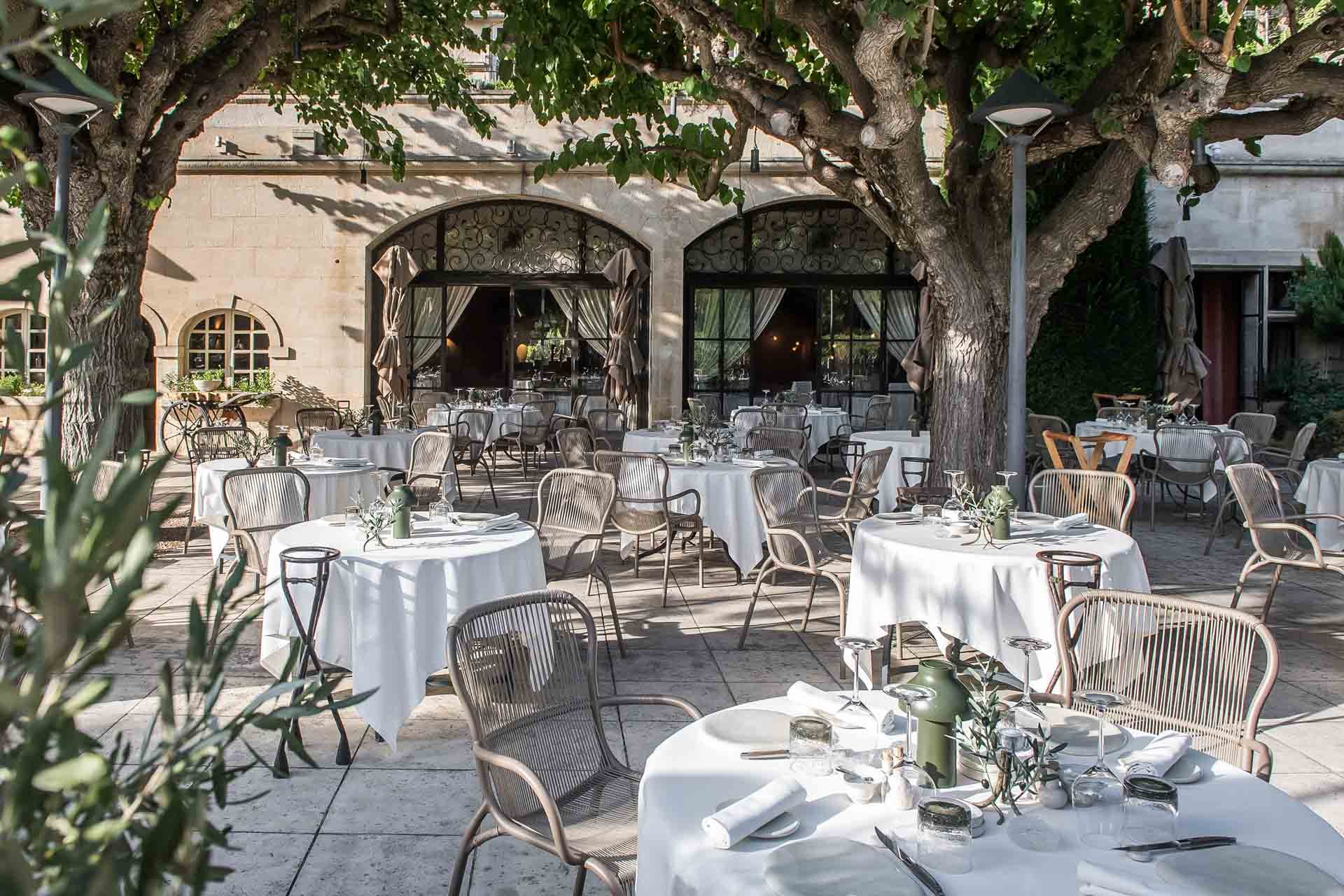
The building's provenance shapes every aspect of the guest experience before a room key changes hands. Jules César occupies a former Carmelite convent on boulevard des Lices, and the architecture communicates that lineage without apology. Convent structures in southern France typically organise themselves around a cloister: a colonnaded courtyard designed for silence and internal focus. That spatial logic, which once served religious contemplation, translates into hospitality with surprising ease. The cloister becomes a shielded outdoor space where the noise of the boulevard is absorbed by stone walls rather than acoustic panels.
The address itself, 9 boulevard des Lices, is among the more legible in Arles. The boulevard runs along the line of the ancient Roman ramparts and hosts the Saturday market that locals and visitors treat as a near-obligatory weekly ritual. Staying on the boulevard means the market arrives at the door rather than requiring navigation. The Roman Amphitheatre, one of the two Arles monuments with UNESCO World Heritage status, is reachable on foot. This level of access is not incidental; for a city where the historic core is compact but the cultural draw is significant, physical position is a genuine differentiator.
Service Architecture in a Heritage Property
Properties operating in historic structures face a specific service challenge. The architecture dictates certain constraints: ceiling heights, corridor configurations, and room proportions are fixed by century-old decisions rather than contemporary hospitality briefs. The guest experience at a convent conversion therefore depends heavily on how staff interpret and work within those constraints rather than on amenities alone.
In Arles specifically, that challenge is compounded by seasonality. The city shifts register several times across the calendar year. The Rencontres photography festival in July brings a sophisticated, culturally literate audience. The Feria d'Arles in late April and early September draws a different crowd entirely, one oriented around the corrida and its associated rituals. A hotel on boulevard des Lices is positioned at the centre of both registers, and the service culture required to handle both without visible strain is a substantive operational achievement. The Michelin Selected designation signals that Jules César has, at minimum, cleared that bar.
The guest experience at properties of this type tends to be shaped by anticipatory logistics rather than reactive service. Guests arriving for the photography festival have different orientation needs than those arriving for the Feria, and a well-run front desk recognises the difference without prompting. Boulevard des Lices is also the departure point for the Saturday market, meaning any front-of-house team worth the designation knows the market's layout well enough to offer a useful steer on stalls rather than a generic suggestion to walk north.
How Jules César Sits Against France's Broader Michelin Hotel Map
Across France, Michelin's hotel selection spans properties at different scales and price registers. In Paris, Le Bristol Paris represents the palace tier; on the Côte d'Azur, Hotel Du Cap-Eden-Roc and The Maybourne Riviera operate at the high end of resort luxury. In Provence specifically, the comparison set for the hotel includes properties like La Bastide de Gordes and Villa La Coste, both of which emphasise design and landscape in ways that reflect a specifically contemporary Provençal luxury grammar. The hotel's register is different: it is rooted in urban Arles, in the boulevard culture and the Roman street grid, rather than in Luberon hilltops or vineyard settings.
Further afield, the Michelin hotel network in France includes properties like Royal Champagne Hotel & Spa in Champagne country, Domaine Les Crayères in Reims, and Les Sources de Caudalie near Bordeaux, each of which anchors its identity in a wine region's specific terroir. The hotel's anchor is different in kind: it is a city hotel in a city defined by archaeology, photography, and the corrida, and the guest experience reflects those reference points rather than vineyard adjacency.
For a broader picture of where the hotel fits within Arles' accommodation and dining options, the full Arles guide maps the city across categories and price points.
Planning a Stay: Timing and Orientation
The Rencontres de la Photographie runs from early July through late September, with the main programme opening in the first week of July. Rooms on boulevard des Lices book out during the festival opening week, historically one attended period, so advance booking of several months is advisable for that window. The Feria d'Arles in late April is a shorter, more concentrated event but has a comparable effect on central Arles availability. Outside those periods, Arles in spring (March through May) and early autumn (September through October) offers the leading combination of manageable temperatures and open cultural programming, with the Saturday market running year-round regardless of season.
The hotel's position on boulevard des Lices means the Saturday market is outside; the amphitheatre is within a short walk; and the Musée Départemental Arles Antique is accessible on foot. For guests routing through Provence more broadly, properties like Baumanière Les Baux-de-Provence in Les Baux and Hôtel & Spa du Castellet represent logical extensions of a circuit that takes in the Alpilles before continuing toward the coast.
Category Peers
Comparable venues nearby, for context on price, style, and recognition.
| Venue | Cuisine | Price | Awards | Notes |
|---|---|---|---|---|
| Jules CésarThis venue — the venue you are viewing | Former Carmelite convent renovated into a luxury historic hotel with cloistered gardens and pool. | $$$$ | 5-Star | Not listed |
| Mas de Peint | Restored 17th-18th century Provençal farmhouse on a working Camargue ranch | $$$$ | 5-Star | Camargue |
| L'Hôtel Particulier | Elegant townhouse in a restored 18th-century private mansion blending contemporary and traditional wings. | $$$$ | 5-Star | historic center |
| Maison Volver | Bohemian boutique hotel with eclectic, vintage-inspired design and intimate atmosphere emphasizing authenticity and personal touch. | $$$ | 4-Star | Cavalerie |
| Villa-des-Prés | Contemporary Parisian luxury boutique hotel housed in a post-Haussmann 1911 apartment building, designed as a private mansion with character and discretion. | $$$$ | 5-Star | Saint-Germain-des-Prés |
| L’Aventure Hotel | Discrete five-star boutique hideaway in a Haussmann building, conceived as an extension of a chic restaurant and private club for Parisian nights. | $$$$ | 5-Star | 16th arrondissement |
Recognition history
Dated appearances from independent guides and award organizations, with the underlying list record or original source where available.
Michelin Selected
Michelin
Continue exploring
More in Arles
Hotels in Arles
Browse all →
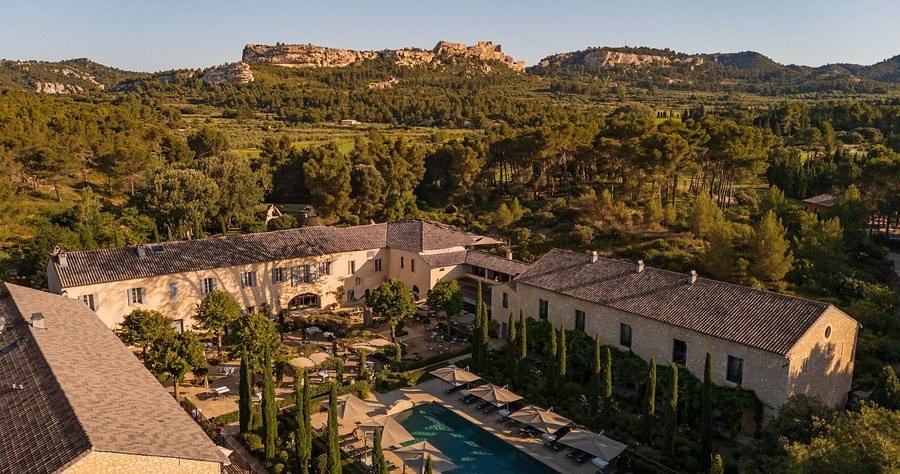
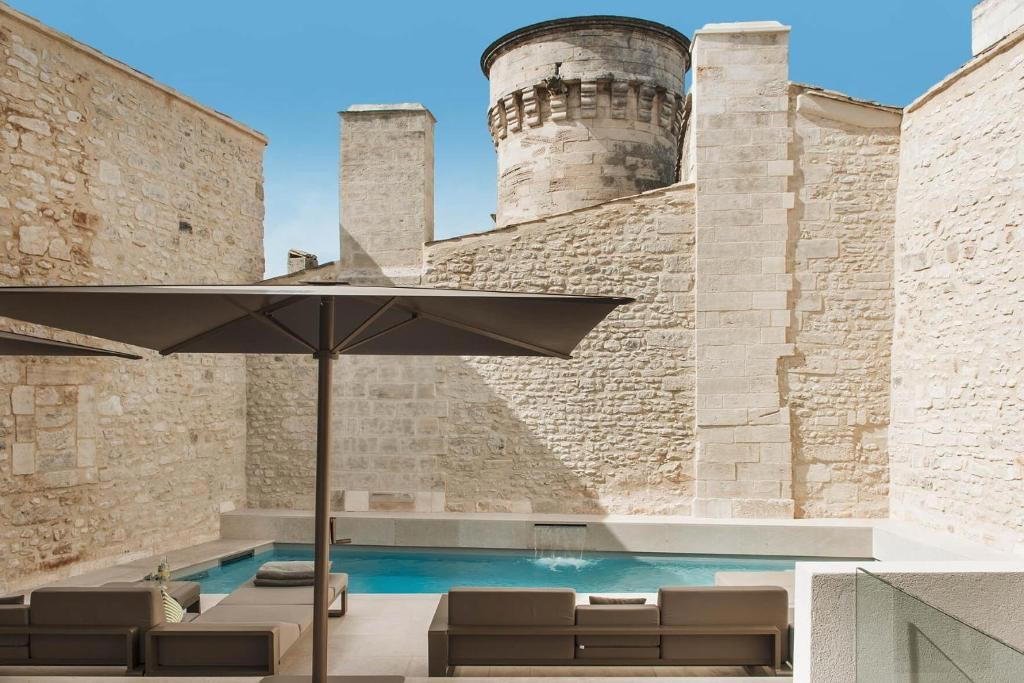
Bars in Arles
Browse all →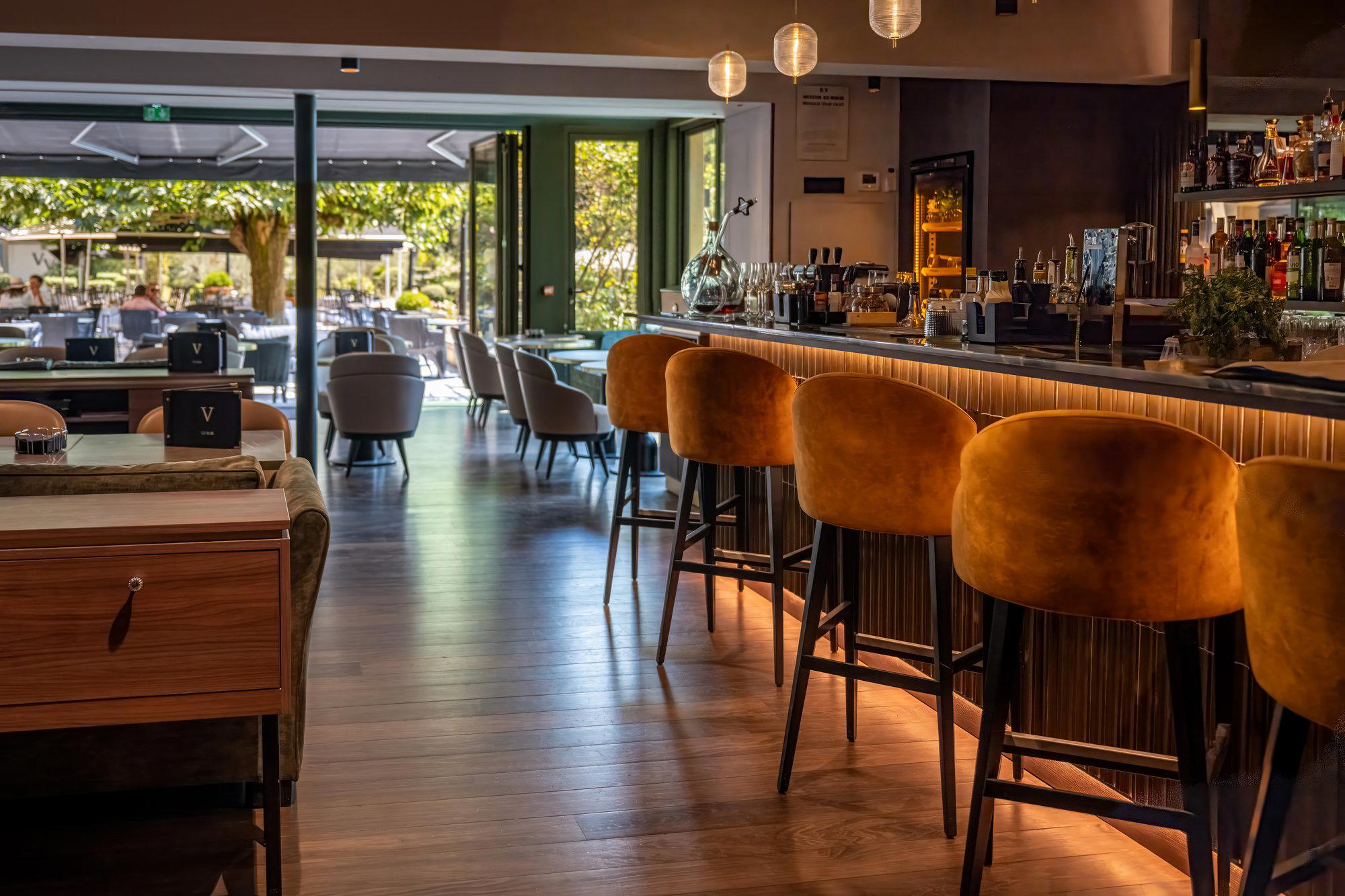
Restaurants in Arles
Browse all →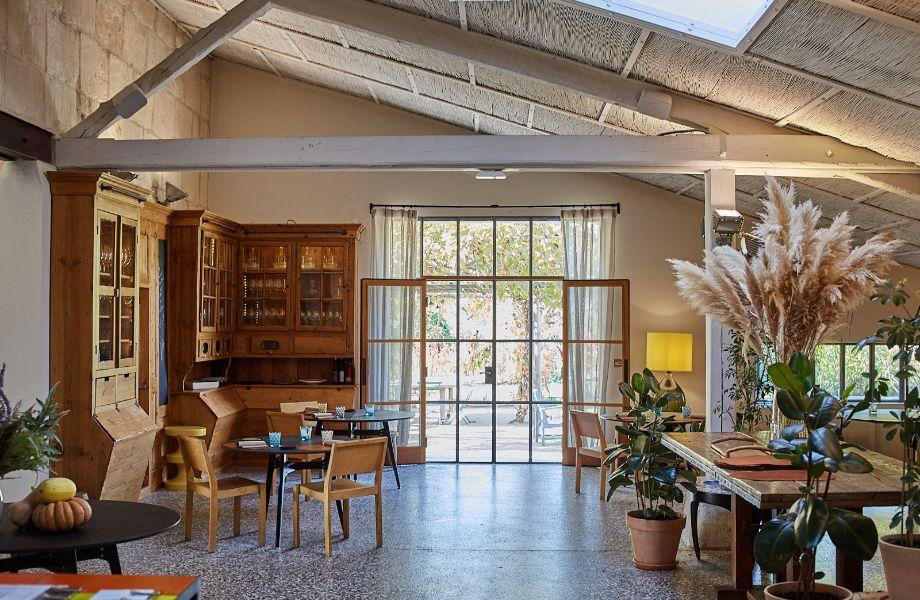
At a Glance
- Elegant
- Sophisticated
- Romantic
- Classic
- Scenic
- Romantic Getaway
- Anniversary
- Weekend Escape
- Historic Building
- Garden
- Terrace
- Wi Fi
- Pool
- Spa
- Fitness Center
- Elevator
- Air Conditioning
- Garden
- Wi Fi
- Pool
- Spa
- Fitness Center
- Elevator
- Air Conditioning
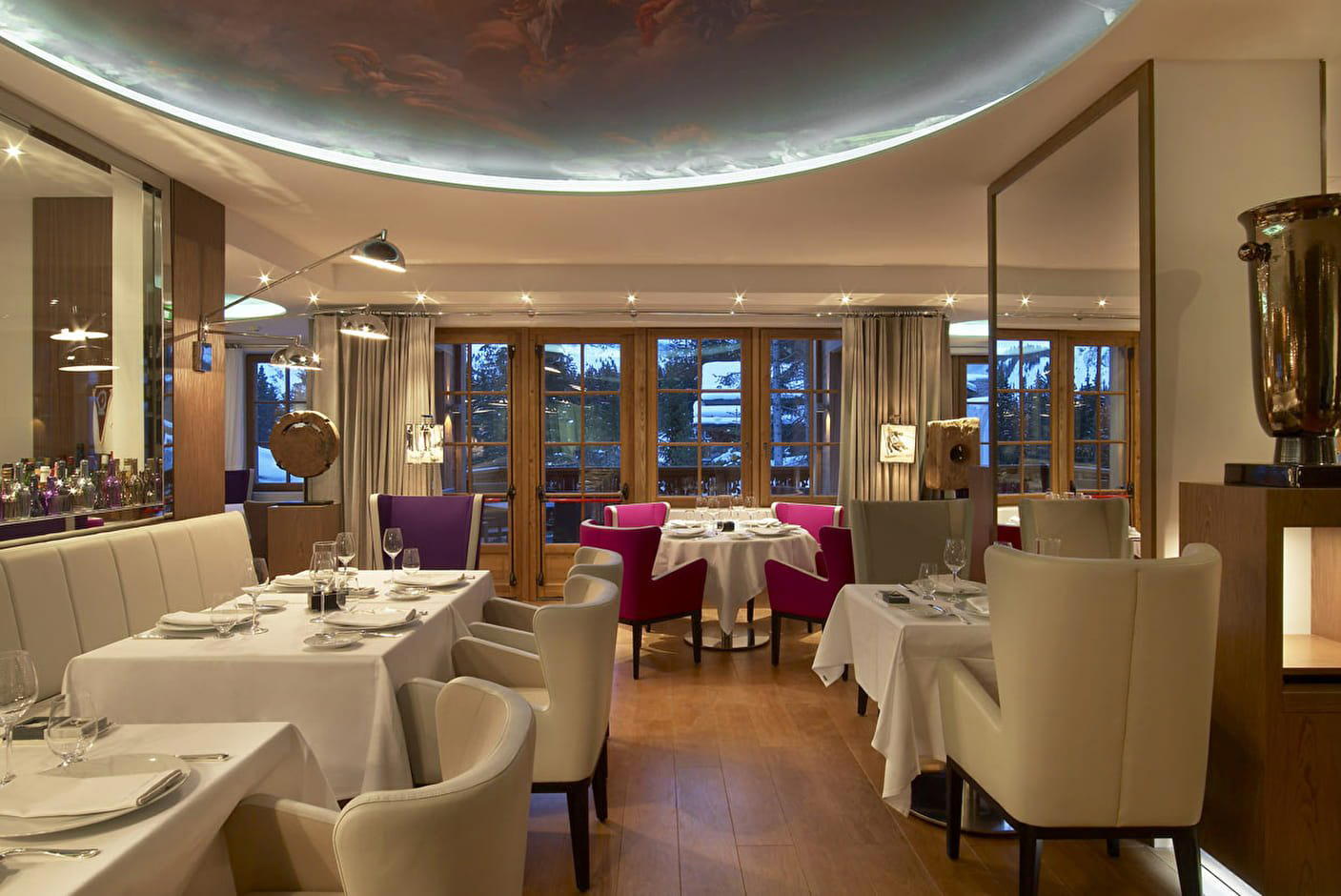
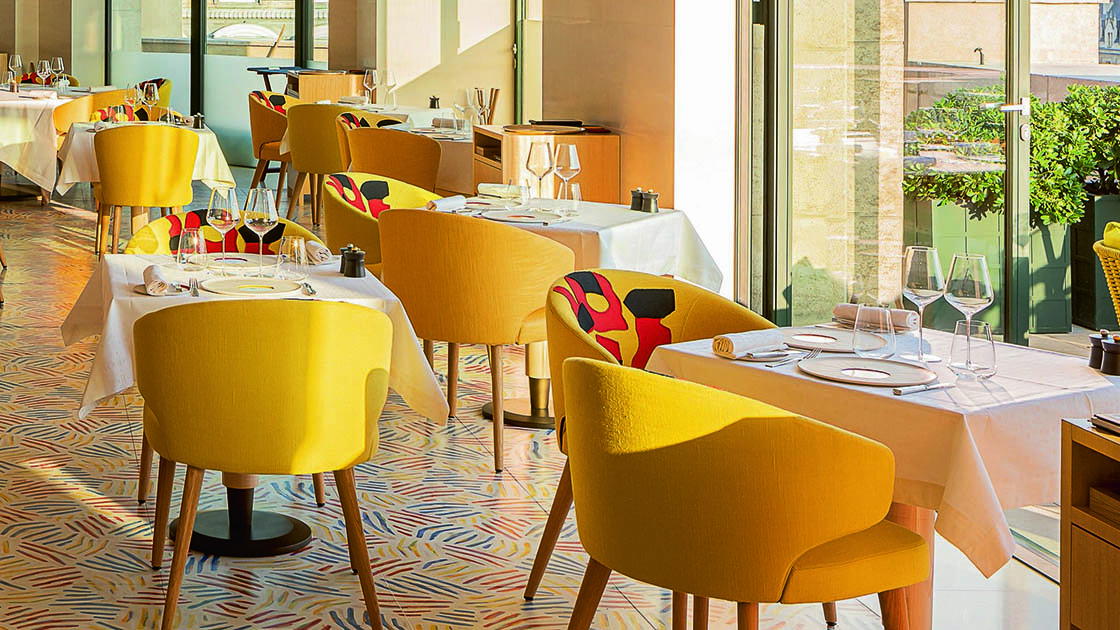
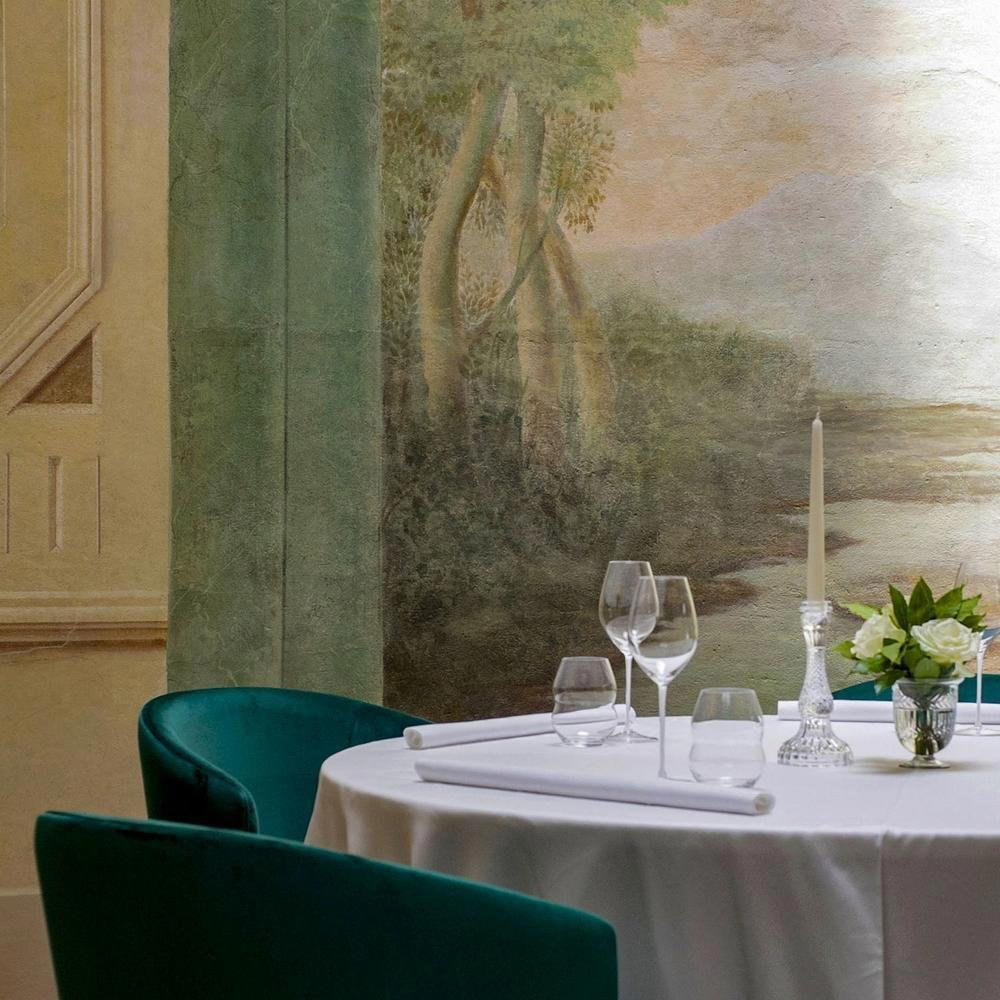
Serene monastic calm infused with Christian Lacroix's flamboyant, colorful Provençal motifs and contemporary art, creating a poetic and sophisticated historic atmosphere.