L’Aventure Hotel belongs to the harder-to-read side of Paris hospitality: a named address with little public-facing detail in the available record. That absence matters. In a city where palace hotels publish every restaurant, spa, suite category, and award, the sensible editorial approach is to treat L’Aventure Hotel as a Paris stay that needs direct verification before it is compared with the city’s documented luxury tier.
Pearl is the En Primeur Club membership app — saves, bookings, and concierge access live there. Same editors, same standards.
- Address
- 4 Av. Victor Hugo, 75116 Paris, France
- Website
- laventurehotel.com
 Saves & bookings on Pearl
The room, before the reputation
Paris hotel judgment often begins before the room key: the street frontage, the scale of the lobby, the rhythm of check-in, the question of whether the property behaves like a grand hotel or a private address. That makes the room experience the right starting point, but also the point at which a responsible critic has to slow down. Bedding, bathroom layout, acoustic control, lighting, storage, in-room technology, breakfast format, and staff ratio cannot be inferred from a Paris postcode or a name. They need to be confirmed directly with the hotel or through a current booking channel.
That caution is the central editorial fact. Paris is a city where hotel language can outrun the stay itself. A property can sound intimate, residential, design-led, or quietly expensive while saying little about the parts that shape the overnight: mattress quality, blackout, water pressure, lift speed, climate control, and whether the room works when two people unpack for four nights.
Where L'Aventure Hotel fits in Paris hospitality
Paris luxury has split into several clear tribes. There are palace hotels with formal service ecosystems, multiple restaurants, spas, chauffeurs, florists, and visible awards architecture. There are fashion-adjacent boutique hotels built around room design and neighborhood life. There are apartment-style stays aimed at longer visits, where privacy matters more than lobby theatre. There are also small independent hotels that can be rewarding precisely because they do not try to compete with the grand addresses on scale.
L’Aventure Hotel cannot be assigned to one of those tribes from the record alone. That matters because the city’s comparable set is not gentle. Cheval Blanc Paris operates in the department-store-meets-Seine luxury lane; Hotel Plaza Athénée carries Avenue Montaigne glamour; La Réserve Paris speaks to the private-mansion model; Le Bristol Paris belongs to the grand-service tradition; and Hôtel de Crillon sits within the Place de la Concorde axis of formal Paris. Those properties publish enough detail for comparison.
The Paris room test
The Paris room test is harsher than it looks. Many visitors spend fewer waking hours in the hotel than in other cities, yet the room has to recover the body from long walks, late dinners, museum queues, and cross-town taxis. A good Paris room is not simply pretty. It solves small frictions: where luggage goes, whether the bathroom door gives enough privacy, whether the shower floods the floor, whether the bedside socket is placed for modern travel, whether curtains close properly against streetlight, and whether the air system responds without turning the room into a machine hum.
Those details are not available for L’Aventure Hotel, so they become the questions to ask before committing. If the hotel provides room categories, compare them by floor level, window type, bathroom configuration, and bed size rather than by decorative adjectives. If photographs are limited, request current room images. If the stay is for work, confirm desk depth, chair type, and Wi-Fi arrangements. If the stay is romantic, ask about bathroom privacy and lighting. If the stay is with luggage after a shopping-heavy itinerary, storage matters more than a larger-looking room with no drawers.
What the missing details tell the reader
Hotel criticism is often built from evidence. Awards, star ratings, price bands, room counts, neighborhood identifiers, and booking policies are not trivia; they help define risk. A palace classification signals a service floor and amenity expectation. A published room count indicates whether the stay is likely to feel intimate or operationally large. A clear price range places the hotel against peers. Michelin hotel keys, Forbes Travel Guide ratings, and other recognized awards can sharpen expectations when they are present. For L’Aventure Hotel, those signals are not published in the record.
The practical reading is simple: treat the property as unclassified until details are confirmed. That does not make it weak; it means the usual shortcuts are unavailable. Paris has many hotels whose value lies outside international rankings, but those are judged through different evidence: repeat local use, neighborhood credibility, renovation recency, room photographs, direct communication, and transparent cancellation terms. In the absence of published data, the reader has to become more forensic.
Against the palace benchmark
The palace benchmark is useful because it clarifies what L’Aventure Hotel should not be assumed to offer. Four Seasons George V and Le Meurice are not just places to sleep; they are full hospitality machines with restaurant programs, concierge depth, and reputations that precede the booking. Airelles Château de Versailles - Le Grand Contrôle extends that logic outside central Paris by turning the stay into a controlled heritage experience.
L’Aventure Hotel should be read differently unless verified otherwise. A smaller or less documented Paris hotel can work well for travelers who care more about the room and the neighborhood than ceremony. But if the trip depends on spa infrastructure, multiple dining options, suite-level service, or concierge intervention around difficult restaurant bookings, the absence of those details should push the traveler toward direct confirmation or toward a more documented address in Our full Paris hotels guide.
Paris, beyond the hotel room
In Paris, the hotel room is only one part of the stay architecture. Dining, bars, private visits, retail, and gallery time often determine the day. A hotel without a documented restaurant can still be a smart base if it sits within reach of the right neighborhood circuit. That missing address limits the ability to say whether it suits the Right Bank shopping run, the Left Bank museum day, the Marais gallery loop, or a quieter residential itinerary.
Travelers building the trip around reservations should treat the hotel and the dining plan together. Paris restaurant demand is uneven: some rooms reward early planning, others are easier at lunch, and hotel concierges vary in their useful reach. The better starting point is Our full Paris restaurants guide, then align the hotel choice with actual booking times and cross-city movement. The same logic applies after dinner. Cocktail-focused itineraries should use Our full Paris bars guide, while cultural programming belongs alongside Our full Paris experiences guide. Wine-led travelers can also scan Our full Paris wineries guide, though Paris wine travel usually means bars, cellars, and day trips rather than vineyard proximity.
How to read the booking risk
That should shape behavior. Do not assume walk-in availability. Do not assume a lobby open to non-guests. Do not assume restaurant access, luggage storage, early check-in, late check-out, airport transfer help, or room service. Each of those can change the value of a Paris stay, especially for flights arriving early from North America or trains arriving late from other parts of France.
The booking conversation should be direct and practical. Ask for the exact room category, bed configuration, bathroom type, lift access, air-conditioning status, current renovation status, cancellation terms, city tax handling, check-in and check-out times, luggage policy, and payment conditions. If the hotel supplies a floor plan or current room images, use them. If it cannot answer clearly, that becomes part of the evaluation. Paris has enough well-documented alternatives that opacity should not be romanticized.
Choosing a room when the room data is absent
Safest room choice at an under-documented Paris hotel is rarely the entry category. Compact rooms are common across the city, and older building stock can create awkward shapes. Without specific floor plans for L’Aventure Hotel, the sensible instruction is to choose by function. For sleep quality, ask for a quieter orientation and confirm blackout. For two travelers, prioritize a larger bed and separate luggage space over decorative upgrades. For longer stays, bathroom privacy and storage matter more than a view. For summer, confirm air conditioning in the exact booked room category, not as a general hotel feature.
If the hotel offers multiple categories, the middle tier often carries the better risk balance in Paris: more space than the lead-in room without the pricing jump attached to suites. That is a general city pattern, not a venue-specific claim. The right room at the hotel is the one whose details are confirmed in writing. A name alone is not enough evidence for a city where two rooms in the same building can feel like different hotels.
Who should consider it
The hotel suits the traveler comfortable with verification. That includes repeat Paris visitors who already know how they spend their days, travelers who do not need a palace-style service web, and guests willing to judge a property by current room evidence rather than brand mythology. It is less suitable for first-time visitors who want every logistical layer handled by a deeply resourced concierge desk, or for trips where the hotel itself is meant to carry the occasion.
For a broader French comparison, the country’s luxury hotel scene shows how different room experiences can be. Hotel Du Cap-Eden-Roc in Cap d'Antibes is tied to Riviera resort ritual; The Maybourne Riviera in Roquebrune-Cap-Martin trades on vertical sea-facing architecture; La Bastide de Gordes in Gordes belongs to the hill-village hotel tradition; and Royal Champagne Hotel & Spa in Champillon serves a wine-region itinerary. Paris is different: the room must hold its own against the city rather than against a resort setting.
France and nearby luxury as context
Looking beyond Paris helps separate service scale from sense of place. Domaine Les Crayères in Reims reflects a Champagne-house style of hospitality, while La Réserve Ramatuelle - Hôtel, Spa and Villas in Ramatuelle belongs to the coastal retreat category. Villa La Coste in Le Puy-Sainte-Réparade links hospitality to art and wine-country space; Hôtel & Spa du Castellet in Le Castellet reads through the resort-and-spa lens; Four Seasons Megeve in Megève is shaped by alpine seasonality.
Those comparisons matter because the hotel has not supplied the markers that would allow a tighter peer placement. Internationally, The Fifth Avenue Hotel in New York City, Hôtel de Paris Monte-Carlo in Monte Carlo, and Badrutt's Palace Hotel in St. Moritz each sit in markets where the hotel is part of the destination’s social grammar. Paris has that grammar too, but it is unforgiving. A hotel either documents its place within it, or the traveler has to ask harder questions.
Planning notes
Plan the hotel as a Paris stay that requires verification before you commit. Confirm the booking source, cancellation terms, exact room category, bedding, bathroom setup, climate control, luggage handling, and arrival procedure. If arriving early, ask what happens before check-in. If leaving late, ask whether luggage storage is available. If the trip depends on restaurant access, confirm whether the property has concierge support or whether reservations should be handled independently.
In Paris, that distinction protects the trip. A beautifully named hotel is not the same as a documented room experience, and the room is where the stay is won or lost.
Questions travelers ask
How would you describe the overall feel of L’Aventure Hotel?
Based on the available record, the overall feel cannot be responsibly described beyond its Paris location. If the hotel has awards, a price tier, or a defined style, those details are not present here. Treat it as an address requiring direct confirmation rather than as a known palace, boutique, or design-hotel category.
What should L’Aventure Hotel be compared with?
Compare it first with documented Paris hotels in the same intended price range once that price is confirmed. Until then, use the city’s major reference points, from palace hotels to smaller neighborhood properties, as context rather than direct peers.
What's the defining thing about L’Aventure Hotel?
The defining thing in the current record is the lack of public detail. That makes verification part of the stay decision. In Paris, where price, room size, service depth, and neighborhood position vary sharply, missing information should be treated as material.
Can I walk in to L’Aventure Hotel?
Do not plan on walking in.
What room should I choose at L’Aventure Hotel?
Choose the room with confirmed evidence: bed size, bathroom configuration, quiet orientation, air conditioning, storage, and current photographs. If several categories are offered, avoid choosing by name alone; Paris room labels often reveal less than floor plans and measurements.
In Context
Comparable venues nearby, for context on price, style, and recognition.
| Venue | Price | Awards | Notes |
|---|---|---|---|
| L’Aventure HotelThis venue — the venue you are viewing | $$$$ | 5-Star | Not listed |
| Villa-des-Prés | $$$$ | 5-Star | Saint-Germain-des-Prés, Contemporary Parisian luxury boutique hotel housed in a post-Haussmann 1911 apartment building, designed as a private mansion with character and discretion. |
| Les Jardins du Faubourg | $$$$ | 5-Star | 8th arrondissement, Dual Haussmannian townhouse and contemporary building with luxurious gardens |
| Hôtel Paris Bastille Boutet - MGallery | $$$$ | 5-Star | Bastille, Renovated Haussmannian heritage property blending historic charm with modern luxury. |
| L'Hôtel | $$$$ | 5-Star | Saint-Germain-des-Prés, Historic boutique luxury hotel in Saint-Germain-des-Prés |
| La Maison Champs Élysées | $$$$ | 5-Star | Champs-Élysées, Luxury boutique design hotel with theatrical Martin Margiela interiors blending historical Haussmann architecture with contemporary artistic vision. |
Continue exploring
More in Paris
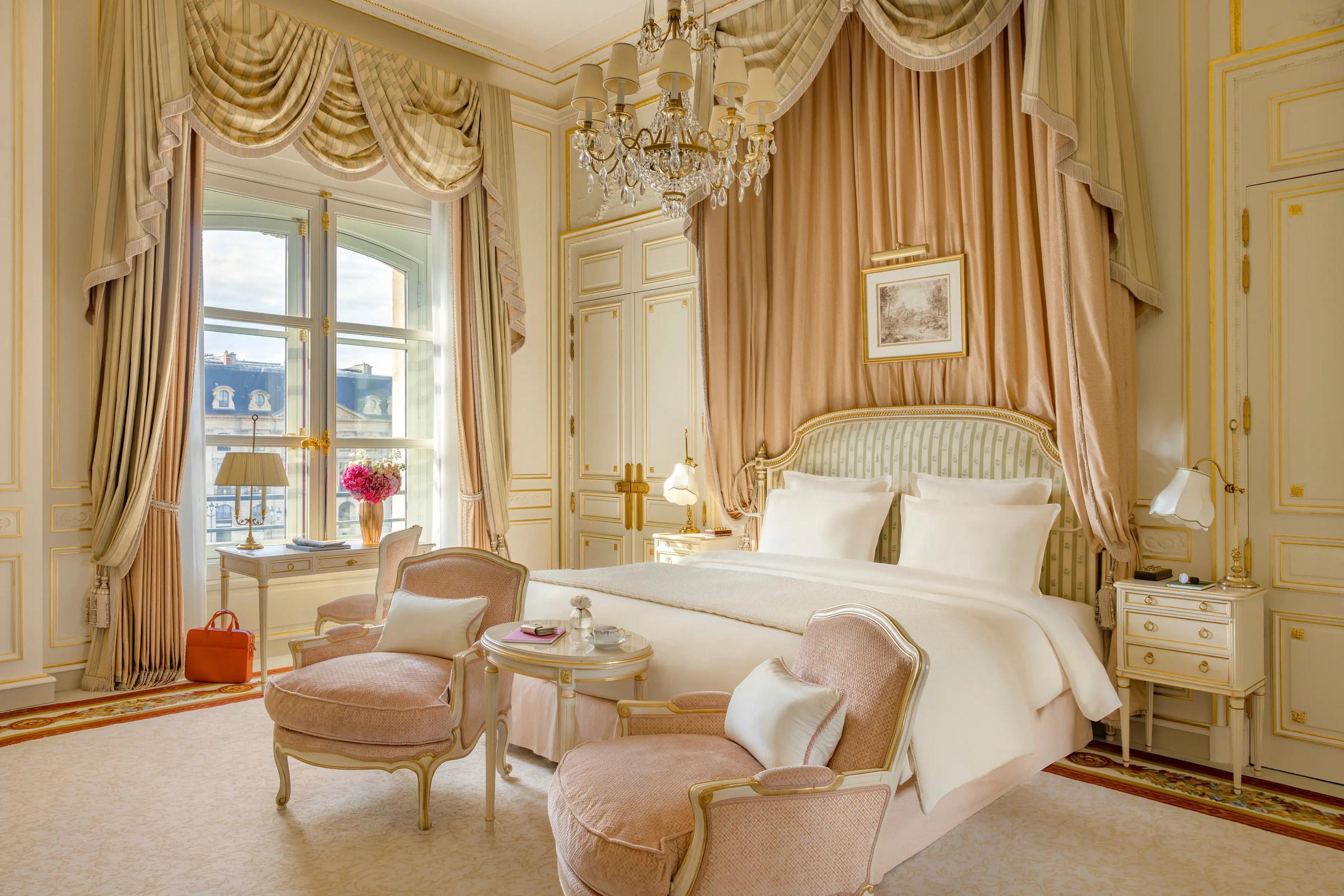
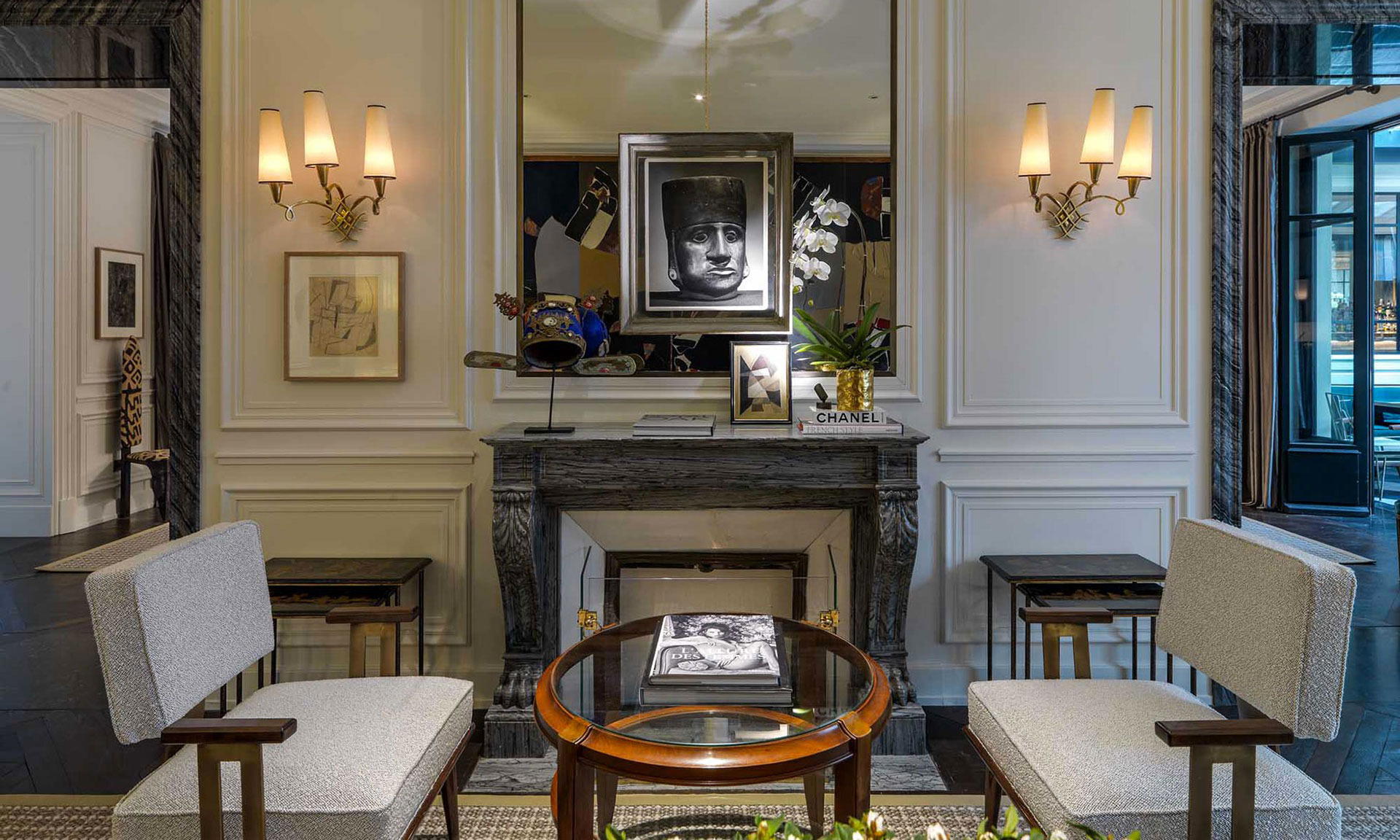
Hotels in Paris
Browse all →
Bars in Paris
Browse all →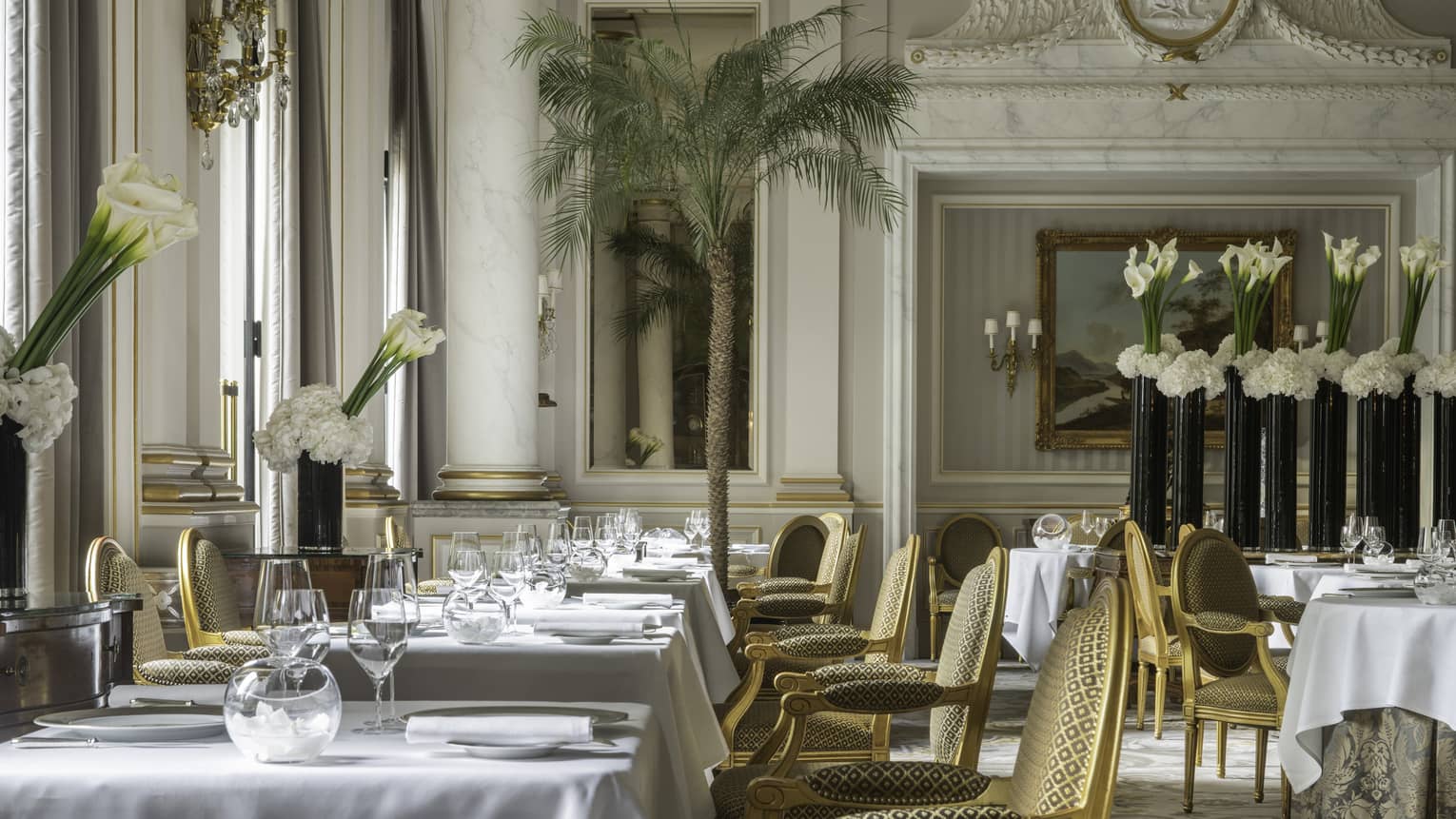
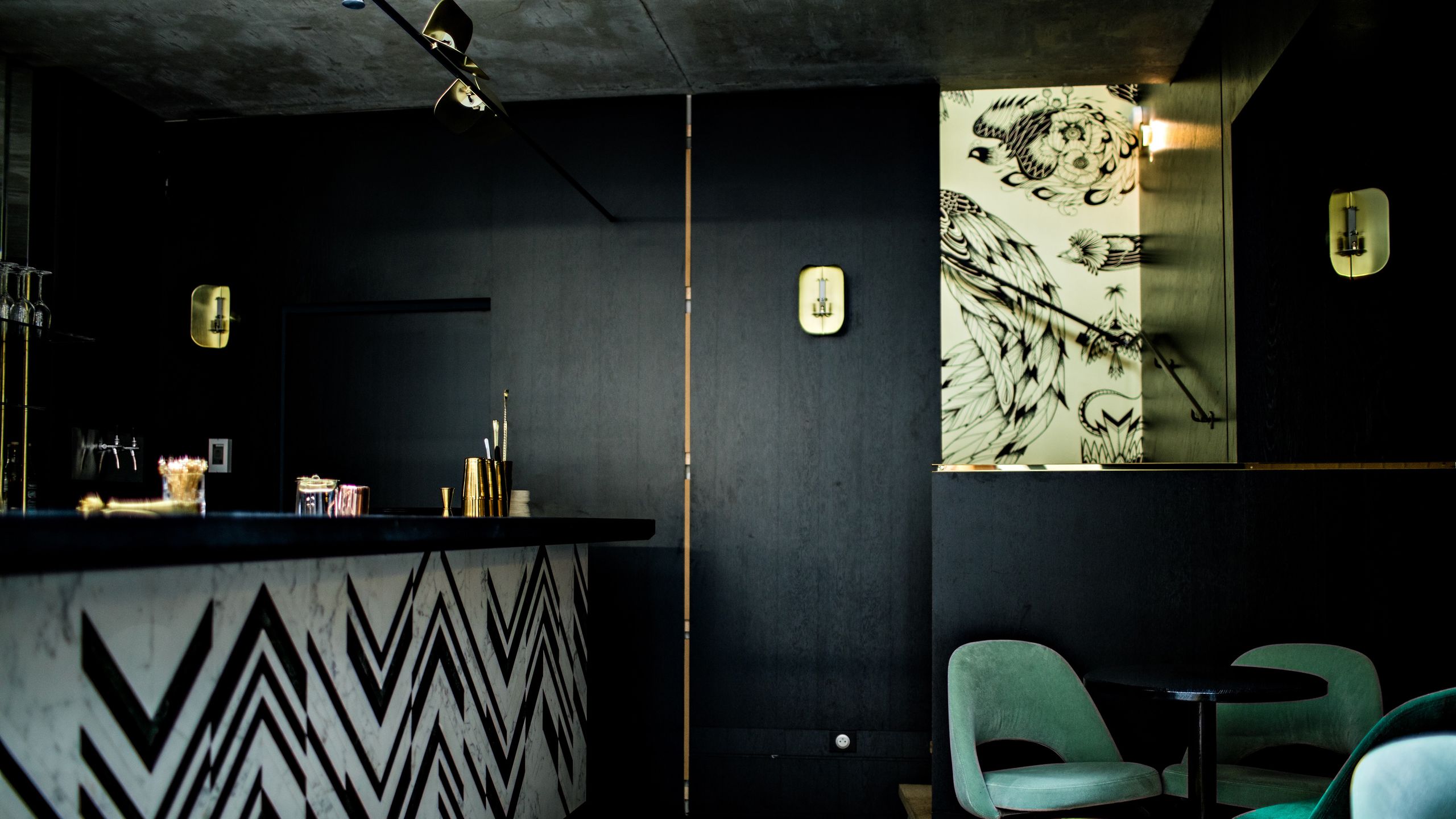
Restaurants in Paris
Browse all →


At a Glance
- Elegant
- Sophisticated
- Whimsical
- Romantic
- Intimate
- Well Known
- Romantic Getaway
- Honeymoon
- Weekend Escape
- Anniversary
- Celebration
- Historic Building
- Design Destination
- Panoramic View
- Terrace
- Private Dining
- Wi Fi
- Restaurant
- Bar
- Room Service
- Concierge
- Valet Parking
- Skyline
- Street Scene
- Wi Fi
- Restaurant
- Bar
- Room Service
- Concierge
- Valet Parking
Luxurious and theatrical with deep colors, Art Deco details and Haussmannian elegance; interiors feel like a glamorous Parisian nightlife club translated into a boutique hotel, balancing cozy, intimate rooms with lively, design-forward social spaces.