INNSiDE Tenerife Santa Cruz
INNSiDE Tenerife Santa Cruz pairs 83 rooms with a rooftop pool, terrace, and skyline and street-scene views in Santa Cruz de Tenerife.
Pearl is the En Primeur Club membership app — saves, bookings, and concierge access live there. Same editors, same standards.
- Address
- Santa Cruz de Tenerife, Spain
- Directions
- Get directions
 Saves & bookings on Pearl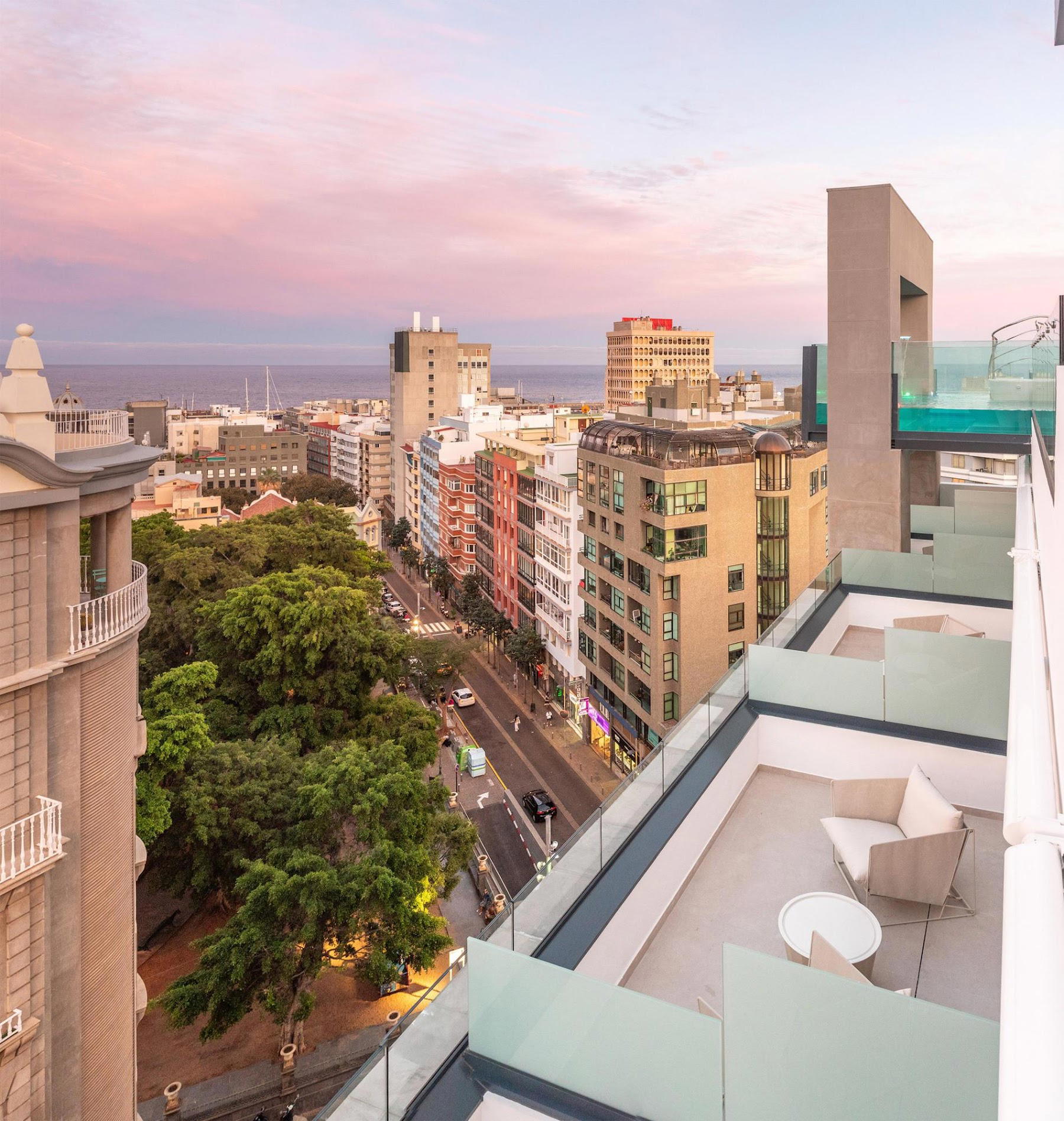
Santa Cruz, seen through a city-hotel lens
Approaching a hotel in Santa Cruz de Tenerife is a different act from arriving at a resort in the south of the island. The capital has tramlines, office traffic, port infrastructure, shopping streets, civic squares, and the Atlantic close enough to shape the light without turning every stay into a beach narrative. INNSiDE Tenerife Santa Cruz is a 4-star hotel in Santa Cruz de Tenerife with 83 rooms and a recommended reservation policy. It suits travellers using the city as a base for eating, walking, meetings, culture, and onward island movement.
Tenerife hospitality often gets flattened into a single resort image, but the island is split by geography and purpose. The south has the familiar leisure-hotel vocabulary of pools, sea-facing terraces, and fly-and-flop rhythms. Santa Cruz works differently. It is a working capital with Carnival scale, government buildings, theatres, markets, contemporary cultural venues, and a port that keeps the city oriented outward. A hotel here is judged less by escapist isolation than by how well it handles transitions: breakfast to appointment, museum to dinner, ferry to overnight, city heat to a calm room.
That frame is useful because the available details are limited. INNSiDE Tenerife Santa Cruz should be understood as part of Santa Cruz’s city-stay category, where architecture, circulation, light control, lobby energy, and neighbourhood access carry more weight than the resort checklist used elsewhere on the island.
Architecture and design in a Canarian capital
Santa Cruz architecture is not a single style. The city moves between neoclassical civic facades, mid-century apartment blocks, port-edge infrastructure, shaded plazas, contemporary cultural buildings, and the practical materials of a subtropical Atlantic capital. The design question for any hotel here is not whether it can imitate a country estate or a beach club. It is whether the building can absorb the city’s working pace while giving guests a clear interior reset.
That is where city hotels in island capitals differ from mainland grand hotels. In Madrid, a restored palace such as Mandarin Oriental Ritz, Madrid in Madrid draws power from ceremony, historic volume, and museum-district gravity. In Barcelona, Mandarin Oriental Barcelona in Barcelona operates inside a retail and design corridor where arrival is already part of the city’s fashion and dining circuit. Santa Cruz asks for a lighter hand: practical urban comfort, quick movement, and interiors that acknowledge the climate without turning every surface into a holiday cliché.
The design-led hotel conversation in Spain has widened far beyond capital-city palaces. Wine-country conversions such as Terra Dominicata in Escaladei, cellar-linked stays such as Torre del Marqués Hotel Spa & Winery in Sardoncillo, and monastery-scale hospitality at Abadía Retuerta LeDomaine in Teruel show one Spanish model: architecture as heritage rescue. Santa Cruz belongs to another model, where the stronger test is urban usability. Corridors, lobby acoustics, shade, lift flow, work surfaces, and the relationship between public and private zones become the design story.
That makes the INNSiDE format relevant in editorial terms even without detailed room data. The brand sits in a contemporary hotel category that usually aims at mobile, design-aware travellers rather than grand-hotel traditionalists. For Santa Cruz, that can be the right register. The city rewards guests who plan to leave the building often: for the market, the auditorium area, the old centre, restaurant reservations, ferry logistics, or drives toward the Anaga massif. A hotel that functions cleanly as an urban hinge can be more useful here than a property trying to reproduce the resort coast indoors.
How Santa Cruz differs from the resort side of Tenerife
The comparison within the island is not cosmetic. A stay in Santa Cruz de Tenerife usually prioritises city access and cultural timing, while a stay farther south often prioritises pools, beaches, and weather insurance. Travellers comparing INNSiDE Tenerife Santa Cruz with Barcelo Tenerife & Barceló Tenerife Royal Level or HOTEL SUITE VILLA MARIA are not choosing between interchangeable beds. They are choosing the rhythm of the trip.
Santa Cruz is a better fit when the itinerary includes restaurants, museums, shopping, business, Carnival season, or early movement around the island. The resort side is more persuasive when the day is meant to orbit a pool, terrace, and beach schedule. Neither model is inherently superior; the mistake is booking one while expecting the other. City hotels in Santa Cruz trade private seclusion for access, and that exchange should be made deliberately.
The practical benefit is concentration. A capital-city base puts more of the island’s civic life within reach, and it makes dining plans easier to vary across a short stay. The hotel decision sits inside that wider pattern: city first, then room.
Food, drink, and the value of staying central
The stronger point is that Santa Cruz is a sensible hotel base for travellers who prefer to let the city supply the dining. In a capital with local markets, Canarian cooking, Spanish urban dining habits, and port-city movement, the restaurant map matters as much as the room category.
Canarian food is shaped by island agriculture, Atlantic seafood, gofio, cheeses, potatoes, mojo, and the legacy of maritime trade. Santa Cruz adds the habits of a working city: lunch hours, café life, neighbourhood bars, and restaurants that serve residents as well as visitors. A hotel stay here benefits from that daily structure. Rather than treating dinner as a captive in-house decision, the better approach is to read the hotel as a launch point into the city’s tables.
That distinction separates Santa Cruz from destination hotels where the restaurant is the reason to sleep on site. Atrio Restaurante Hotel in Cáceres, Pepe Vieira Restaurant & Hotel in Poio, and Akelarre in San Sebastián belong to a restaurant-hotel tradition where the table anchors the overnight. A Santa Cruz city hotel serves a different role. Its value rises when it gives travellers enough location efficiency and rest to eat better outside the building.
Where it sits in Spain's hotel spectrum
Spain’s premium hotel field now runs across several distinct identities: restored aristocratic houses, rural estates, beach institutions, gastronomic hotels, urban design addresses, and wine-country retreats. Tenerife adds another split between resort coast and capital city. INNSiDE Tenerife Santa Cruz belongs to the urban-design side of that matrix, not the grand rural or palace hotel lineage.
That peer-set discipline helps prevent bad comparisons. La Residencia, A Belmond Hotel, Mallorca in Mallorca draws on village setting and Balearic art-world associations. Cap Rocat in Cala Blava uses fortress architecture and coastal drama. Marbella Club Hotel in Marbella carries Costa del Sol resort history. Those properties are not useful benchmarks for a Santa Cruz city stay except as contrasts. The correct comparison is with hotels that make compact urban living, design clarity, and access their main argument.
In the same way, restored-house hotels such as Hotel Can Ferrereta in Santanyí and Hotel Can Cera in Palma depend on historic fabric, courtyards, and old-town atmosphere. Santa Cruz is less preserved-stage-set and more lived-in Atlantic capital. That gives it a different design challenge: the hotel must be calm without becoming detached from the city it serves.
Internationally, the same category distinctions apply. The Fifth Avenue Hotel in New York City speaks to a dense Manhattan design-and-dining circuit, Hôtel de Paris Monte-Carlo in Monte Carlo to palace-hotel theatre, and Badrutt's Palace Hotel in St. Moritz to alpine grand-hotel society. Santa Cruz requires fewer formal signals and more functional intelligence. The editorial question is not how much ceremony a hotel can stage, but how well it lets the city work for the guest.
Planning a stay in Santa Cruz de Tenerife
Room categories and booking details should be verified before committing. That is especially relevant around Carnival, major public events, business-heavy weekdays, and school-holiday periods, when the capital’s room market can tighten for reasons unrelated to beach tourism. Advance planning is sensible for any Santa Cruz stay tied to fixed dates.
Room choice should be made by need rather than vague hierarchy. For a work-led trip, prioritise desk space, reliable quiet, and easy lift access. For a short cultural stay, daylight and a calmer room position may matter more than size. For travellers using Santa Cruz as a launch point to explore the island, parking arrangements and morning departure logistics should be checked before arrival, because city movement differs from resort arrival patterns.
Travellers extending a Spain itinerary can also compare the island-city model with rural Galician atmosphere at Casa Beatnik Hotel in A Coruña or the Catalan countryside language of Mas de Torrent Hotel & Spa in Torrent. The useful question is not which hotel is grander. It is which setting matches the trip’s actual tempo.
Comparable Venues Nearby
Comparable venues nearby, for context on price, style, and recognition.
| Venue | Cuisine | Price | Notes |
|---|---|---|---|
| INNSiDE Tenerife Santa CruzThis venue — the venue you are viewing | Urban lifestyle hotel blending business and leisure in the commercial heart of Santa Cruz. | $$$ | Not listed |
| HOTEL SUITE VILLA MARIA | Luxury villa resort with independent villas in a golf setting | $$$$ | Costa Adeje |
| Barcelo Tenerife & Barceló Tenerife Royal Level | Luxury all-inclusive resort with exclusive Royal Level tier offering premium personalized service and private facilities within a larger complex. | $$$$ | San Miguel de Abona |
| H10 Palacio Colomera | Historic palace conversion maintaining original architectural heritage while incorporating contemporary luxury and eco-friendly design principles. | $$$ | Plaza de las Tendillas |
| Hotel Boutique V | Luxury boutique manor house with contemporary-classic design philosophy emphasizing personalized service and intimate scale. | $$$ | Old Town Vejer de la Frontera |
| H10 Casa Mimosa | 19th-century Modernist building with contemporary updates | $$$ | la Dreta de l'Eixample |
Continue exploring
More in Santa Cruz de Tenerife
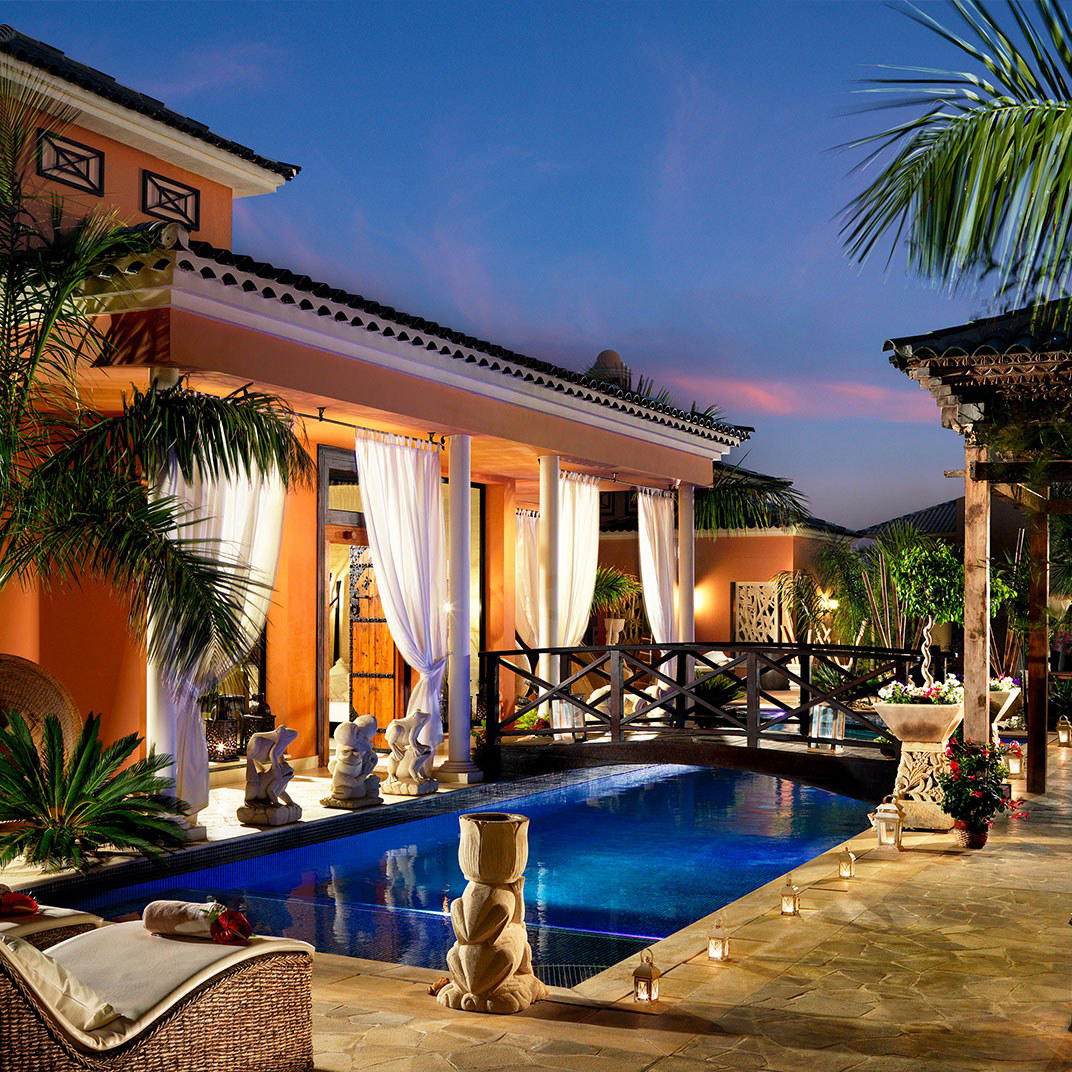
Hotels in Santa Cruz de Tenerife
Browse all →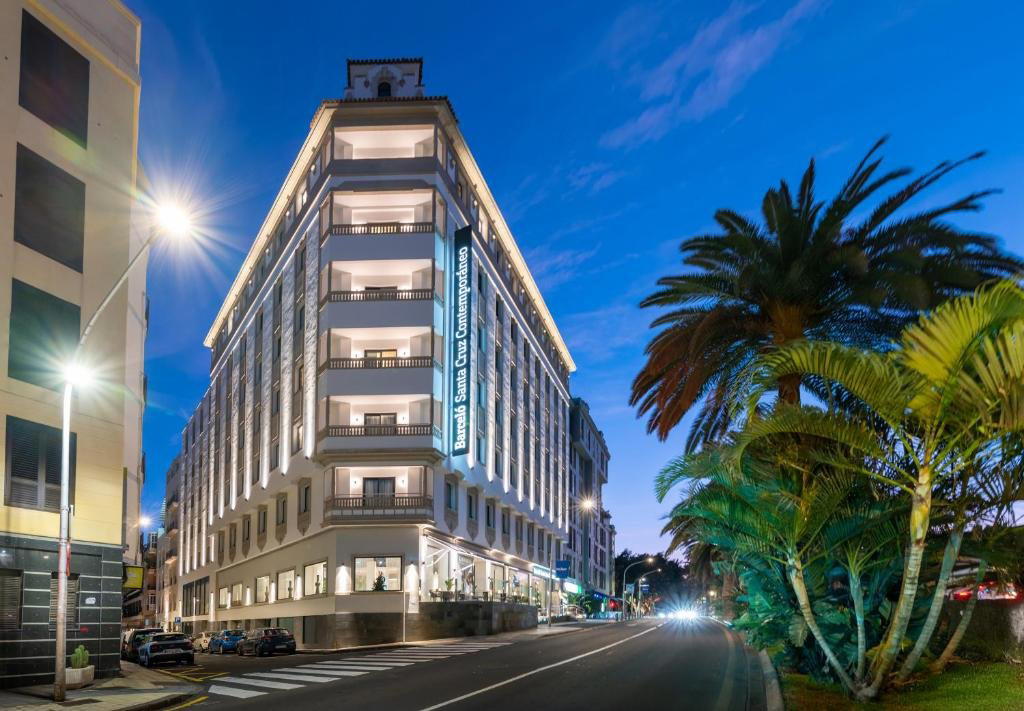
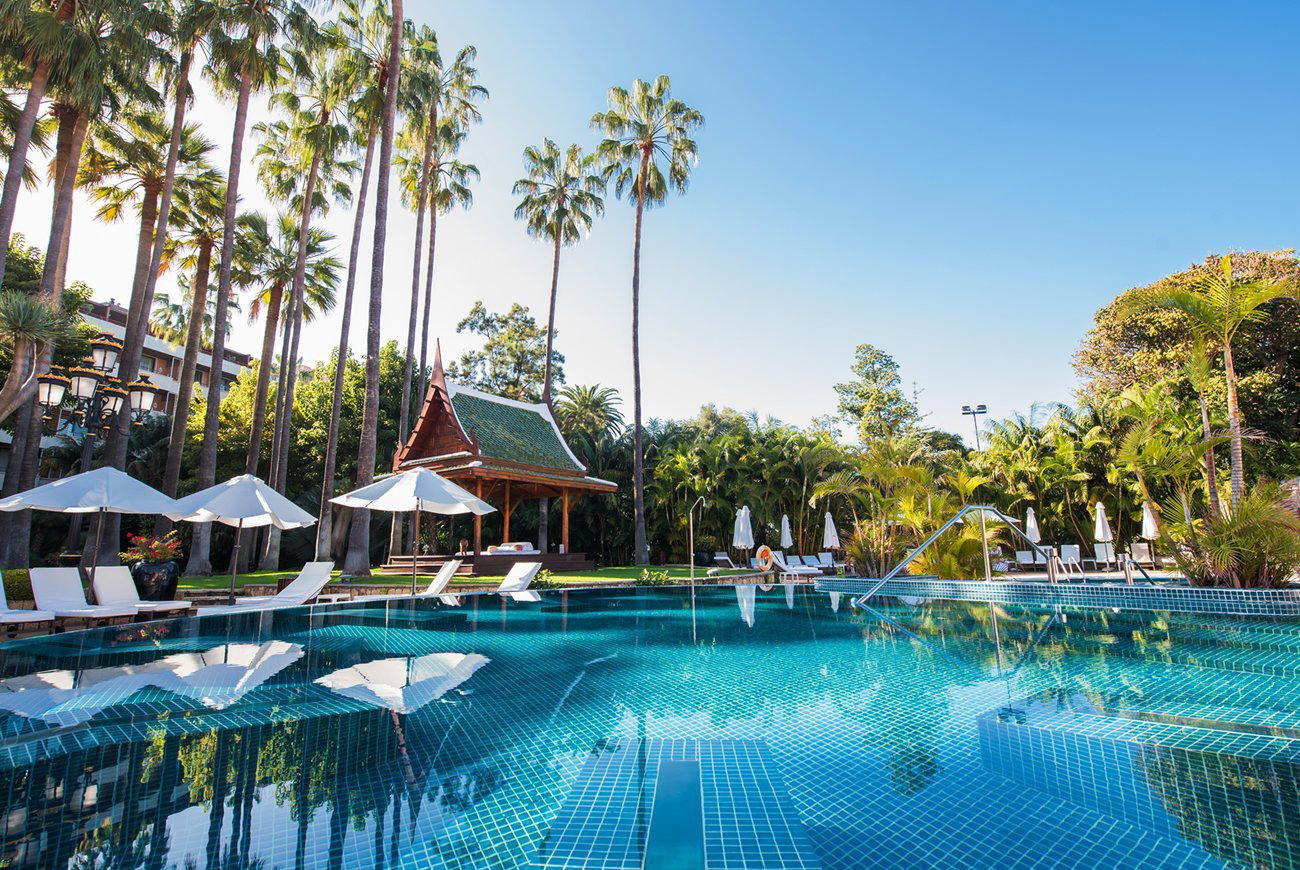
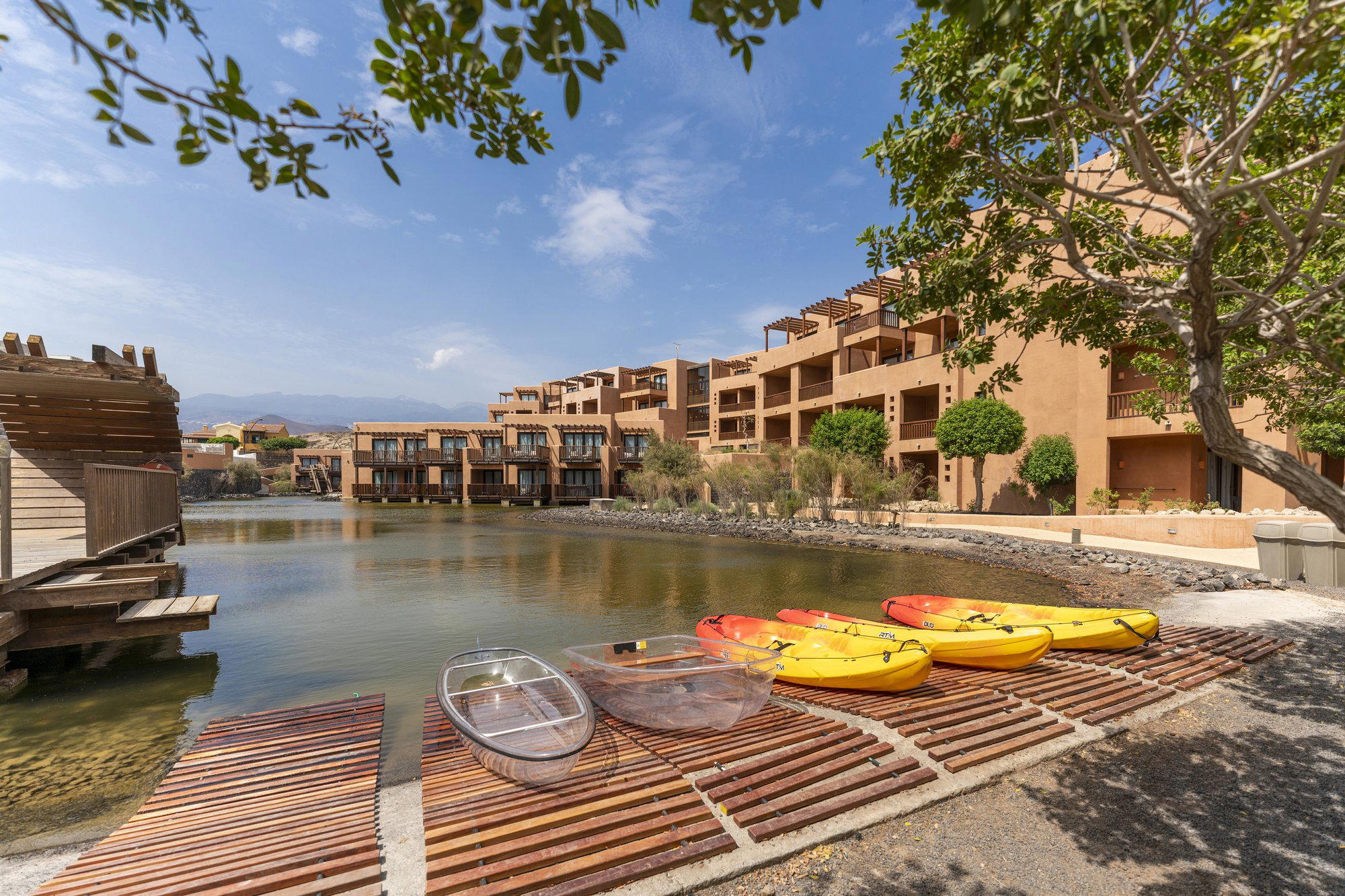
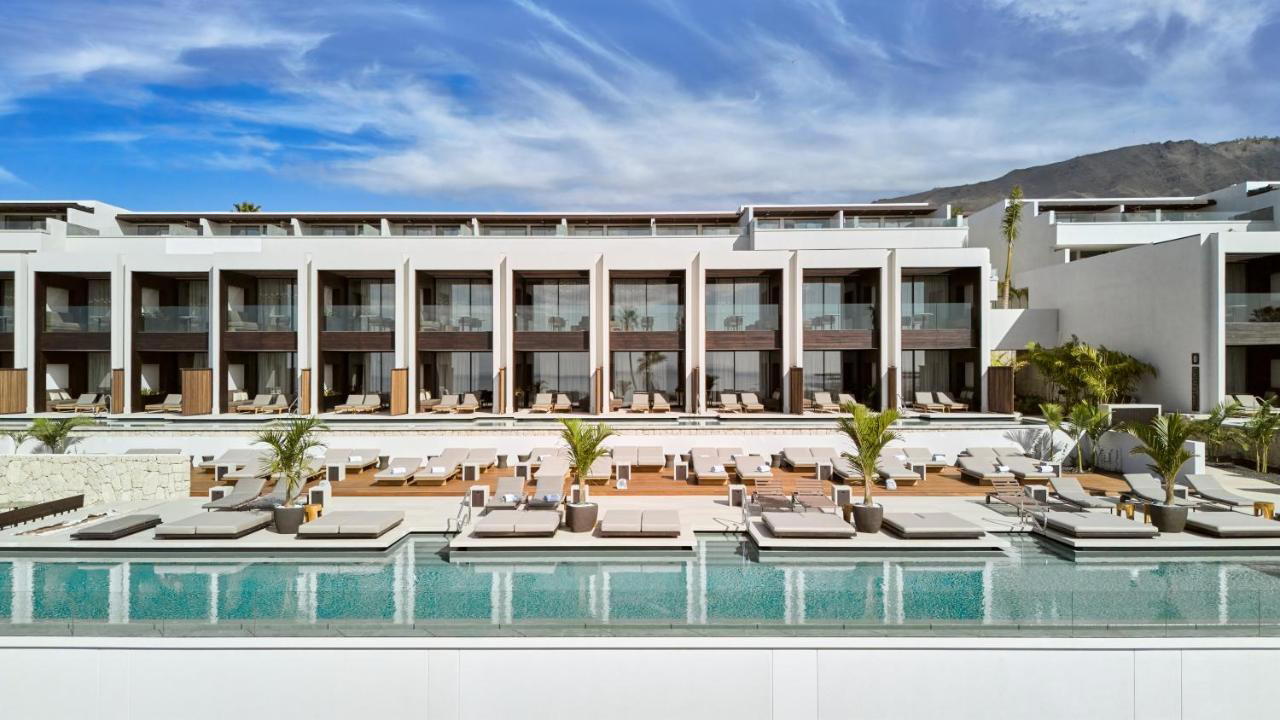
Bars in Santa Cruz de Tenerife
Browse all →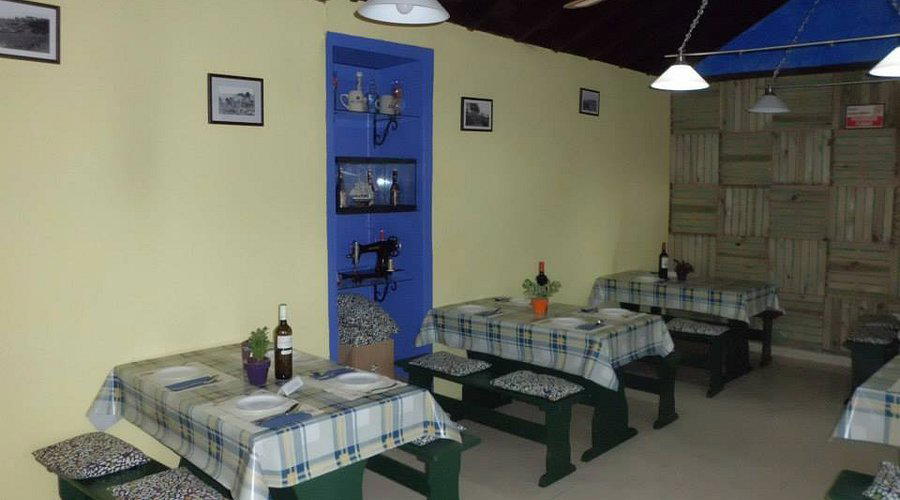
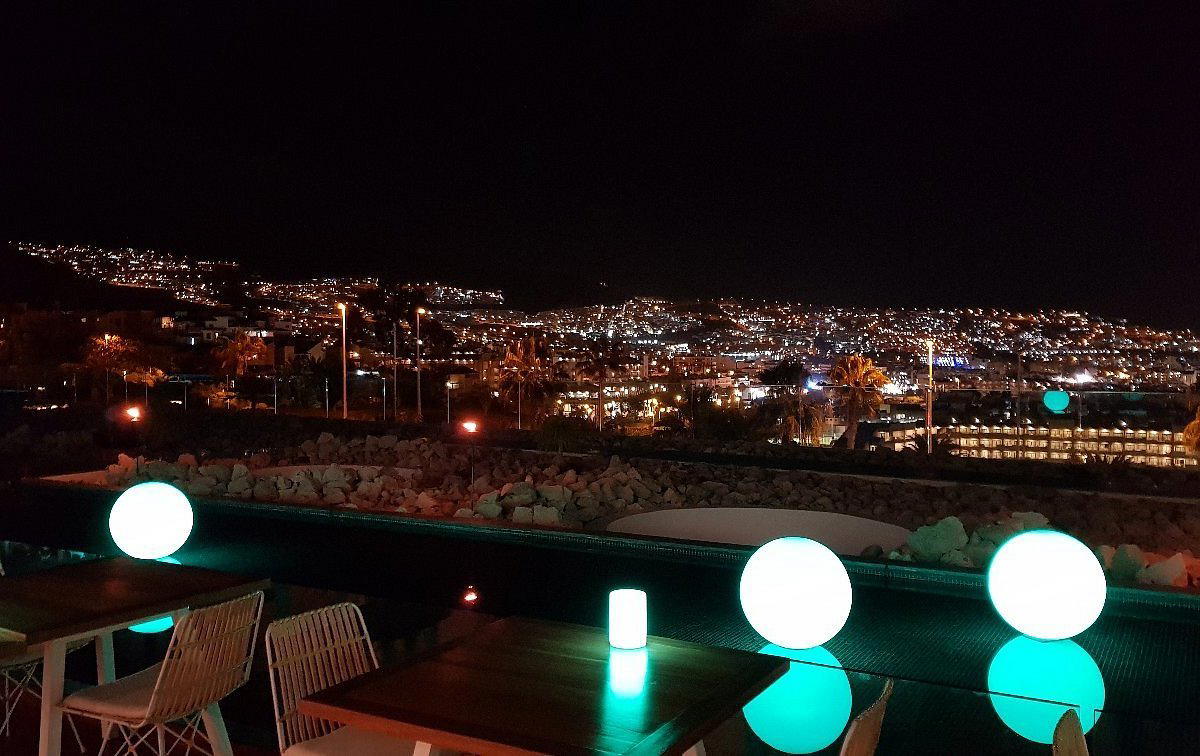
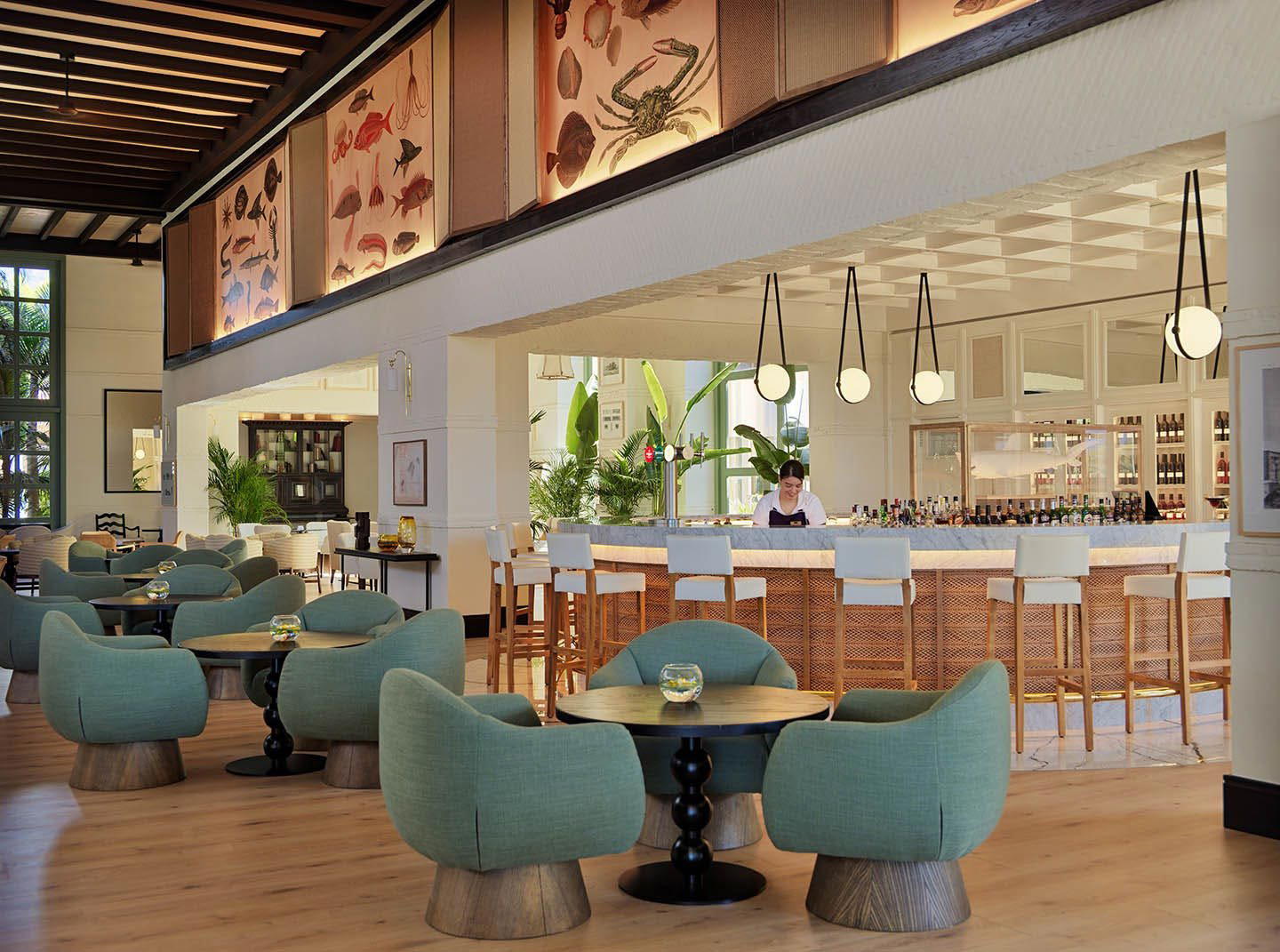
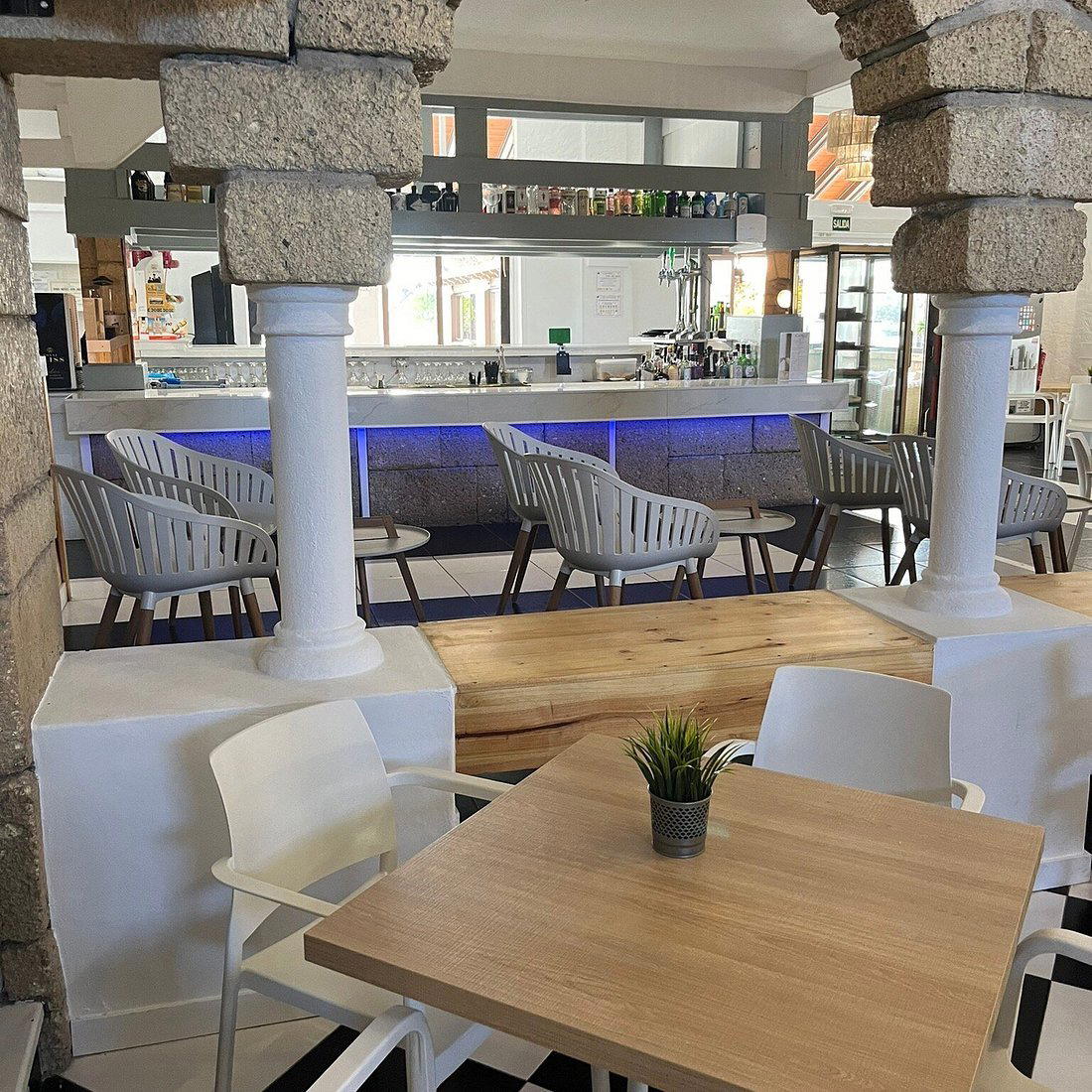
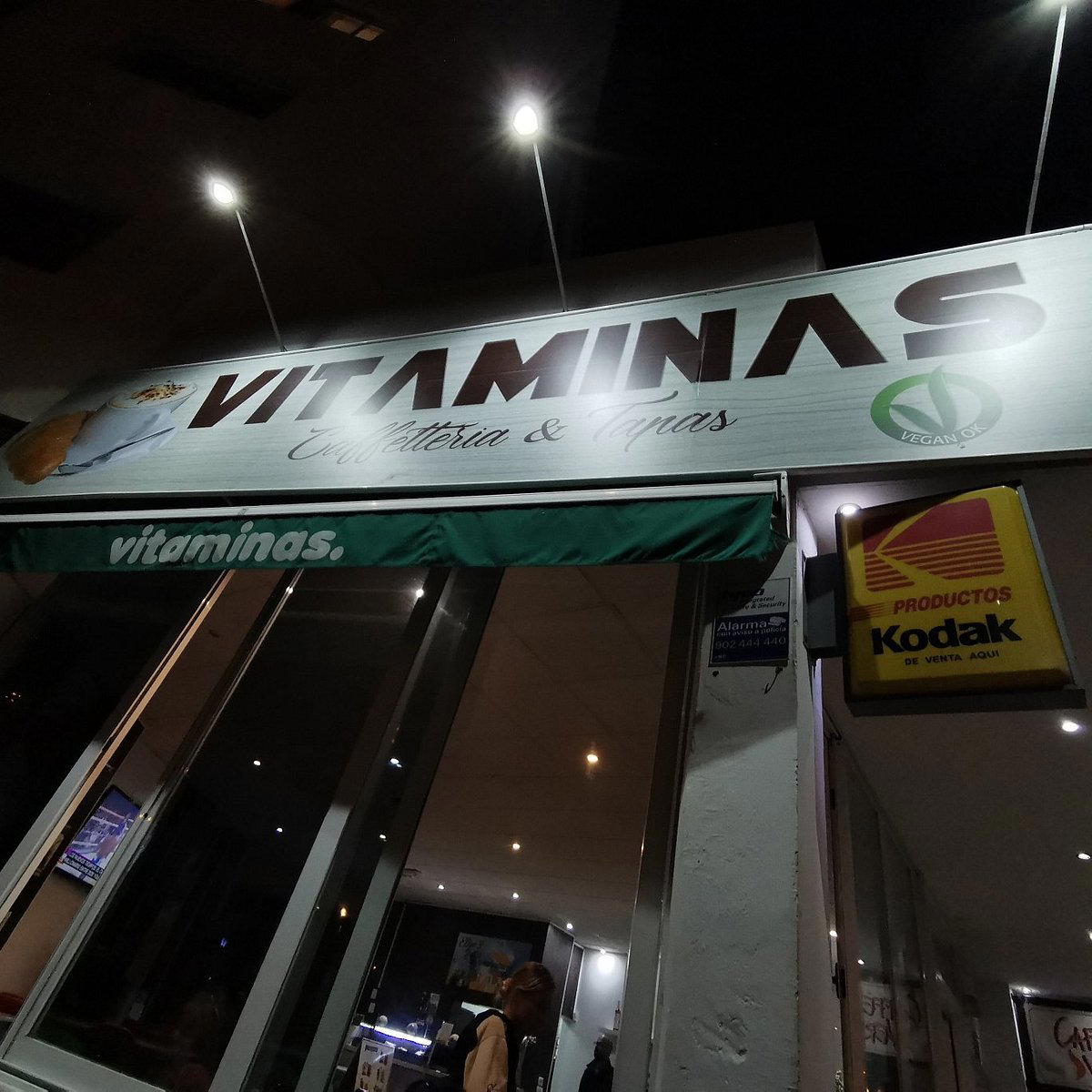
Restaurants in Santa Cruz de Tenerife
Browse all →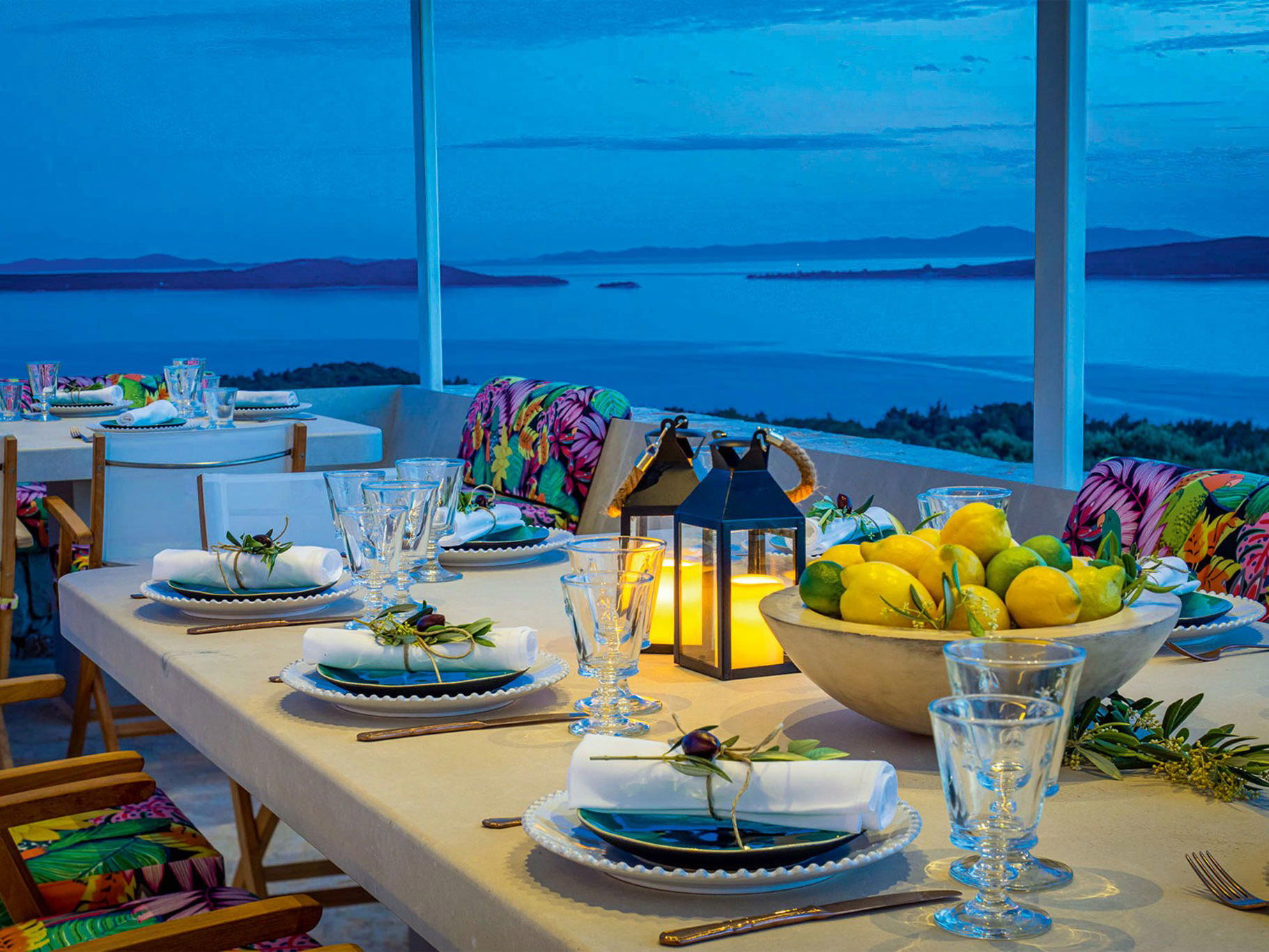
Wineries in Santa Cruz de Tenerife
Browse all →
At a Glance
- Modern
- Sophisticated
- Trendy
- Scenic
- Business Trip
- Weekend Escape
- Group Retreat
- Rooftop Pool
- Terrace
- Panoramic View
- Design Destination
- Wi Fi
- Pool
- Fitness Center
- Restaurant
- Bar
- Room Service
- Concierge
- Parking
- Pet Friendly
- Outdoor Pool
- Air Conditioning
- Skyline
- Waterfront
- Wi Fi
- Pool
- Fitness Center
- Restaurant
- Bar
- Room Service
- Concierge
- Parking
- Pet Friendly
- Outdoor Pool
- Air Conditioning
Modern, cosmopolitan, and airy, with a rooftop atmosphere that feels stylish and relaxed, plus city-and-ocean views.