Moral
.png)
Moral brings contemporary Canarian cooking into a restored old mansion in Santa Cruz de Tenerife, with Michelin Bib Gourmand recognition in 2024 and 2025. The draw is not luxury theatre but ingredient-led cooking: island flavours, concise à la carte choices, and a tasting-menu format that gives local produce a sharper, more technical frame.
 Discover on Pearl
Pearl is the En Primeur Club membership app — saves, bookings, and concierge access live there. Same editors, same standards.
- Address
- esquina con, C. Jesús Nazareno 20, C. Pi y Margall, 13, 38003 Santa Cruz de Tenerife, Spain
- Phone
- +34 672 45 15 55
- Website
- instagram.com
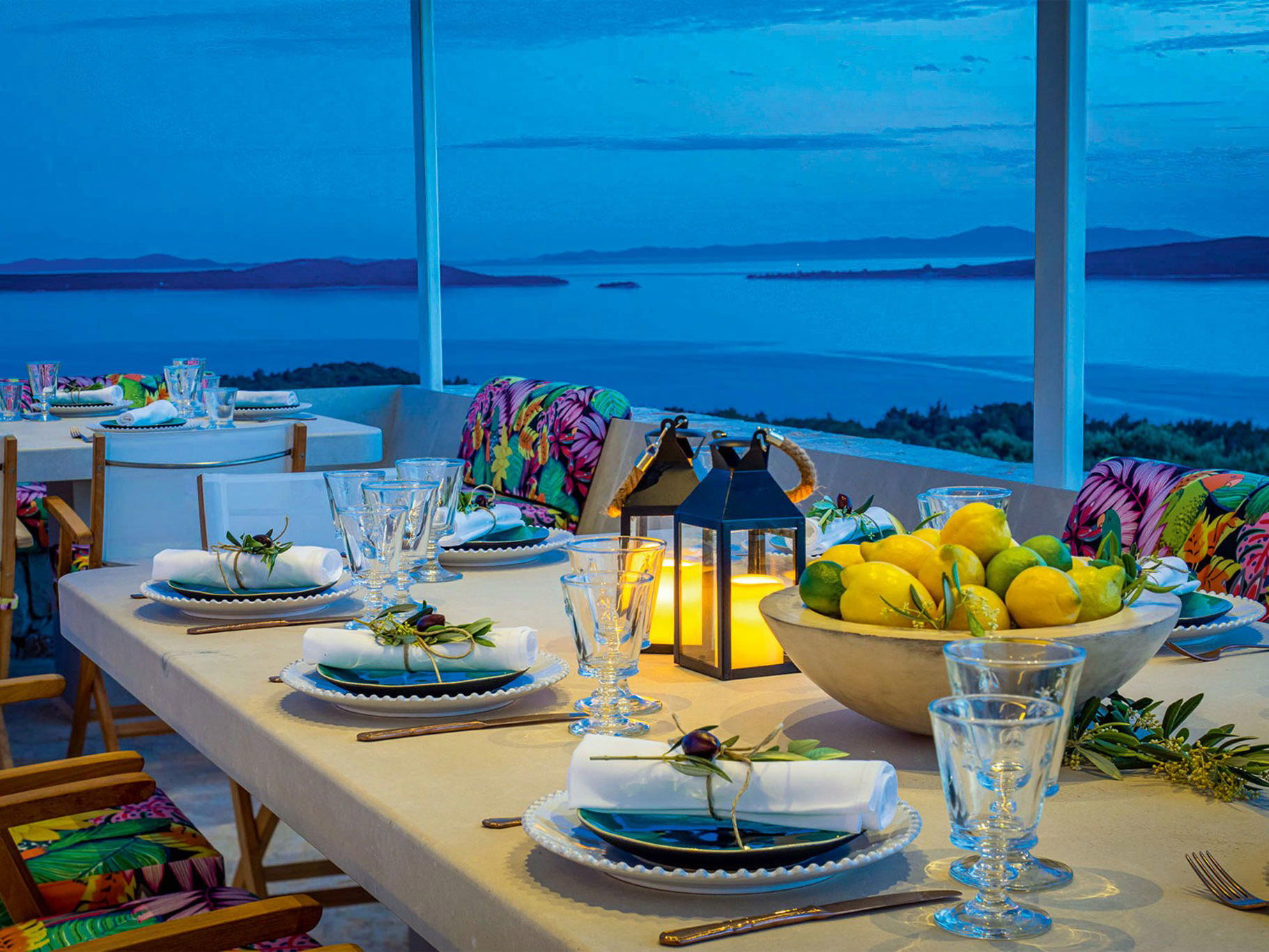
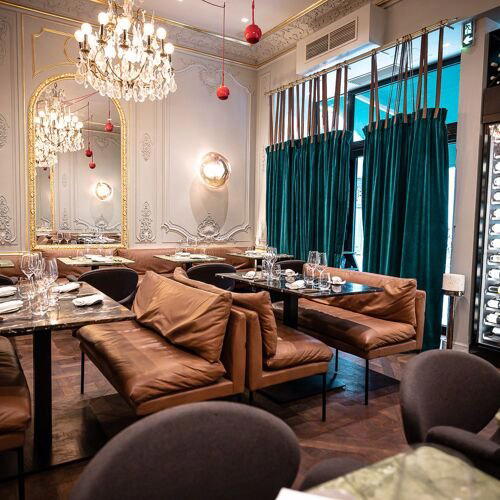
The first signal is architectural, not culinary: an old mansion reworked with contemporary design while keeping its original structure and floor. In Santa Cruz de Tenerife, where the more interesting dining rooms often work by tension rather than spectacle, that matters: island flavours set inside a room that feels both preserved and newly sharpened. Moral fits the pattern, polished enough for a planned dinner and direct enough to keep the focus on what the Canary Islands can put on a plate.
Santa Cruz is not Tenerife resort shorthand. The capital has a civic rhythm, a port-city appetite, and a dining culture moving between traditional Canarian kitchens and contemporary rooms testing local produce under sharper technique. For a wider read on the city’s tables, start with our full Santa Cruz de Tenerife restaurants guide; the broader trip-planning layer sits in our full Santa Cruz de Tenerife hotels guide, our full Santa Cruz de Tenerife bars guide, our full Santa Cruz de Tenerife wineries guide, and our full Santa Cruz de Tenerife experiences guide.
Island produce, contemporary technique, and the design signal
The useful trust signal is the way the restaurant is described: an old mansion whose cutting-edge design has been combined with its original structure and floor, and a kitchen driven by improvement and enthusiasm from the young chefs at the helm. In a city split between familiar Canarian comfort and ambitious modern formats, it places Moral in the middle: contemporary enough in feel to attract attention, without a room defined by star-chasing ceremony.
The kitchen’s direction is island identity first, with technique sharpening texture and structure. The restaurant is centred on a concise à la carte and a creatively inspired tasting menu, both intended to showcase the flavours of the island. That matters because the island table can be built around local ingredients and flavours with force rather than ornament. Contemporary cooking in Tenerife works when it does not sand those edges flat.
Sourcing is the reason to pay attention. Tenerife gives chefs a compact, varied pantry: coast, volcanic soil, agriculture, highland produce, and small-production wines from distinctive island appellations. The stronger contemporary rooms do not merely quote Canarian dishes; they translate ingredients into a format that can sit beside mainland tasting menus without losing local accent. Moral is therefore less a personality project than a case study in how Santa Cruz can talk about terroir without copying Madrid, Barcelona, or San Sebastián.
Chef credentials support that point without taking over. The kitchen is led by Icíar and Juan Carlos, with Icíar Pérez previously associated with leading restaurants. That signals serious restaurant training; more relevant is what such training does in Santa Cruz: bringing control, sequencing, and finish to a pantry often served in deliberately rustic terms.
Where it sits among Santa Cruz and Tenerife contemporaries
Within the local contemporary set, Moral reads as a focused island-flavour address rather than a maximalist dining room. The comparison matters because Tenerife’s ambitious dining is not concentrated in one neighbourhood or style. Silbo Gomero and Nákar sit in the same broad contemporary conversation, while El Taller Seve Díaz and Donaire help show the range of the island’s more ambitious restaurant scene. The spread suggests a matured modern scene: casual-contemporary, destination-tasting, hotel-adjacent, and chef-led formats, not a single fine-dining lane.
Santa Cruz offers a compact cross-section. Other Santa Cruz de Tenerife dining rooms give further reads on the city’s restaurant energy, while more traditional addresses keep the local-cuisine argument closer to the surface. Elsewhere in the capital, diners can also find rooms shaped by grills, seafood, and international influences, which helps map the city beyond one contemporary address.
Seen against that field, Moral’s appeal is specificity rather than range. It is not the city’s all-purpose dining answer. It is more useful for diners who want the Canary Islands expressed through modern kitchen grammar: fewer plates than a sprawling menu, more control over progression, and enough local anchoring to avoid the interchangeable international tasting-menu problem.
How to read the menu decision
The central decision is à la carte or tasting menu. A concise à la carte suits diners wanting island-focused cooking without committing the evening to a longer sequence. The tasting menu is the clearer editorial choice for understanding the kitchen’s argument, giving the room space to connect island flavours across several courses rather than presenting them as isolated dishes.
That distinction matters in Santa Cruz, where a good dinner can mean traditional stews, grilled food, seafood-led cooking, or a contemporary menu using the archipelago as source code. Moral belongs to the last category. Its value is not novelty for its own sake, but making Canarian ingredients legible to diners who follow modern European restaurant formats.
For Spain-wide context, the contemporary and regional conversation reaches beyond Tenerife. Diners used to city-driven modern restaurants elsewhere in Spain may recognise the format, while Andalusian, Basque-country, Catalan, Balearic, or mainland itineraries can offer useful contrast in how regional identity is filtered through modern dining. Beyond Spain, the same question appears in other European restaurants that translate local produce through a contemporary lens while landing in another culinary register.
The practical read is simple: choose this room when the meal is the plan, not a quick stop between commitments. The recognition around its setting, young chefs, and island-focused menus suggests a controlled sense of purpose, and the old-mansion setting gives the evening occasion without heavy formality. For Santa Cruz, that is the point: local ingredients, contemporary structure, and enough restraint to let the island remain visible.
At-a-Glance Comparison
Comparable venues by cuisine and price in the same metro.
| Venue | Cuisine | Price | Awards | Notes |
|---|---|---|---|---|
| MoralThis venue — the venue you are viewing | Modern Canarian | $$$ | Bib Gourmand | |
| Etéreo by Pedro Nel | Modern Canarian Fine Dining with Latin Fusion | $$$ | Michelin Plate | El Toscal |
| Moral | Modern Canarian & Spanish Contemporary | $$$ | , | Santa Cruz de Tenerife |
| Kiki | Modern Japanese Fusion with Canary Islands Ingredients | $$$$ | Michelin Plate | Santa Cruz de Tenerife |
| Shibui | Modern Japanese Omakase | $$$$ | Michelin Plate | Santa Cruz de Tenerife |
| El Aguarde | Canarian with La Mancha influences | $$ | Bib Gourmand | near Rambla de Santa Cruz |
Continue exploring
More in Santa Cruz de Tenerife
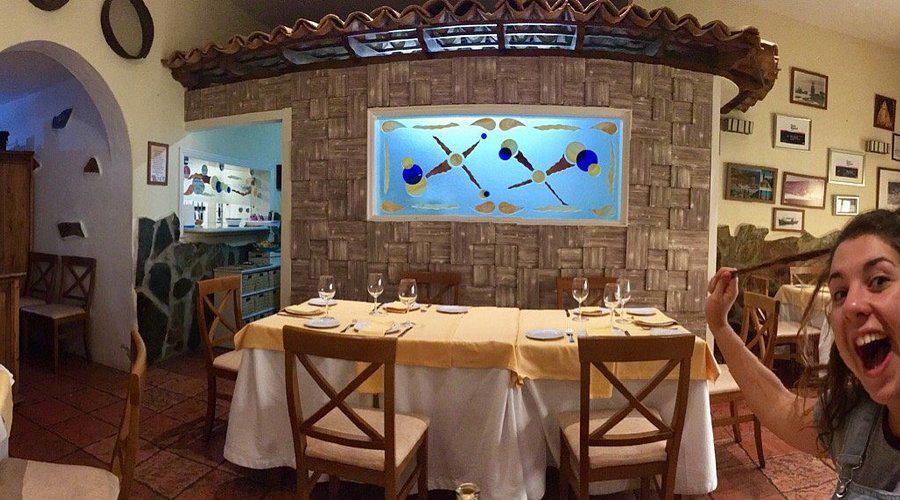
Restaurants in Santa Cruz de Tenerife
Browse all →
Hotels in Santa Cruz de Tenerife
Browse all →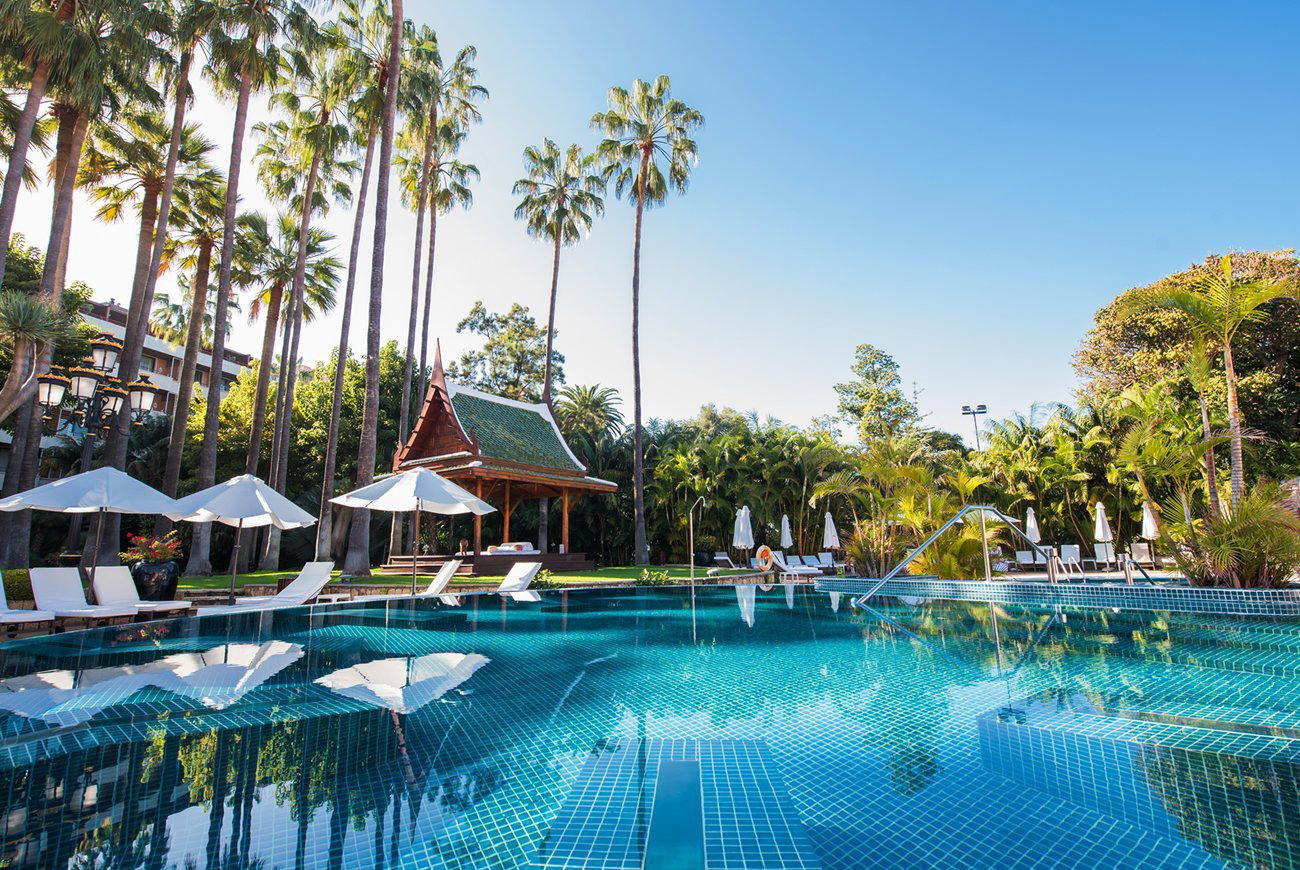
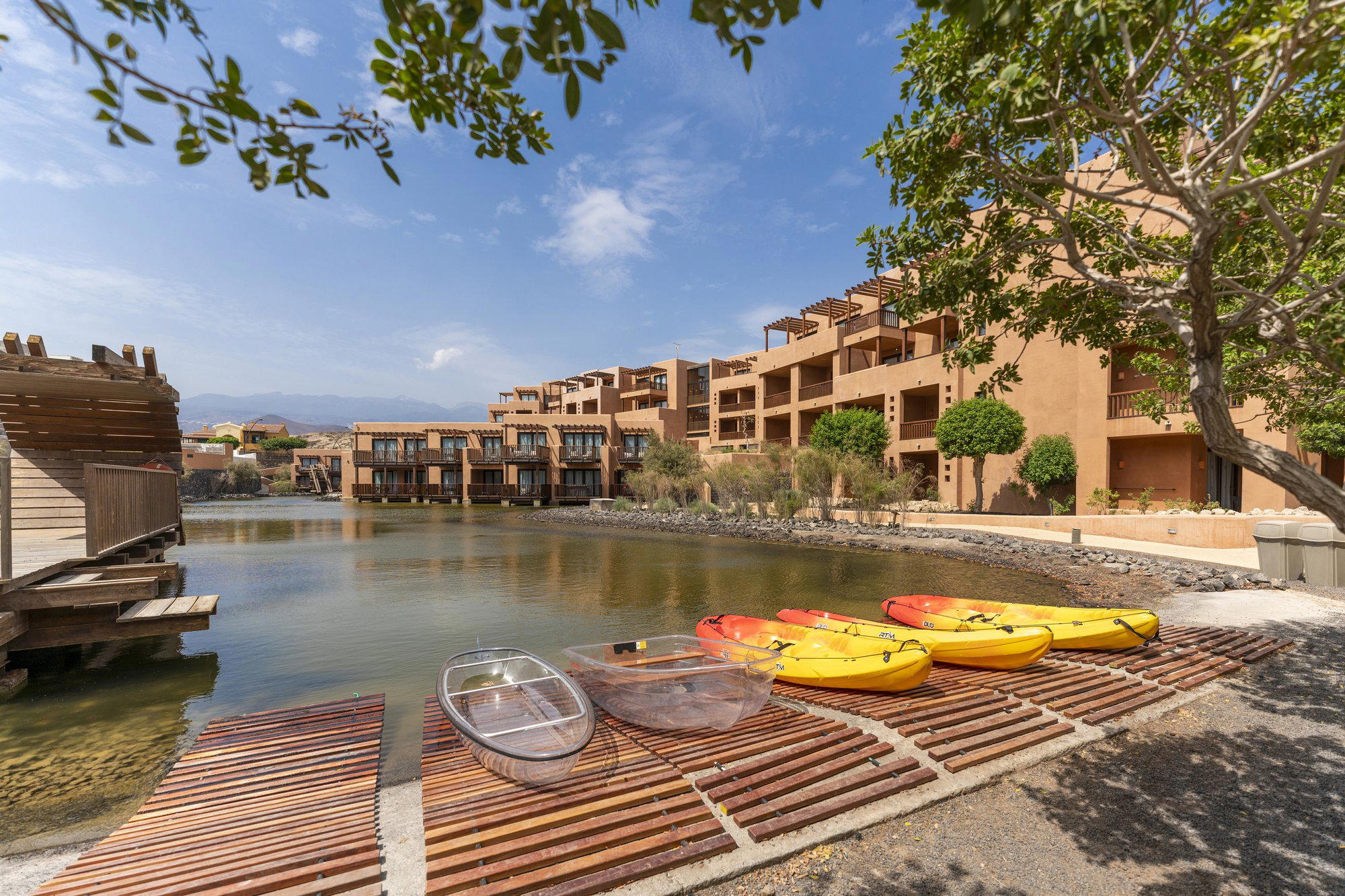

Wineries in Santa Cruz de Tenerife
Browse all →
At a Glance
- Elegant
- Modern
- Intimate
- Sophisticated
- Date Night
- Special Occasion
- Historic Building
- Local Sourcing
Elegant and minimalist interior in an old mansion with well-spaced tables, creating a refined and welcoming atmosphere.