

Michelin Plate · Guía Repsol 1 Sol
Our verdict
At Hotel Urban Anaga in Santa Cruz de Tenerife, Kiki holds consecutive Michelin Plate recognition (2024 and 2025) for Japanese-inflected cooking grounded in Canary Islands produce. Two à la carte formats and two tasting menus sit at the mid-range price point, with the sushi bar and cocktail counter giving the room a dual identity that few Japanese addresses on the island match.

Pearl is the En Primeur Club membership app — saves, bookings, and concierge access live there. Same editors, same standards.
- Address
- Hotel Urban Anaga, C. Imeldo Serís, 19, 38003 Santa Cruz de Tenerife, Spain
- Phone
- +34 922 09 64 27
- Hours
- Mon–Sat 1:30–3:30 PM, 8 PM–12 AMSun Closed
- Website
- kikirestaurante.com
- Directions
- Get directions
The menu
What to order
- Nigiri Hotate-Trufa
- Akami-Crunchy nigiri
- Usuzukuri
- Uramaki Akami
Japanese Technique, Atlantic Ingredients
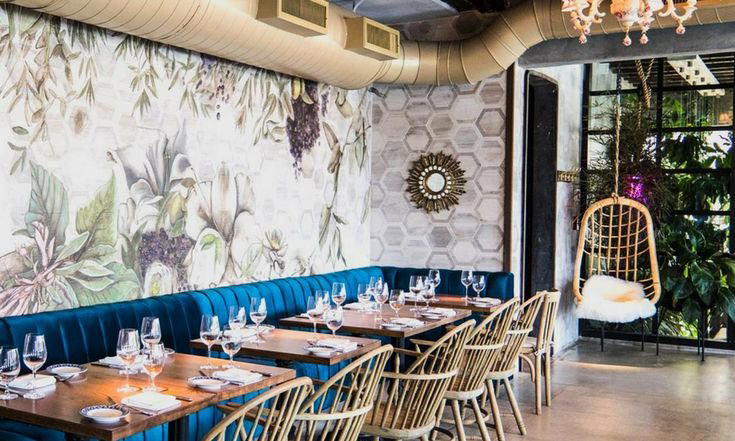
Inside Hotel Urban Anaga on Calle Imeldo Serís, the room announces its intentions before a dish arrives. Japanese-inspired murals run across the walls, neon lighting casts the sushi bar in a warm, deliberate glow, and a cocktail station operates alongside the kitchen counter with enough visibility to function as a secondary focal point. It is a considered environment rather than an incidental one, the kind of space where aesthetic choices carry programmatic weight. In a city where most mid-range restaurant interiors lean toward either rustic Atlantic or generic contemporary, the visual commitment here is a statement about the kitchen's orientation.
The broader context matters. Santa Cruz de Tenerife has developed a layered dining scene that moves from Canarian tradition at addresses like El Aguarde (Traditional Cuisine) through contemporary registers at Moral (Contemporary) and into the protein-driven territory of Etéreo by Pedro Nel (Meats and Grills). Japanese cuisine occupies a smaller niche within that spread. The direct peer comparison is Shibui, which operates at a higher price tier (€€€) with a format closer to traditional Japanese precision. Kiki sits at €€, a middle-market position it justifies through a format designed to carry the technical vocabulary of Japanese cooking into more accessible territory without abandoning the ingredient logic underpinning it.
What the Menu Is Actually Doing
The format structure is specific and worth reading carefully before booking. Two à la carte menus run simultaneously: one traditional, one fusion. Two tasting menus layer on top of those, a shorter format and a longer one named after the restaurant itself. This is not a restaurant that presents a single editorial vision and asks you to follow it; it is a restaurant that has mapped out different entry points into the same ingredient philosophy, then left the decision to the diner.
That ingredient philosophy is what connects the Japanese technique to the Canary Islands context. Seasonal produce from the archipelago provides the raw materials; the kitchen's role is to process those materials through Japanese cooking logic rather than impose Japanese pantry items onto Atlantic produce. The distinction matters in places where the local agricultural supply is genuinely distinctive. The Canary Islands' climate and soil conditions produce ingredients with specific flavor profiles, and a kitchen that treats those as primary, rather than supplementary, is working with a different supply chain than most Japanese restaurants operating outside Japan.
The Akami-Crunchy nigiri is the most cited individual piece: crunchy rice as the base, spicy tuna tartare as the topping, serrano peppers for cut and heat. The technique is legible as Japanese in structure while the flavor profile incorporates Iberian pantry logic. It is a useful single example of the broader hybrid argument the menu is making, and the fact that the restaurant names it explicitly in its own materials suggests it functions as a reliable signal of the kitchen's approach rather than a seasonal anomaly. Nigiri at this register, where the rice texture is manipulated to add contrast and the fish is processed rather than presented raw, occupies a different section of the Japanese technique spectrum from the restrained, temperature-precise omakase counters you find at addresses like Myojaku or Azabu Kadowaki in Tokyo. That is not a criticism; it is a categorization. The ambition here is fusion coherence rather than traditional purity.
The Canary Islands as a Source Region
Spanish fine dining at the highest tier, from El Celler de Can Roca in Girona through Arzak in San Sebastián to Azurmendi in Larrabetzu, has spent decades articulating the relationship between regional ingredient identity and cooking ambition. The Canary Islands version of that conversation is younger and less documented, but the volcanic soil conditions, year-round growing season, and Atlantic fishing access give the archipelago a raw material profile that rewards the kind of ingredient-forward thinking Kiki is applying. Restaurants like Aponiente in El Puerto de Santa María have demonstrated what happens when chefs treat Atlantic marine ingredients as primary rather than contextual. Kiki is applying a version of that logic but running it through a Japanese rather than Andalusian technical framework.
The seasonal emphasis means the menu cycles with what the islands produce. This creates variability that rewards repeat visits but also means a single visit captures one seasonal moment rather than a fixed identity. The two à la carte formats give some stability since the traditional menu presumably anchors certain preparations while the fusion format accommodates more responsive cooking.
Michelin Plate Recognition and Peer Position
The Michelin Plate in both 2024 and 2025 confirms that the guide's inspectors find the cooking to be at a recognized level of quality. A Plate designation signals competent, sometimes excellent cooking without the critical elevation of a star; it is the guide's way of marking a restaurant as worth attention within its category. For a Japanese fusion address at the €€ tier in a Canary Islands city, back-to-back Plate recognition is a meaningful signal. It places Kiki in a different conversation from the broader Santa Cruz dining pool and gives a reference point for travelers who use Michelin recognition as a calibration tool.
Duke represents another reference point within the city's dining character. For a fuller map of where Santa Cruz's restaurants sit by cuisine, price tier, and critical recognition, see our full Santa Cruz de Tenerife restaurants guide. Readers planning a broader trip will also find context in our full Santa Cruz de Tenerife hotels guide, our full Santa Cruz de Tenerife bars guide, our full Santa Cruz de Tenerife wineries guide, and our full Santa Cruz de Tenerife experiences guide.
Planning a Visit
Kiki operates within Hotel Urban Anaga at Calle Imeldo Serís, 19, in the 38003 postal district of Santa Cruz de Tenerife. The price range sits at €€, competitive with peers like Moral and Etéreo by Pedro Nel at the same tier, and noticeably below the €€€ position held by Shibui. The cocktail bar alongside the dining room makes it a workable single-stop evening rather than a dinner-only format.
Frequently asked questions
Is Kiki award-winning?
Kiki has received recognition including: To a backdrop of Japanese-inspired murals, attractive neon lighting, a sushi bar and an unusual cocktail bar, Kiki serves Japanese-inspired cuisine that showcases the best seasonal ingredients from the Canary Islands. Choose from two à la c….
What do regulars order at Kiki?
The Akami-Crunchy nigiri draws the most attention: crunchy rice layered with spicy tuna tartare and serrano peppers. It is the dish that best captures what Kiki is doing, applying Japanese nigiri construction to Canary Islands produce with a deliberate hit of heat. The kitchen offers this across both the fusion à la carte and the longer tasting menu named after the restaurant.
What price level is Kiki?
Pricing at Kiki is listed as €€.
What's the best way to book Kiki?
Kiki operates inside Hotel Urban Anaga at Calle Imeldo Serís, 19, Santa Cruz de Tenerife, so guests staying at the hotel can book directly through the concierge. No dedicated phone number or reservations website is listed publicly, which makes walking in or contacting the hotel reception the most reliable route. Given the Michelin Plate recognition in both 2024 and 2025, securing a table in advance is advisable rather than relying on walk-in availability.
The Essentials
| Venue | Cuisine | Price | Awards | Notes |
|---|---|---|---|---|
| KikiThis venue — the venue you are viewing | Modern Japanese Fusion with Canary Islands Ingredients | $50–100 | Michelin Plate · Guía Repsol 1 Sol | Not listed |
| San Sebastián 57 | Contemporary Canarian with Mediterranean influences | $50–100 | Michelin Bib Gourmand · Guía Repsol 1 Sol | Seasonal Cuisine |
| El Aguarde | Canarian with La Mancha influences | $30–50 | Michelin Bib Gourmand | Traditional Cuisine |
| Etéreo by Pedro Nel | Modern Canarian Fine Dining with Latin Fusion | $50–100 | Michelin Plate · Guía Repsol 1 Sol | Meats and Grills |
| Moral | Modern Canarian | $30–50 | Michelin Bib Gourmand · Guía Repsol 1 Sol | Contemporary |
| Shibui | Modern Japanese Omakase | Not listed | Michelin Plate | Japanese |
Recognition history
Dated appearances from independent guides and award organizations, with the underlying list record or original source where available.
Michelin Plate
Michelin
Guía Repsol 1 Sol
Guía Repsol
Full recognition history (4 entries)
Michelin Plate
Michelin
Michelin Plate
Michelin
Continue exploring
More in Santa Cruz de Tenerife
Restaurants in Santa Cruz de Tenerife
Browse all →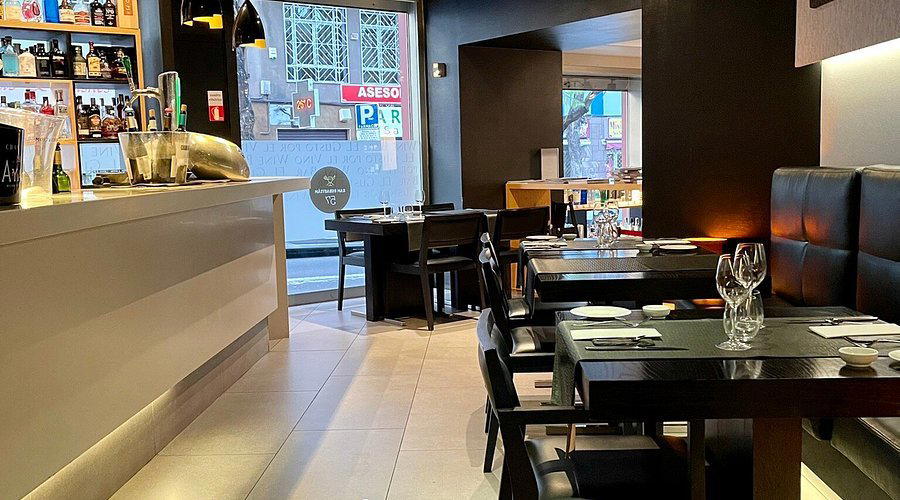
Bars in Santa Cruz de Tenerife
Browse all →
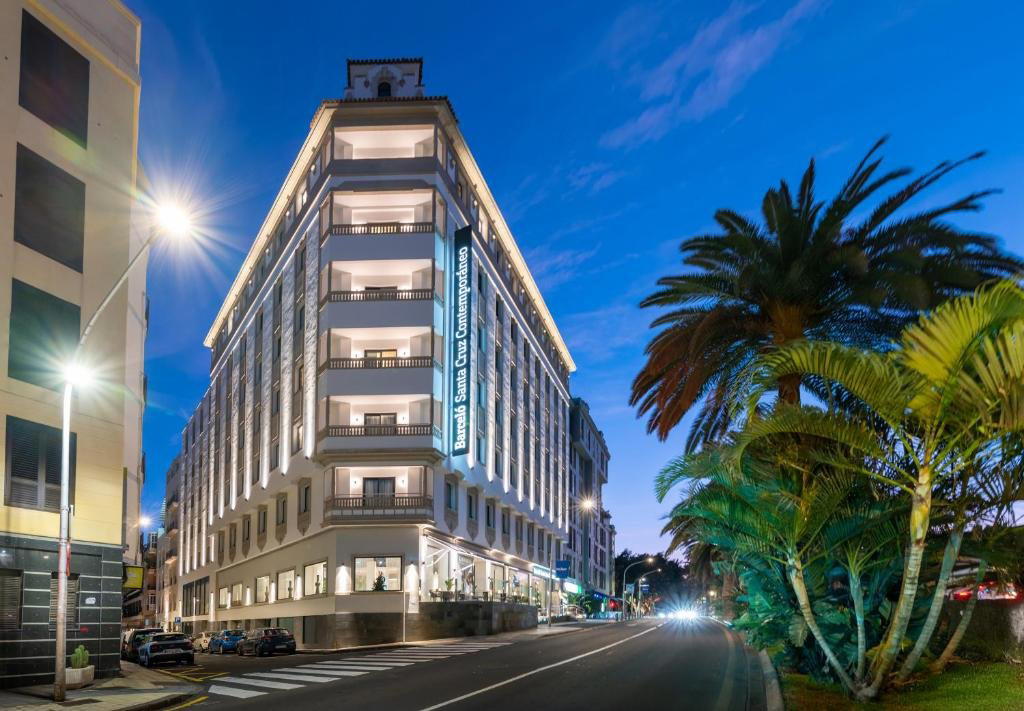
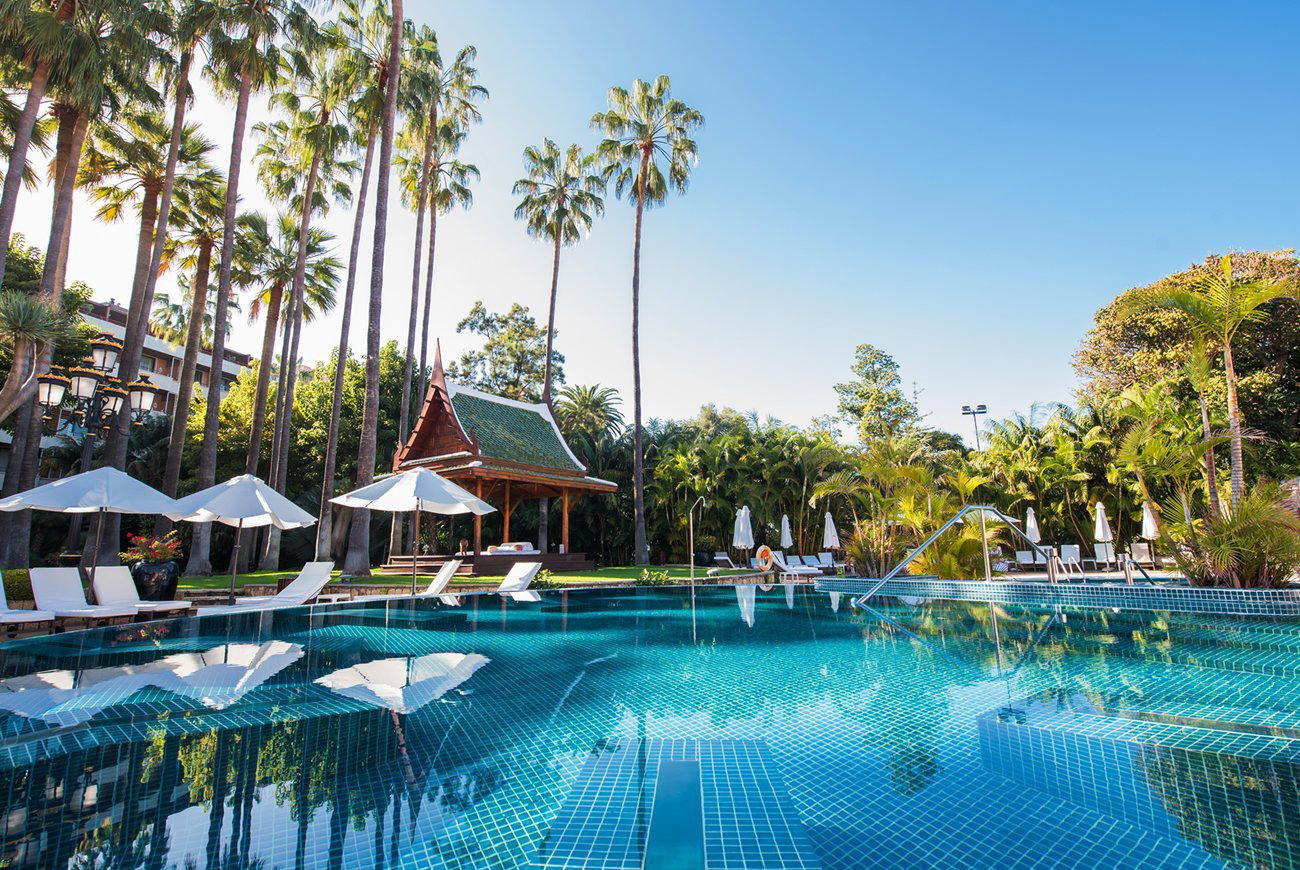
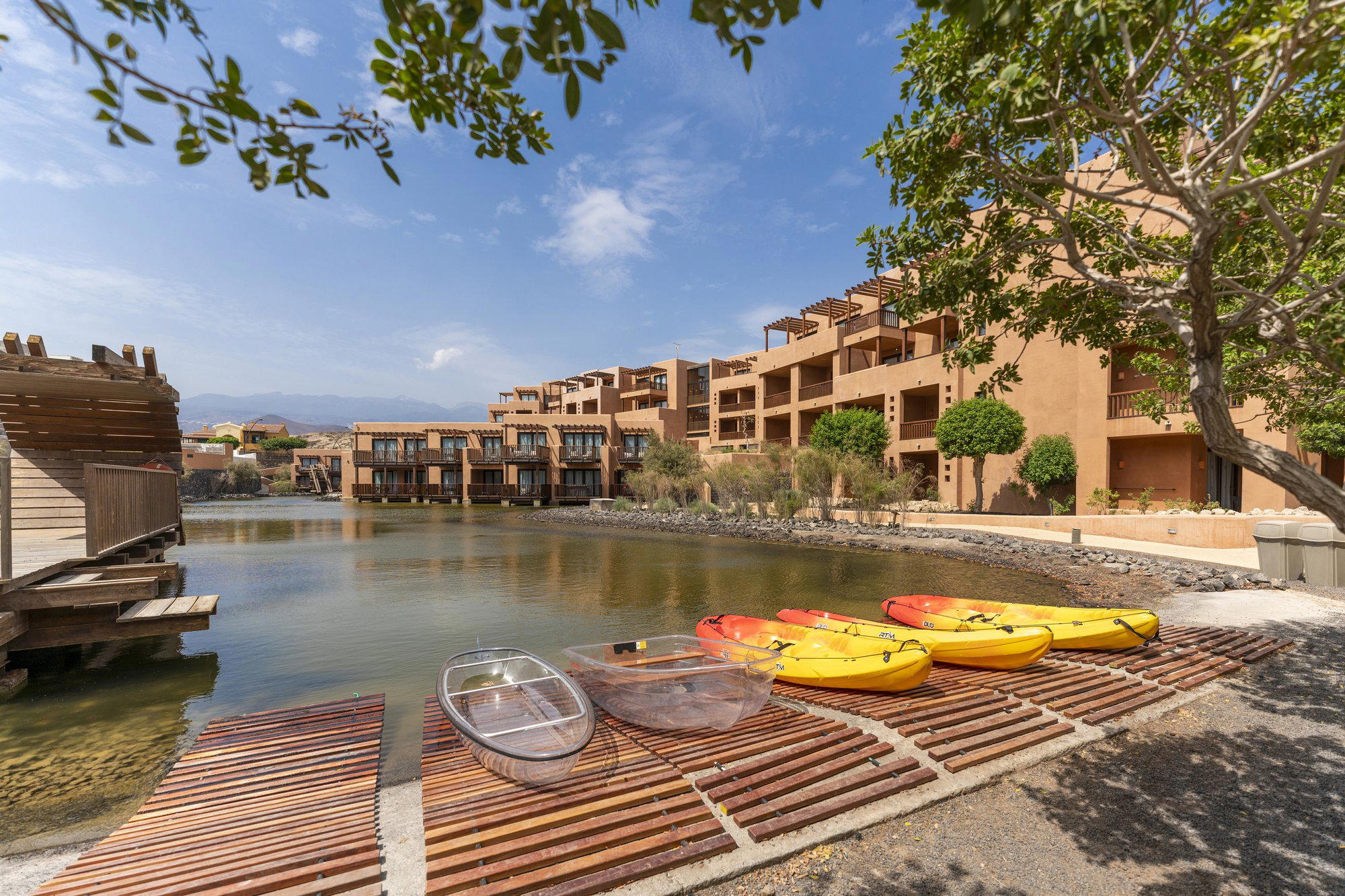
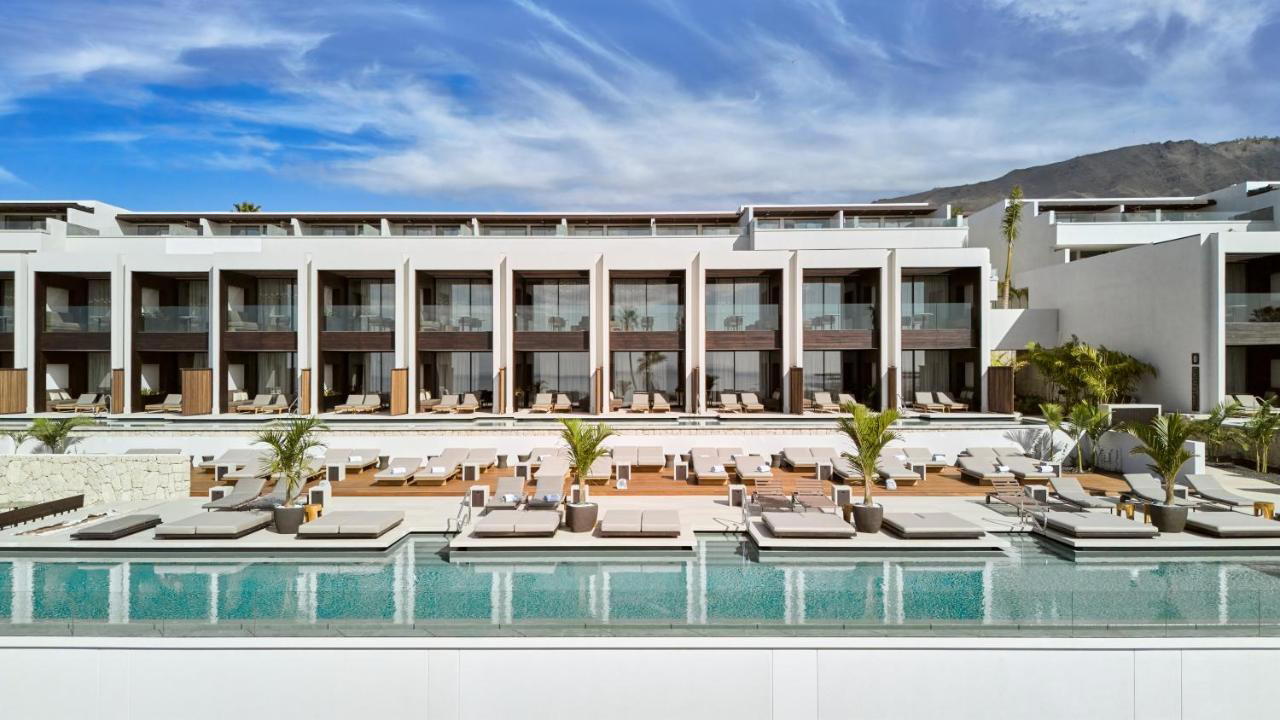
Hotels in Santa Cruz de Tenerife
Browse all →
Wineries in Santa Cruz de Tenerife
Browse all →
Details
- Elegant
- Modern
- Lively
- Sophisticated
- Date Night
- Celebration
- Special Occasion
- Business Dinner
- Open Kitchen
- Hotel Restaurant
- Design Destination
- Extensive Wine List
- Craft Cocktails
- Sommelier Led
- Local Sourcing
- Tasting Menu
- A La Carte
- Omakase
- Craft Cocktails
- Wine Selection
- Pescatarian Friendly
- Allergy Accommodating
Current opening hours
- Monday
- 1:30–3:30 PM, 8 PM–12 AM
- Tuesday
- 1:30–3:30 PM, 8 PM–12 AM
- Wednesday
- 1:30–3:30 PM, 8 PM–12 AM
- Thursday
- 1:30–3:30 PM, 8 PM–12 AM
- Friday
- 1:30–3:30 PM, 8 PM–12 AM
- Saturday
- 1:30–3:30 PM, 8 PM–12 AM
- Sunday
- Closed
Hours can change for holidays and private events. Last verified .
Low lighting with Japanese-inspired murals, attractive neon lighting, and a lively cocktail bar atmosphere that transforms into a lively evening scene with DJ entertainment.