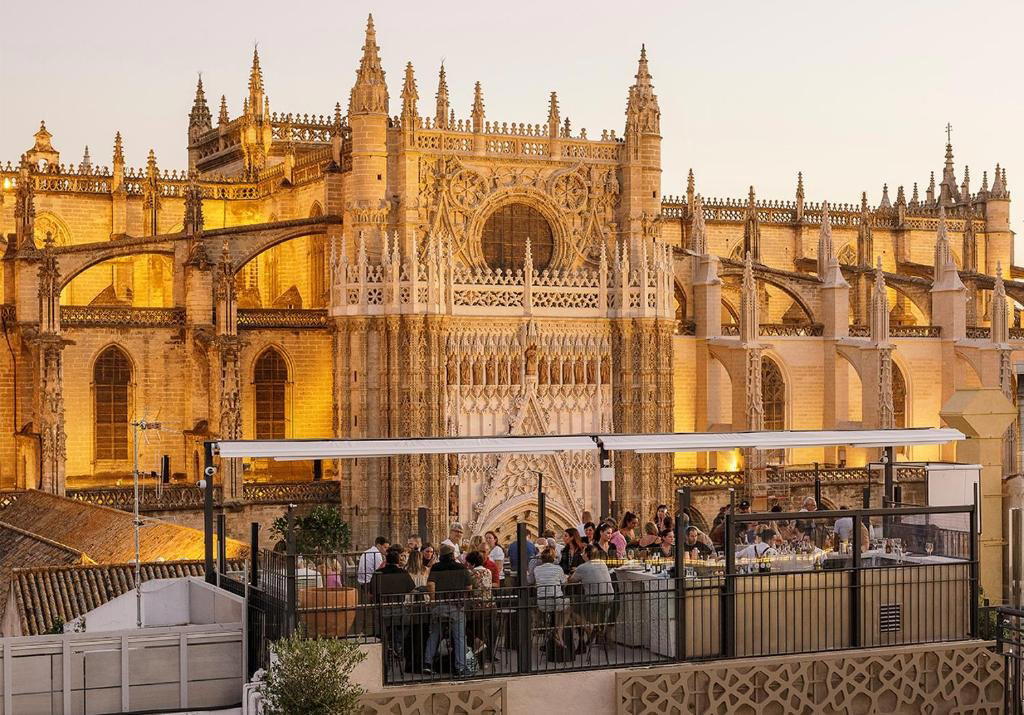
A labyrinthine complex of 27 connected townhouses in Seville's former Jewish quarter, Hotel Las Casas de La Judería occupies the Santa María la Blanca address with an architectural identity that no single-build hotel can replicate. Andalusian courtyards, fountain-fed patios, and a network of underground passages place guests inside the city's medieval fabric rather than alongside it.

Pearl is the En Primeur Club membership app, where members save venues, book tables and use the concierge.
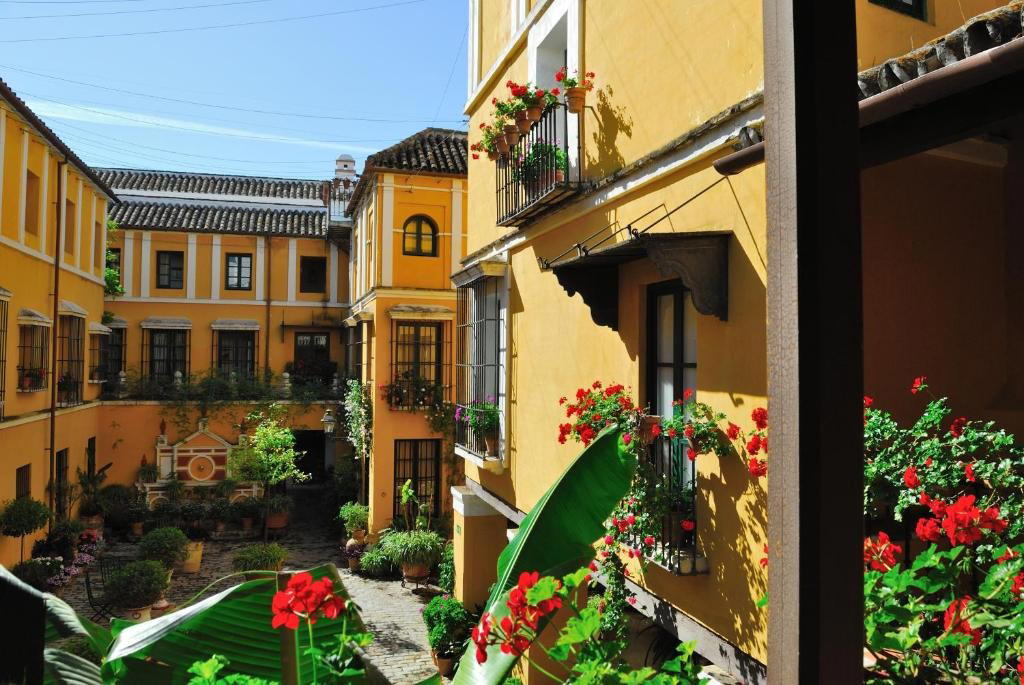
Inside the Old Quarter's Most Architecturally Complex Address
Seville's Casco Antiguo divides its luxury hotel offer between two broad formats: purpose-built grand hotels that perform history theatrically, and palacete conversions that inherit it structurally. Hotel Las Casas de La Judería belongs firmly to the second category, and to a sub-tier within it. Where most palace conversions involve a single building reworked around a central courtyard, this property is a confederation of 27 connected townhouses spread across what was once the residential core of Seville's Jewish quarter, the Judería. The result is a hotel that cannot be fully oriented on a first walk-through, corridors that descend unexpectedly, patios that open onto further patios, and a network of underground passages that once connected the quarter's houses. That spatial complexity is not a design conceit. It is the actual structure of a medieval neighbourhood, preserved and inhabited.
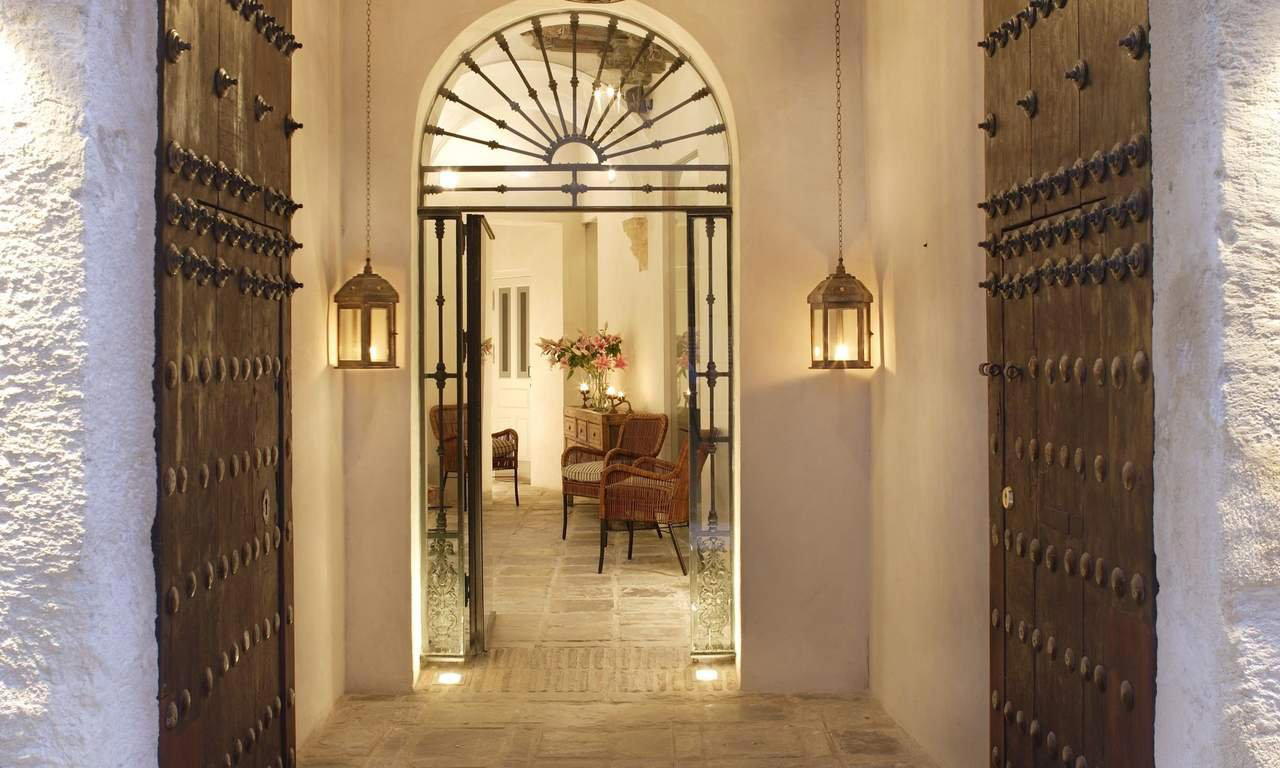
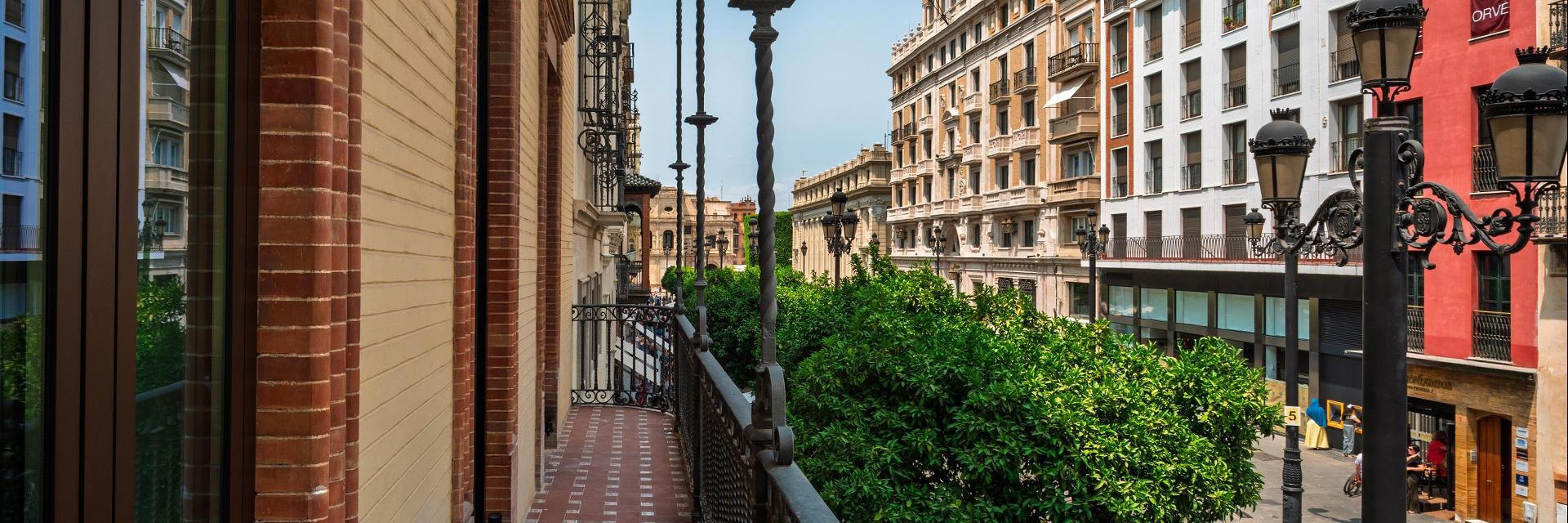
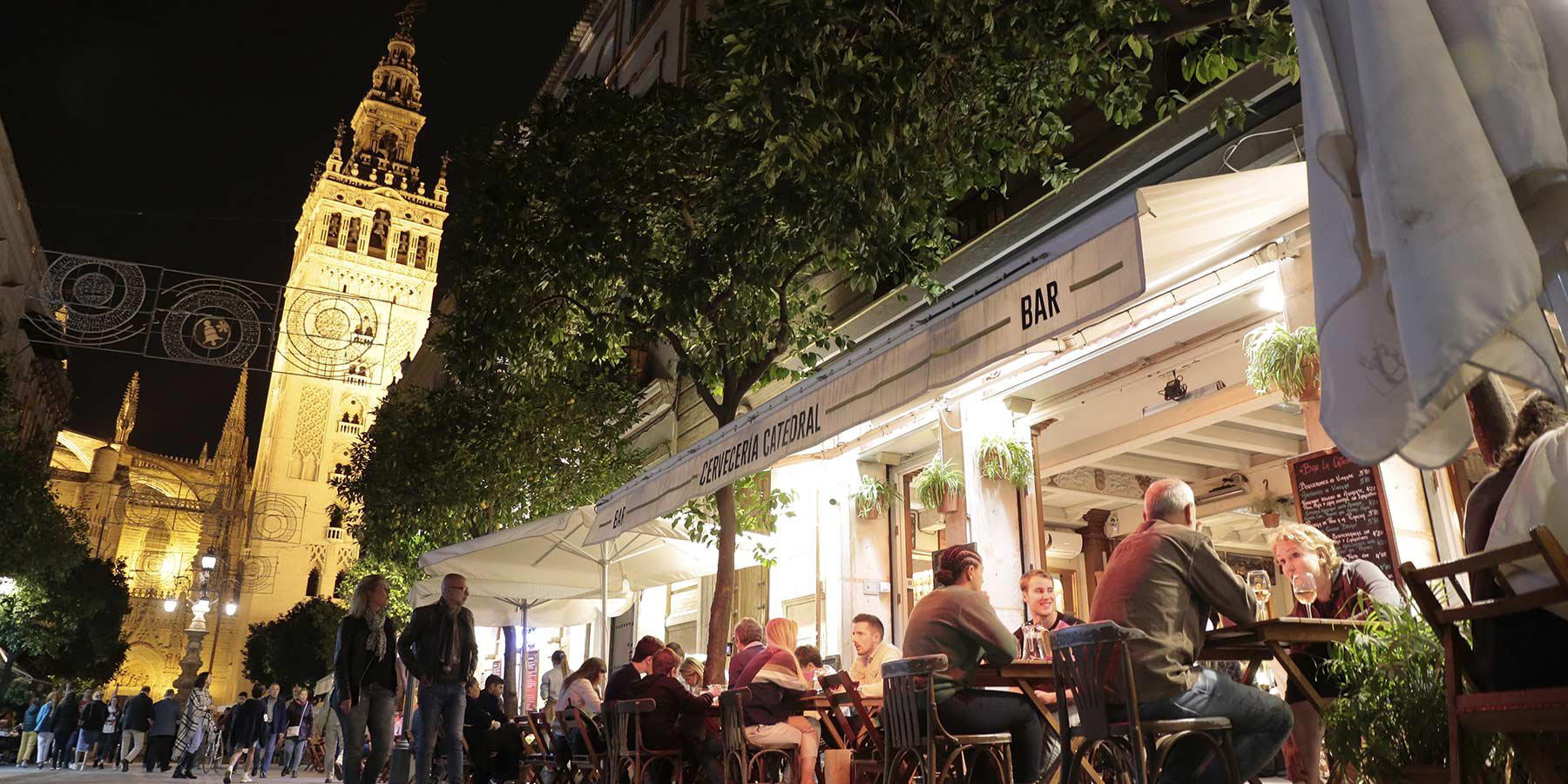
The address on Calle Santa María la Blanca puts the property within the tightest cluster of Seville's historic monuments: the Alcázar gardens are a short walk south, the Cathedral and Giralda less than ten minutes north on foot. In a city where the premium hotel tier is concentrated in the Casco Antiguo, proximity to these anchors is a baseline expectation rather than a differentiator. What sets this address apart is the immediate street context: Santa María la Blanca is quieter than the thoroughfares that feed the Cathedral, which matters considerably for a building whose charm depends on acoustic calm as much as visual character. The moment you pass through the entrance, the city's ambient noise reduces to something approaching silence, replaced by the sound of fountains in the first courtyard.
Service Architecture in a Multi-Building Property
Running a coherent guest experience across 27 interconnected houses presents a logistical challenge that shapes every dimension of the service model. In single-building properties, staff flows are predictable and centralised. Here, the property's maze-like structure requires a distributed approach: team members stationed at different nodes of the complex, familiar with routes that guests are still learning, and capable of anticipating requests before they are made rather than after a walk back to a distant front desk. This is the kind of service environment where personalisation is not a policy statement but a functional necessity. If a staff member cannot remember which room a guest is in, which route they typically take, or what they ordered for breakfast the previous morning, the property's sprawling layout becomes an inconvenience rather than an asset.
The guest experience in a hotel of this architectural type tends to polarise. Travellers who want streamlined, immediately legible luxury, the kind offered by a property like Hotel Alfonso XIII, a Luxury Collection Hotel, Seville, may find the disorientation of Las Casas de La Judería effortful. Those who are drawn to the layered, slightly unpredictable quality of a genuinely old building will find the occasional dead-end corridor or unexpected stairwell an intrinsic part of what they paid for. The clearest analogue is staying in a converted monastery or fortified village: the architecture pre-dates the concept of hotel efficiency, and the service model's job is to absorb that friction on the guest's behalf.
How This Property Sits in Seville's Converted-Palace Tier
Seville has accumulated a distinctive cluster of heritage hotel conversions that collectively represent one of the densest concentrations of this format in southern Spain. Corral del Rey operates at the boutique end, with a tightly curated room count and a design sensibility calibrated for guests who want Andalusian architectural bones with contemporary interiors. CoolRooms Palacio Villapanés sits in a similar register, single-building with a strong design identity. Hotel Mercer Sevilla occupies a Roman wall section in the Arenal district, positioning itself against archaeological spectacle rather than domestic intimacy. Hospes Las Casas del Rey de Baeza shares the plural-houses naming convention and some of the same courtyard DNA, making it the closest direct comparison in format terms.
More rooms means more availability at peak periods, Seville's Semana Santa and Feria de Abril in spring are among the most heavily booked weeks in the Spanish calendar, when even secondary properties fill months out. A larger property absorbs demand that boutique conversions cannot. It also means the intimacy ceiling is lower: encounters with other guests in the corridors and patios are more frequent than in a property of eight or ten rooms. Whether that reads as animated or crowded depends on the traveller's baseline expectations.
For Spain-wide context, the converted-palace format is not unique to Seville. Mandarin Oriental Ritz, Madrid represents the grand-hotel end of heritage restoration, while properties like Atrio Restaurante Hotel in Cáceres combine architectural heritage with a Michelin-starred dining program in a way that Seville's converted-palace tier has not consistently replicated. In wine-country terms, Abadía Retuerta LeDomaine and Terra Dominicata in Escaladei show how former religious buildings can carry an equally distinctive heritage logic. Las Casas de La Judería's claim is specifically urban and specifically Sevillano: the Jewish quarter setting is not decorative context but the actual historical substrate of the building complex.
Timing, Access, and What to Know Before Booking
Seville's climate creates a sharply defined travel calendar. Spring, particularly March through May, delivers the combination of mild temperatures and the city's two major festivals that most visitors target, and prices and availability across the premium hotel tier reflect that demand. By June, daytime temperatures in the Casco Antiguo routinely exceed 38°C, and the city's slower summer pace is only comfortable for travellers who structure their days around it: early mornings, long midday retreats, late evenings. October and November offer a second window of genuinely pleasant conditions with lower occupancy than spring.
The hotel's location in the heart of the Casco Antiguo means arrival by car requires planning: the quarter's street network is largely pedestrianised or access-restricted, and luggage handling to the entrance is a logistical detail worth confirming in advance. The nearest large train station, Santa Justa, is under three kilometres from the hotel, reachable by taxi in minutes, though the narrow streets of the quarter require vehicles to approach from specific entry points. Guests arriving from Madrid by high-speed AVE train (approximately two and a half hours on the fastest services) will find this the most efficient approach to the city.
Those building a wider Andalusian or Spanish itinerary around this base might consider how Las Casas de La Judería positions against the broader EP Club Spain portfolio. Island properties like Cap Rocat in Cala Blava or La Residencia, A Belmond Hotel, Mallorca represent a different architectural tradition entirely, while Marbella Club Hotel occupies the resort end of Andalusian luxury. For the full Seville picture, see our full Seville restaurants and hotels guide.
Cuisine-First Comparison
| Venue | Cuisine | Price | Awards |
|---|---|---|---|
| Hotel Las Casas de La JuderíaThis venue (the venue you are viewing) | This venue | $200–300 | Not listed |
| CoolRooms Palacio Villapanés | Michelin 1 Key | $300–500 | 1 Michelin Key · Mr & Mrs Smith Seal of Approval |
| Hotel Mercer Sevilla | Michelin 1 Key | Not listed | 1 Michelin Key |
| Unuk | Michelin 1 Key | $300–500 | 1 Michelin Key |
| Hospes Las Casas del Rey de Baeza | Not listed | Not listed | Michelin Selected · Design Hotels Member |
| Hotel Alfonso XIII, a Luxury Collection Hotel, Seville | Not listed | Not listed | 1 Michelin Key · Virtuoso Luxury Hotel Partner |
Continue exploring
More in Seville
Hotels in Seville
All hotels in Seville →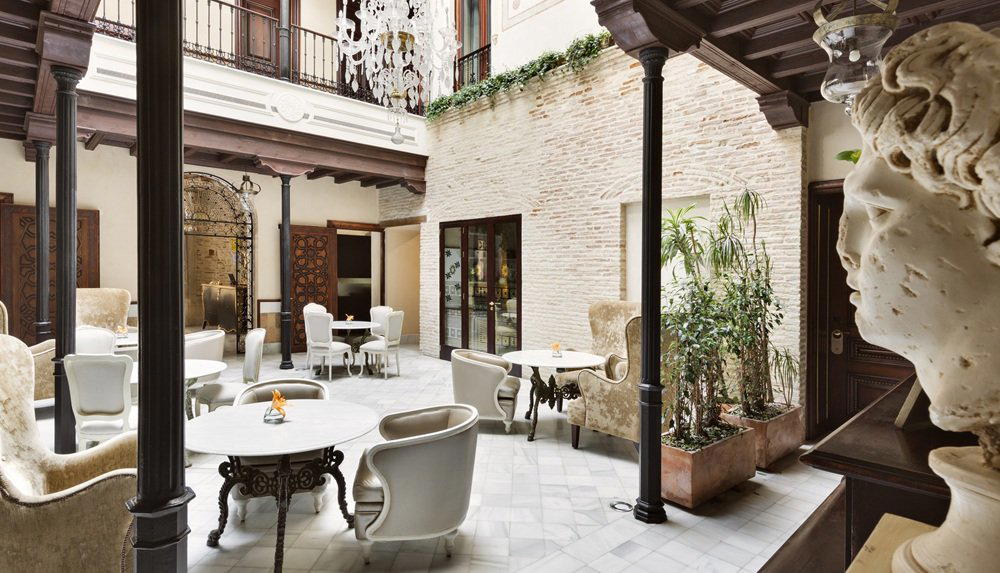
Details
- Romantic
- Historic
- Cozy
- Elegant
- Intimate
- Romantic Getaway
- Anniversary
- Weekend Escape
- Historic Building
- Rooftop Pool
- Terrace
- Wi Fi
- Pool
- Spa
- Room Service
- Concierge
- Street Scene
- Elevator
- Step Free Entrance
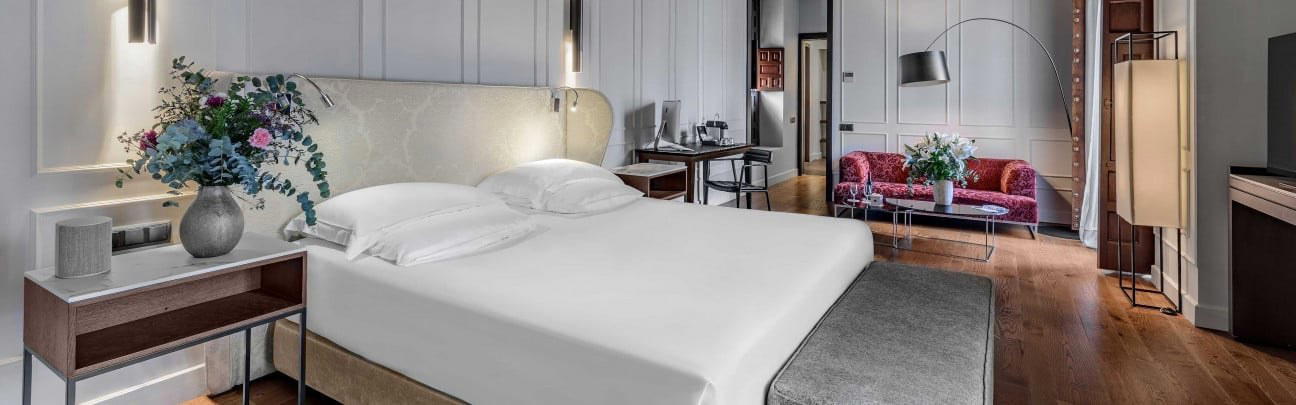
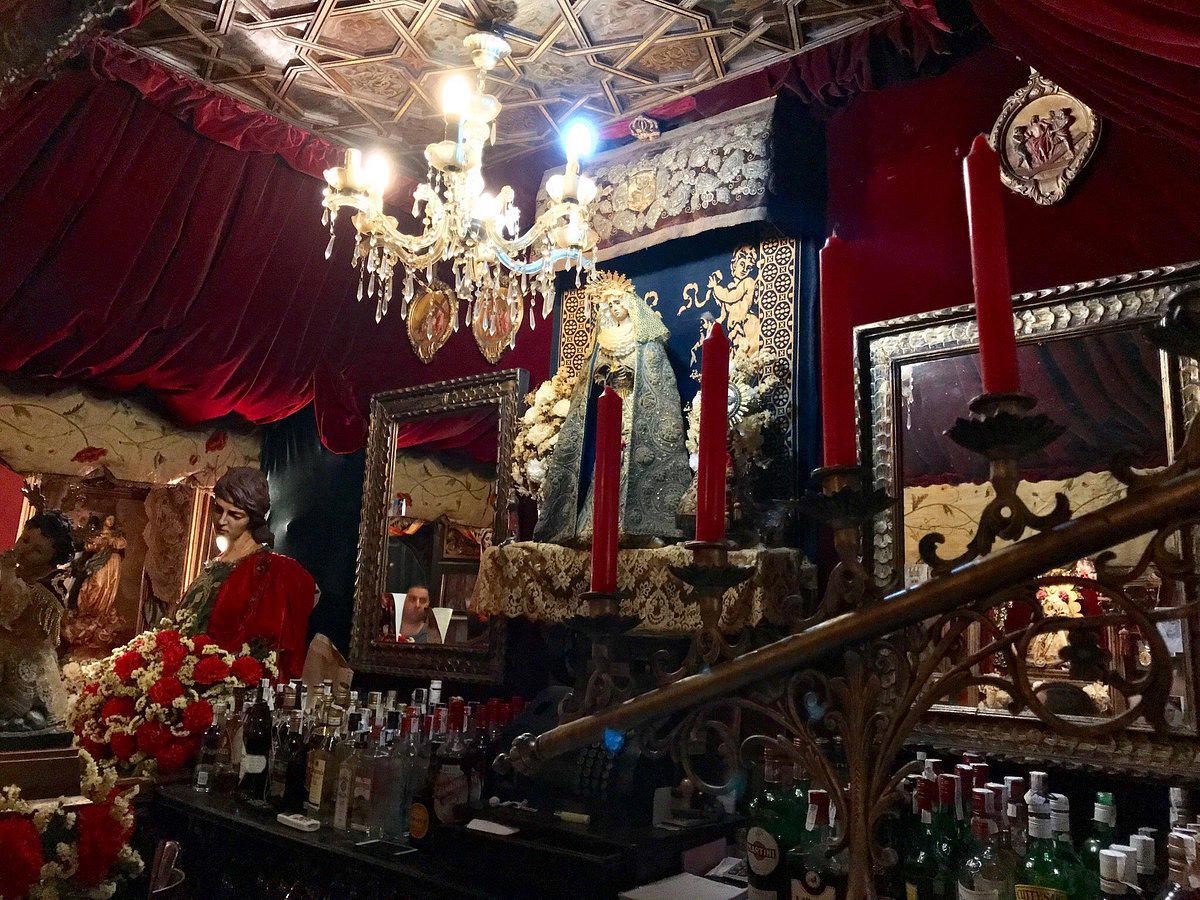
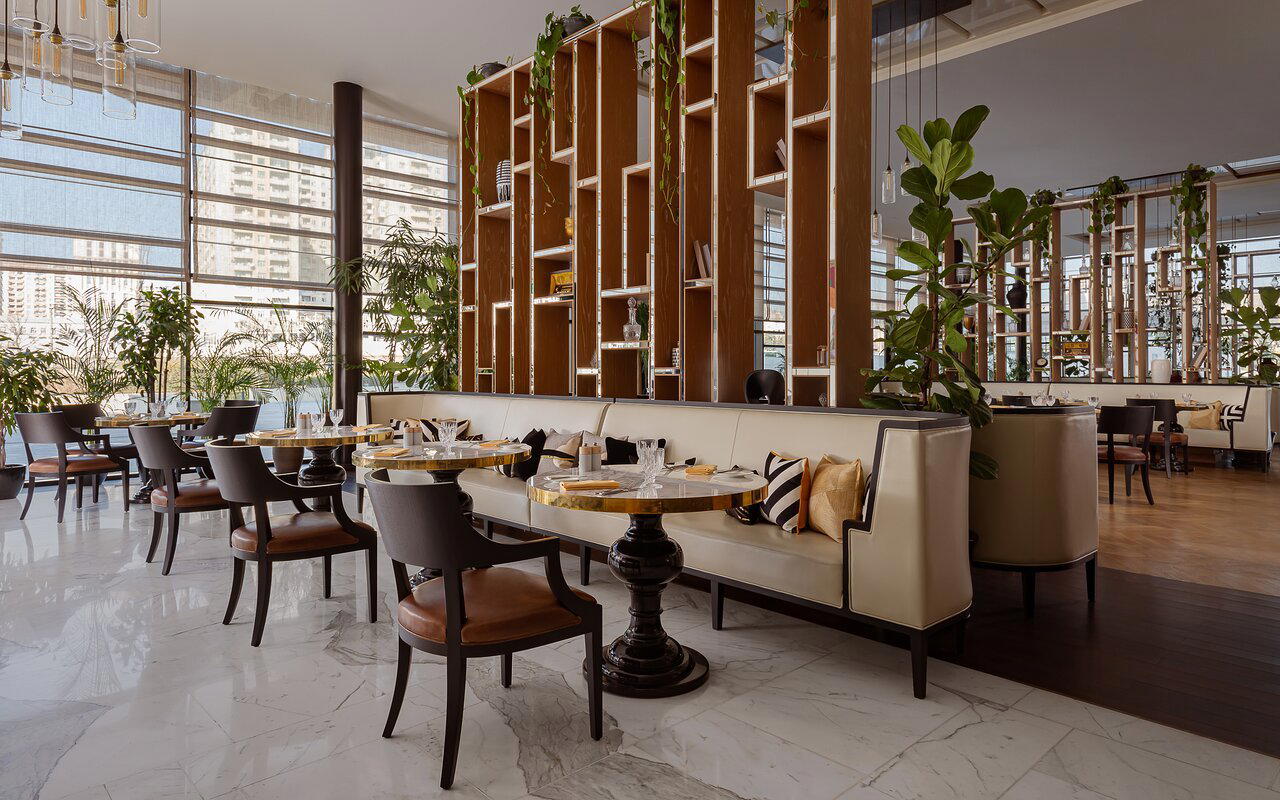
Timeless elegance with lively patios, trickling fountains, lush gardens, and classic decor blending antique furniture and original architectural features.