Hermitage Hotel & Spa



At 2,050 metres on the Italian flank of the Matterhorn, Hermitage Hotel & Spa has been run by the Neyroz family for three generations, making it among the more established family-operated mountain retreats in the Aosta Valley. Built from local rock and stone, the chalet sits among larches with direct access to Breuil-Cervinia's ski terrain and a full-service spa fed by on-site water sources. Rates start from US$337 per night.
Pearl is the En Primeur Club membership app — saves, bookings, and concierge access live there. Same editors, same standards.
- Address
- Via Piolet, 1, 11021 Breuil-Cervinia AO
- Phone
- +39 0166 948998
- Website
- hotelhermitage.com
- Directions
- Get directions
 Saves & bookings on Pearl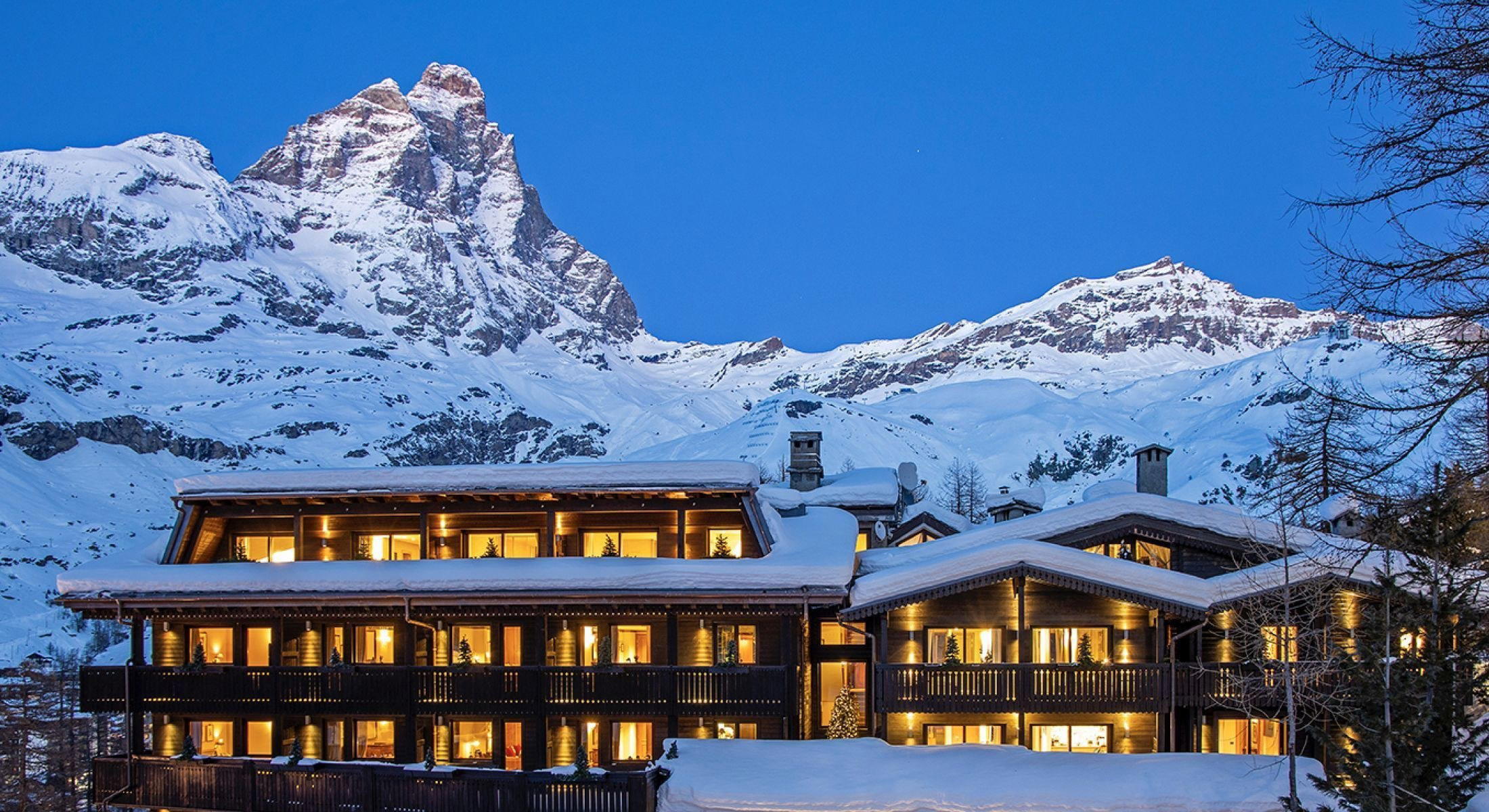
Stone, Larch, and the Weight of the Matterhorn
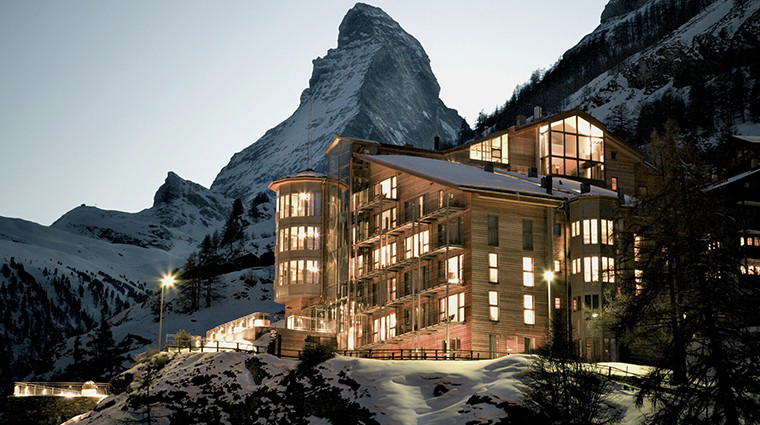
The approach to Breuil-Cervinia's upper reaches tells you something about what mountain architecture is actually for. Below the treeline, the road curves through switchbacks with the Matterhorn occupying an increasingly large section of sky. At 2,050 metres, where the larches thin and the rock takes over, the built environment has to earn its place. The chalets and refuges that have survived here are the ones that drew from the mountain's own palette: stone foundations, timber frames, pitched roofs engineered for snow loads rather than aesthetics. John Ruskin, who spent considerable time studying the Alps in the nineteenth century, called the Matterhorn's cliff face "the noble in Europe." The observation is architectural as much as geological.
Hermitage Hotel & Spa occupies this altitude and visual register. The structure reads as a continuation of the terrain rather than an interruption of it: local rock and stone construction, heavy timber detailing, the protective mineral density of a high-altitude refuge translated into hotel form. This is not the contemporised alpine aesthetic found at newer ski properties across the region, where barn conversions and glass extensions reach for a different kind of drama. The Hermitage works inside the older tradition, one where warmth is earned through material honesty rather than design gesture.
Three Generations of Aosta Valley Practice
Italian mountain hospitality operates differently from the luxury ski hotel model that has expanded through the Alps over the past two decades. The larger international footprint properties, with their spa pavilions bolted onto modernised chalets and their seasonal management rotations, produce a consistent but somewhat interchangeable experience. The Hermitage sits in a different category, where the host family's continuous presence shapes service in ways that branded management cannot replicate. The Neyroz family has operated here across three generations, accumulating the kind of institutional knowledge about the valley, its guests, and its rhythms that only long tenure produces.
That continuity shows up in the service register rather than in marketing claims. Guests are received within a framework that reads as a private house rather than a hotel front desk. This is a long-established feature of Relais & Châteaux member properties, the group to which Hermitage belongs, and which has historically distinguished between properties that perform hospitality and those that have absorbed it into daily practice.
The Spa as Original Infrastructure
Mountain wellness has become a competitive category across the Alps, with properties adding treatment rooms and pool facilities at a rate that has made the spa a near-standard amenity. What differentiates the Hermitage's approach is the claim to have been the first property in the Valle d'Aosta to introduce a spa within a luxury hotel context. The implication is that the facility was built as original infrastructure rather than retrofitted to meet current market expectations.
The spa draws water from on-site sources in Cervinia, a detail that connects the facility back to the territory rather than treating wellness as an amenity separate from place. The offer includes a heated indoor pool, whirlpools, sauna, Turkish bath, emotional shower, and a Technogym fitness space, alongside a treatment programme of facials and body therapies designed for both male and female guests. The personalisation element is positioned as the programme's defining characteristic: treatments are described as tailor-made rather than drawn from a fixed menu, which places the Hermitage spa within the specialist tier of Alpine wellness rather than the volume-throughput model common at larger resort hotels.
Altitude, Access, and the Skiing Argument
Breuil-Cervinia sits within one of Europe's highest ski domains, with terrain that connects to Zermatt on the Swiss side via the Klein Matterhorn and allows year-round skiing at the upper glacier. That cross-border reach is the primary reason the resort draws a serious ski-touring clientele rather than only the weekend leisure market. Properties at this altitude offer direct access to the mountain in a way that lower-village hotels cannot match, and the Hermitage's position at 2,050 metres places it well above the resort centre.
For guests primarily focused on skiing, the access question matters more than interior design choices. The Hermitage's altitude advantage means less time on access lifts and more time on the linked terrain that extends toward Zermatt. For those considering alternatives in the area, Valtur Cervinia Cristallo Ski Resort and VRetreats Cervino represent the other principal options within Breuil-Cervinia itself, each occupying a different position in terms of scale and service format.
Kitchen and Territory
The Hermitage kitchen operates within the Aosta Valley tradition, a cuisine defined by altitude-adapted agriculture: fontina cheese, cured meats, game, polenta, and the heavier preparations that make practical sense in cold mountain conditions. This is a regional cooking tradition with genuine geographic logic behind it, not a set of decorative references to local ingredients grafted onto an international menu. The property's stated emphasis on "authentic flavors and genuine territory" places it within the group of mountain hotels where the dining room reinforces the overall territorial proposition rather than offering a separate, altitude-agnostic menu for international guests.
Those planning around particular dietary requirements should contact the hotel directly through hermitage@relaischateaux.com or by phone at +39 0166 94 89 98.
Planning a Stay
Rates at Hermitage Hotel & Spa begin from US$453 per night. Advance booking is essential, particularly during peak ski weeks and summer glacier-skiing periods.
Aman Venice in Venice, Four Seasons Hotel Firenze in Florence, Bulgari Hotel Roma in Rome, or Portrait Milano in Milan. The Alpine tradition that Hermitage represents, domestic in scale and rooted in territory, connects more closely to properties like Castel Fragsburg in Merano or EALA My Lakeside Dream in Limone sul Garda, where a specific geography shapes the entire offer. Other Italian properties worth cross-referencing across different regional contexts include Castello di Reschio in Lisciano Niccone, Casa Maria Luigia in Modena, Borgo Santandrea on the Amalfi Coast, Il San Pietro di Positano in Positano, JK Place Capri in Capri, Rosewood Castiglion Del Bosco in Montalcino, Borgo Egnazia in Savelletri di Fasano, Il Pellicano in Porto Ercole, Passalacqua in Moltrasio, Bellevue Syrene 1820 in Sorrento, Borgo San Felice Resort in Castelnuovo Berardenga, Corte della Maestà in Civita di Bagnoregio, and Castelfalfi in Montaione.
At-a-Glance Comparison
Comparable venues nearby, for context on price, style, and recognition.
| Venue | Cuisine | Price | Awards | Notes |
|---|---|---|---|---|
| Hermitage Hotel & SpaThis venue — the venue you are viewing | luxury alpine chalet | $$$$ | 5-Star | Not listed |
| Valtur Cervinia Cristallo Ski Resort | Modern lifestyle ski resort with elegant alpine design | $$$$ | 4-Star | Breuil-Cervinia |
| VRetreats Cervino | Contemporary Alpine luxury with classic-modern fusion | $$$$ | 5-Star | Breuil Cervinia |
| SINA Bernini Bristol, Autograph Collection | Well-known 150-year-old luxury hotel reinterpreting Baroque luxury with contemporary twist. | $$$$ | 5-Star | Piazza Barberini |
| Petra Segreta Resort & Spa | Contemporary Sardinian stazzi-inspired luxury resort | $$$$ | 5-Star | San Pantaleo |
| Tivoli Portopiccolo Sistiana Wellness Resort & Spa | Modern boutique retreat inspired by Gio Ponti | $$$$ | 5-Star | Portopiccolo |
Recognition history
Dated appearances from independent guides and award organizations, with the underlying list record or original source where available.
Relais Chateaux Award
Relais Chateaux
Virtuoso Luxury Hotel Partner
Virtuoso
Michelin Selected
Michelin
Relais Chateaux Award
Relais Chateaux
Continue exploring
More in Breuil-Cervinia
Hotels in Breuil-Cervinia
Browse all →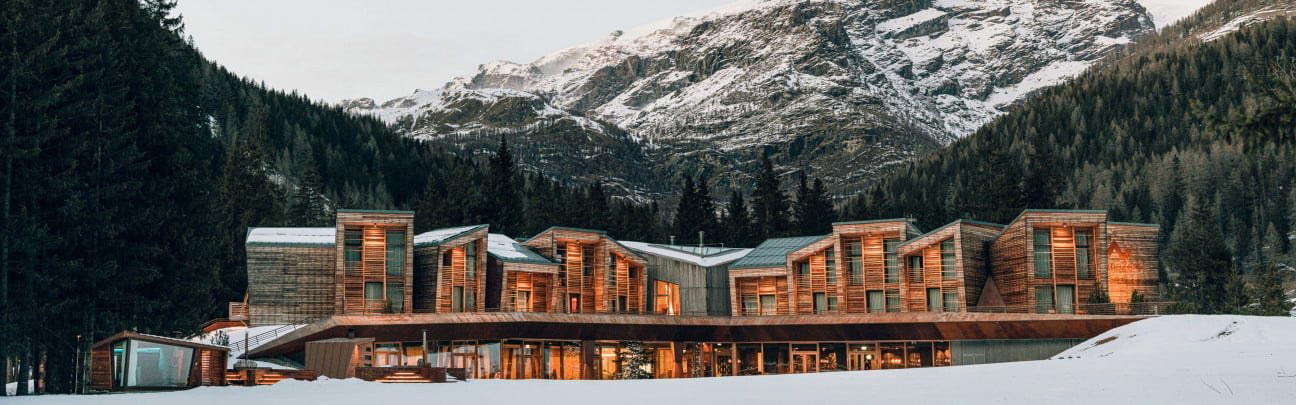
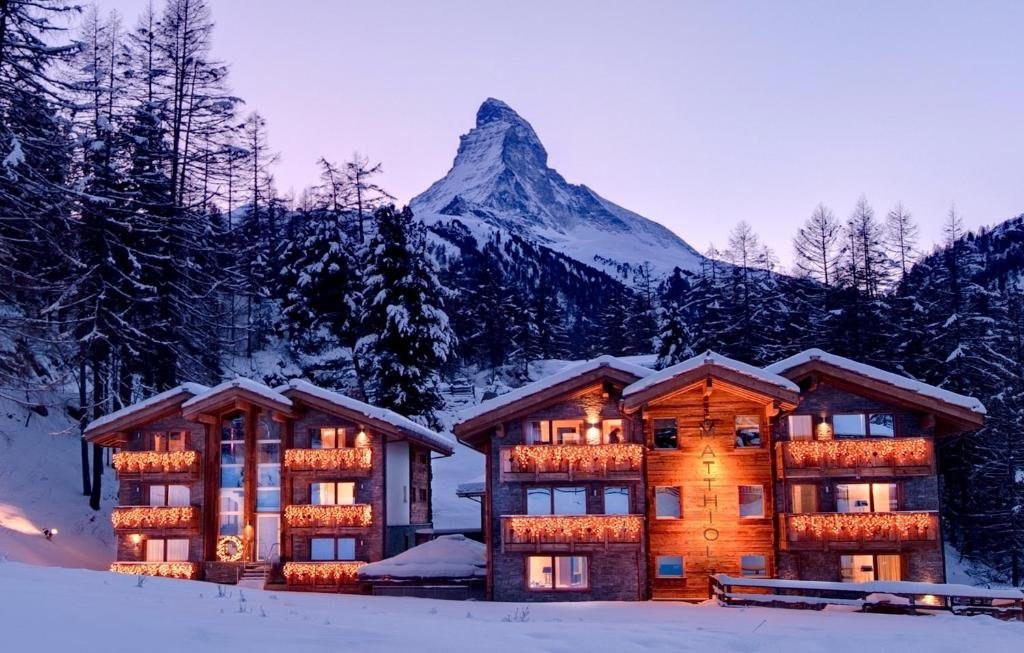
Bars in Breuil-Cervinia
Browse all →
Restaurants in Breuil-Cervinia
Browse all →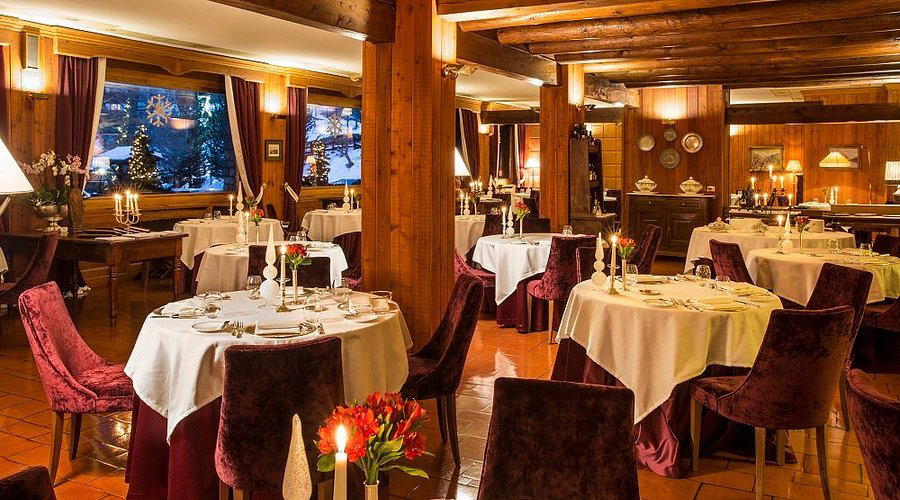

At a Glance
- Elegant
- Cozy
- Sophisticated
- Scenic
- Romantic Getaway
- Wellness Retreat
- Family Vacation
- Ski In Ski Out
- Panoramic View
- Destination Spa
- Spa
- Pool
- Fitness Center
- Room Service
- Concierge
- Wi Fi
- Sauna
- Restaurant
- Mountain
- Garden
- Spa
- Pool
- Fitness Center
- Room Service
- Concierge
- Wi Fi
- Sauna
- Restaurant
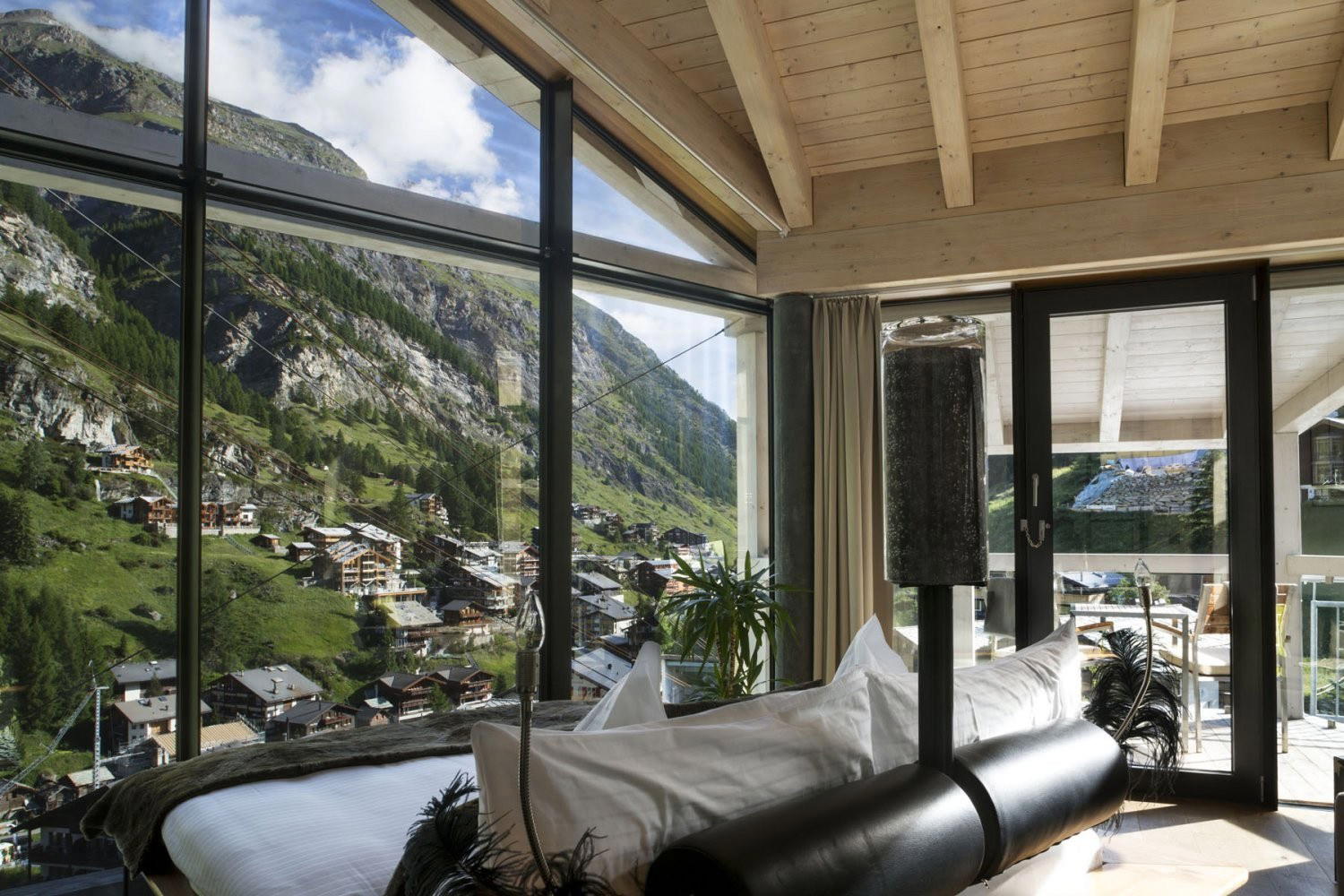
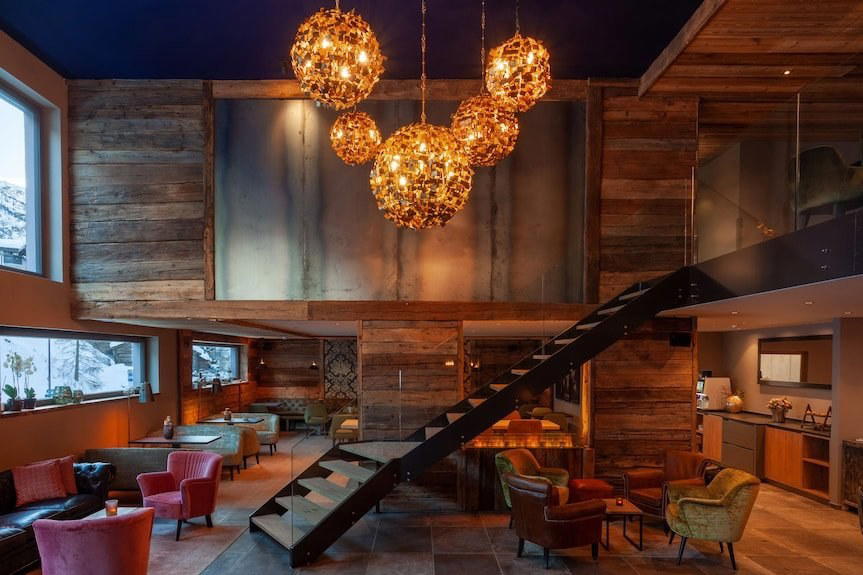
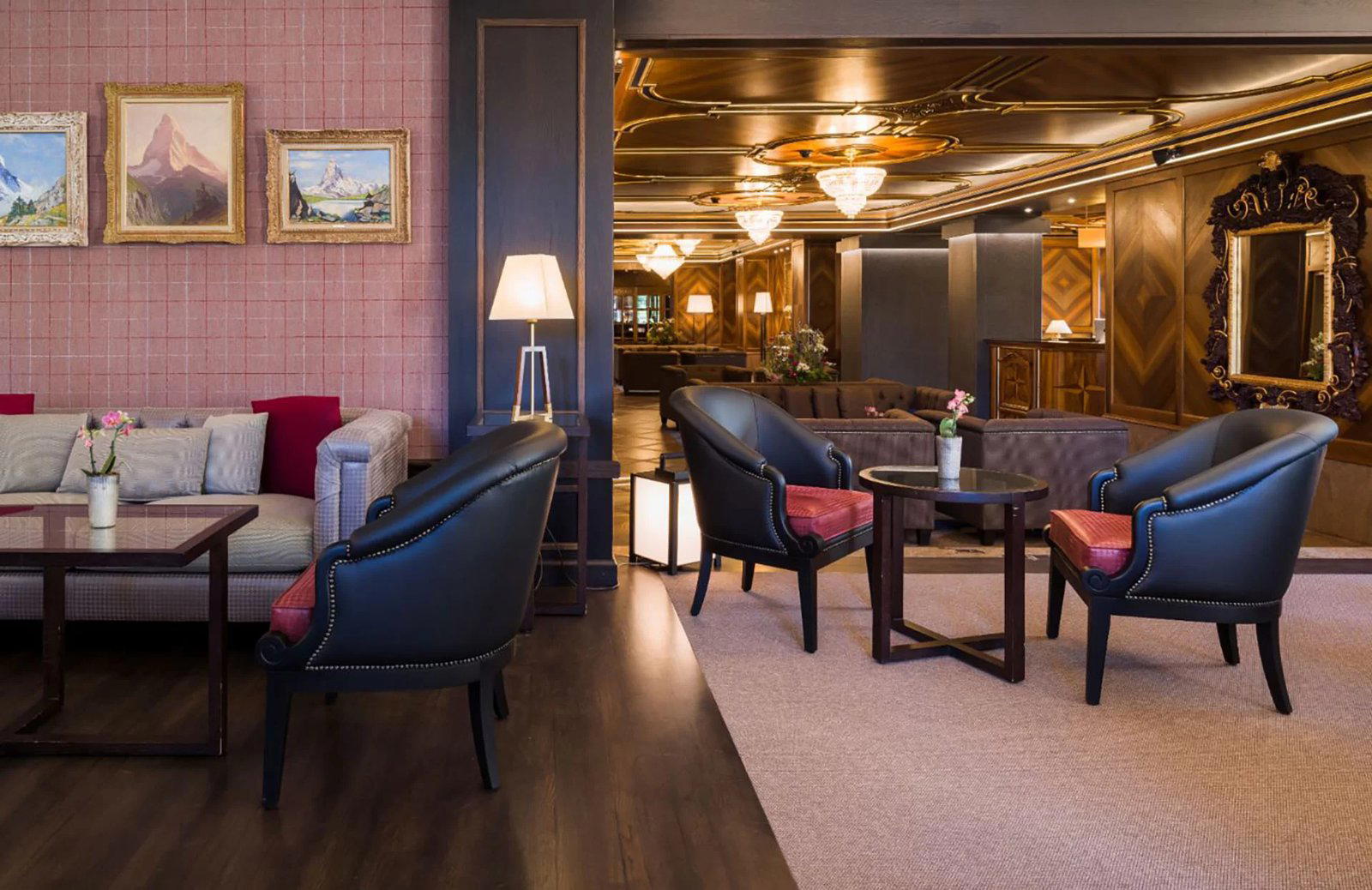
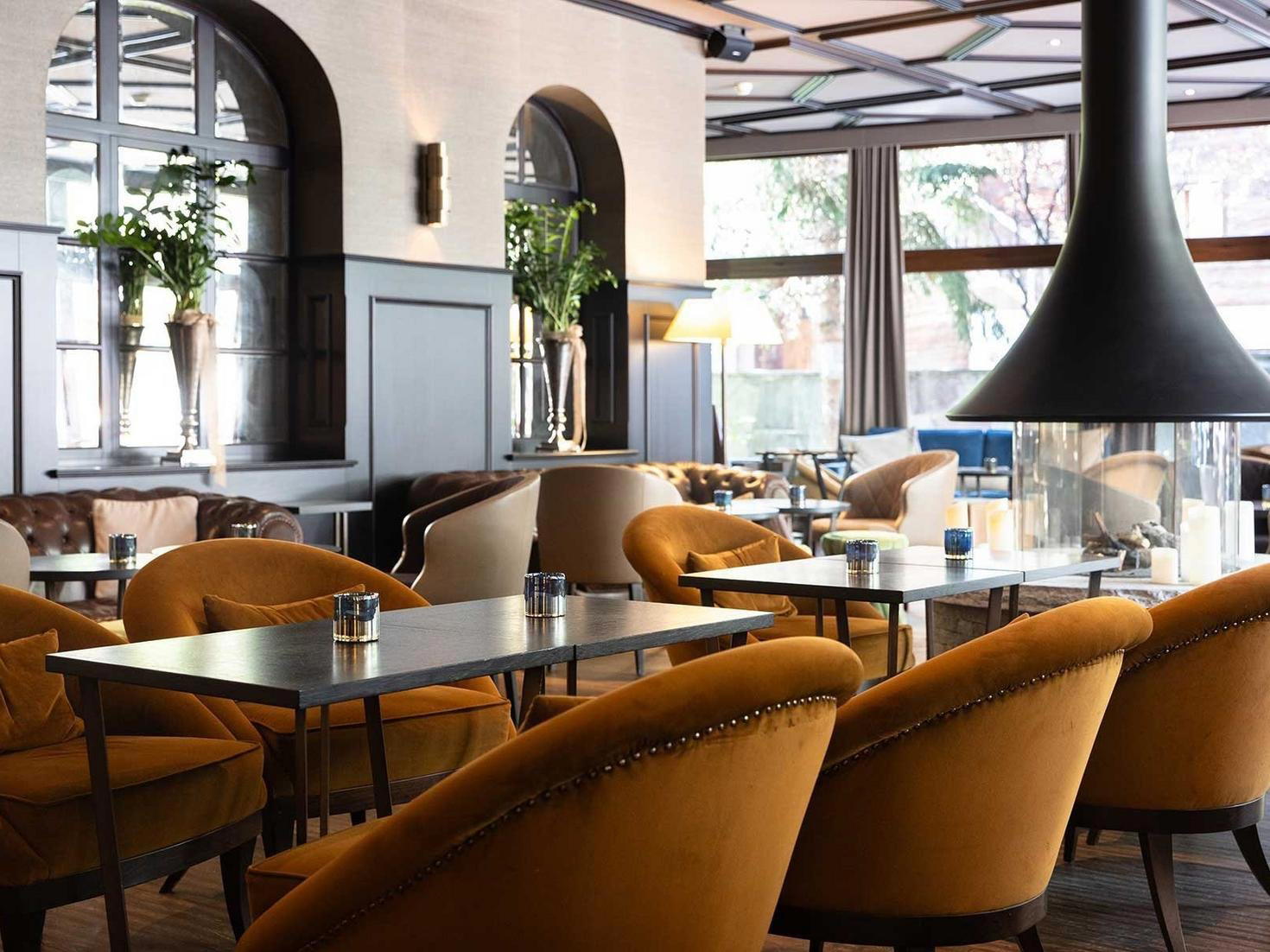
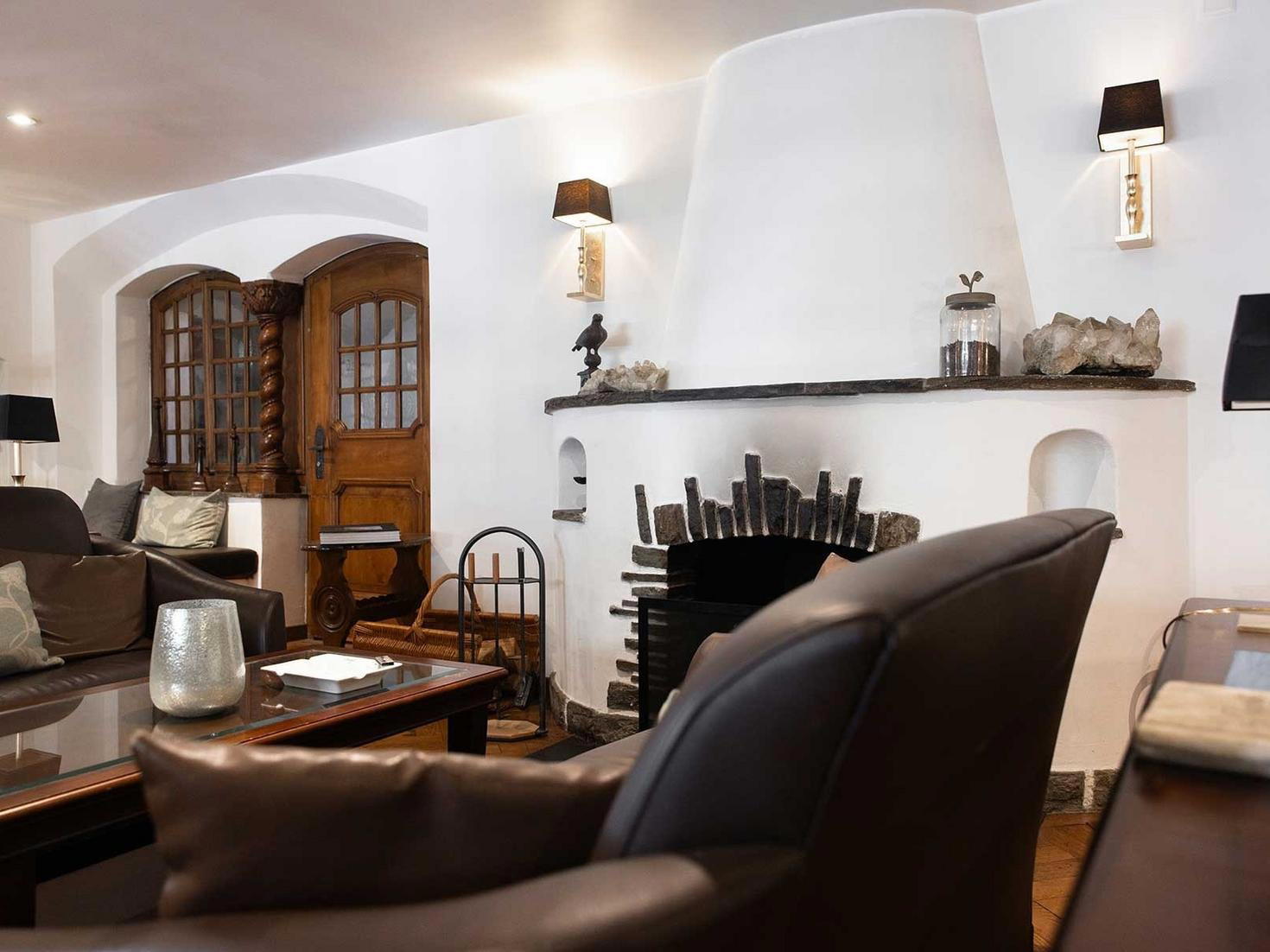
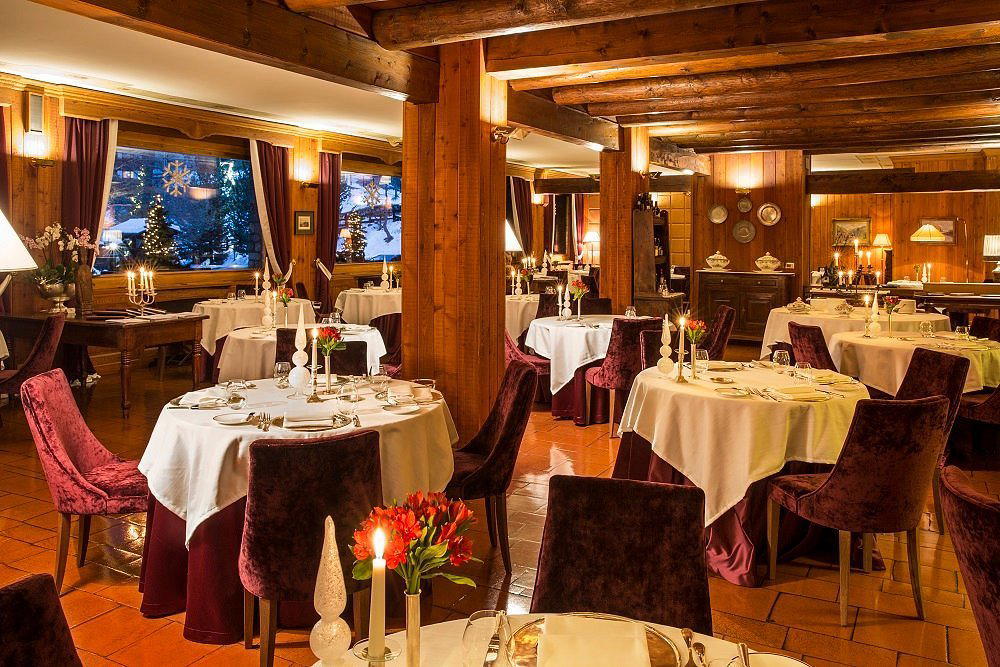
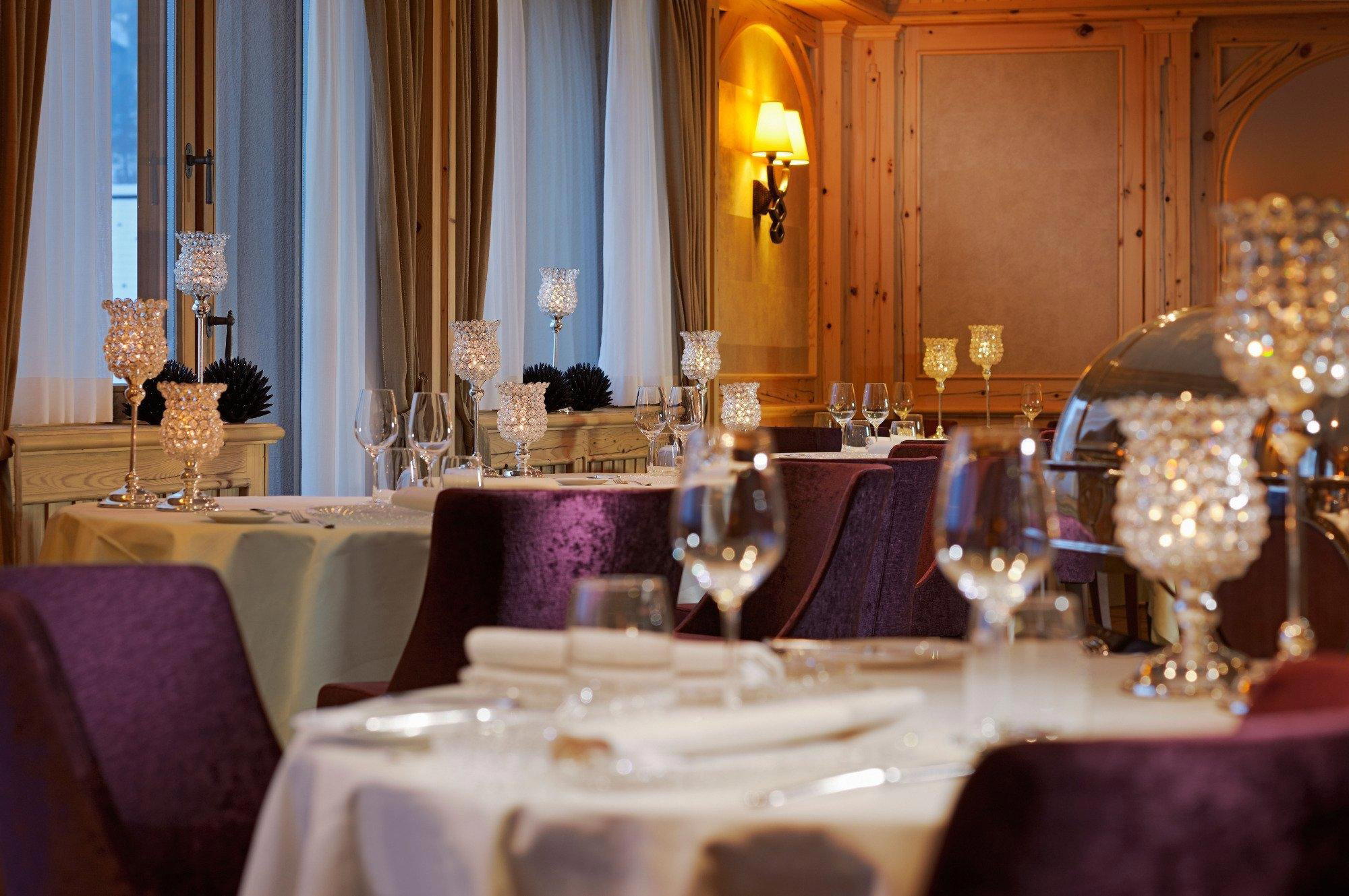
Warm and elegant alpine atmosphere with cozy fireplace lounge, soft lighting, and dramatic mountain vistas from large windows.