Valtur Cervinia Cristallo Ski Resort
Preferred Hotels Member
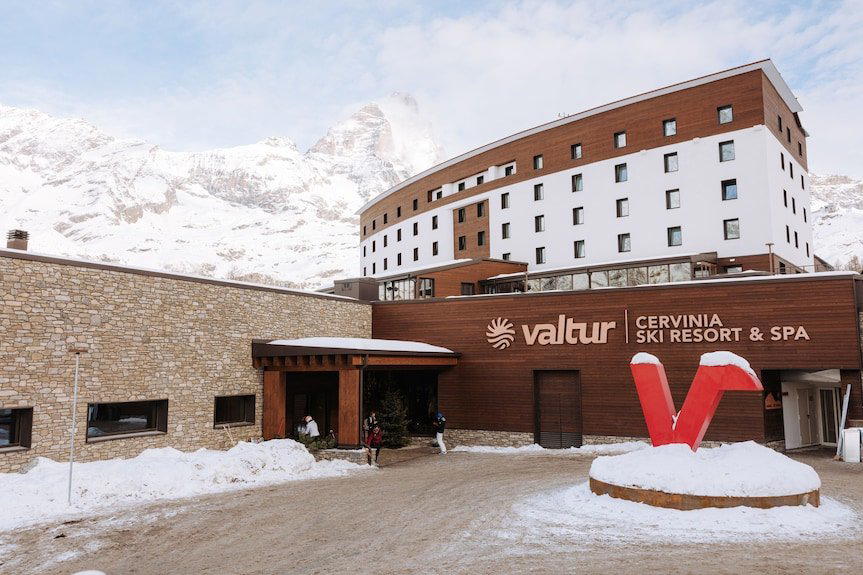
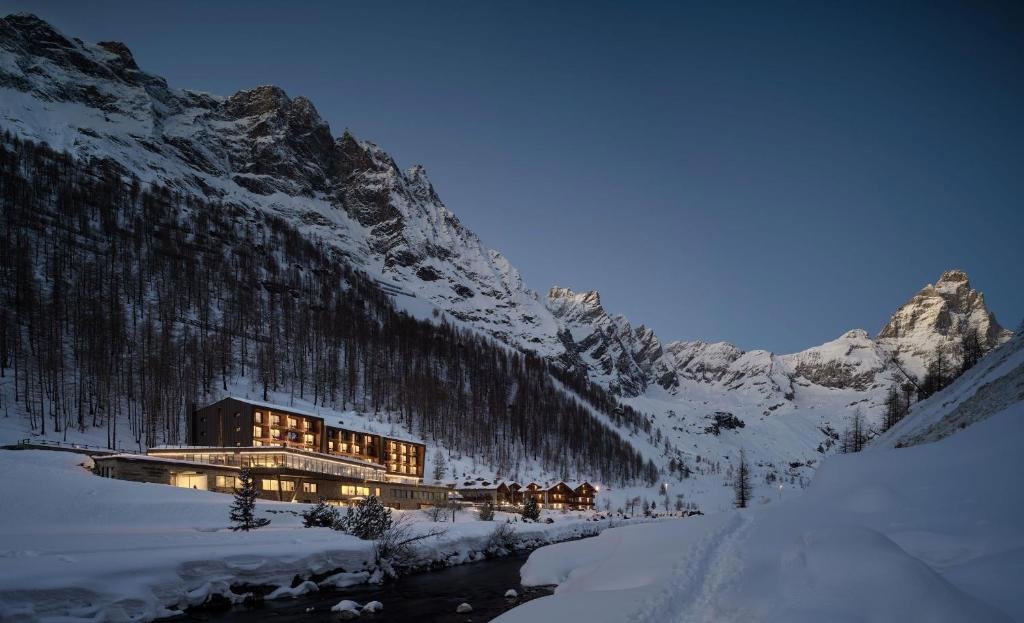
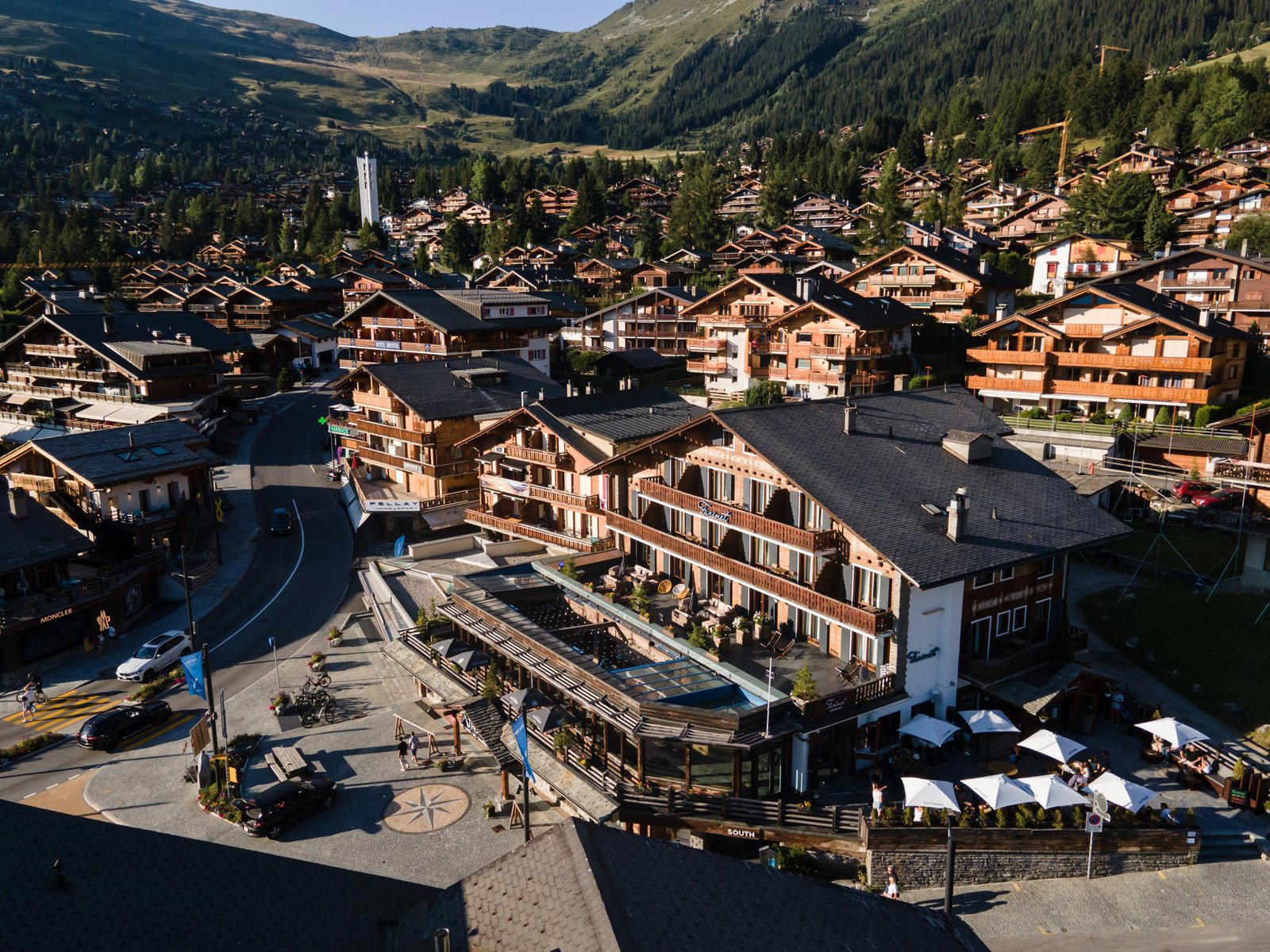
Valtur Cervinia Cristallo Ski Resort occupies a central position in Breuil-Cervinia, one of the Aosta Valley's principal high-altitude ski stations, with 131 rooms spread across a property that operates at the intersection of mountain sport and resort hospitality. The resort sits at the foot of the Matterhorn, placing guests within reach of the shared Zermatt-Cervinia ski area, one of the largest cross-border ski domains in Europe.

Pearl is the En Primeur Club membership app, where members save venues, book tables and use the concierge.
Breuil-Cervinia and the Resort Model It Shaped
Breuil-Cervinia sits at roughly 2,050 metres in the Aosta Valley, higher than most Italian resort towns and, as a result, one of the few that can guarantee snow cover well into spring. The village developed as a ski destination in the 1930s, built around access to the Plateau Rosa glacier and the cross-border connection to Zermatt, a linkage that remains commercially and logistically significant today. That heritage gives Cervinia a particular character among Italian mountain resorts: less fashionable than Cortina d'Ampezzo, less boutique-heavy than Courmayeur, but operationally serious about skiing in a way that appeals to guests who prioritise vertical metres over après-ski theatre.
Within that context, larger resort hotels occupy a distinct functional role. They serve as bases for multi-day ski programmes rather than destination experiences in themselves, and their dining and common-area offerings are calibrated accordingly. Valtur Cervinia Cristallo Ski Resort, with 131 rooms at Via Piolet 6, sits in this category: a scaled property positioned to absorb group bookings, families, and ski-package guests who want proximity to the lifts without the premium that attached to the village's smaller design-led alternatives.
Nearby, Hermitage Hotel & Spa and VRetreats Cervino represent the smaller, more curated tier of Cervinia accommodation, both with sharper design identities and correspondingly different price and booking profiles. The Cristallo operates in a different register, where breadth of capacity rather than intimacy of experience defines the offer.
The Dining Programme in a Mountain Resort Context
Mountain resort dining in the Aosta Valley has shifted considerably over the past decade. Where hotel restaurants once functioned purely as practical necessities, somewhere warm to eat between ski runs, the better properties have invested in culinary programmes that can stand independently of the ski product. The model is most visible at properties like Castel Fragsburg in Merano, where the dining room has become a destination in its own right, or at properties in the broader Italian alpine arc that have attracted Michelin attention by taking regional ingredient sourcing seriously.
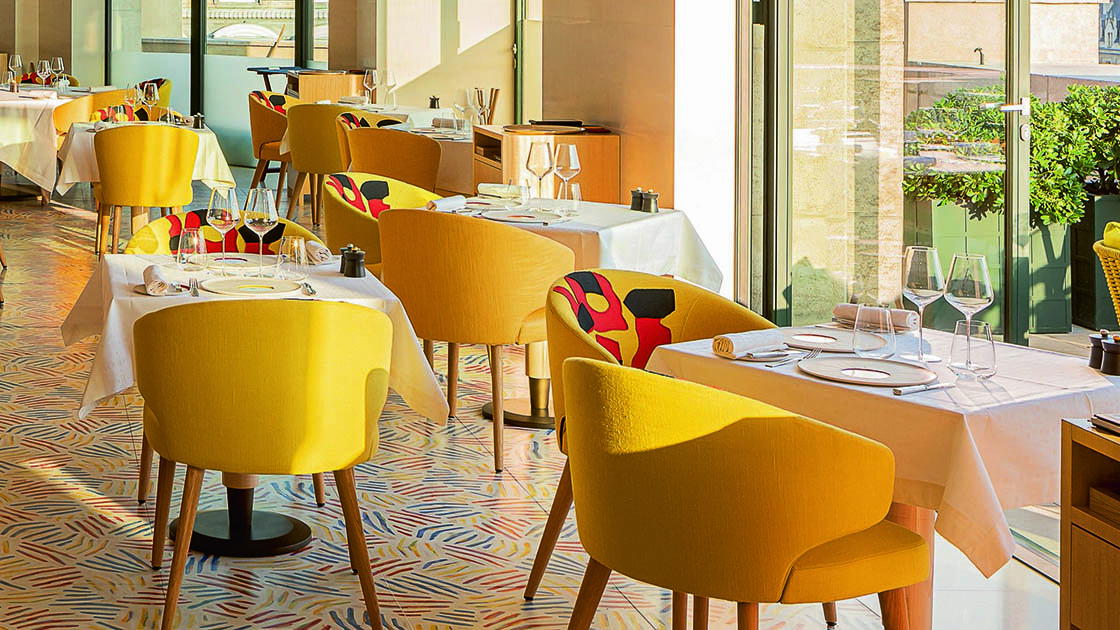
At a resort of the Cristallo's scale, the dining programme typically takes a different shape. A 131-room property running ski packages operates its restaurant primarily as a high-throughput facility: breakfast service for guests heading to the slopes by 8am, lunch options that may extend to the mountain itself, and an evening dining room structured around half-board or full-board packages that are standard in the Cervinia resort market. The emphasis tends to fall on consistency and volume rather than on tasting menus or à la carte elaboration. That is not a criticism of the model, it reflects a rational response to the guest profile and the operational demands of a ski season that runs from late autumn through to early May at this altitude.
What the leading alpine resort dining programmes do well at this scale is anchor the menu in regional tradition: Valdostan dishes like fonduta, polenta concia, and carbonade de boeuf provide genuine sense-of-place in a way that a hotel cooking to international-bland standards does not.
What 131 Rooms Means in Practice
Room count is a meaningful proxy for the kind of experience a property offers. At 131 rooms, the Cristallo is substantially larger than the boutique properties that define the premium end of Cervinia's market, VRetreats Cervino, for instance, operates at a much smaller key count, which allows for the staff-to-guest ratios and personalised service architecture that characterise that tier. The Cristallo's scale places it in a different competitive bracket: comparable to the larger ski resort hotels across Zermatt and Val d'Isère that prioritise operational reliability, social common areas, and package-friendly pricing over curated intimacy.
For certain travel profiles, this is precisely the right fit. Groups travelling together, families with children at different ski levels, corporate incentive groups, ski club bookings, benefit from the critical mass that a 131-room property provides: more flexible meal seatings, dedicated group spaces, and the infrastructure to handle equipment storage, boot drying, and early-morning organisation at scale. The boutique tier solves different problems for different travellers. For comparison, the intimacy model at its most refined in Italy runs through properties like Passalacqua in Moltrasio or Borgo Egnazia in Savelletri di Fasano, both deliberately small-key operations built around personalised rhythms. The Cristallo's proposition runs in the opposite direction.
Cervinia as a Base: What the Location Delivers
The resort's address on Via Piolet places it within the central village zone, close to the main lift infrastructure. That proximity matters in practical terms: ski-in convenience in Cervinia is a function of which lifts you can access on foot before the village shuttle becomes necessary, and a central address reduces the morning friction that affects guests staying at the outer edges of the resort perimeter.
The Zermatt connection via the Plateau Rosa is the defining geographical asset of Cervinia as a resort. Cross-border skiing at this altitude, the shared domain covers over 360km of pistes, means that a week's skiing can be divided between Italian and Swiss terrain without duplicating runs. That operational scale is what separates Cervinia from smaller Aosta Valley stations like Pila or Champoluc, and it's the primary reason the village attracts guests from across northern Europe and the UK in addition to the Italian domestic market. Booking windows for peak weeks, Christmas, February half-term, Easter, follow patterns similar to Swiss resorts rather than Italian lowland destinations; early planning, typically four to six months out for the main winter weeks, is the practical norm for securing any accommodation in the village.
For guests considering the broader Italian hotel spectrum, the Aosta Valley's mountain resort model is a specific sub-category. The coastal and heritage-property registers, from Borgo Santandrea on the Amalfi Coast to Il San Pietro di Positano in Positano, operate on entirely different seasonal rhythms and guest logics. So do the agricultural estate properties like Rosewood Castiglion Del Bosco in Montalcino or Borgo San Felice Resort in Castelnuovo Berardenga. Mountain ski resorts in Italy demand their own planning logic, altitude-driven season windows, lift-proximity prioritisation, and package structures that don't map onto how you'd book a Florentine city hotel or a lakeside property like EALA My Lakeside Dream in Limone sul Garda.
For full context on dining and accommodation across the village, see our full Breuil-Cervinia restaurants guide.
Planning Your Stay
The Cristallo's central village address at Via Piolet 6 keeps the main gondola and chair lift access within walking distance, which reduces the dependency on shuttle transport during the morning rush. Peak season at this altitude, particularly the Christmas fortnight, Italian school holiday weeks in February, and the Easter window, books substantially ahead of arrival. The spring skiing window, when the Plateau Rosa glacier remains skiable into May while the lower village quiets considerably, is worth noting for guests who want the high-altitude terrain at a lower occupancy level.
Price and Positioning
Comparable venues nearby, for context on price, style, and recognition.
| Venue | Cuisine | Price | Awards | Notes |
|---|---|---|---|---|
| Valtur Cervinia Cristallo Ski ResortThis venue (the venue you are viewing) | Not listed | Not listed | Preferred Hotels Member | Not listed |
| Hermitage Hotel & Spa | Breuil-Cervinia, luxury alpine chalet | $300–500 | Michelin Selected · Virtuoso Luxury Hotel Partner | Not listed |
| VRetreats Cervino | Not listed | Not listed | Small Luxury Hotels of the World Member | Breuil Cervinia, Contemporary Alpine luxury with classic-modern fusion |
| Palazzo Scanderbeg | Not listed | $500–750 | Michelin Selected · Mr & Mrs Smith Seal of Approval | Centro Storico (near Trevi Fountain), Luxury historic residence blending 15th-century Renaissance architecture with contemporary minimalist design and bespoke service. |
| Vinilia Wine resort | Not listed | $200–300 | Michelin Guide New Hotels New Hotel · Michelin Selected | Manduria, Restored neo-eclectic castle with family-style hospitality |
| Masseria Bagnara Resort & Spa | Not listed | $300–500 | Michelin Selected | Marina di Lizzano, Renovated historic masseria with contemporary luxury |
Recognition history
Dated appearances from independent guides and award organizations, with the underlying list record or original source where available.
Preferred Hotels Member
Preferred Hotels
Continue exploring
More in Breuil-Cervinia
Hotels in Breuil-Cervinia
All hotels in Breuil-Cervinia →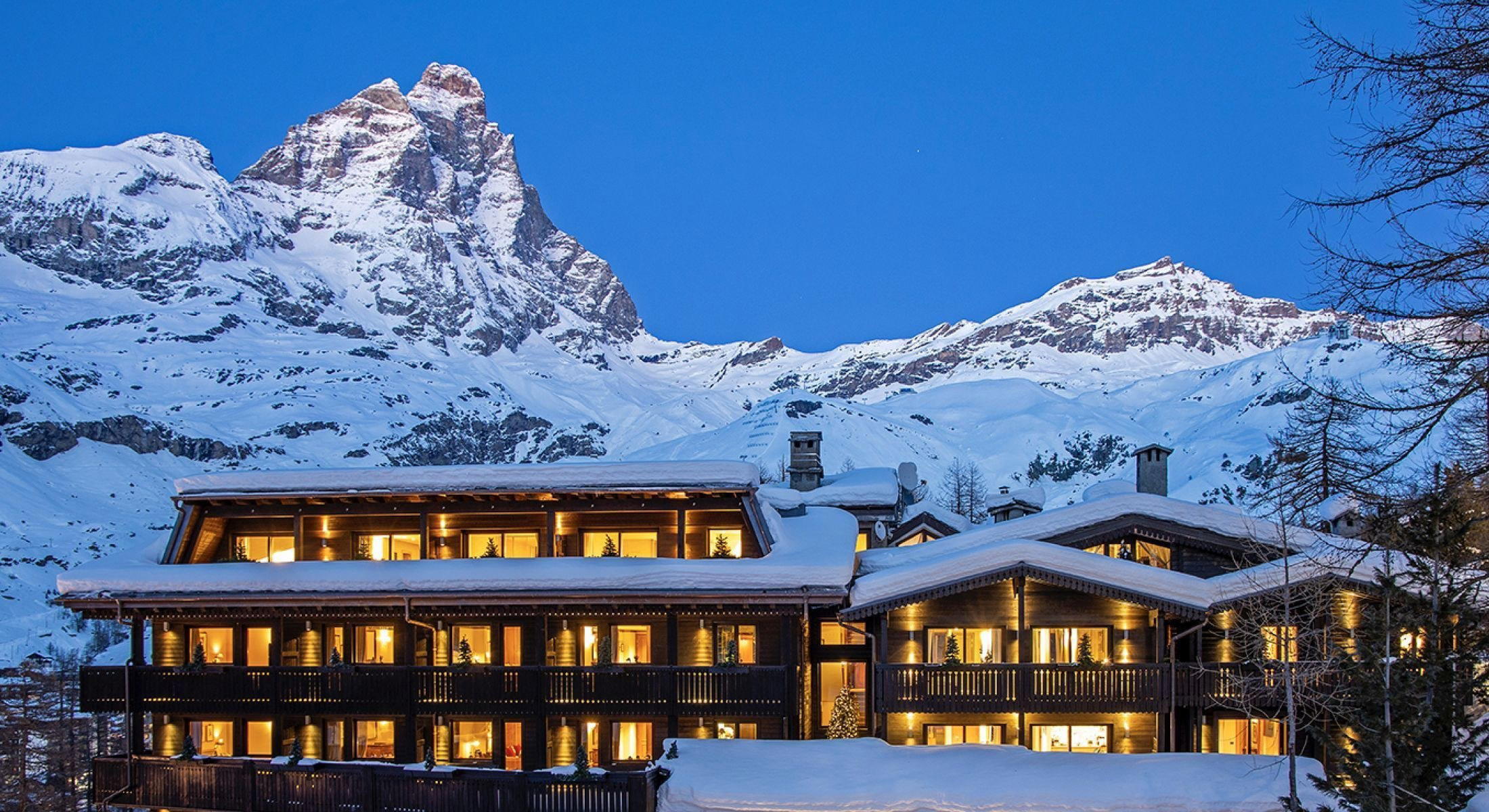
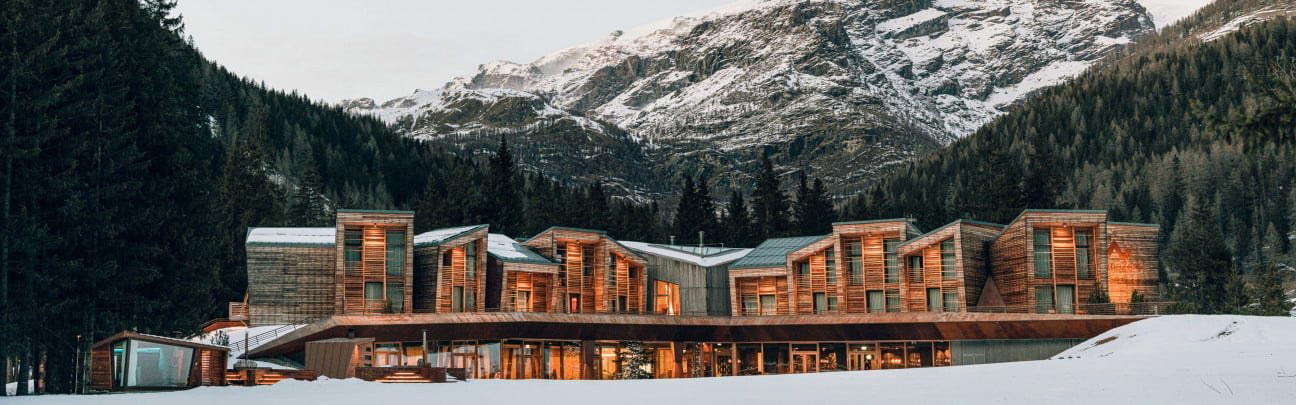
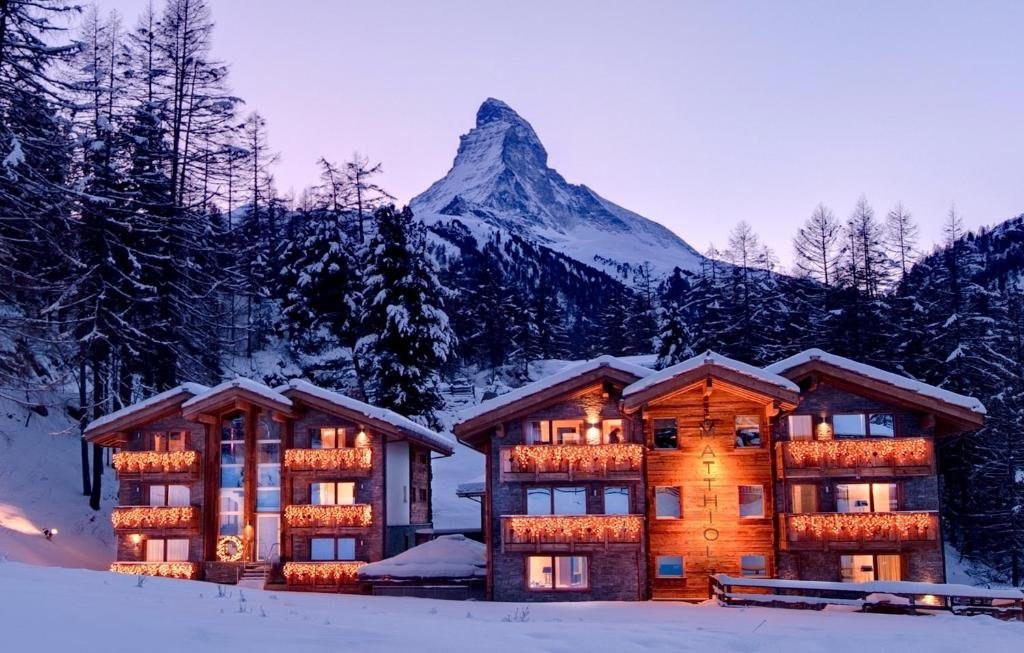
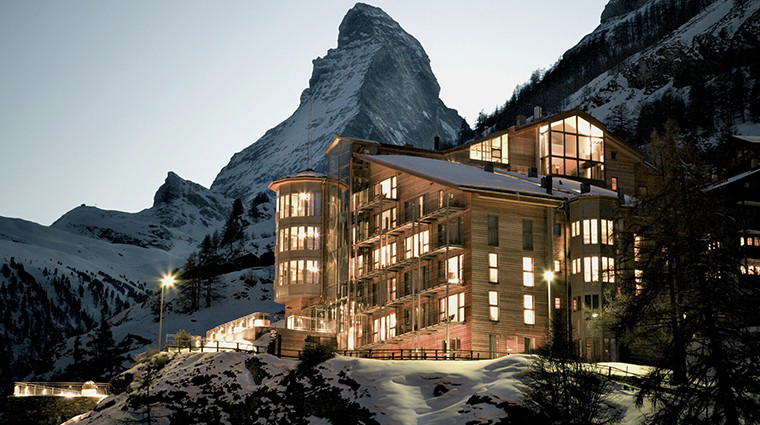
Bars in Breuil-Cervinia
Browse all →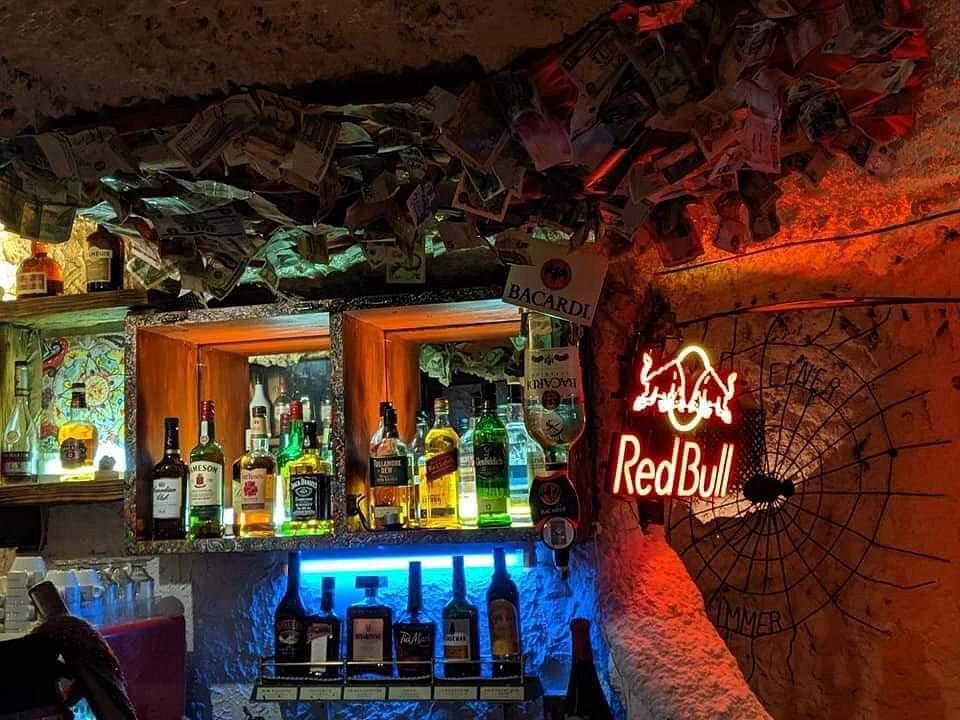

Details
- Elegant
- Lively
- Scenic
- Cozy
- Family Vacation
- Weekend Escape
- Ski In Ski Out
- Panoramic View
- Pool
- Spa
- Sauna
- Fitness Center
- Room Service
- Concierge
- Wi Fi
- Restaurant
- Bar
- Kids Club
- Mountain
- Wheelchair Accessible
- Elevator
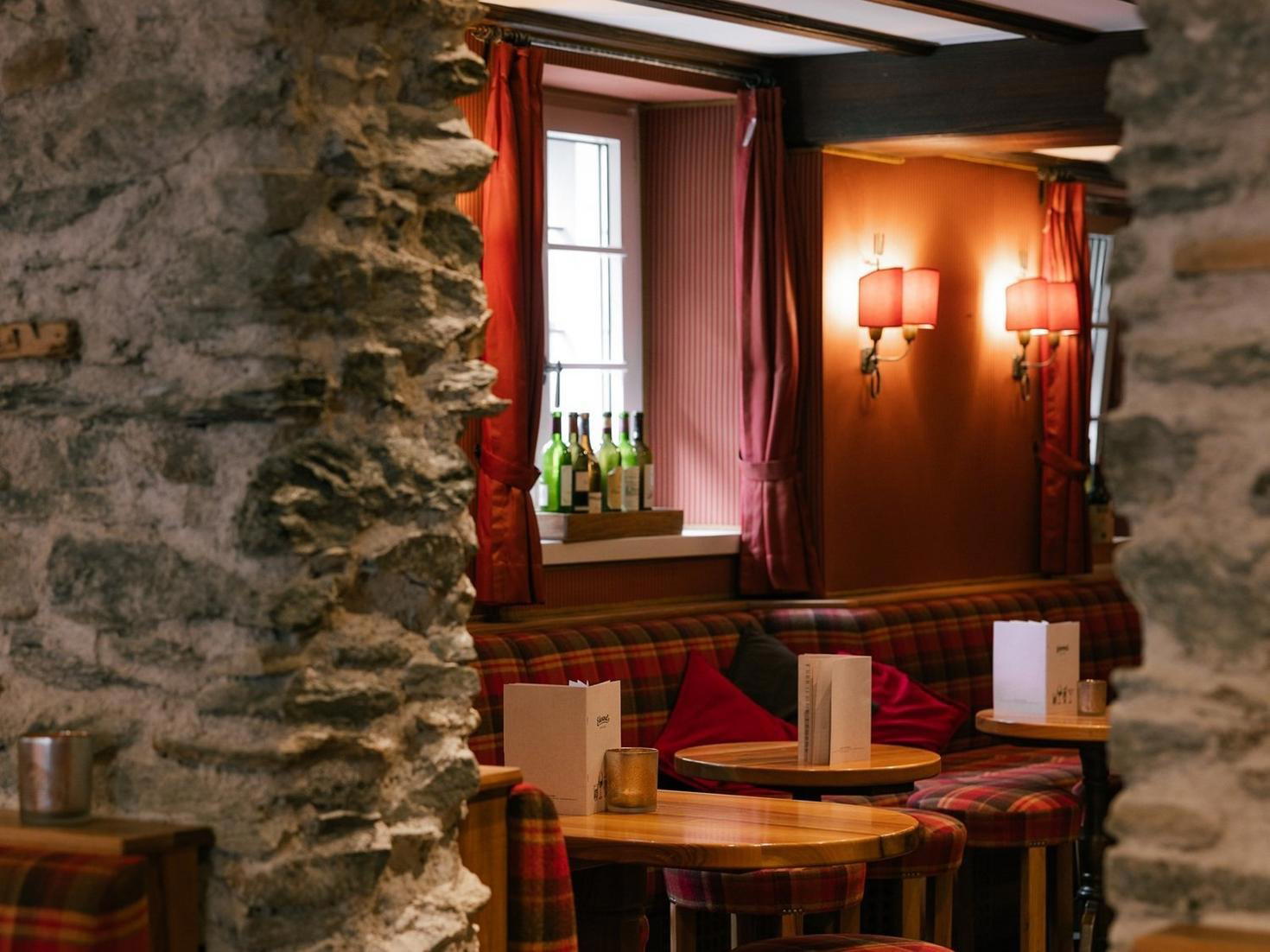
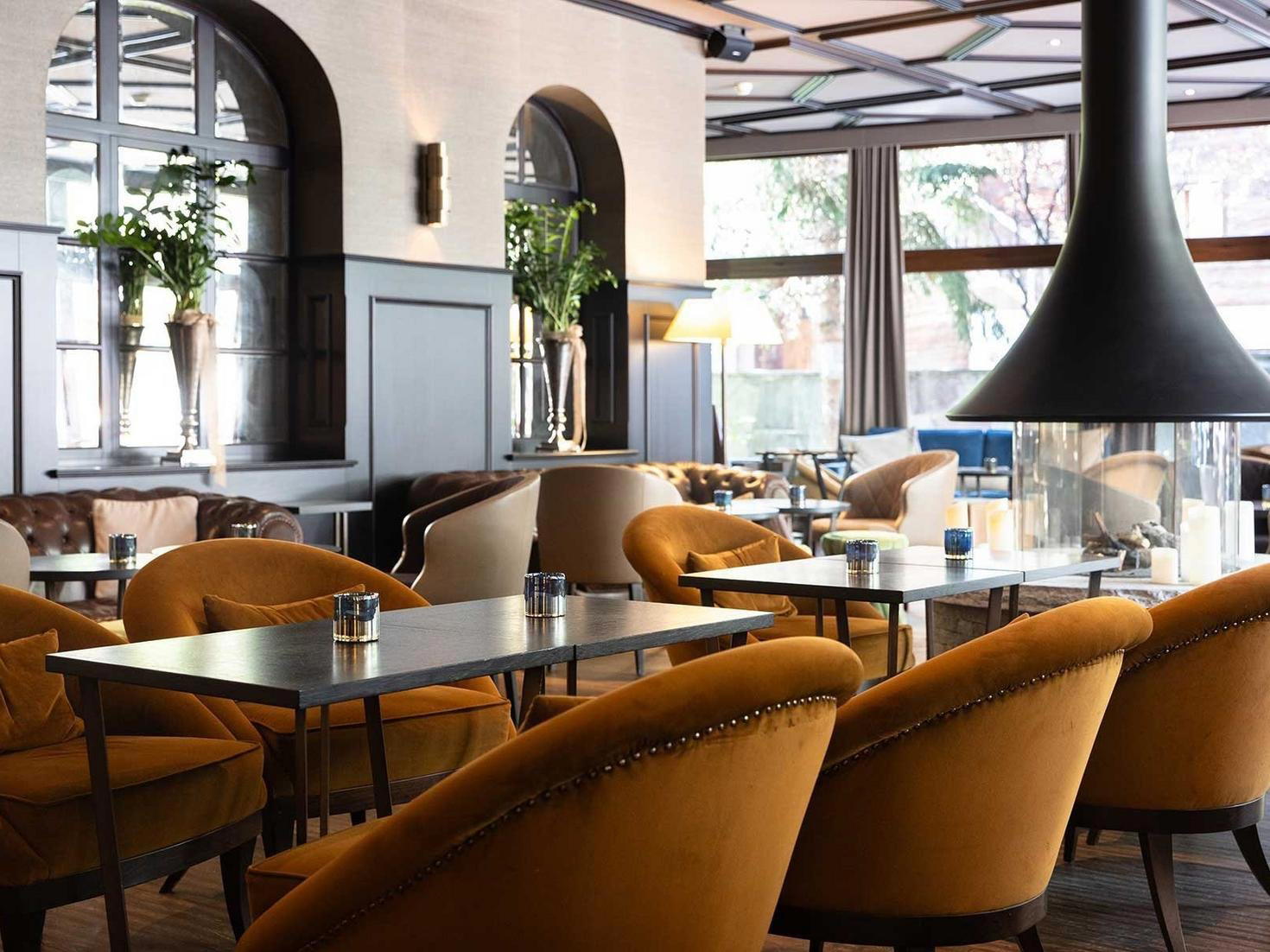
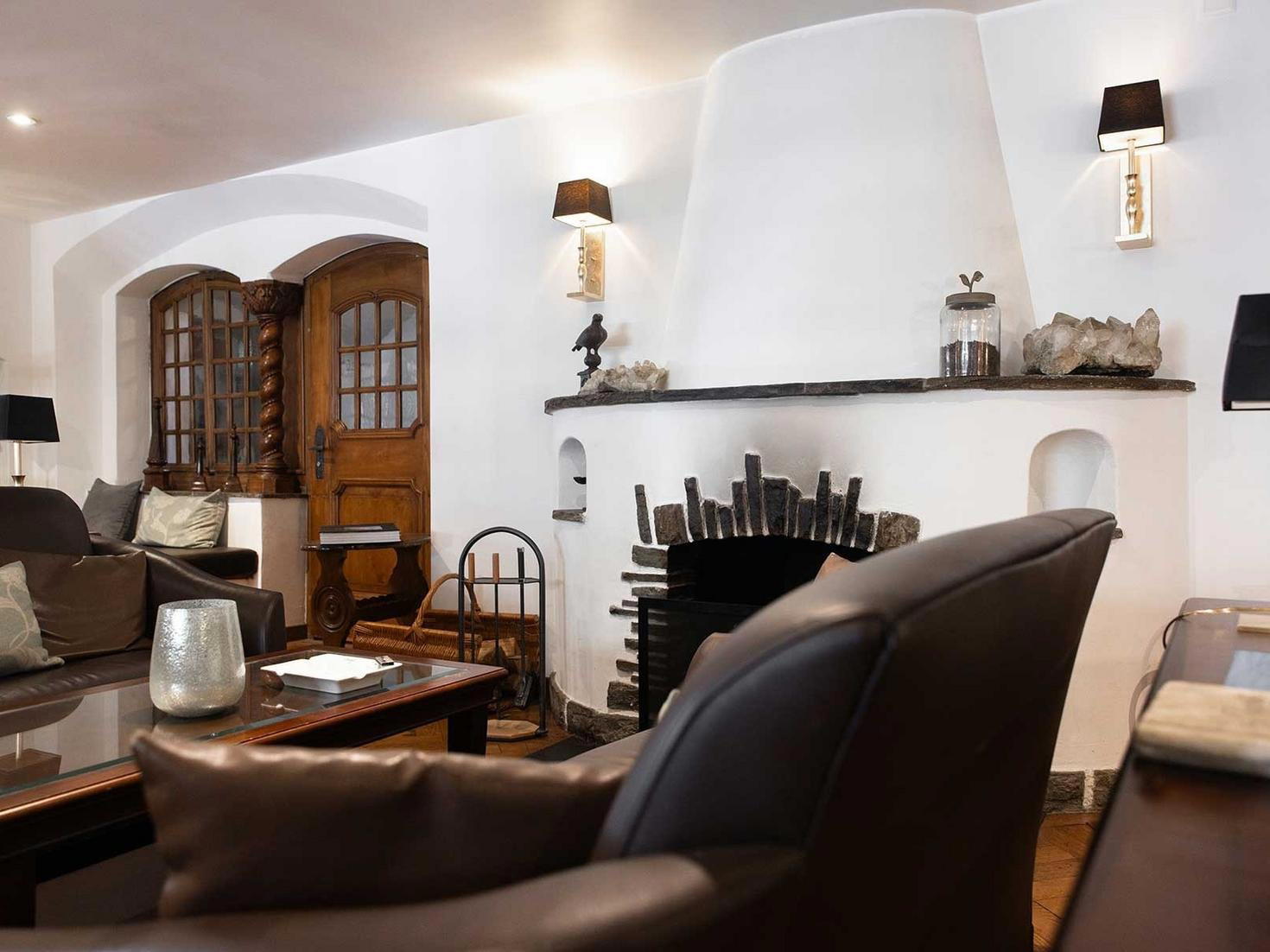
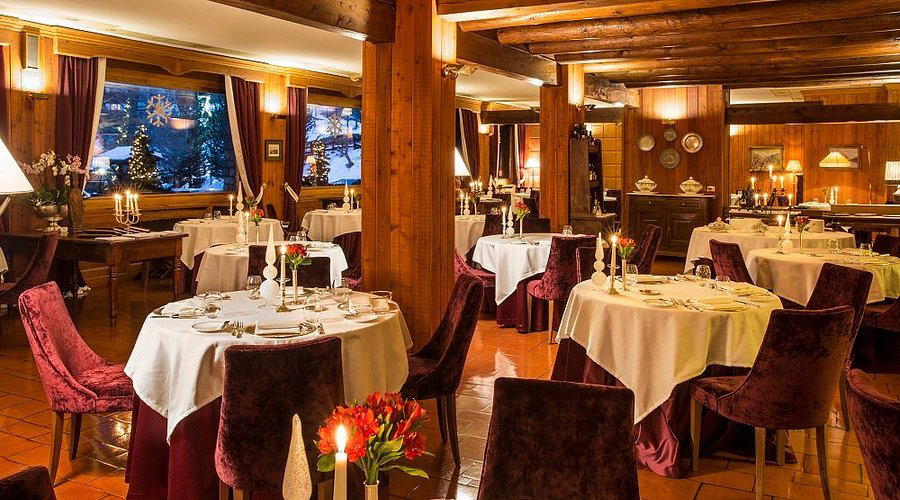
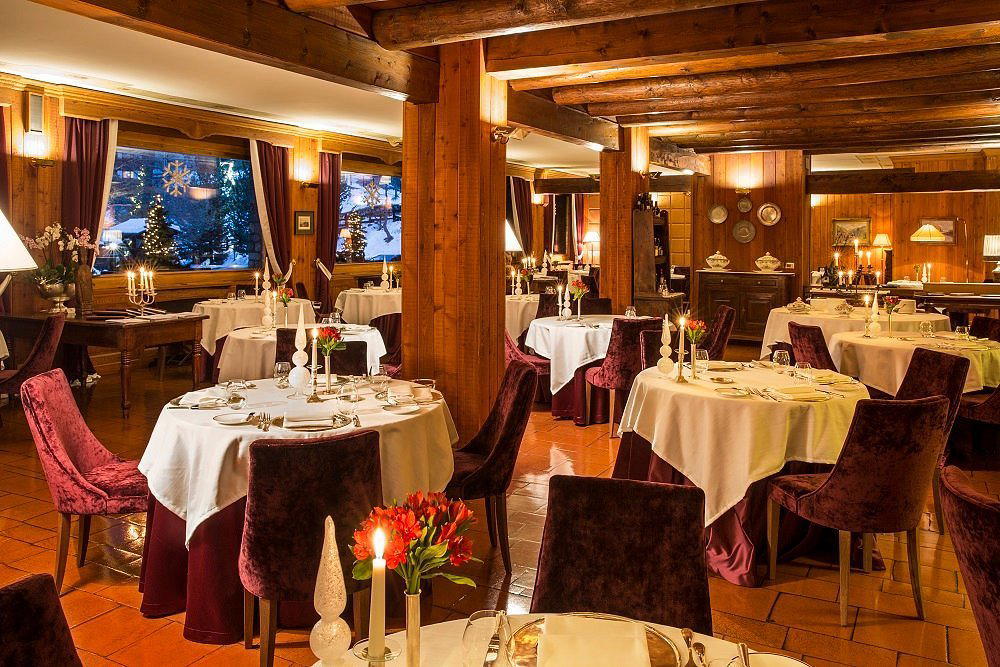
Elegant alpine atmosphere with cozy lighting, lively evening entertainment, and mountain views, though some guests note noise from corridors and lounge music.