



Michelin Selected · La Liste Top Hotels · Virtuoso Luxury Hotel Partner
The only five-star hotel in Bellagio, Grand Hotel Villa Serbelloni has anchored the village's lakefront for more than 150 years. Michelin Guide-recommended dining, 94 individually designed rooms, and a position where the two arms of Lake Como converge make it the reference point against which other Como properties are measured. La Liste ranked it 92 points in its 2026 Top Hotels edition.

Pearl is the En Primeur Club membership app, where members save venues, book tables and use the concierge.
Where Neoclassical Architecture Meets the Lake
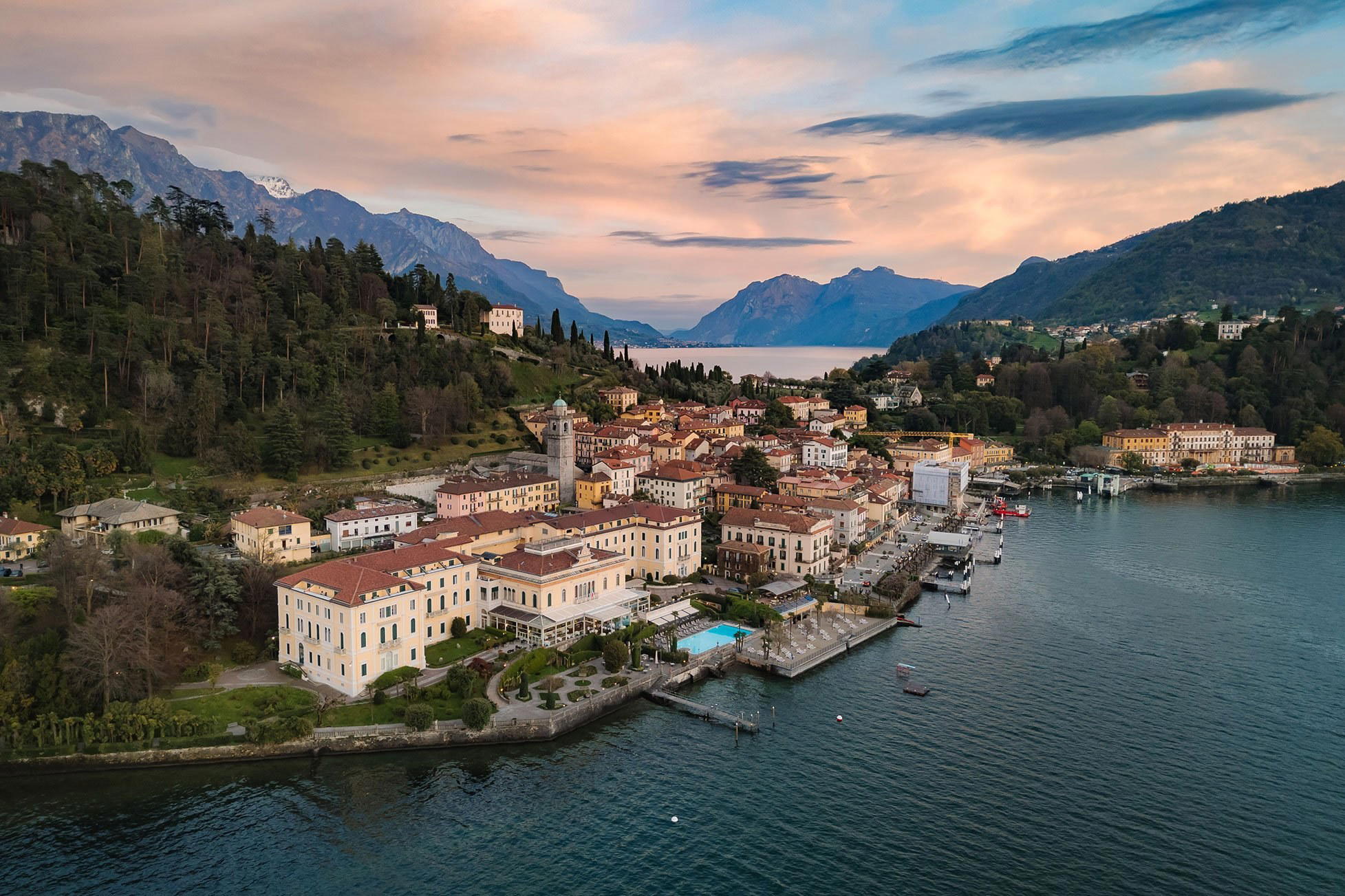
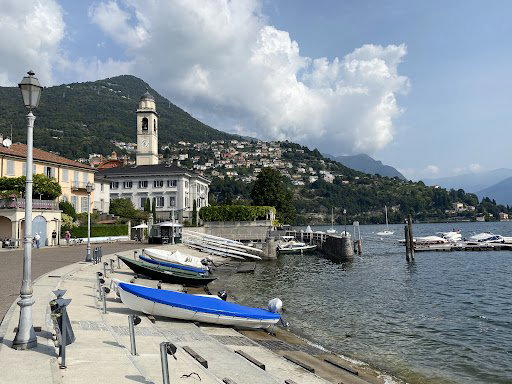
Lake Como's hotel market divides broadly into two categories: the renovated grand dames that carry Risorgimento-era bones beneath contemporary operating standards, and the newer design-led conversions trading on restraint and minimalism. Grand Hotel Villa Serbelloni belongs emphatically to the first group. Its neoclassical facade, positioned at the tip of Bellagio's promontory where the lake forks toward Lecco and Como, has defined the village's visual identity for over 150 years. Arriving by ferry, as most guests do, you see the property before you see the town: a pale, colonnaded structure set against the hillside gardens, its proportions calibrated to be seen from the water.
That relationship with the lake is not incidental to the architecture, it is the architecture's organizing principle. The building's primary elevations face the water on two sides, taking advantage of the convergence point to offer panoramic views from almost every public room. Frescoed ceilings in the main reception spaces date to the property's aristocratic origins, and the accumulated layers of restoration have preserved rather than erased the original decorative program. This places Villa Serbelloni in a different conversation from properties like Passalacqua in Moltrasio, which pursues a more curated, pared-back interpretation of Como heritage, or Grand Hotel Tremezzo, its nearest stylistic peer on the opposite shore.
94 Rooms, None Identical
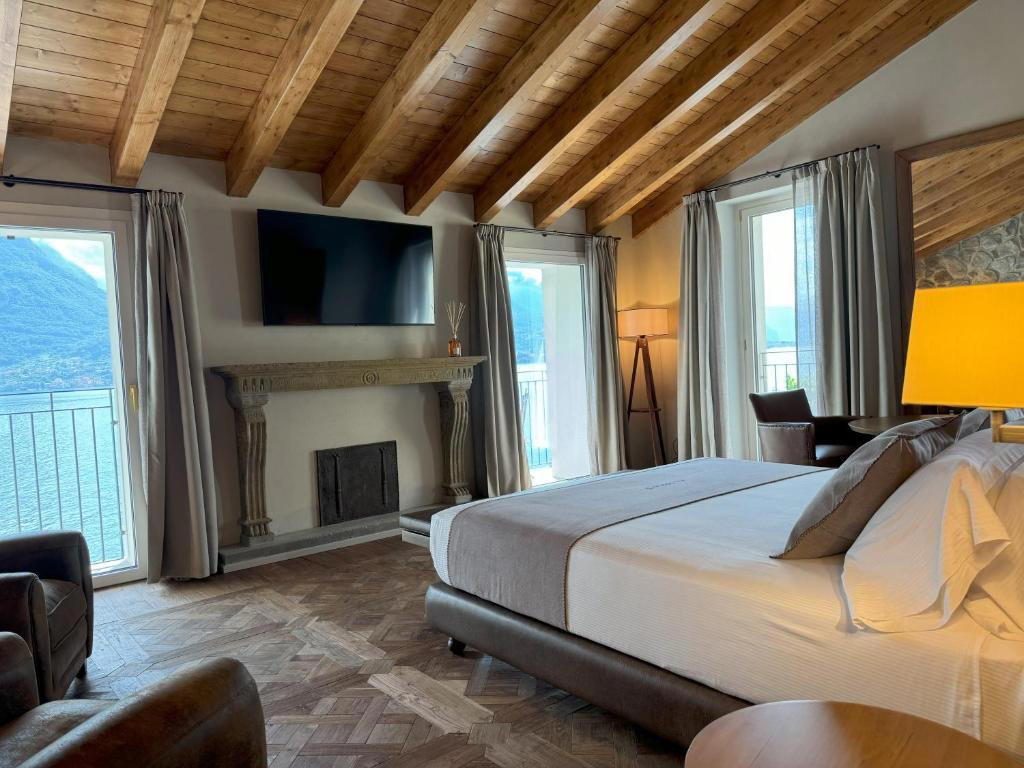
The 94-room count places Villa Serbelloni at a scale that straddles the boutique and grand-hotel tiers. Operationally, it runs with the service infrastructure of a large property; experientially, the rooms resist that reading. No two guestrooms share the same configuration or decorative scheme. The approach draws on antique furniture sourced specifically for individual spaces, with silks, embroidered linens, and bespoke fabrics selected to respond to each room's proportions and light conditions. Fine art appears throughout, not as generic period decoration but as an extension of the original villa's collection logic.
This individuated approach to room design echoes what properties like Aman Venice achieve within a palazzo framework, though the scale and operating model differ significantly. Aman Venice runs fewer keys with a more rigorous design restraint; Villa Serbelloni accepts a broader decorative range across its 94 rooms in exchange for a more varied, less uniform guest experience. Neither approach is categorically superior, they represent different propositions about what heritage luxury should feel like. For guests who find uniform design programs sterile, the variability here is a positive feature rather than an inconsistency.
The Mistral Restaurant and the Case for Al Fresco Dining
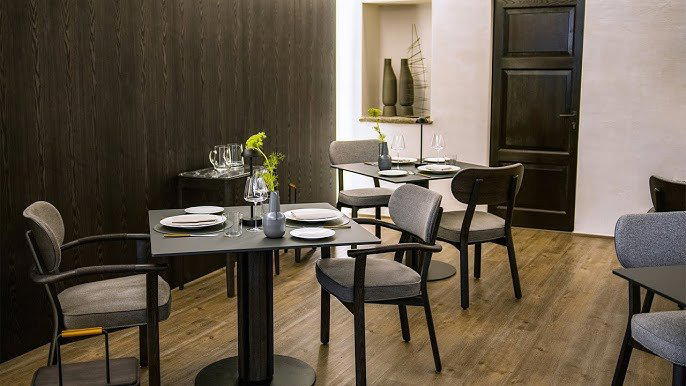
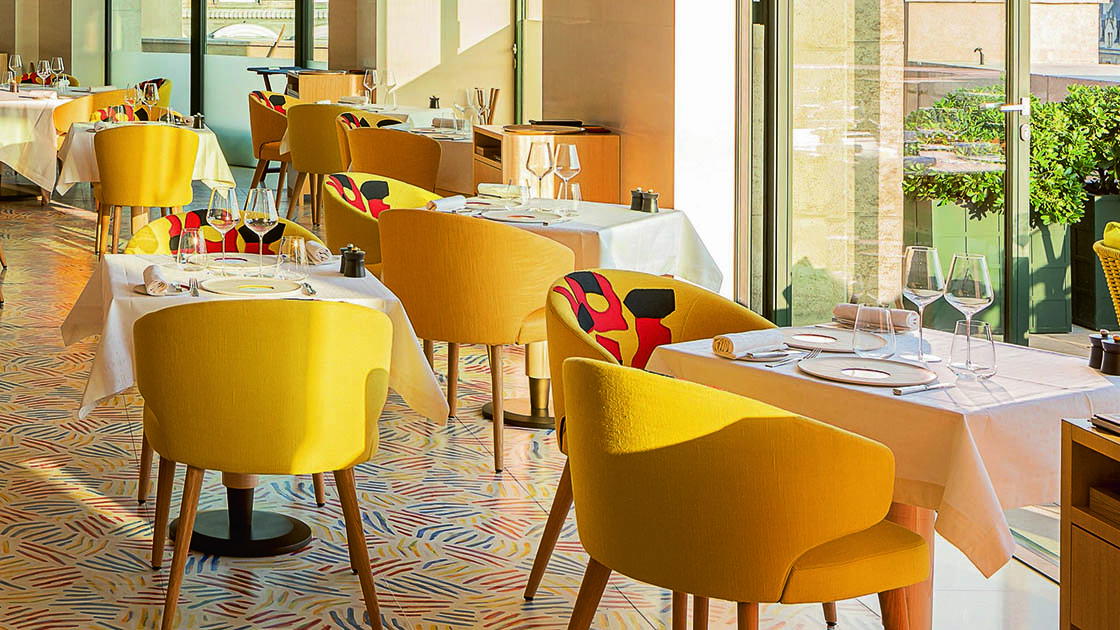
Northern Italian lakeside dining operates under specific atmospheric conditions that shape what a restaurant can realistically achieve. The Mistral Restaurant, recommended by the Michelin Guide, works these conditions deliberately. Tables are set al fresco, positioned to face the water, and the kitchen produces creative Mediterranean cuisine anchored in seasonal ingredients. The Michelin Guide recommendation, while not a starred rating, indicates a level of culinary seriousness that separates Mistral from hotel dining rooms that treat food as an amenity rather than a program.
The bar program runs a parallel logic, building cocktails around local botanicals and seasonal ingredients in a way that connects the drinks list to the same regional sourcing philosophy as the kitchen. The aperitivo hour, timed to the lake's late-afternoon light, functions as a structured ritual rather than an incidental service. Guests at properties like Borgo Santandrea on the Amalfi Coast or Il San Pietro di Positano will recognize this positioning: Italian luxury hotels increasingly treat the hour before dinner as a designed experience rather than a transitional interval.
Gardens, Water, and the Outdoor Infrastructure
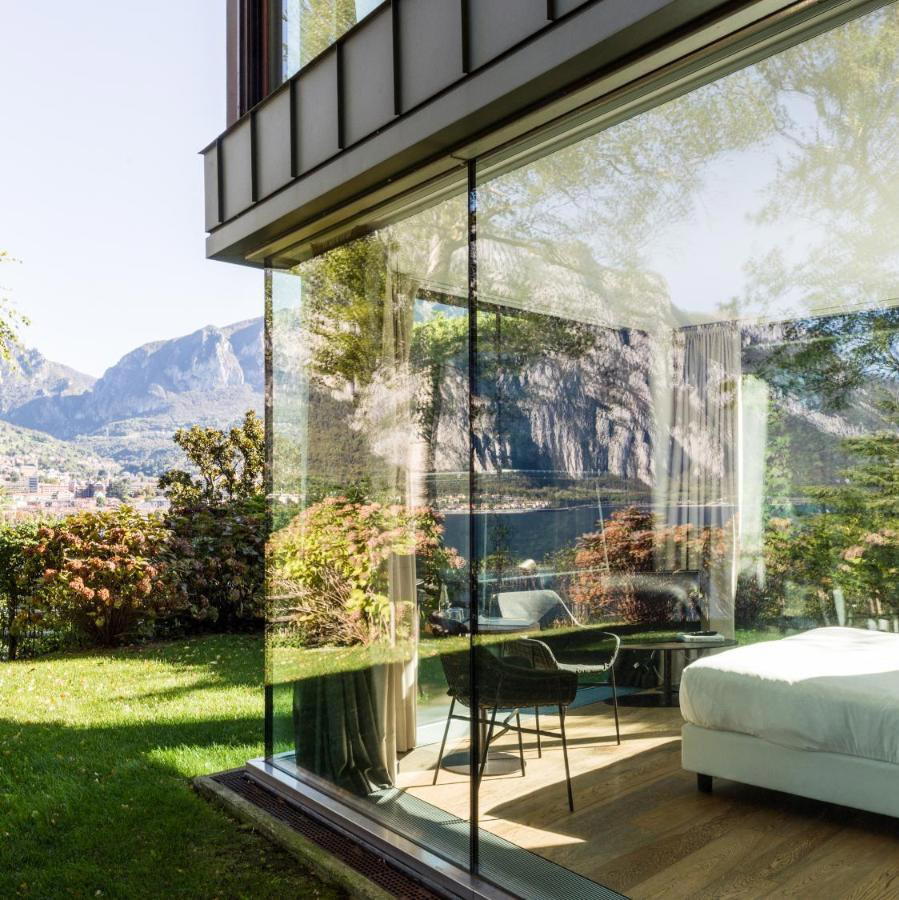
The botanical gardens surrounding the property represent one of the strongest arguments for Villa Serbelloni's positioning relative to competitors. Formal gardens at this scale on the Como shoreline are rare, the geography of the lakeside makes flat, extensible garden space difficult to assemble. The camellia garden in particular operates as a navigable landscape rather than ornamental backdrop, used for evening walks as part of the hotel's programmed outdoor activity. Three swimming pools, including a panoramic lakeside pool and a private beach club, give guests options across different moods and times of day. Venetian-style boats available for private excursions extend the property's reach onto the water itself.
This outdoor infrastructure differentiates Villa Serbelloni from historic properties that have preserved their interiors at the expense of outdoor investment. Properties like Four Seasons Hotel Firenze in Florence and Rosewood Castiglion Del Bosco in Montalcino demonstrate how Italian heritage properties can sustain compelling outdoor programs; Serbelloni's version is lake-specific, with the water as active element rather than view.
Positioning and Context: Como's Only Five-Star in Bellagio
La Liste placed Grand Hotel Villa Serbelloni at 92 points in its 2026 Leading Hotels ranking, a recognition that positions it within the upper tier of Italian historic hotels alongside properties of similar heritage weight. The five-star designation is the only one held by a hotel in Bellagio itself, which concentrates a disproportionate share of Lake Como tourism into a village that remains genuinely small in scale. This creates an interesting tension: the hotel operates with the infrastructure of a serious luxury address, while the village around it retains a pedestrian, human-scaled character that larger resort towns lose.
The seasonal operating calendar, March through November, is a structural feature of the Como hospitality model rather than a limitation. Properties across the lake, including those on the western shore, follow similar patterns, with the shoulder months of March, April, October, and November offering lower occupancy, more favorable rates, and the same architectural and garden experience without peak-season crowds. The gardens are at their most articulate in spring, when camellias and early flowering species define the color of the grounds.
Grand Hotel Tremezzo on the opposite shore offers a comparable grand-hotel experience with a different orientation; Passalacqua operates with fewer rooms and a more intentionally curated atmosphere. Serbelloni's 94-room scale, Michelin Guide dining, and position directly in Bellagio make it the most operationally complete option in the village. Those drawn to comparable experiences elsewhere in Italy might reference Bulgari Hotel Roma for urban palazzo luxury, Castello di Reschio in Umbria for restored aristocratic heritage in a rural setting, or Casa Maria Luigia in Modena for a smaller-scale, food-focused iteration of northern Italian hospitality.
The hotel is accessible by water taxi, ferry, or car, with ferry connections from Varenna and Como operating on regular schedules throughout the season. For broader context on dining and experiences in the village, see our full Bellagio restaurants guide. Those planning Italian itineraries that extend beyond the lake may find useful reference points in Borgo Egnazia in Puglia, Il Pellicano in Porto Ercole, or Bellevue Syrene 1820 in Sorrento.
Planning Your Stay
The property operates from March through November. Guests seeking the spring garden program should target April and May; those prioritizing summer water activities and consistent warmth should book June through August, accepting higher occupancy. The Luce del Lago Spa offers hammam rituals and personalized treatments, a facility that earns attention during the cooler shoulder months when outdoor programming is more limited. The hotel's private beach club and boat excursion program are at their most useful July through September. Given the property's profile and the La Liste 2026 recognition, advance planning is advisable for peak summer dates.
Comparable Venues
Comparable venues nearby, for context on price, style, and recognition.
| Venue | Cuisine | Price | Awards | Notes |
|---|---|---|---|---|
| Grand Hotel Villa SerbelloniThis venue (the venue you are viewing) | Historic luxury lakeside resort | Not listed | Michelin Selected · La Liste Top Hotels | Not listed |
| The Carlton, a Rocco Forte hotel | Boutique luxury hotel blending Milanese style with private residence intimacy. | $1,500–2,500 | 2 Michelin Keys · Michelin Guide New Hotels New Hotel | Duomo |
| Filario Hotel & Residences | Modern luxury lakeside retreat blending contemporary design with historic surroundings | $200–300 | Michelin Selected · Design Hotels Member | Lezzeno |
| Villa d'Este | Historic Renaissance villa resort | Not listed | 2 Michelin Keys · La Liste Top Hotels | Cernobbio |
| Magna Pars, l’ Hotel à Parfum | Former perfume factory transformed into a modern all-suites luxury hotel. | Not listed | 5-Star | Porta Genova |
| Palazzo Venezia | Historic 19th-century palazzo reimagined as a contemporary luxury boutique hotel, blending classical Italian and Venetian architecture with modern refinement. | $1,000–1,500 | Leading Hotels of World Member | Centro Storico (Historic Center) |
Recognition history
Dated appearances from independent guides and award organizations, with the underlying list record or original source where available.
Michelin Selected
Michelin
La Liste Top Hotels
La Liste
Relais Chateaux Award
Relais Chateaux
Virtuoso Luxury Hotel Partner
Virtuoso
Continue exploring
More in Bellagio
Hotels in Bellagio
All hotels in Bellagio →
Bars in Bellagio
Browse all →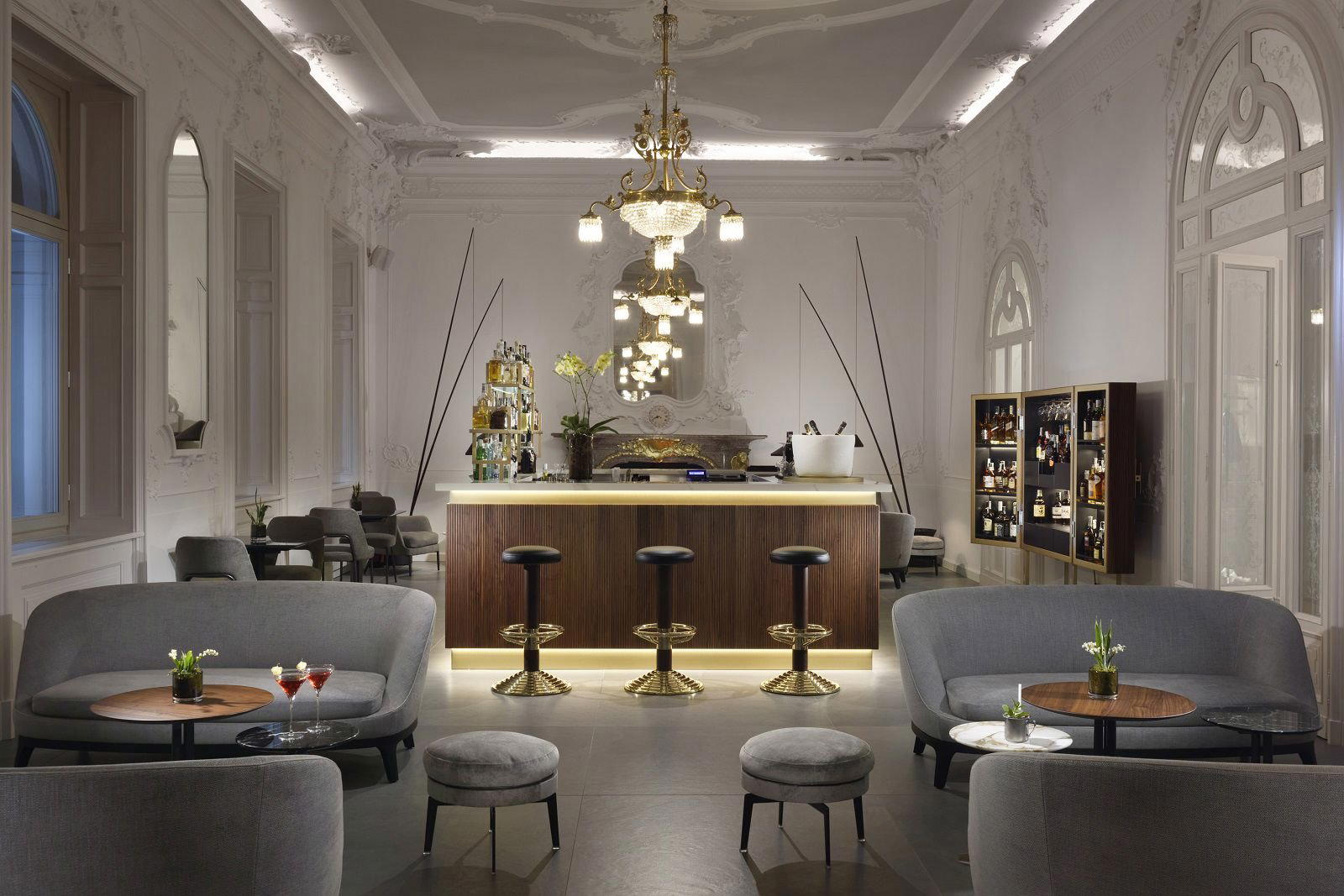
Restaurants in Bellagio
All restaurants in Bellagio →

Details
- Elegant
- Sophisticated
- Classic
- Romantic
- Ornate
- Honeymoon
- Romantic Getaway
- Anniversary
- Panoramic View
- Historic Building
- Spa
- Pool
- Fitness Center
- Room Service
- Concierge
- Wi Fi
- Restaurant
- Private Beach
- Tennis
- Sauna
- Garden
- Elevator
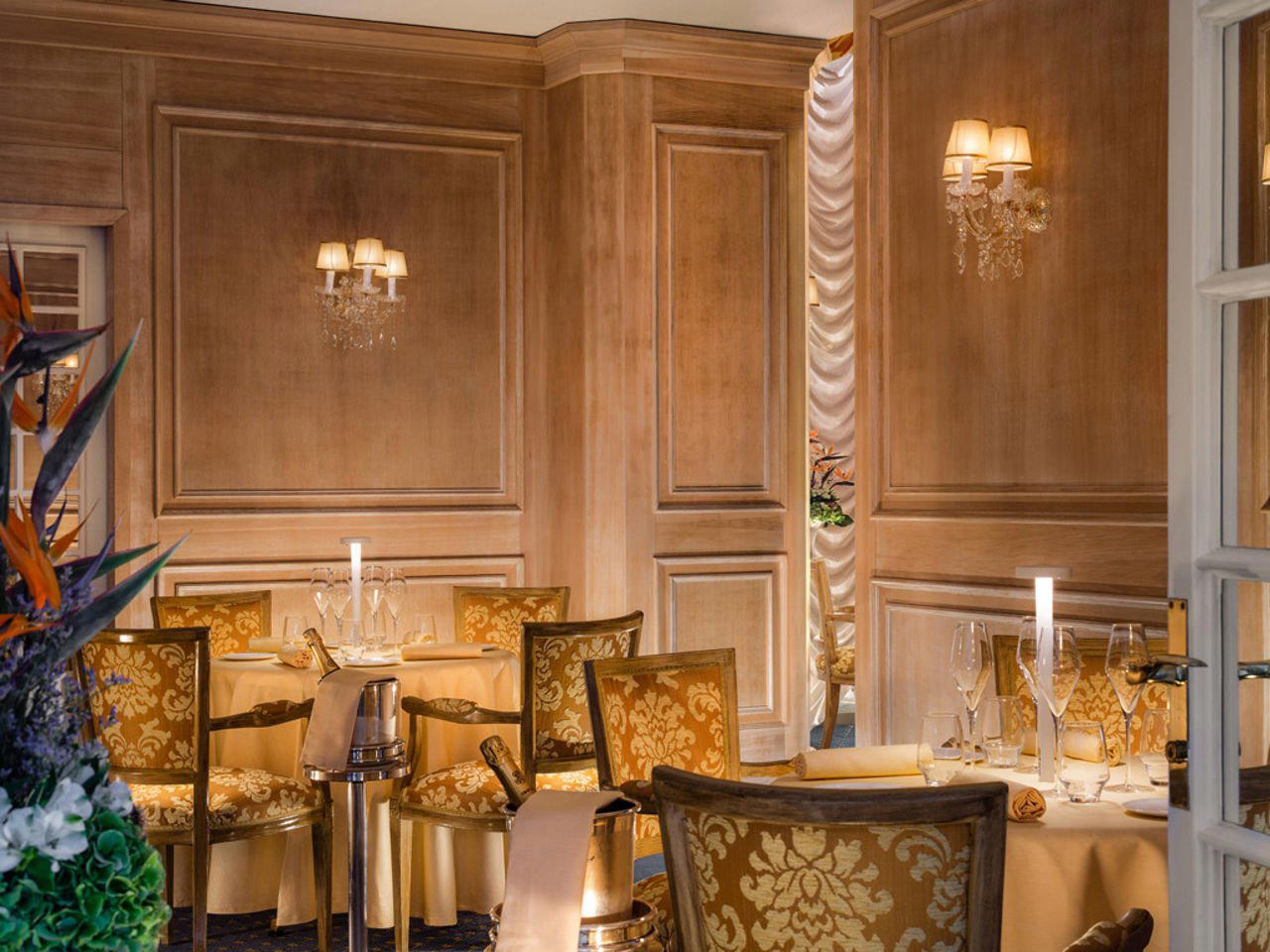
Ornate and luxurious interiors with period antique furniture, heavy curtains framing dramatic lake views, and an elegant, serene atmosphere.