
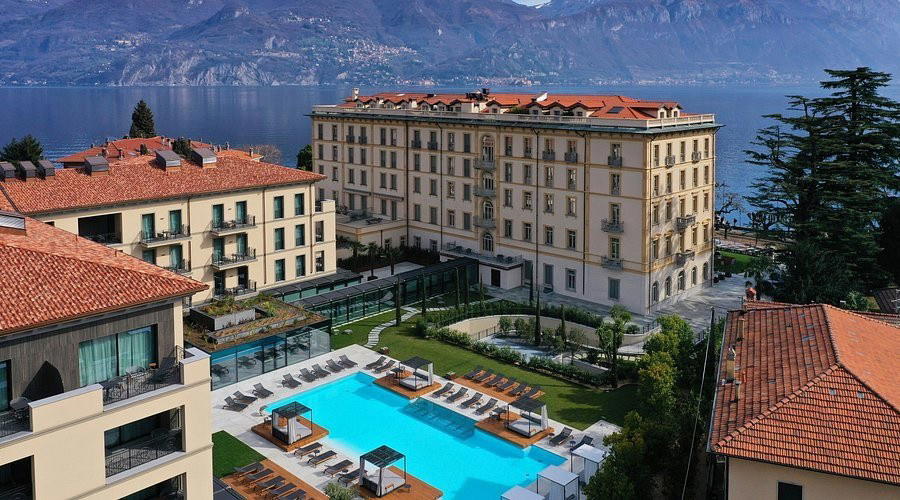
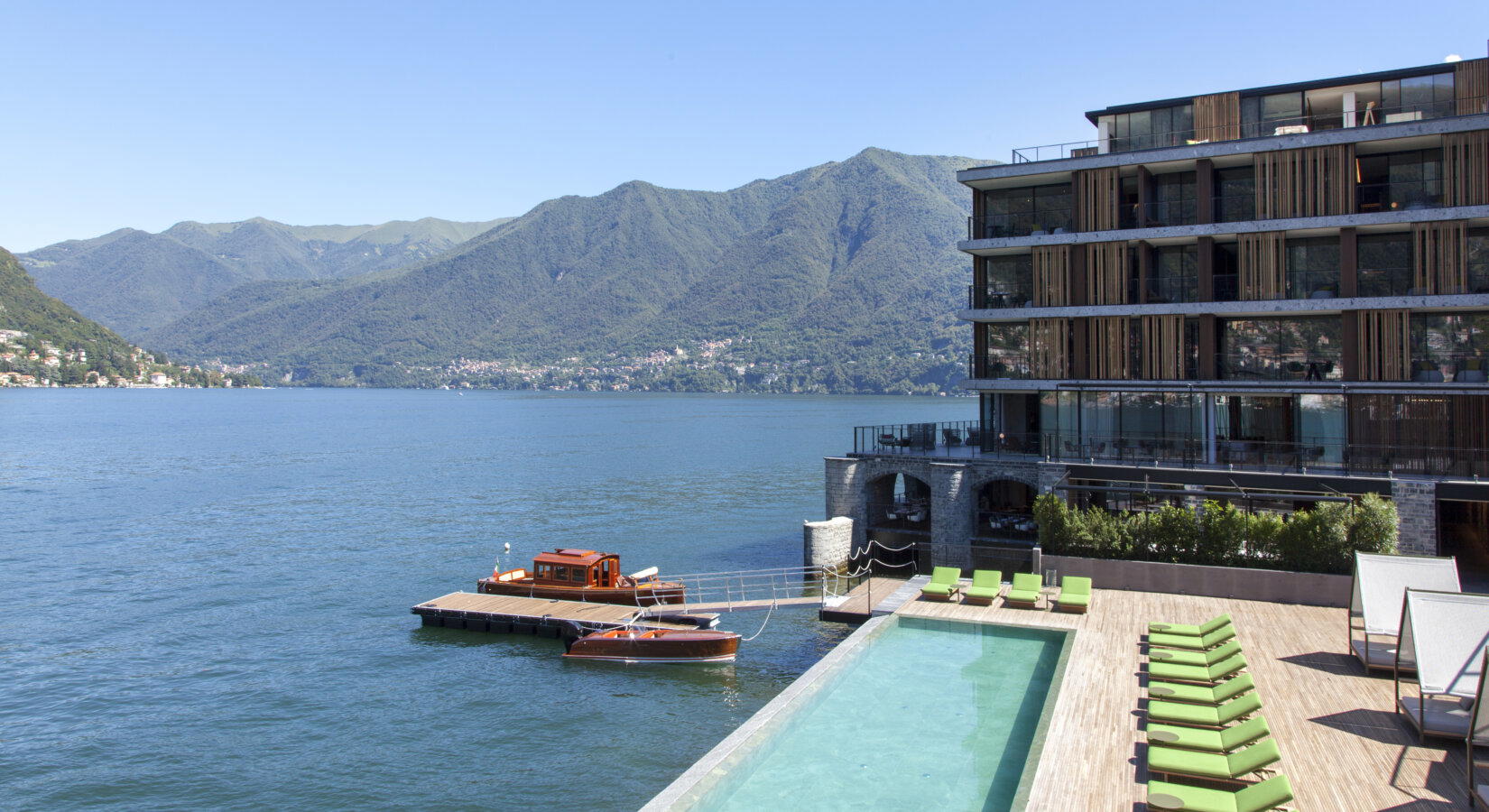
Set along the quieter eastern shore of Lake Como in Lezzeno, Filario Hotel & Residences brings a modern design sensibility to a lake defined by old-world villas and historic grandeur. The property balances contemporary Italian aesthetics with the natural drama of the surrounding water and mountains, offering both hotel rooms and residential-format accommodation for longer stays.
Pearl is the En Primeur Club membership app — saves, bookings, and concierge access live there. Same editors, same standards.
- Address
- Strada Provinciale Lariana 583, 89, Lake Como 22025 Lezzeno, Italy
- Directions
- Get directions
 Saves & bookings on Pearl
Where Modernism Meets the Lake
Lake Como has spent the better part of two centuries cultivating a specific aesthetic identity: neoclassical facades, cypresses lining stone terraces, ornate gardens sloping to the water's edge. The villas that define the lake's silhouette, from Villa Carlotta to the estates around Bellagio, trained visitors to expect a particular kind of grandeur. Contemporary hotels that arrive into this context face a choice: defer to the historical vernacular, or assert a different visual logic. Filario Hotel & Residences, positioned along the Strada Provinciale Lariana in Lezzeno, is a 5-star hotel with 15 rooms.
The property operates on the eastern shore, a stretch of the lake that remains less saturated with tourist infrastructure than Bellagio or Varenna, and considerably quieter than the southern basin near Como town. That positioning is not accidental. The eastern shore offers direct water views across to the western hills without the congestion of the major ferry stops, and Lezzeno itself functions more as a transit point for locals than a primary destination for visitors. Filario occupies that relative calm.
The Design Argument
Across Lake Como's premium accommodation tier, the dominant aesthetic registers range from the grand Edwardian formality of Villa d'Este to the painstaking historical restoration achieved at Passalacqua in Moltrasio, which operates with fewer than 25 rooms and carries the weight of a nineteenth-century estate. Palazzo Albricci Peregrini sits in that same historically grounded register. Filario diverges from this cohort, presenting a modernist counter-position that is unusual for the lake but more familiar in the context of Italy's broader contemporary hospitality design movement.
Italian design hotels have, over the past two decades, developed a recognisable grammar: clean material palettes, furniture that references mid-century Italian production, an emphasis on the relationship between interior space and exterior view. The approach appears in projects like Portrait Milano in the city, and in lakeside contexts it tends to foreground water as the primary visual element rather than competing with it. At Filario, the modern vocabulary serves to frame rather than obscure the lake, which remains the dominant experience regardless of the property's architectural stance.
The residential component, the residences half of the hotel's name, positions Filario within a format that has grown across Italian premium hospitality. The hybrid hotel-residence model, also present in properties like Aman Venice and in the extended-stay formats at Four Seasons Hotel Firenze, allows guests to occupy larger, apartment-configured spaces with kitchen facilities, which changes the nature of a stay from transient to something closer to temporary habitation. For Lake Como, where many visitors come to settle into the pace of the lake rather than pass through, that format has particular relevance.
Italian Identity on a Contemporary Frame
Italy's premium hotel sector has learned to wear modernism carefully. Properties that abandon regional identity in favour of generic international minimalism tend to feel disconnected from their context, particularly in places where the landscape is as loaded as Lake Como. The stronger approach, visible in properties like Borgo Santandrea on the Amalfi Coast or Castello di Reschio in Umbria, involves grounding a contemporary spatial logic in local materials, local craft, or at minimum, a design sensibility that reads as coherently Italian rather than interchangeable with properties in other countries.
Filario's stated Italian identity, described as strong by its own positioning, functions as a counterweight to the risk of placelessness that contemporary design hotels can carry. Lake Como's palette, the blue-grey water, the limestone and rendered plaster of its villages, the dark green of cypress and pine, offers design reference points that do not require overt historicism to feel rooted. Whether Filario uses those references at a material or spatial level is a determination that requires direct engagement with the property, but the design premise positions it closer to contextually aware modernism than to the resort aesthetic that strips its surroundings for visual simplicity.
Planning a Stay: The Practical Framework
Lezzeno sits on the western branch of the lake, south of Bellagio and accessible by road along the SS583. The drive from Como town runs approximately 20 kilometres. Ferry services on Lake Como connect the major towns, though Lezzeno is a smaller stop; guests arriving by water taxi from Bellagio or Como will find the transfer direct. For guests arriving from Milan's airports, Malpensa is the primary gateway, with Como reachable by train or private transfer, and the western shore requiring an onward road connection.
Lake Como's peak season concentrates between late April and early October, with July and August congested months for road traffic and ferry queues around Bellagio and Menaggio. The shoulder periods, particularly May and September, offer the same quality of light and temperature with meaningfully lower visitor density. For guests staying at a property on the quieter eastern shore, this seasonal calculus matters less in terms of local congestion, but pricing and availability across the lake tend to follow the same curve. Booking ahead for peak-season travel applies here as it does across the Como premium tier, including at comparable properties like EALA My Lakeside Dream on Garda, where demand for design-led lakeside properties now outpaces supply across the late spring and summer months.
For travellers building a broader Italian itinerary, Lake Como pairs naturally with Milan as a two or three night extension, and the lake itself connects to onward Lombard destinations. Those extending further into Italy's design hotel circuit might consider Bulgari Hotel Roma, Casa Maria Luigia in Modena, or further south, Il San Pietro di Positano. For more of the lake's own premium accommodation options,
Comparable Venues
Comparable venues nearby, for context on price, style, and recognition.
| Venue | Cuisine | Price | Awards | Notes |
|---|---|---|---|---|
| Filario Hotel & ResidencesThis venue — the venue you are viewing | Modern luxury lakeside retreat blending contemporary design with historic surroundings | $$$$ | 5-Star | Not listed |
| Mandarin Oriental, Lago di Como | Beaux Arts luxury resort with botanical gardens | $$$$ | 5-Star | Blevio |
| Palazzo Albricci Peregrini | Restored 15th-century palazzo with original noble details and contemporary comforts. | $$$$ | Michelin 1 Key | Centro Storico |
| Villa d'Este | Historic 16th-century villa converted to luxury hotel in a 25-acre park | $$$$ | Michelin 1 Key | Cernobbio |
| Masseria Bagnara Resort & Spa | Renovated historic masseria with contemporary luxury | $$$$ | 5-Star | Marina di Lizzano |
| Sunny Valley Mountain Lodge | Exclusive alpine luxury retreat with contemporary design rooted in traditional mountain architecture and local craftsmanship. | $$$$ | 5-Star | Valle dell'Alpe, Santa Caterina Valfurva |
Recognition history
Dated appearances from independent guides and award organizations, with the underlying list record or original source where available.
Design Hotels Member
Design Hotels
Continue exploring
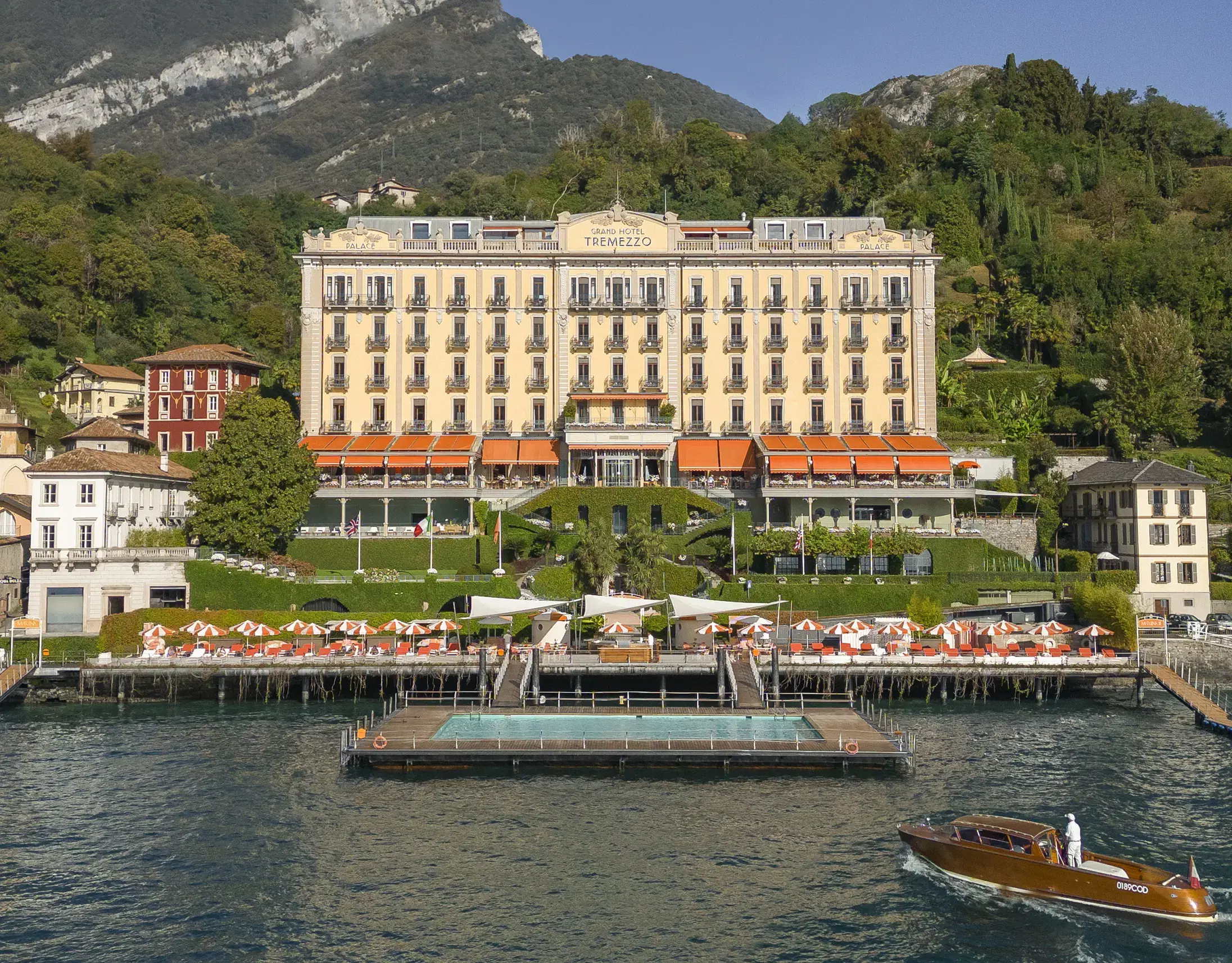
More in Lake Como
Hotels in Lake Como
Browse all →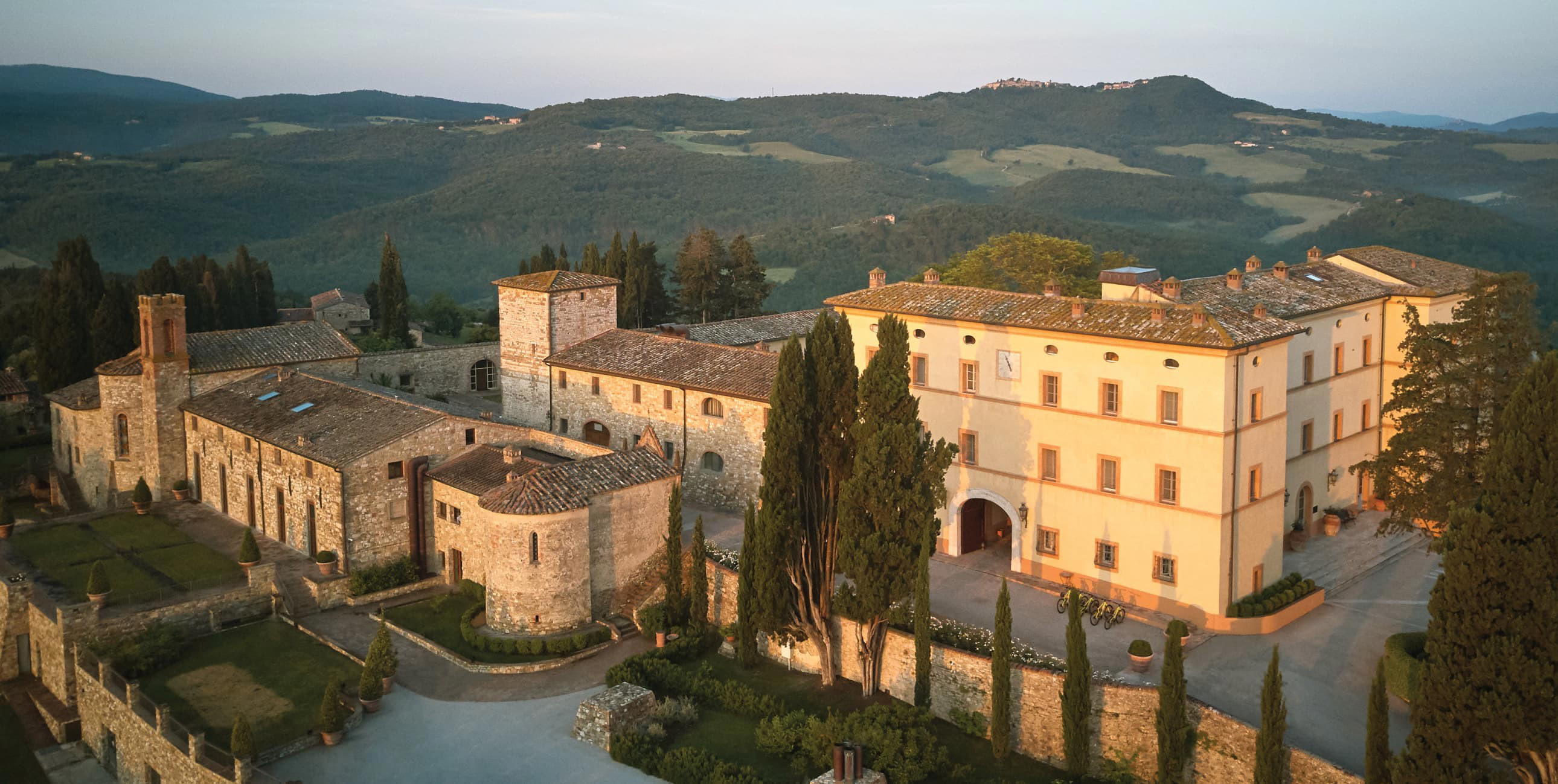
Bars in Lake Como
Browse all →
Restaurants in Lake Como
Browse all →



At a Glance
- Romantic
- Modern
- Elegant
- Scenic
- Sophisticated
- Honeymoon
- Romantic Getaway
- Anniversary
- Weekend Escape
- Infinity Pool
- Waterfront
- Panoramic View
- Terrace
- Wi Fi
- Pool
- Fitness Center
- Restaurant
- Concierge
- Room Service
- Waterfront
- Mountain
- Wi Fi
- Pool
- Fitness Center
- Restaurant
- Concierge
- Room Service
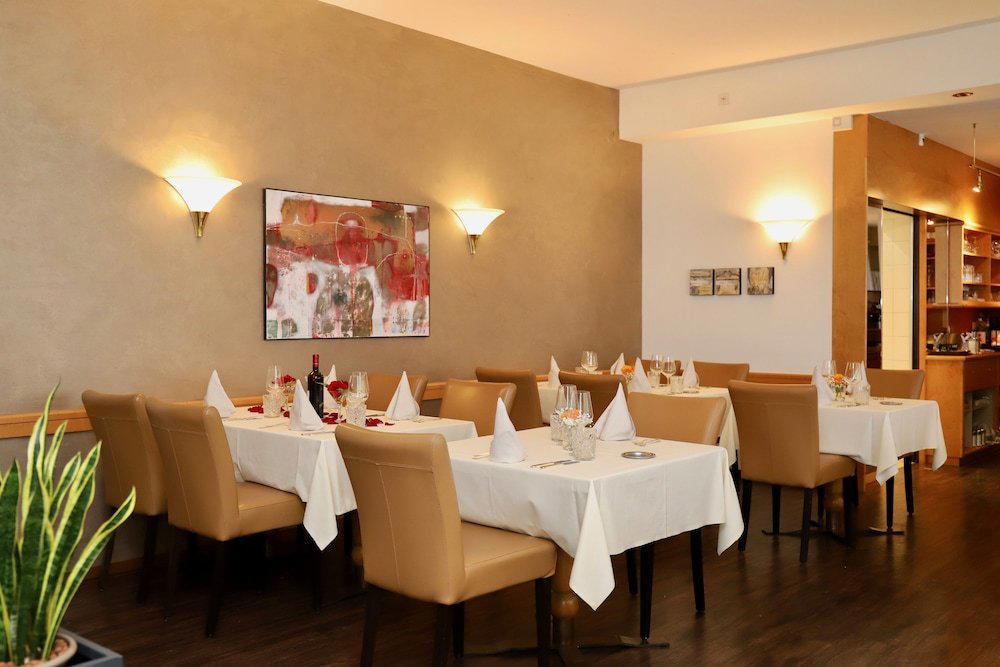
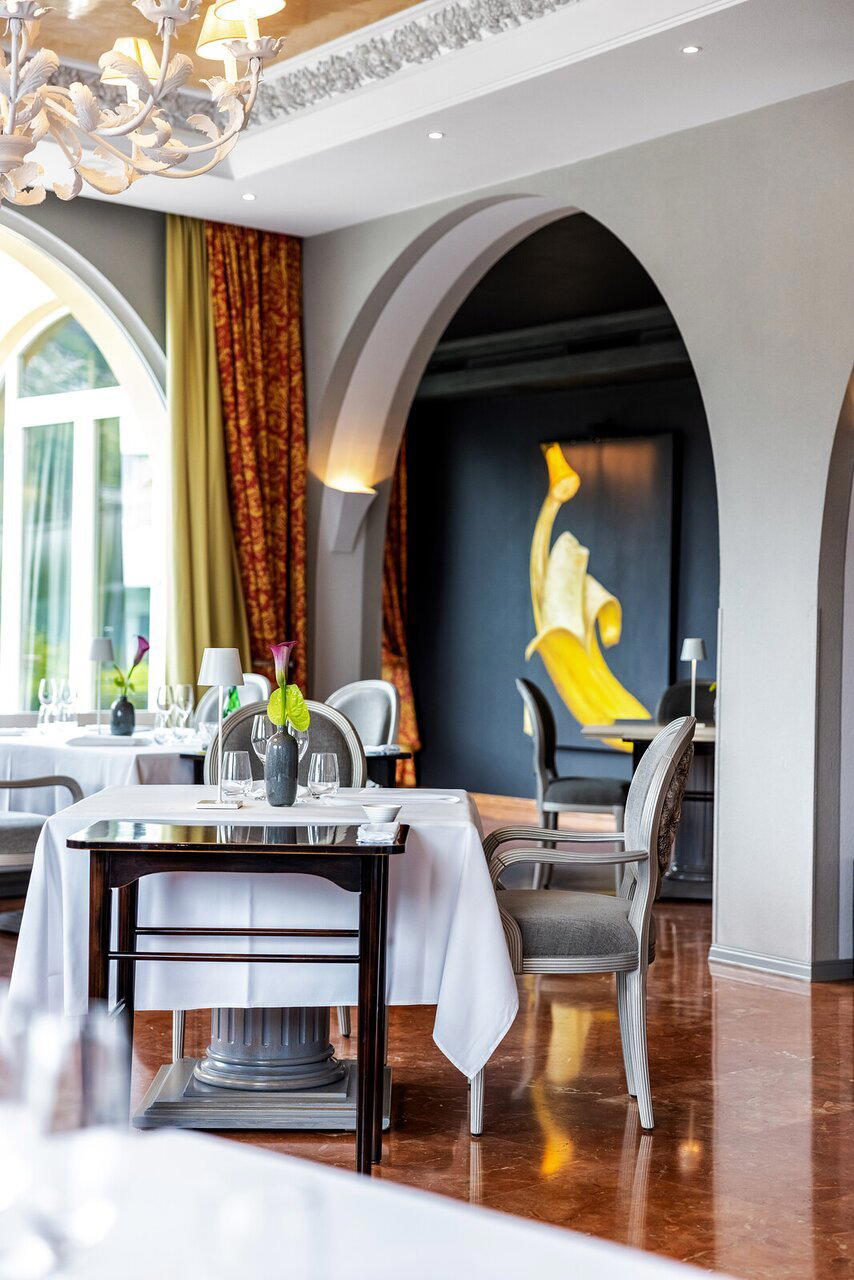
Contemporary minimalist design with natural light, earthy tones, and serene lakeside atmosphere praised for relaxation and dramatic views.