Hotel el Prado
Hotel el Prado occupies a landmark address in Barranquilla's Norte Centro Histórico district, carrying more than nine decades of the city's social and architectural history within its walls. For travellers seeking a Colombian Caribbean stay rooted in local identity rather than international chain formatting, the Prado neighbourhood situates this property within one of the country's most architecturally coherent mid-century residential zones.
Pearl is the En Primeur Club membership app — saves, bookings, and concierge access live there. Same editors, same standards.
- Address
- Cra. 54 #70-10, Nte. Centro Historico, Barranquilla, Atlántico, Colombia
- Phone
- +57 605 3100800
- Website
- hotelelpradobarranquilla.com
- Directions
- Get directions
 Saves & bookings on Pearl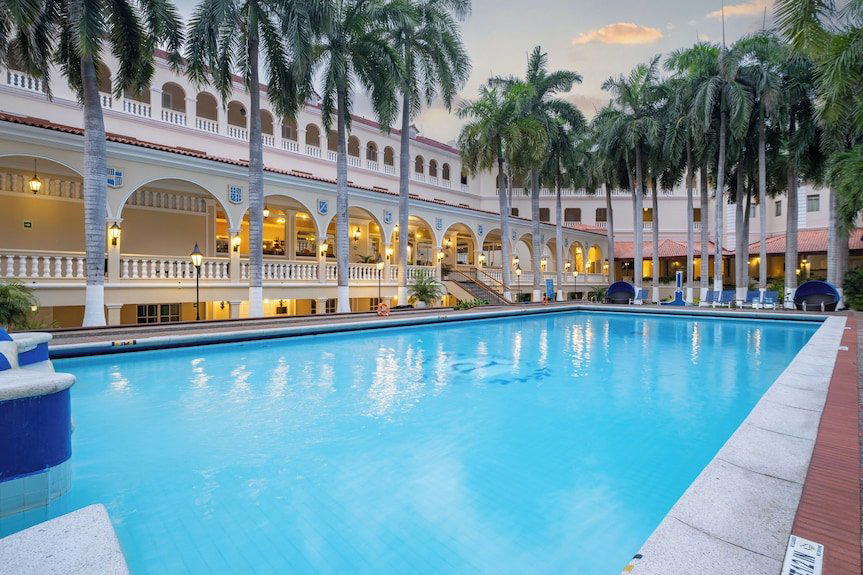
A Building That Tells Barranquilla's Story
Barranquilla's relationship with European architectural influence runs deep. The city's early twentieth-century growth was shaped by immigrant communities from Lebanon, Italy, and Germany, and the residential district of Prado, developed from the 1920s onward, became the physical expression of that cosmopolitan ambition. Hotel el Prado, located on Carrera 54 in the Norte Centro Histórico zone, sits at the centre of that history. The surrounding streets form one of Colombia's most intact examples of Republican and Art Deco residential architecture, and arriving at the hotel means passing through a neighbourhood that urban preservationists regard as significant well beyond Barranquilla's own borders.
The architectural tradition that produced the Prado district drew heavily on Andalusian courtyard forms, colonial arcades, and the tropical modernism that characterised Colombian Caribbean construction in the mid-century period. Wide covered walkways, high-ceilinged interiors designed to move air before the era of mechanical cooling, and a formal street presence that registers more European than Caribbean, these are the spatial signatures of the area. Hotel el Prado is the district's most prominent institutional building, and its physical scale reflects the ambitions of a city that, in the 1930s and 1940s, was Colombia's most important port and a genuine commercial rival to Bogotá and Medellín.
The Prado District in Colombian Hotel Context
Colombia's premium hotel market has diversified considerably over the past decade. At the upper end, internationally branded properties have anchored themselves in Bogotá, Cartagena, and Medellín. The Four Seasons in Cartagena and the B.O.G. Hotel in Bogotá represent the contemporary design-led end of that spectrum. Against that backdrop, Hotel el Prado operates from a different position entirely: its value is architectural and historical rather than service-tier or amenity-driven, and its competitive set is closer to landmark heritage properties than to new-build luxury.
That distinction matters when choosing where to stay in Colombia. Travellers who have found the Hotel Casa Don Sancho in Cartagena or the Casa Lėlytė in Bogotá more interesting than the city's larger chain properties are likely to find the Prado neighbourhood's logic compelling. The same instinct that draws guests to properties embedded in a city's actual fabric, rather than insulated from it, applies here. Barranquilla is less travelled than Cartagena by international visitors, which means its architectural heritage districts carry less commercial pressure and more ambient authenticity.
What the Architecture Communicates
Heritage hotel properties in Latin America tend to split between two models: the colonial convent conversion, common in Cartagena, Cusco, and Oaxaca; and the early modernist civic building, more typical of cities that grew fast in the early twentieth century. The hotel belongs to the second category. Its form language speaks to a moment when Barranquilla's merchant class was looking outward to Paris, Madrid, and New York for aesthetic cues, and when having a grand hotel was a signal of civic seriousness rather than a tourism amenity.
Internationally, properties in this typological bracket often become particularly durable in their cities. Compare the role of Hôtel de Paris in Monte Carlo or Badrutt's Palace in St. Moritz in their respective cities: the building itself becomes inseparable from the city's self-image, and the hotel functions as much as an institution as a place to sleep. The hotel operates in that register for Barranquilla, it is the hotel that the city's own history produced, not one imported to serve an external travel market.
For travellers accustomed to design hotels built around a coherent contemporary aesthetic, properties like Castello di Reschio in Umbria or Hotel Esencia in Tulum, where the physical environment is the primary offering, the appeal of the hotel operates on similar terms. The building is the experience. The difference is that rather than a curated design vision imposed on a found structure, el Prado's environment accumulated over decades of actual civic use.
Barranquilla as a Base
Barranquilla is a functional rather than postcard city, and understanding that distinction shapes reasonable expectations for any hotel stay there. It is Colombia's fourth-largest city and its primary Atlantic port, and its energy is commercial and Costeño rather than tourist-facing. The carnival season, held each year in the days before Lent, is one of Latin America's major street festivals and the period when the city receives its largest influx of outside visitors. Staying in the Prado district during carnival puts guests within the city's historic social geography rather than at its margins.
Outside carnival, Barranquilla rewards travellers interested in Colombian Caribbean culture, local gastronomy, and architectural heritage without the infrastructure of a fully developed tourism economy. The Norte Centro Histórico location of the hotel places it within reasonable distance of the city centre while sitting in one of its more spatially coherent residential zones. For comparison, the Hilton in Santa Marta serves a more conventionally beach-oriented Caribbean itinerary; Barranquilla and the hotel serve a different travel logic entirely.
Travellers building a wider Colombian itinerary might consider pairing a Barranquilla stay with time in the coffee region, the Bio Habitat Hotel in Quindío or the Cannúa Lodge in Marinilla both represent strong options in that corridor, or with the Medellín properties such as Elcielo Hotel in Medellín. Barranquilla functions as an entry or exit point for the Colombian Caribbean coast rather than a standalone destination requiring multiple nights for most itineraries.
Planning a Stay
Specific booking methods, current room rates, and operational details are best confirmed directly with the property. What the address alone confirms is the location's coherence: Carrera 54 in the Norte Centro Histórico district is within the Prado neighbourhood's preserved zone, which means the immediate environment retains the low-rise residential character and architectural consistency that defines the district. Carnival season bookings require significant advance planning across all Barranquilla properties regardless of category.
How It Stacks Up
Comparable venues nearby, for context on price, style, and recognition.
| Venue | Cuisine | Price | Awards | Notes |
|---|---|---|---|---|
| Hotel el PradoThis venue — the venue you are viewing | Historic Spanish Colonial-style hotel in a leafy residential district. | $$$ | 4-Star | Not listed |
| La Passion by Masaya | Colonial boutique hotel blending 17th-century architecture with modern sophistication. | $$$$ | 4-Star | Centro Historico |
| Hotel Capellan de Getsemani | Spanish colonial with French interiors | $$$$ | 4-Star | Getsemaní |
| Hotel San Pedro Suite | Colonial-style boutique hotel emphasizing intimate luxury and historic authenticity in Cartagena's San Diego neighborhood. | $$$ | 4-Star | San Diego (Centro Histórico) |
| Hotel Quinta Ladera | Contemporary Colombian boutique with authentic rustic-chic design celebrating local artisans and sustainable tourism practices. | $$$ | 4-Star | El Poblado |
| The Click Clack Hotel Medellín | Contemporary urban cultural hub with Brutalist influences and integrated green spaces | $$$ | 4-Star | El Poblado |
Continue exploring
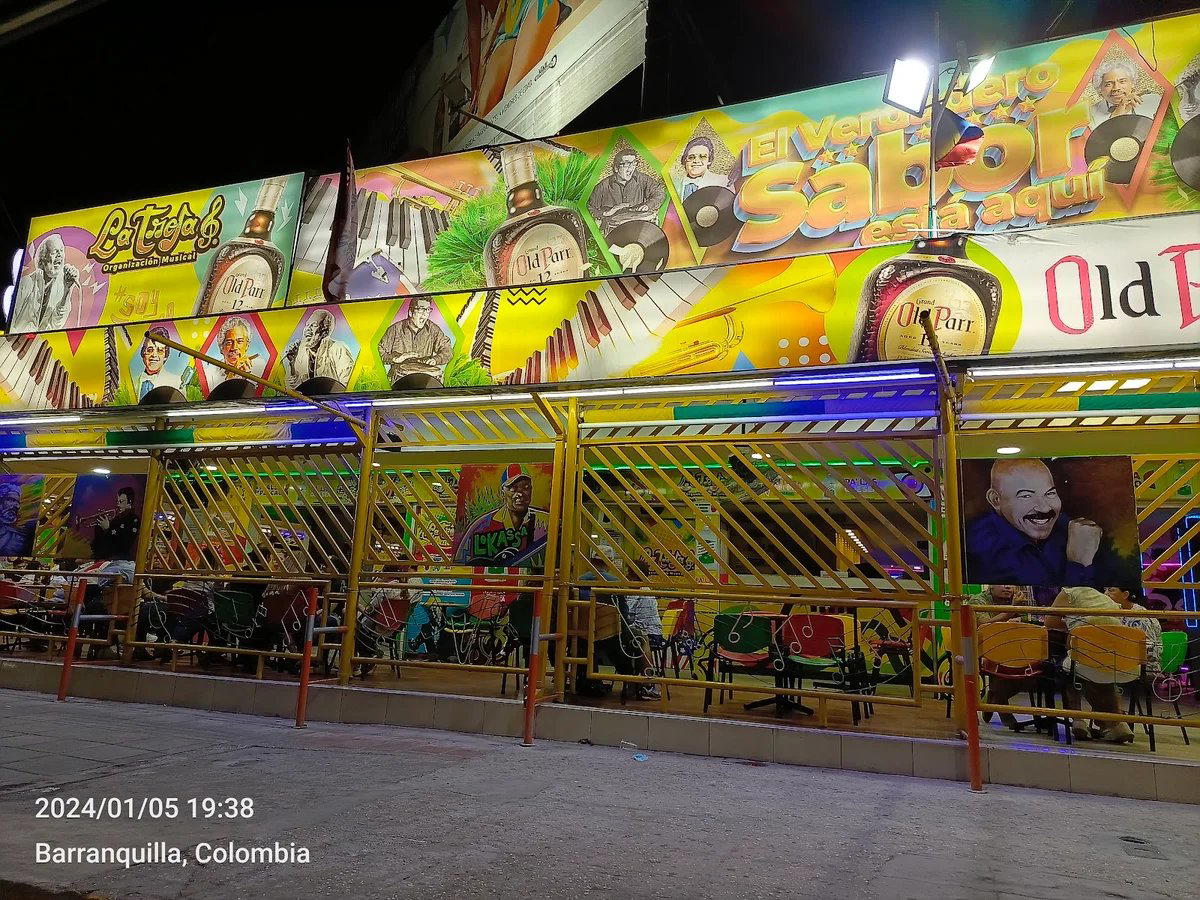
More in Barranquilla
Bars in Barranquilla
Browse all →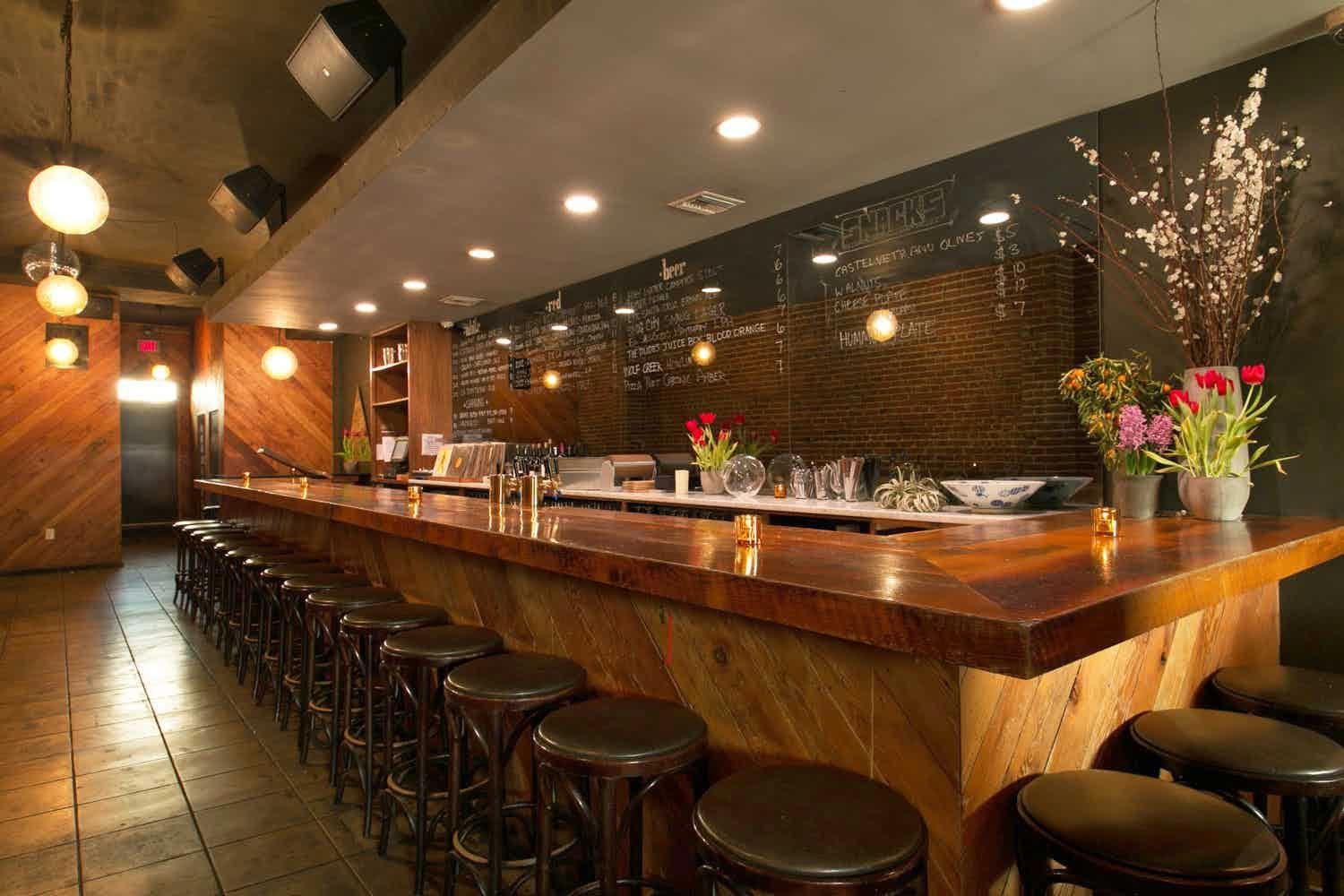
At a Glance
- Classic
- Elegant
- Romantic
- Scenic
- Romantic Getaway
- Business Trip
- Weekend Escape
- Historic Building
- Garden
- Terrace
- Wi Fi
- Pool
- Spa
- Fitness Center
- Room Service
- Concierge
- Business Center
- Garden
- Wi Fi
- Pool
- Spa
- Fitness Center
- Room Service
- Concierge
- Business Center
Spacious rooms filled with natural light, high ceilings, chess-style floors, and a Caribbean atmosphere of joy amid tropical gardens and terraces.