Eremo della Giubiliana

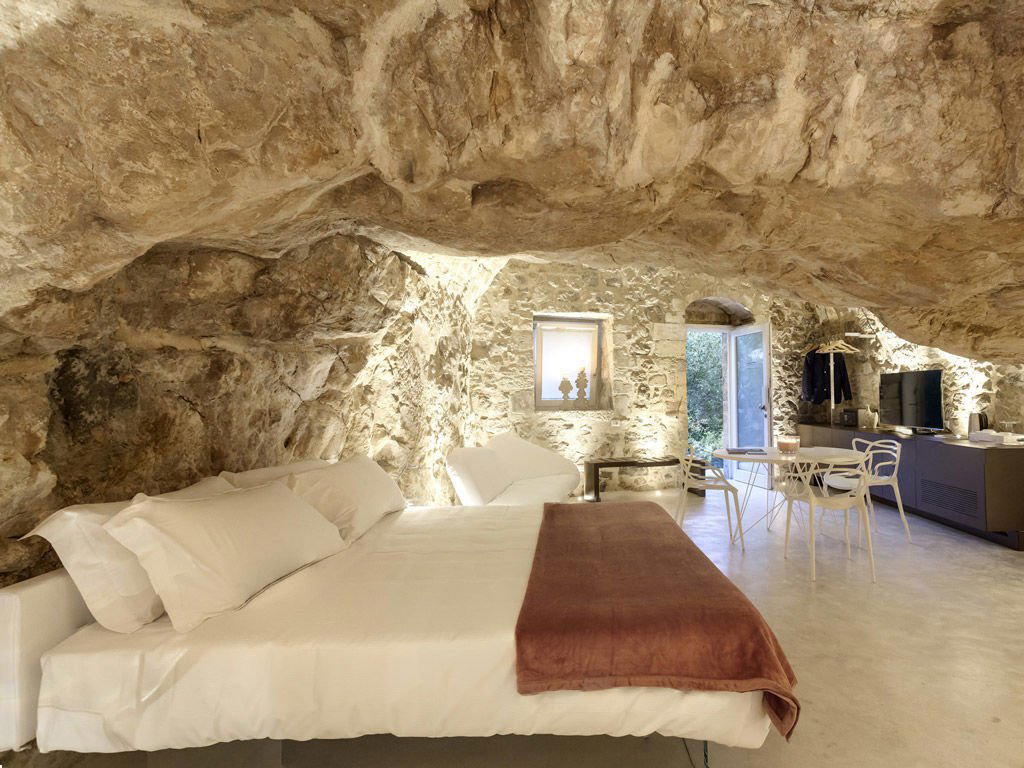
A Michelin Selected monastery-turned-hotel on the Sicilian plateau between Ragusa Ibla and the sea, Eremo della Giubiliana occupies a former hermitage with centuries of architectural weight behind it. The property sits in a category of southern Italian rural retreats where isolation is the point, and the surrounding Iblean countryside reinforces that premise at every turn. For travellers routing through one of Sicily's most architecturally dense Baroque towns, it offers a quieter counterpoint.
Pearl is the En Primeur Club membership app — saves, bookings, and concierge access live there. Same editors, same standards.
- Address
- C.da Giubiliana, SP25, km 7/500, 97100 Ragusa RG, Italy
- Phone
- +39 0932 669119
- Website
- eremodellagiubiliana.it
- Directions
- Get directions
 Saves & bookings on Pearl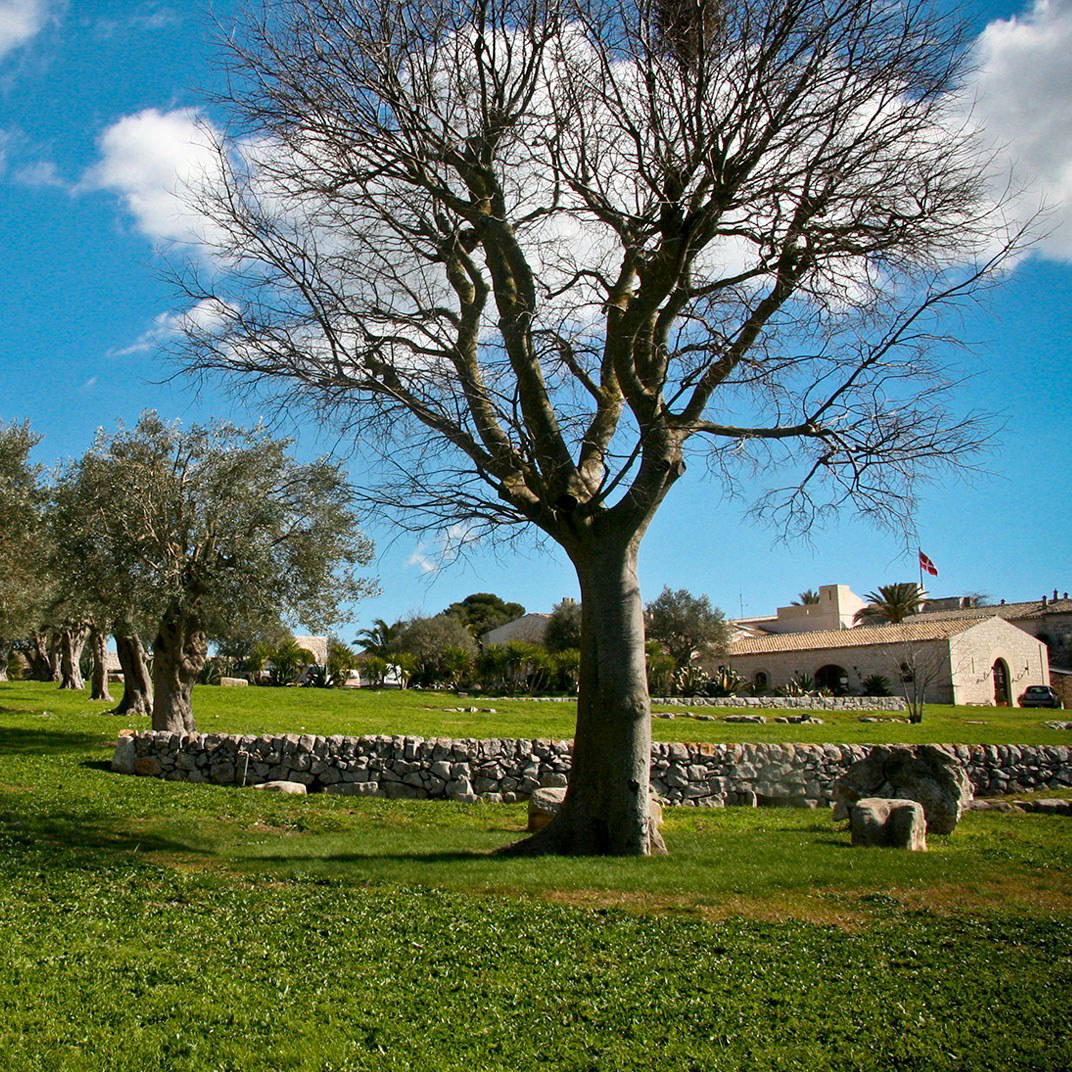
A Monastery on the Iblean Plateau
There is a particular kind of arrival that belongs almost exclusively to the rural south of Italy: a long road through wheat fields and limestone scrub, no village in sight, a structure emerging from the plateau as though it grew there rather than was built. The approach to Eremo della Giubiliana, along the SP25 roughly seven kilometres from Ragusa Ibla toward the coast, delivers that experience in full. The building is a converted hermitage, with thick defensive walls, interior courtyards oriented around shade and silence, and spaces designed for contemplation rather than circulation. That logic has not been designed away.
In the broader context of Italian rural hospitality, former monasteries and religious complexes occupy a distinct place. Properties like Rosewood Castiglion Del Bosco in Montalcino or Borgo Egnazia in Savelletri di Fasano have reoriented around resort programming and larger guest counts. Eremo della Giubiliana operates differently: the scale is smaller, the setting more remote, and the experience is shaped more by what is absent than by what is added. There is no beach club infrastructure, no poolside DJ programme. What the property trades on is the weight of its physical context and the character of the Iblean countryside surrounding it.
Service at This Distance from the City
What distinguishes Eremo della Giubiliana is not its architecture in isolation but what that architecture demands of the hospitality inside it. When a property sits at this distance from a city, roughly seven kilometres from Ragusa Ibla's Baroque centre, close enough for an evening excursion but far enough that guests are genuinely on-site for stretches of the day, the service model has to account for that self-containment. Staff are not supplemented by the street-level energy of a city hotel. Anticipatory service, in properties of this type, carries more weight: guests who run out of something, or who want a recommendation, or who encounter a logistical problem, are not one block from a solution. The property has to be the solution.
This is the operating condition of a certain class of Sicilian rural retreat, and it separates the credible from the merely scenic. Michelin's 2025 Selected Hotels list includes the hotel and tends to reward properties where the physical product and the service register are in alignment. Selection at that level does not indicate a starred dining programme or a particular amenity suite; it signals that the overall guest experience met a threshold across multiple dimensions. For a remote hermitage property in the Val di Noto, that signal is meaningful.
Travellers comparing options in Ragusa Ibla will find a handful of properties in the design-led or historic-building tier. A.D. 1768 Boutique Hotel and Relais Chiaramonte both operate within or close to the Ibla centre, placing them in a different relationship with the city fabric. Tenuta Cammarana offers another rural alternative. The choice between in-town and out-of-town in Ragusa is a genuine decision: the Baroque streets of Ibla reward foot travel, but the plateau countryside has its own rhythm, particularly in the shoulder months.
The Iblean Context
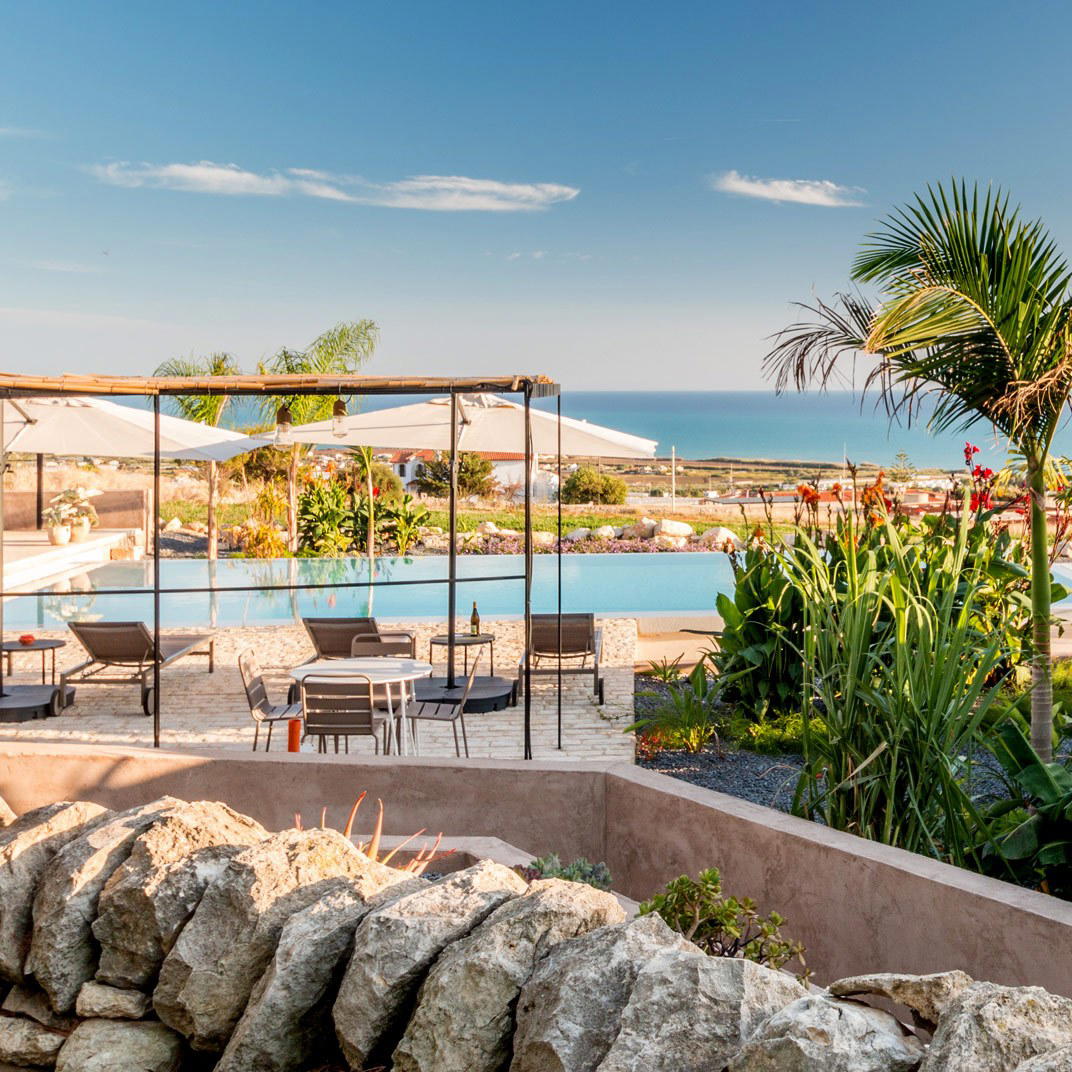
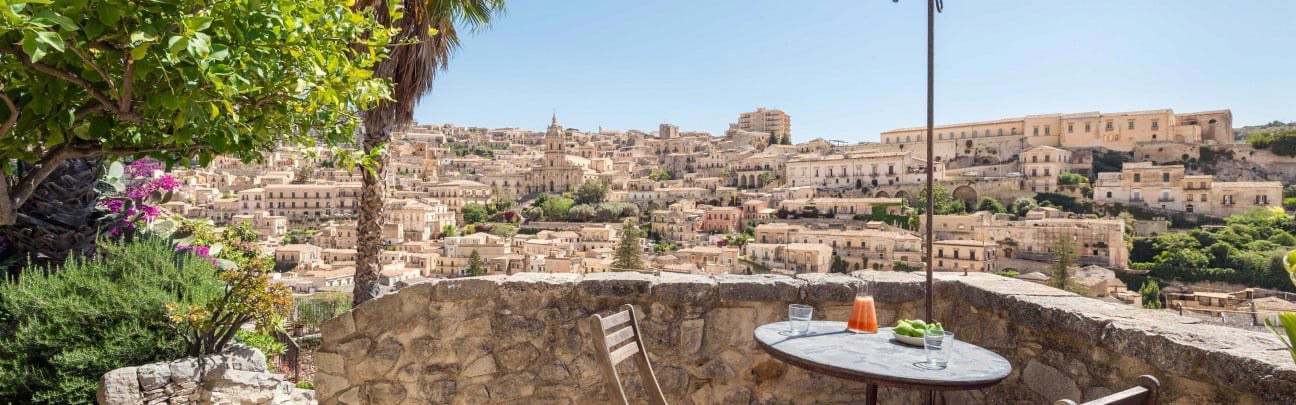
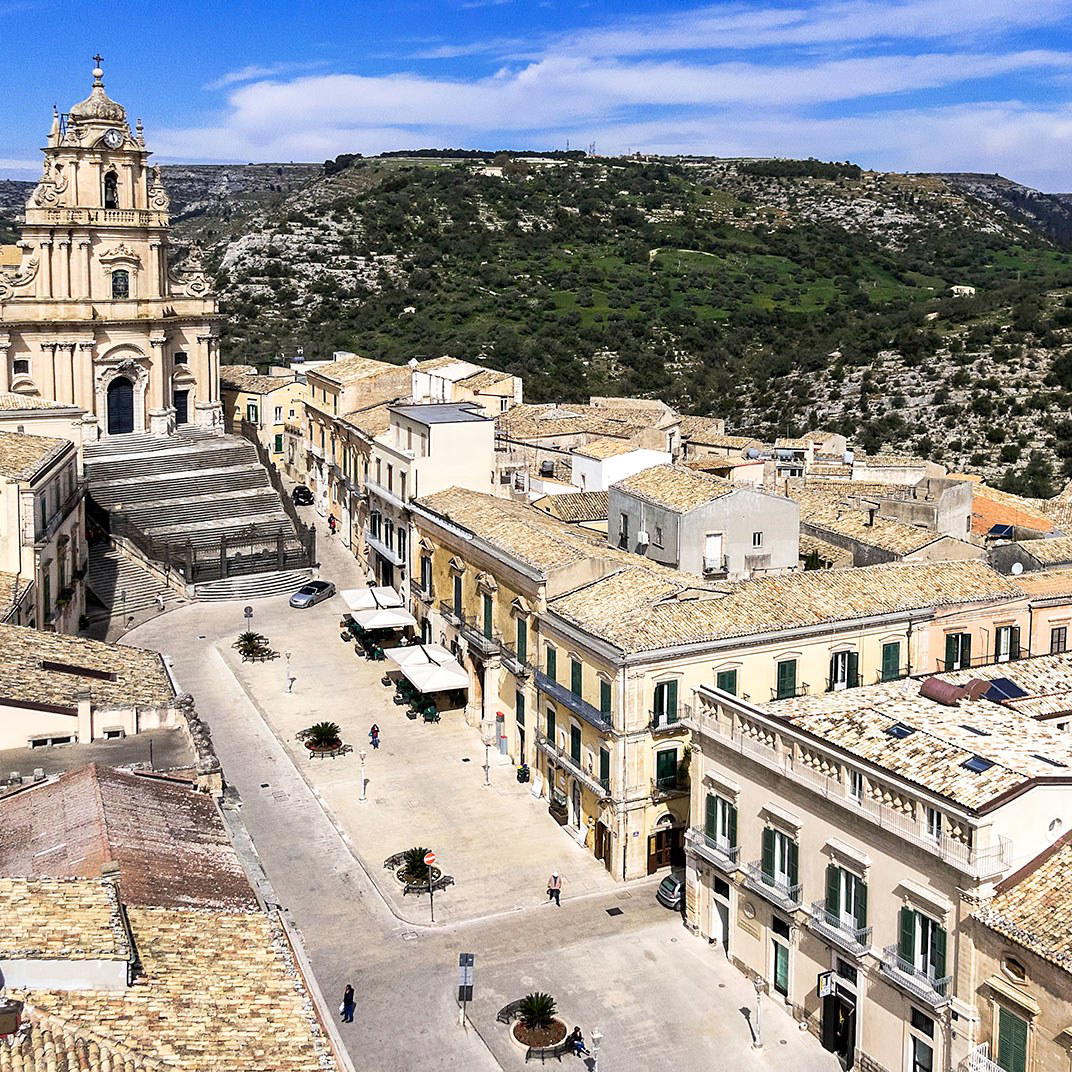
Ragusa Ibla is one of eight Val di Noto towns rebuilt after the 1693 earthquake that levelled most of eastern Sicily. The reconstruction produced a coherent Baroque townscape that earned UNESCO World Heritage status in 2002, and Ibla in particular has a density of monumental churches relative to its population that still registers as architecturally serious rather than merely decorative. It is a place that rewards slow movement, and the broader province of Ragusa rewards slower still: the Iblean Mountains provide some of Sicily's most distinct pastoral terrain, and the drive from Ragusa toward Marina di Ragusa along the SP25 passes through a landscape that remains largely agricultural.
For travellers building a southern Italy itinerary around this zone, the comparison set extends well beyond Sicily. Properties like Il San Pietro di Positano in Positano or Borgo Santandrea on the Amalfi Coast occupy the coastal-dramatic end of southern Italian hospitality; the hotel occupies the interior-contemplative end. Neither is a default; the choice reflects what the traveller is actually trying to do. Those drawn to historic architectural settings with less tourist density often route through the Val di Noto deliberately, treating it as an alternative to the more trafficked Taormina or Palermo circuits. For context on what else the broader Italian property tier looks like, the range runs from Aman Venice and Four Seasons Hotel Firenze in the north to Casa Maria Luigia in Modena, Corte della Maestà in Civita di Bagnoregio, and Castello di Reschio in Lisciano Niccone in central Italy, each representing a different calibration of history and hospitality programming.
Within Sicily specifically, the Ibla area has seen a gradual consolidation around slower, more architecturally serious tourism rather than resort-scale development. That direction suits a property like Eremo della Giubiliana, which has the building stock to hold its own as a primary destination rather than a stopover. Travellers who have done the Amalfi circuit or the Tuscany circuit and are looking for something with less infrastructure and more architectural density tend to land here, or in the broader Val di Noto, by deliberate choice rather than accident.
Planning a Stay
The SP25 address places the property on the road between Ragusa Ibla and Marina di Ragusa, making a car direct for arriving guests. Catania's Fontanarossa airport is the standard entry point for the Val di Noto, roughly 90 minutes by road; Comiso airport offers a closer alternative for travellers with flexible routing. The spring months, from March through May, and the autumn window in September and October tend to deliver particularly workable temperatures for the Iblean interior. Booking in advance for peak summer is advisable.
Style and Standing
Comparable venues nearby, for context on price, style, and recognition.
| Venue | Cuisine | Price | Awards | Notes |
|---|---|---|---|---|
| Eremo della GiubilianaThis venue — the venue you are viewing | Historic fortified convent in the Iblean highlands | $$$$ | 5-Star | Not listed |
| A.D. 1768 Boutique Hotel | Historic Baroque boutique hotel redefining Sicilian hospitality. | $$$$ | 4-Star | Ragusa Ibla |
| Relais Chiaramonte | Modern boutique agriturismo blending contemporary design with rustic Sicilian farmhouse charm | $$$$ | 4-Star | Ragusa Ibla |
| Tenuta Cammarana | Historic 18th-century neo-baroque farmhouse elegantly restored as an aristocratic country retreat. | $$$$ | Not listed | Ragusa Ibla |
| NH Collection Firenze Porta Rossa | Historic 13th-century tower transformed into a 5-star luxury hotel blending Renaissance architecture with modern comforts. | $$$$ | 5-Star | Duomo |
| San Montano Resort & SPA | 1970s postmodern luxury resort with contemporary renovations, blending Mediterranean heritage with modern wellness-focused design. | $$$$ | 5-Star | Lacco Ameno |
Recognition history
Dated appearances from independent guides and award organizations, with the underlying list record or original source where available.
Michelin Selected
Michelin
Continue exploring
More in Ragusa Ibla
Hotels in Ragusa Ibla
Browse all →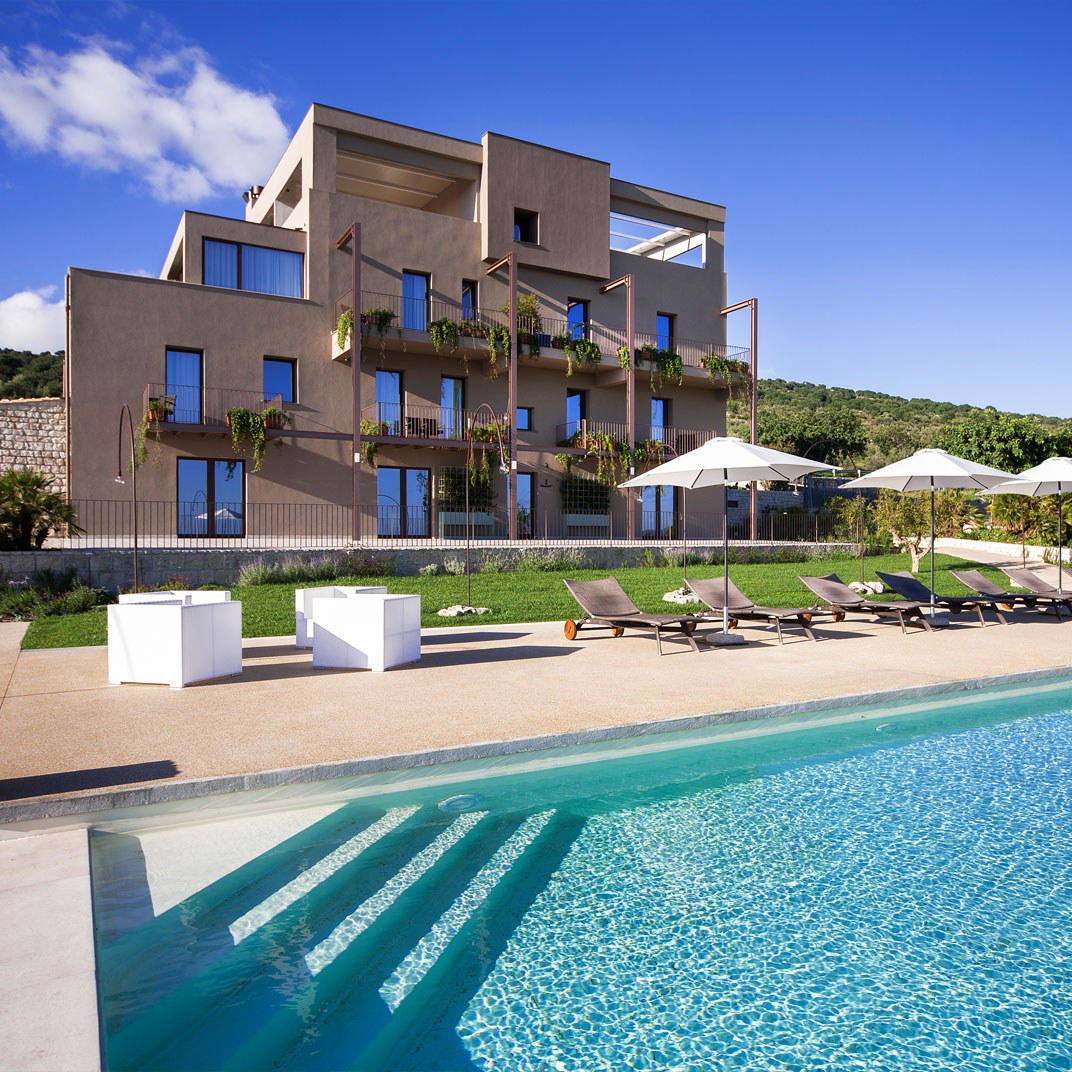
Bars in Ragusa Ibla
Browse all →
Restaurants in Ragusa Ibla
Browse all →

Wineries in Ragusa Ibla
Browse all →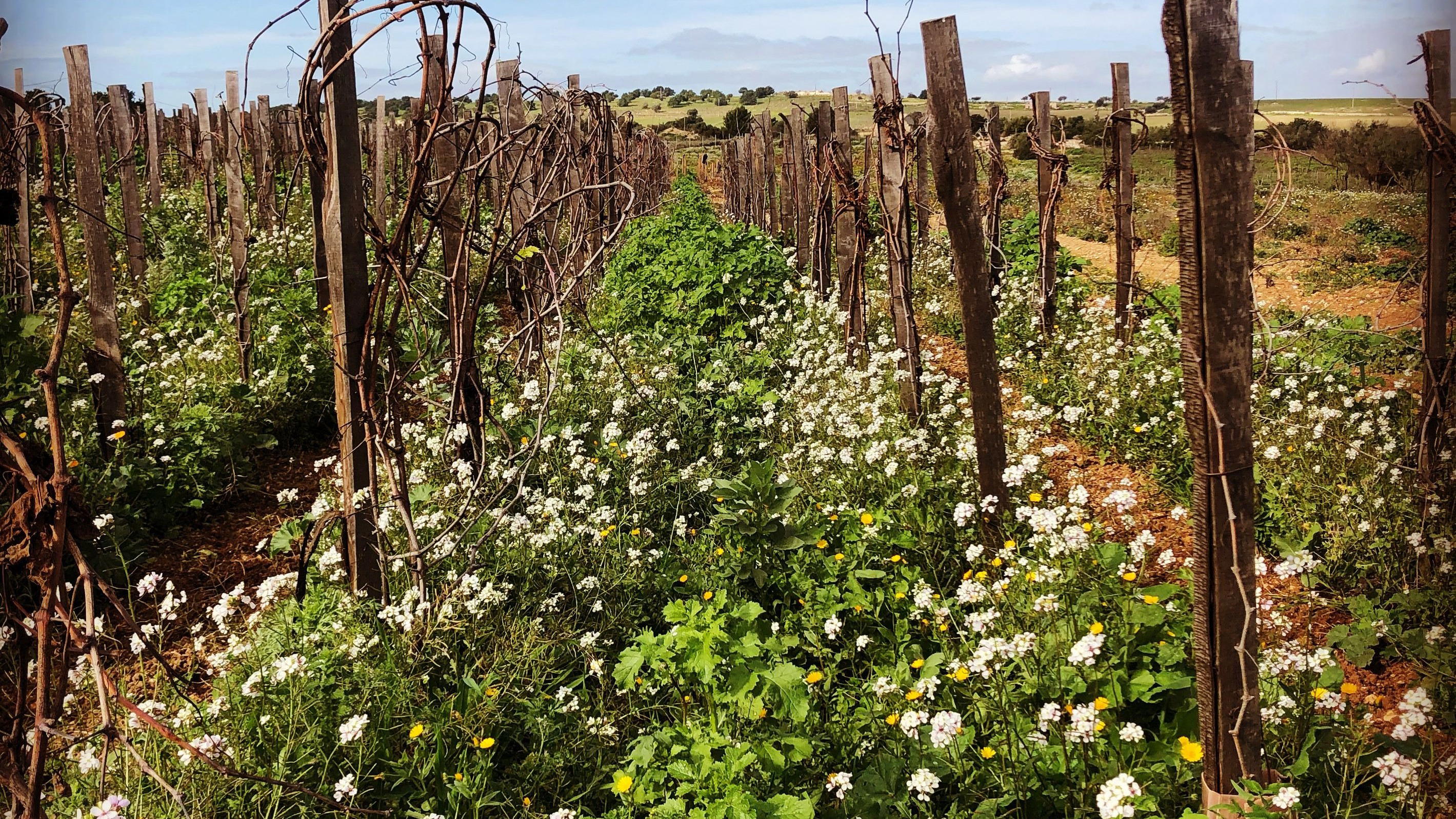
At a Glance
- Romantic
- Quiet
- Elegant
- Rustic
- Scenic
- Intimate
- Sophisticated
- Honeymoon
- Romantic Getaway
- Anniversary
- Weekend Escape
- Historic Building
- Panoramic View
- Garden
- Terrace
- Pool
- Spa
- Wi Fi
- Concierge
- Room Service
- Mountain
- Garden
- Pool
- Spa
- Wi Fi
- Concierge
- Room Service
Elegant historical ambiance with warm Sicilian hospitality, period furnishings in former monks' cells, and a tranquil oasis amidst carob groves and dry stone walls.