A.D. 1768 Boutique Hotel

A Michelin Selected boutique hotel occupying an 18th-century palazzo in Ragusa Ibla, Sicily's UNESCO-listed Baroque quarter. The 1768 in its name is not decorative: the building predates Sicilian Unification, and its stone walls carry that weight. For travellers who find the larger Sicilian resort circuit too broad in scope, this is a tighter, more architecturally coherent alternative.
Pearl is the En Primeur Club membership app — saves, bookings, and concierge access live there. Same editors, same standards.
- Address
- Via Conte Cabrera, 6, 97100 Ragusa RG, Italy
- Phone
- +39 0932 807780
- Website
- 1768iblahotel.it
- Directions
- Get directions
 Saves & bookings on Pearl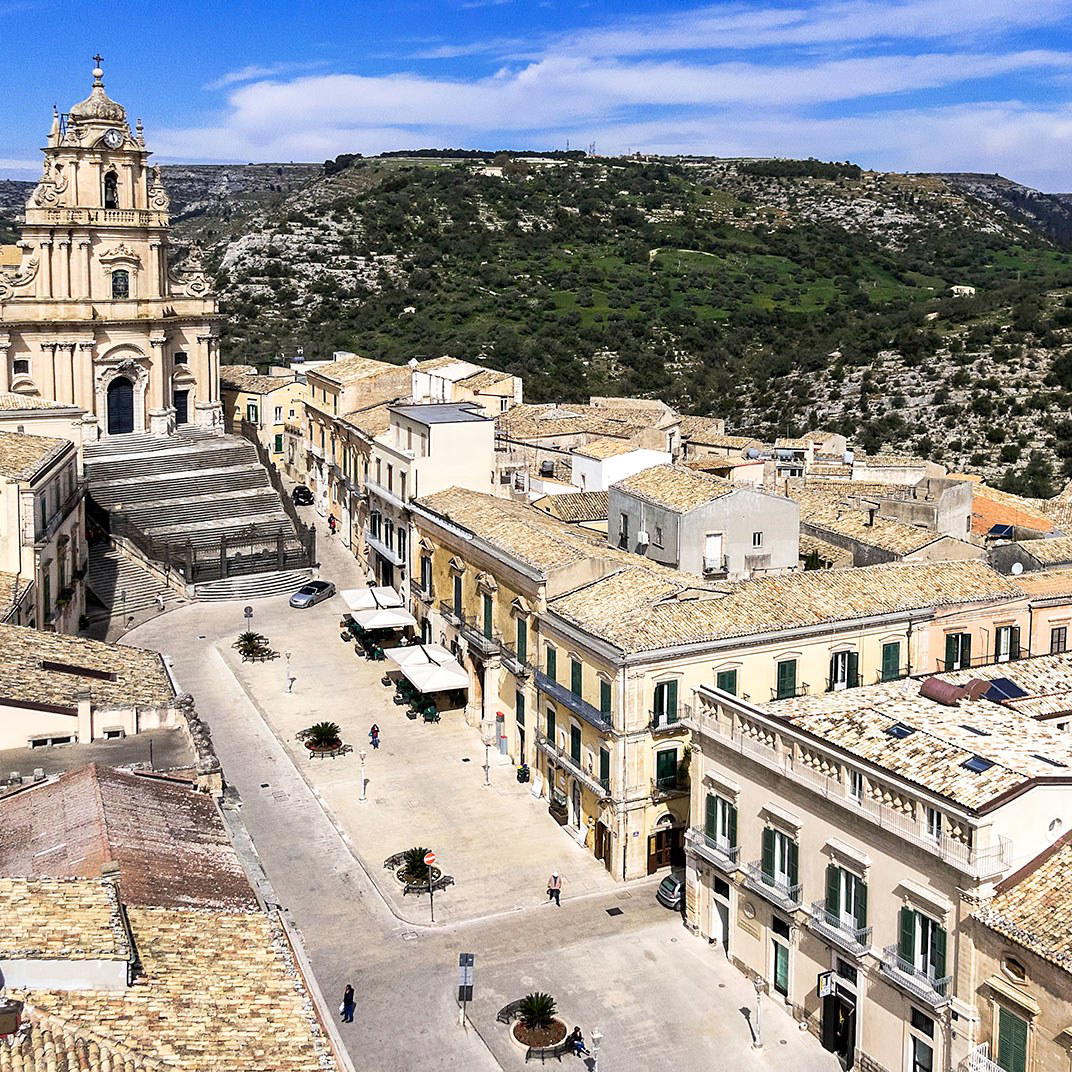
Stone, Silence, and the Weight of 1768
Ragusa Ibla does not ease you in. Arriving at the lower town of what is effectively a split city, you climb through streets that narrow as the Baroque architecture thickens, past the dome of San Giorgio and the interlocking honey-coloured facades that earned the Val di Noto its UNESCO designation in 2002. By the time you reach Via Cabrera, the scale of the intervention is already clear: this is a quarter where the buildings are the attraction, and where any hotel worth occupying one of them had better make that case through the fabric of the building itself, not a renovation that papers over it.
A.D. 1768 Boutique Hotel makes that case through restraint. The name anchors the property to its construction date, a deliberate choice in a town where the entire urban fabric dates from the post-earthquake rebuild of the early 18th century. The 1693 earthquake that levelled much of eastern Sicily produced, paradoxically, one of Europe's most coherent Baroque streetscapes, because the rebuilding happened fast, in a single confident architectural idiom. A hotel that leans into 1768 as its identity is positioning itself inside that history rather than beside it.
The Architecture as Argument
Sicilian Baroque boutique hotels now occupy a recognisable niche within Italian luxury hospitality. Properties in the Val di Noto, in Noto itself, in Modica, and in Ragusa Ibla's own centro storico have converted palazzo stock into small-key accommodations that compete less on amenity breadth than on architectural authenticity. The comparable set is not Borgo Egnazia in Savelletri di Fasano or San Domenico Palace in Taormina, both of which operate at a different scale and with different brand infrastructure. It is closer to the format seen at Corte della Maestà in Civita di Bagnoregio: historic town-centre structures with limited keys and a design logic drawn from the building's own history.
What this format demands, and what distinguishes those who do it well from those who merely inhabit old buildings, is a willingness to let the architecture make decisions. Original stone flooring, vaulted ceilings with proportions set by 18th-century masons, window apertures aligned to streets that were themselves designed by Baroque urban planners: these are not constraints to be overcome but features to be read. The Michelin Selected designation in the 2025 guide signals a property that meets a threshold of quality and coherence.
The boutique palazzo model has a particular advantage in Ragusa Ibla over the larger resort formats common elsewhere in Sicily. The town's topography, a ridge of limestone with streets too narrow for large vehicle movements and a built fabric protected by heritage law, effectively caps what can be built or significantly altered. That constraint favours existing historic structures over new construction, and small operators over those requiring conference facilities or pool complexes. It is a similar dynamic to the one that shapes the small-key luxury market in Capri, where geography enforces a ceiling on scale that the market then turns into a selling point.
Ragusa Ibla in Context
Ragusa is a double city. The upper town, Ragusa Superiore, rebuilt on a different grid after 1693, functions as the administrative and commercial centre. Ragusa Ibla, the lower town, is the older settlement, rebuilt in place after the earthquake and now almost entirely given over to heritage use, tourism, and the slow-moving residential life of a Sicilian hill town. The division matters for visitors because they describe genuinely different experiences: the upper town has the transport links, the larger restaurants, the everyday commerce; the lower has the architecture, the garden of Giardino Ibleo at the eastern tip of the ridge, and the density of Baroque churches that makes it the UNESCO core.
Staying within Ragusa Ibla rather than the upper town, or in Modica or Noto on day trips, changes the rhythm of a visit. The light on the stone shifts from early morning through late afternoon in ways that are worth staying to observe, and the town empties noticeably after evening coach tours depart. For those for whom this kind of immersive proximity to historic fabric is the point of travel, the positioning of A.D. 1768 on Via Cabrera, within the Ibla quarter, is the primary logistical argument for the property. By comparison, Therasia Resort in Lipari offers a different kind of Sicilian island experience entirely, built around volcanic landscape rather than Baroque urban form.
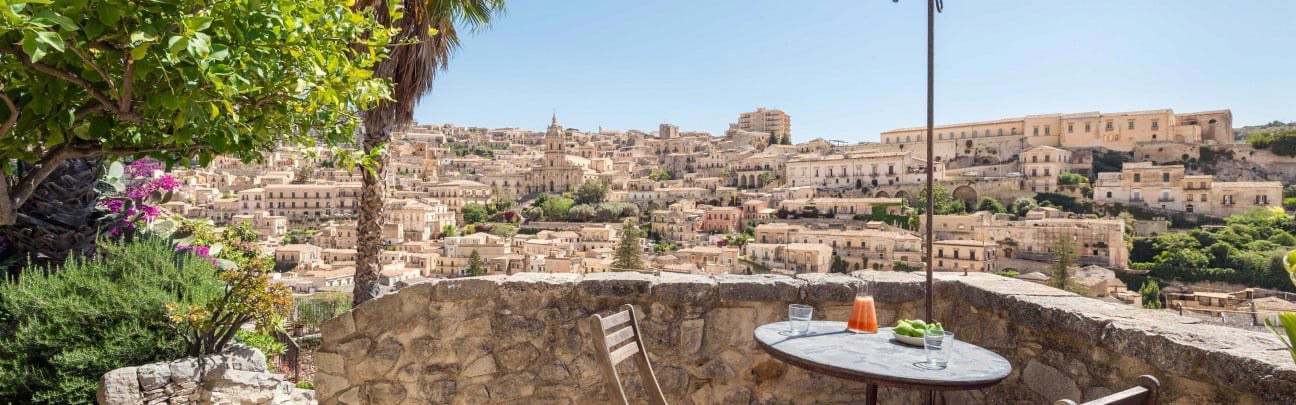
Travellers approaching Sicily through the lens of architectural heritage will find Ragusa Ibla one of the more coherent bases in the Val di Noto circuit. Noto, approximately 50 kilometres to the southwest, is the showpiece of the rebuilt Baroque towns and draws the largest visitor numbers. Modica, closer at around 15 kilometres, is notable for its own vertical topography and chocolate-making tradition. Ibla sits between those two in terms of tourist footfall, and the relative quiet is part of what the town offers during shoulder season, particularly in April, May, and October, when the summer heat has not yet arrived or has receded.
Planning a Stay
The address at Via Cabrera 6 places the hotel inside the historic quarter where driving is restricted and parking is not available on-site in the conventional sense; arriving from Catania Fontanarossa, the nearest major airport at roughly 100 kilometres, typically requires a taxi or hire car to the edge of the Ibla district, then a short walk with luggage into the pedestrian core. That friction is, for most guests choosing this format, an accepted part of arriving somewhere that prioritised its built environment over vehicular convenience. For those building a broader Italian luxury itinerary, properties like Four Seasons Hotel Firenze, Bulgari Hotel Roma, or Passalacqua in Moltrasio operate within city or lakeside infrastructures that present fewer logistical complications, though none of them offer the specific Baroque hill-town context that Ragusa Ibla provides.
At this key count, the differential between room types is likely architectural rather than amenity-driven: ceiling height, window orientation, proximity to the internal courtyard if one exists are the variables that typically define the hierarchy in converted palazzo hotels of this kind.
Side-by-Side Snapshot
Comparable venues nearby, for context on price, style, and recognition.
| Venue | Cuisine | Price | Awards | Notes |
|---|---|---|---|---|
| A.D. 1768 Boutique HotelThis venue — the venue you are viewing | Historic Baroque boutique hotel redefining Sicilian hospitality. | $$$$ | 4-Star | Not listed |
| Eremo della Giubiliana | Historic fortified convent in the Iblean highlands | $$$$ | 5-Star | Ragusa Ibla |
| Relais Chiaramonte | Modern boutique agriturismo blending contemporary design with rustic Sicilian farmhouse charm | $$$$ | 4-Star | Ragusa Ibla |
| Tenuta Cammarana | Historic 18th-century neo-baroque farmhouse elegantly restored as an aristocratic country retreat. | $$$$ | Not listed | Ragusa Ibla |
| Hotel Lamm | Historic alpine design hotel with casual luxury | $$$$ | 4-Star | Castelrotto |
| Splendid Venice - Starhotels Collezione | Historic Venetian palace with modern updates | $$$$ | 4-Star | San Marco |
Recognition history
Dated appearances from independent guides and award organizations, with the underlying list record or original source where available.
Michelin Selected
Michelin
Continue exploring
More in Ragusa Ibla
Hotels in Ragusa Ibla
Browse all →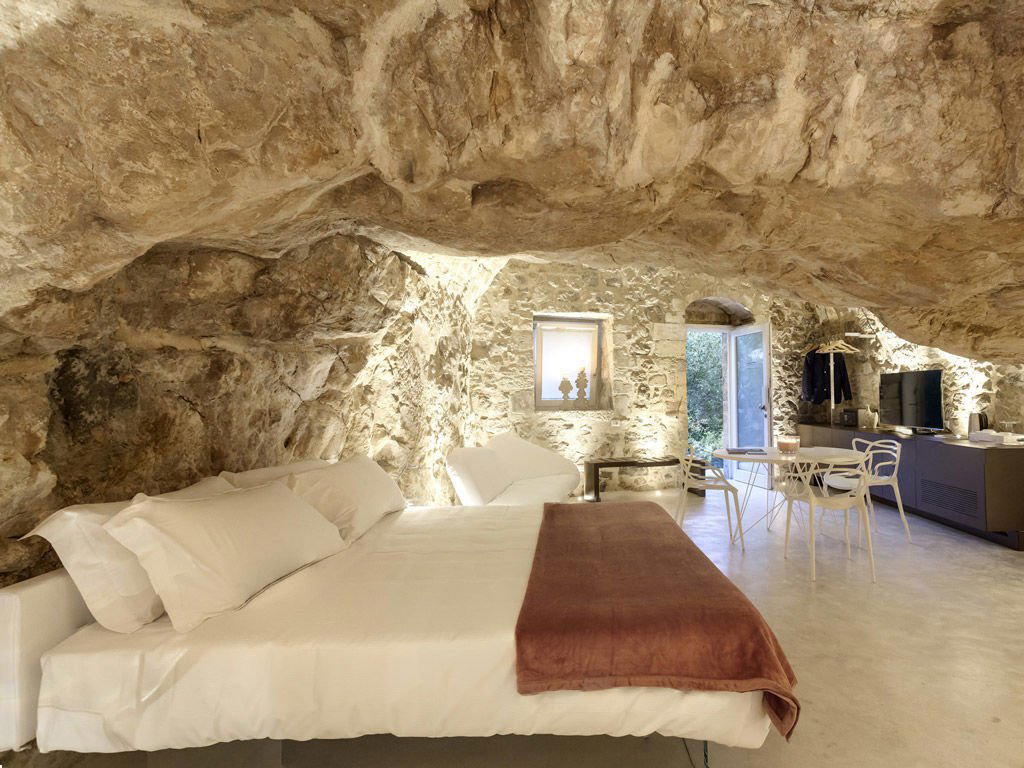
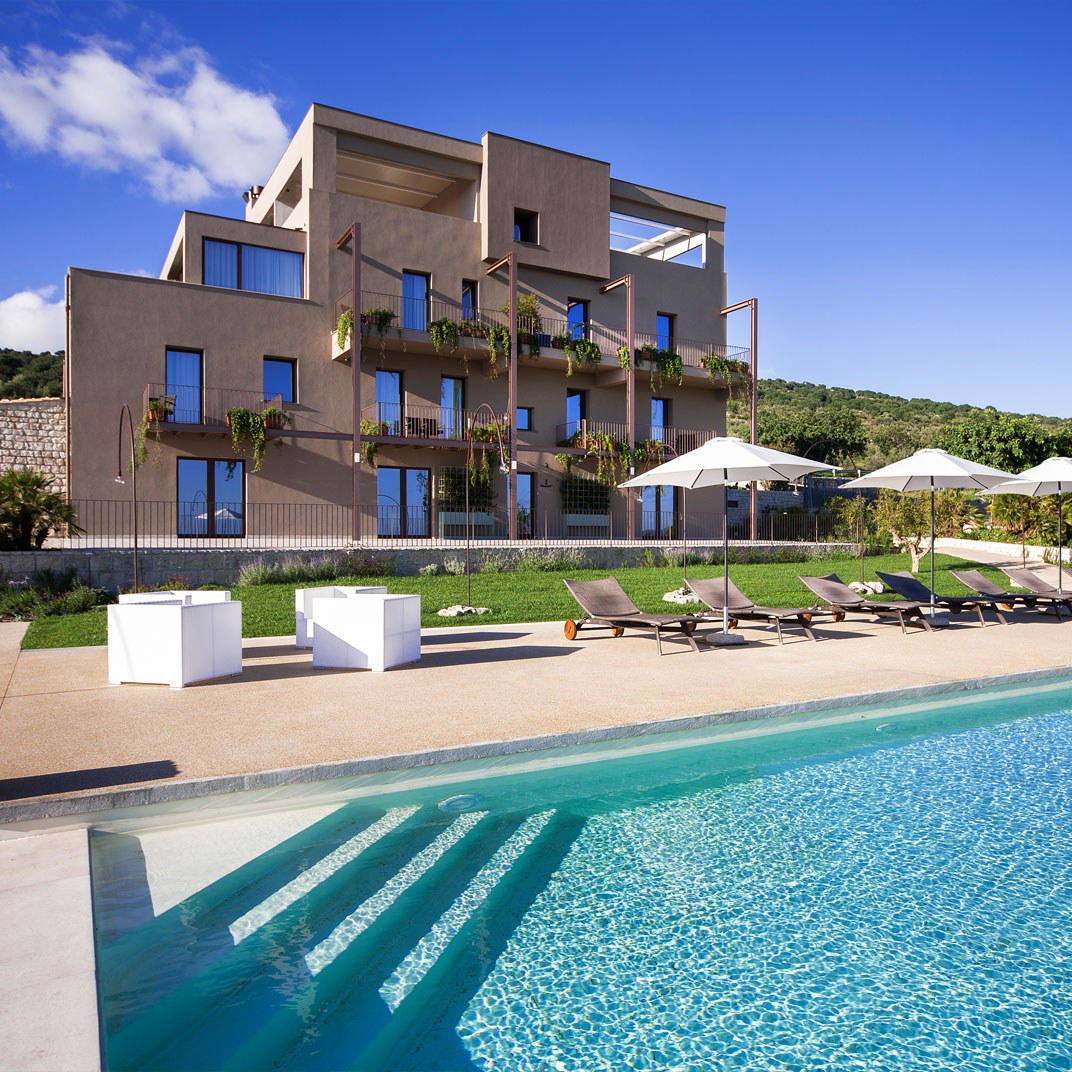
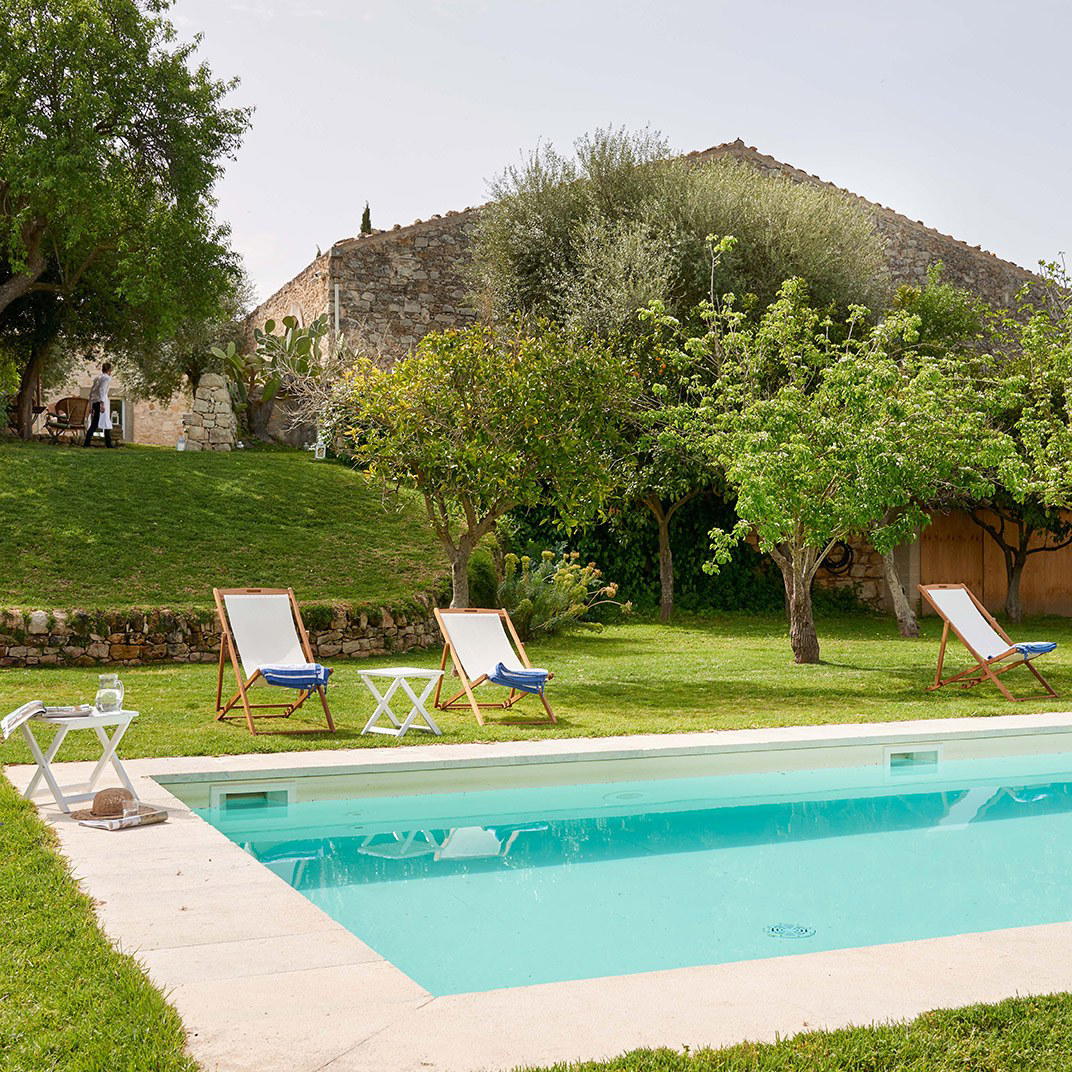
Bars in Ragusa Ibla
Browse all →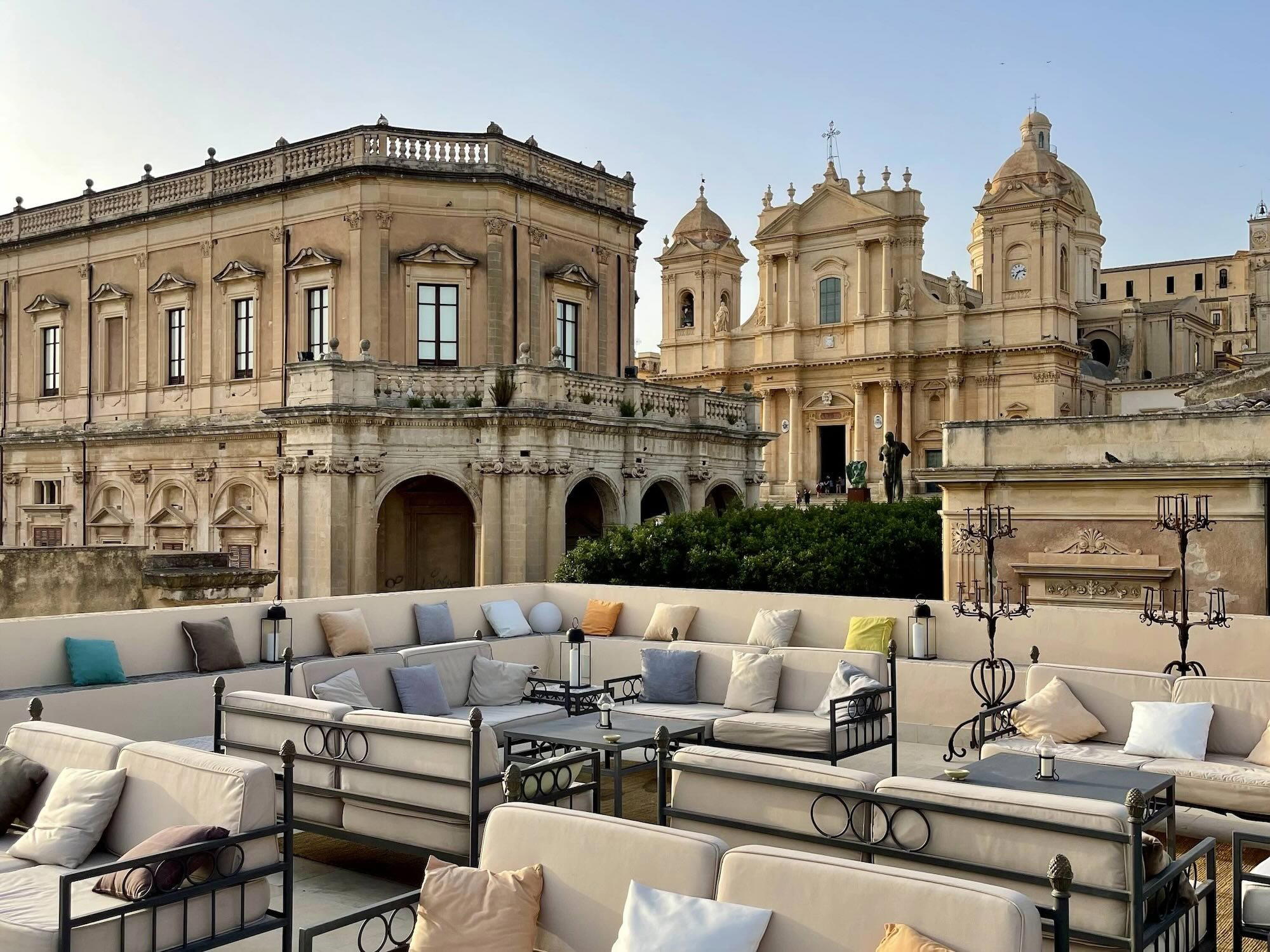
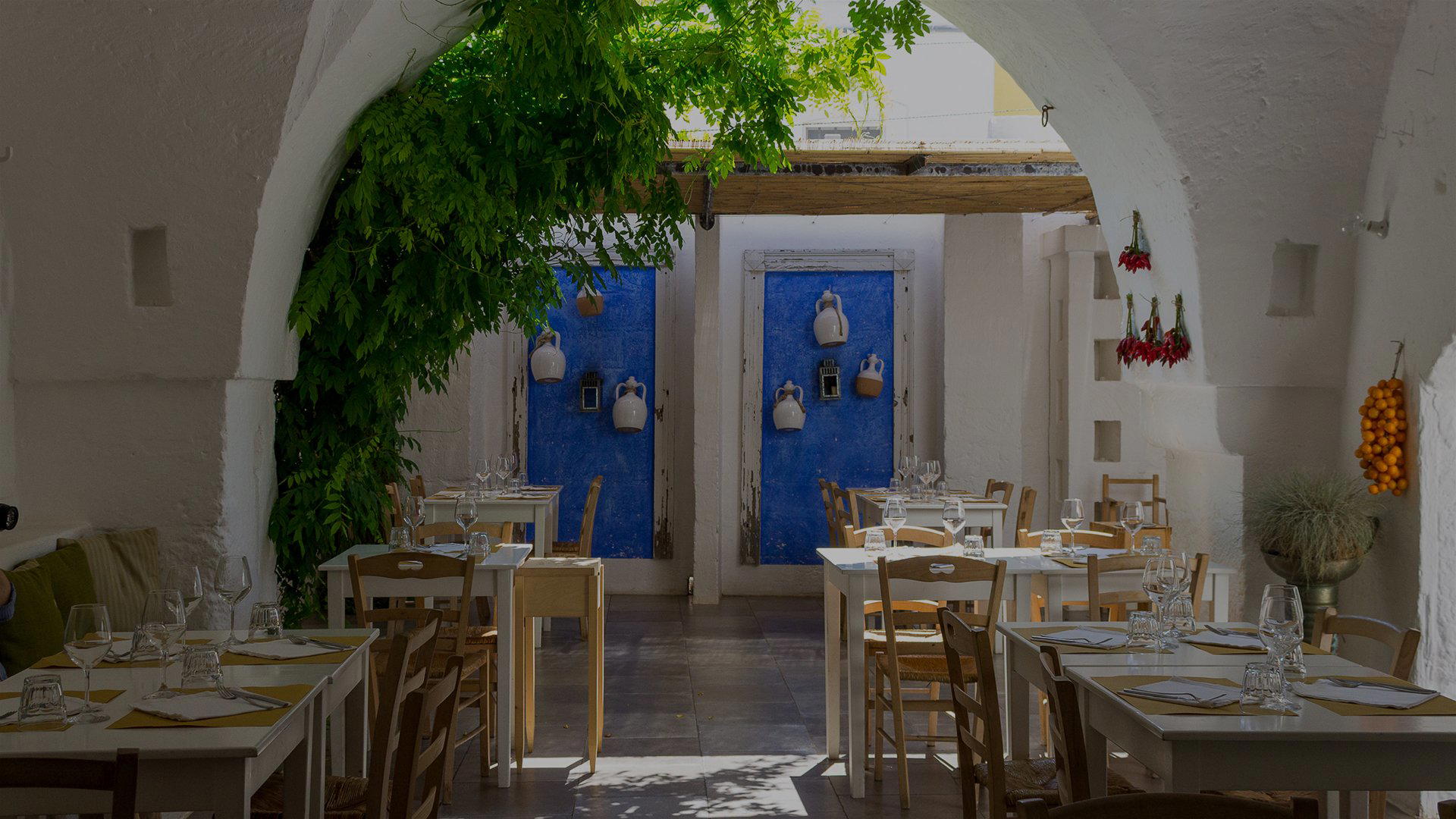
Restaurants in Ragusa Ibla
Browse all →

Wineries in Ragusa Ibla
Browse all →
At a Glance
- Elegant
- Sophisticated
- Romantic
- Intimate
- Classic
- Romantic Getaway
- Honeymoon
- Anniversary
- Weekend Escape
- Historic Building
- Terrace
- Wi Fi
- Air Conditioning
- Room Service
- Concierge
- Elevator
- Bar
- Street Scene
- Garden
- Wi Fi
- Air Conditioning
- Room Service
- Concierge
- Elevator
- Bar
Muted, refined atmosphere of ancient patrician houses revived with a modern spirit, offering tranquility and garden views.