Eckington Manor

A Michelin Selected hotel set within a working farm estate in Worcestershire's Pershore, Eckington Manor positions itself in a tier of British rural retreats where the agricultural setting is architectural as much as scenic. The property sits alongside Michelin-recognised country houses that treat landscape and building as a single composition, earning its place in the 2025 Michelin Selected Hotels list.
Pearl is the En Primeur Club membership app — saves, bookings, and concierge access live there. Same editors, same standards.
- Address
- Hammock Rd, Eckington, Pershore WR10 3BJ, United Kingdom
- Phone
- +44 1386 751600
- Website
- eckingtonmanor.co.uk
 Saves & bookings on Pearl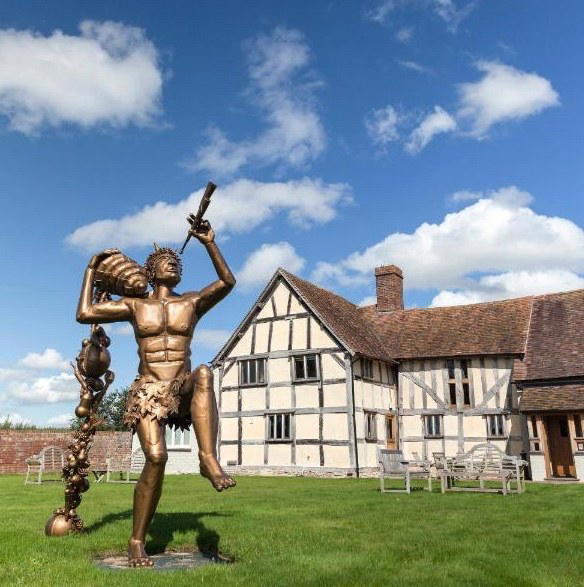
Farmland as Architecture: How Eckington Manor Reads the Worcestershire Countryside
There is a specific category of British country hotel where the surrounding land is not backdrop but building material. The walled kitchen garden, the orchard row, the working farm yard, these function as extensions of the interior, shaping what guests eat, where they walk, and how the property feels at seven in the morning before breakfast service begins. Eckington Manor is a 3-star hotel in Pershore, Worcestershire, set on Hammock Road in the Vale of Evesham. The physical estate does the architectural work that stone and plasterwork do elsewhere.
Pershore sits in the Vale of Evesham, a stretch of Worcestershire that has supplied the West Midlands with soft fruit, asparagus, and plums for centuries. The vale's flatness gives properties here a particular spatial quality: the horizon is long, hedgerows divide the view into panels, and orchards arrive at the eye as formal geometry. Arriving at Eckington Manor along this agricultural corridor, the transition between working farmland and hotel grounds is deliberately soft, a design choice, not an oversight. Properties in this area that hard-edge their perimeters against the vale feel jarring; those that let the agricultural character bleed in feel considered. Eckington Manor belongs to the latter approach.
The Physical Fabric: What the Building Communicates
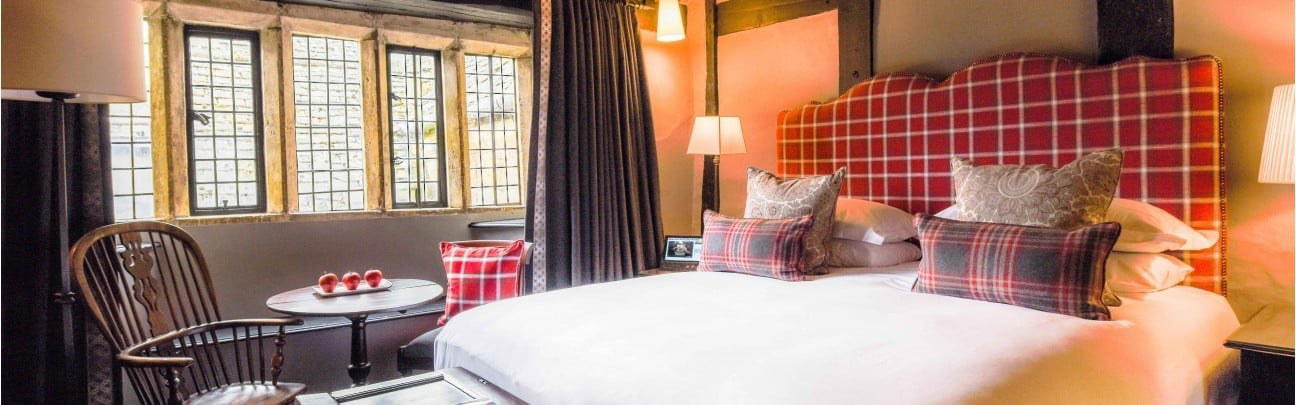
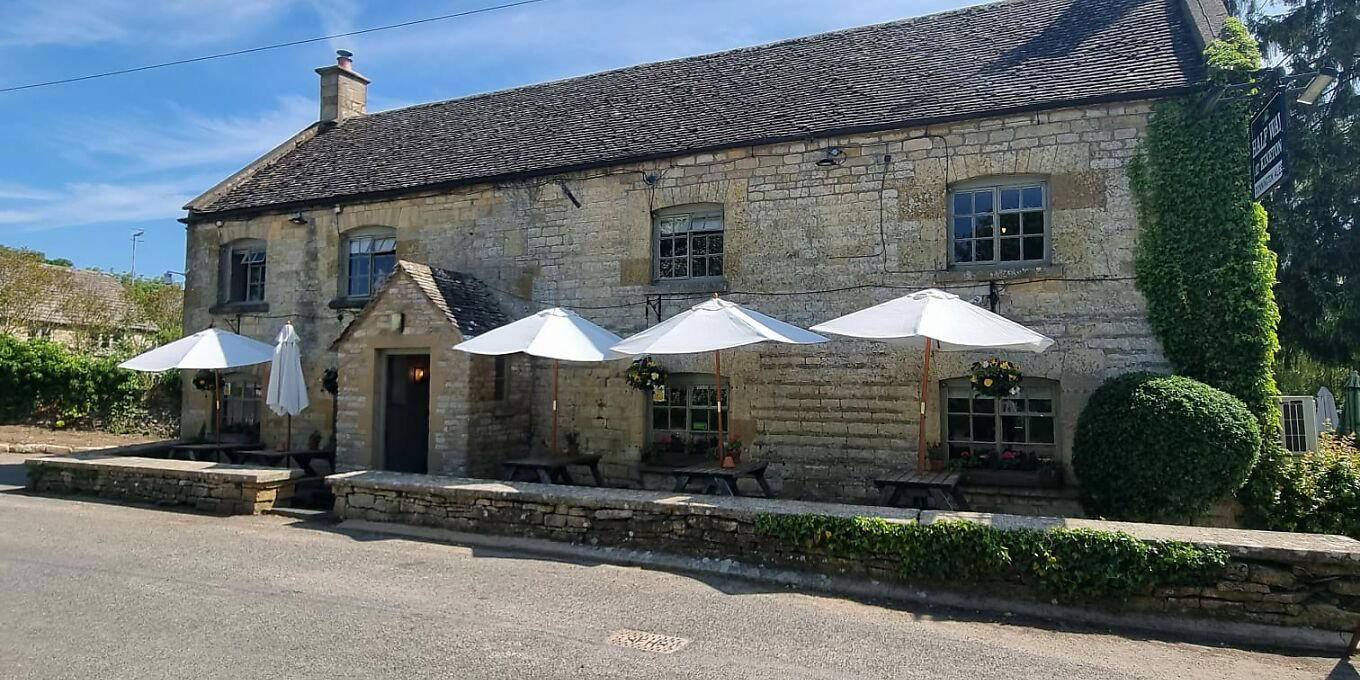
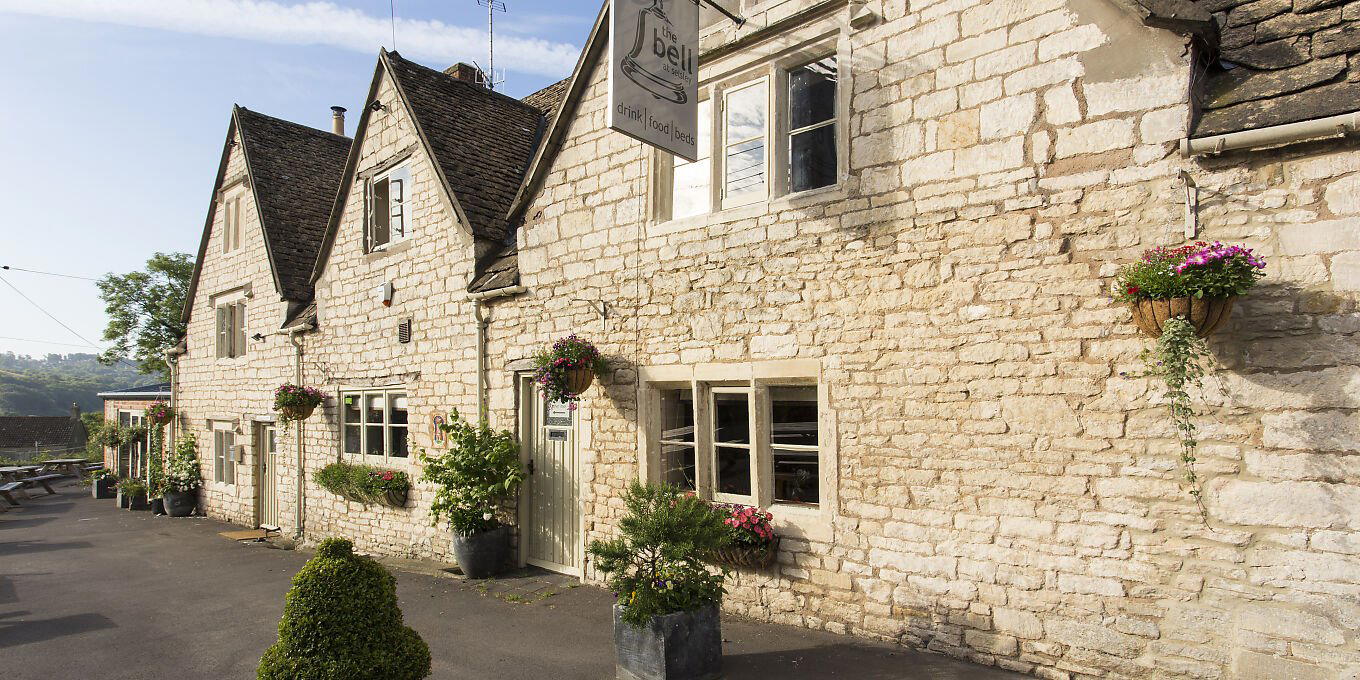
The British farm estate hotel has its own design vocabulary, exposed timber framing, stone flags, rooms where ceiling height comes from repurposed agricultural structures rather than classical proportion. At Eckington Manor, the Worcestershire vernacular is present in the material palette: the kind of building that reads as place-specific rather than period-generic. This matters because rural hotels in the UK split sharply between those that use period architecture as scenery and those that treat it as a functional inheritance. The latter tend to produce more coherent experiences, because the decisions about layout, materials, and spatial sequence follow from the building's original logic rather than a decorator's brief.
The farm estate model also privileges outdoor-to-indoor transitions in ways that conventional country houses do not. Spaces that connect kitchen gardens to dining rooms, or yards to sitting rooms, are not incidental at Eckington Manor, they are the product of a setting where agricultural production and hospitality occupy the same acreage. For guests arriving from cities, these transitions carry a particular weight: the reset from urban register to rural rhythm happens not gradually over an evening but physically, in the few steps between the estate grounds and the interior.
Where Eckington Manor Sits in the British Rural Hotel Set
Eckington Manor is a 3-star hotel in Pershore with 16 rooms and a nightly rate from $185. In the broader British rural hotel market, properties at this level compete on distinctiveness of setting, food programme quality, and the degree to which the physical space feels integrated rather than assembled.
Eckington Manor operates in the same broad band, where the physical estate is inseparable from what the hotel is selling.
Eckington Manor's setting is more place-specific and more dependent on the quality of the land and the building than on accumulated brand weight.
The Vale of Evesham as Context
Pershore itself is a market town with Georgian streetscapes and an abbey dating from the tenth century, the kind of place that sits outside mainstream tourist circuits but functions as a genuine anchor for the surrounding agricultural landscape. The Vale of Evesham's growing season runs from late spring through early autumn. These are not obscure agricultural facts but scheduling intelligence: guests arriving in high summer eat into a supply chain that is specific to this valley and this season in ways that hotel estates in less fertile areas cannot replicate.
For guests orienting a wider Worcestershire or West Midlands stay, Pershore is accessible from the M5 corridor and sits between Worcester and Evesham on the A44 route. The road approach through the vale is direct by UK rural standards, without the narrow single-track stretches that characterise rural hotel approaches in the Scottish Highlands or the Welsh borders. Properties like Kilchoan Estate in Inverie or Langass Lodge in Na H Eileanan An Iar demand a different logistical commitment; Eckington Manor is accessible without the same planning overhead, which affects the guest profile it draws and the pace of stay it supports.
Planning a Stay
Eckington Manor carries Michelin Selected status for 2025, which positions it as a verified option at the quality-conscious end of the Worcestershire rural hotel market. For guests weighing the Midlands against other English rural hotel destinations, the New Forest, the Cotswolds, or the Lake District, where properties like Farlam Hall Hotel and Restaurant represent a comparable independent-hotel tradition, the Vale of Evesham setting is the primary differentiator. The agricultural character of the landscape and the estate's working-farm integration represent a distinct offer within that peer group.
Comparable Venues
Comparable venues nearby, for context on price, style, and recognition.
| Venue | Cuisine | Price | Awards | Notes |
|---|---|---|---|---|
| Eckington ManorThis venue — the venue you are viewing | Converted historic farm buildings blending old charm with modern design | $$$$ | 3-Star | |
| The Webster | Lifestyle hotel emphasizing analogue experiences and cultural immersion | $$$$ | 4-Star | Covent Garden |
| The Peacock at Rowsley | 17th-century stone manor with skew-whiff charm and modern comforts | $$$$ | 4-Star | Rowsley |
| Hotel du Vin Birmingham | Victorian conversion with contemporary comfort | $$$$ | 4-Star | Jewellery Quarter |
| The Lygon Arms | rustic luxury country heritage hotel | $$$$ | 4-Star | Broadway |
| No. 15 Bath by GuestHouse | Georgian townhouses with modern quirky interiors | $$$$ | 4-Star | Great Pulteney Street |
At a Glance
- Romantic
- Quiet
- Rustic
- Elegant
- Cozy
- Romantic Getaway
- Anniversary
- Weekend Escape
- Destination Wedding
- Garden
- Terrace
- Historic Building
- Wifi
- Room Service
- Concierge
- Free Parking
- Restaurant
- Cooking Class
- Garden
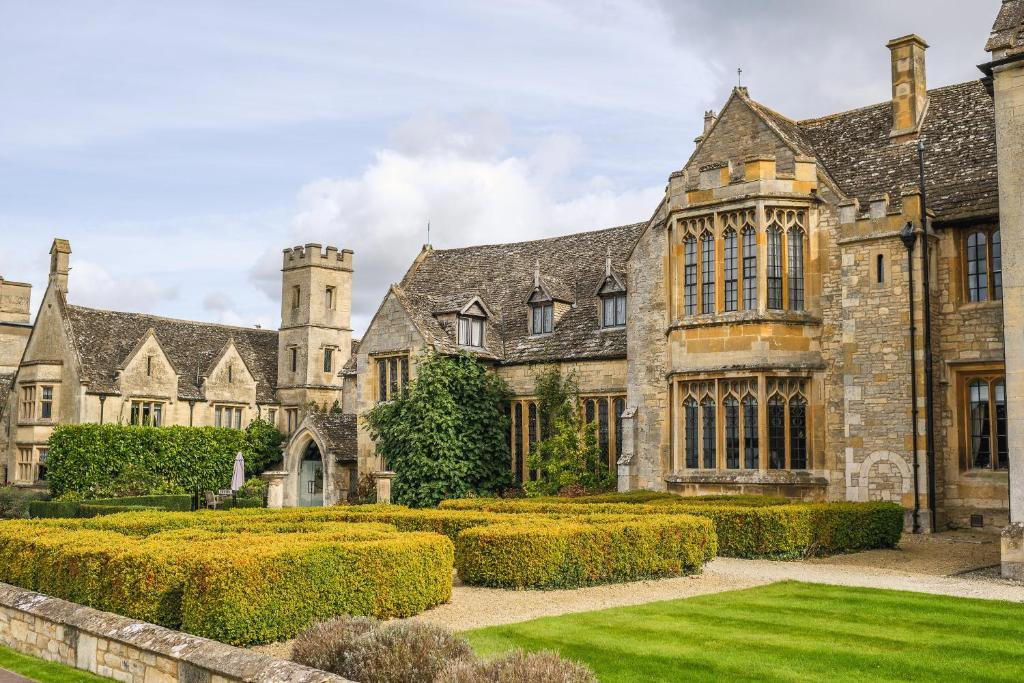
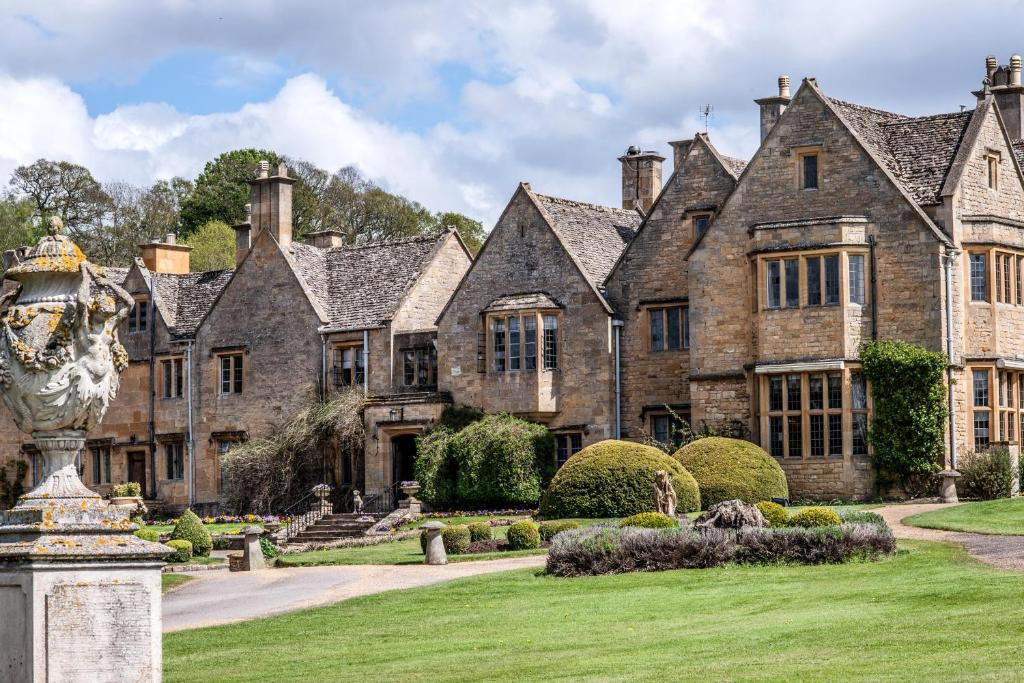
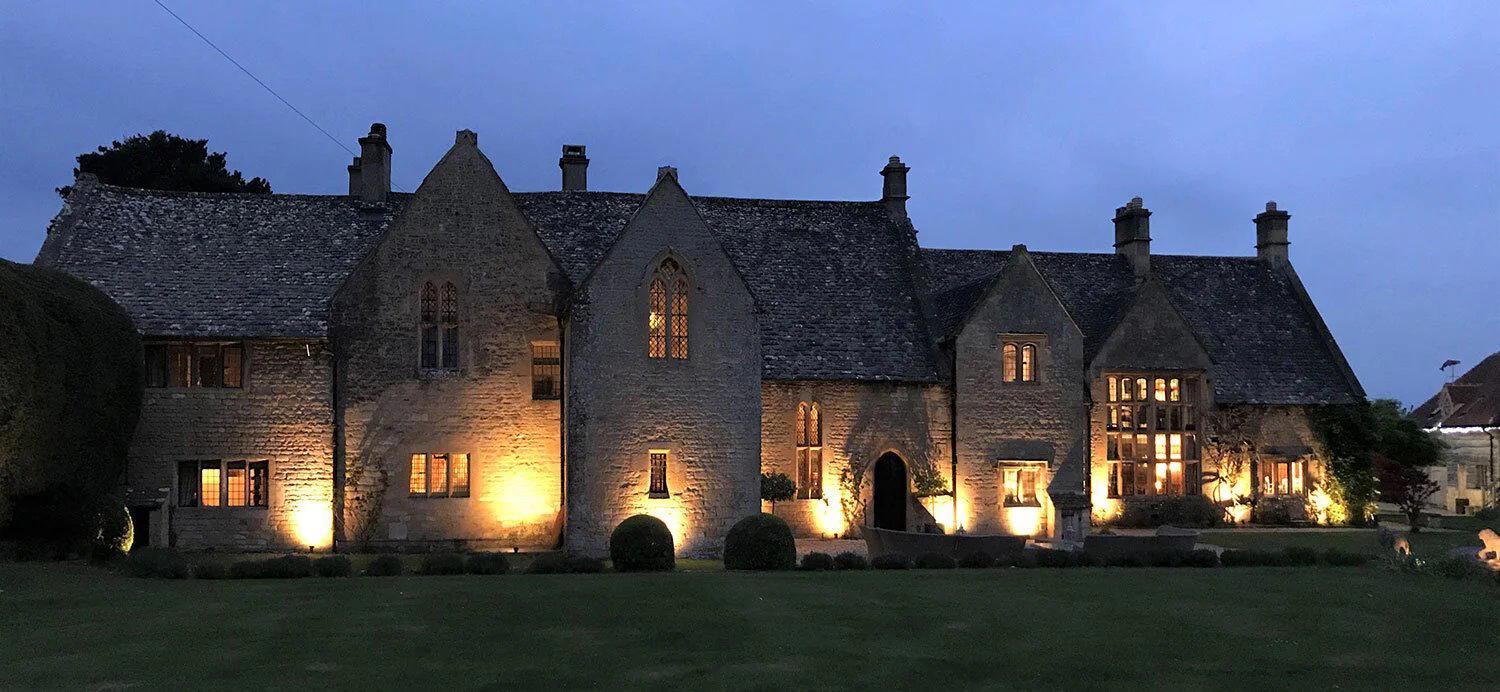
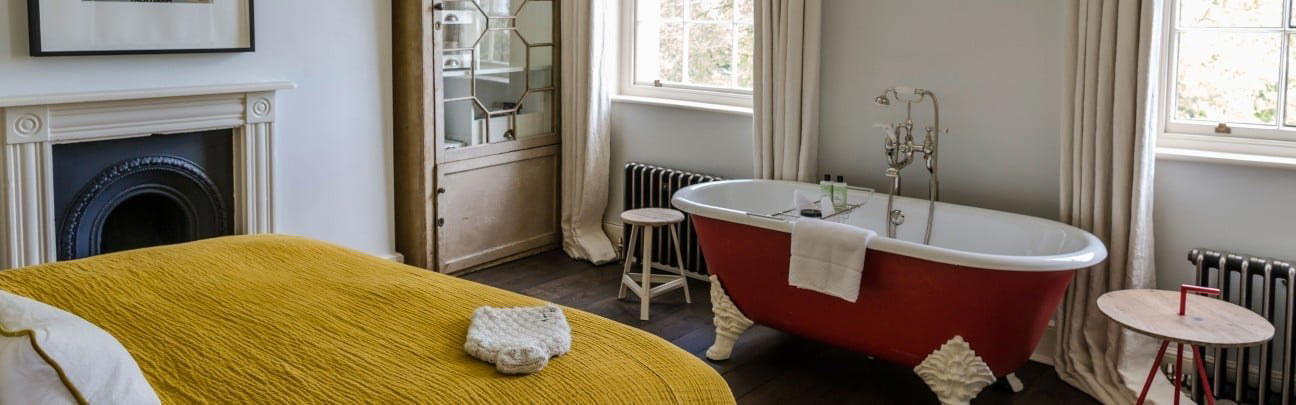
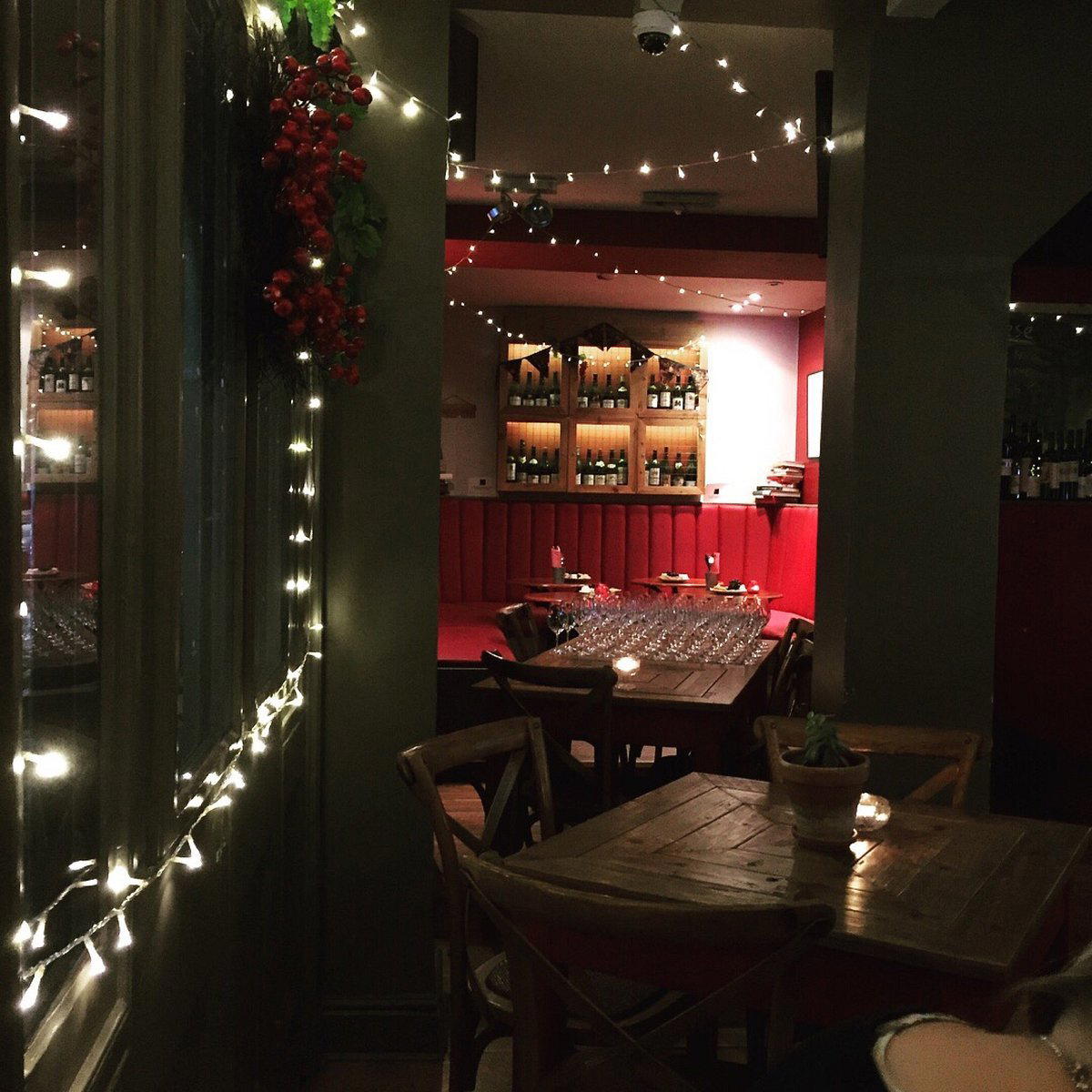
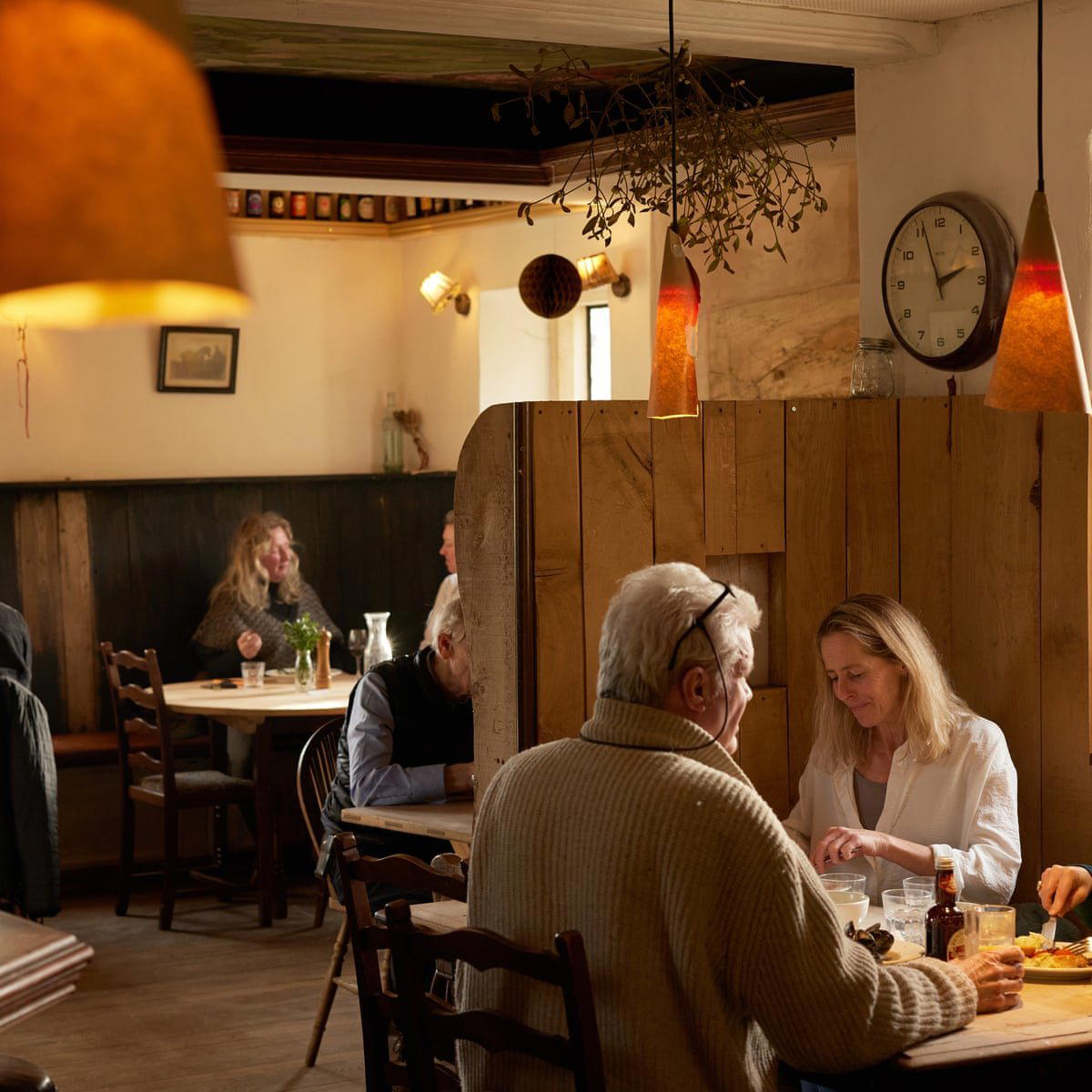
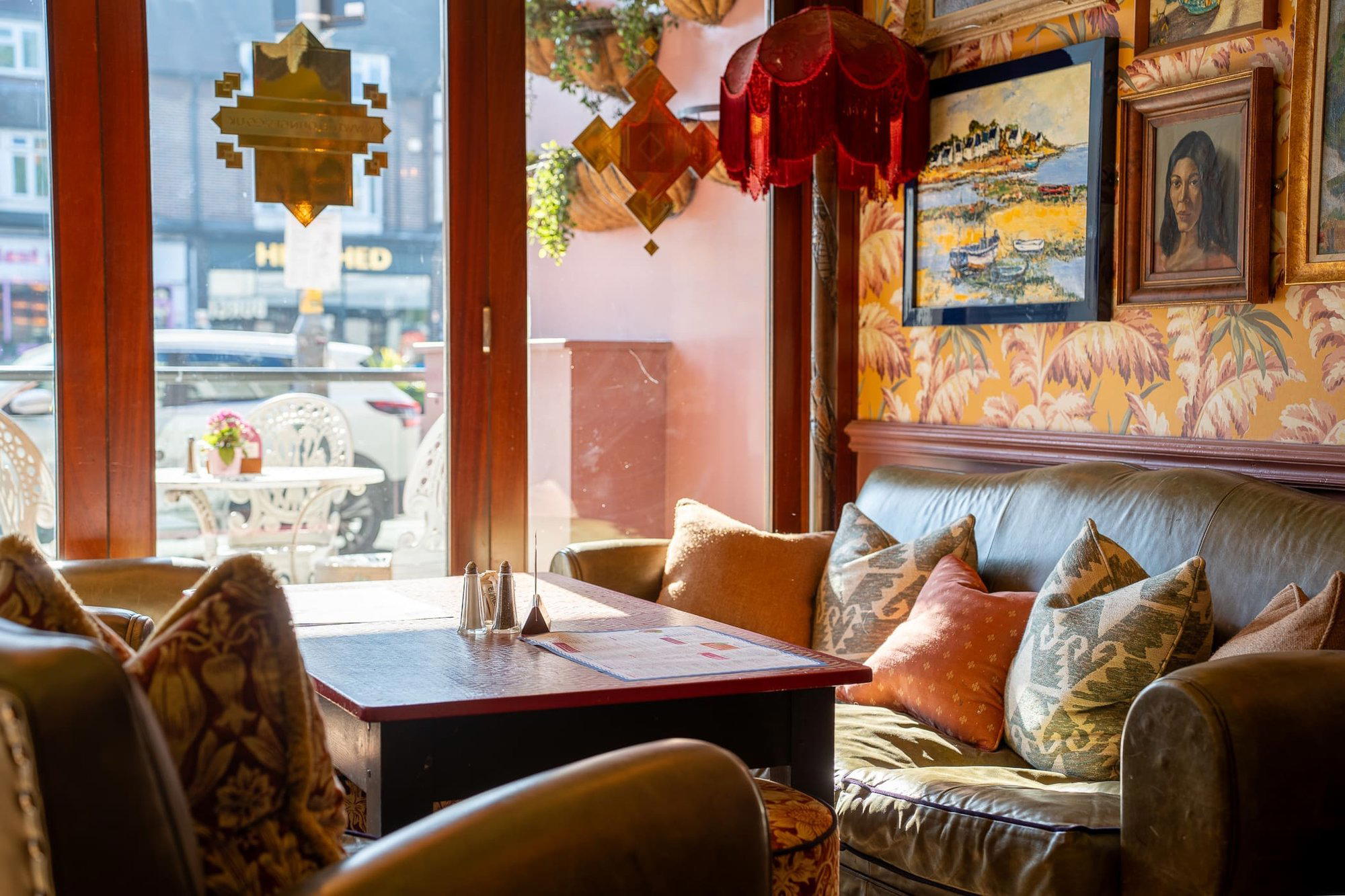
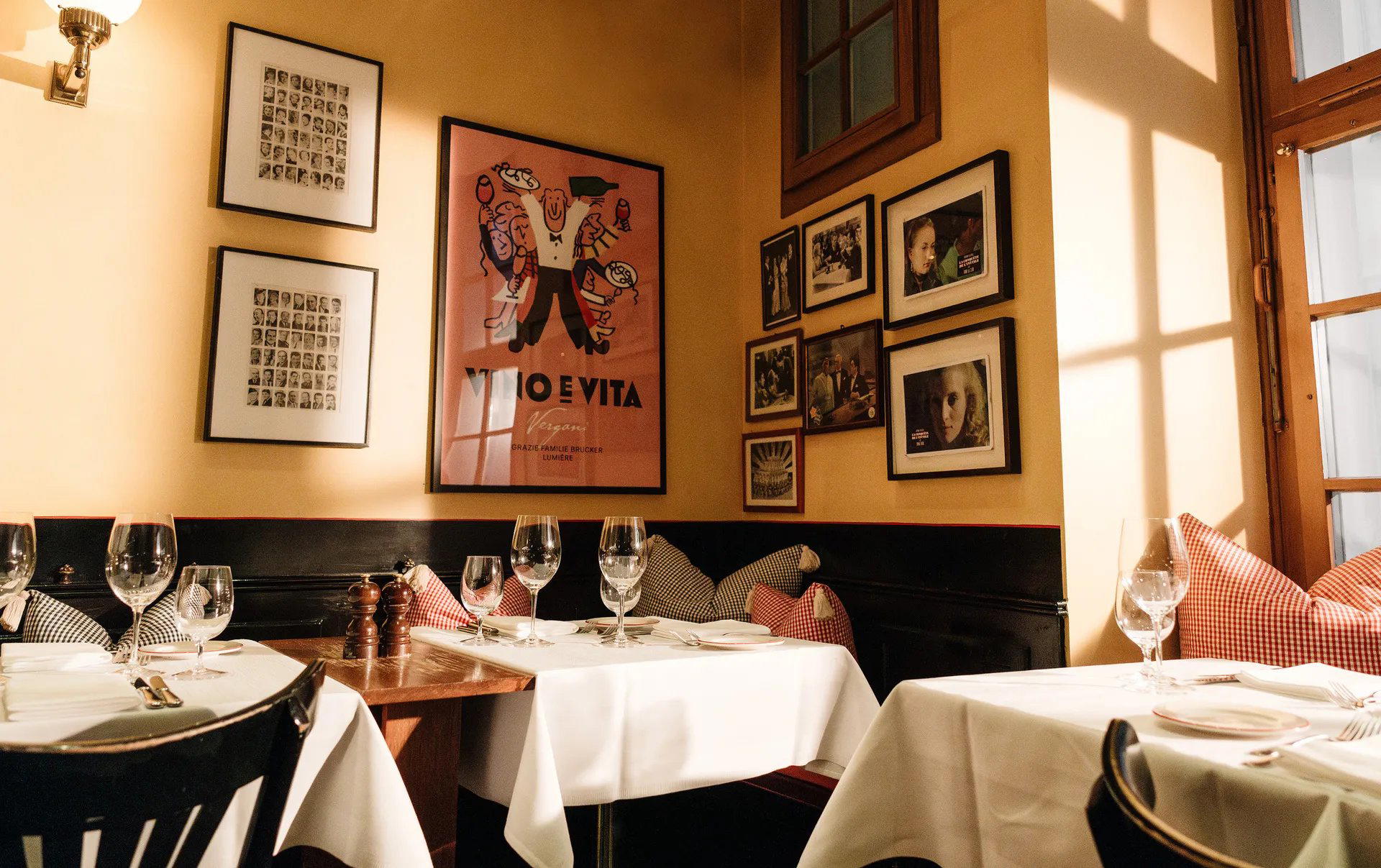
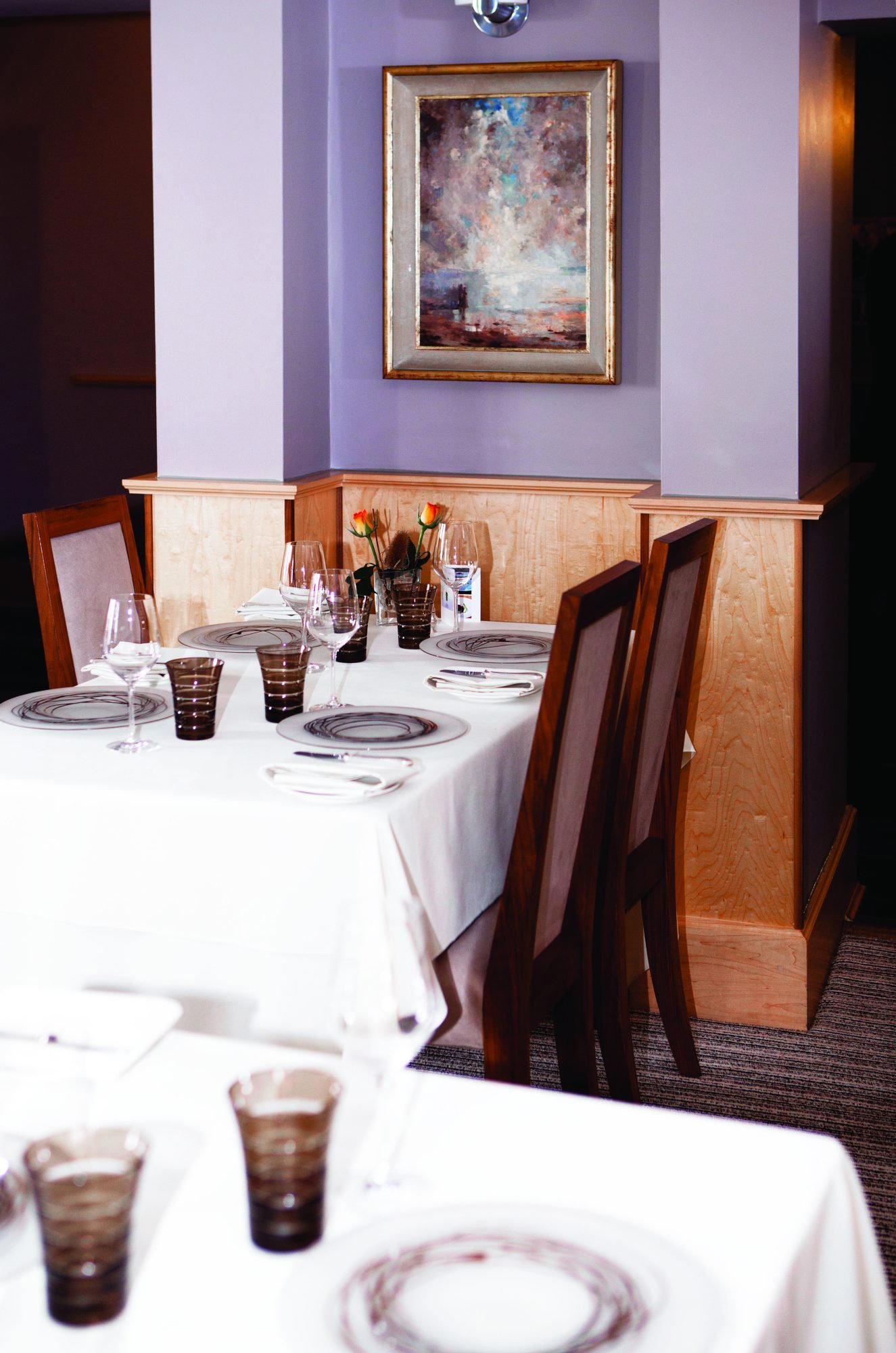
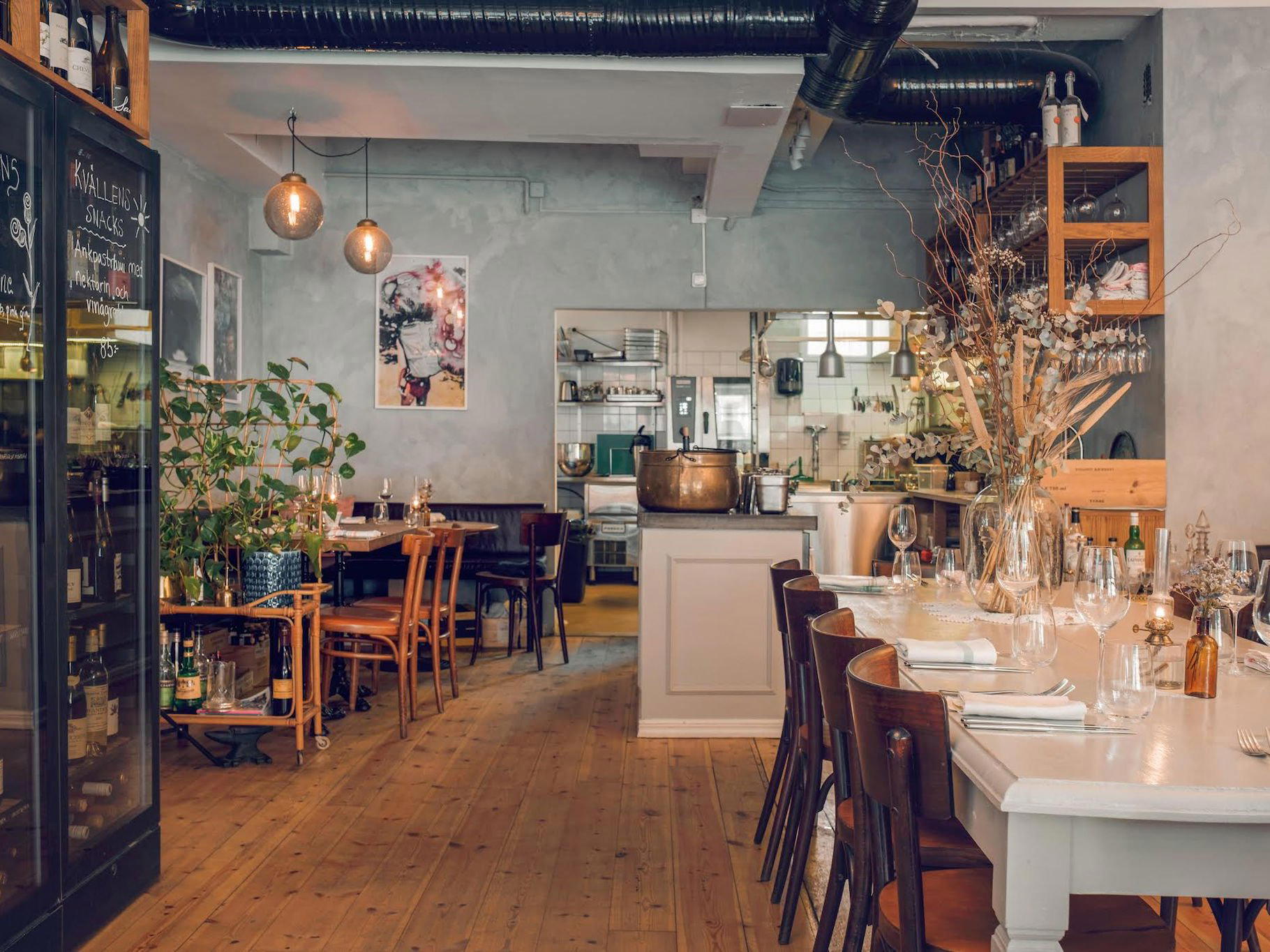
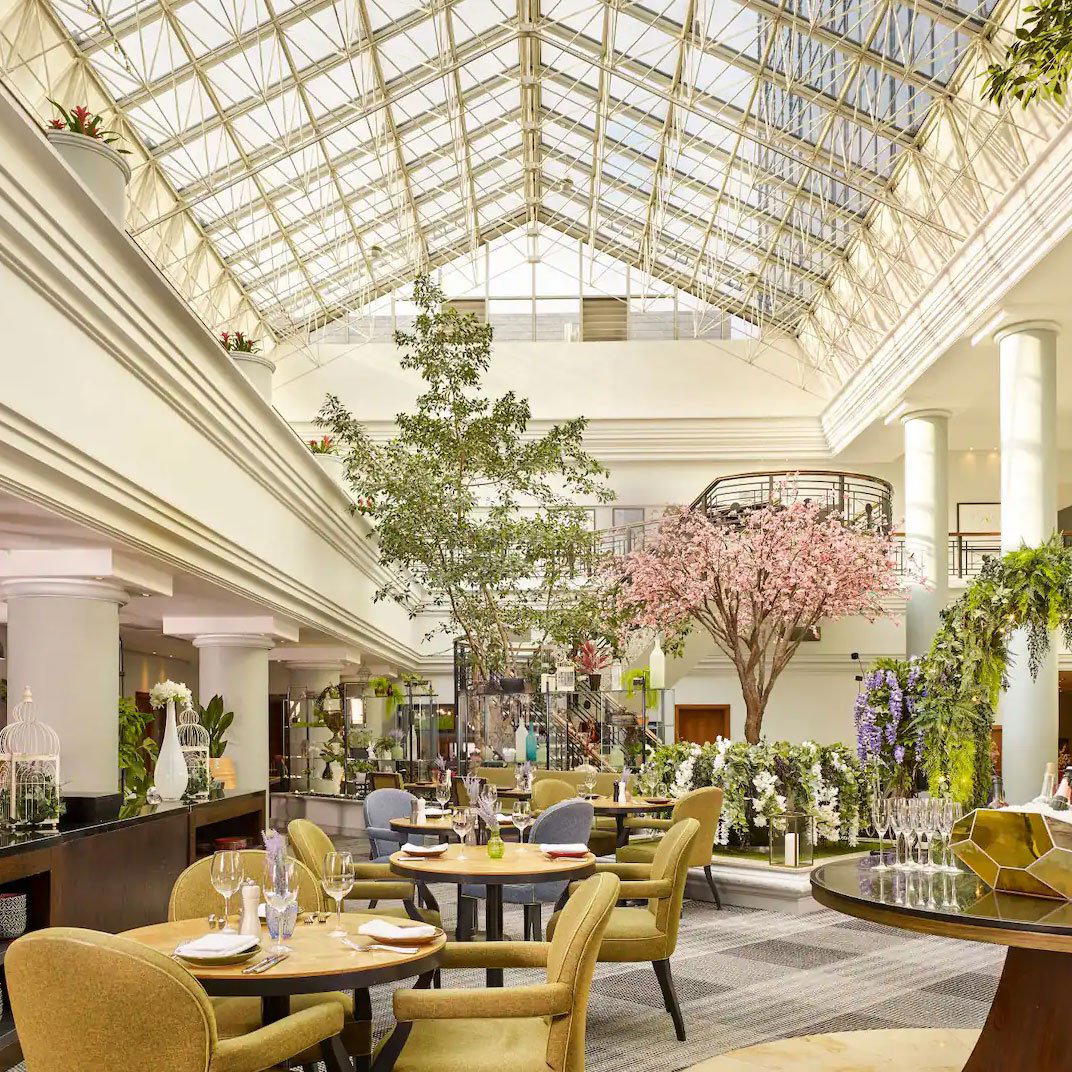
Peaceful and tranquil with tasteful decor in beautifully converted historic buildings, providing a relaxing rural atmosphere.