The Lygon Arms

Michelin Selected · Mr & Mrs Smith Seal of Approval
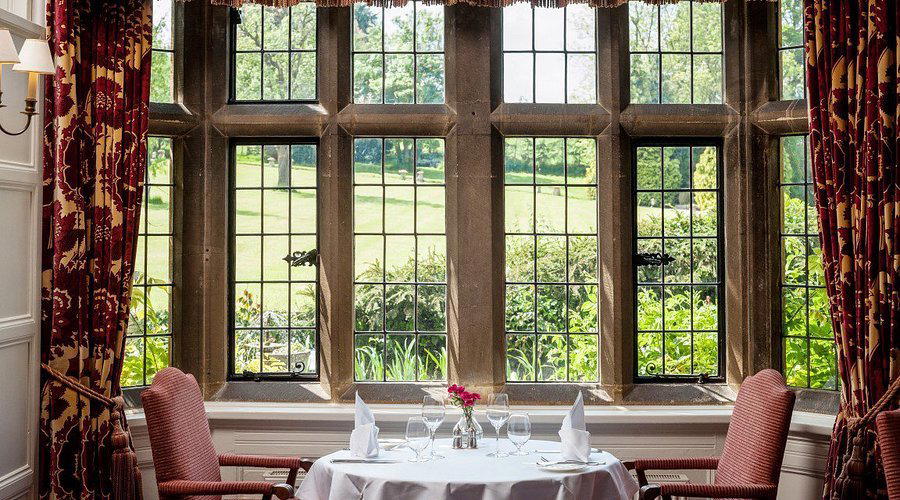
One of the Cotswolds' oldest coaching inns, The Lygon Arms on Broadway's High Street carries nearly five centuries of continuous hospitality inside a honey-stone facade that defines the village's architectural character. Michelin Selected in 2025, it occupies a different tier from Broadway's smaller boutique properties, trading intimacy for historical weight and the sense of a building that has genuinely accumulated its atmosphere rather than designed it.

Pearl is the En Primeur Club membership app — saves, bookings, and concierge access live there. Same editors, same standards.
- Address
- High St, Broadway WR12 7DU, United Kingdom
- Phone
- +44 1386 852255
- Website
- lygonarmshotel.co.uk
- Directions
- Get directions
A Building That Earns Its Age
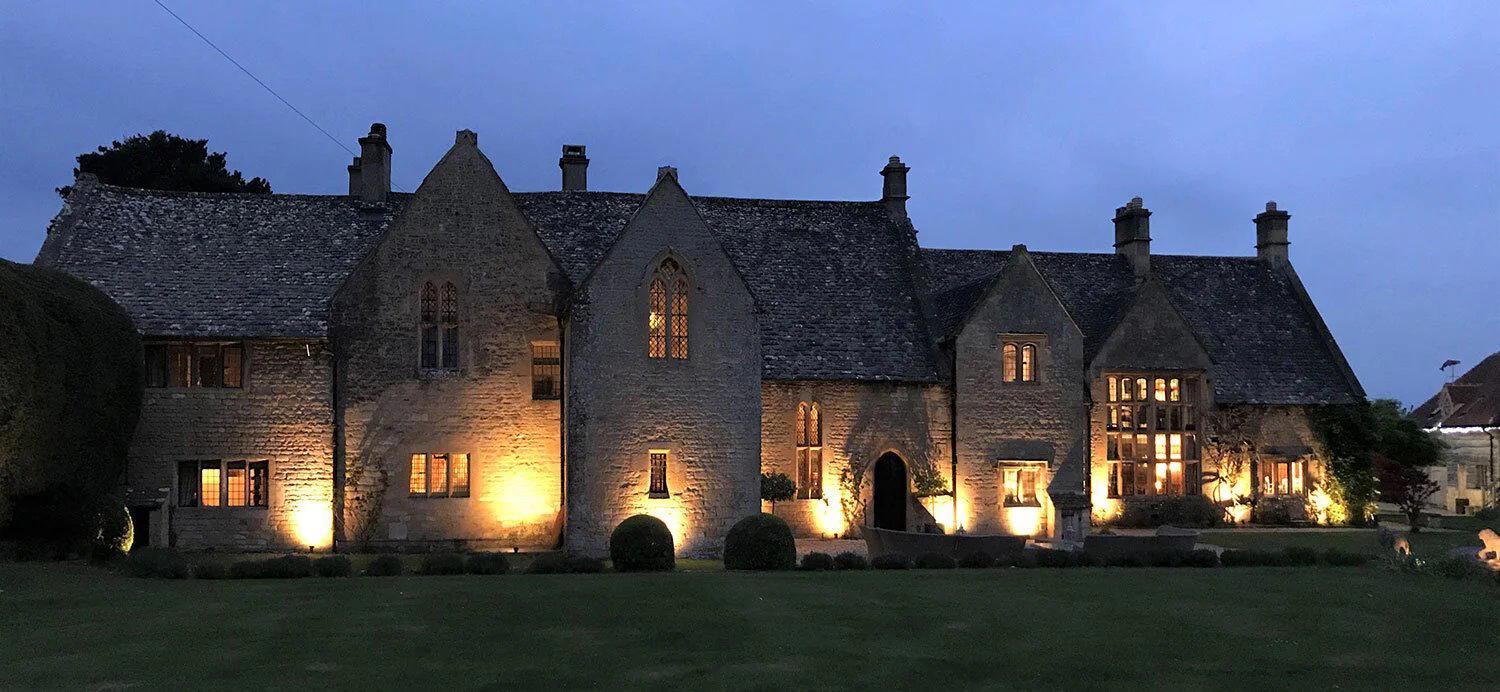
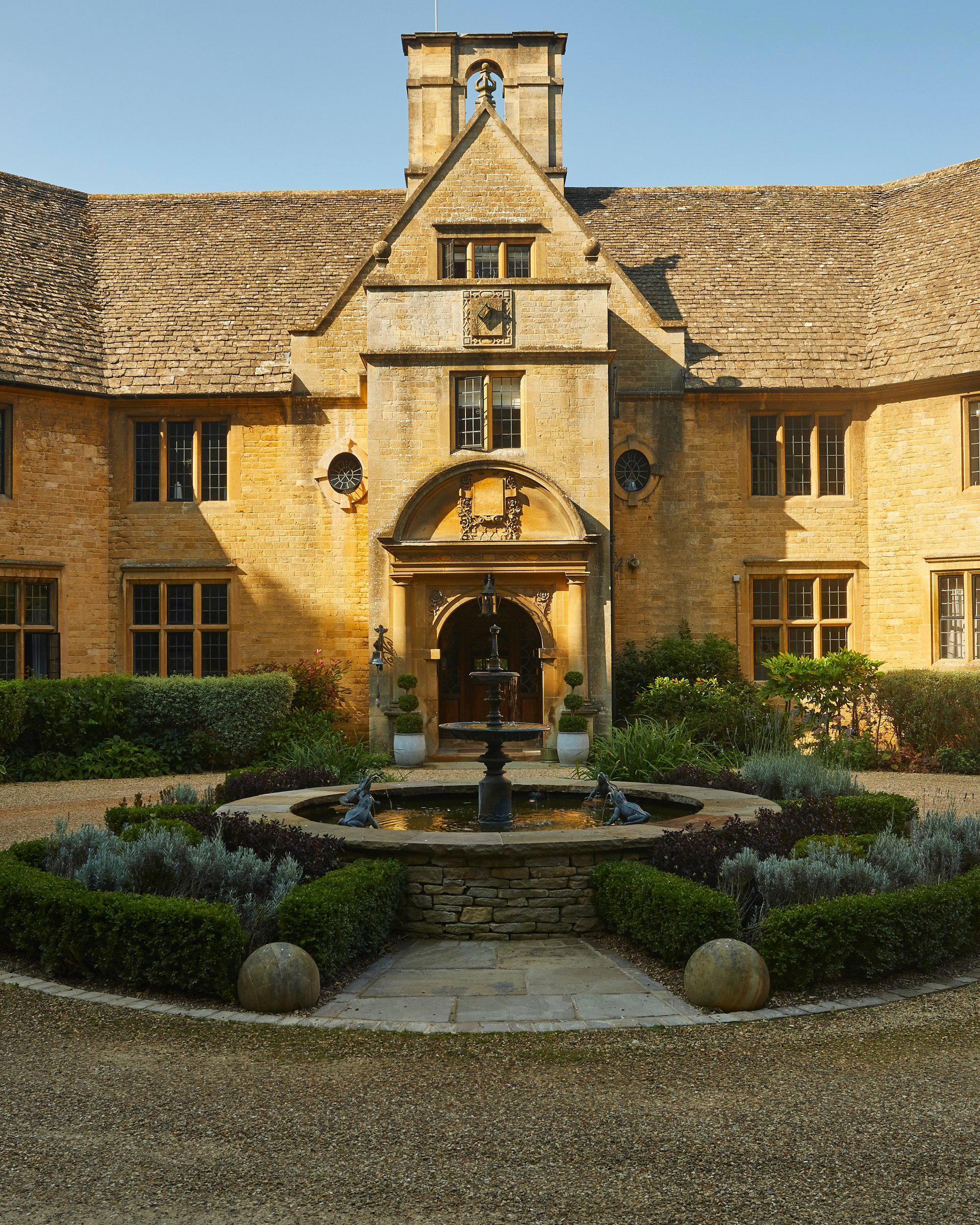
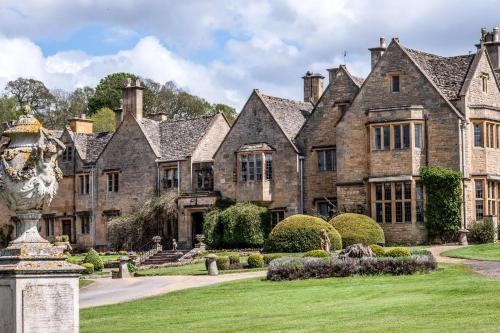
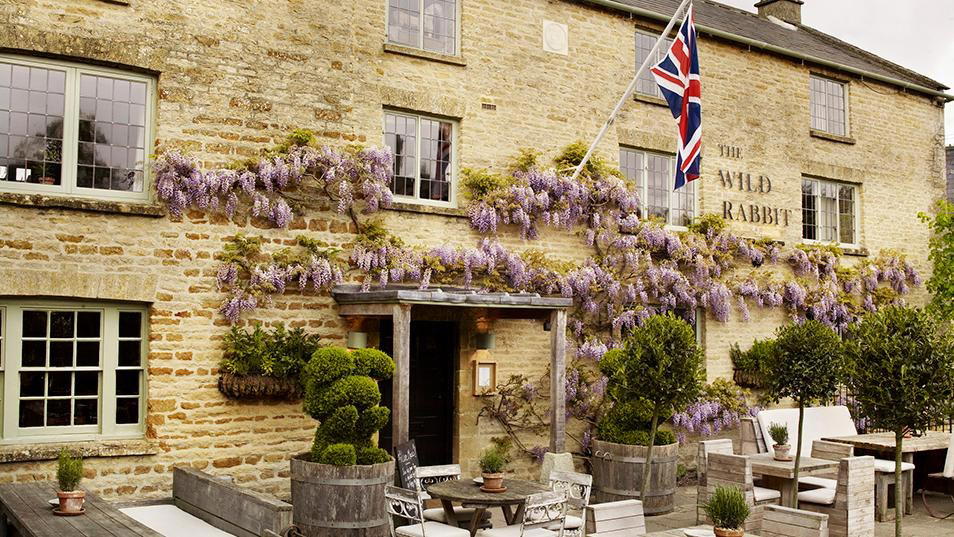
Approaching The Lygon Arms along Broadway's High Street, the eye lands on the facade before the sign does. The honey-coloured Cotswold limestone, the mullioned windows, and the deep-set entrance archway read as period architecture rather than preservation project. This is a building that has been in near-continuous use since the sixteenth century, and the fabric of it shows that in the way good architecture should: worn in the right places, solid where it counts, and consistent in a way that no amount of sympathetic restoration can entirely manufacture.
Broadway itself is one of the Cotswolds' most-visited villages, a fact that shapes the kind of hotel that survives here at the higher end. The village draws visitors who want the full English-countryside register: stone walls, market gardens, antique dealers, footpaths that connect into the wider Cotswold Way network. Against that backdrop, the local hotel offer has split in recent years between design-led rural retreats set slightly away from the village core and the older, institutionally significant properties on the High Street itself. The Lygon Arms is squarely in the latter category, which places it in a different competitive conversation from properties like Foxhill Manor or Dormy House Hotel, both of which offer a more self-contained, countryside-retreat format.
The Architecture as the Primary Experience
The interior logic of The Lygon Arms follows the structure of a building that grew incrementally over centuries rather than one conceived as a unified design statement. Low-beamed ceilings in the older sections, wide stone fireplaces that function as the gravitational centre of the ground-floor rooms, and the kind of uneven flooring that speaks to genuine age rather than period pastiche. The Great Hall, in particular, carries the proportional weight of a sixteenth-century great room: high timber roof, gallery level, and a sense of volume that smaller boutique competitors in the area cannot replicate by design alone.
This architectural inheritance sets the terms for the entire stay. Where properties like Buckland Manor or Abbots Grange Manor House offer the Cotswolds manor-house experience with its attendant formality and garden-estate logic, The Lygon Arms offers something closer to the experience of a working coaching inn that was never entirely repurposed. The public rooms feel used, in the good sense: furnished for gathering and staying, not for photographing.
That distinction matters for travellers choosing between Broadway's top-tier options. The Fish Hotel, for instance, occupies an estate setting and pitches toward a younger, more activity-oriented guest. The Lygon Arms pitches toward the traveller who wants architectural provenance as the central experience, with the village itself as immediate context rather than background scenery.
Michelin Recognition and What It Signals
The property holds Michelin Selected status in the 2025 Michelin guide to hotels and stays, a designation that sits below Michelin Key distinction but functions as a credible third-party signal of quality in the broader UK accommodation market. In the Cotswolds context, Michelin Selected recognition tends to group properties that deliver consistent, well-maintained hospitality rather than the kind of singular design or culinary focus that earns higher tiers.
For comparison, properties in the region seeking higher Michelin positioning typically concentrate on a specific editorial identity: organic estate hotels, chef-led dining programmes, or singular landscape settings. The Lygon Arms' identity is architectural and historical, which is a different kind of credential, and one that Michelin Selected captures reasonably well.
Broadway in the Wider UK Country-House Context
The Cotswolds has become one of the most competitive rural hospitality markets in the United Kingdom, with the premium end of the market drawing comparisons to properties well beyond the region. The standard of execution at the leading Cotswolds hotels now benchmarks against country-house hotels in markets like Scotland and the New Forest. Lime Wood in Lyndhurst or Gleneagles in Auchterarder represent the upper limit of that competitive set nationally, and even historic city hotels like The Savoy in London offer a useful reference point for thinking about how institutionally significant properties manage the tension between historical character and contemporary expectation.
Within that frame, The Lygon Arms occupies an interesting position: old enough and historically significant enough that its age is the product, not a liability. The risk at properties of this type is always that the history becomes a costume rather than a fact. At The Lygon Arms, the building's age is embedded in its materiality in ways that resist easy cosmetic updating, which functions as both a constraint and a guarantee of authenticity.
For travellers building a broader UK itinerary, other properties worth considering alongside The Lygon Arms include Estelle Manor in North Leigh, which offers a more contemporary take on the Oxfordshire country-house format, or The Newt in Somerset, which represents the estate-hotel model at a high level of ambition. Further afield, those drawn to historic properties with deep architectural character might also look at Longueville Manor in Jersey or Crossbasket Castle in High Blantyre for comparison points.
Planning a Stay
Broadway sits roughly two hours from London by road, accessible via the A44 from Oxford or through Moreton-in-Marsh station on the Paddington to Hereford line, with local transport into the village. The High Street address places The Lygon Arms within walking distance of Broadway's village core, which is the correct way to experience it: as a base for the village and the surrounding footpath network rather than as a self-contained resort. The Cotswolds walking season peaks in late spring and autumn, when the light and the crowds both work in the visitor's favour. Summer weekends draw significant visitor traffic to Broadway, so midweek arrivals tend to give a more accurate read of the village's actual character. For the full Broadway hotel picture, see our full Broadway restaurants and hotels guide.
International travellers comparing The Lygon Arms against a broader set of historically significant hotels might find useful reference in properties like Badrutt's Palace Hotel in St. Moritz or Hotel de Paris Monte-Carlo: each represents a different national tradition of the institutionally significant hotel, where longevity and location carry as much weight as contemporary amenity. The Lygon Arms belongs to that conversation, on English terms.
Fast Comparison
Comparable venues nearby, for context on price, style, and recognition.
| Venue | Cuisine | Price | Awards | Notes |
|---|---|---|---|---|
| The Lygon ArmsThis venue — the venue you are viewing | rustic luxury country heritage hotel | $200–300 | Michelin Selected · Mr & Mrs Smith Seal of Approval | Not listed |
| Buckland Manor | Historic country house hotel retaining medieval charm with contemporary luxury amenities and refined service. | $300–500 | Michelin Selected · Relais Chateaux Award | Buckland |
| The Fish Hotel | Relaxed country estate resort with quirky accommodations. | Not listed | Michelin Selected · Small Luxury Hotels of the World Member | Broadway |
| Foxhill Manor | Private manor-house hotel with heartfelt personal service and easygoing at-home atmosphere | $500–750 | La Liste Top Hotels · Small Luxury Hotels of the World Member | Broadway |
| Abbots Grange Manor House | Historic 14th-century monastic manor house with luxury suites and heritage rooms | Not listed | La Liste Top Hotels · Good Hotel Guide Most Romantic Hotel | Broadway |
| Dormy House Hotel | Hotel | Not listed | Small Luxury Hotels of the World Member | Broadway |
Recognition history
Dated appearances from independent guides and award organizations, with the underlying list record or original source where available.
Michelin Selected
Michelin
Mr & Mrs Smith Seal of Approval
Mr & Mrs Smith
Details
- Classic
- Cozy
- Elegant
- Rustic
- Historic
- Romantic Getaway
- Weekend Escape
- Anniversary
- Historic Building
- Wi Fi
- Pool
- Spa
- Room Service
- Concierge
- Fitness Center
- Garden
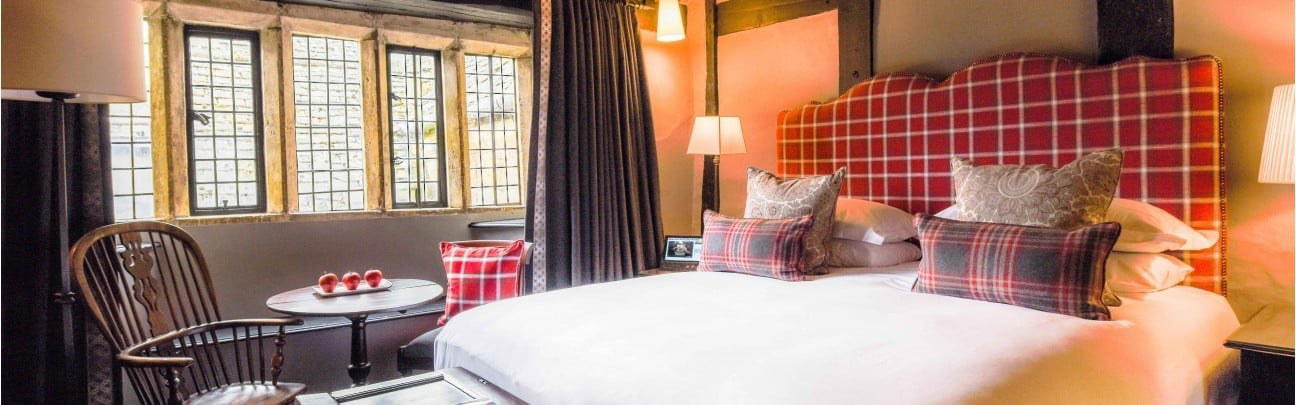
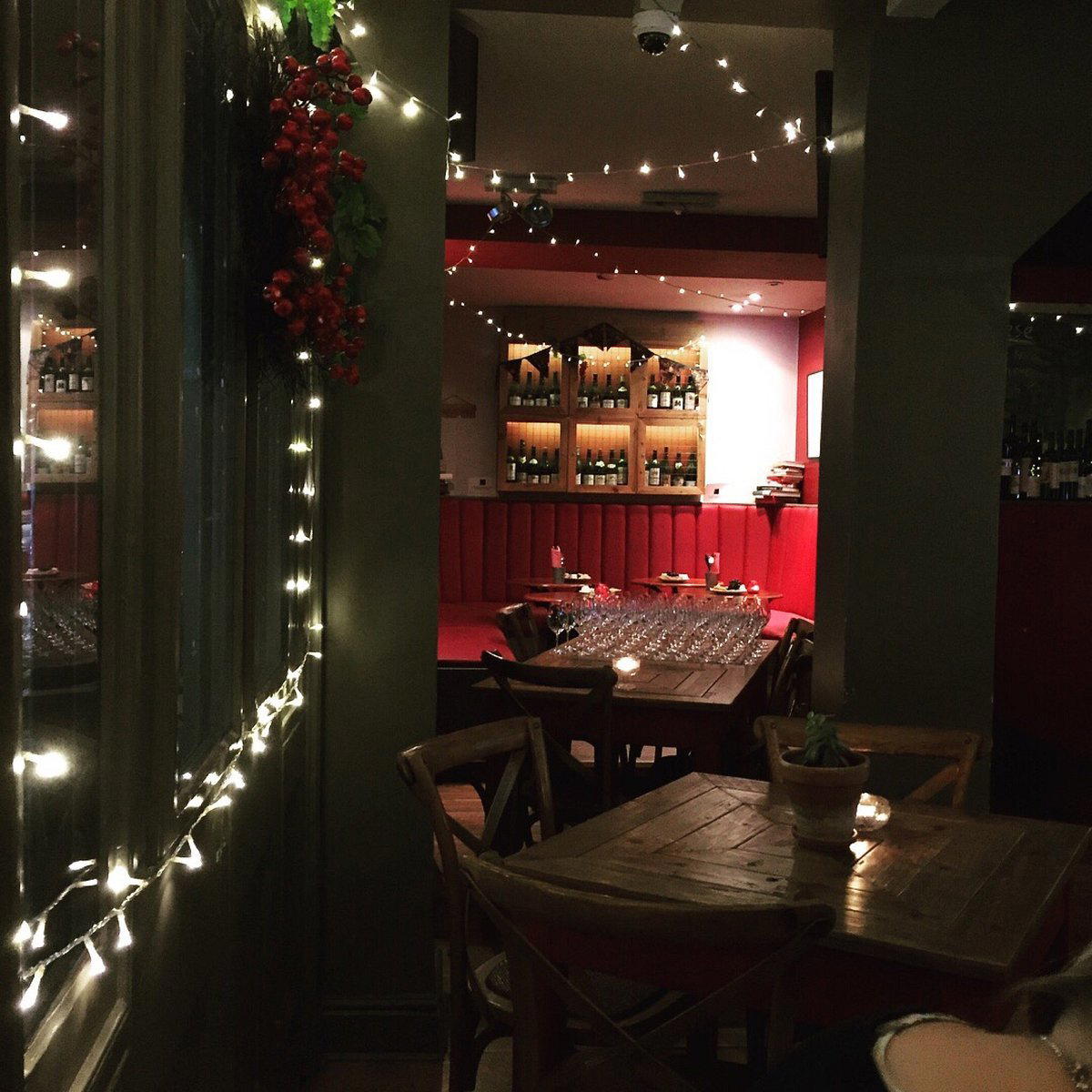
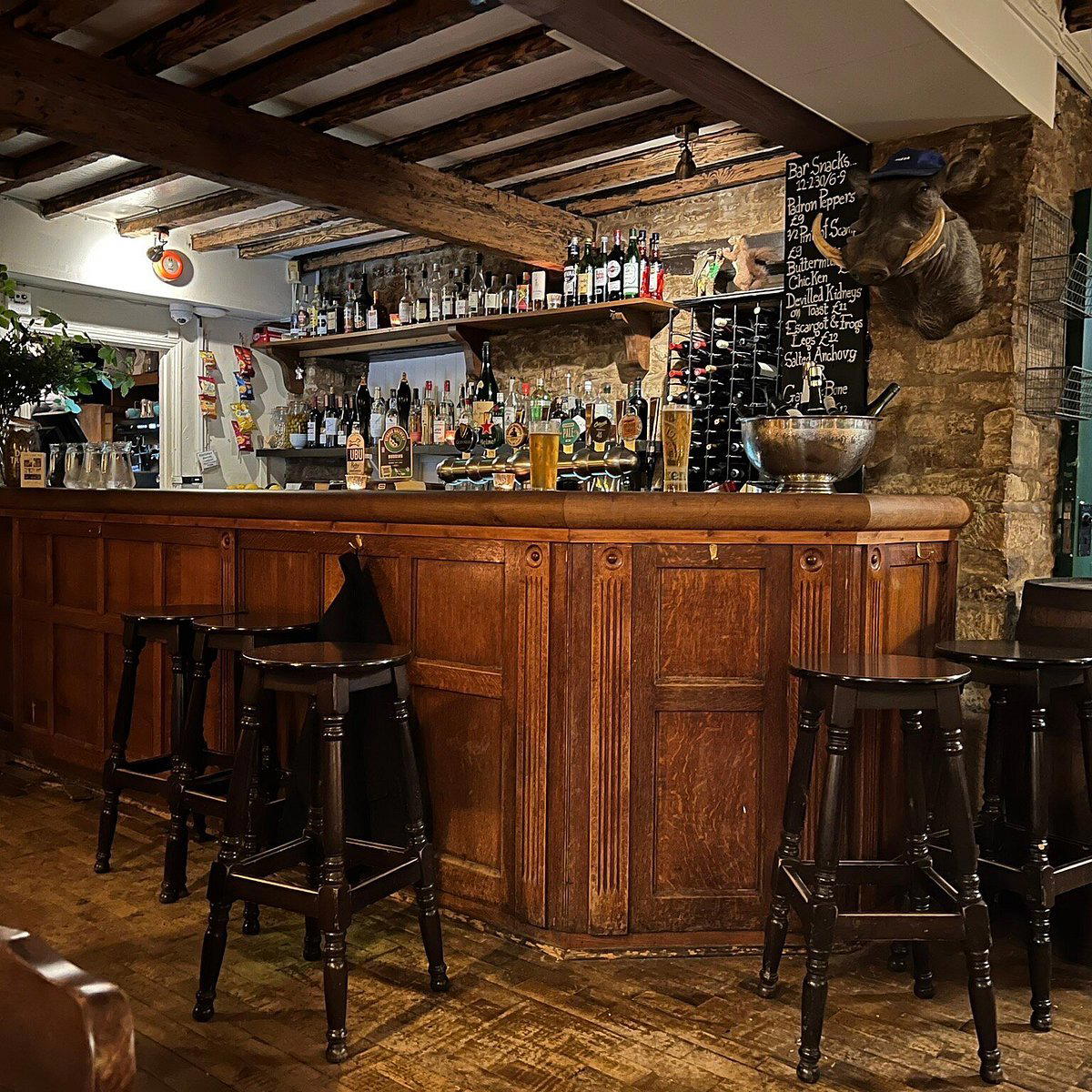
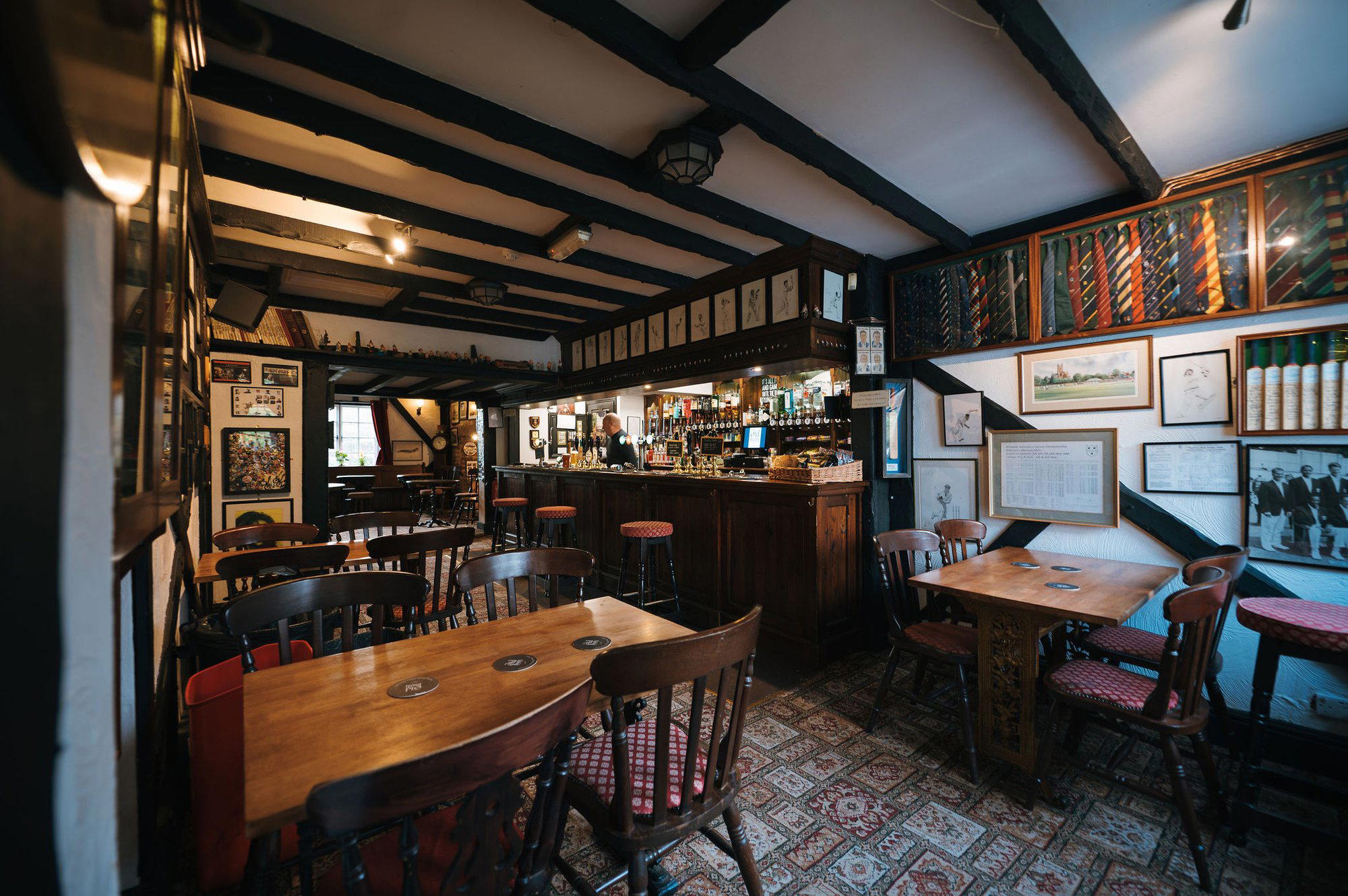
Warm and classic rustic luxury with period charm, antiques, exposed beams, stone fireplaces, and cozy lounges featuring log fires.