

Michelin Selected · Forbes Recommended
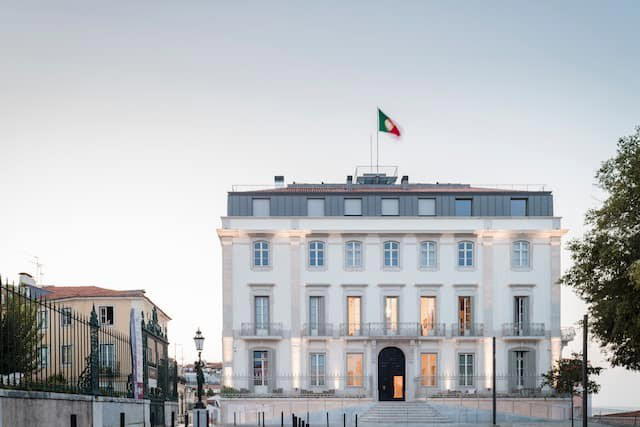
Corpo Santo Lisbon Historical Hotel occupies a Pombaline-era building on Largo Corpo Santo 25, in the heart of Cais do Sodré, one of Lisbon's most active neighbourhoods for food, nightlife and waterfront access. The 75 rooms and suites hold Pombaline architectural detail alongside a spa, a cocktail bar themed around the seven deadly sins, and Porter Bistro, where Chef Artur Roldão cooks Portuguese-led plates.

Pearl is the En Primeur Club membership app — saves, bookings, and concierge access live there. Same editors, same standards.
- Address
- Largo Corpo Santo 25, 1200-129 Lisboa
- Phone
- +351 21 828 8000
- Website
- corposantohotel.com
- Directions
- Get directions
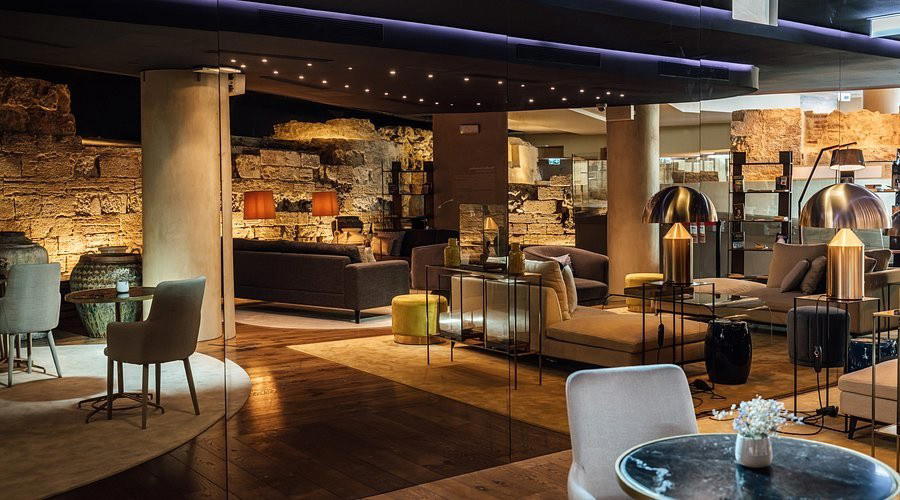
Cais do Sodré and the Hotel's Place in It
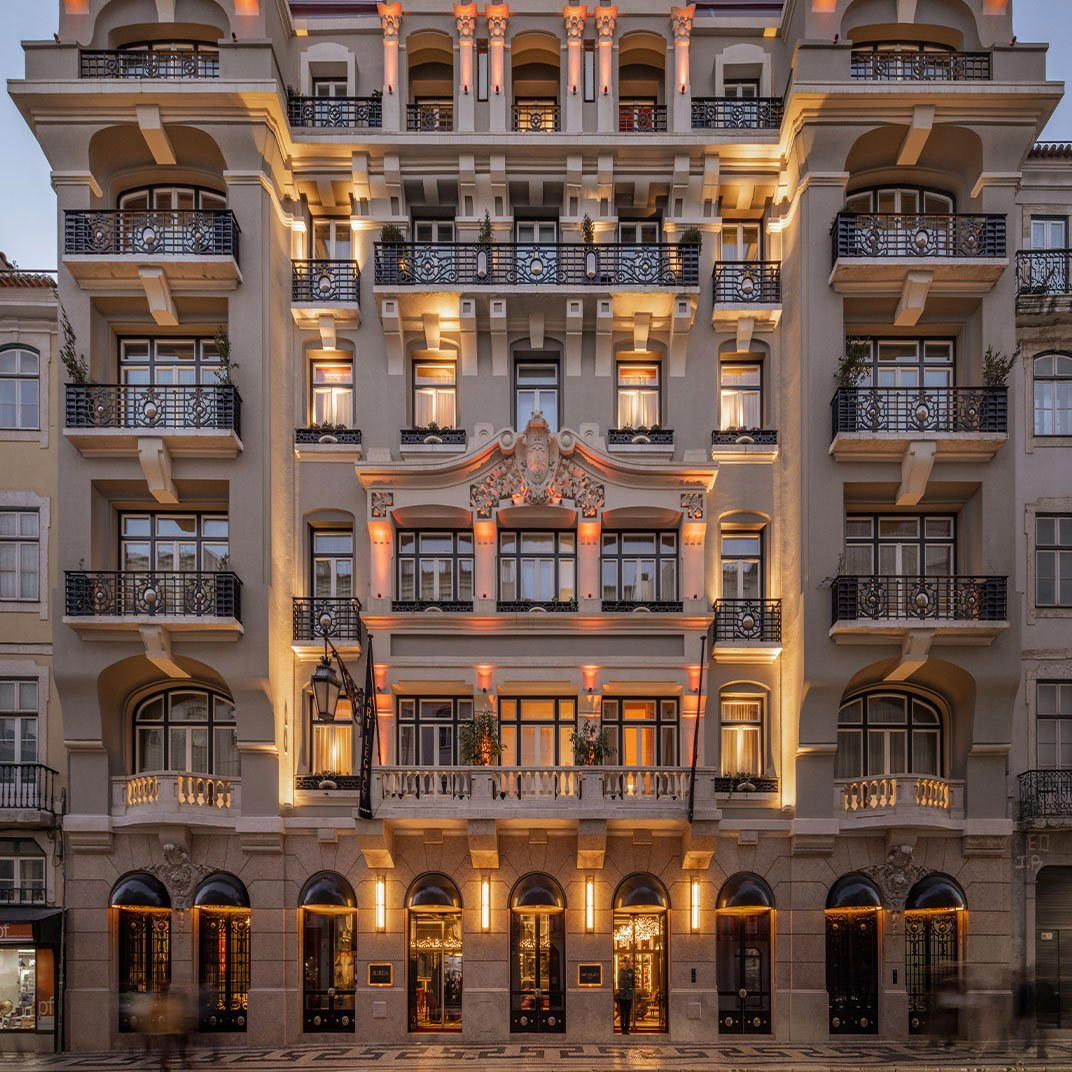
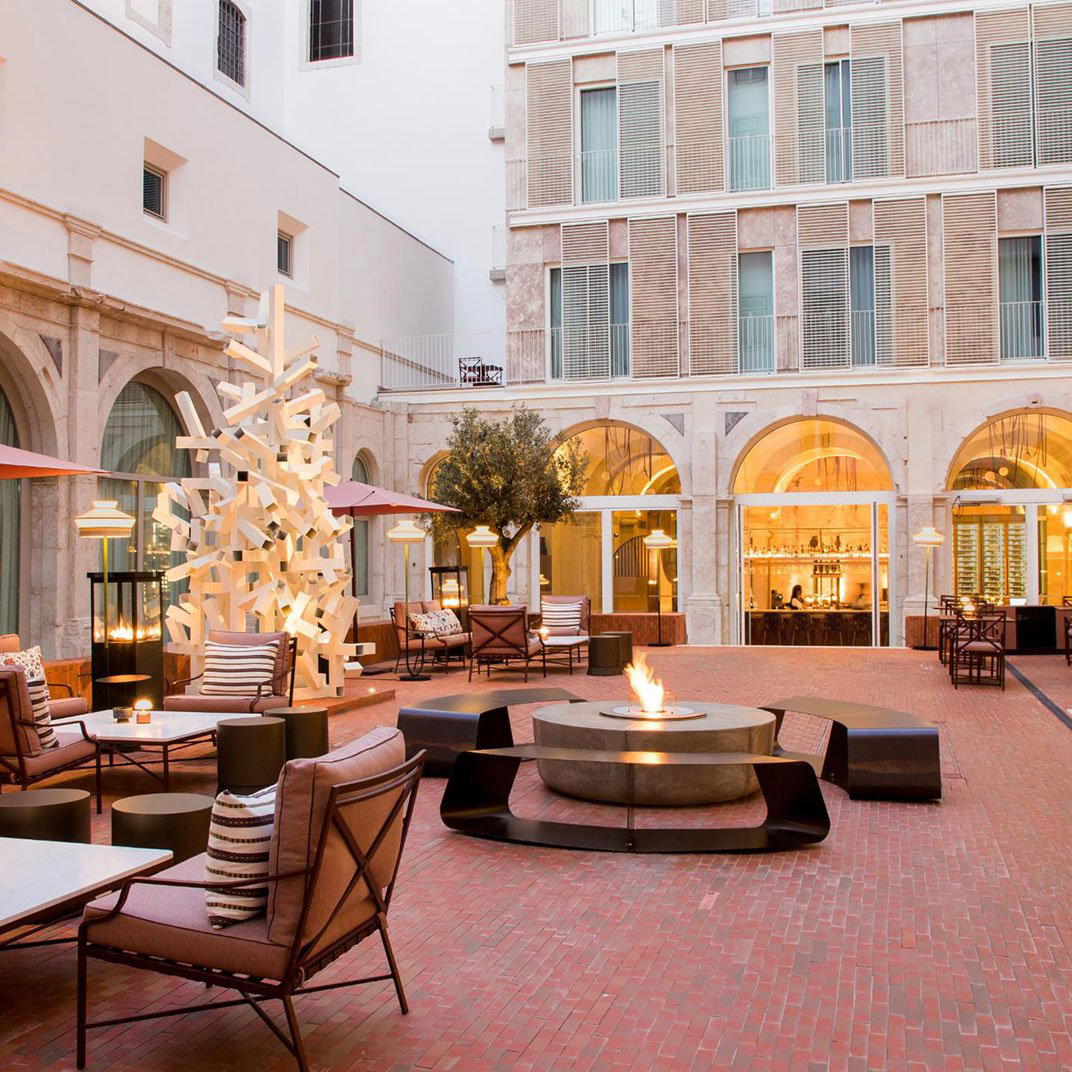
Lisbon's Cais do Sodré has gone through a well-documented transformation over the past decade. The district that once housed working docks, late-night bars of questionable repute and the city's central fish market has repositioned itself as one of Portugal's most concentrated stretches of food and nightlife, anchored by the Time Out Market Lisboa and the neon-lit Pink Street corridor. Within that context, Corpo Santo Lisbon Historical Hotel, at Largo Corpo Santo 25, sits at the calmer residential edge of the neighbourhood rather than at its loudest point, offering proximity to the scene without full immersion in it. The building's Pombaline exterior, typical of the 18th-century reconstruction following the 1755 earthquake, reads as understated from the street. That gap between exterior appearance and interior finish is characteristic of Cais do Sodré's better properties: the neighbourhood has made a habit of placing considered interiors behind worn facades.
For readers considering the broader Lisbon boutique hotel market, the relevant comparisons are properties such as AlmaLusa Baixa/Chiado, Bairro Alto Hotel and Art Legacy Hotel Baixa-Chiado.
The Rooms: Pombaline Layouts and What That Means in Practice
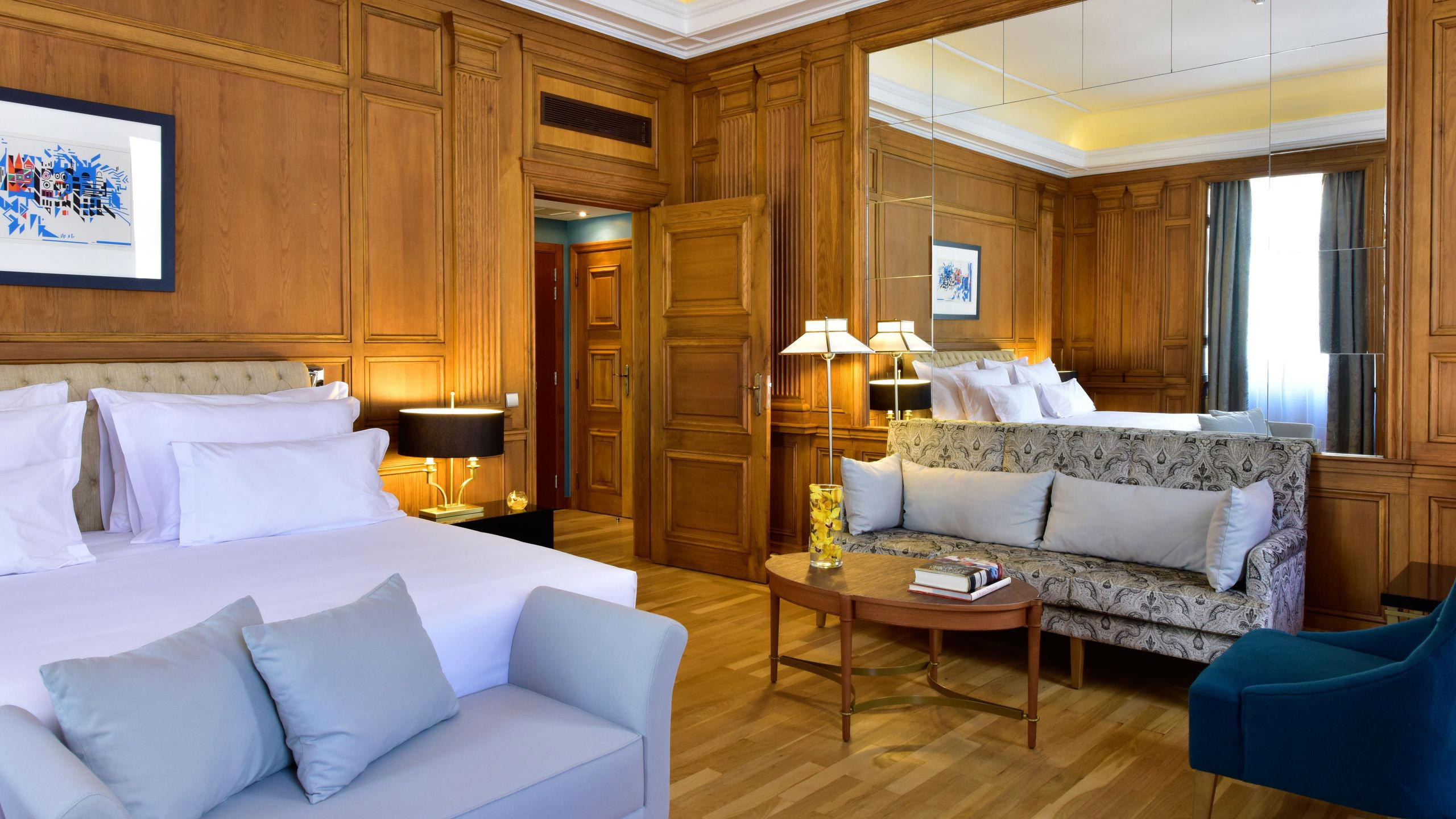
The hotel holds 75 accommodations: 67 rooms and eight suites. Because the building follows 18th-century Pombaline-style proportions, no two rooms are identical in footprint or ceiling line. Earthy, neutral-toned décor runs throughout, a deliberate counterweight to the neighbourhood's more energetic streetscape. Every room includes a chromotherapy shower, a Nespresso machine and a free minibar stocked with drinks. Those are practical details that shift the calculus on value, particularly if the minibar is genuinely restocked and not subject to the restrictive policies common in comparably priced urban hotels.
The two top-floor suites carry the strongest location argument: city views, a couch and vintage-style armchairs that make the room a functional retreat rather than a place to leave quickly. For guests travelling specifically to experience Cais do Sodré's evening programme, the suite format makes more sense than it might in a hotel positioned further from the action. A similar logic applies at properties like 1908 Lisboa Hotel and A Casa das Janelas Com Vista, where the room's view becomes a core part of the stay's value proposition.
Lunch vs. Evening: How Porter Bistro and 146 Bar Shift Through the Day
Editorial angle of the lunch-versus-dinner divide is particularly useful here because the hotel's food and drink programme operates across two distinct registers that serve different needs at different hours.
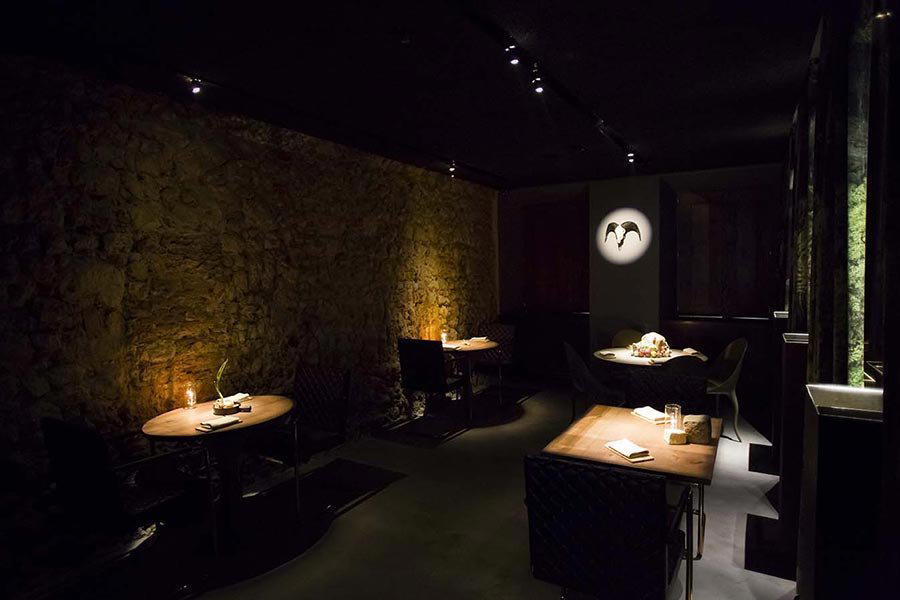
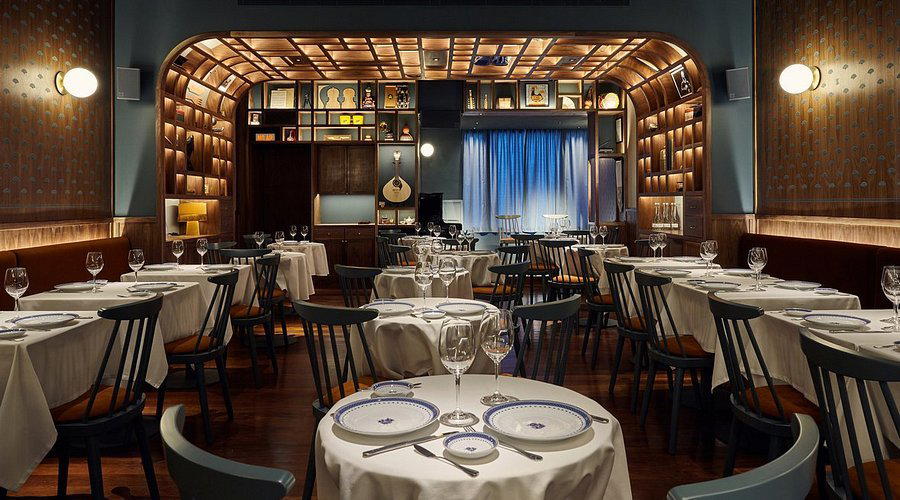
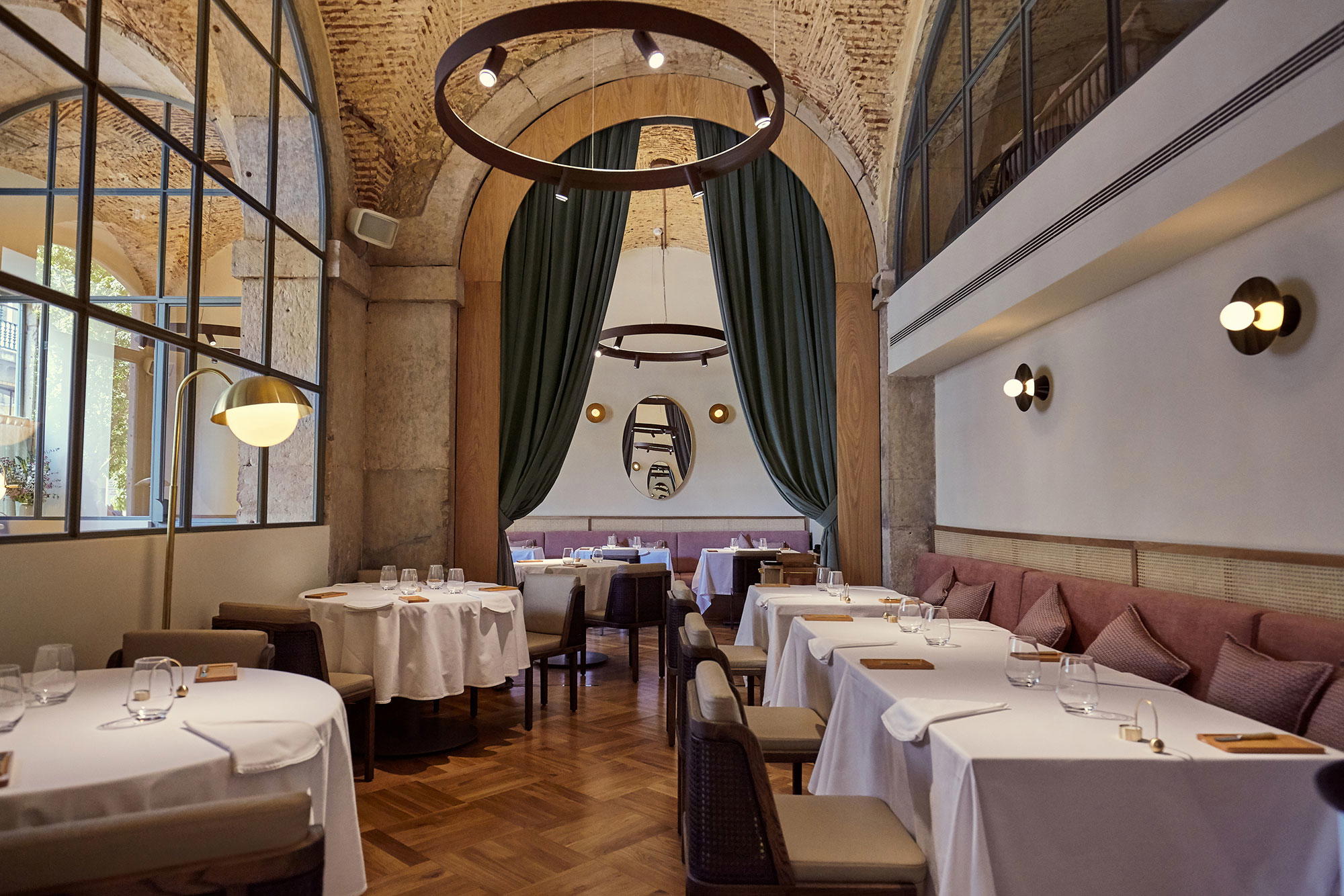
At Porter Bistro, Chef Artur Roldão works with Portuguese ingredients in a format described as simple yet precise, with dishes like fresh cod and clams dressed with dill olive oil or beef fillet with Madeira wine sauce. In daytime, this type of accessible Portuguese bistro cooking functions well as a sit-down alternative to the adjacent Time Out Market Lisboa, where queue times and ambient noise levels rise sharply through the lunch hour. The bistro format offers the same ingredient quality in a calmer setting. By evening, Porter Bistro shifts into a more considered dining context, where the Madeira-sauced beef becomes less a practical lunch option and more an intentional dinner statement. That shift in context is typical of mid-tier hotel restaurants in Lisbon that have invested in a kitchen: the food doesn't change, but the crowd and its expectations do.
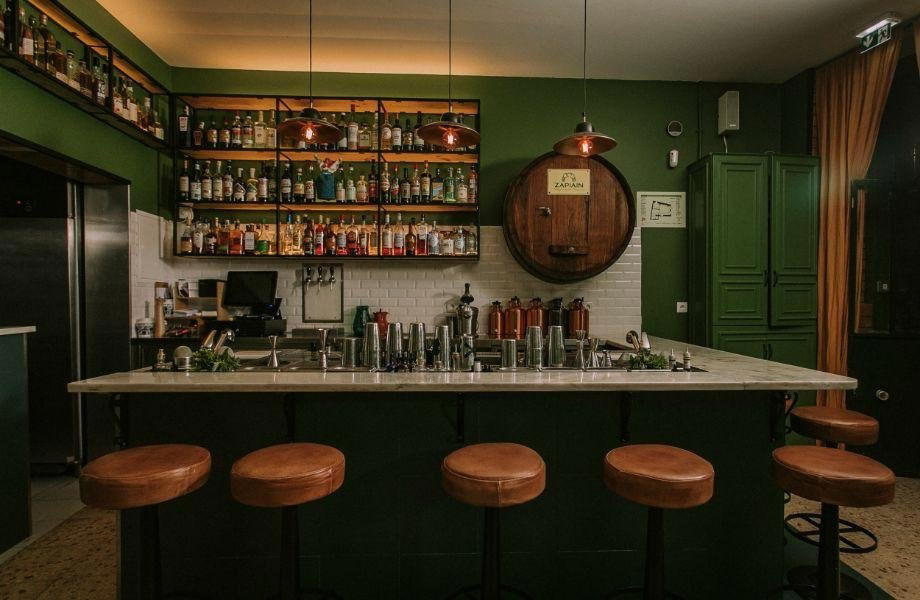
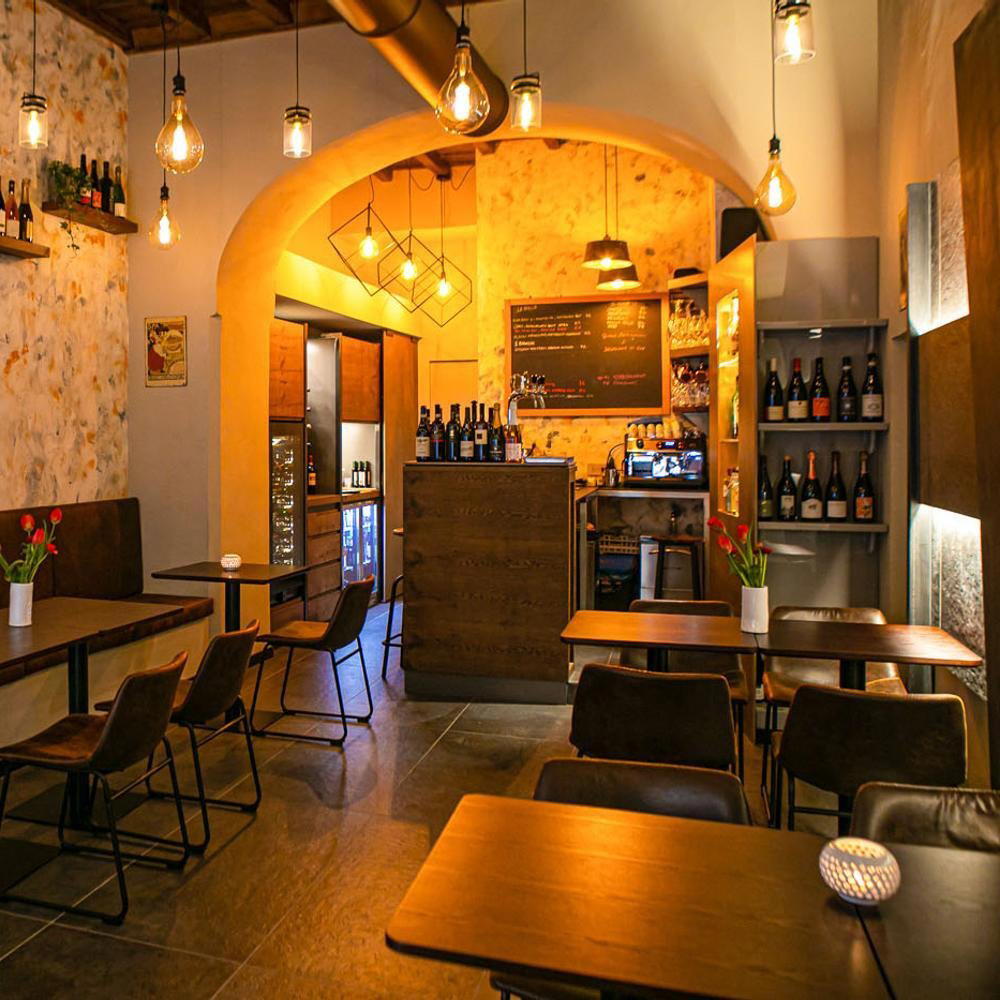
146 Bar operates on a different schedule. Its cocktail menu, themed around the seven deadly sins, is built for evening use. Greed combines Johnnie Walker Gold Label with Aperol, citronella, rhubarb cordial and bitters; Wrath uses chili-infused tequila, Cointreau and pineapple juice. These are bar drinks designed to precede, not accompany, dinner. The format places the bar in the growing Lisbon category of hotel bars that have developed a destination identity independent of their room count, a trend visible across the city's more considered hospitality openings. Stopping at 146 Bar before heading to Pink Street is a logical evening sequence rather than an add-on: the bar's output is calibrated for that transition.
For guests who want to anchor their dining more firmly in the Lisbon restaurant scene beyond the hotel, our full Lisbon restaurants guide maps the city's broader food programme by neighbourhood and cuisine type.
The Sense Spa and the Case for Midday Recovery
Cais do Sodré runs late. Pink Street's busiest hours start well after midnight, and Time Out Market Lisboa operates until the early hours on weekends. The Sense Spa, which includes a hydrotherapy circuit, Turkish bath, salt room for halotherapy and Scottish shower, functions most logically as a midday or early-afternoon programme for guests who were out late the previous night. In a neighbourhood built around evening use, an in-house spa that positions itself for daytime recovery is a considered amenity rather than a marketing addition. The halotherapy salt room, in particular, is still a relatively uncommon feature in Lisbon's boutique hotel tier, giving the spa a specific reason to exist beyond standard gym-and-treatment offerings.
The Walking Tours: Local Intelligence, No Additional Cost
Two complimentary walking tours depart from the hotel daily, each following a different route, each running 2.5 hours. In a city where third-party walking tours routinely charge between €25 and €45 per person, the inclusion of two daily departures represents genuine added value rather than nominal hospitality. The tours are also a practical acknowledgment that Cais do Sodré, while atmospherically immediate, is not the leading base from which to understand Lisbon's more architecturally complex neighbourhoods: Alfama, Mouraria, Belém and Príncipe Real all require orientation that a neighbourhood hotel cannot provide through proximity alone. The tours address that directly.
Guests based further afield, or those comparing coastal and rural Portuguese properties alongside Lisbon options, will find relevant alternatives in Ventozelo Hotel & Quinta in Ervedosa do Douro, Douro Valley - Casa Vale do Douro in Cambres or Craveiral Farmhouse in Sao Teotônio. For Algarve-focused travel, Anantara Vilamoura Algarve Resort, Bela Vista Hotel & Spa in Praia da Rocha and Masana Algarve in Albufeira represent a different register of Portuguese luxury hospitality. Porto alternatives worth considering include M Maison Particulière Porto. Other heritage properties across Portugal, from Bussaco Palace Hotel in Luso to Hospedaria da Pensão Agrícola in Conceição e Cabanas de Tavira, offer points of comparison for guests building a multi-stop Portuguese itinerary.
Additional Lisbon hotels worth benchmarking against Corpo Santo include Altis Avenida Hotel, Altis Belém Hotel & Spa and As Janelas Verdes/Riverview, a Lisbon Heritage Collection. For internationally comparable boutique properties, Aman Venice and Aman New York both operate in the historic-building-with-considered-interior format, though at a substantially different price tier. The Fifth Avenue Hotel in New York City offers a useful transatlantic reference point for the boutique hotel category. Villa Epicurea in Sesimbra, Q.ta da Corte in Valença do Douro, Boutique Hotel Teatro in Angra do Heroísmo and 3HB Faro round out a broader Portuguese portfolio worth considering depending on travel priorities.
Planning Your Stay
Corpo Santo Lisbon Historical Hotel is located at Largo Corpo Santo 25, 1200-129 Lisboa, within walking distance of the Time Out Market Lisboa, the Cais do Sodré train and metro station, and the Pink Street nightlife corridor. Daily walking tours depart from the property at no additional charge. Spa, restaurant and bar access is on-site. Guests arriving during Lisbon's peak summer months (June through August) should book well in advance, as Cais do Sodré's accommodation runs at near-capacity during that window.
Comparable Options
Comparable venues nearby, for context on price, style, and recognition.
| Venue | Cuisine | Price | Awards | Notes |
|---|---|---|---|---|
| Corpo Santo Lisbon Historical HotelThis venue — the venue you are viewing | Historic boutique luxury hotel emphasizing personalized service and tranquility | $300–500 | Michelin Selected · Forbes Recommended | Not listed |
| The Vintage Lisbon | Contemporary luxury boutique hotel with vintage-inspired design elements and modern amenities positioned as a wellness and lifestyle destination. | $200–300 | Mr & Mrs Smith Seal of Approval · Small Luxury Hotels of the World Member | Rato |
| InterContinental Cascais-Estoril | Modern luxury beachfront boutique | $300–500 | Virtuoso Luxury Hotel Partner · Forbes 4-Star | Estoril |
| Hyatt Regency Lisbon | Contemporary luxury riverfront with Portuguese discovery influences | Not listed | World Luxury Hotel Awards WLHA Global Winner | Santo Amaro |
| Torel Palace Lisbon | Luxury boutique palace hotel blending 19th-century Portuguese heritage architecture with contemporary design refinement. | $300–500 | 1 Michelin Key | Baixa |
| Palácio Príncipe Real | Restored 19th-century mansion blending stately grandeur with homely charm. | Not listed | La Liste Top Hotels | Bairro Alto |
Recognition history
Dated appearances from independent guides and award organizations, with the underlying list record or original source where available.
Michelin Selected
Michelin
Forbes Recommended
Forbes
Full recognition history (3 entries)
Forbes Recommended
Forbes
Continue exploring
More in Lisbon
Hotels in Lisbon
Browse all →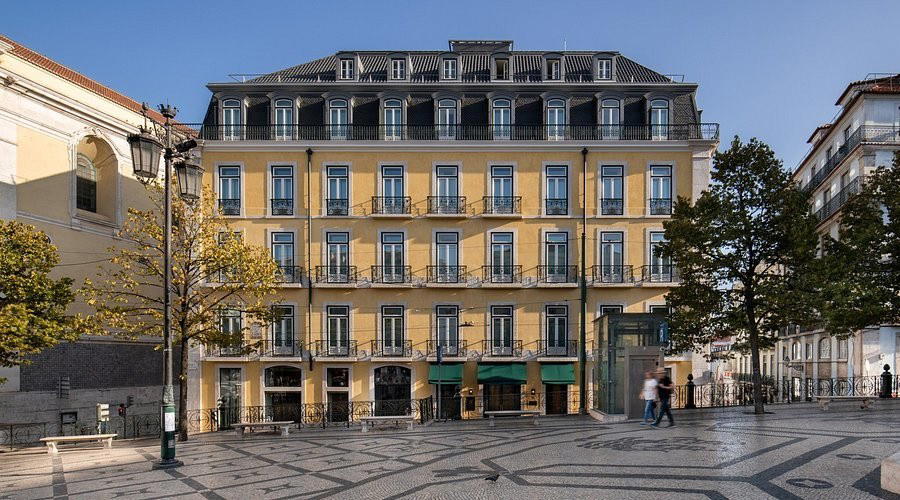
Bars in Lisbon
Browse all →
Restaurants in Lisbon
Browse all →

Details
- Elegant
- Sophisticated
- Classic
- Intimate
- Romantic Getaway
- Anniversary
- Business Trip
- Weekend Escape
- Historic Building
- Terrace
- Wi Fi
- Fitness Center
- Spa
- Room Service
- Concierge
- Restaurant
- Sauna
- Massage
- Business Center
- Valet Parking
- Street Scene
- Elevator
- Wheelchair Accessible
Soundproofed rooms create a peaceful, elegant retreat with harmonious lighting and serene atmosphere praised by guests.