


Cirqa holds Two MICHELIN Keys in the 2025 guide, placing it among a small tier of formally recognised hotels in Peru operating outside Lima and Cusco. Set at 104 Calle Sucre in Arequipa's historic centre, the property occupies architecture that reads as inseparable from the city's volcanic sillar stone tradition. For travellers routing through southern Peru, it sits as a reference-point address in a city that rewards slower attention.
Pearl is the En Primeur Club membership app — saves, bookings, and concierge access live there. Same editors, same standards.
- Address
- C. Sucre 104, Arequipa 04001, Peru
- Phone
- +51 1 7005105
- Website
- cirqa.pe
- Directions
- Get directions
 Saves & bookings on Pearl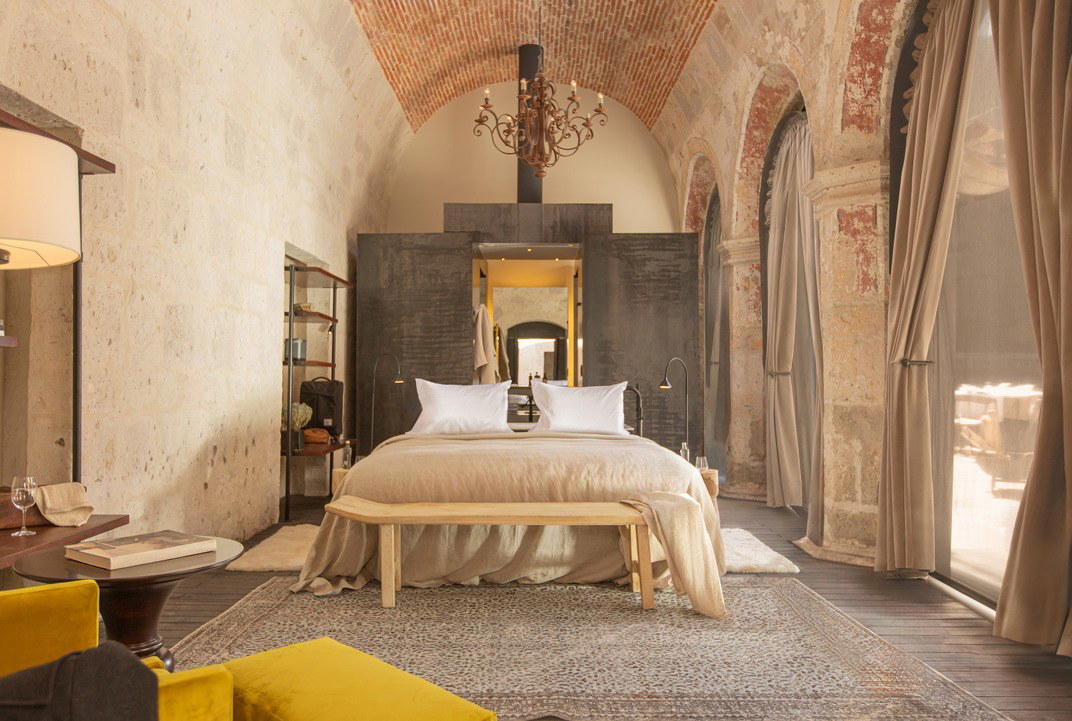
Arequipa's Sillar Stone Tradition and Where Cirqa Sits Within It
Arequipa has among the more architecturally coherent historic centres in South America. The city's defining material is sillar, a white volcanic stone quarried from the slopes of the surrounding volcanoes, and its colonial-era buildings carry a luminosity that distinguishes the urban fabric from Cusco's darker Andean stonework or Lima's republican plasterwork. The UNESCO-listed historic district is dense with baroque churches, aristocratic mansions, and tightly proportioned courtyard houses that have been slowly converting into hotels, restaurants, and cultural spaces over the past two decades. Cirqa, at 104 Calle Sucre, is positioned directly inside that architectural zone.
Palacio Nazarenas in Cusco and Miraflores Park, A Belmond Hotel in Lima. Within Arequipa itself, the competitive set for design-led colonial conversion hotels is genuinely small; Las Casitas, A Belmond Hotel in Arequipa, occupies a different price tier and physical format, oriented around private casitas rather than a central house structure. Cirqa operates as a distinct proposition.
The Physical Logic of a Colonial House Hotel
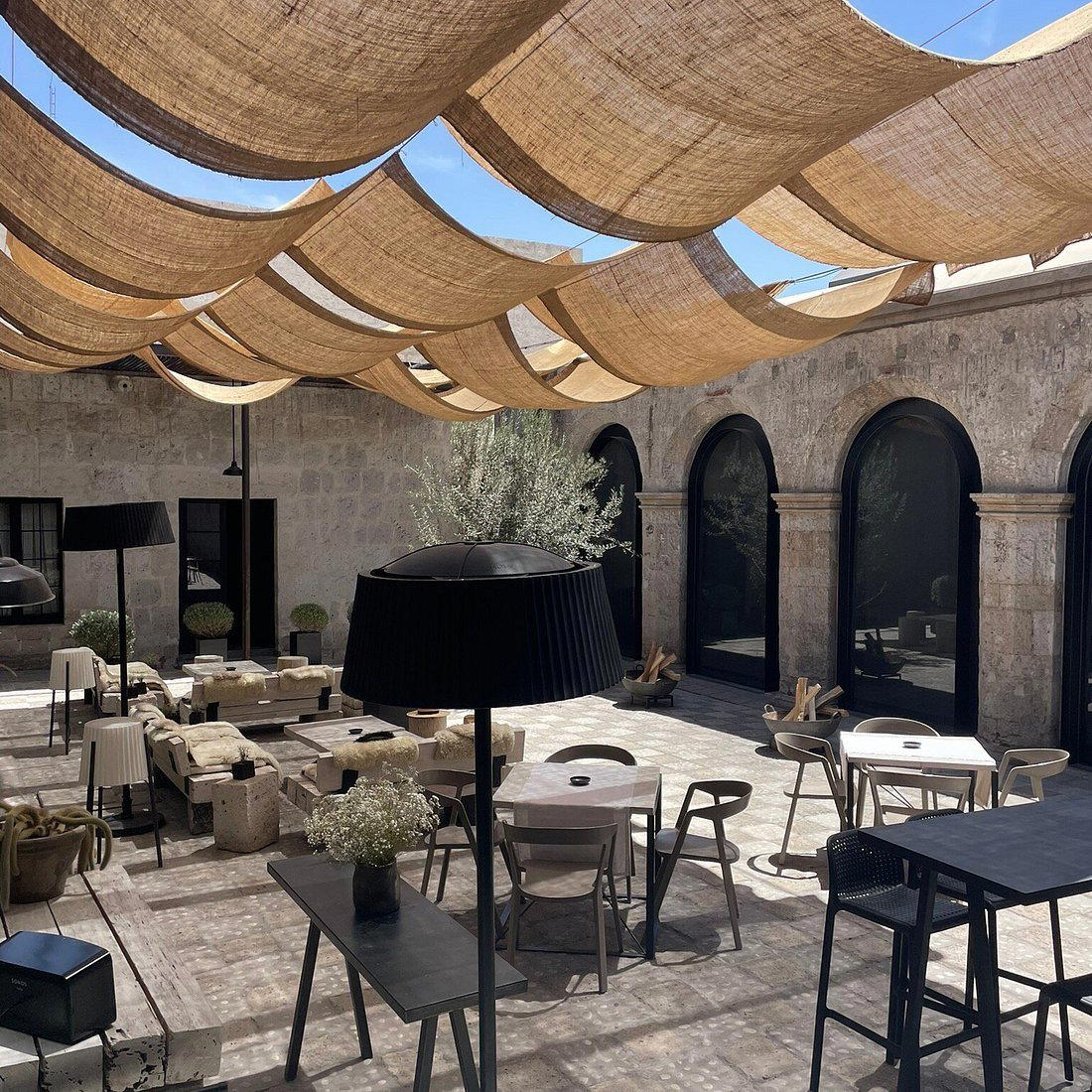
Across Latin America, the conversion of colonial casona properties into boutique hotels follows a recognisable spatial logic: a street-facing wall of near-domestic scale opens onto an interior courtyard that functions as the social and architectural heart of the building. Rooms arrange around that courtyard, often on two levels, with arcaded walkways providing both circulation and the transitional space between private room and shared life. The sillar construction in Arequipa adds a particular quality to this format: walls are thick enough to moderate temperature across the day's significant thermal swing at 2,300 metres elevation, and the stone's pale surface catches and diffuses natural light in ways that make interiors feel neither dark nor harsh.
Cirqa's address on Calle Sucre places it within the tightest grid of the historic centre, within walking distance of the Plaza de Armas and the Monastery of Santa Catalina, the latter being among the more significant examples of sustained colonial urban architecture in the Americas. For a hotel whose design identity is anchored in that same built tradition, proximity to those reference points is not incidental.
Peru's Premium Hotel Tier Outside the Capital
Lima dominates Peru's premium hospitality market in terms of volume, international brand presence, and dining recognition. The secondary tier, covering Cusco, the Sacred Valley, and now increasingly Arequipa, operates on different terms: smaller inventory, longer average stays, stronger dependence on itinerary-driven travel, and a design language that leans on regional material and historical context rather than global brand signatures. Properties in that secondary tier compete less on amenity count and more on spatial quality, setting authenticity, and positioning within an itinerary that typically also includes the Sacred Valley, Machu Picchu, and Andean route extensions toward Puno and Lake Titicaca.
Arequipa's place in that itinerary has strengthened over the past decade, driven partly by the Colca Canyon's growing profile as a natural destination, and partly by a local restaurant scene that has drawn genuine critical attention. The city functions well as a two-to-three-night stay with enough cultural and gastronomic content to justify the stop independently, rather than as a transit point. A property with Two MICHELIN Keys in that context is not simply a comfortable place to sleep.
Planning a Stay: Logistics and Timing
Arequipa's dry season runs broadly from May through November, with the clearest skies and most consistent daytime temperatures concentrated in June through August. At 2,300 metres, the city sits at a significantly lower elevation than Cusco or the Sacred Valley, which makes altitude adjustment less demanding for most travellers arriving from sea level, though a day of slower activity remains sensible. Cirqa's location on Calle Sucre in the historic centre means the main plazas, markets, and dining options are accessible on foot, which is one practical way to move through a district where vehicle access is limited by narrow colonial-era streets. Travellers arriving by air use Rodríguez Ballón International Airport, roughly 10 kilometres from the centre, with taxi and transfer services widely available. For Peru itineraries that extend into the Amazon basin, properties including Inkaterra Reserva Amazónica in Tambopata and Inkaterra Hacienda Concepción in Puerto Maldonado represent the logical extension once the southern highlands circuit is complete. For those routing north, Delfin Amazon Cruises in Iquitos and Hotel Kuelap in Utcubamba extend the country further. Travellers connecting to coastal Peru may consider Hotel Paracas or Arennas Máncora as further stops.
Booking should be approached with lead time proportional to the travel season. June through August is both peak and the period when the Colca Canyon draws visitor traffic into the Arequipa region; properties of this scale and category fill earlier than larger hotels. Travellers comparing Cirqa against other Andean reference-point hotels including Willka T'ika in Urubamba, Sumaq Machu Picchu Hotel, or Puqio in Yanque, which sits directly on the Colca Canyon circuit from Arequipa, will find that the boutique colonial house format consistently rewards early planning. Badrutt's Palace Hotel in St. Moritz, Hôtel de Paris Monte-Carlo, or Aman Venice operate on advance booking windows of three months and above during high season.
Side-by-Side Snapshot
Comparable venues nearby, for context on price, style, and recognition.
| Venue | Cuisine | Price | Awards | Notes |
|---|---|---|---|---|
| CirqaThis venue — the venue you are viewing | Converted 16th-century monastery blending historic architecture with contemporary luxury | $$$$ | 5-Star | Not listed |
| Las Casitas, A Belmond Hotel, Colca Canyon | Secluded casita estate blending rustic authenticity with rich luxury in Colca Canyon. | $$$$ | 5-Star | Yanque, Colca Canyon |
| Casa Andina Premium Arequipa | Colonial heritage hotel in historic landmark building | $$$ | 4-Star | Historical Center |
| Las Casitas, A Belmond Hotel | individual casitas blending with natural Andean environment | $$$$ | 5-Star | Yanque |
| CIRQA | Historic former monastery revived as a luxury parador | $$$$ | Michelin 2 Key | Historical Center |
| explora Valle Sagrado | Hacienda-style lodge with contemporary Andean design integrated into Inca terraces | $$$$ | 5-Star | Huayllabamba |
Recognition history
Dated appearances from independent guides and award organizations, with the underlying list record or original source where available.
Fodor's Most Incredible Hotels in the World
Fodor's
Mr & Mrs Smith Smith Seal of Approval
Mr & Mrs Smith
Relais Chateaux Award
Relais Chateaux
Michelin 2 Keys
Michelin
Relais Chateaux Award
Relais Chateaux
Continue exploring
More in Arequipa
Hotels in Arequipa
Browse all →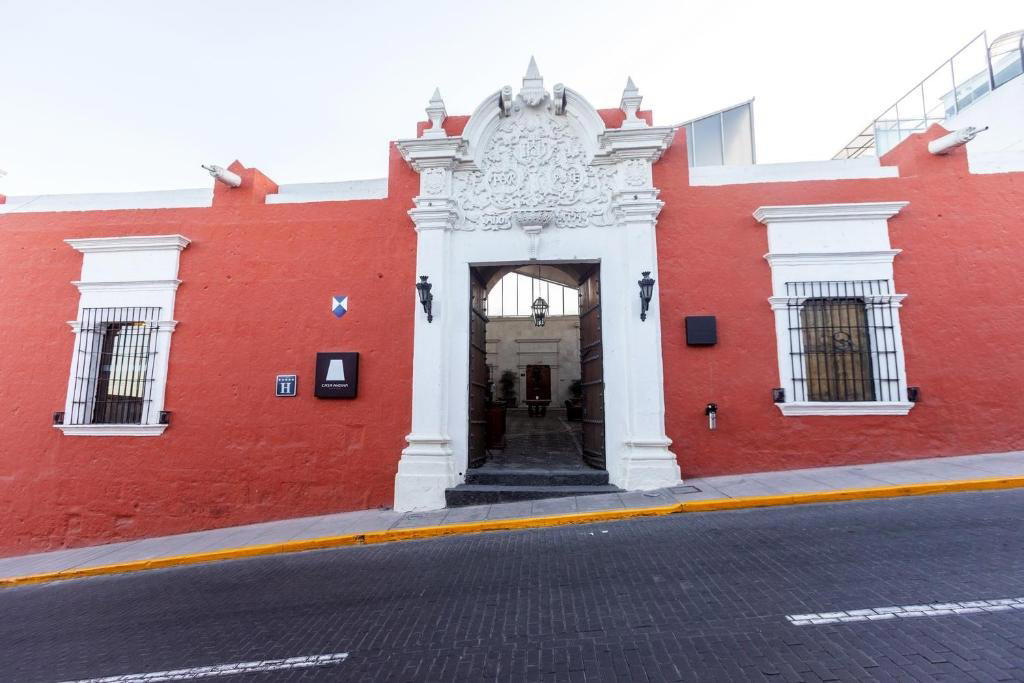
At a Glance
- Elegant
- Intimate
- Historic
- Sophisticated
- Romantic Getaway
- Anniversary
- Wellness Retreat
- Historic Building
- Terrace
- Panoramic View
- Wi Fi
- Pool
- Spa
- Room Service
- Concierge
- Restaurant
- Airport Transfer
- Street Scene
- Wi Fi
- Pool
- Spa
- Room Service
- Concierge
- Restaurant
- Airport Transfer
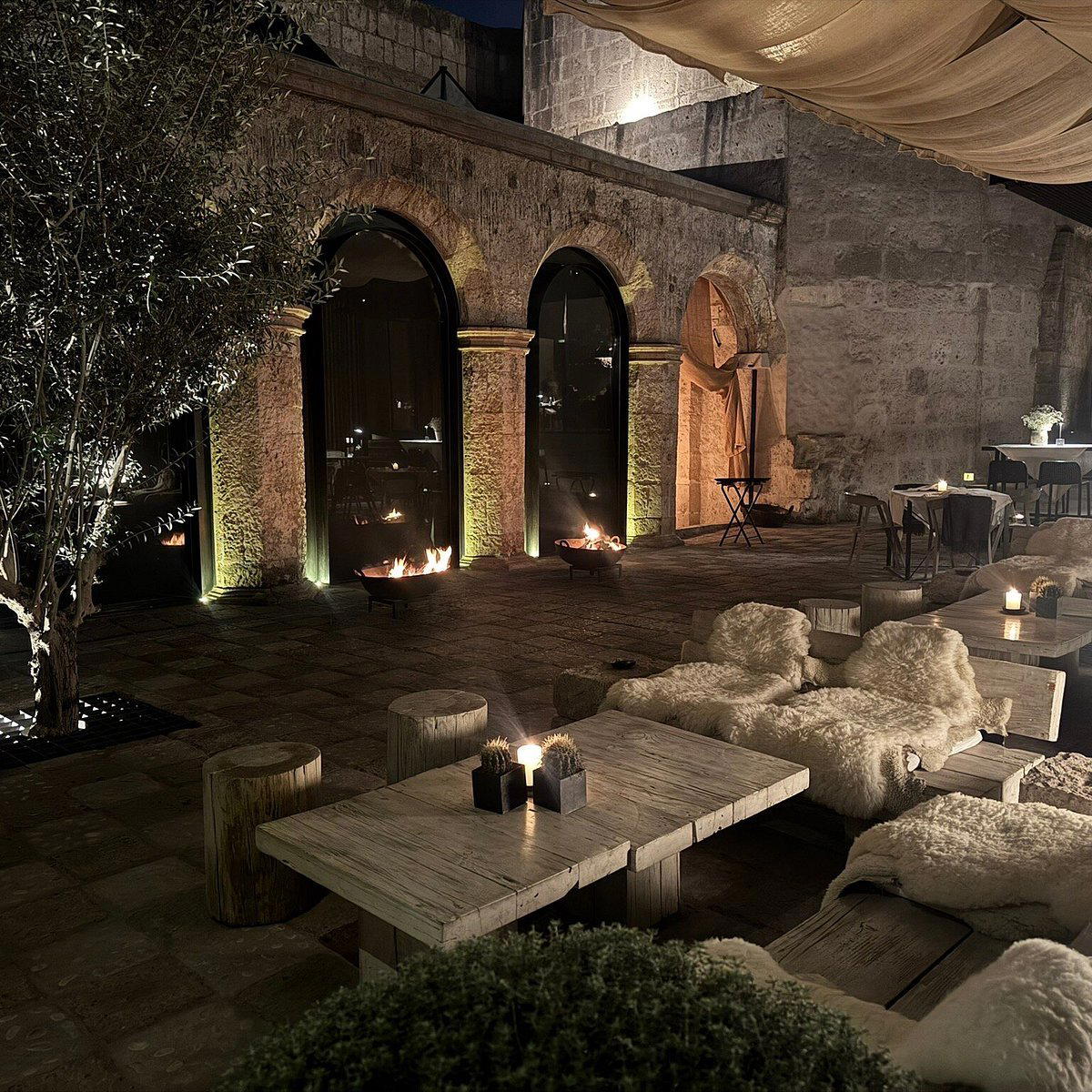
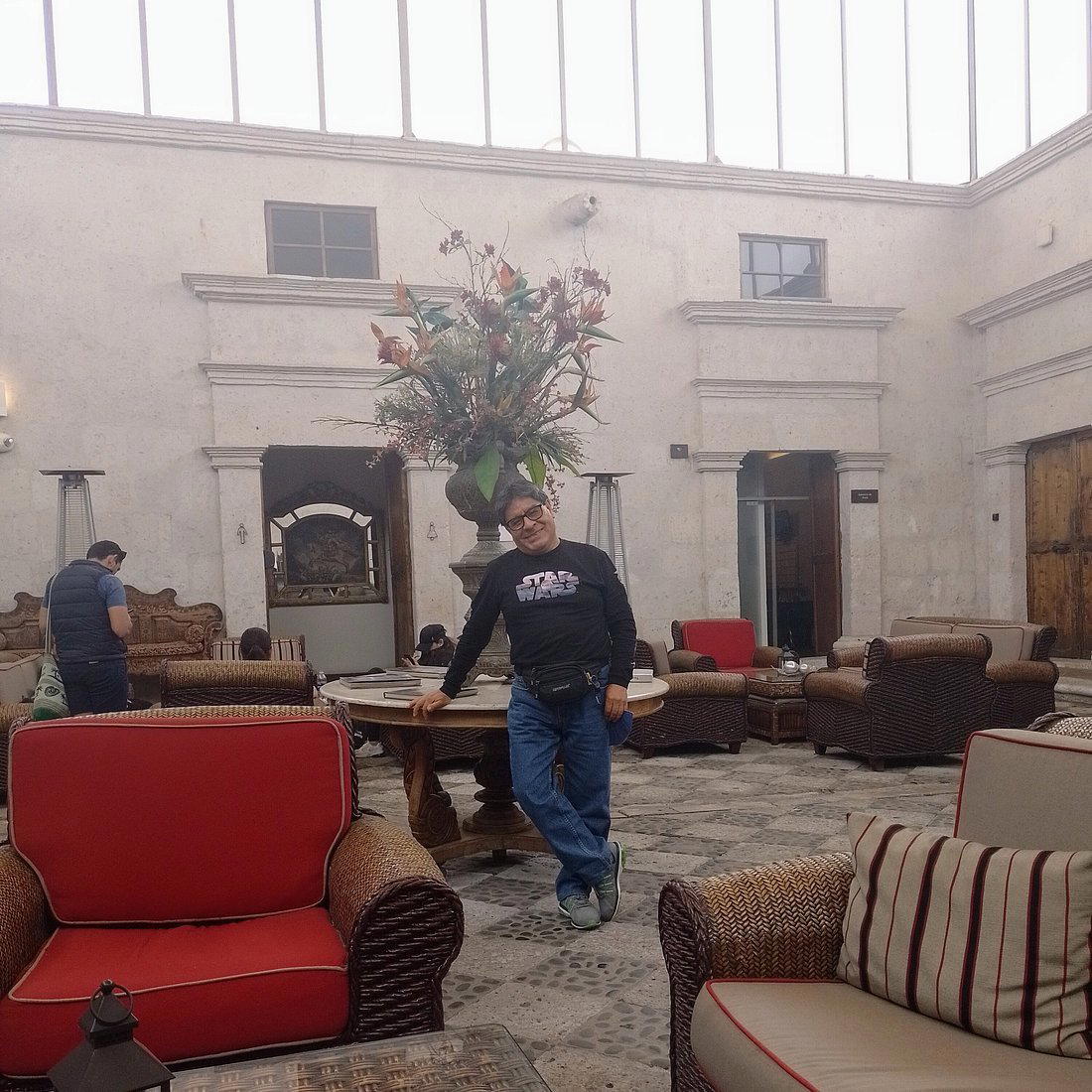
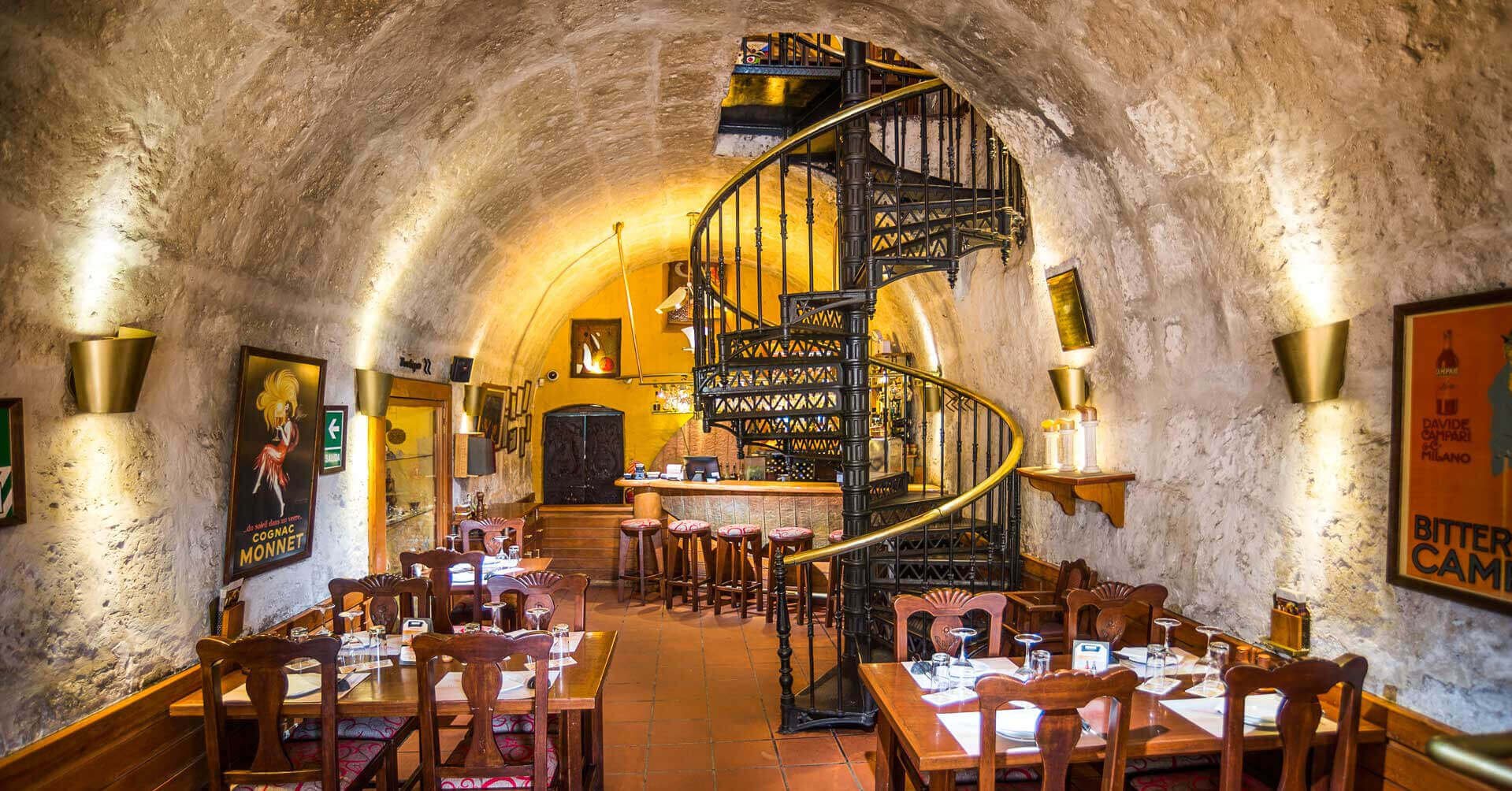
Refined colonial atmosphere with stone walls, flagstone floors, high-vaulted ceilings, and an elegant central courtyard blending historic charm with modern elegance.