Le Bel'Art

Michelin Bib Gourmand
Our verdict
A Michelin Bib Gourmand holder in 2024 and 2025, Le Bel'Art brings traditional French cuisine to the quiet commune of Champcevinel, just north of Périgueux, at a mid-range price point. Chef Gaëtan Le Mauff leads a kitchen rooted in regional produce and classic technique, earning. For cooking that reflects the Dordogne's larder without the price of a starred room, this is a dependable address.

Pearl is the En Primeur Club membership app — saves, bookings, and concierge access live there. Same editors, same standards.
- Address
- 2 All. Jean Boiteux, 24750 Champcevinel, France
- Phone
- +33 5 53 07 85 51
- Hours
- Mon ClosedTue–Thu 12–1:30 PMFri–Sat 12–1:30 PM, 7:30–8:45 PMSun Closed
- Website
- le-bel-art-restaurant.fr
- Directions
- Get directions
- Booking
- Book on the venue's website
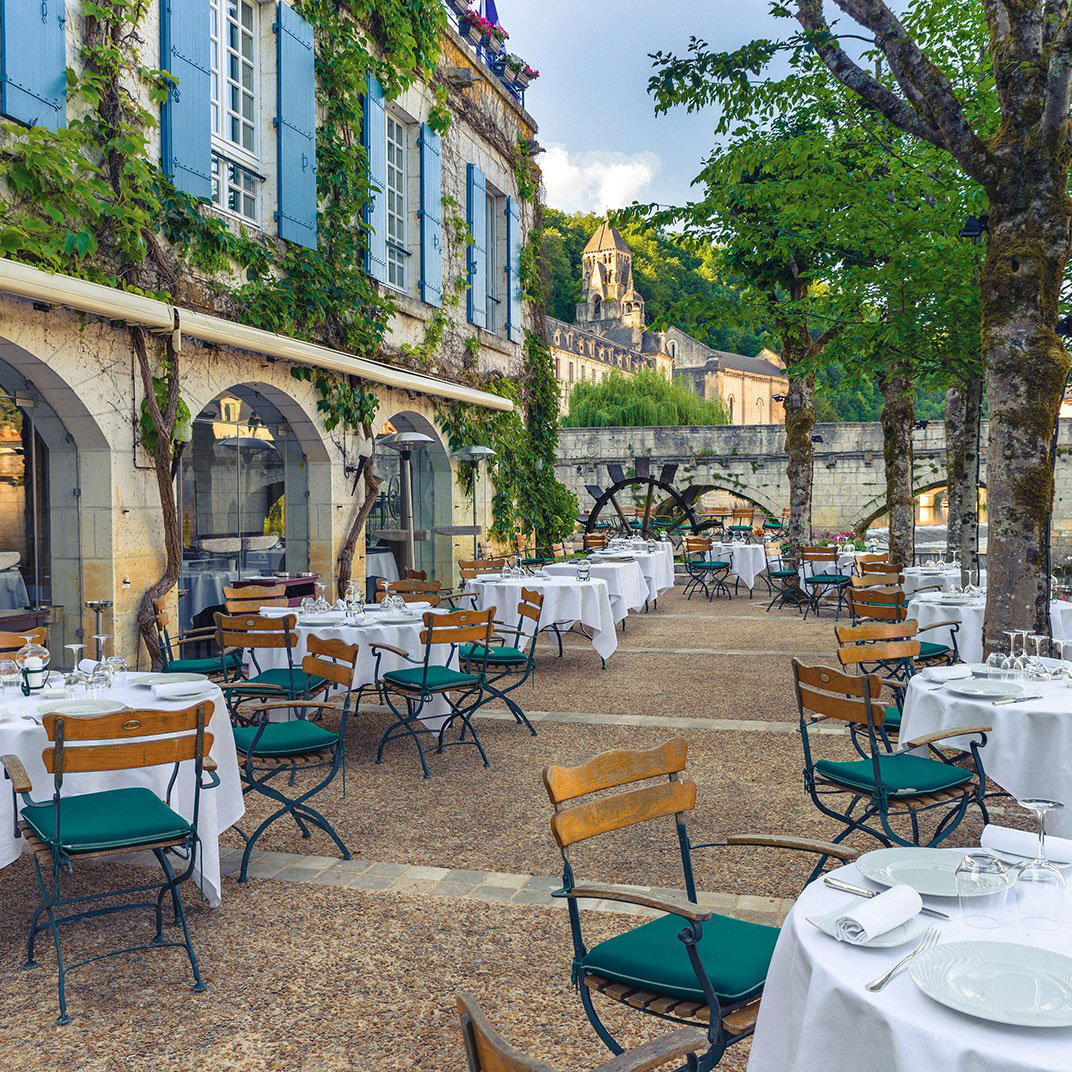
The menu
What to order
- Salmon brandade with sweet wine
- Chicken supreme with bay leaf and farm spinach
- Golden apple on buttered shortbread
Where the Dordogne Larder Meets a Modest Dining Room
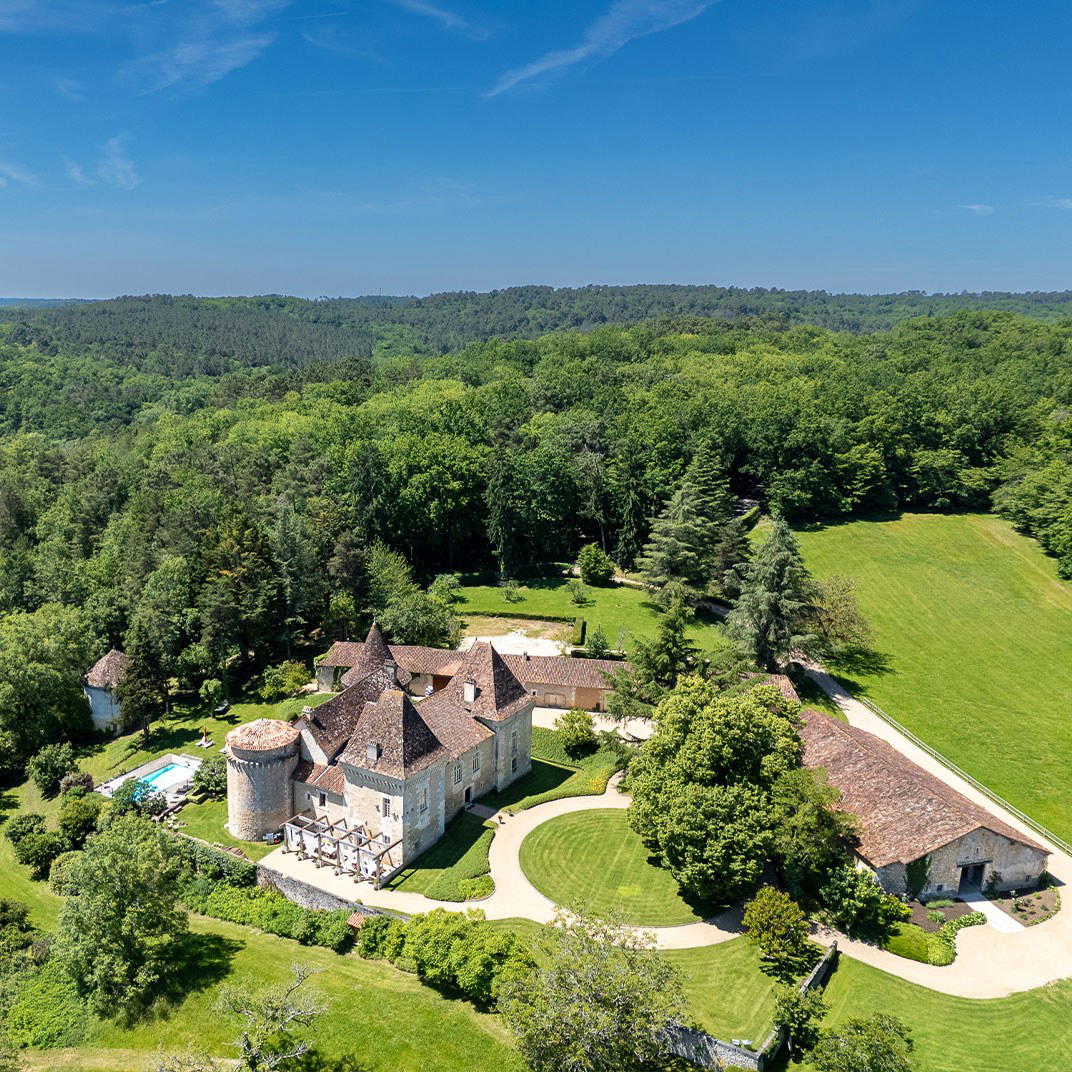
Champcevinel sits on a low ridge above Périgueux, a commune close enough to the city to feel connected but quiet enough that its address reads more like a postal district than a destination. The approach to 2 Allée Jean Boiteux is residential in character, and the restaurant that occupies it does nothing to signal its ambitions from the outside. That restraint carries through to the interior, where the atmosphere is the kind that still defines much of provincial French dining: calm, unpretentious, and arranged around the meal rather than around the experience of being seen having it.
That context matters, because it explains why a Michelin Bib Gourmand — awarded in both 2024 and 2025 — carries particular weight here. The Bib Gourmand designation recognises cooking that delivers quality above its price tier, and in Champcevinel, where the price tier is already moderate (€€), the recognition signals that the kitchen is working with discipline rather than relying on the spectacle that justifies higher price points elsewhere.
What the Dordogne Puts on the Plate
France's southwest is among the most ingredient-specific regions in the country. The Dordogne and its surrounding departments produce duck confit and foie gras that define the canon of French traditional cuisine; walnut oil pressed from local orchards; truffles from Périgord, where the black truffle remains one of the most closely watched agricultural products in European gastronomy; and river fish, mushrooms, and vegetables that shift week by week through the growing season. Traditional cuisine in this region is not a conservative retreat from modernity, it is a specific engagement with a larder that has earned its own denomination of origin, in the same way that Bordeaux wines carry theirs.
Le Bel'Art's classification as Traditional Cuisine positions it within that framework. The category, as used in French restaurant classification, signals a kitchen that reads its region and season rather than building around a chef's signature vocabulary. In practice, that means dishes whose central question is sourcing: where does the duck come from, when was the truffle dug, and which producer supplies the walnut oil. Chef Gaëtan Le Mauff operates in a tradition where those questions are the menu.
To understand the register at which Le Bel'Art operates, it helps to place it in the broader hierarchy of French regional cooking. The most recognised addresses in France's traditional canon, Paul Bocuse's Auberge du Pont de Collonges near Lyon, Auberge de l'Ill in Alsace, Bras in Laguiole, carry Michelin stars and price points to match. Champcevinel's Bib Gourmand table sits several rungs below that ceiling in terms of price, but the structural logic is the same: a region's produce, treated with technique, served in a room that keeps the focus on the food. At the other end of the national spectrum, three-star creative addresses like Alléno Paris au Pavillon Ledoyen or Mirazur in Menton are building around transformation and concept; Le Bel'Art is building around recognition, the satisfaction of eating something that tastes specifically of where it was grown.
Ingredient Sourcing as the Kitchen's Argument
The Périgord's truffle season runs from late November through February, and the wider Dordogne growing calendar shapes what appears on plates in restaurants like this one across the autumn and winter. That seasonality is not simply a marketing position; in a kitchen classified as Traditional Cuisine and awarded for value-to-quality ratio, seasonal purchasing is often the mechanism by which quality is maintained at a given price point. Sourcing locally, in volume, when ingredients are at their natural peak, allows a kitchen to deliver plates that would cost significantly more if the same ingredients were purchased out of season or imported.
The Bib Gourmand, by design, measures exactly that equation. It is Michelin's explicit recognition that good cooking does not require a high price tag, and its consecutive award in 2024 and 2025 suggests Le Bel'Art has maintained the discipline required to hold that balance. For a region as ingredient-rich as the Dordogne, the challenge is not finding good produce, it is building a kitchen that respects the produce enough to let it lead. That is the specific argument traditional French cuisine makes, and it is the argument Le Bel'Art appears to be making with some consistency.
Comparable addresses operating in the same traditional vein across France include Auberge Grand'Maison in Mûr-de-Bretagne and Auga in Gijón, both of which frame their cooking around regional produce at similar price registers. The pattern across this category is consistent: disciplined sourcing, classical technique, and a format that keeps the meal at the centre.
Planning a Visit
Le Bel'Art is located at 2 Allée Jean Boiteux in Champcevinel, a short drive north of central Périgueux. The address is accessible by car from the city and sits within easy range of the wider Dordogne valley. The price range sits at the €€ tier, meaning a meal here is materially more accessible than the starred rooms in the region. Booking method and current hours are best confirmed directly with the restaurant. For those building a broader Champcevinel itinerary, La Table du Pouyaud offers a modern cuisine counterpoint in the same commune. Full coverage of, hotels guide, bars guide, wineries guide, and experiences guide.
Frequently asked questions
Is Le Bel'Art Michelin-listed?
Le Bel'Art has received recognition including: Michelin Bib Gourmand (2025); Michelin Bib Gourmand (2024).
What's the must-try dish at Le Bel'Art?
EP Club holds no dish-level data for Le Bel'Art's current menu. What two consecutive Bib Gourmand awards — 2024 and 2025 — confirm is that the kitchen is delivering traditional Dordogne cuisine at a consistent standard. Given the Périgord's defining larder, duck preparations and seasonal truffle dishes are the categories most associated with this region's serious tables, though you should verify the current menu directly with the restaurant.
What's the price range at Le Bel'Art?
Pricing at Le Bel'Art is listed as €€.
Where do I go for Le Bel'Art?
Le Bel'Art is located at 2 All. Jean Boiteux, 24750 Champcevinel, France, Champcevinel.
Price and Recognition
| Venue | Cuisine | Price | Awards |
|---|---|---|---|
| Le Bel'ArtThis venue — the venue you are viewing | Seasonal French Bistro | $30–50 | Michelin Bib Gourmand |
| Alléno Paris au Pavillon Ledoyen | Creative | Not listed | Michelin 3 Star |
| Kei | Contemporary French, Modern Cuisine | Not listed | Michelin 3 Star |
| L'Ambroisie | French, Classic Cuisine | Not listed | Michelin 3 Star |
| Le Cinq - Four Seasons Hôtel George V | French, Modern Cuisine | Not listed | Michelin 3 Star |
| Plénitude | Contemporary French | Not listed | Michelin 3 Star |
Recognition history
Dated appearances from independent guides and award organizations, with the underlying list record or original source where available.
Michelin Bib Gourmand
Michelin
Full recognition history (3 entries)
Michelin Bib Gourmand
Michelin
Michelin Bib Gourmand
Michelin
Continue exploring
More in Champcevinel
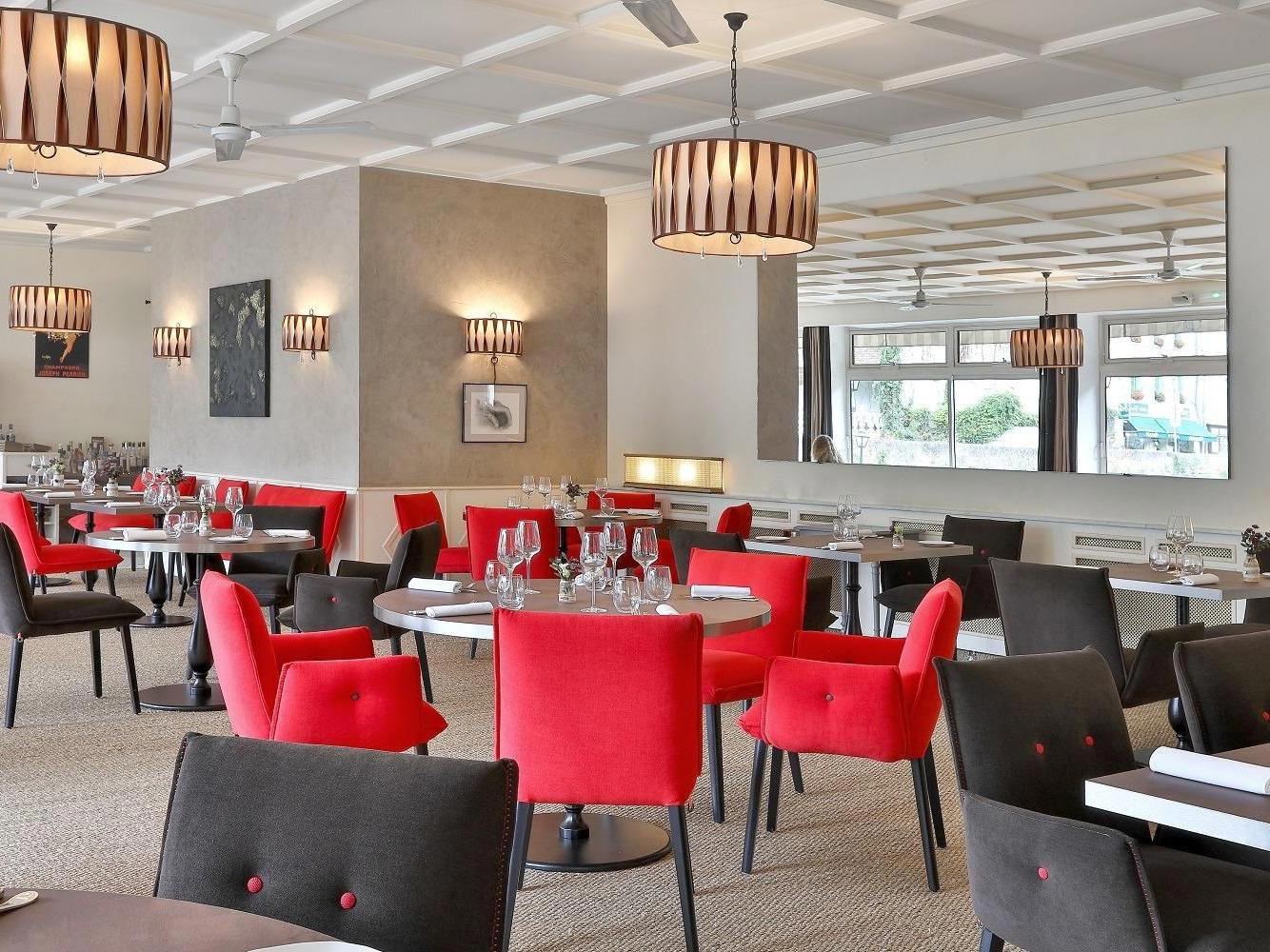
Restaurants in Champcevinel
Browse all →
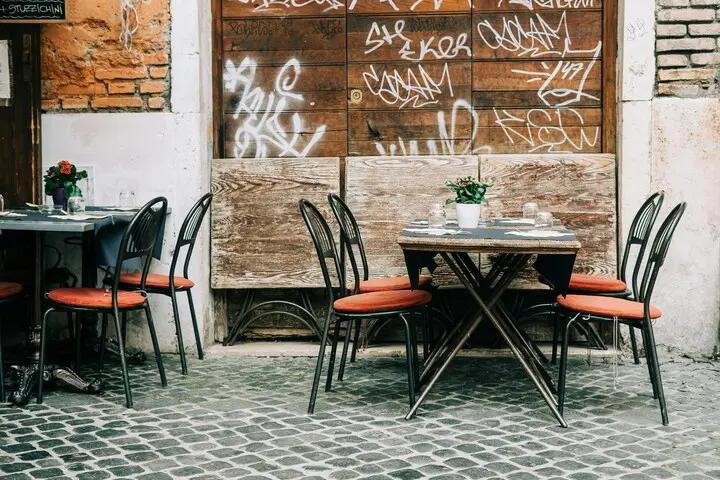
Bars in Champcevinel
Browse all →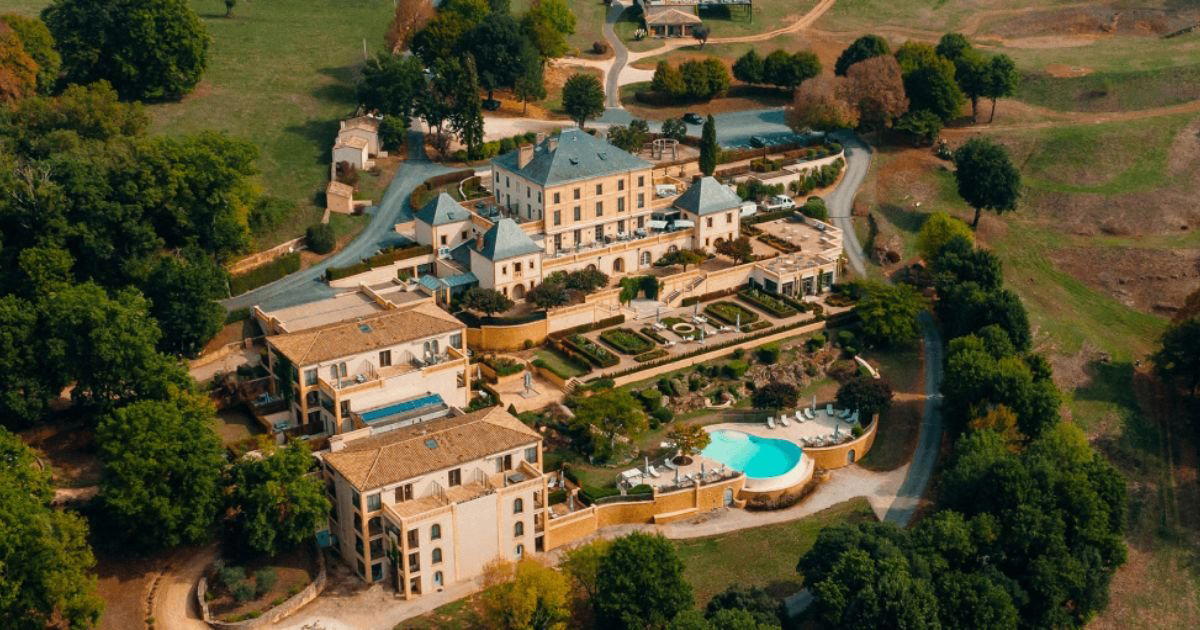
Hotels in Champcevinel
Browse all →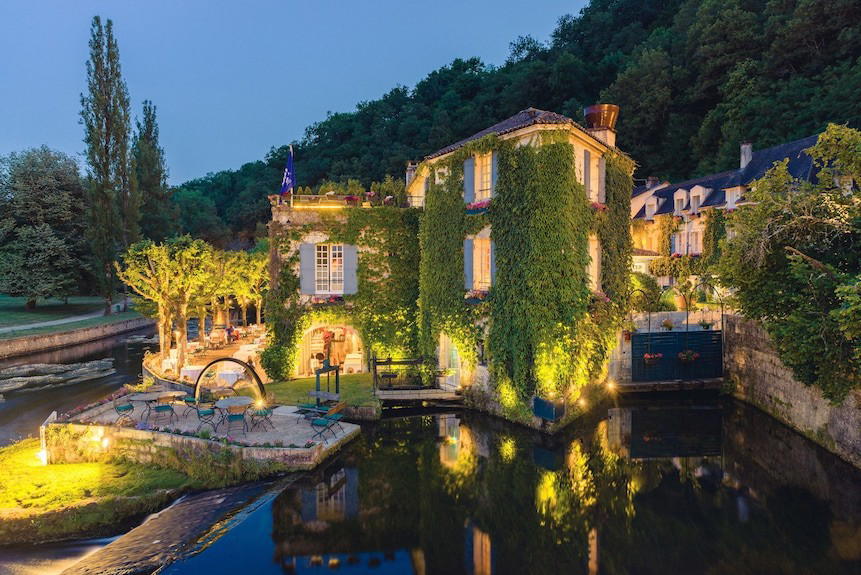

Details
- Elegant
- Intimate
- Cozy
- Sophisticated
- Date Night
- Special Occasion
- Celebration
- Standalone
- Terrace
- Extensive Wine List
- Sommelier Led
- Farm To Table
- Local Sourcing
- Set Menu
- Prix Fixe
- Wine
- Vegetarian Friendly
- Allergy Accommodating
Current opening hours
- Monday
- Closed
- Tuesday
- 12–1:30 PM
- Wednesday
- 12–1:30 PM
- Thursday
- 12–1:30 PM
- Friday
- 12–1:30 PM, 7:30–8:45 PM
- Saturday
- 12–1:30 PM, 7:30–8:45 PM
- Sunday
- Closed
Hours can change for holidays and private events. Last verified .
Modern, functional dining room with warm, attentive service; clean and simple aesthetic that lets the refined cuisine take center stage.