The Talbot Malton


Michelin Selected · Mr & Mrs Smith Seal of Approval
A Michelin Selected coaching inn on Malton's main thoroughfare, The Talbot sits at the intersection of Yorkshire's food town revival and the broader UK trend toward characterful historic hotels over homogeneous branded stays.

Pearl is the En Primeur Club membership app — saves, bookings, and concierge access live there. Same editors, same standards.
- Address
- 43 Yorkersgate, Malton, UK
- Phone
- +44 1653 639096
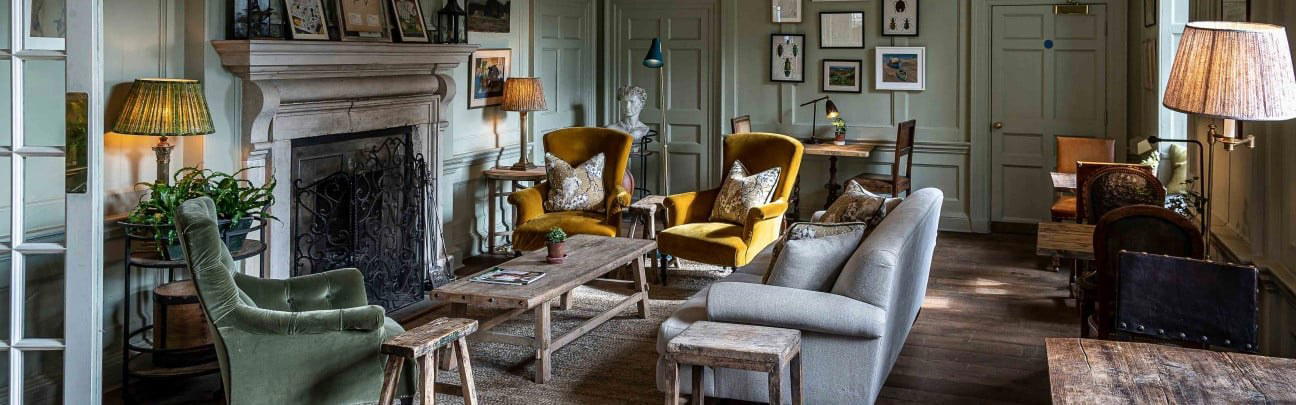
A Coaching Inn in the Town That Took Its Food Seriously
Malton has spent the better part of the last fifteen years building a credible identity as North Yorkshire's food town. Farmers markets, artisan producers, and a compact high street with genuine hospitality depth have drawn comparisons to market towns further south that traded on similar credentials far earlier. Against that backdrop, the presence of a historic coaching inn on Yorkersgate is less coincidental than it might appear. The Talbot Malton, at 43 Yorkersgate, occupies the kind of Georgian structure that defines the bones of the English market town hotel category, and its 2025 Michelin Selected status confirms it has earned a place in the conversation about where to sleep when the food destination is the point.
Michelin's hotel selection process operates on a different logic from its restaurant stars. The Selected designation, as applied across the 2025 guide, signals that inspectors found the property worth directing readers toward within its local context. For a town of Malton's scale, that carries weight.
The Architecture as Argument
The coaching inn typology is one of England's most durable hospitality formats. These buildings were designed around movement: wide archways for carriages, ground-floor service rooms, upper-floor accommodation that stacked function over ornament. The Talbot's address on Yorkersgate puts it directly within Malton's commercial core, which means the building reads as part of the town's working fabric rather than a retreat from it. That street-level integration is increasingly rare in the premium hotel category, where the dominant instinct has been to withdraw behind gates or parkland.
Compare this to the approach at Estelle Manor in North Leigh or The Newt in Somerset, where the estate model creates deliberate separation from the surrounding area. The Talbot operates on the opposite logic: the town is the amenity, and the building's position makes that explicit. For travellers whose interest in a destination includes the texture of its streets, markets, and independent producers rather than a curated bubble, that distinction matters.
Georgian coaching inns of this period typically feature symmetrical stone or brick facades, sash windows arranged with proportional regularity, and interior spaces that follow a logic of circulation rather than domestic comfort. Adaptation to contemporary hospitality use tends to preserve these circulation patterns while softening the utilitarian edges, a balance that defines the better examples of the category. Properties that get this right, like Oddfellows on the Park in Manchester or Hotel du Vin at One Devonshire Gardens in Glasgow, hold a structural character that newer builds cannot replicate.
Malton as Context: Why the Town Matters
Staying in Malton without engaging with its food culture would be like staying in Barossa without touching the wine. The town's positioning as a Yorkshire food destination is not merely promotional: it has built infrastructure around that claim, with producers, market days, and dining options that punch well above what the population size would suggest. The Talbot's Michelin Selected status arrives in that context, reinforcing the town's case for a dedicated visit rather than a detour.
North Yorkshire more broadly sits within a regional hotel tier that has grown considerably more interesting over the past decade. The cluster of Michelin-recognised properties across the county reflects both the quality of local food supply chains and a traveller base willing to route itineraries around food and landscape rather than city proximity. For those building a longer northern England itinerary, pairing Malton with properties in adjacent regions makes geographic sense. Dakota Leeds sits within reasonable reach for a circuit that takes in the city before moving into North Yorkshire, while Thornton Hall Hotel & Spa in Heswall extends the loop westward for those continuing toward the Wirral or Liverpool.
Across the broader UK, the Michelin Selected hotel list for 2025 reflects a deliberate curation of properties where character, location, and hospitality standard converge. The Talbot sits in that list alongside properties operating at very different price points and scales, from intimate countryside houses to larger resort formats. Its inclusion signals that Malton now has accommodation that can anchor a destination visit rather than requiring a compromise on where to sleep. For comparison points further up the UK prestige register, Gleneagles in Auchterarder and Lime Wood in Lyndhurst represent the estate end of the spectrum; The Talbot occupies a different position entirely, one grounded in town fabric rather than grounds.
The Broader Pattern: Historic Hotels in Food Towns
There is a discernible pattern across the UK of historic hotels finding renewed relevance by attaching their identity to a town's food culture rather than operating as standalone destinations. The formula works when the hotel has genuine architectural character, the town has genuine food credentials, and the two narratives reinforce each other. Malton has been building its food reputation with enough consistency that the second condition is met. A Michelin Selected hotel on the main street suggests the first condition holds too.
This model contrasts with the destination spa or countryside estate approach taken by properties like The Vineyard Hotel & Spa in Newbury or Crossbasket Castle in High Blantyre, where the surrounding landscape or estate grounds are the primary draw. Neither model is inherently superior; they serve different traveller priorities. But for those whose version of a good trip involves walking to a Saturday market, eating at a counter in a converted mill, and sleeping in a building with three centuries of use written into its joinery, the market-town coaching inn format delivers something the estate model cannot.
Planning a Stay
The Talbot Malton sits at 43 Yorkersgate, placing it within walking distance of Malton's market square and the concentration of food businesses that defines the town's reputation. Malton is accessible by rail from York, which connects to the national network, making it a realistic addition to an itinerary that starts or ends in a major city. For those arriving by car, the town is positioned within easy reach of the North York Moors and the Yorkshire Wolds, both of which extend the case for a multi-night stay. Booking directly via the hotel's website is the standard approach for Michelin Selected properties of this tier; availability at smaller historic hotels in food-destination towns tends to tighten around market weekends, so planning ahead is practical rather than precautionary. For a fuller picture of where The Talbot sits within Malton's hospitality options, see our full Malton restaurants guide.
Comparison Snapshot
Comparable venues nearby, for context on price, style, and recognition.
| Venue | Cuisine | Price | Awards | Notes |
|---|---|---|---|---|
| The Talbot MaltonThis venue — the venue you are viewing | 17th-century coaching inn with Georgian character and modern boutique updates | $200–300 | Michelin Selected · Mr & Mrs Smith Seal of Approval | Not listed |
| The Lovat, Loch Ness | Family-run Victorian heritage hotel with modern updates | Not listed | Michelin Selected | Fort Augustus |
| The Bird | Contemporary luxury reimagining of a Victorian mansion with eclectic, artistic design elements and bird-themed decor throughout. | $100–200 | Michelin Selected · Mr & Mrs Smith Seal of Approval | Bathwick |
| No 38 The Park | Regency townhouse with modern boutique touches | Not listed | Michelin Selected · Mr & Mrs Smith Seal of Approval | Pittville |
| One Hundred Shoreditch | Contemporary design-led hotel blending East End cool with tranquility, positioned as a grown-up alternative to its predecessor Ace Hotel. | $200–300 | Michelin Guide New Hotels New Hotel · Michelin Selected | Shoreditch |
| The Rabbit | Boutique country house retreat with Soho House-inspired swagger. | $100–200 | Michelin Selected | Templepatrick |
Recognition history
Dated appearances from independent guides and award organizations, with the underlying list record or original source where available.
Michelin Selected
Michelin
Mr & Mrs Smith Seal of Approval
Mr & Mrs Smith
Details
- Classic
- Elegant
- Cozy
- Historic
- Romantic Getaway
- Weekend Escape
- Historic Building
- Garden
- Terrace
- Wi Fi
- Room Service
- Concierge
- Golf Course
- Step Free Entrance
- Accessible Restroom
Contemporary classic with bold colors, vintage pieces, and a lively yet relaxed atmosphere focused on local cuisine and drinks.