Casati Budapest Hotel occupies a historic address on Paulay Ede utca in Budapest's sixth district, placing guests within walking distance of the Opera House and the city's densest concentration of ruin bars and design-led restaurants. The property sits in a tier of intimate Budapest hotels that prioritize architectural character over scale, making it a reference point for travelers who want the city's Habsburg-era fabric as part of the stay rather than a backdrop to it.
 Discover on Pearl
Pearl is the En Primeur Club membership app — saves, bookings, and concierge access live there. Same editors, same standards.
- Address
- Budapest, Paulay Ede u. 31, 1061 Hungary
- Phone
- +36 1 343 1198
- Website
- casatibudapesthotel.com
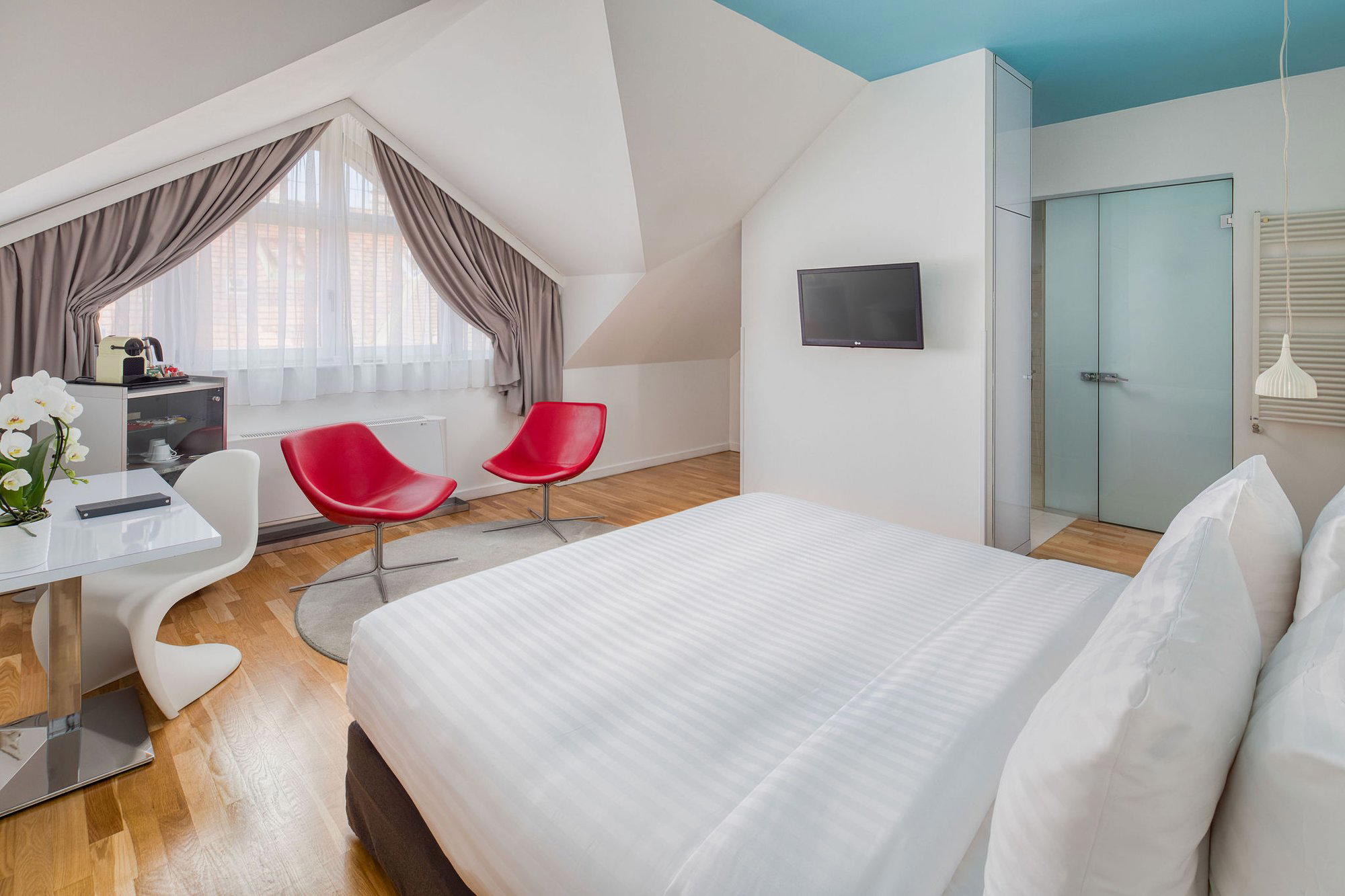
A Street That Earns Its Address
Paulay Ede utca runs through the heart of the sixth district, the stretch of Budapest that local historians sometimes call the inner city's creative spine. The street connects Andrássy út, a UNESCO-listed boulevard lined with neo-Renaissance palaces, to the older grid of the Jewish Quarter, where layers of Ottoman, Habsburg, and Soviet-era architecture sit compressed into a few dense city blocks. Arriving at number 31, the Casati Budapest Hotel, means arriving at a point where the city's architectural contradictions are most legible: ornate facades above street-level tile shops, century-old wrought ironwork beside contemporary hotel signage. That address is not incidental. In Budapest's premium boutique tier, location within this specific corridor carries weight that a ring-road property cannot replicate.
The Boutique Architecture Argument in Budapest
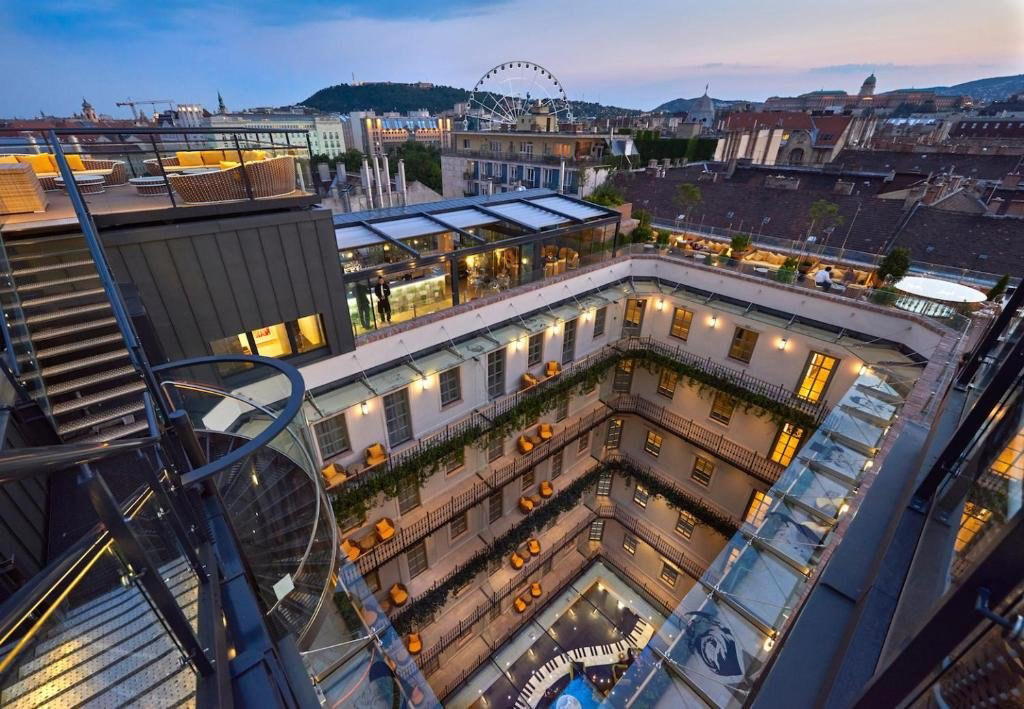
Budapest's hotel market has, over the past decade, separated into two recognizable camps. The first is the grand palace hotel, represented most visibly by properties like the Anantara New York Palace Budapest Hotel, where the building's own history is the spectacle, and the renovation scale matches the ambition. The second camp is smaller, architecture-led properties where fewer keys and deliberate spatial design do the work that brand recognition does elsewhere. The Casati sits in this second tier, alongside properties like the Aria Hotel Budapest by Library Hotel Collection and the Baltazár Boutique Hotel, all of which trade on spatial character and district identity rather than headline room counts.
What distinguishes this camp from simple small hotels is the level of intention brought to interior decisions. In buildings of this age and typology, the structure itself makes demands. The stairwells are too wide to ignore, the ceiling heights in original rooms too generous to conceal, and the courtyard geometry too specific to generic furniture plans. Hotels that succeed in this category in Budapest are the ones that work with those constraints rather than around them. The editorial question for any property on Paulay Ede utca is whether the rooms engage the building's bones honestly or paper over them.
Sixth District Context: What the Neighbourhood Delivers
The sixth district, Terézváros, does not require a hotel to create atmosphere because the district provides it in abundance. Within a short walk of the Casati's address, guests reach the Hungarian State Opera House on Andrássy út, a building that remains one of the most ornate nineteenth-century opera houses in Central Europe, and the Liszt Ferenc tér, a pedestrianized square flanked by café terraces that fill nightly. The ruin bar cluster in the adjacent seventh district, anchored by Szimpla Kert, sits close enough to reach on foot. This density of cultural infrastructure is one reason boutique hotels in this corridor price differently from properties further out along the Buda hills, even when room counts are similar.
For travelers mapping Budapest dining and drinking, the sixth and seventh districts together represent a strong concentration of independent restaurants, wine bars specializing in Hungarian natural producers, and craft cocktail venues. The Casati's location makes it a functional base for working through that list without relying on taxis after late sittings.
comparable set and Design Language
Placing the Casati accurately in its comparable set requires acknowledging what Budapest's boutique tier looks like at full range. At the design-forward end, properties like the Bohem Art Hotel and the BoHo Hotel Budapest have built identities around commissioning local artists and designers. The Brody House operates in a similar vein, using a historic townhouse format to create something closer to a private members' club than a conventional hotel. Against those references, the Casati's position is that of a property using a genuine historic address as its primary architectural credential, rather than an overlay of commissioned art.
Internationally, the appetite for this format is well-established. Properties like Castello di Reschio in Lisciano Niccone or Aman Venice represent the upper bracket of the same logic: historic fabric treated as the design statement, with interventions calibrated to serve the structure. Budapest's boutique tier operates at a different price point, but the underlying premise is the same. Travelers drawn to that approach in other European cities will find the sixth district a credible version of it.
Hungary Beyond Budapest
For travelers using the Casati as a base for wider Hungarian exploration, the country's heritage hotel circuit offers several reference points worth noting. The BOTANIQ Castle of Tura offers a nineteenth-century castle conversion northeast of the capital, while Hotel Palota Lillafüred in Miskolc places guests in a royal hunting palace in the Bükk Hills. On Lake Balaton, Hotel Petit Bois in Balatonfüred represents the lake's quieter design-led accommodation tier. These properties, each distinct in format, collectively illustrate that Hungary's hospitality offer extends well beyond Budapest's ring boulevard.
Planning a Stay
The Casati sits on Paulay Ede utca 31, in Budapest's sixth district. The address is walkable from Oktogon metro station on the M1 yellow line. Andrássy út and its Opera House stop are also within a short walk.
Cost Snapshot
Comparable venues nearby, for context on price, style, and recognition.
| Venue | Price | Awards | Notes |
|---|---|---|---|
| Casati Budapest HotelThis venue — the venue you are viewing | $$$ | 4-Star | |
| Boutique Hotel Budapest | $$$ | 4-Star | Belvaros, Contemporary urban boutique hotel with minimalist design and personalized service focus. |
| Hotel GIN Budapest | $$$ | 4-Star | Belvaros, Contemporary boutique design hotel with mod-Magyar flair and local architectural vision |
| Park Plaza Budapest | $$$ | 4-Star | Varhegy, Trendy lifestyle hotel with artistic flair and riverfront elegance. |
| Hotel Rum Budapest | $$$ | 4-Star | Belvaros, Contemporary boutique blending authentic 1920s townhouse with bold modern design. |
| Bohem Art Hotel | $$$ | 4-Star | Belvaros, Modernized 17th-century building with bohemian art gallery vibe |
Continue exploring
More in Budapest
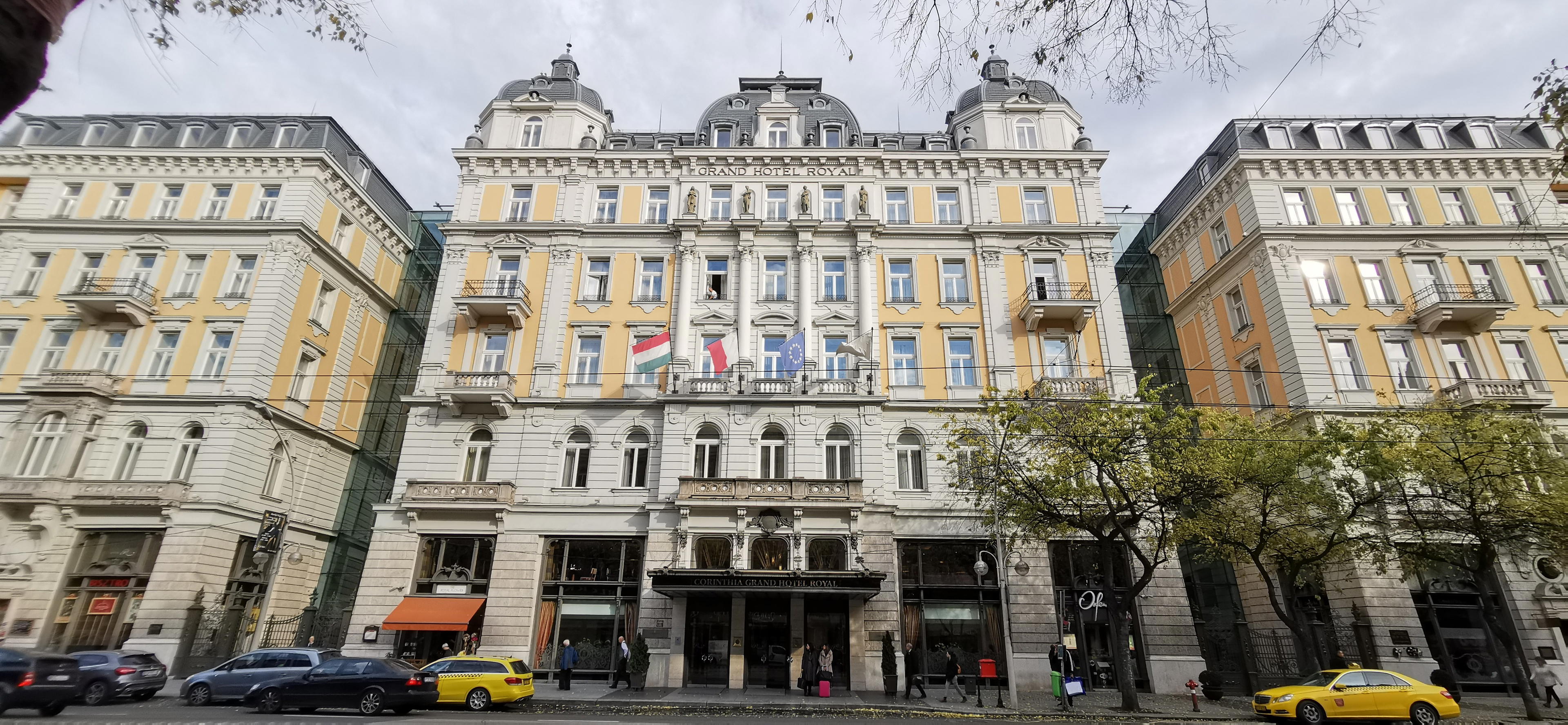
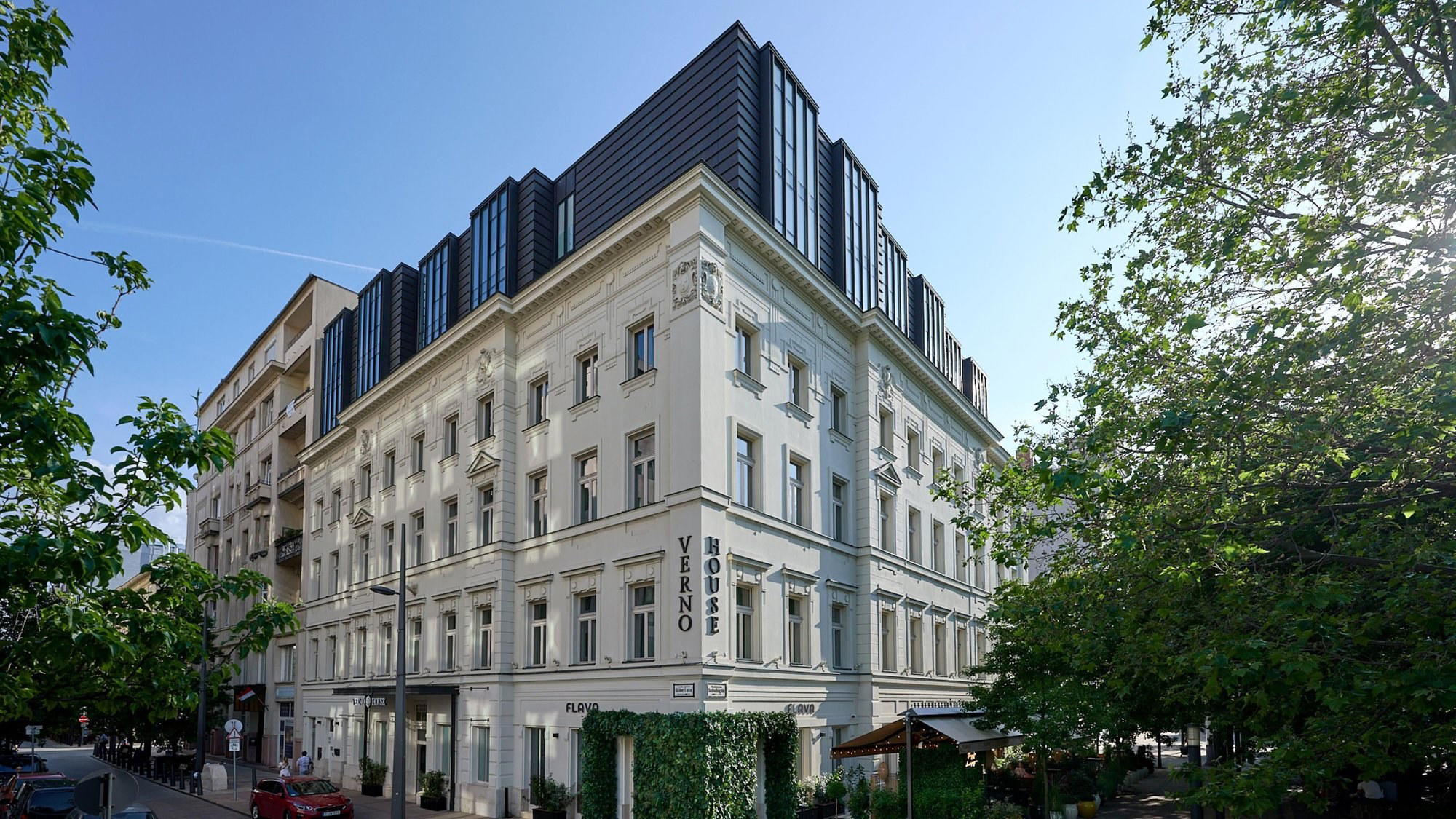
Hotels in Budapest
Browse all →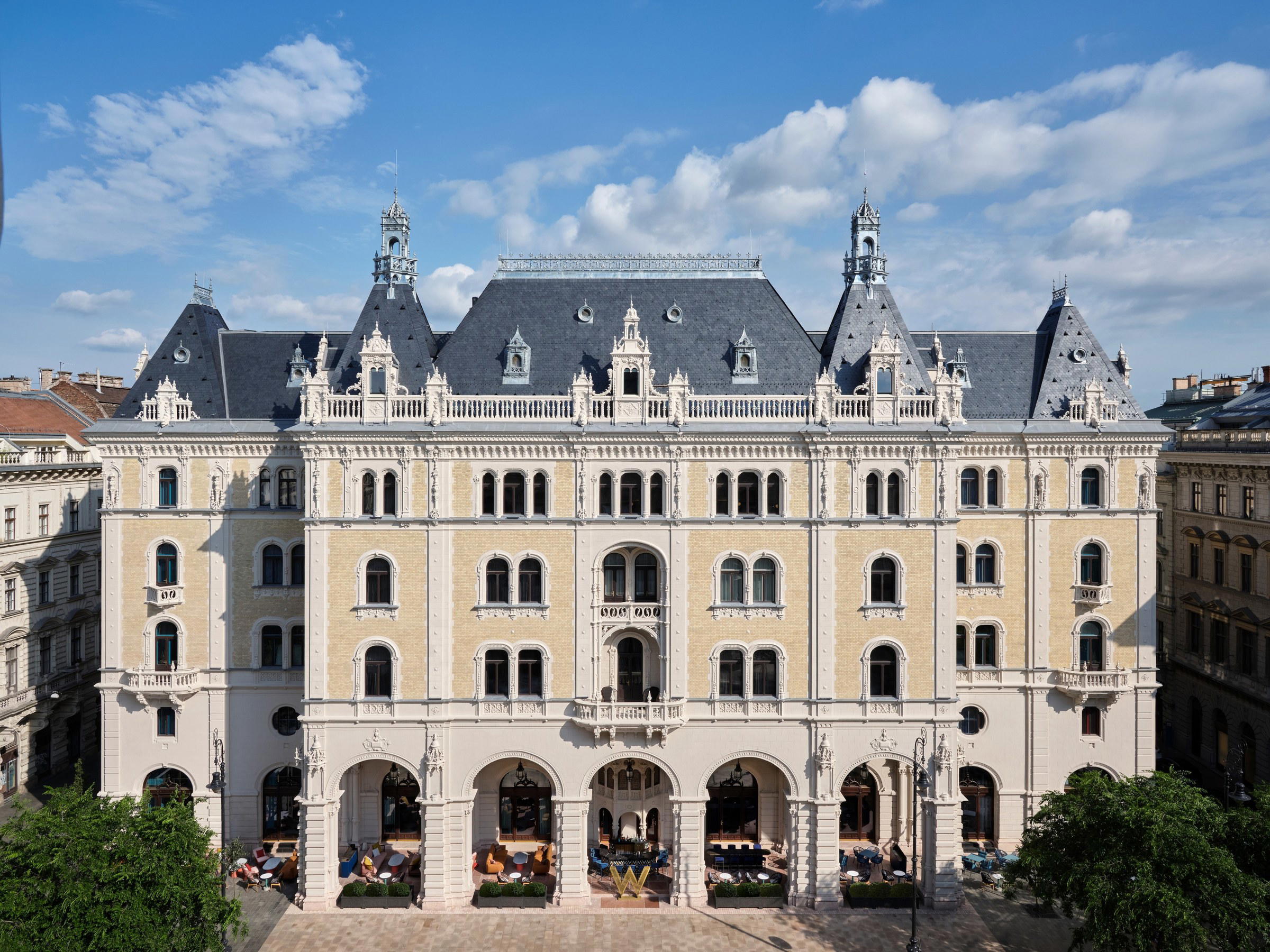
Bars in Budapest
Browse all →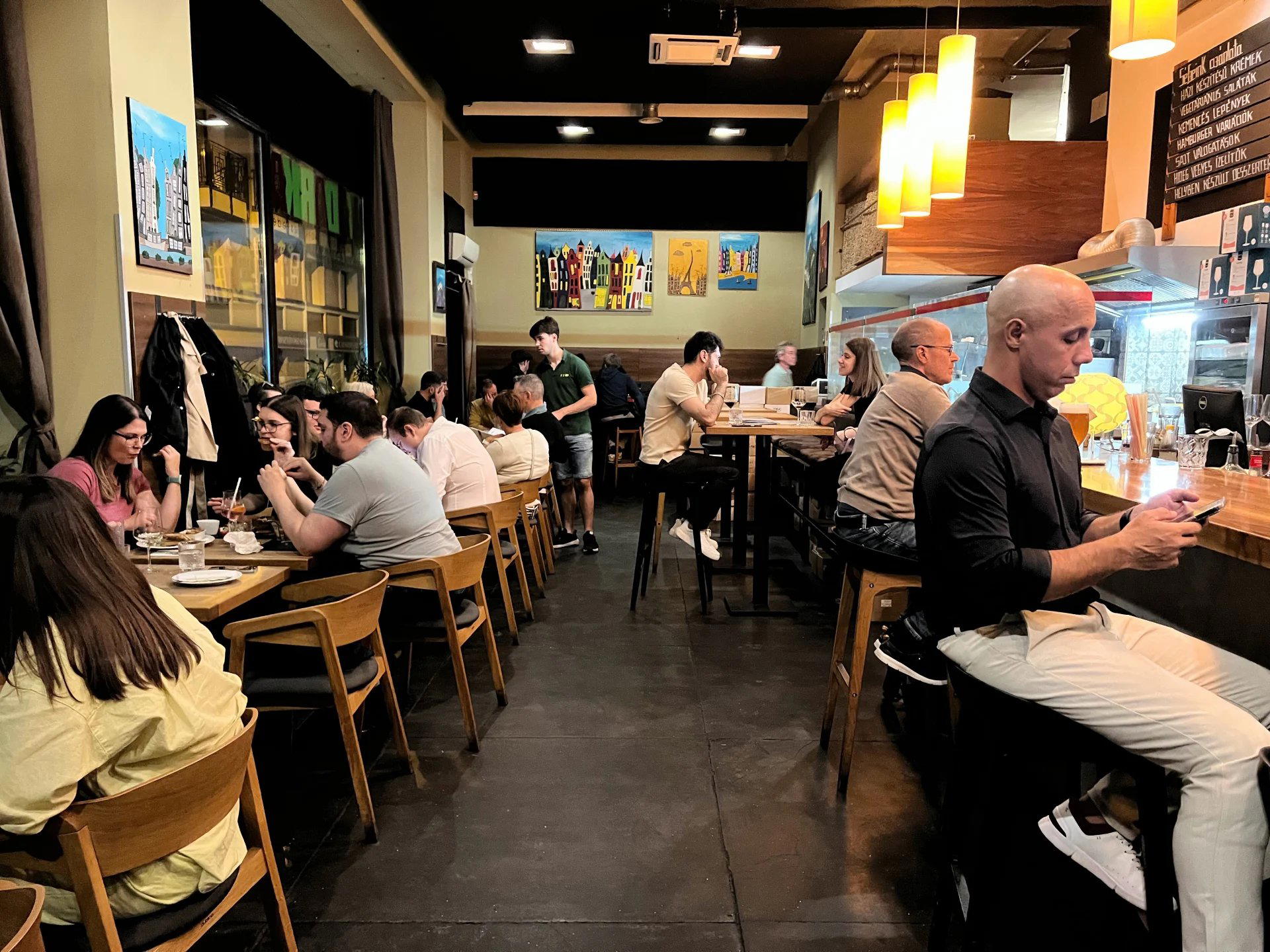
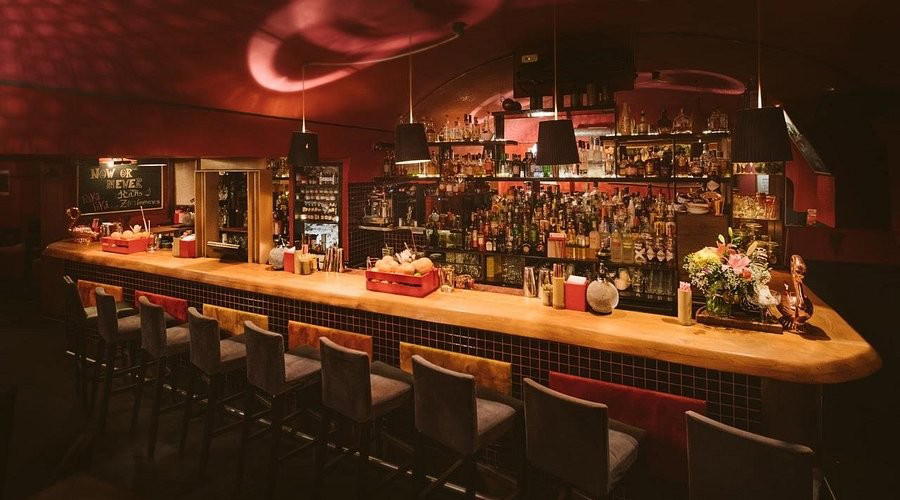
Restaurants in Budapest
Browse all →
At a Glance
- Trendy
- Modern
- Elegant
- Intimate
- Romantic Getaway
- Weekend Escape
- Business Trip
- Historic Building
- Terrace
- Wifi
- Sauna
- Fitness Center
- Room Service
- Concierge
- Bar
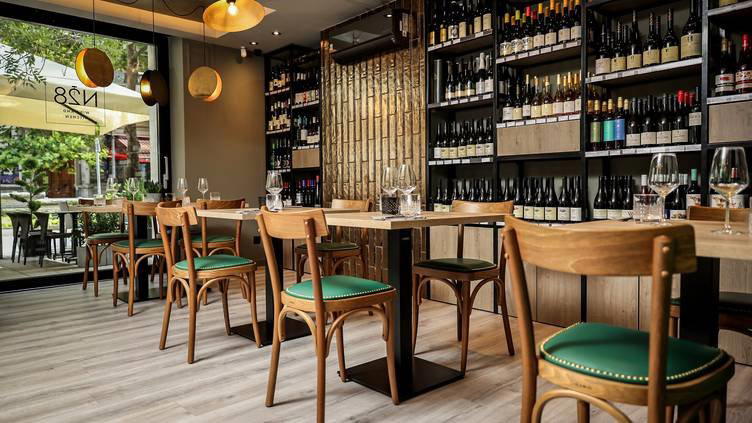
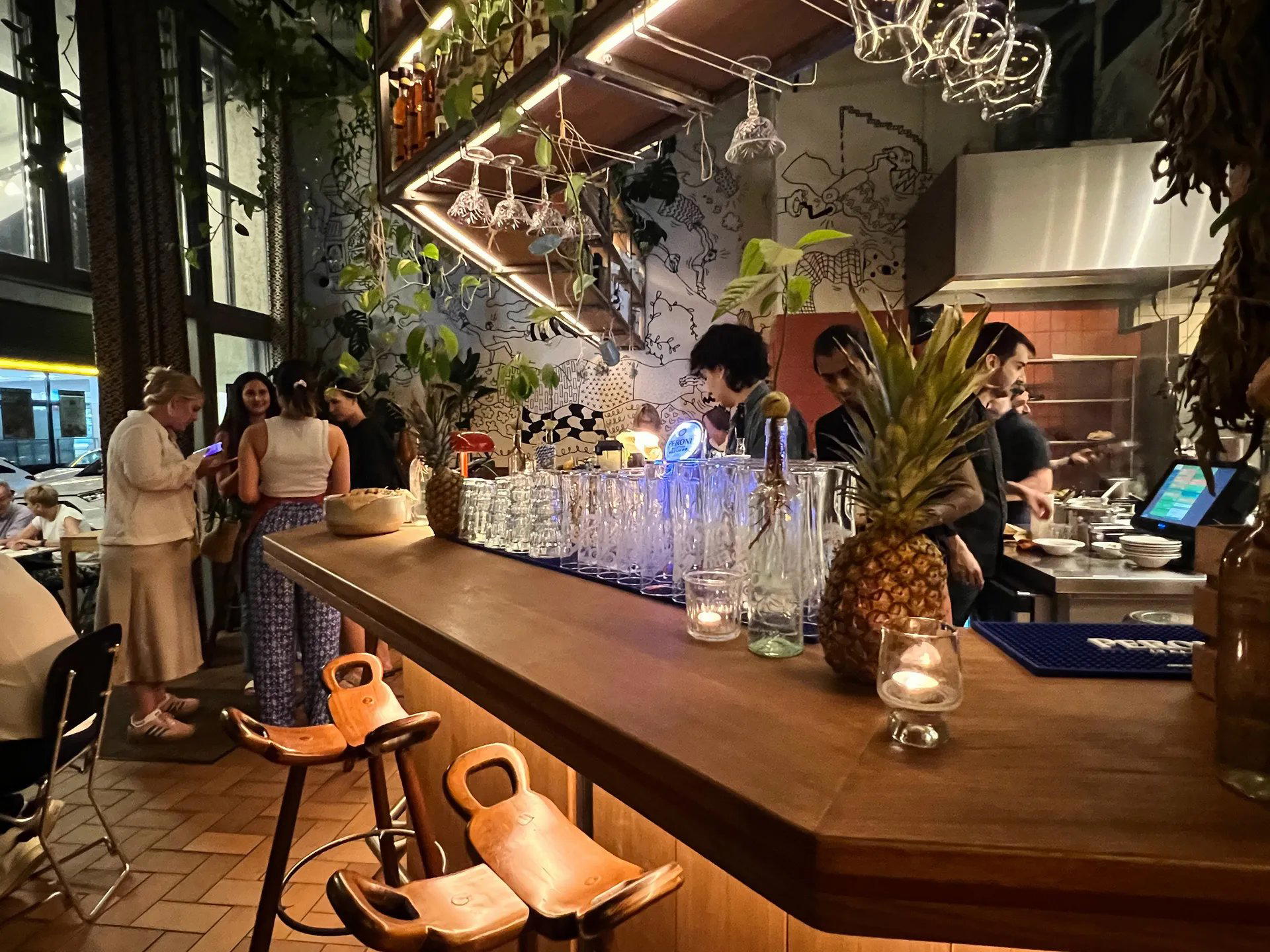
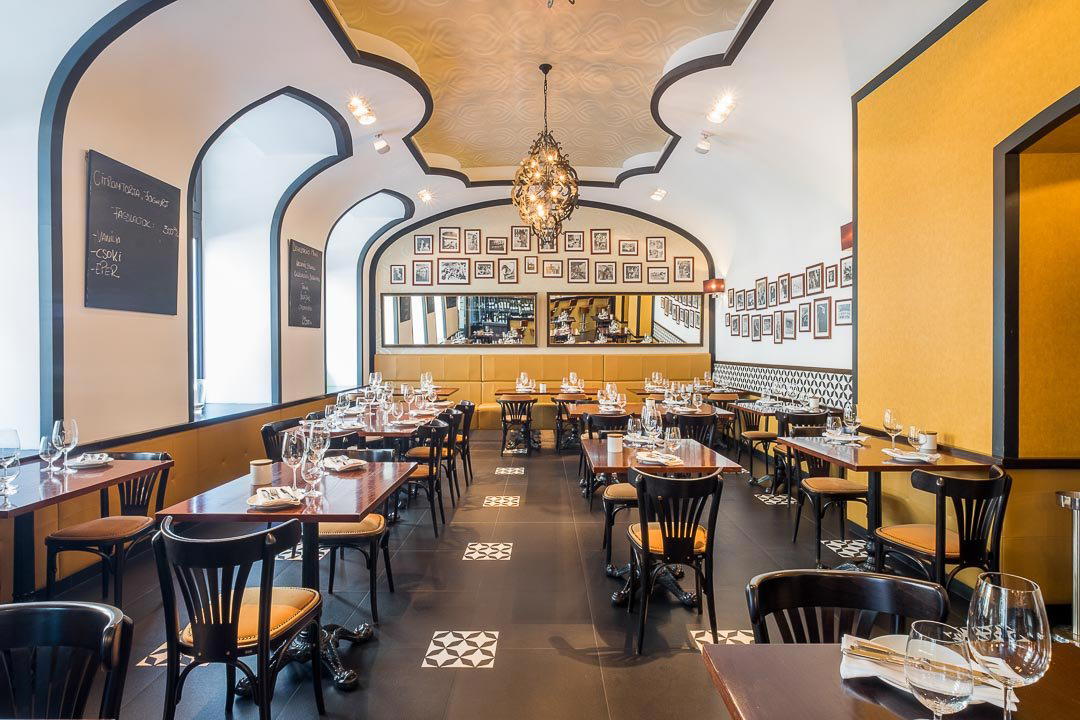
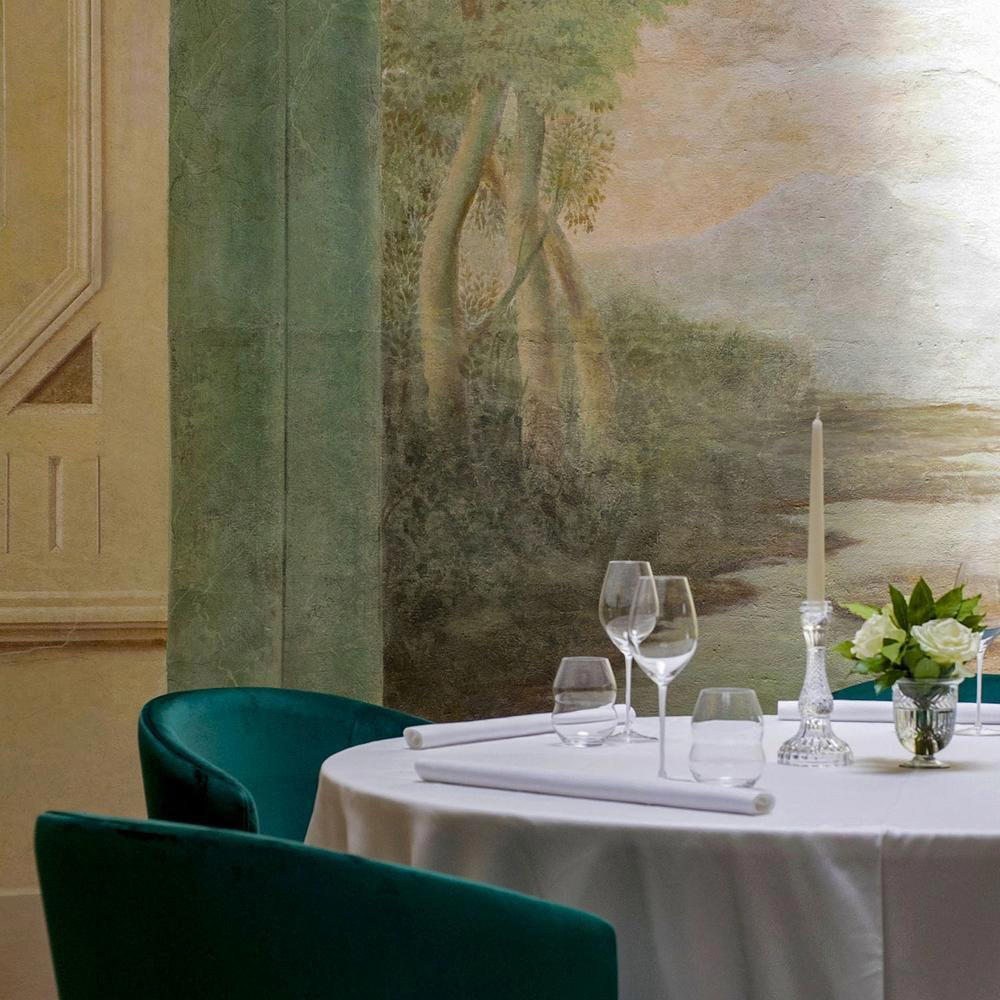
Relaxed modern chic with original art, exposed historic brick walls, and a quiet glass-covered ivy courtyard.