Set in the Neyphu Valley outside Paro, Bhutan Spirit Sanctuary is a Small Luxury Hotels of the World member that draws on Bhutanese architectural tradition and the country's Vajrayana Buddhist framework to shape an environment oriented around stillness rather than spectacle. For travellers arriving via Bhutan's tightly controlled tourism system, it occupies a distinct position in a small field of high-intent destination properties.
Pearl is the En Primeur Club membership app — saves, bookings, and concierge access live there. Same editors, same standards.
- Address
- Neyphu Valley, Shaba Paro BT 12001
- Phone
- +975 17 17 10 34
- Website
- bhutanspiritsanctuary.com
- Directions
- Get directions
 Saves & bookings on Pearl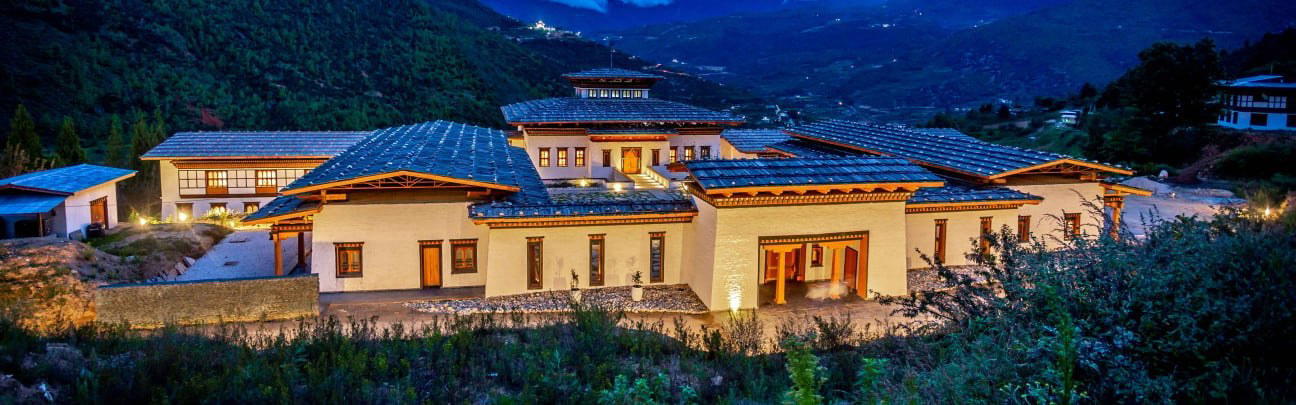
A Valley That Does Most of the Work
Bhutan Spirit Sanctuary is a 5-star hotel in Shaba, Paro, with 24 rooms and a nightly rate from USD 894. The approach to Bhutan Spirit Sanctuary along the Neyphu Valley sets expectations before any room is entered. Paro district carries the weight of Bhutan's architectural heritage, including the Rinpung Dzong fortress-monastery, the cliff-leading Taktshang monastery, and rice paddies threaded through glacial river channels, and properties positioned here operate inside a visual and cultural grammar that is largely non-negotiable. Stone, timber, painted woodwork, pitched rooflines, and the slow rhythm of Himalayan farmland define what the eye encounters. A property that works against this context invites friction; one that absorbs and extends it earns a different kind of attention. Bhutan Spirit Sanctuary belongs to the second category.
The Shaba area sits a short distance from Paro's central valley floor, removed enough from the town's modest commercial activity to maintain quiet, close enough to remain practical for the Paro Valley's primary sites. For travellers arriving via Paro International Airport, the journey to the property covers a landscape of farmhouses, prayer flags, river stones, and high ridgelines. That framing matters, because properties in Bhutan are not selling proximity to urban infrastructure; they are selling coherent immersion in a physical and cultural environment. The valley does most of the work; the architecture determines how well the property holds that context.
Bhutanese Architectural Grammar at Altitude
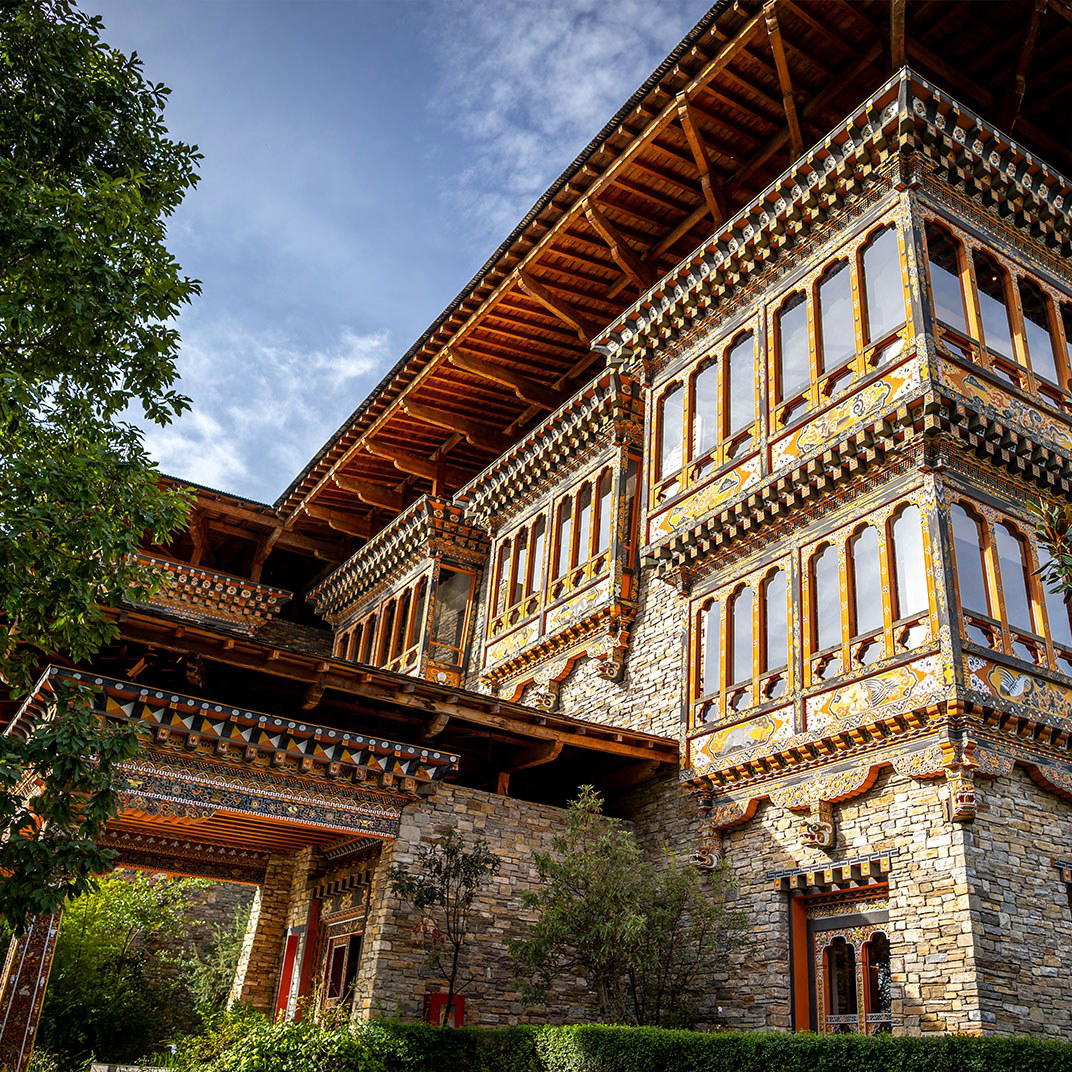
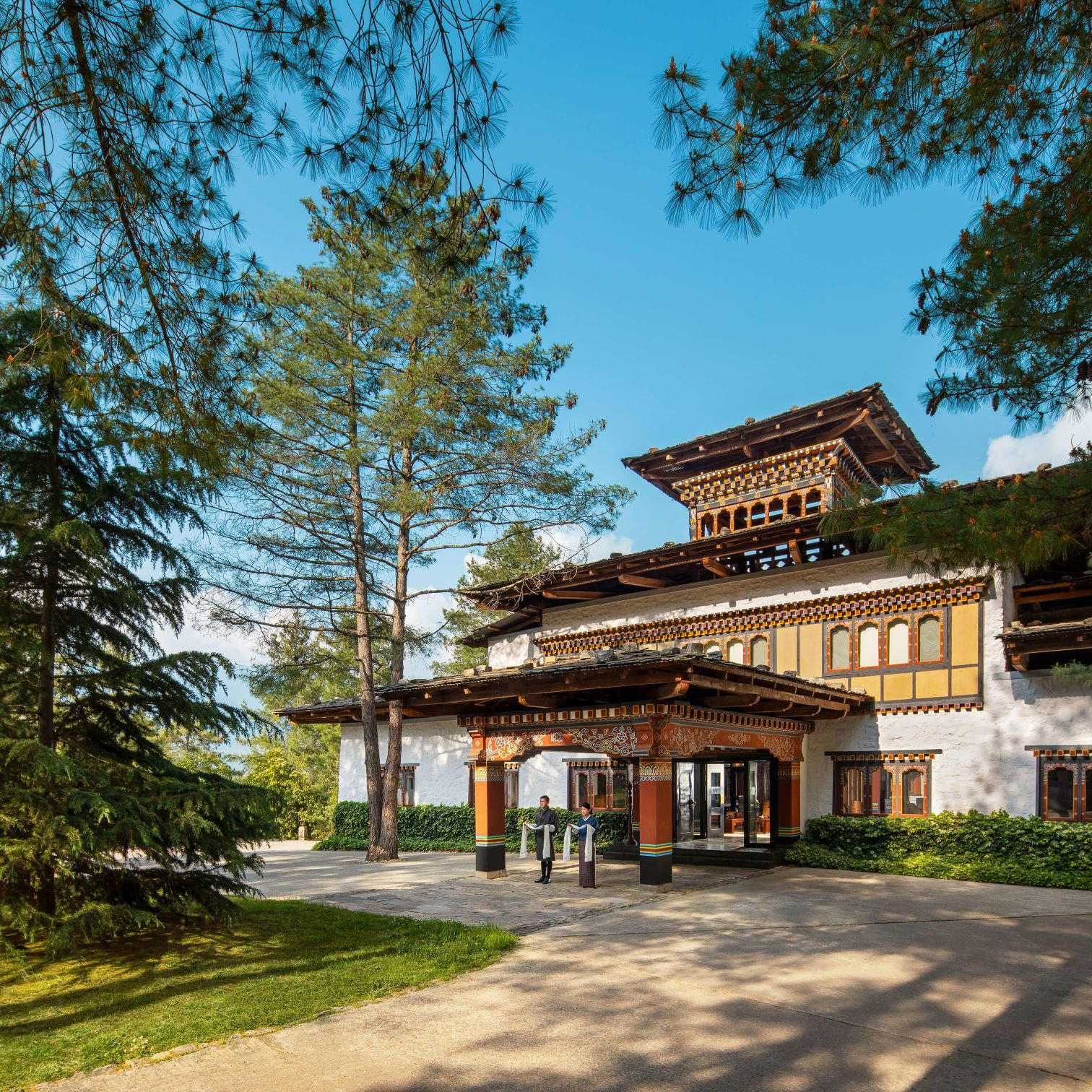
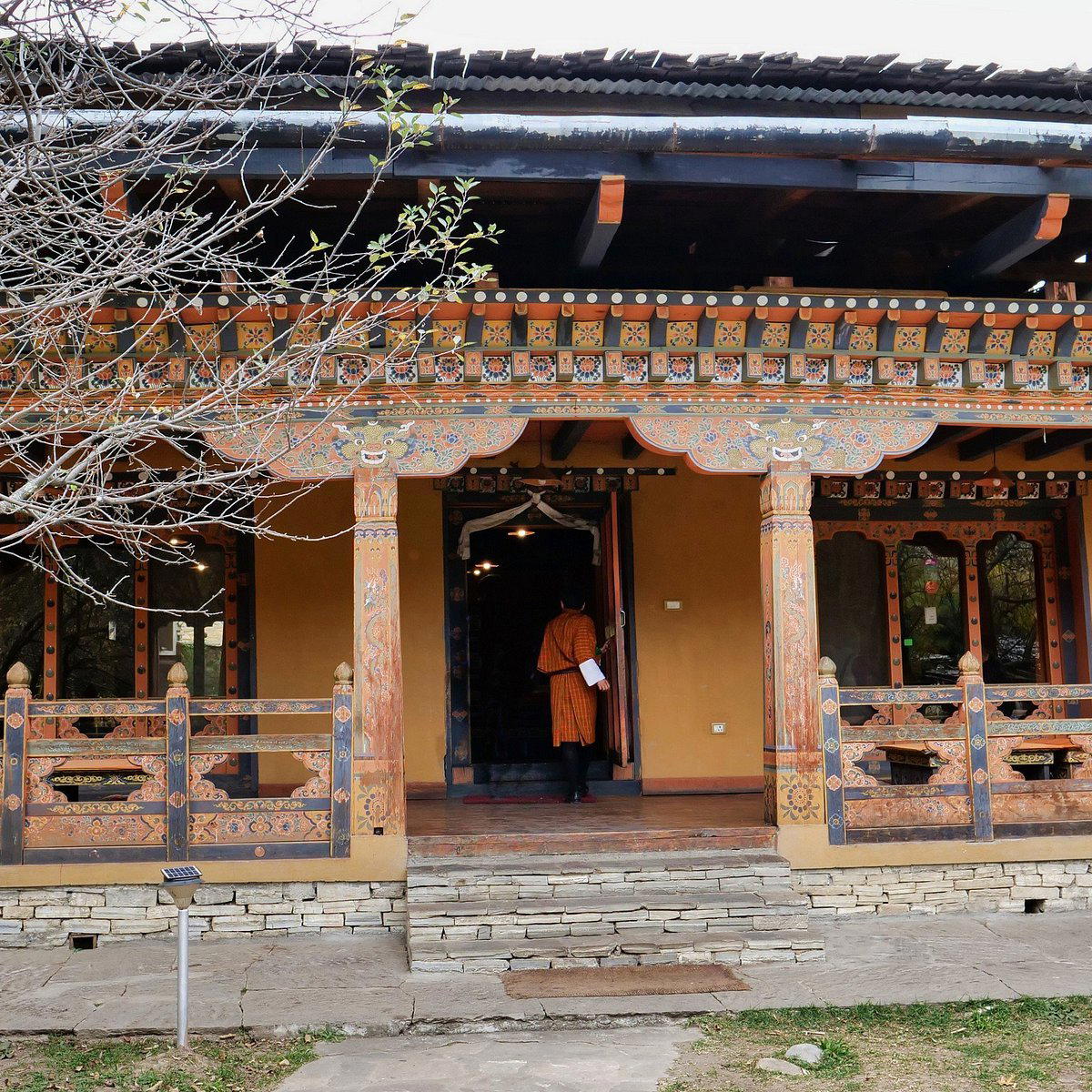
Bhutan's building tradition operates under formal state guidelines that restrict deviation from vernacular forms, particularly for significant structures in culturally sensitive areas. This is not a restriction that luxury properties in the country resent; for the segment that Bhutan Spirit Sanctuary occupies, it is a competitive asset. The material palette, local stone foundations, dark timber framing, hand-painted decorative panels, white-rendered walls, is broadly consistent across Bhutanese monastic and residential architecture, but the quality of execution, the proportions, and the relationship between built structures and open landscape vary considerably between properties.
What distinguishes the higher tier of Bhutan accommodation design is not stylistic deviation but spatial generosity and craft specificity. Wide verandas oriented toward mountain or valley views, room volumes that feel scaled for the altitude rather than compressed for capacity, and the integration of traditional Bhutanese furniture forms and textile work create an internal environment that reads as continuous with the landscape rather than imported into it. Properties that achieve this distinction tend to hold smaller room counts, since the spatial logic of Bhutanese vernacular architecture resists the density that larger inventory requires. The membership in Small Luxury Hotels of the World signals alignment with that low-volume, high-specificity tier.
Where Bhutan Spirit Sanctuary Sits in the Bhutan Accommodation Field
Bhutan's luxury accommodation market is narrow by design. The country's tourism policy has, for decades, operated on a high-value, low-impact model that restricts the number of visitors and sets a minimum daily spend for most international travellers. That structure has produced a small field of high-intent properties rather than a broad mid-market. Within this field, the dominant players by international profile include Amankora in Paro, which operates across multiple valley locations with a consistent minimalist language; Gangtey Lodge in Gangtey, positioned in the black-necked crane corridor of the Phobjikha Valley; Six Senses Bhutan in Thimphu, part of a multi-lodge circuit product; and andBeyond Punakha River Lodge in Punakha, which occupies a riverside position in the lower, warmer valley. Each occupies a distinct geographic niche.
The hotel's position in Shaba, within Paro district, places it in direct geographic competition with Amankora's Paro lodge, which carries significant brand equity and booking depth. The differentiating proposition here runs through the property's wellness and Vajrayana Buddhist orientation, a framework that shapes programming around contemplative practice rather than pure adventure itinerary, and that appeals to a subset of Bhutan travellers who arrive with specific spiritual or meditative intent rather than primarily trekking or sightseeing objectives. That is a narrower brief, but it is a coherent one, and it positions the property differently within the Paro market rather than simply as an alternative to the same brief.
Across the global portfolio of properties at a comparable intention-led positioning, where the physical environment is deliberately calibrated to support a contemplative or restorative guest state, the hotel sits alongside a small international cohort. Properties like Hotel Esencia in Tulum or Castello di Reschio in Lisciano Niccone occupy comparable niches in their respective contexts: environments where design, landscape, and programming work in a consistent register. The standard comparison set for peak-tier Bhutan, however, remains the properties above, not international reference points from other continents.
Planning the Stay
Bhutan requires international visitors to book through a licensed tour operator and to pay a Sustainable Development Fee per night, a policy that applies regardless of where a traveller stays, and that effectively sets a floor on the cost of any Bhutan visit. This means that accommodation cost should be read in the context of a total-trip structure rather than isolated against hotel rates in other markets. The Paro Valley is the standard arrival and departure point for international travellers, making Shaba a logical base for those wanting to minimise internal transfers, particularly for shorter visits structured around the Paro region's sites. The season matters: spring, centred on March to May, and autumn, from September through November, carry the clearest skies and particularly settled trekking and sightseeing conditions. Shoulder months can offer lower density at major sites. The property's Buddhist wellness focus means the stay is less suited to guests whose primary objective is high-altitude trekking with dense daily scheduling, and more appropriate for those building longer, quieter itineraries.
For comparison context across the broader field of Small Luxury Hotels of the World members operating at destination-resort scale in similarly remote settings, the comparable set includes properties like Amangiri in Canyon Point and One&Only; Mandarina in Riviera Nayarit, each selling landscape immersion and limited-footprint positioning as primary value. The full guide to properties across the region is available in our full Shaba restaurants and hotels guide.
A Quick Peer Check
Comparable venues nearby, for context on price, style, and recognition.
| Venue | Cuisine | Price | Awards | Notes |
|---|---|---|---|---|
| Bhutan Spirit SanctuaryThis venue — the venue you are viewing | Wellness-inclusive luxury resort inspired by traditional Bhutanese dzong architecture | $$$$ | 5-Star | Not listed |
| COMO Uma, Bhutan | Contemporary Bhutanese luxury resort blending local craftsmanship with modern minimalism | $$$$ | 5-Star | Paro Valley |
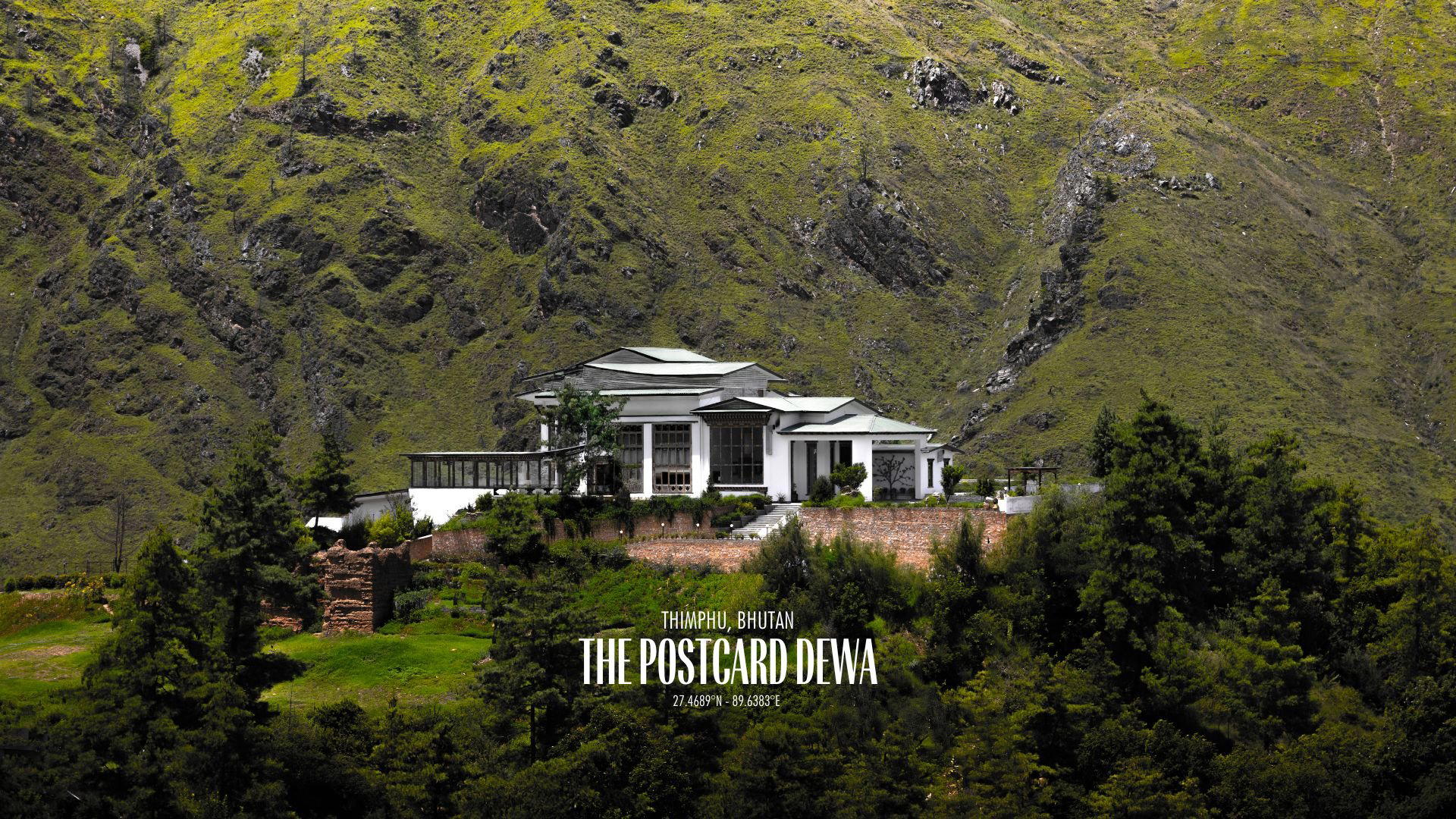
| The Postcard Dewa, Thimphu | Luxury boutique hotel with spacious rooms and private terraces overlooking dramatic mountain vistas. | $$$$ | 5-Star | Thimphu |
| COMO Uma Punakha | Intimate luxury lodge blending traditional Bhutanese design with contemporary comfort | $$$$ | 5-Star | Punakha Valley |
| Zhiwaling Heritage | Traditional Bhutanese architecture blended with modern luxury, featuring locally sourced stone and timber with hand-carved details inspired by dzong and monastery design. | $$$$ | 5-Star | Paro Valley |
| Gangtey Lodge | Traditional Bhutanese farmhouse blending rural architecture with luxury comforts | $$$$ | 5-Star | Gangtey Valley |
Recognition history
Dated appearances from independent guides and award organizations, with the underlying list record or original source where available.
Mr & Mrs Smith Smith Seal of Approval
Mr & Mrs Smith
Small Luxury Hotels of the World Member
Small Luxury Hotels of the World
At a Glance
- Quiet
- Scenic
- Elegant
- Intimate
- Sophisticated
- Minimalist
- Honeymoon
- Romantic Getaway
- Wellness Retreat
- Anniversary
- Panoramic View
- Destination Spa
- Wi Fi
- Pool
- Spa
- Fitness Center
- Room Service
- Concierge
- Laundry Service
- Mountain
- Garden
- Wi Fi
- Pool
- Spa
- Fitness Center
- Room Service
- Concierge
- Laundry Service
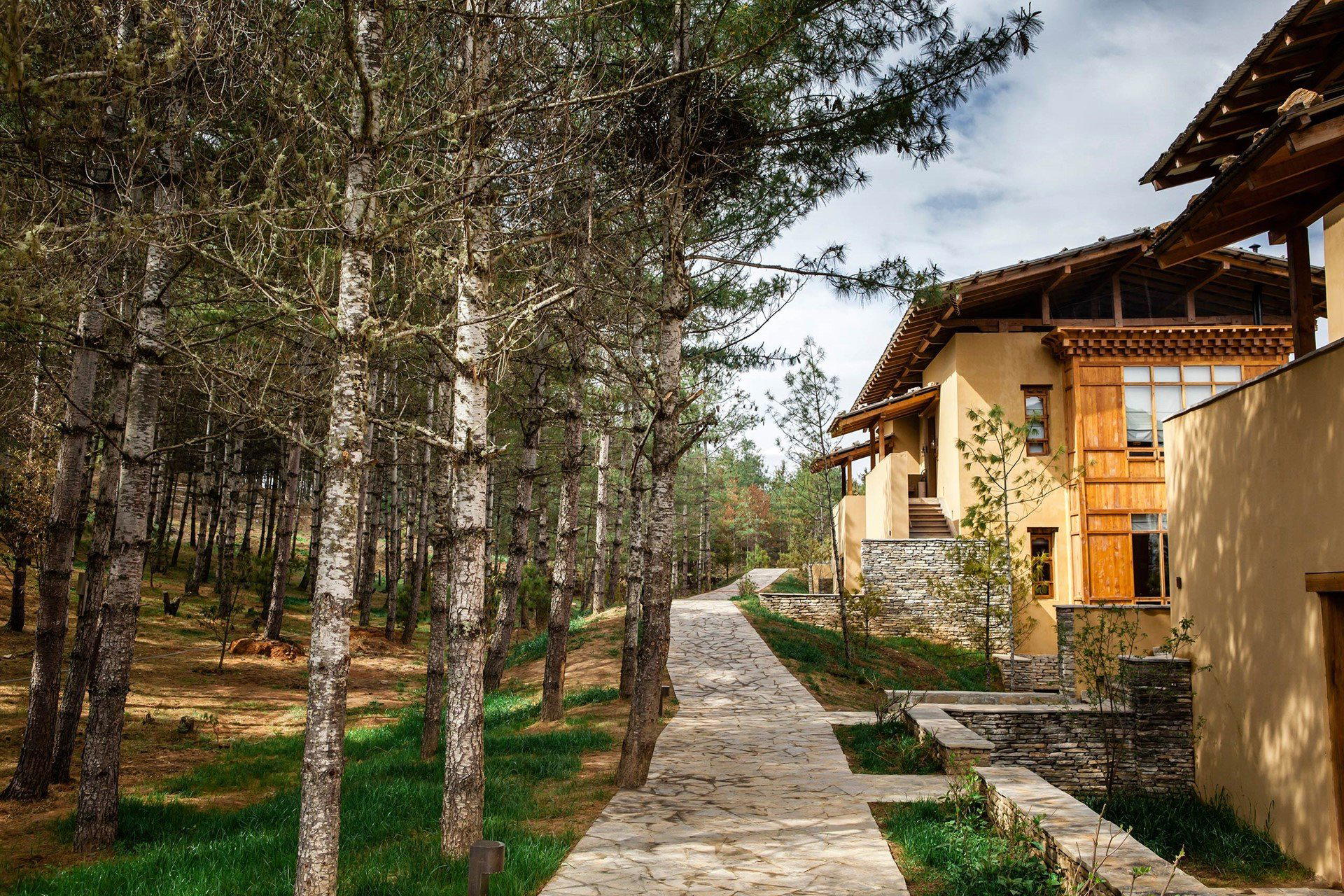
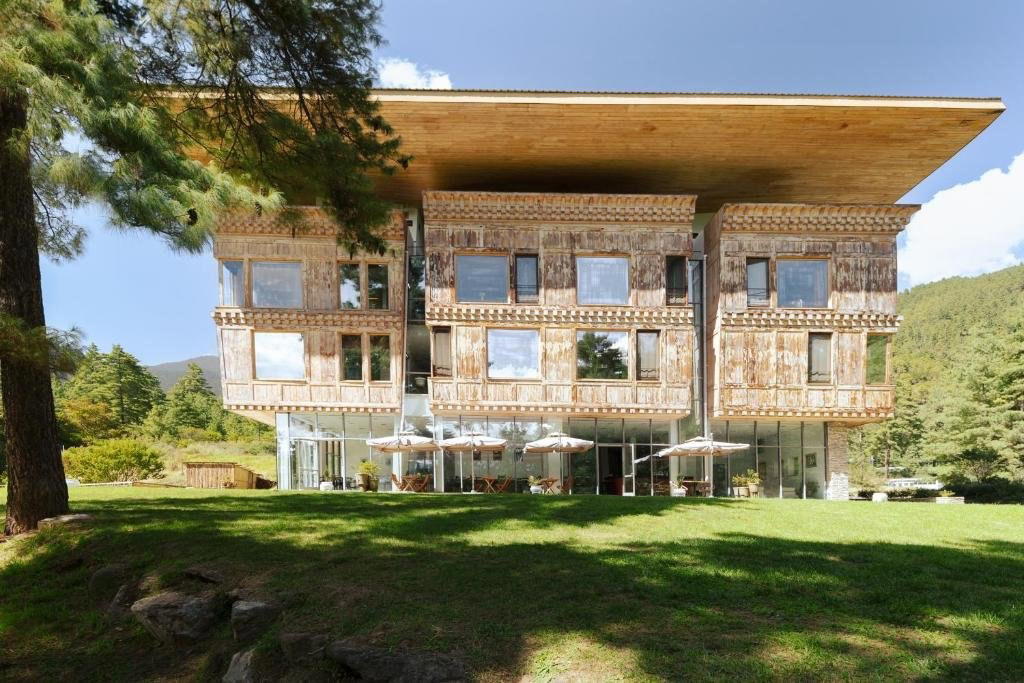
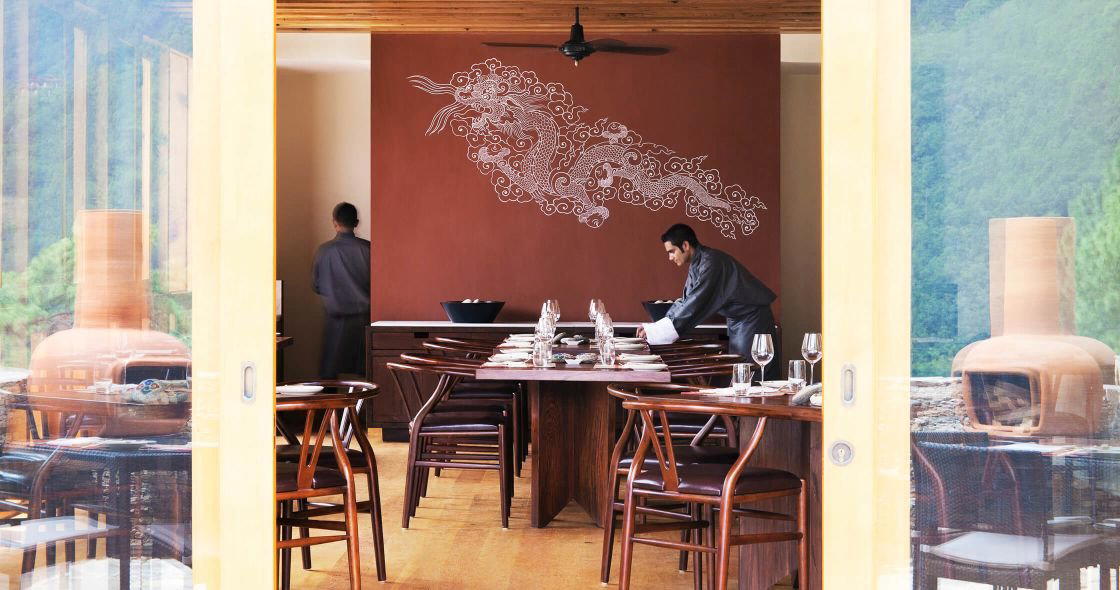
Serene and tranquil with minimalist design, natural light from floor-to-ceiling windows, and a peaceful atmosphere fostering relaxation and wellness.