
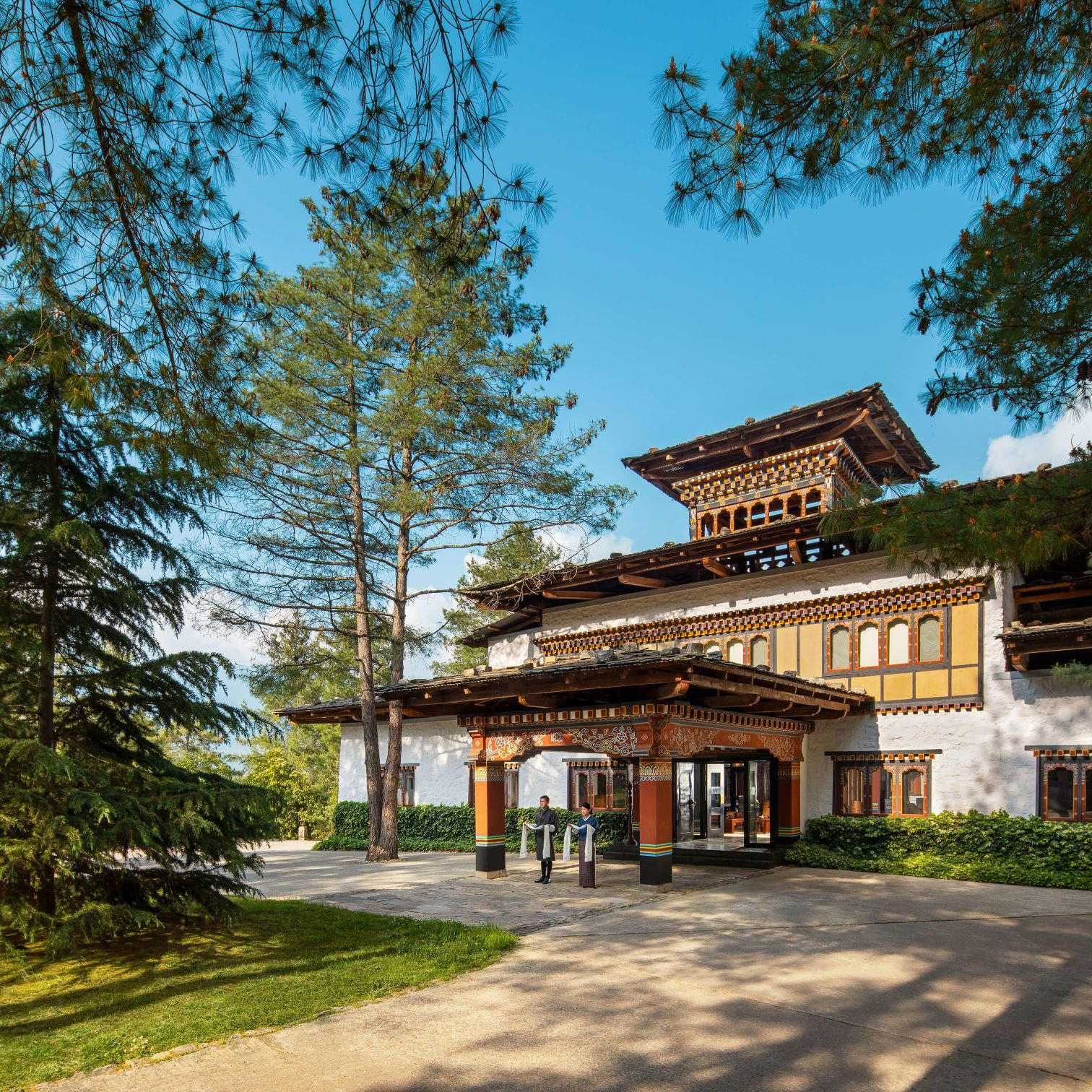
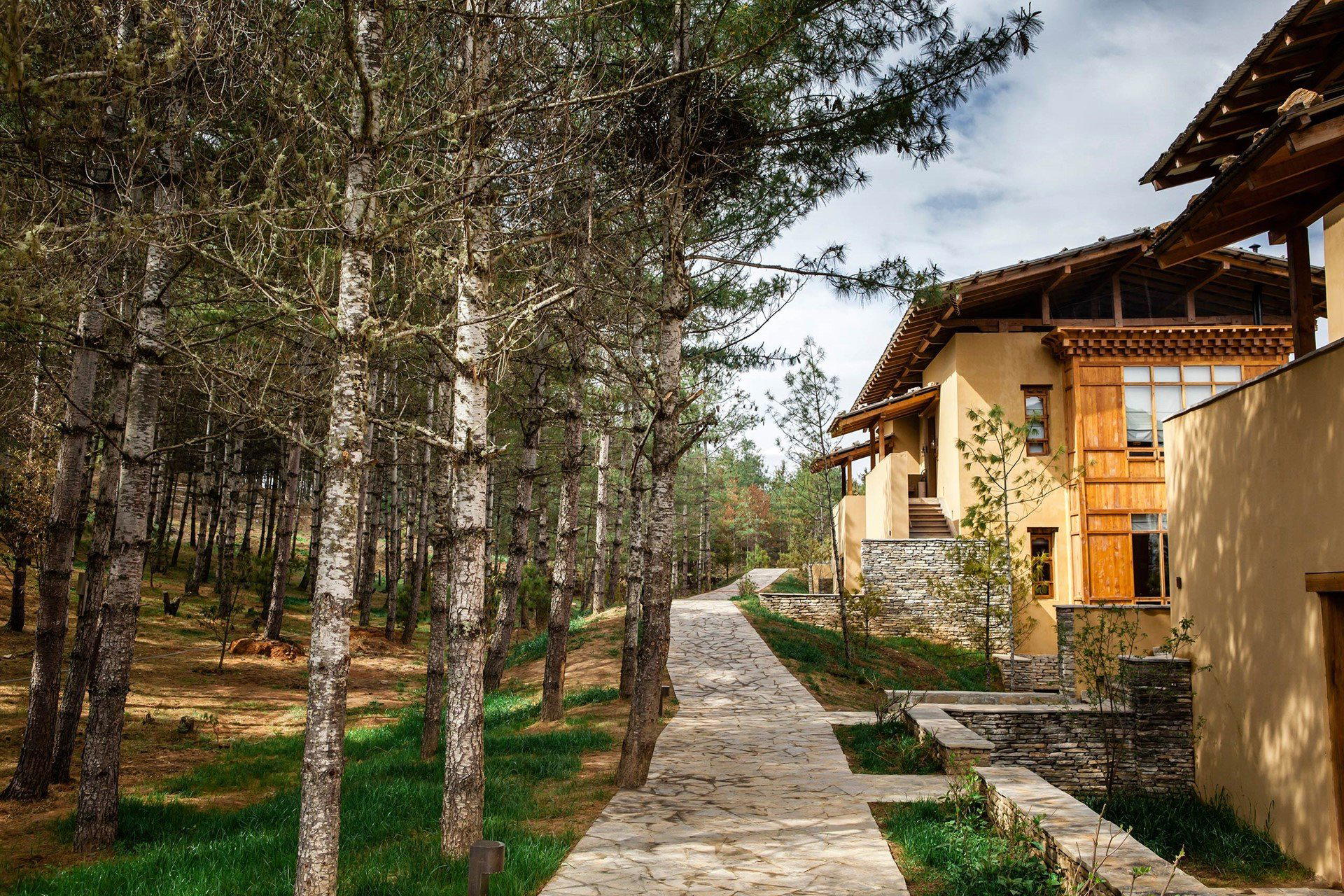
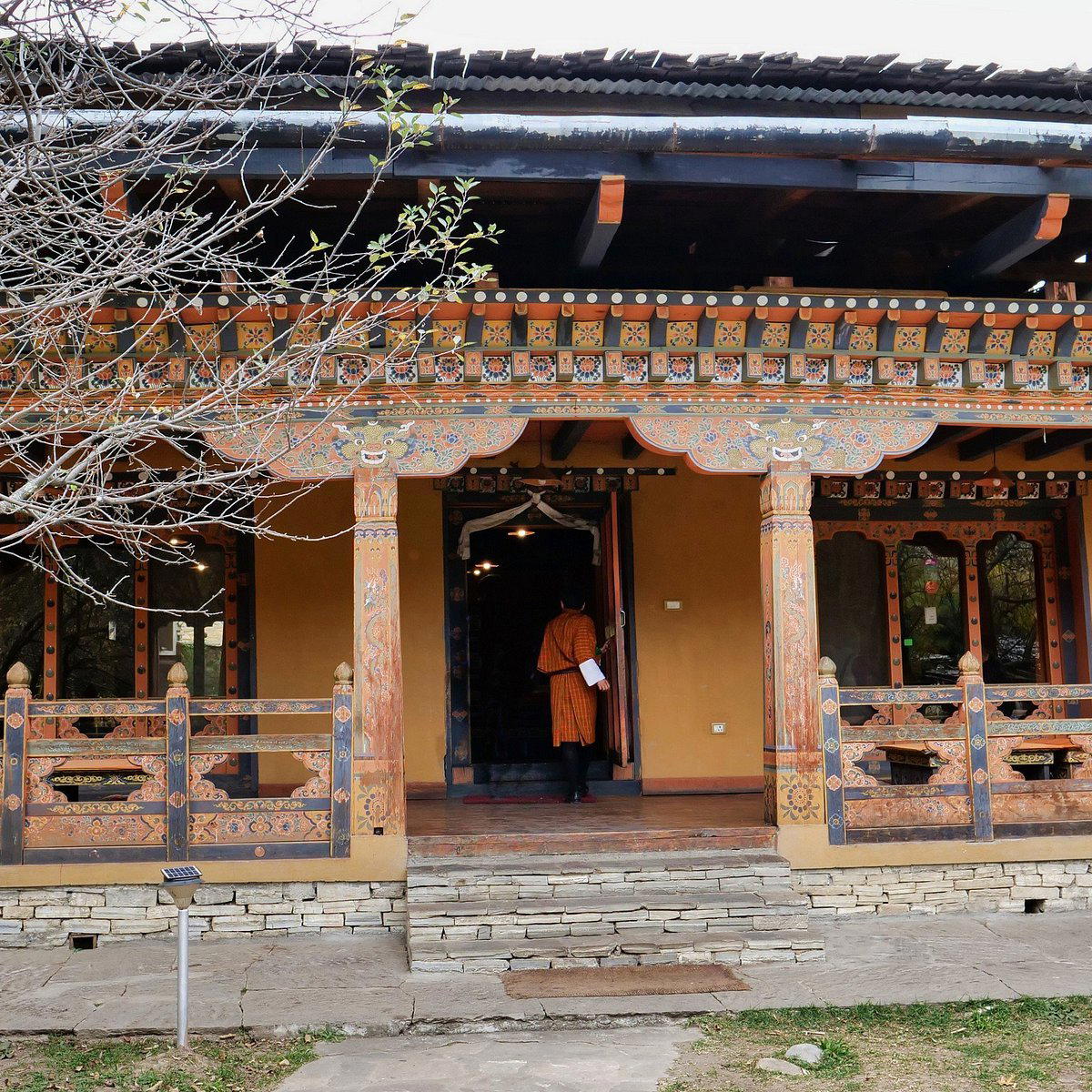
The Postcard Dewa sits in Thimphu's quieter northern fringe, at Khasadapchu, operating in the small-property boutique tier that has become Bhutan's most competitive hospitality segment. Named Bhutan's Leading Boutique Hotel at the 2025 World Travel Awards, it positions against a comparable set that values restraint and integration over scale. For Thimphu, that distinction matters considerably.
Pearl is the En Primeur Club membership app — saves, bookings, and concierge access live there. Same editors, same standards.
- Address
- Nyzerka, Khasadapchu, Bhutan
- Website
- postcardresorts.com
- Directions
- Get directions
 Saves & bookings on Pearl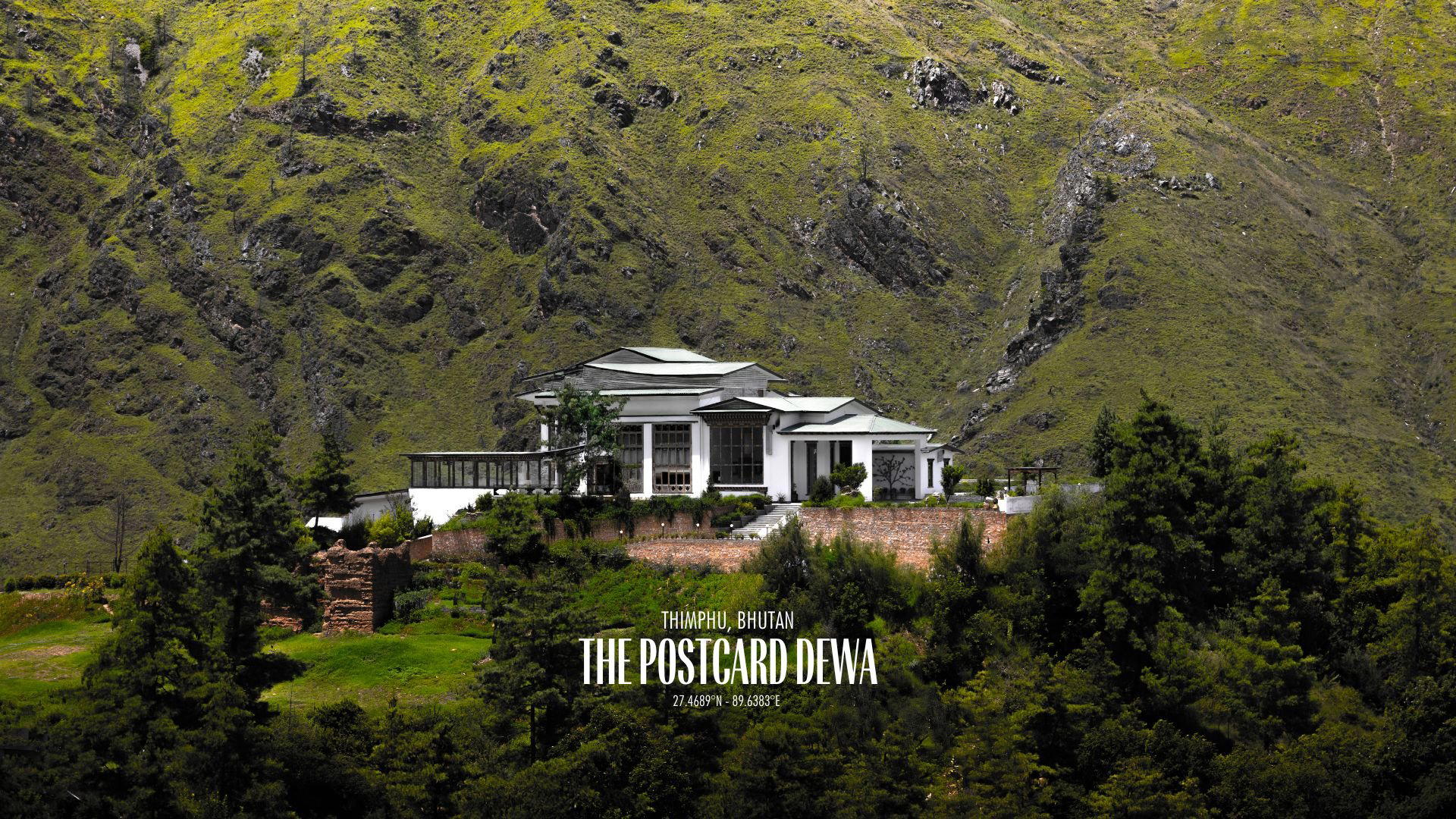
Where Thimphu's Boutique Tier Has Arrived
Bhutan's capital has always occupied an awkward position in luxury travel. Unlike Paro, which draws visitors for the Tiger's Nest and carries the weight of international arrivals, Thimphu is where the administrative, cultural, and commercial reality of the country converges. That tension between modernity and tradition has produced a hospitality market split between large aspirational properties and a smaller cohort of deliberately scaled-down houses. The Postcard Dewa, positioned at Khasadapchu on Thimphu's northern edge, belongs firmly to the latter. Its address at Nyzerka, Khasadapchu places it away from the congestion of the city centre, in a quieter zone where the capital's urban pressure eases and the surrounding terrain begins to assert itself. That locational choice is itself an editorial statement about what kind of stay the property intends to deliver.
The 2025 World Travel Awards named The Postcard Dewa as Bhutan's Leading Boutique Hotel. In Bhutan's tightly controlled tourism environment, winning a category-level award carries more weight than it might in a market with unrestricted supply. The comparable set here is not vast, but it includes serious competitors: Six Senses Bhutan operates across multiple lodges with a wellness infrastructure that few properties in the country can match, while Zhiwaling Ascent has staked out its own position in the Thimphu boutique conversation. Against that backdrop, the 2025 award is a meaningful signal of where The Postcard Dewa sits in the hierarchy.
The Bhutan Boutique Model and What It Demands
Small-footprint luxury in Bhutan operates under constraints that don't apply to most markets. The country's tourism policy has historically required visitors to book through licensed operators, and the Sustainable Development Fee structure means that the traveller arriving at any Bhutanese boutique hotel has already committed to a significant spend before reaching the property. The audience, by design, skews toward the kind of visitor who reads briefing documents before arrival, asks substantive questions about local culture, and expects a stay to teach them something. That self-selecting guest profile raises the editorial bar for every property in the country, including The Postcard Dewa.
Boutique properties in Bhutan tend to succeed or fail on the coherence of their programming rather than the scale of their facilities. A property like Gangtey Lodge in the Phobjikha Valley has built its reputation around a specific landscape and the crane migration that defines the valley's seasonal rhythm. andBeyond Punakha River Lodge operates with river access and rafting as a central pillar. Bhutan Spirit Sanctuary in Shaba frames itself around traditional healing practices. What each of these properties shares is a legible identity that extends beyond accommodation. The Postcard Dewa's positioning in Thimphu, a city rather than a remote valley, means it must work harder on cultural and culinary programming to deliver the depth that sophisticated visitors have been primed to expect.
The Dining Programme as Cultural Argument
In Bhutan's boutique hotel segment, the dining room is often one direct expression of a property's editorial point of view. Ema datshi, the cheese and chilli stew that functions as Bhutan's culinary anchor, appears on virtually every hotel menu in the country, but the quality and framing of that dish varies considerably. Properties that treat the kitchen as a genuine programme invest in local sourcing from the highland farms and organic valleys that supply the country's cleanest produce. The altitude of the Thimphu valley, at approximately 2,300 metres, creates growing conditions that produce distinctive red rice, buckwheat, and a range of seasonal vegetables that a serious kitchen can use to build a menu with genuine regional identity rather than a generic pan-Asian fallback.
For a boutique property operating in a capital city, the dining room also carries a different social weight than it would in a remote lodge. Thimphu has a local professional class, a diplomatic community, and a growing number of long-stay visitors who will use the hotel's restaurant repeatedly and will notice whether the programme evolves. That dynamic pushes the kitchen toward a degree of seasonality and variation that a remote lodge, serving guests for two or three nights, can sidestep. The properties that get this right in Thimphu position their food and beverage offering as the central reason to stay rather than a necessary amenity.
Placing the Postcard Dewa in Its Global Peer Context
The Postcard Hotels group, of which Dewa is part, has built its identity around small-footprint properties in locations where the setting carries the narrative. That model has a clear global lineage. Properties like Castello di Reschio in Lisciano Niccone and Hotel Esencia in Tulum operate in the same design-led, low-key register, where the absence of grand-hotel theatre is itself the pitch. At the other end of the spectrum, properties like Cheval Blanc Paris or Hotel Plaza Athénée in Paris represent the maximalist pole of luxury hospitality, where the architecture and the service infrastructure are the primary statement. The Postcard Dewa operates from the opposite premise: that a small property in a specific place, executed with discipline, can generate more meaningful recall than a large one with a famous address.
In Bhutan specifically, that argument has traction because the country's travel proposition is inherently about depth over scale. Visitors who have already committed to a Sustainable Development Fee are not looking for a resort experience they could replicate in the Maldives or Thailand. They are looking for a property that extends and deepens the encounter with the country. The Postcard Dewa's location in Thimphu is a considered choice that bets on the capital's cultural density as the primary asset. That is a different argument from the one made by, say, Amankora in Paro, which leans into landscape, or by Six Senses Bhutan, which deploys a multi-lodge itinerary format across several valleys.
Planning a Stay
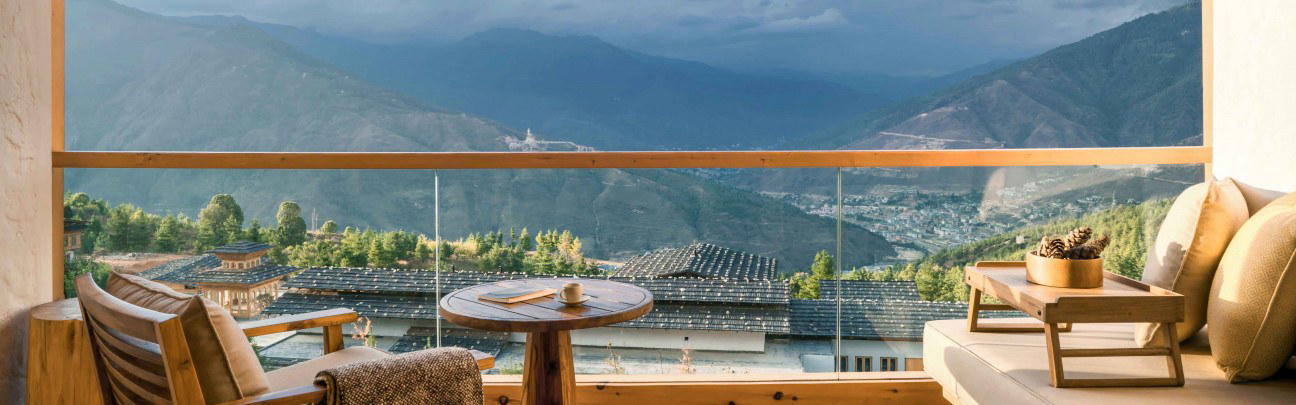
Logistics for any stay at The Postcard Dewa should be coordinated through a licensed Bhutanese tour operator. Visitors planning a Thimphu stay should factor in the city's altitude at around 2,300 metres. Khasadapchu, where the property sits, is north of the city centre, which means access to Thimphu's dzong, weekend market, and central cultural sites requires a short drive rather than a walk. For travellers building a multi-destination Bhutan itinerary, Thimphu works well as either a first stop for orientation or a final stop for consolidation, with the interior valleys of Punakha, Gangtey, or Paro carrying the landscape weight in between.
Budget and Context
Comparable venues nearby, for context on price, style, and recognition.
| Venue | Price | Awards | Notes |
|---|---|---|---|
| The Postcard Dewa, ThimphuThis venue — the venue you are viewing | $$$$ | 5-Star | Not listed |
| Zhiwaling Ascent | $$$$ | 4-Star | Upper Mothithang, Contemporary Bhutanese retreat inspired by Dzong architecture and traditional farmhouse design |
| Six Senses Bhutan | $$$$ | Michelin 1 Key | Thimphu, Rustic luxury palace in the sky on mountain hillside |
| Bhutan Spirit Sanctuary | $$$$ | 5-Star | Shaba, Wellness-inclusive luxury resort inspired by traditional Bhutanese dzong architecture |
| Six Senses Paro | $$$$ | 5-Star | Paro Valley, Bhutanese stone fortress-inspired luxury resort |
| Gangtey Lodge | $$$$ | 5-Star | Gangtey Valley, Traditional Bhutanese farmhouse blending rural architecture with luxury comforts |
Recognition history
Dated appearances from independent guides and award organizations, with the underlying list record or original source where available.
World Travel Awards
World Travel Awards
At a Glance
- Elegant
- Cozy
- Scenic
- Sophisticated
- Intimate
- Romantic Getaway
- Honeymoon
- Wellness Retreat
- Anniversary
- Panoramic View
- Terrace
- Private Dining
- Wi Fi
- Pool
- Spa
- Fitness Center
- Room Service
- Concierge
- Restaurant
- Bar
- Sauna
- Massage
- Bicycle Rental
- Garden
- Mountain
- Garden
- Wi Fi
- Pool
- Spa
- Fitness Center
- Room Service
- Concierge
- Restaurant
- Bar
- Sauna
- Massage
- Bicycle Rental
- Garden
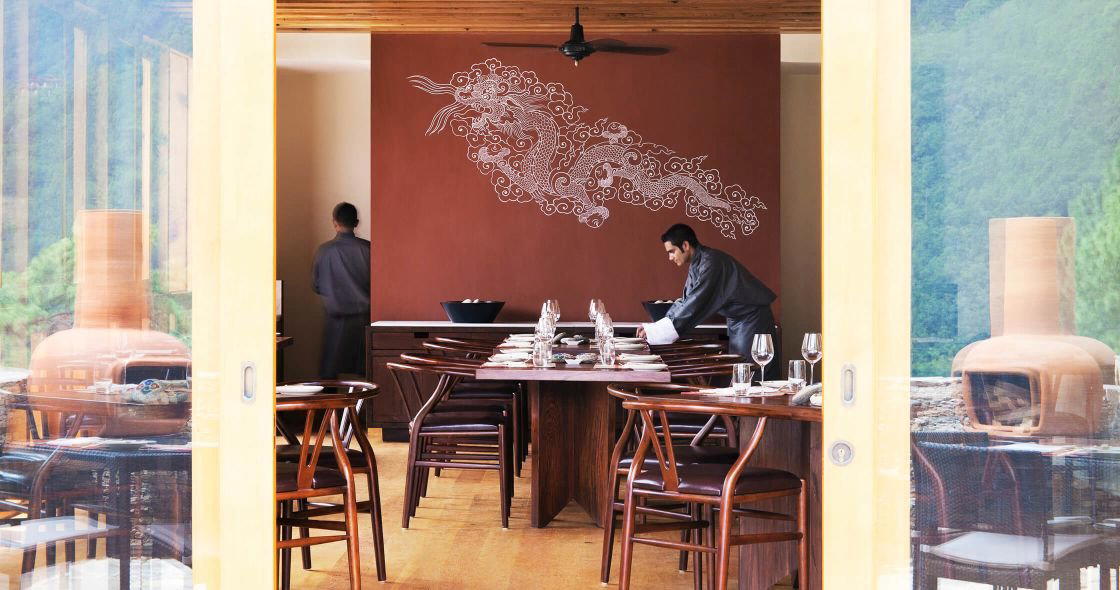
Cozy dining room with wood burning stove, elegant artwork, warm lighting, and mesmerizing mountain and river views creating a magical and hospitable atmosphere.