

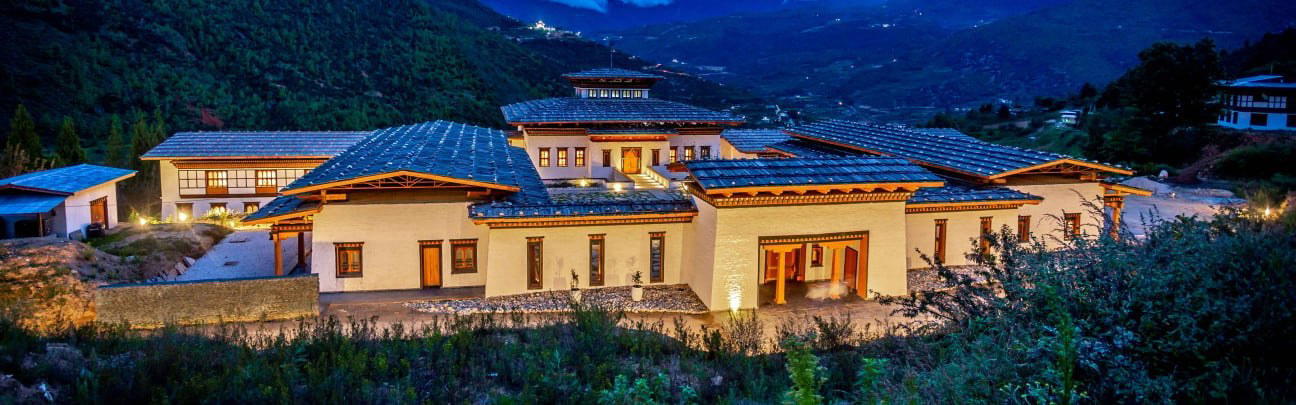
Six Senses Paro occupies stone structures older than the Kingdom of Bhutan itself, placing it among the more historically grounded luxury lodges in the Himalayas. Recognised by Star Wine List in 2026, the property sits within the Paro Valley and operates within the Six Senses network, which spans Thimphu and beyond. For travellers treating Bhutan as a multi-stop itinerary, it anchors the western end of the circuit.
Pearl is the En Primeur Club membership app — saves, bookings, and concierge access live there. Same editors, same standards.
- Address
- Chunimeding, Babesa
- Phone
- 975-2-350-773
- Website
- sixsenses.com
- Directions
- Get directions
 Saves & bookings on Pearl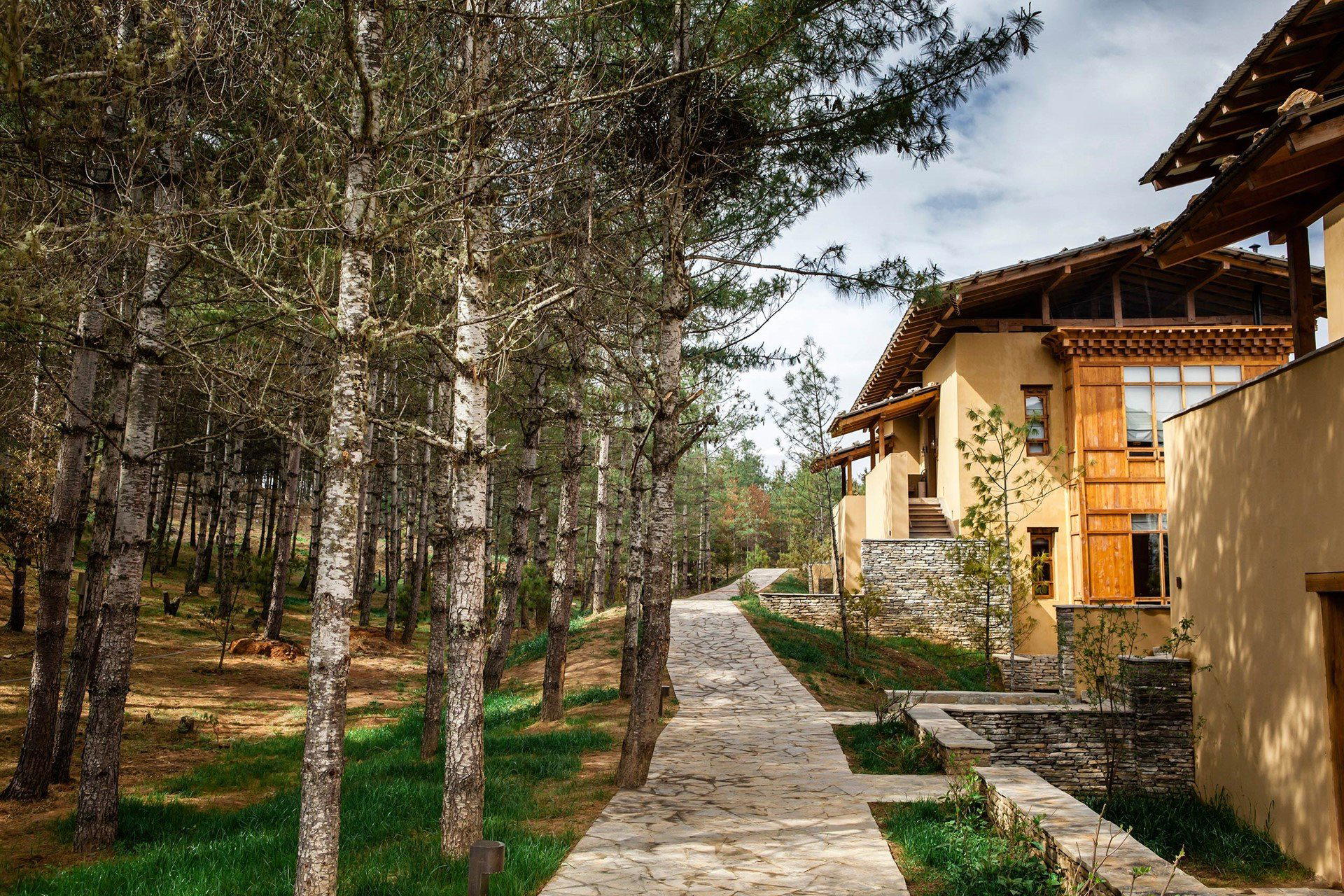
Stone Walls, Thin Air, and the Weight of Place
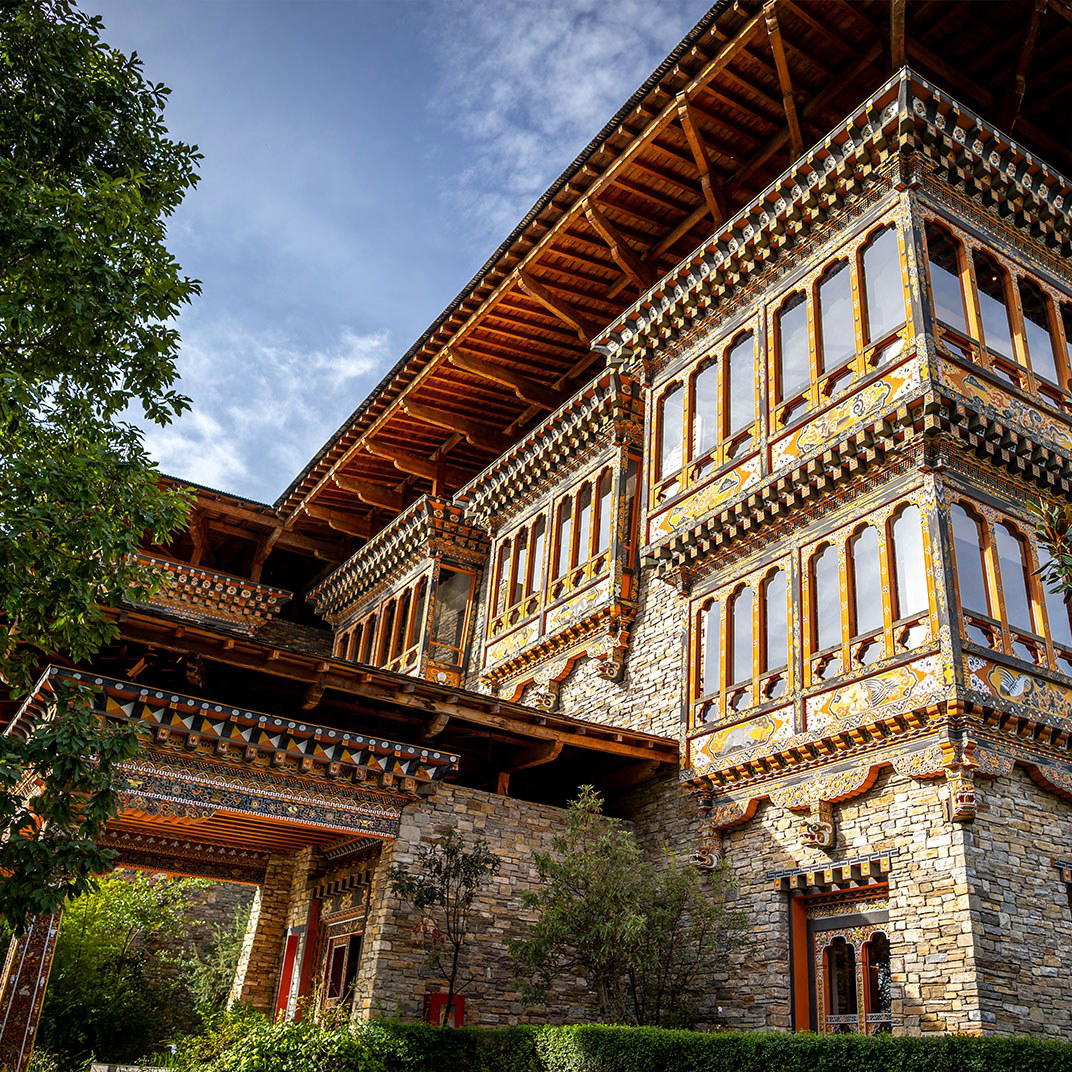
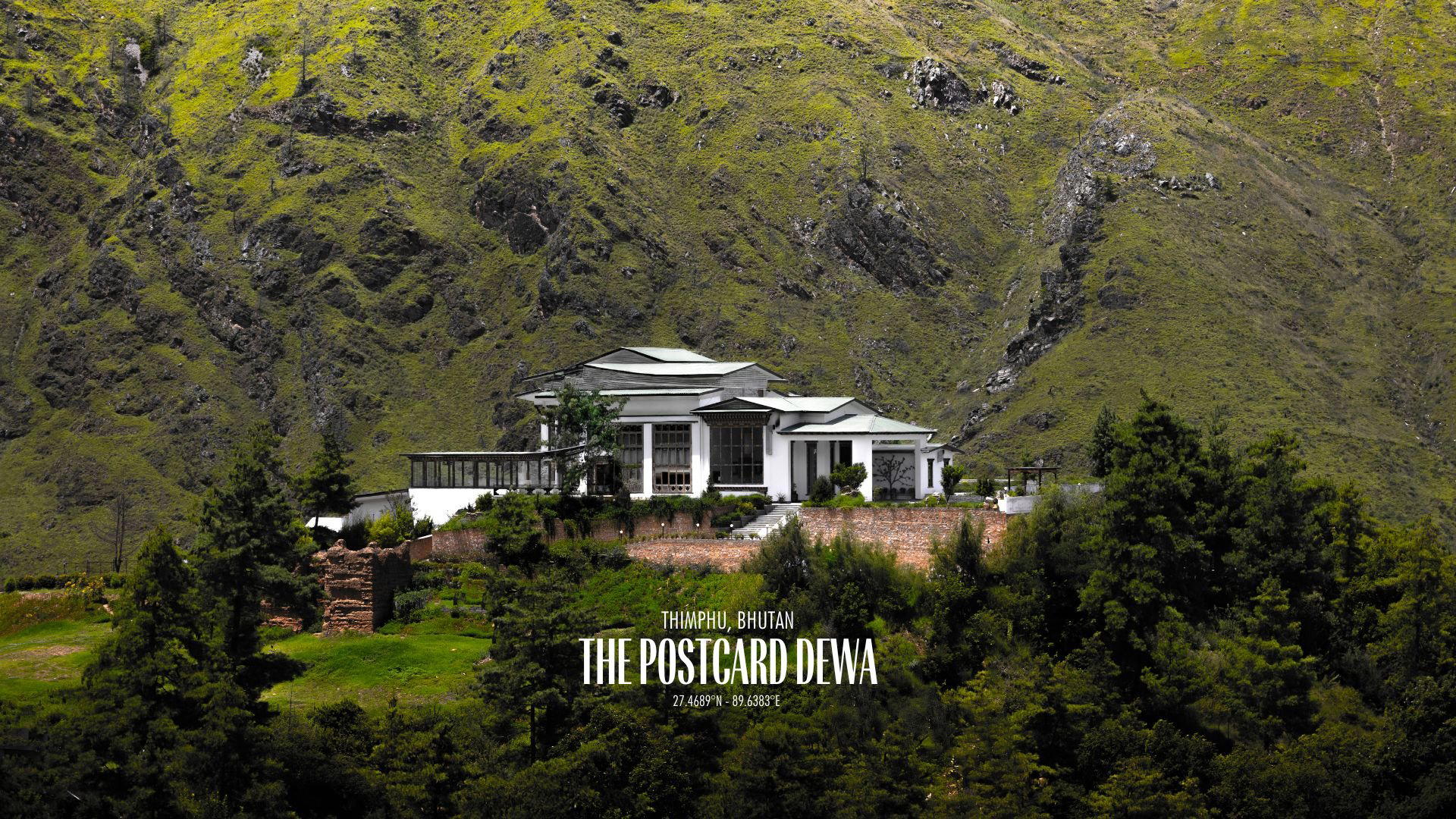
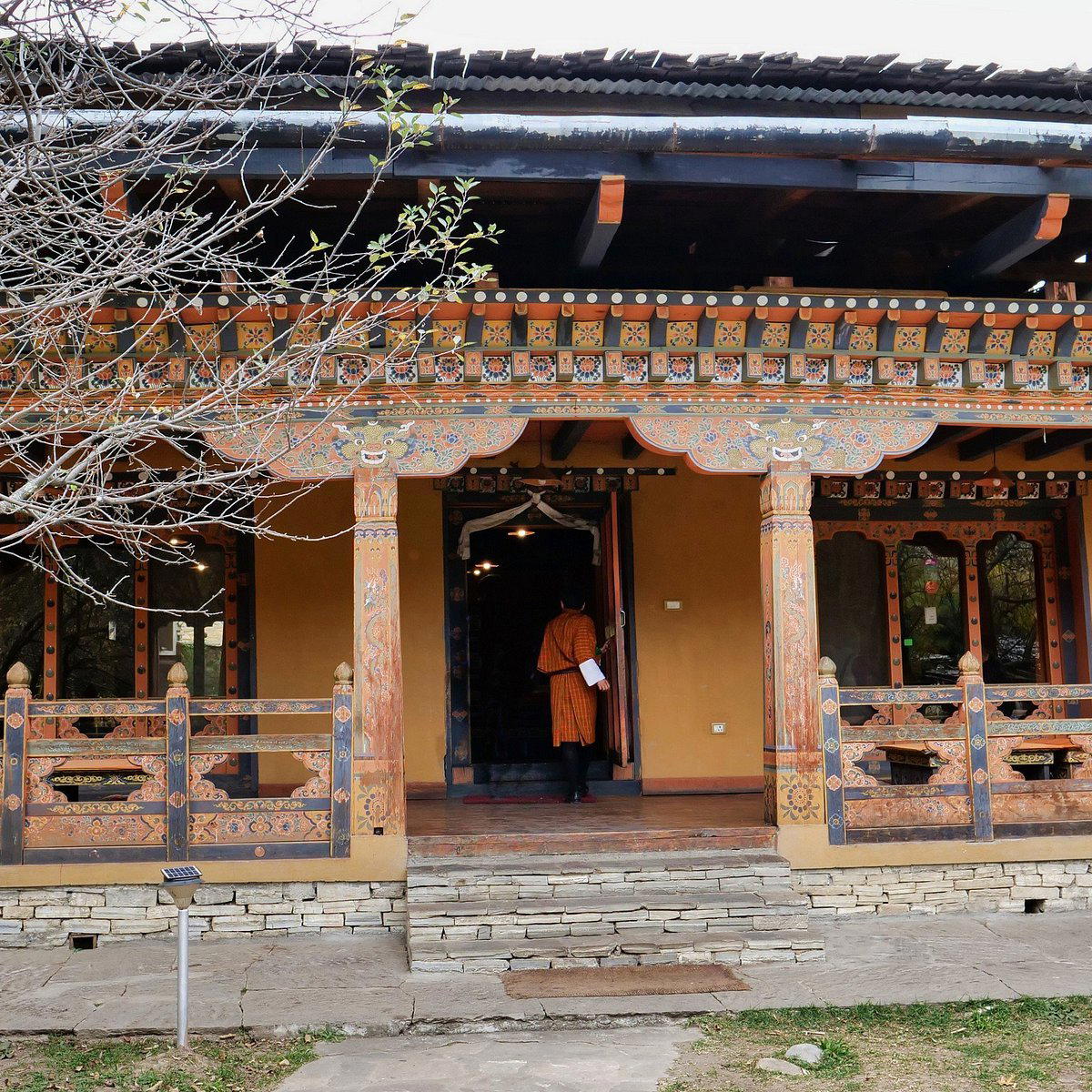
Arriving in the Paro Valley, the altitude announces itself before the landscape does. At roughly 2,200 metres, the air is crisp and the light falls differently here than it does at sea level, sharper in the mornings, amber and slow by late afternoon. The valley floor is wide by Himalayan standards, flanked by forested ridgelines that have defined the approach to Bhutan's primary international gateway for centuries. Six Senses Paro is a 5-star hotel in Chunimeding, Babesa, with 20 rooms. The structures here predate the Kingdom of Bhutan itself, which was formally unified in the 17th century, meaning the stone walls guests move through carry a history that runs deeper than the nation-state they travelled to reach.
That context matters because Bhutan's premium lodging market has developed, over the past two decades, around a central question: how much should a luxury property assert itself against a landscape already operating at this kind of cultural and physical scale? The answer varies across the valley. Amankora has long favoured restraint and architectural deference; COMO Uma, Bhutan leans into a more contemporary wellness framing. Six Senses Paro sits in a third position: a property where the existing built heritage is the design, rather than a backdrop to it.
Service as Orientation, Not Ceremony
Six Senses as a group has built its operational identity around what it calls place-specific programming, the idea that guest experience should be organised around where you are, not a standardised global template. In Bhutan, where tourism is tightly managed through a daily Sustainable Development Fee and where cultural access is mediated by licensed guides, this philosophy connects directly to the country's regulatory framework. Guests at Six Senses Paro are not simply staying at a hotel; they are entering a system of guided cultural engagement that the Bhutanese government has deliberately structured to keep visitor numbers low and impact high.
Within that system, anticipatory service takes on a different quality than it does at, say, Cheval Blanc Paris or Le Bristol Paris, where the art of anticipation is largely social and culinary. Here, the staff function partly as interpreters of place, people who can explain why a particular trail closes during a religious festival, or what the prayer flags strung across a river gorge signify in the local practice of Vajrayana Buddhism. One valued interaction at this kind of property is not the turndown service or the breakfast curation; it is the moment when a team member shifts your understanding of where you actually are.
This positions Six Senses Paro within a wider category of lodges that treat guest orientation as a core service function. andBeyond Punakha River Lodge, further east in the Punakha valley, operates on a similar premise. Gangtey Lodge, in the Black-Necked Crane wintering grounds of the Phobjikha Valley, has built its identity almost entirely around ecological interpretation. The distinction at Paro is historical depth: the ruins that form the property's physical foundation give staff a material anchor for conversations about Bhutan that goes beyond scenery or wildlife.
The Wine Programme in Context
The hotel received recognition from Star Wine List in 2026, a credential that carries specific weight when you consider the logistics of curating a serious cellar at altitude in a landlocked Himalayan kingdom. Bhutan does not produce wine commercially at any meaningful scale, which means every bottle on a property's list has travelled a considerable distance, through Phuentsholing on the Indian border, or through Paro's international airport, which handles limited cargo volume. Properties that earn Star Wine List recognition in this kind of geography are doing something genuinely deliberate with their programmes, rather than relying on proximity to a producing region or established import infrastructure.
For guests accustomed to the wine depth at Hotel Du Cap-Eden-Roc or the cellar access at Badrutt's Palace Hotel in St. Moritz, the list here will read differently, not as a deep European cellar, but as a considered selection operating under real constraints. That distinction is worth understanding before arrival, not as a limitation, but as part of the property's honest relationship with its geography.
Placing Paro in the Bhutan Circuit
Most travellers to Bhutan structure their itinerary around a western-to-central arc: Paro as entry and exit, Thimphu as the administrative and cultural centre, and one or two valleys further east depending on time. Six Senses Bhutan in Thimphu and Bhutan Spirit Sanctuary in Shaba represent different points on that circuit, each calibrated to a specific valley and its character. Paro's particular advantage is proximity to the Tiger's Nest Monastery, Taktsang, which remains the single most requested excursion in the country. The trail ascends roughly 900 metres from the valley floor and takes between three and five hours return, depending on pace and acclimatisation.
Arriving through Paro International Airport, guests can move directly to the property without the longer transfers that other valley lodges require. For first-time visitors to Bhutan, this matters: acclimatisation is real at this altitude, and minimising early travel logistics allows the body to adjust before the programme begins in earnest.
The Competitive comparable set
Among Paro's premium lodging options, Six Senses sits in a distinct position relative to Amankora and COMO Uma, Bhutan. Amankora operates as a multi-lodge network across several valleys under one booking, favouring minimalist architecture and a quiet, movement-based itinerary. COMO Uma emphasises wellness and a more contemporary aesthetic. Six Senses brings a third lens: the physical ruins, the group's wellness infrastructure, and the 2026 Star Wine List recognition together suggest a property that is trying to hold historical weight and modern service programming in the same frame. Whether that synthesis holds at a personal level depends heavily on what the guest is looking for in Bhutan, solitude, cultural immersion, or physical challenge.
For travellers who have previously experienced Six Senses properties in other parts of the world, the Paro location is worth comparing to the network's approach at its most ambitious sites globally. The group's Thailand and Sri Lanka properties operate in environments where luxury and nature coexist at lower friction; Bhutan introduces a layer of regulatory, geographic, and cultural complexity that tests the group's adaptability. The early evidence, including the wine programme recognition, suggests the adaptation is being taken seriously.
Cuisine Lens
Comparable venues nearby, for context on price, style, and recognition.
| Venue | Cuisine | Price | Awards | Notes |
|---|---|---|---|---|
| Six Senses ParoThis venue — the venue you are viewing | Bhutanese stone fortress-inspired luxury resort | $$$$ | 5-Star | Not listed |
| Zhiwaling Heritage | Traditional Bhutanese architecture blended with modern luxury, featuring locally sourced stone and timber with hand-carved details inspired by dzong and monastery design. | $$$$ | 5-Star | Paro Valley |
| COMO Uma, Bhutan | Contemporary Bhutanese luxury resort blending local craftsmanship with modern minimalism | $$$$ | 5-Star | Paro Valley |
| Amankora | Minimalist Bhutanese lodge set in pine forests with panoramic mountain views. | $$$$ | Michelin 2 Key | Paro |
| COMO Uma Punakha | Intimate luxury lodge blending traditional Bhutanese design with contemporary comfort | $$$$ | 5-Star | Punakha Valley |
| andBeyond Punakha River Lodge | Luxury adventure lodge blending traditional Bhutanese architecture with contemporary design, featuring suspended safari-style tents and private villas positioned for maximum privacy and natural immersion. | $$$$ | 5-Star | Punakha Valley |
Recognition history
Dated appearances from independent guides and award organizations, with the underlying list record or original source where available.
Forbes 4-Star
Forbes
Star Wine List
Star Wine List
At a Glance
- Quiet
- Scenic
- Elegant
- Sophisticated
- Cozy
- Honeymoon
- Romantic Getaway
- Wellness Retreat
- Family Vacation
- Panoramic View
- Private Villa
- Destination Spa
- Spa
- Pool
- Indoor Pool
- Fitness Center
- Sauna
- Concierge
- Room Service
- Restaurant
- Mountain
- Garden
- Spa
- Pool
- Indoor Pool
- Fitness Center
- Sauna
- Concierge
- Room Service
- Restaurant
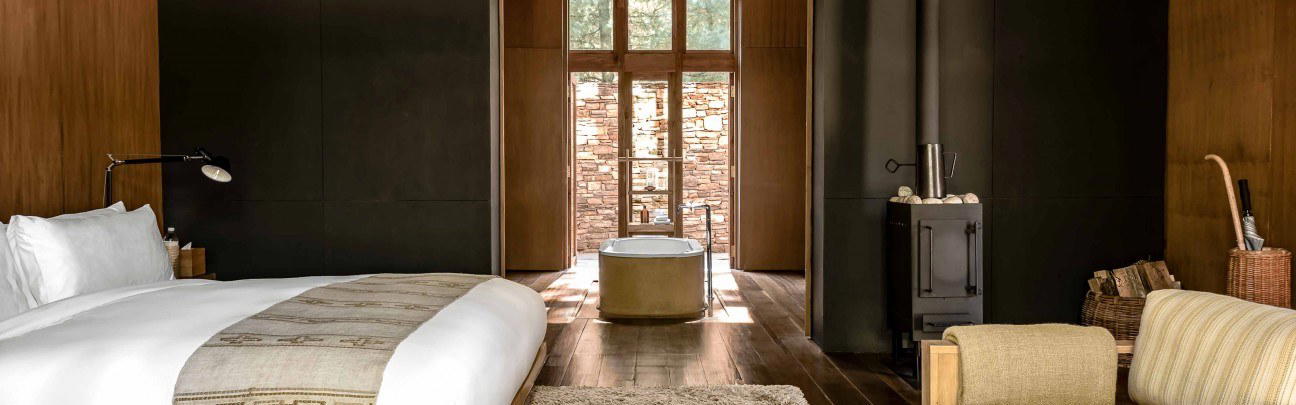
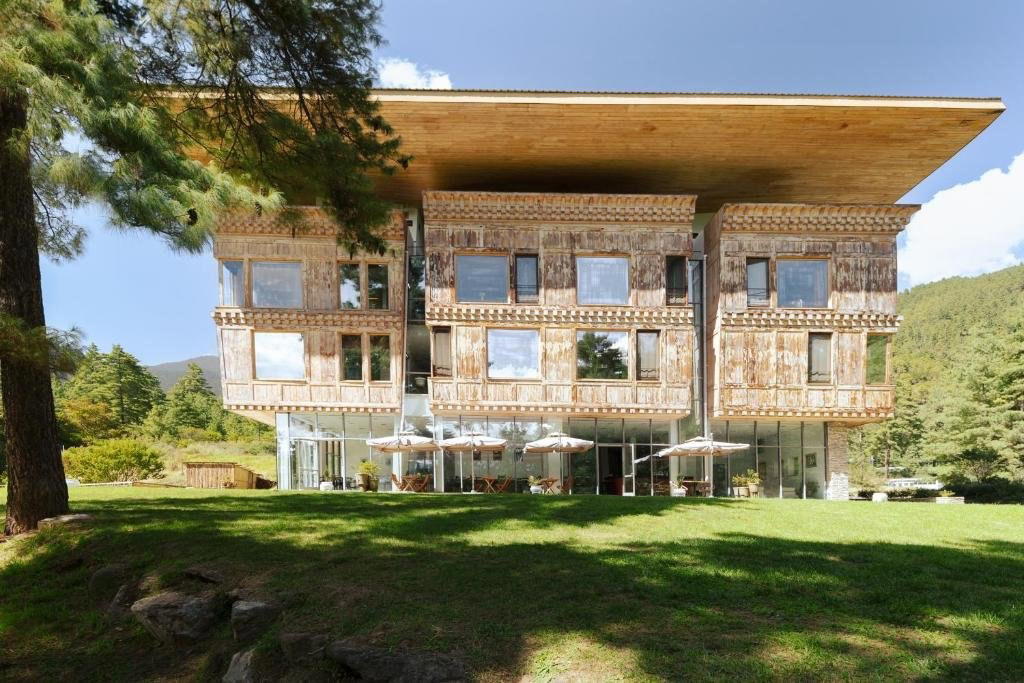
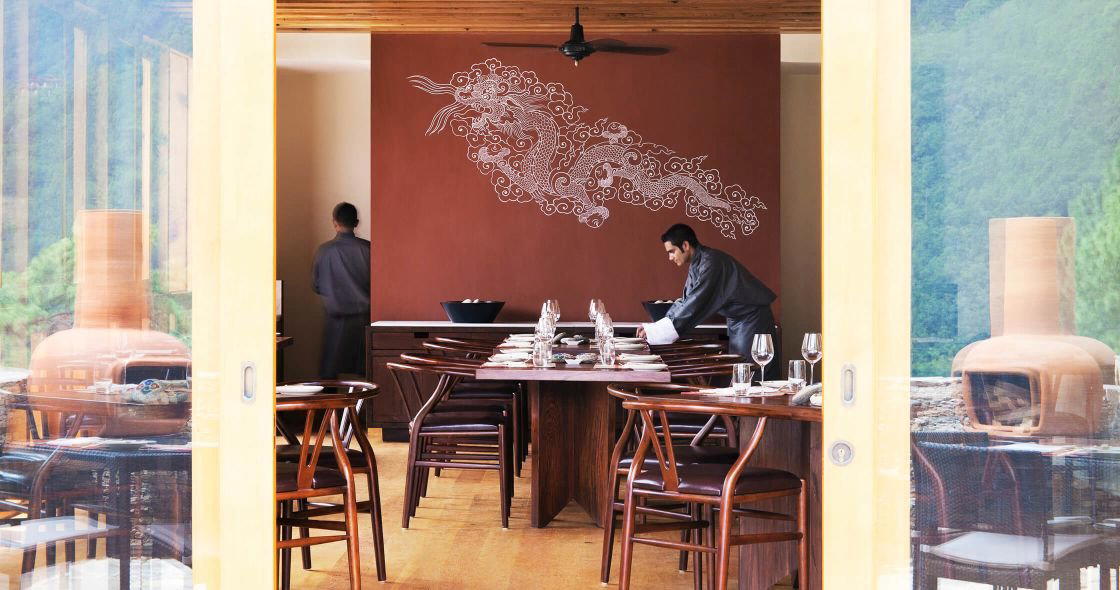
Calm and serene with warm log fires, neutral earthy tones, natural timber, and large windows framing dramatic valley landscapes.