

1 Michelin Key · Tablet Hotels Best New Hotel Designs (Asia)
A Michelin Selected heritage property at Satsam Chorten in Paro, Zhiwaling Heritage occupies a compound built in traditional Bhutanese architectural style, with rammed-earth walls, hand-painted timber, and valley views that frame the Paro River basin. It sits in a small tier of properties where vernacular design integrity sets the competitive standard, alongside Paro's other premium offerings.

Pearl is the En Primeur Club membership app, where members save venues, book tables and use the concierge.
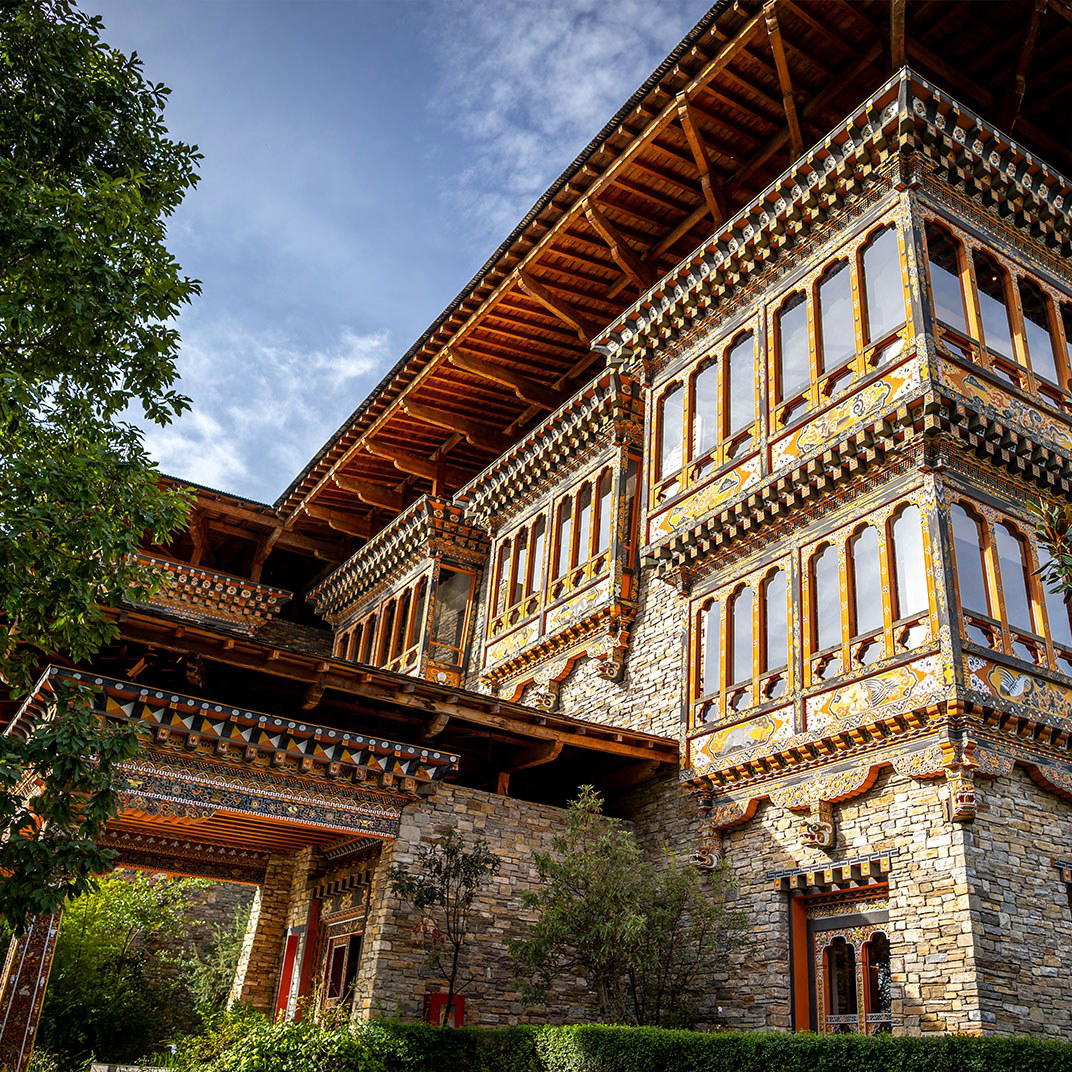
Where the Architecture Does the Work
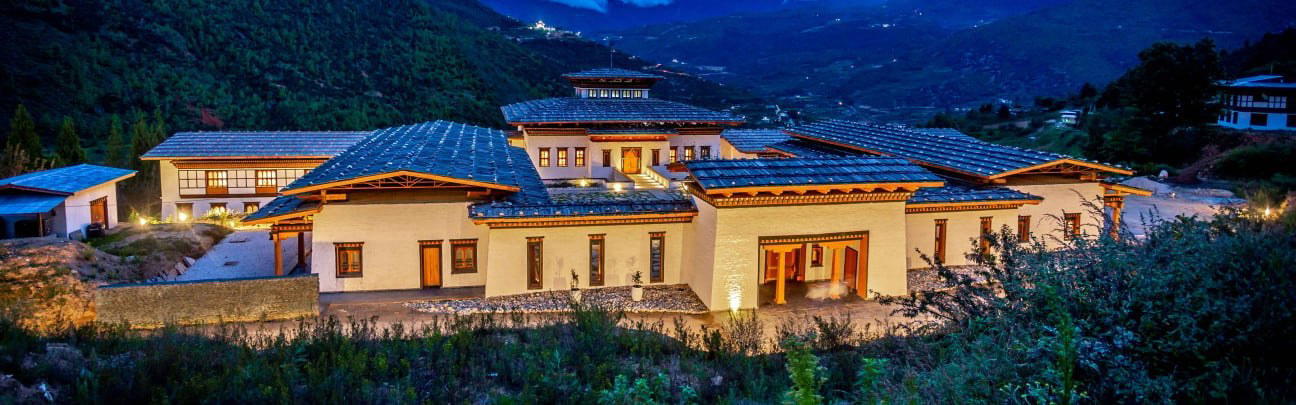
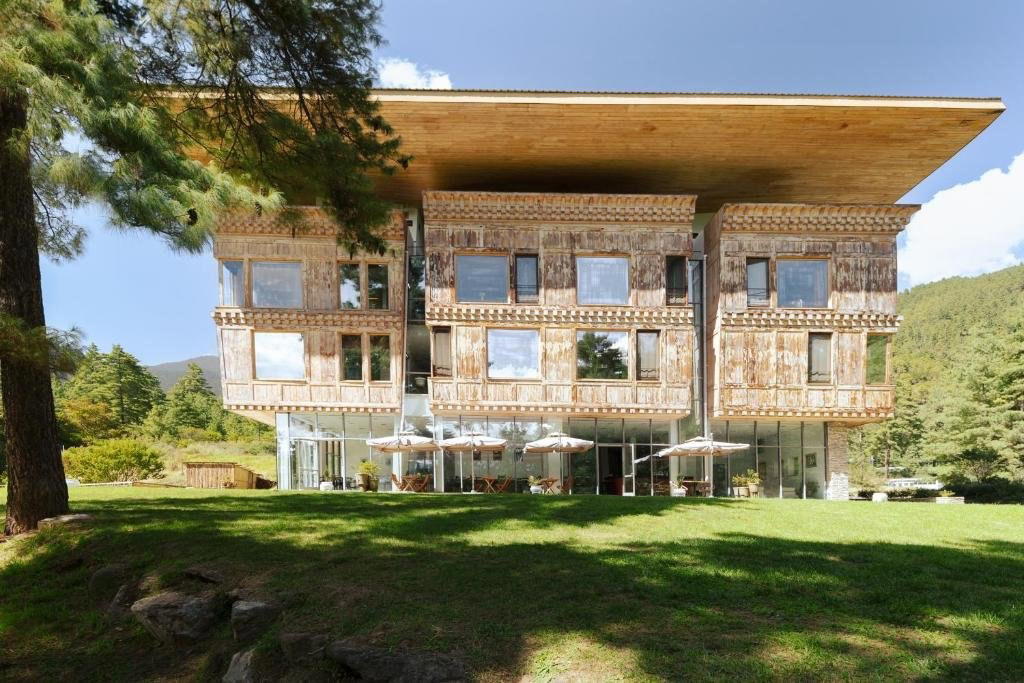
Approaching Paro's heritage lodges from the valley floor, the contrast with international luxury formats becomes immediate. There are no glass facades or minimalist lobbies signalling global design conventions. Zhiwaling Heritage, positioned at Satsam Chorten, reads as a compound that belongs to its terrain: rammed-earth construction, heavy timber framing, hand-applied pigments on interior surfaces, and the layered roof silhouettes that define traditional Dzong-influenced residential architecture across the Paro Valley. This is the grammar of Bhutanese building translated into a contemporary hospitality context, and it represents one of the more coherent expressions of that translation in the valley's premium tier.
Bhutan's building traditions were never decorative in origin. The thick walls regulate temperature in a valley that sits at roughly 2,200 metres, where mornings can arrive cold even in the warmer months. The timber lattice windows, characteristically painted in deep ochres, greens, and reds, filter light into interior spaces in a way that no engineered window treatment replicates. At properties like Zhiwaling Heritage, these structural choices carry functional and cultural weight simultaneously, which is what separates genuine vernacular hospitality from pastiche.
Paro's Premium Property Tier in Context
The Paro Valley hosts a concentration of high-end lodges that is unusual relative to the country's overall visitor numbers. Bhutan's daily sustainable development fee structure means the visitor profile skews toward travellers willing to spend significantly, and the local lodging market has responded accordingly. Within that tier, properties differentiate primarily on two axes: design authenticity and spatial generosity. Amankora anchors the valley's ultra-premium segment with its Aman network positioning. COMO Uma, Bhutan brings its group's wellness orientation to the same valley setting. Six Senses Paro represents the most recent entrant, built into the hillside above the valley with an architectural scale that makes it a statement in its own right.
Zhiwaling Heritage occupies a different position in this set: a heritage-led property where the built fabric itself is the primary differentiator, rather than brand network or wellness programming. Michelin's 2025 hotel selection lists the property, which places it within the same editorially recognised cohort as comparable heritage lodges operating at the intersection of cultural preservation and premium hospitality. For travellers whose priority is architectural integrity over international brand infrastructure, this distinction matters.
The Bhutanese Design Tradition Behind the Property
Understanding what Zhiwaling Heritage represents architecturally requires some context about how Bhutanese construction differs from most Asian vernacular traditions that have been adapted for tourism. The country's building code, maintained even through periods of development pressure, mandates the continuation of traditional exterior aesthetic elements in new construction. What this means in practice is that the visual continuity between a 17th-century Dzong and a contemporary lodge is not accidental: it is enforced by regulation and reinforced by cultural expectation.
The craftsmanship that goes into hand-painted timber, carved wooden brackets, and the specific colour palettes used in heritage-grade properties requires skilled artisans whose training is tied to a living tradition rather than revival. This is a meaningful distinction from the heritage-style properties found elsewhere in Asia, where traditional aesthetics are often applied as surface treatment over modern construction methods. In Bhutan, the structural logic and the aesthetic logic remain aligned, which gives properties like Zhiwaling Heritage a material coherence that is difficult to replicate outside this specific building culture.
Valley Position and Arrival Experience
Satsam Chorten, where the property sits, is a location in the lower Paro Valley with orientation toward the river basin and the surrounding forested ridgelines. The Paro Valley's geography, framed by mountains that exceed 5,000 metres on multiple sides, means that almost any position within it carries strong visual context. The chorten referenced in the address is a religious monument, and properties positioned near such structures tend to occupy land with established cultural significance in the local spatial hierarchy.
Arrival into Paro itself is one of the more physically dramatic airport approaches in commercial aviation: the runway sits at altitude in a narrow valley, and the final descent requires the kind of precision flying that only a handful of pilots worldwide are certified to perform. For travellers coming from New Delhi, Kathmandu, or Bangkok, the approach into Paro sets a tone that the valley's architecture then sustains at ground level.
Planning a Stay
Bhutan operates a mandatory daily fee for international tourists that covers accommodation, meals, and a sustainable development contribution. This structure means that pricing for any property in the country, including Zhiwaling Heritage, is embedded within a broader national tourism framework rather than set entirely at the hotel level. Visitors planning stays should account for this when comparing Bhutan against other high-end destinations in the region.
For those building a multi-property Bhutan itinerary, Paro functions naturally as an entry and exit point given the airport location. Combining a stay at Zhiwaling Heritage with properties in other valleys adds cultural and topographical range: andBeyond Punakha River Lodge in Punakha offers the contrast of a subtropical river valley, while Gangtey Lodge in Gangtey or the Gangtey Lodge in Gangtey Valley provides access to one of the country's most significant wetland ecosystems. The Zhiwaling group itself has a second property in the capital: Zhiwaling Ascent in Thimphu allows guests to extend the design continuity of the heritage brand into an urban context. For those interested in the spiritual dimension of Bhutanese travel, Bhutan Spirit Sanctuary in Shaba represents a different approach to the same underlying landscape.
The Paro Valley is accessible year-round, though the spring months of March through May, when the rhododendrons are at peak colour across the hillsides, and the autumn window of September through November, when visibility is sharpest, draw the heaviest visitor concentration. Building flexibility into arrival and departure dates around weather windows is a reasonable precaution given the complexity of the Paro airport approach under cloud cover.
For full dining and experience context in the valley, see our full Paro restaurants guide.
Comparable Spots, Quickly
Comparable venues nearby, for context on price, style, and recognition.
| Venue | Cuisine | Price | Awards | Notes |
|---|---|---|---|---|
| Zhiwaling HeritageThis venue (the venue you are viewing) | Traditional Bhutanese architecture blended with modern luxury, featuring locally sourced stone and timber with hand-carved details inspired by dzong and monastery design. | $300–500 | 1 Michelin Key · Tablet Hotels Best New Hotel Designs (Asia) | Not listed |
| COMO Uma, Bhutan | Contemporary Bhutanese luxury resort blending local craftsmanship with modern minimalism | $1,000–1,500 | Virtuoso Luxury Hotel Partner | Paro Valley |
| Six Senses Paro | Bhutanese stone fortress-inspired luxury resort | Not listed | Star Wine List · Forbes 4-Star | Paro Valley |
| Amankora | Minimalist Bhutanese lodge set in pine forests with panoramic mountain views. | Not listed | 2 Michelin Keys · Mr & Mrs Smith Seal of Approval | Paro |
| Bhutan Spirit Sanctuary | Wellness-inclusive luxury resort inspired by traditional Bhutanese dzong architecture | $750–1,000 | Mr & Mrs Smith Seal of Approval · Small Luxury Hotels of the World Member | Shaba |
| Zhiwaling Ascent | Contemporary Bhutanese retreat inspired by Dzong architecture and traditional farmhouse design | $200–300 | 1 Michelin Key · Tablet Hotels Top 40 New Hotels #34 | Upper Mothithang |
Recognition history
Dated appearances from independent guides and award organizations, with the underlying list record or original source where available.
Michelin 1 Key
Michelin
Tablet Hotels Best New Hotel Designs (Asia)
Tablet Hotels · Tablet Hotels Design Awards 2026: Best New Hotel Designs (Asia)
Full recognition history (3 entries)
Michelin Selected
Michelin
Continue exploring
More in Paro
Hotels in Paro
All hotels in Paro →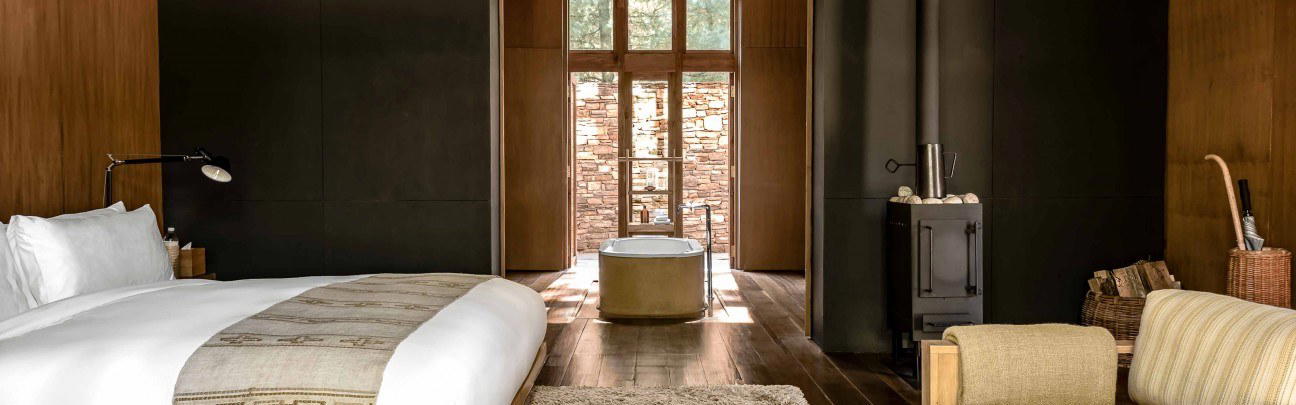
Restaurants in Paro
Browse all →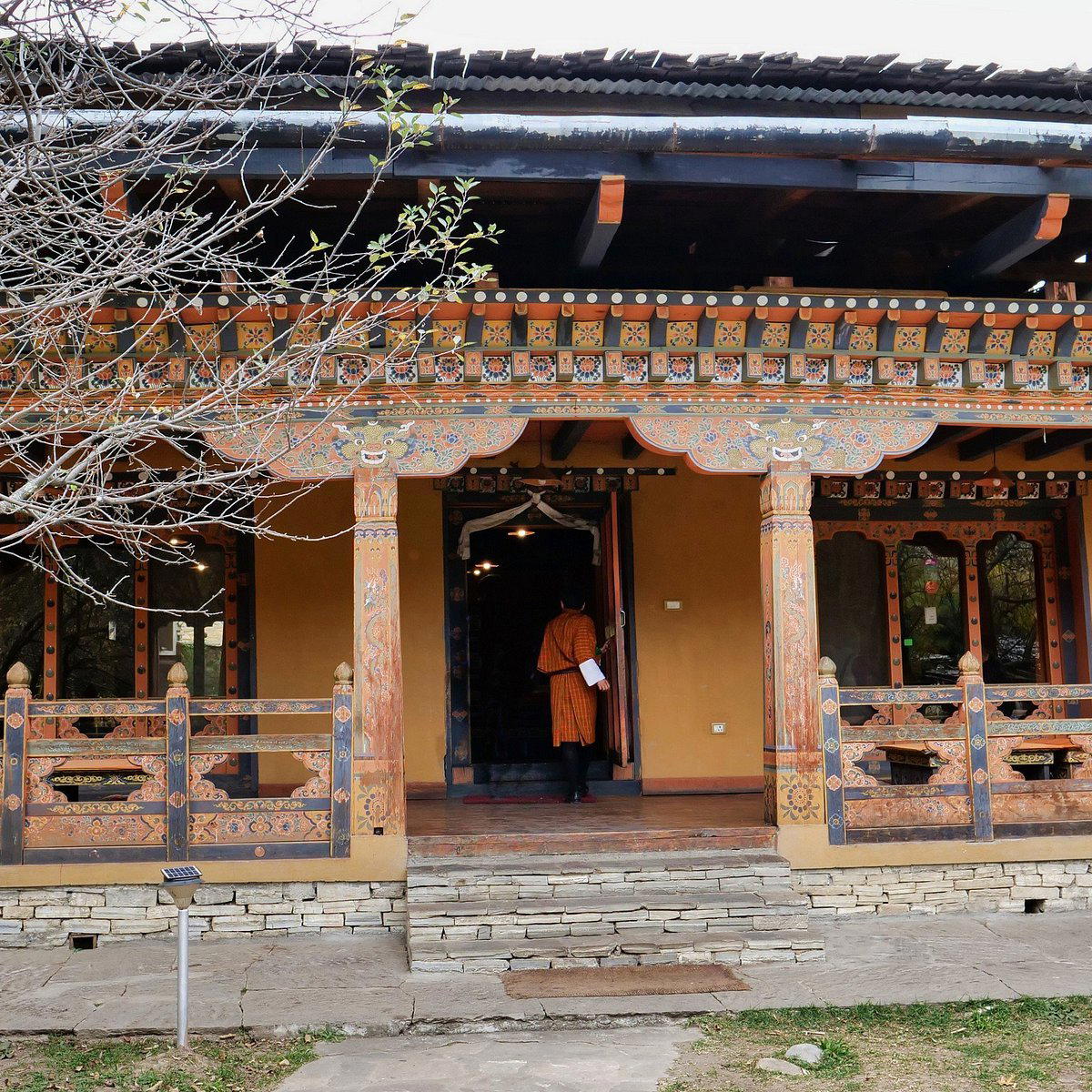
Details
- Quiet
- Classic
- Scenic
- Elegant
- Romantic
- Romantic Getaway
- Family Vacation
- Wellness Retreat
- Panoramic View
- Garden
- Historic Building
- Terrace
- Destination Spa
- Wi Fi
- Pool
- Spa
- Fitness Center
- Sauna
- Restaurant
- Mountain
- Garden
- Wheelchair Accessible
- Step Free Entrance
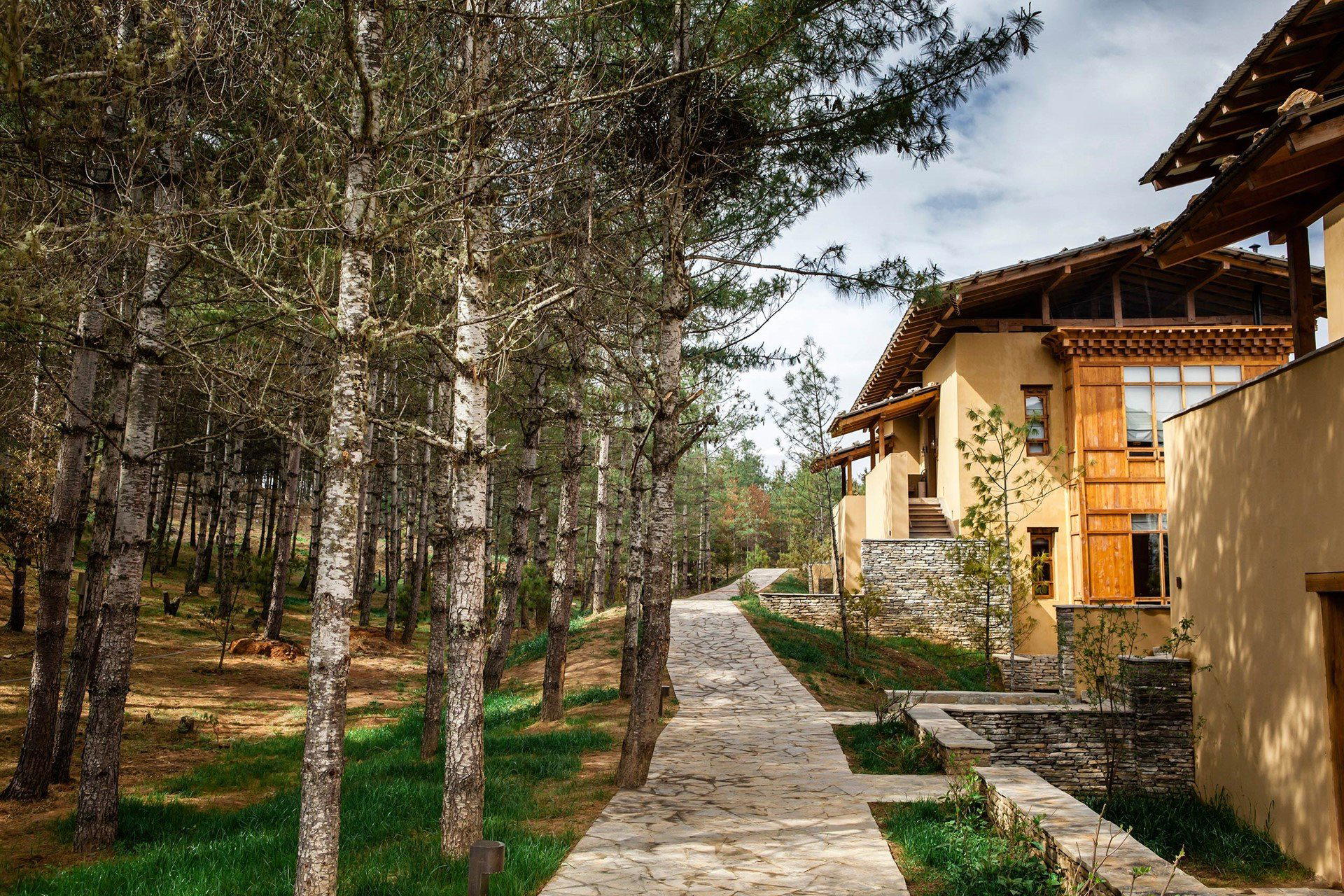
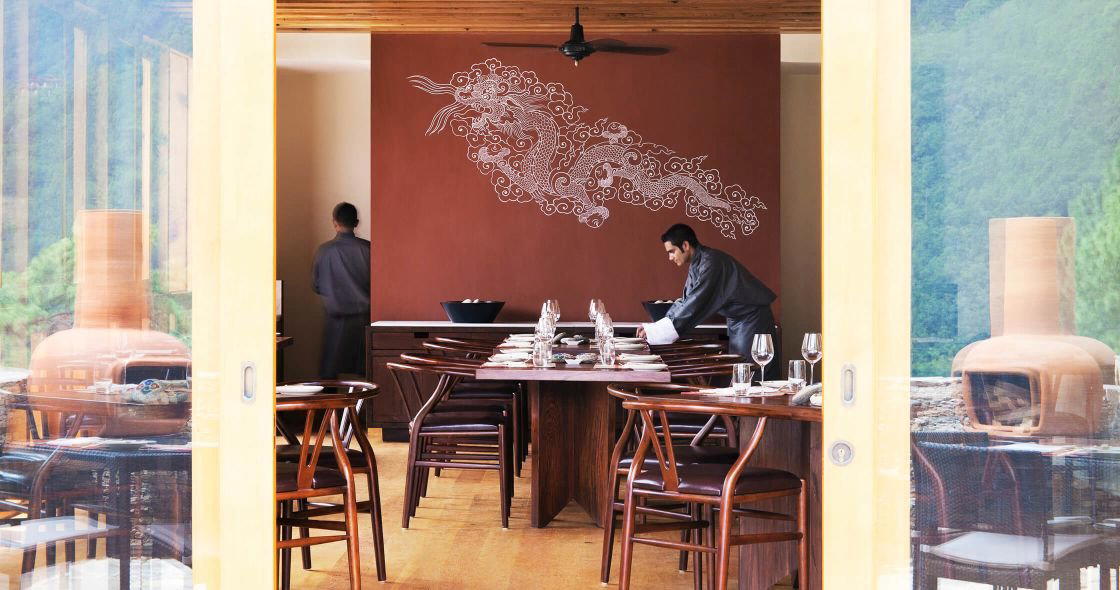
Serene and culturally immersive with natural light flooding spacious suites, intricate dark wooden carvings, soulfully colored accents, and views of unspoiled Paro Valley landscapes creating a tranquil, heritage-focused atmosphere.