
At the $$ price point, it occupies a different register than the higher-tariff options up the coast, making it a reliable reference point for understanding how Ensenada's ingredient-driven dining actually works at scale.
Pearl is the En Primeur Club membership app — saves, bookings, and concierge access live there. Same editors, same standards.
- Address
- Blvd. Teniente Azueta 139, Zona Centro, 22800 Ensenada, B.C., Mexico
- Phone
- +52 646 175 7073
- Website
- rmanzanilla.com
- Directions
- Get directions
 Saves & bookings on Pearl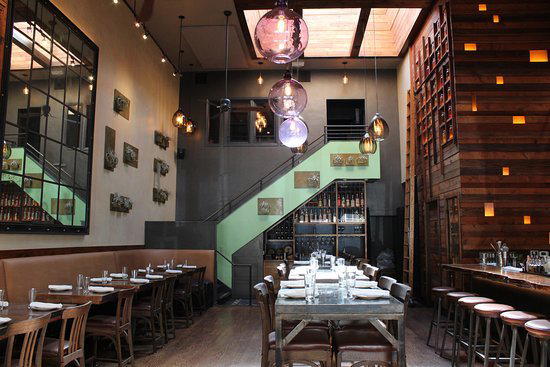
Where the Market Meets the Table in Ensenada
Ensenada's dining identity is built around proximity: proximity to the Pacific, to the Valle de Guadalupe vineyards, and to the network of mercados and fishing cooperatives that supply the city's kitchens before noon each day. Boulevard Teniente Azueta, the central artery running through Zona Centro, is where that supply chain becomes visible. Fish vendors, produce stalls, and shellfish counters sit a short walk from restaurants that have built their menus around what arrives each morning rather than what a central warehouse can guarantee. Manzanilla, at number 139 on that boulevard, sits squarely inside this tradition.
The Michelin recognition Manzanilla has received, a Plate in both 2024 and 2025, signals that the broader inspection process has found consistent kitchen execution here at the $$ price tier. A Michelin Plate is not a star, but it does indicate that the restaurant cleared Michelin's threshold for quality cooking. In Ensenada's competitive set, where options range from the single-dollar taco counters like El Paisa to the higher-tariff contemporary format at Madre, consecutive Michelin recognition at the mid-range price point is a meaningful data point. It positions Manzanilla as the kind of place where serious cooking is happening without the tasting-menu pricing that accompanies it elsewhere in the region.
The Mercado Principle and Baja's Supply Logic
To understand what drives a kitchen like this, it helps to understand how Ensenada's ingredient ecosystem actually works. The city sits at the intersection of the Pacific fishing grounds, the agricultural valleys running east toward Tecate, and the wine-producing terroir of Valle de Guadalupe less than an hour away. That geography produces a daily rotation of ingredients that makes menu rigidity impractical. Kitchens that work well here tend to organize around flexibility: what the fish market yielded this morning, what the valley growers brought down, what the shellfish cooperative processed at the dock.
This is the mercado principle in its practical form. It is not branding or a sourcing narrative crafted for menus; it is the operational reality of cooking in a coastal Baja city where the freshest ingredients are also the local and often the affordable. The restaurants that have built durable reputations in Ensenada, whether at the $$ tier or above, are those that have incorporated this logic into daily kitchen operations rather than treating it as an occasional feature. La Concheria does it with shellfish; the approach at Manzanilla operates within the same broader pattern, applying it to a Mexican menu format.
For context on how this sourcing discipline plays out at higher price tiers, Animalón in Valle de Guadalupe and Lunario in El Porvenir both represent the premium end of Baja's ingredient-driven cooking. Manzanilla operates in the same regional tradition but at a price point that makes it accessible across a wider range of visits.
Reading the Numbers: 1,389 Reviews and What They Mean
0 across 1,420 reviews is a specific kind of trust signal. Volume at that scale, in a mid-sized Baja city, indicates sustained traffic rather than a spike of early enthusiasm followed by drop-off. It also suggests a broad cross-section of diners: locals, Tijuana day-trippers, San Diego visitors, and international travelers working their way down the Baja coast. A 4.0 average across that breadth is not the ceiling of critical ambition, but it is evidence of consistent delivery across a wide variety of expectations.
The dual Michelin Plate recognitions reinforce this reading. Michelin inspectors typically visit anonymously and multiple times before assigning any recognition; consecutive Plates across two years indicate that the kitchen has maintained its standard rather than performing on a single good evening. For a restaurant in the $$ bracket in a smaller Mexican city, that kind of sustained external validation is not common. Among Ensenada's Michelin-recognized options, Manzanilla represents the mid-range entry point into that validation tier.
Where Manzanilla Sits in Ensenada's Dining Architecture
Ensenada's restaurant scene has stratified noticeably over the past decade. At the lower end, taquero counters and mariscos stands remain the daily infrastructure of the city's eating culture. At the upper end, a small tier of destination restaurants has emerged, drawing visitors who arrive specifically for the food. Between those poles, a middle tier of sit-down Mexican restaurants operates the bulk of the city's regular dining traffic. Manzanilla's positioning in the $$ bracket with Michelin recognition places it at the upper end of that middle tier, close to but not in the same price register as Restaurante Punta Morro or the $$$ tier occupied by Madre.
That credential, if the kitchen connection is active, places Manzanilla in an unusual position within the Ensenada scene: a mid-range price point with a culinary lineage tied to a globally recognized chef. What the record makes clear is the combination of Michelin recognition, sustained public rating, and that listed association, which is an unusual combination for the $$ tier in any Mexican city.
For broader reference on where Mexico's Michelin-recognized dining sits regionally, Pujol in Mexico City and Le Chique in Puerto Morelos represent the higher-star end of that spectrum. Within Ensenada's specific context, Casa Marcelo offers another reference point for how the city's dining is developing. You can explore the full range of options in our full Ensenada restaurants guide.
Planning a Visit: Practical Notes
Manzanilla is located at Blvd. Teniente Azueta 139 in Zona Centro, the walkable downtown district where most of Ensenada's established dining is concentrated. The $$ pricing means a meal here will land in the range typical for a solid mid-tier restaurant in a Mexican coastal city, affordable relative to comparable Michelin-recognized dining in larger Mexican cities.
Ensenada rewards visitors who combine dining with the city's other dimensions. The wine country at Valle de Guadalupe is close enough to anchor a half-day trip before dinner, and the city's bar and winery scene has developed alongside its food reputation. Our full Ensenada bars guide, full Ensenada wineries guide, full Ensenada hotels guide, and full Ensenada experiences guide provide the surrounding infrastructure for building a full trip around the city's food and wine identity.
For travelers exploring Mexican cooking at the Michelin-recognized level across the country, KOLI Cocina de Origen in Monterrey and Levadura de Olla Restaurante in Oaxaca represent the regional diversity of that tier. For Mexican cooking transplanted to North American cities, Alma Fonda Fina in Denver and Cariño in Chicago offer useful comparison points for understanding how Baja-influenced cooking reads outside its source geography.
Cost and Credentials
Comparable venues nearby, for context on price, style, and recognition.
| Venue | Cuisine | Price | Awards | Notes |
|---|---|---|---|---|
| ManzanillaThis venue — the venue you are viewing | Recinto Portuario, Baja Med Seafood | $$$$ | Michelin Plate | Not listed |
| Restaurante Punta Morro | Ensenada, Modern Mexican Seafood | $$$ | Michelin Plate | Not listed |
| Malva | Not listed | $$$$ | Not listed | Valle de Guadalupe, Modern Farm-to-Table Mexican |
| Madre | Not listed | $$$ | Michelin Plate | downtown, Modern Mexican with Mediterranean & Contemporary Influences |
| Bruma Wine Garden | Not listed | $$$ | Michelin Plate | Valle de Guadalupe, Modern Mexican Contemporary |
| La Guerrerense | Not listed | $ | Not listed | Zona Centro, Baja Mexican Seafood Tostadas |
Recognition history
Dated appearances from independent guides and award organizations, with the underlying list record or original source where available.
Michelin Plate
Michelin
Michelin Plate
Michelin
Michelin Plate
Michelin
Continue exploring
More in Ensenada
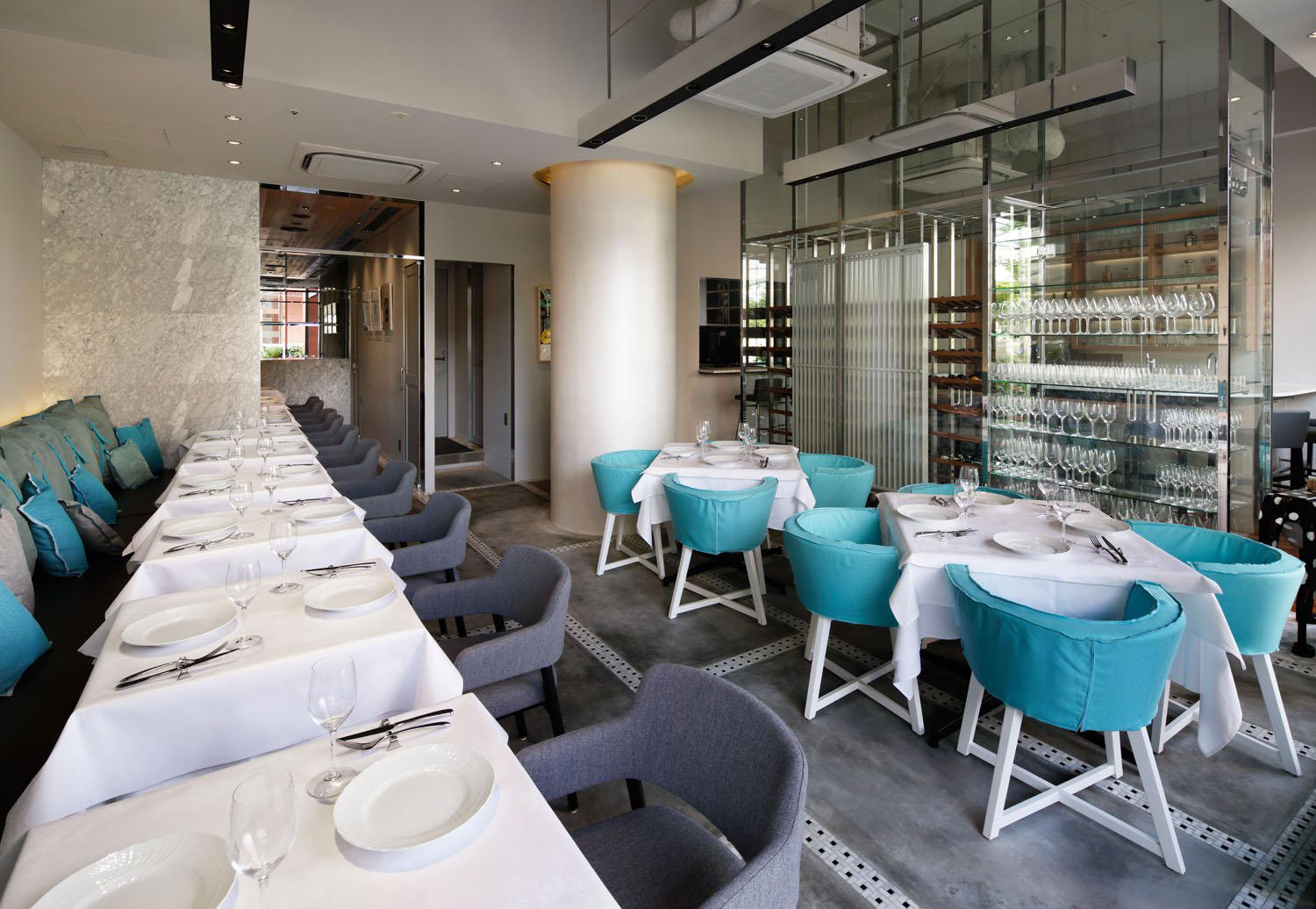
Restaurants in Ensenada
Browse all →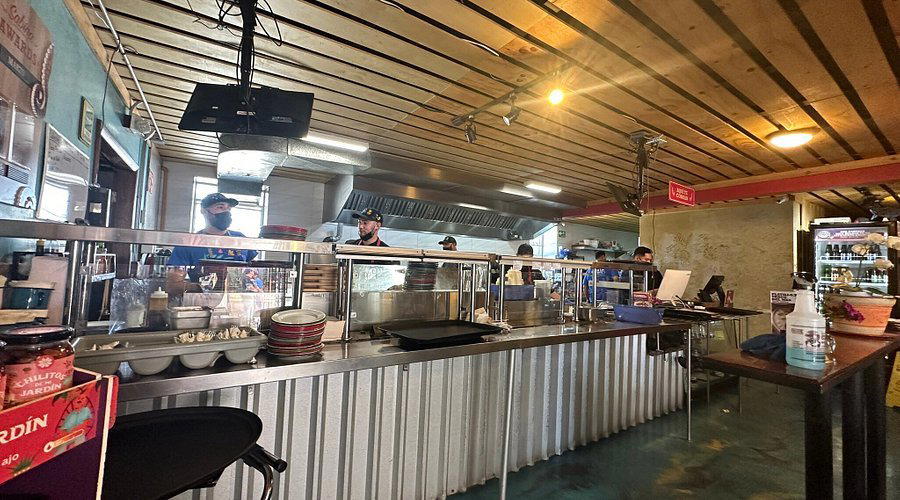
Bars in Ensenada
Browse all →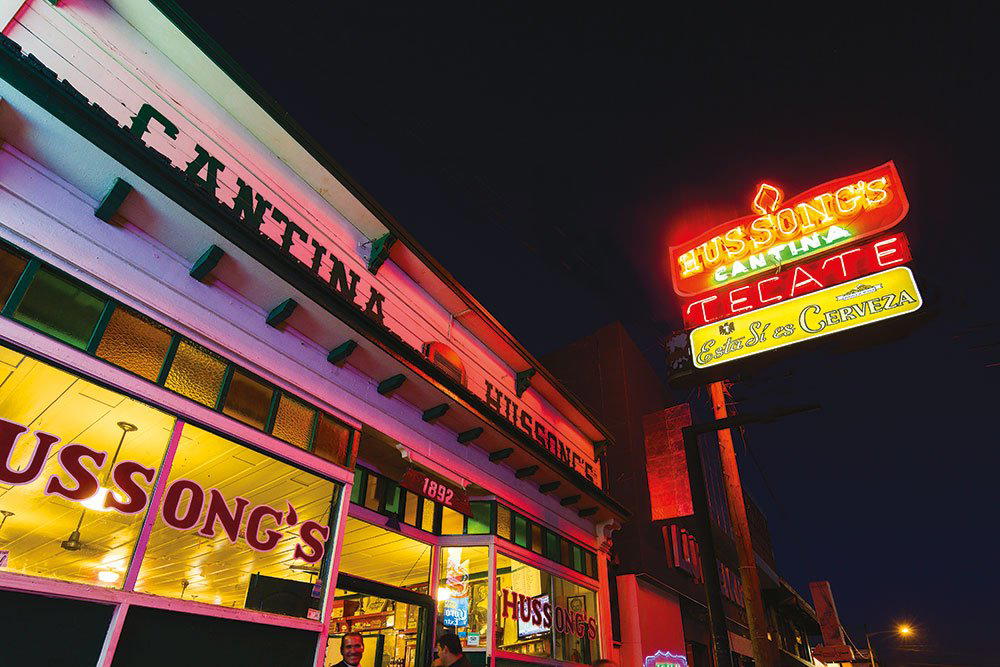
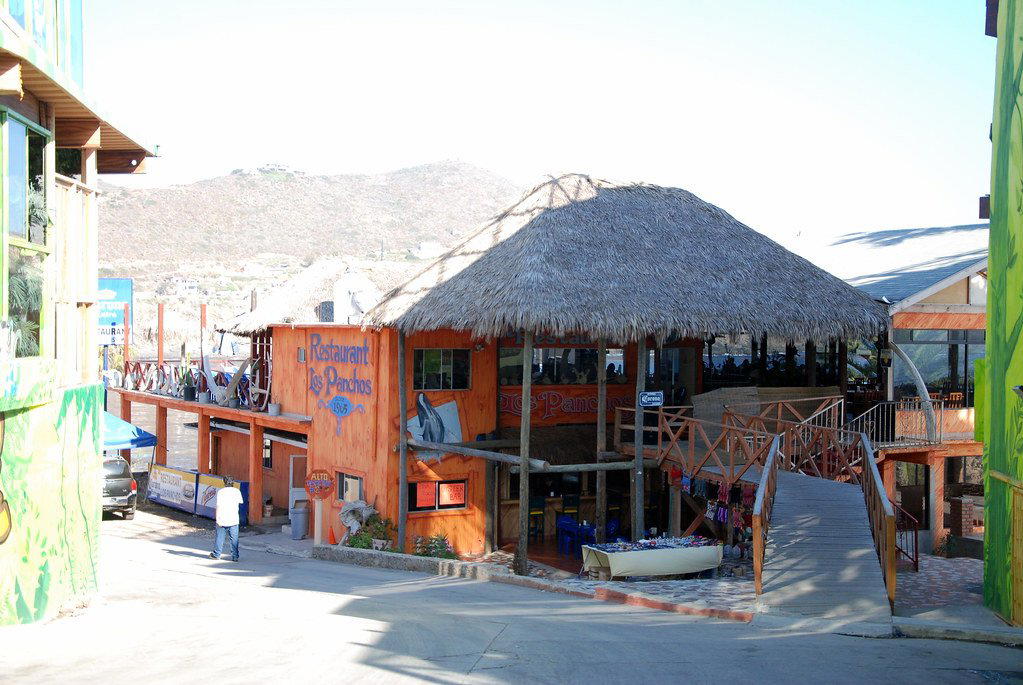
Hotels in Ensenada
Browse all →



At a Glance
- Elegant
- Intimate
- Cozy
- Sophisticated
- Date Night
- Special Occasion
- Business Dinner
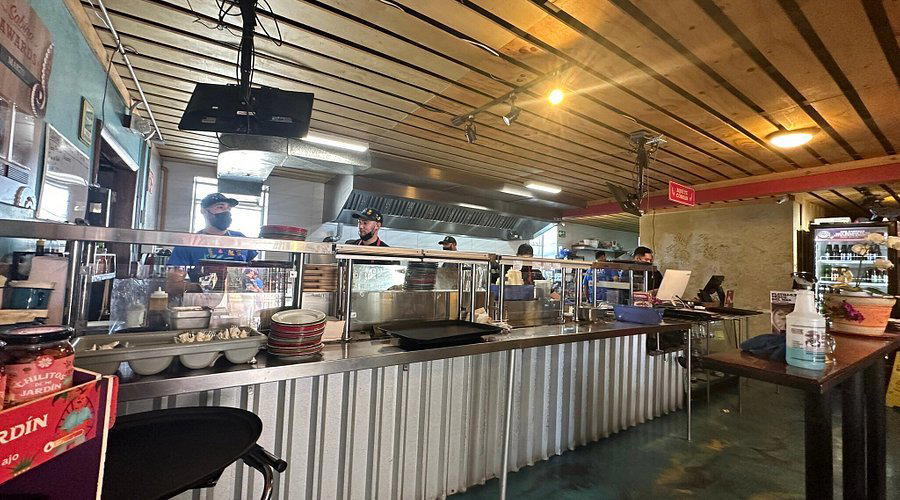
- Open Kitchen
- Courtyard
- Extensive Wine List
- Craft Cocktails
- Local Sourcing
Current opening hours
- Monday
- Closed
- Tuesday
- Closed
- Wednesday
- 1–10 PM
- Thursday
- 1–10 PM
- Friday
- 1–11 PM
- Saturday
- 1–11 PM
- Sunday
- 1–6 PM
Hours can change for holidays and private events. Last verified .
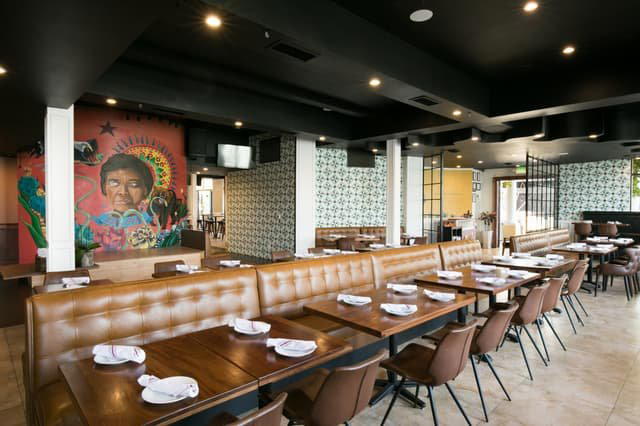
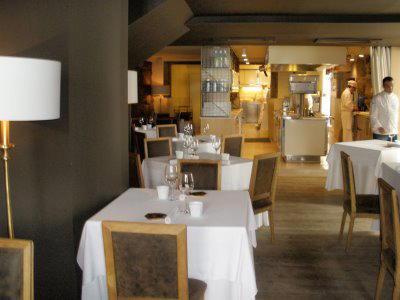
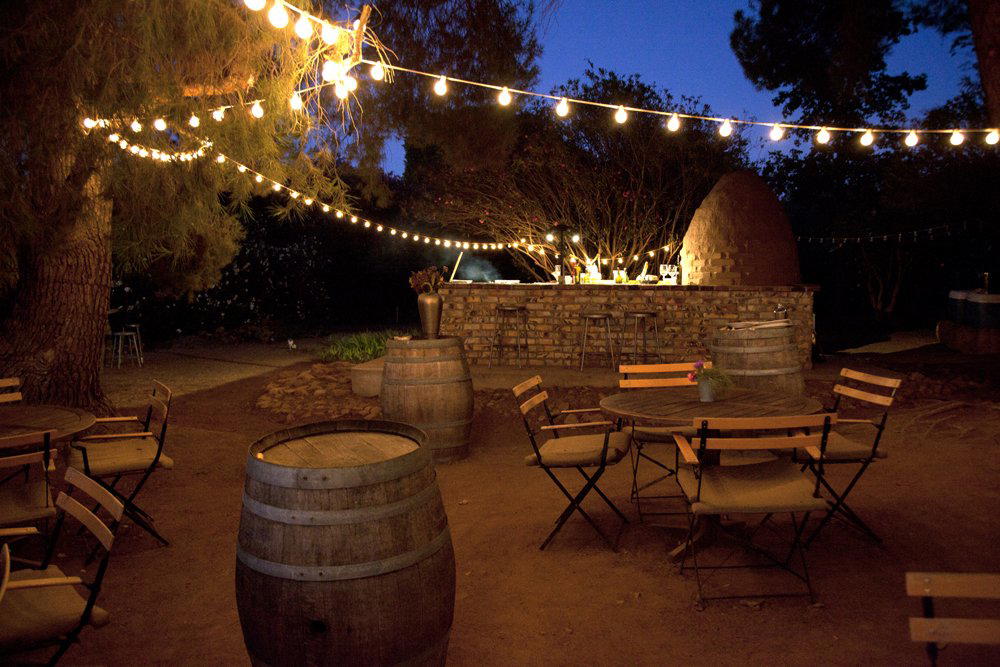
Charming courtyard with prettily arranged outdoor seating, spacious dining rooms, ornate carved wood bar, and attentive lighting that creates an elegant yet welcoming atmosphere.