

Named Asia's Leading Luxury Beach Resort at the 2025 World Travel Awards, Banyan Tree Lăng Cô occupies a stretch of Vietnam's central coast where the Annamite Range meets the South China Sea. The resort's villa architecture draws on regional vernacular forms while positioning it firmly within the upper tier of long-stay coastal properties between Hue and Da Nang.
Pearl is the En Primeur Club membership app — saves, bookings, and concierge access live there. Same editors, same standards.
- Address
- Chan May – Lang Co Commune, Canh Duong Village, Chân Mây - Lăng Cô, Huế 530000, Vietnam
- Phone
- +84 234 3695 888
- Website
- banyantree.com
- Directions
- Get directions
 Saves & bookings on Pearl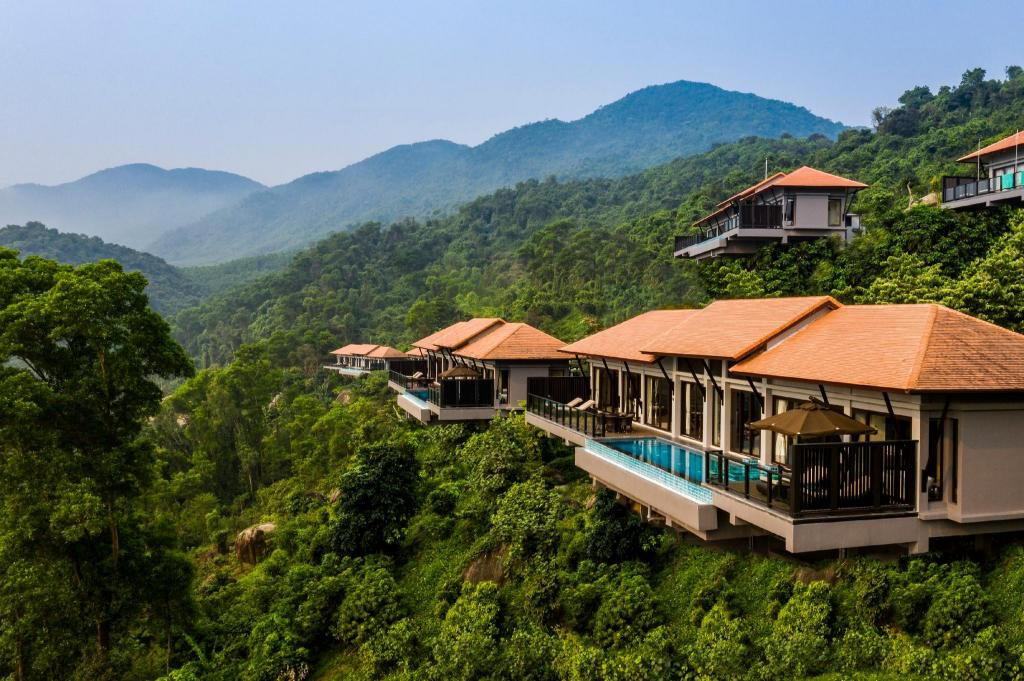
Where the Mountains Meet the Shore: Lăng Cô's Coastal Context
Vietnam's central coast has spent the past decade sorting itself into two distinct hospitality registers. On one side sit the dense resort corridors of Da Nang and Hội An, where properties compete on amenity volume and proximity to urban dining. On the other sits a quieter stretch of coastline running north from the Hải Vân Pass toward Lăng Cô, where the Annamite Range drops sharply to the sea and the infrastructure thins considerably. It is in this second register that Banyan Tree Lăng Cô operates, positioned along Cảnh Dương Village at an address — Chan May–Lang Co Commune — that places it outside the day-trip radius of most coastal visitors.
That geography is not incidental. The Lăng Cô area occupies a lagoon-fringed peninsula that has remained relatively undeveloped compared to the resort-heavy coastline further south. For properties choosing to build here, the trade-off is deliberate: less commercial density in exchange for a setting where the relationship between topography and architecture can carry real weight. Banyan Tree's decision to anchor a flagship resort here, rather than in Da Nang or near Hội An's heritage circuit, signals a bet on landscape-led luxury over convenience-driven footfall. For guests considering comparisons, Four Seasons Resort The Nam Hai, Hoi An in Dien Duong represents the southern alternative: proximity to Hội An's old town versus Banyan Tree Lăng Cô's more remote, topographically dramatic setting.
Architecture as the Primary Argument
Luxury resort architecture in Southeast Asia has cycled through several dominant modes. The maximalist era of infinity pools and Balinese pavilions gave way to a design period that favoured local materials, lower profiles, and a closer conversation between built structure and surrounding terrain. Banyan Tree Lăng Cô belongs to this latter tradition. The resort's villas are oriented to exploit the mountain-to-sea sightline that defines the Lăng Cô peninsula, with the Annamite foothills providing a backdrop that no amount of interior design can replicate.
The architectural approach here works in dialogue with the site's natural gradients. Villa placement follows the terrain rather than imposing a flat plan onto it, which produces a resort layout that reads differently depending on where you are standing, a quality that distinguishes genuinely site-responsive design from properties that apply a standard footprint regardless of location. This is the distinguishing criterion for this category of coastal property: not square footage, but whether the design earns its setting. On that measure, the Lăng Cô site does most of the work.
Guests considering Vietnam's broader luxury coastal circuit will find useful reference points across the country. Amanoi in Vinh Hy operates on a comparable premise further south, where architecture and landscape are the primary offering. Anantara Quy Nhon Villas in Quy Nhon similarly leans on a cliffside setting to do editorial work that amenity lists cannot. These properties form a loose competitive set defined less by brand affiliation than by their shared commitment to site-specific physical design as the central value proposition.
The World Travel Awards Signal
In 2025, the World Travel Awards named Banyan Tree Lăng Cô Asia's Leading Luxury Beach Resort, a category that spans properties across one of the most competitive coastal hospitality regions on the planet. World Travel Awards recognition in the Asia Pacific coastal category carries peer-comparison weight: properties reaching the best of that category do so against entrants from Thailand, the Maldives, Sri Lanka, Indonesia, and the Philippines, not just Vietnam. Winning at that breadth means the resort is being evaluated against the full spectrum of what Asia's luxury beach market has produced, not merely a domestic shortlist.
That context matters when situating Banyan Tree Lăng Cô within Vietnam's own luxury coastal offerings. The country's premium beach properties have multiplied significantly since 2015, with major international brands entering markets from Phú Quốc to Đà Nẵng. The 2025 award positions Lăng Cô's flagship property above that expanded domestic field on the regional stage.
The Central Vietnam Corridor: Placement and Planning
Lăng Cô sits approximately midway between Hue and Da Nang, with the Hải Vân Pass marking the geographic and atmospheric boundary between the two cities. That position makes the resort accessible from either direction: Da Nang's international airport handles the majority of direct international connections for central Vietnam, while Phú Bài Airport outside Hue serves as an alternative arrival point. The Hải Vân tunnel, bypassing the mountain pass on the coastal highway, has reduced the drive time from Da Nang considerably, making the resort more viable as a primary base rather than a stopover.
For guests building a longer Vietnam itinerary, the central coast position allows a logical combination with Hue's imperial heritage and Hội An's old town, both within reach for day excursions. The Azerai La Residence, Hue represents the obvious urban complement for guests who want to split time between the coast and the former imperial capital. Further afield, Almanity Hoi An Wellness Resort in Hoi An offers a different register of the same region's hospitality character.
Vietnam's broader premium hotel network, from InterContinental Hanoi Westlake by IHG in Hanoi in the north to Amiana Resort Nha Trang in Nha Trang and InterContinental Phu Quoc Long Beach Resort in Phu Quoc in the south, reflects the country's rapid escalation in the premium tier. Banyan Tree Lăng Cô sits at the upper end of that national range, with the 2025 World Travel Awards result positioning it as the current benchmark for the country's beach luxury category. See our full Lăng Cô restaurants and hotels guide for more on what the area offers beyond this property.
Seasonal Timing and the Climate Variable
Central Vietnam's climate does not behave uniformly. The region sits in a meteorological corridor where the dry season and monsoon timing differs from both the north and the south of the country. The leading weather window for the Lăng Cô coast generally runs from late January through August, when the south and westerly winds keep the weather dry and the sea conditions stable. Between September and December, the central coast bears the brunt of the northeast monsoon and associated typhoon exposure, which affects both sea conditions and outdoor amenity use. Guests targeting the resort's beachfront architecture and outdoor orientation should plan arrival within the dry window. The shoulder months of February and late July can offer a reasonable balance of fair conditions and reduced peak-season pressure on availability.
Broader Context: Vietnam's Luxury Coastal Tier
The concentration of premium beach properties along Vietnam's coast over the past decade has created meaningful differentiation within what appears, from the outside, to be a single market. Properties like Radisson Blu Resort, Cam Ranh in Khanh Hoa Province, Asteria Mui Ne Resort in Phan Thiet, and Ixora Ho Tram by Fusion in Ho Tram occupy different points on the spectrum between design-led and amenity-led luxury. Banyan Tree Lăng Cô's World Travel Awards result places it at the architecture-and-setting end of that spectrum, where the physical site and the design response to it carry the primary editorial argument. For guests whose priorities run toward interior-design-led urbanism, Hotel de la Coupole MGallery in Sapa or Indochine Palace in Hue City offer a different but complementary reading of Vietnam's premium accommodation range.
Recognition history
Dated appearances from independent guides and award organizations, with the underlying list record or original source where available.
Michelin 2 Keys
Michelin
World Travel Awards
World Travel Awards

At a Glance
- Romantic
- Elegant
- Scenic
- Sophisticated
- Ornate
- Honeymoon
- Romantic Getaway
- Wellness Retreat
- Wedding
- Anniversary
- Beachfront
- Infinity Pool
- Private Villa
- Destination Spa
- Golf Course
- Panoramic View
- Pool
- Spa
- Fitness Center
- Room Service
- Concierge
- Kids Club
- Beach Access
- Golf Course
- Wi Fi
- Waterfront
- Mountain
- Garden
- Pool
- Spa
- Fitness Center
- Room Service
- Concierge
- Kids Club
- Beach Access
- Golf Course
- Wi Fi
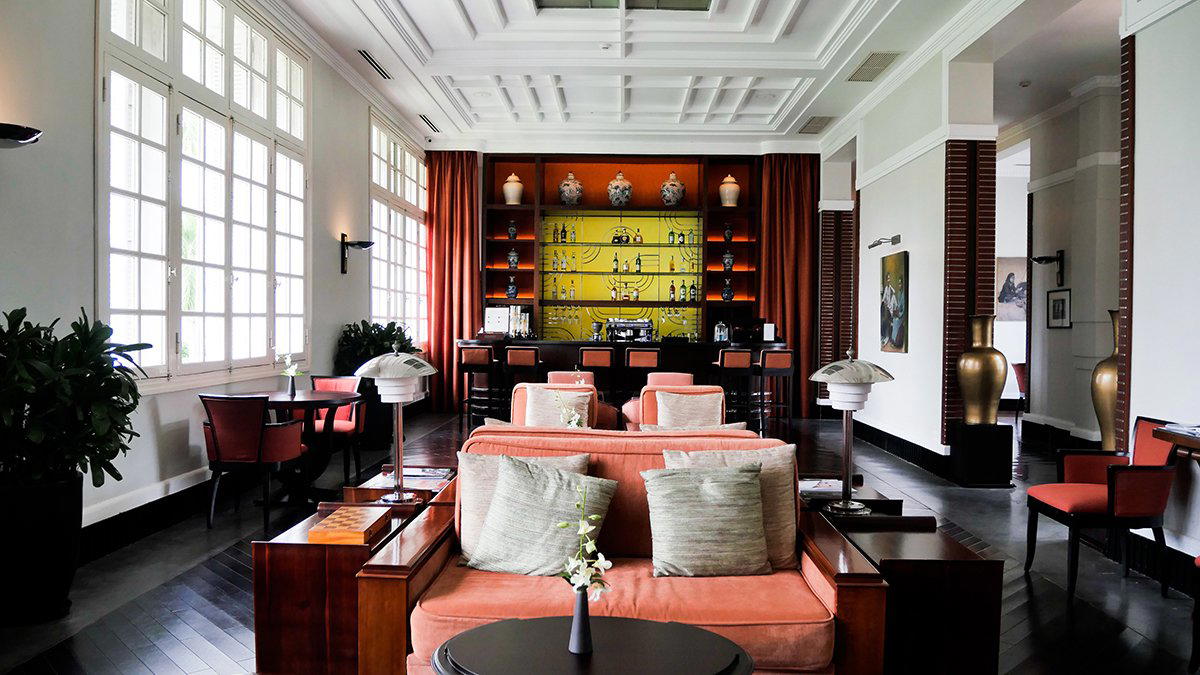
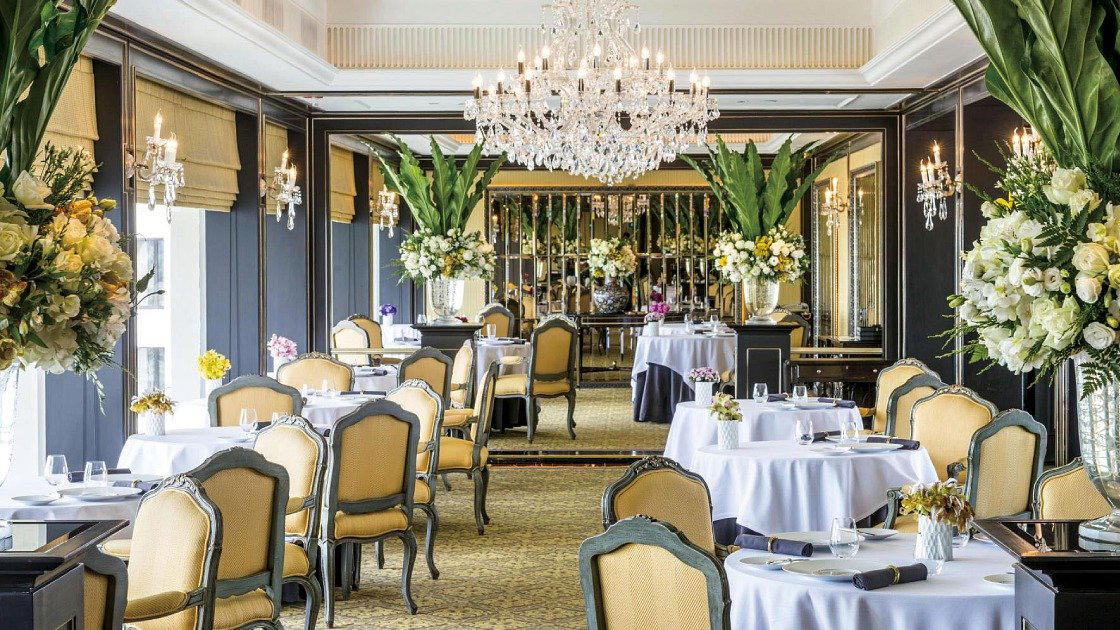
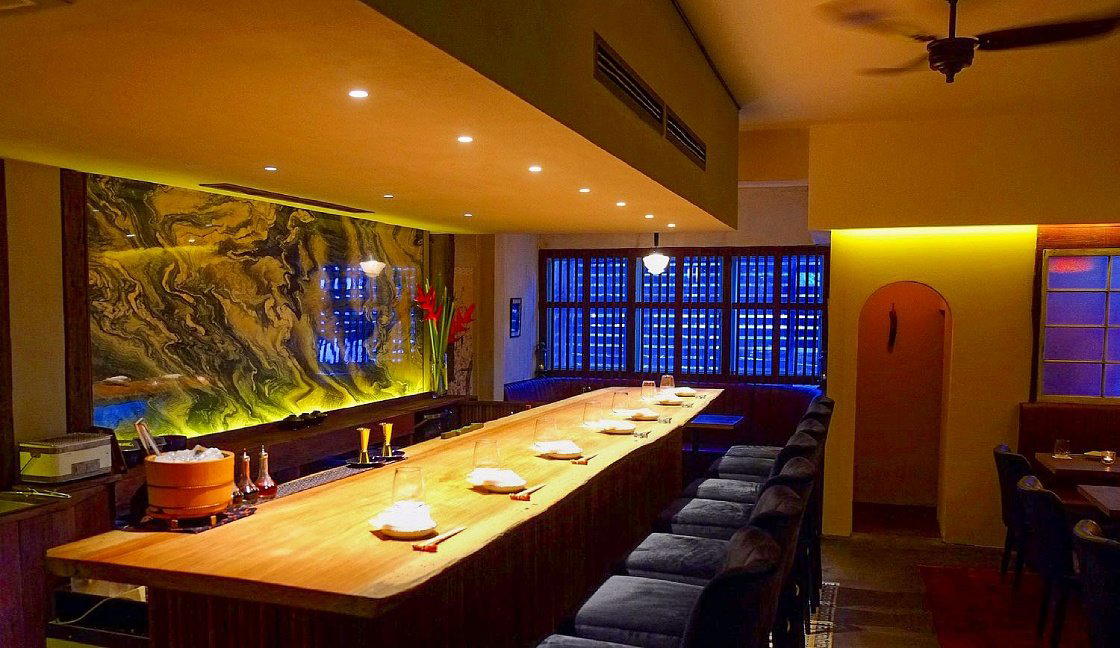
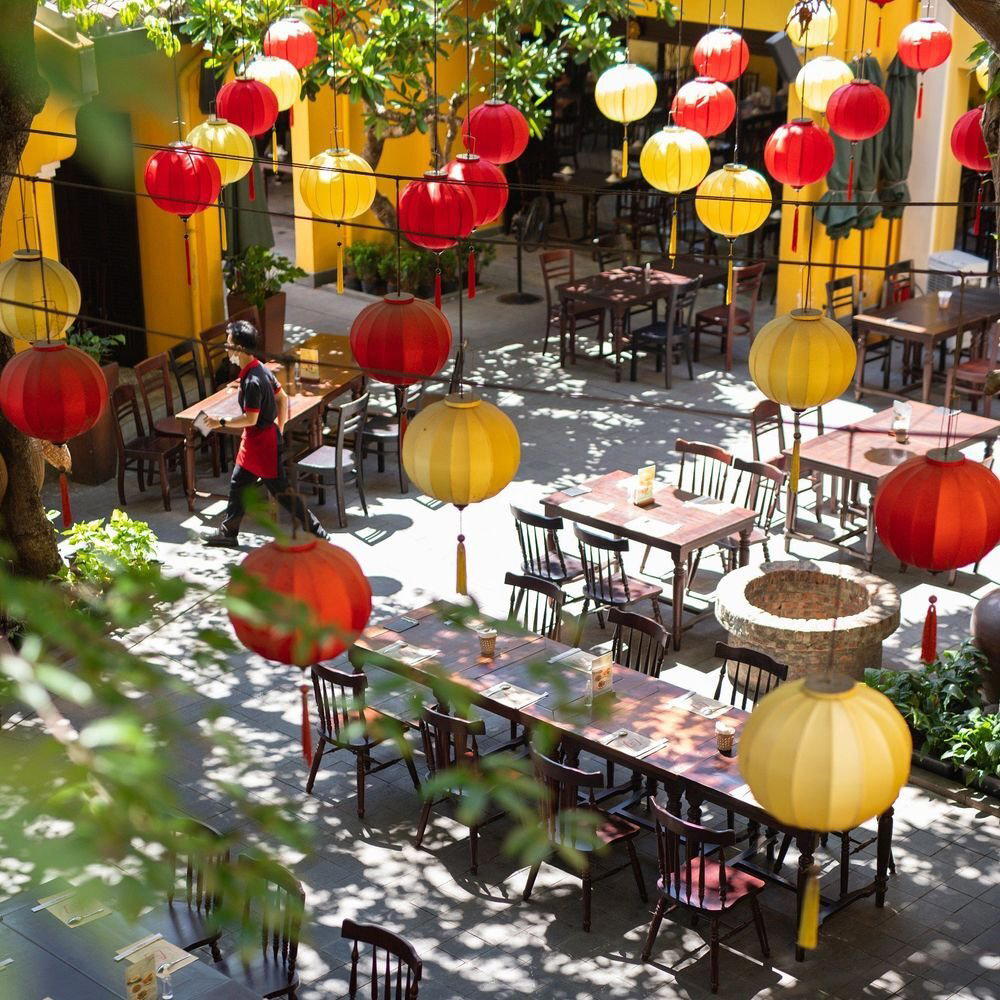
Tranquil and elegant with natural light-filled spaces, shaded pavilions, and relaxing spa-like serenity praised in guest reviews.
Know Before You Go
- Getting there
- Chan May – Lang Co Commune, Canh Duong Village, Chân Mây - Lăng Cô, Huế 530000, Vietnam