



Michelin Guide New Hotels New Hotel · Michelin Selected · Vogue 2026 Vogue Best Hotels in Istanbul
Casa Foscolo Hotel occupies a history-laden structure in one of Istanbul's oldest central districts, positioning itself at the intersection of cultural depth and contemporary hospitality. The property draws locals and international guests into a shared space where art and architecture carry as much weight as service. For travellers who prioritise neighbourhood immersion over resort-scale amenity, it represents a considered choice in a city of layered contrasts.

Pearl is the En Primeur Club membership app, where members save venues, book tables and use the concierge.
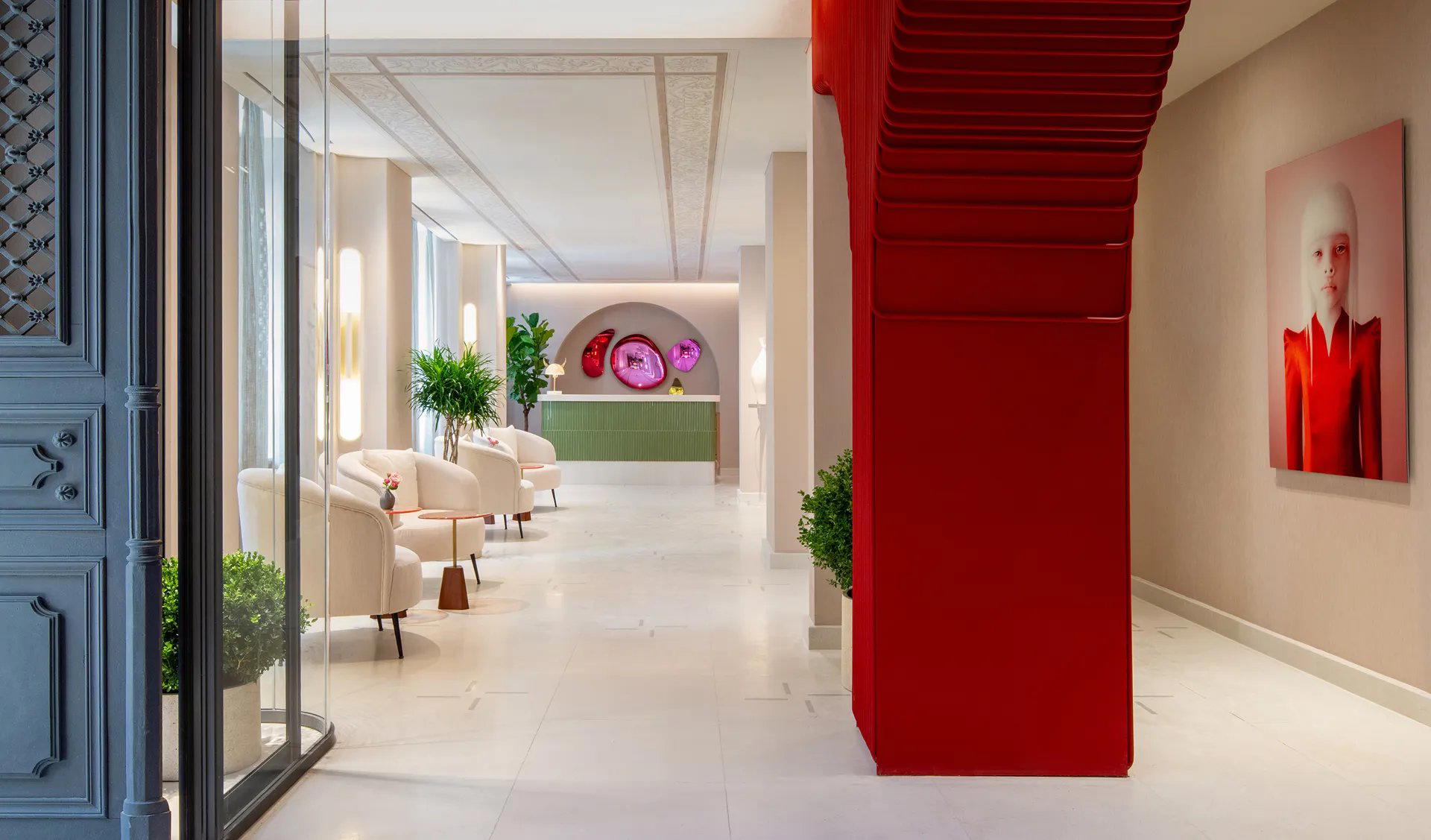
Where Istanbul's Oldest Districts Still Set the Tempo
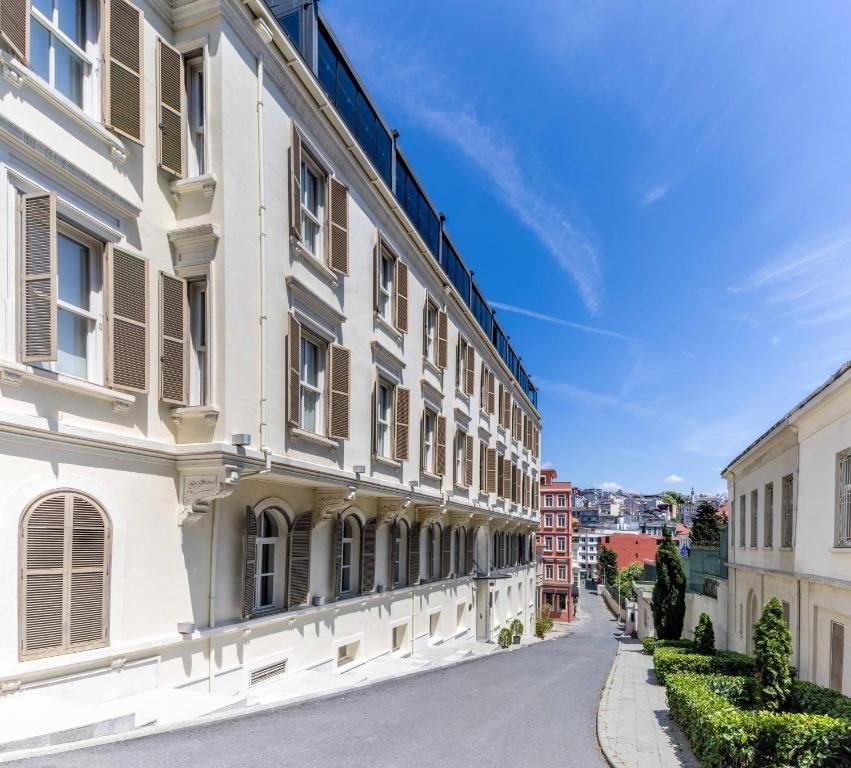
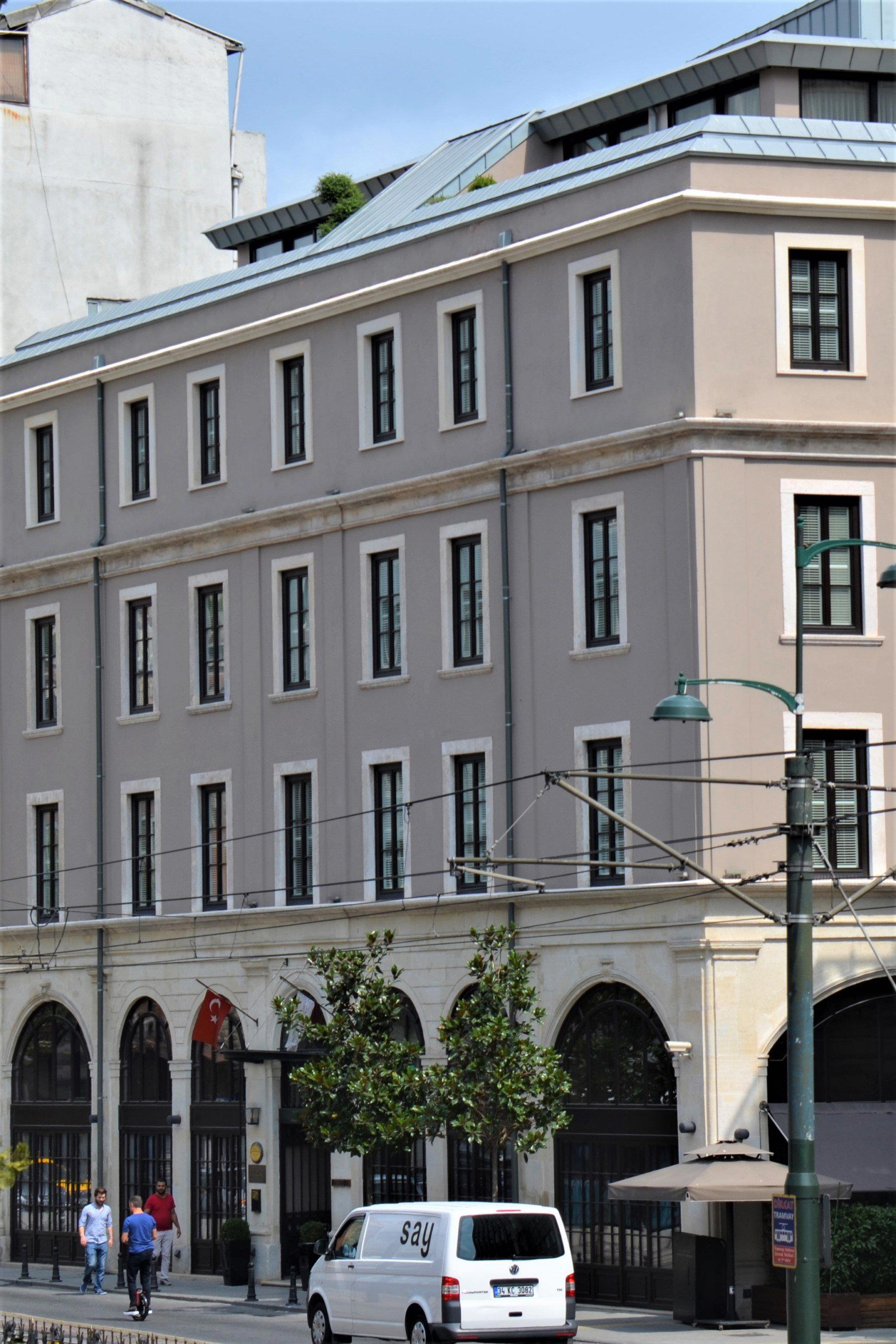
The postal code 34430 places Casa Foscolo Hotel in Beyoğlu, the arc of Istanbul that runs from the Golden Horn waterfront up through Galata and into the backstreets behind İstiklal Avenue. This is not the sanitised heritage district that visitors often expect from a city marketed on mosques and sea views. Beyoğlu has always been a working neighbourhood first, a cultural address second, and a tourist destination almost by accident. The streets around General Yazgan Sokak carry the compressed social history of a city that has been continuously inhabited, continuously contested, and continuously rebuilt for millennia. Arriving here feels different from checking into a hotel on the Bosphorus waterfront or in the Sultanahmet heritage corridor. The scale is tighter, the street noise more immediate, and the transition from pavement to lobby more abrupt.
That abruptness is, in many respects, the point. Istanbul's most interesting hotel openings of the past decade have increasingly stepped away from the large-footprint, panoramic-view formula favoured by the international chains. Properties like 10 Karakoy helped establish the template in the Karaköy waterfront zone, while Aliée Istanbul and Barcelo Hotel Istanbul represent different points on the scale between boutique and mid-market. Casa Foscolo sits in a distinct category: a reborn historic structure repositioned around cultural programming rather than amenity stacking, placing it closer in philosophy to properties like AJWA Sultanahmet, which also treats the building itself as a primary argument for the stay.
The Architecture as Argument
Historic-building conversions in Istanbul carry particular weight because the city's building stock spans Ottoman, Byzantine, Genoese, and early Republican periods in close proximity. In Beyoğlu specifically, the late Ottoman and early twentieth-century fabric is dense and often underutilised. Converting these structures into hospitality venues involves navigating preservation requirements, structural irregularities, and the question of how much of the original character to retain versus how much to update for contemporary comfort. The hotels that handle this well tend to preserve the structural vocabulary of the original building while updating the interior systems, rather than imposing a design concept that competes with the architecture. Casa Foscolo's positioning as a place where art, culture, locals, and guests interact suggests an approach oriented toward the former: let the building carry the argument, and programme the space to match its register.
This model of cultural-anchor hotel has gained significant traction across European cities with deep heritage stock. In Venice, Aman Venice occupies a sixteenth-century palazzo and makes the architecture the centrepiece of the guest experience. In New York, Aman New York and The Fifth Avenue Hotel compete in part on their buildings' histories. Istanbul's version of this category is smaller and more fragmented, but Casa Foscolo's location and framing place it within that broader international conversation about what historic architecture can do for a hospitality product.
Local Integration as Programming
The deliberate framing of Casa Foscolo around the interaction between locals and guests is worth examining closely, because it represents a specific editorial stance about what a hotel is for. In Istanbul's larger properties, the separation between hotel guest and local resident is often complete: the lobby, restaurant, and rooftop operate as a self-contained world. At the Çırağan Palace Kempinski or the Four Seasons at the Bosphorus, the guest is insulated from the city by design, which is exactly what a portion of the market wants. Casa Foscolo's framing suggests the opposite aspiration: the hotel as a porous cultural space where the neighbourhood comes in and guests move out into it. For travellers who want Istanbul to actually register rather than merely be seen from a terrace, this positioning is substantive.
Beyoğlu's immediate vicinity supports that kind of engagement. The district has a gallery density that rivals any comparable neighbourhood in the region, a food and coffee culture that operates on local rather than tourist rhythms, and a street life that changes character block by block. The Galata Tower area draws visitor concentration, but move two or three streets toward the back of the hill and the neighbourhood becomes primarily residential and commercial in the way that makes a city legible. Staying within that fabric rather than above it changes what a visitor can actually learn about Istanbul in a short trip.
How This Property Fits the Broader Istanbul Hotel Market
Istanbul's hotel market in 2024 and into 2025 has continued to stratify between large-scale international properties competing on amenity packages and a smaller, more editorially interesting tier of independently positioned boutique hotels. The comparison set includes Address Istanbul, Ajia on the Asian shore, and Bebek Hotel by The Stay on the Bosphorus, each of which makes a different geographic and character argument. Casa Foscolo's argument is the historic urban core, served at a human scale.
For travellers with a broader Turkey itinerary, it also functions as a useful anchor point before or after travel to properties like Argos in Cappadocia, MACAKIZI BODRUM, Alavya in Alacati, or Allium Bodrum Resort and Spa. Istanbul as a gateway city works well when the Istanbul stay itself has character, rather than functioning purely as a transit stop. Hu of Cappadocia, Ajwa Cappadocia, and Hillside Beach Club in Fethiye all represent the regional range that Casa Foscolo can introduce before guests move on. Our full Istanbul restaurants guide maps the dining context for guests staying in this part of the city.
Planning Your Stay
Quick Comparison
Comparable venues nearby, for context on price, style, and recognition.
| Venue | Cuisine | Price | Awards | Notes |
|---|---|---|---|---|
| Casa Foscolo Hotel, IstanbulThis venue (the venue you are viewing) | Historic neoclassical building with modern boutique restoration | Not listed | Michelin Guide New Hotels New Hotel · Michelin Selected | Not listed |
| Bebek Hotel by The Stay | Refurbished 1950s boutique hotel blending historic charm with contemporary luxury on the Bosphorus waterfront. | $500–750 | Michelin Selected · Forbes Recommended | Bebek |
| Hotel Ibrahim Pasha | Boutique hotel in restored early 20th-century Ottoman townhouses blending contemporary elegance with traditional Ottoman style. | Not listed | Michelin Selected | Binbirdirek |
| Soho House Istanbul | Members-only club hotel in restored historic palazzo | $300–500 | Michelin Selected · Vogue 2026 Vogue Best Hotels in Istanbul | Beyoğlu |
| The Stay Boulevard Nisantasi | Boutique luxury with cultural heritage fusion | Not listed | Michelin Selected | Nisantasi |
| Pera Palace Hotel | Historic luxury museum hotel blending Eastern and Western architectural traditions. | Not listed | Not listed | Evliya Celebi |
Recognition history
Dated appearances from independent guides and award organizations, with the underlying list record or original source where available.
Michelin Guide New Hotels New Hotel
Michelin Guide New Hotels
Michelin Selected
Michelin
Design Hotels Member
Design Hotels
Vogue 2026 Vogue Best Hotels in Istanbul
Vogue
Continue exploring
More in Istanbul
Hotels in Istanbul
All hotels in Istanbul →
Details
- Elegant
- Sophisticated
- Modern
- Cozy
- Intimate
- Romantic Getaway
- Business Trip
- Weekend Escape
- Historic Building
- Terrace
- Wi Fi
- Room Service
- Concierge
- Air Conditioning
- Street Scene
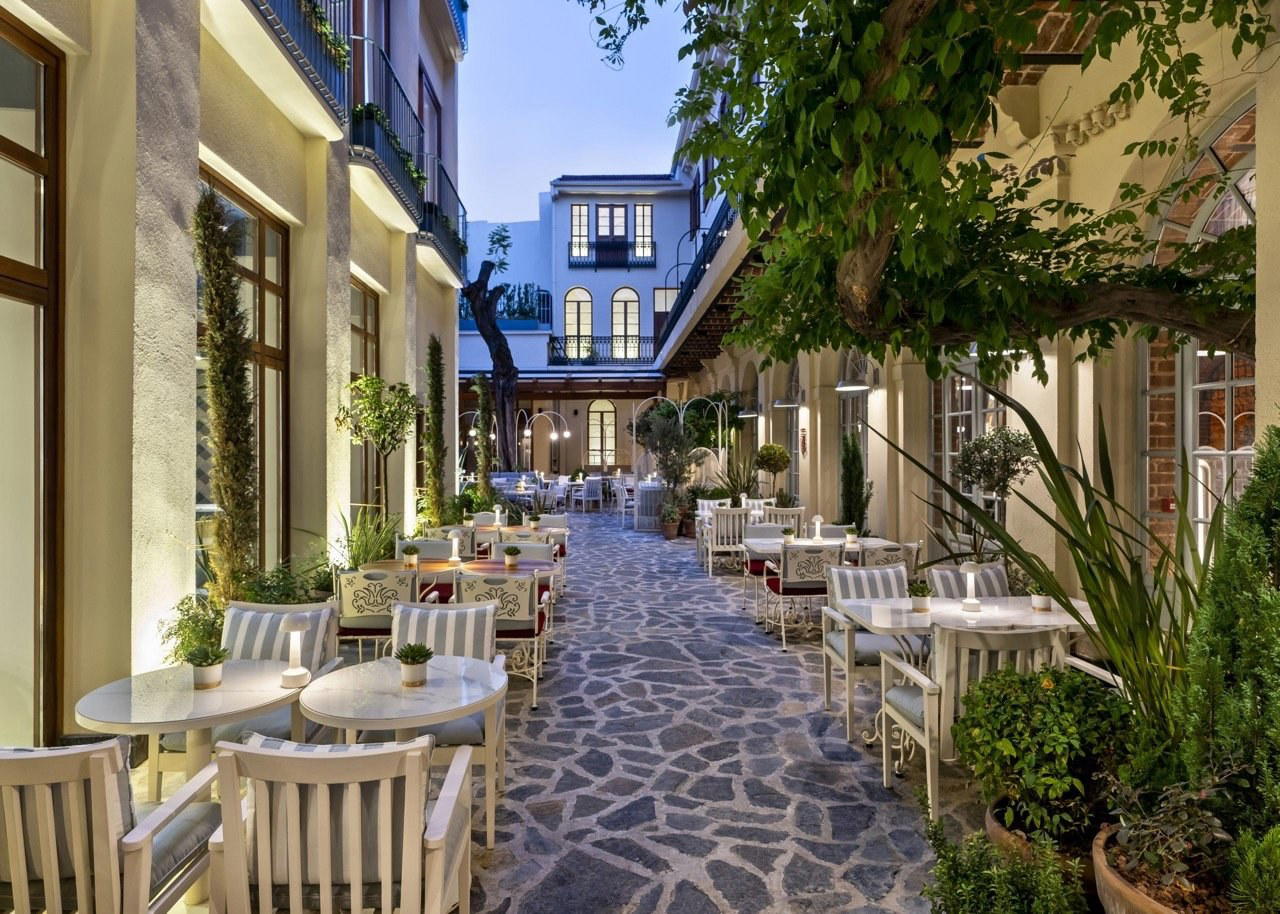
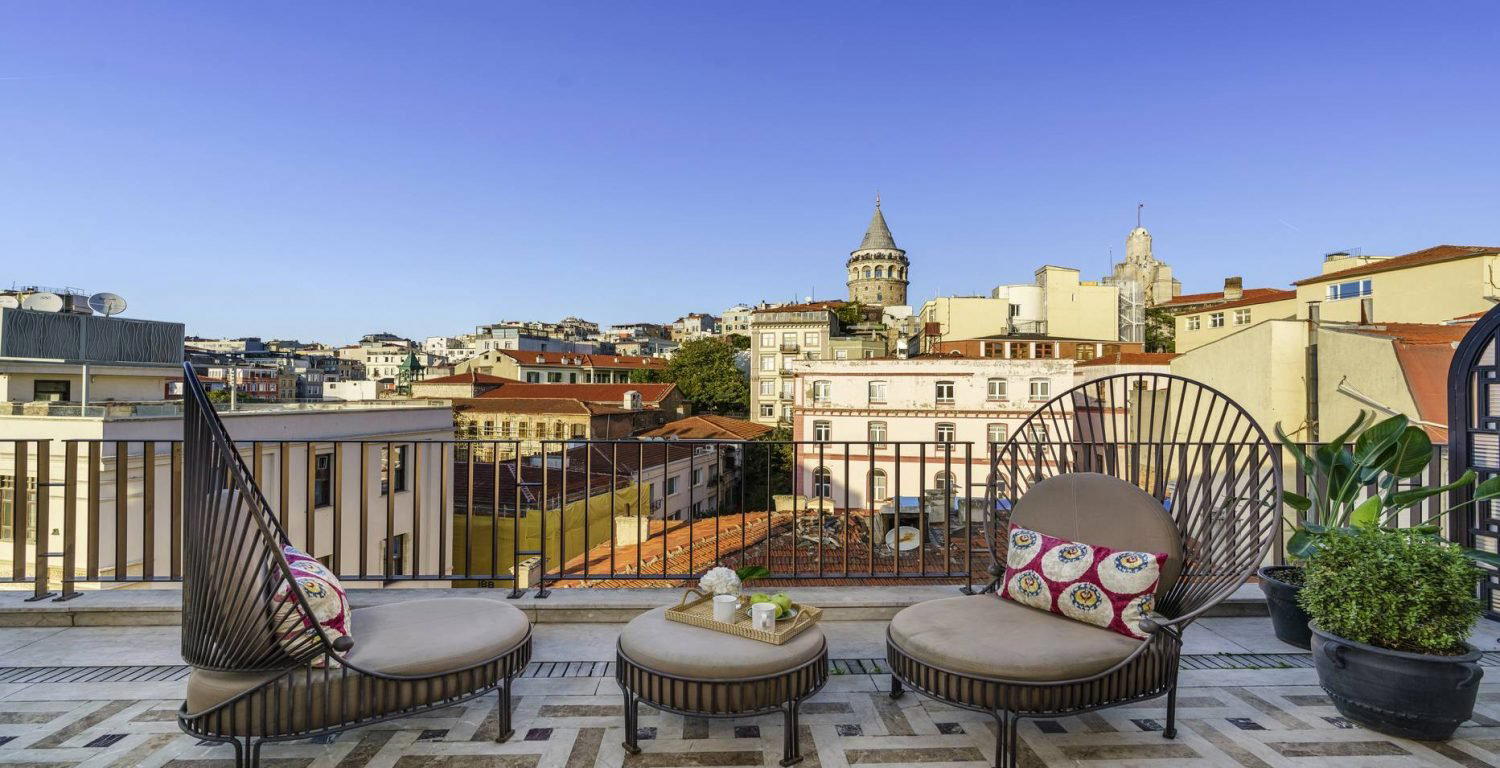
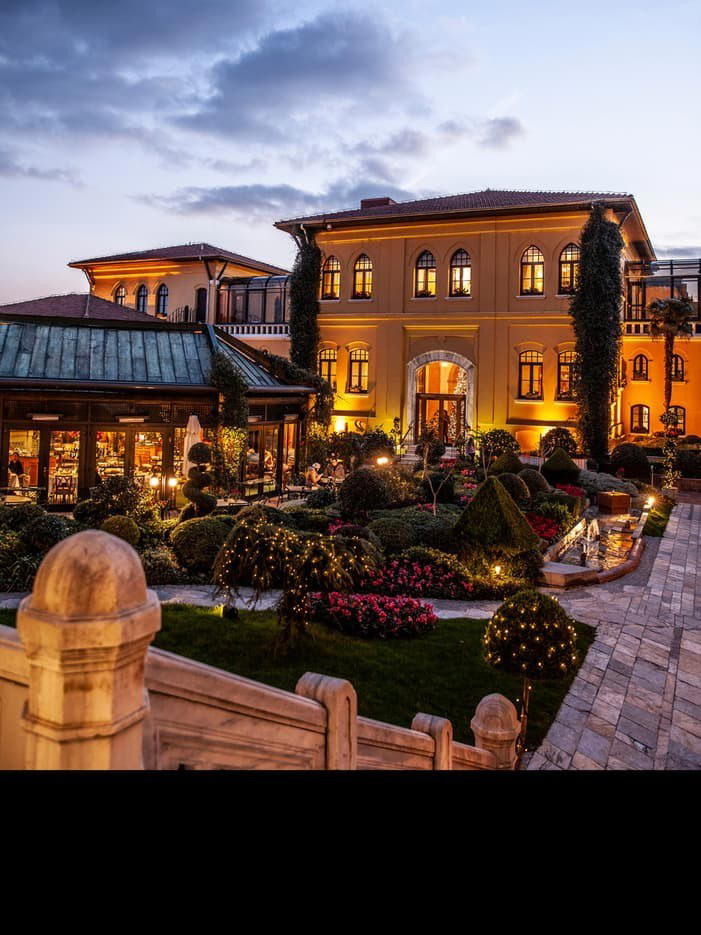
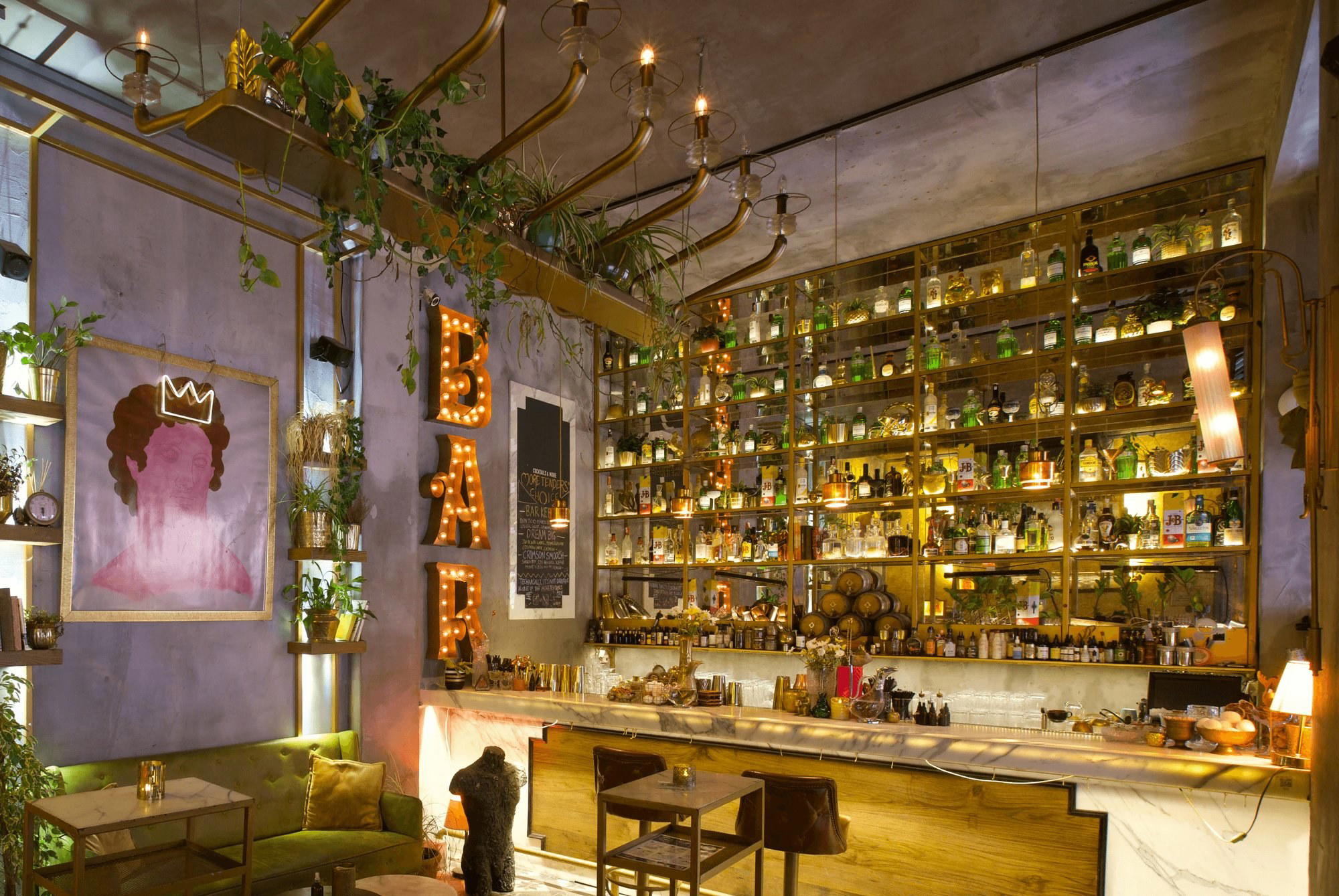
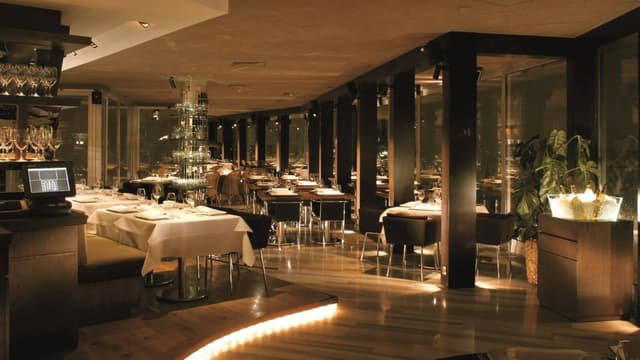
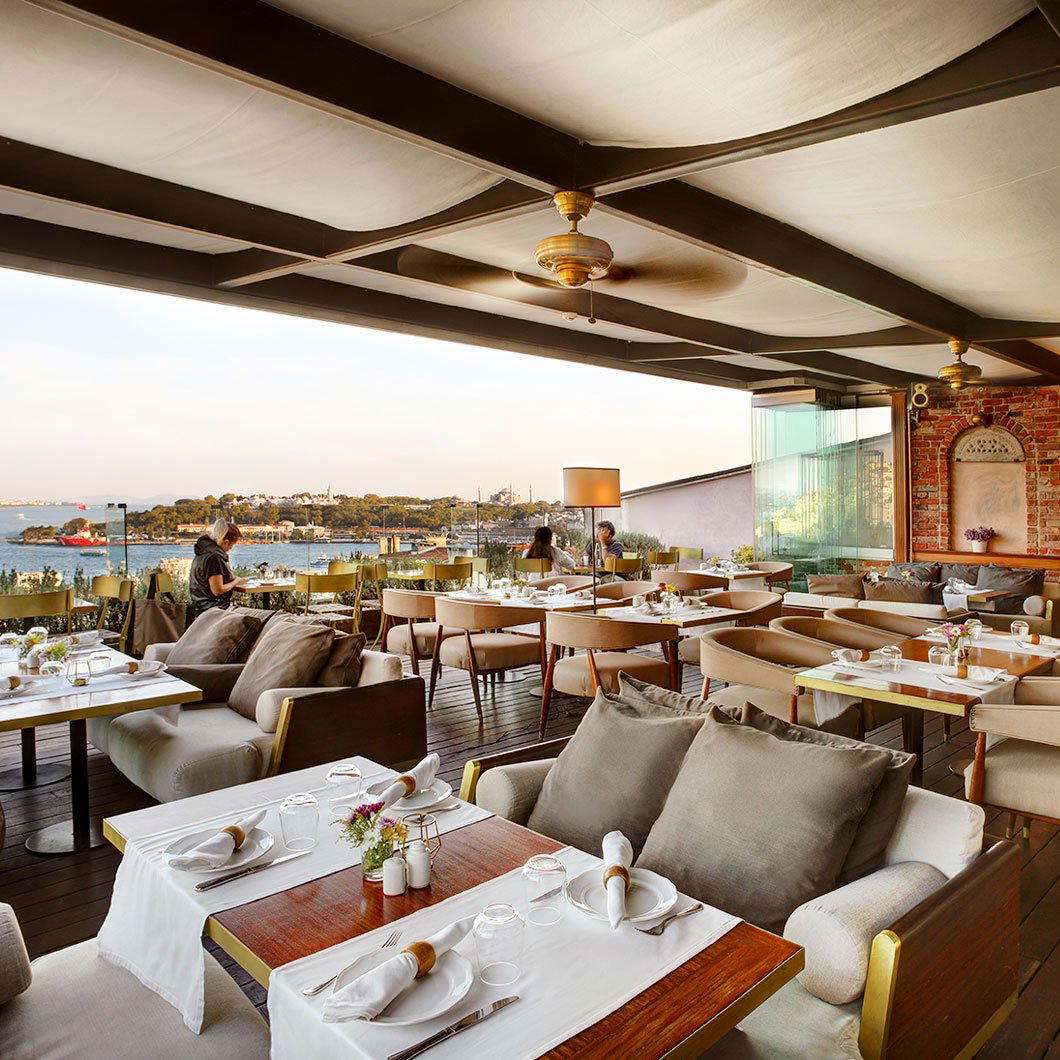
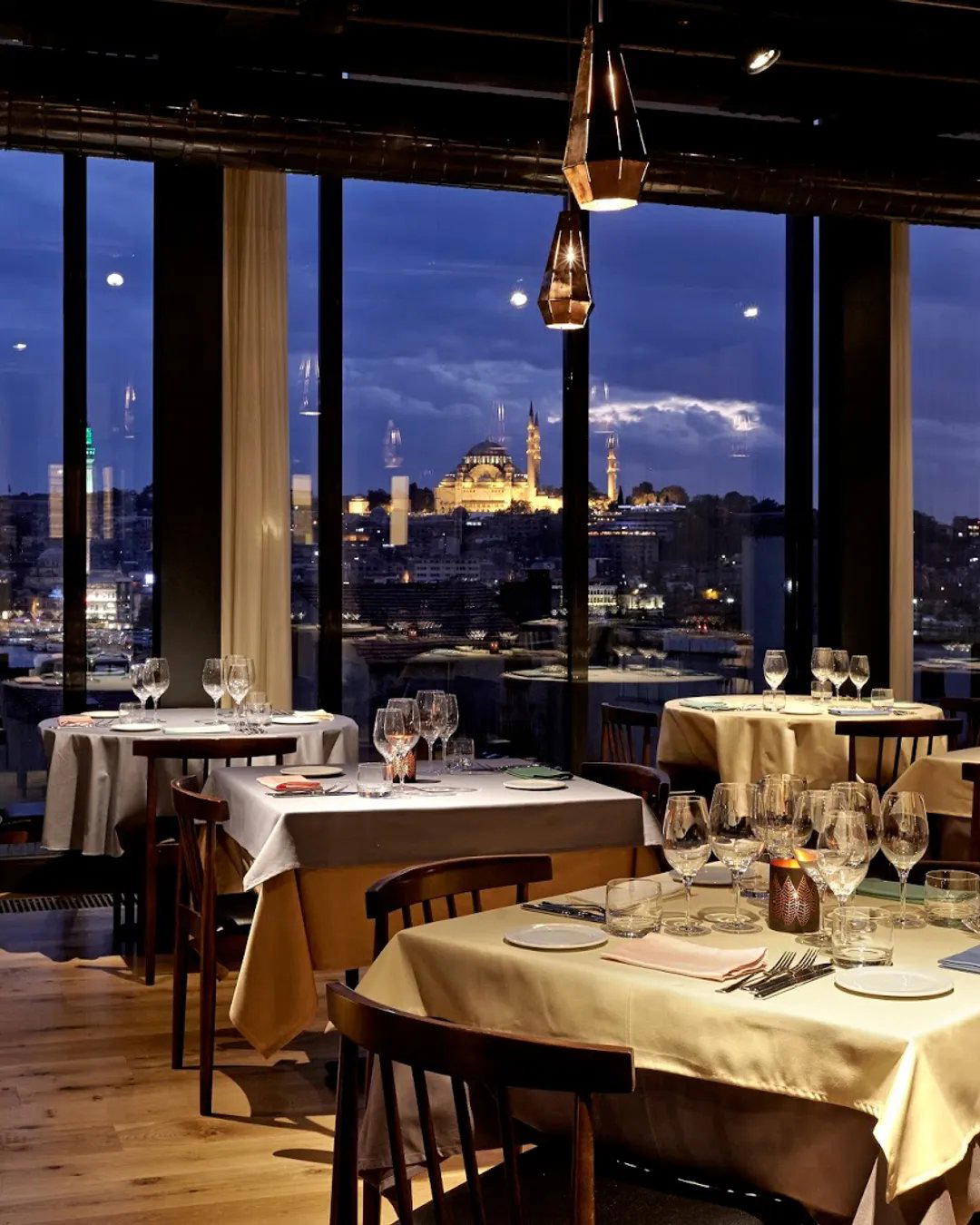
Warm pastel tones, marble, tile mosaics, high ceilings, original stone walls, and handcrafted motifs create an elegant, history-infused atmosphere praised for its cleanliness and design.