
Zoku Vienna occupies a distinct position in the city's accommodation scene: a Michelin Selected property in the 2nd district that trades grand-hotel ceremony for a format built around longer stays and flexible living spaces. Located on Perspektivstrasse 6, it appeals to travellers who want Vienna's cultural density without the formality that defines the Ringstrasse tier.
Pearl is the En Primeur Club membership app — saves, bookings, and concierge access live there. Same editors, same standards.
- Address
- Perspektivstr. 6, Vienna, Austria
- Phone
- +43 720 987 101
 Saves & bookings on Pearl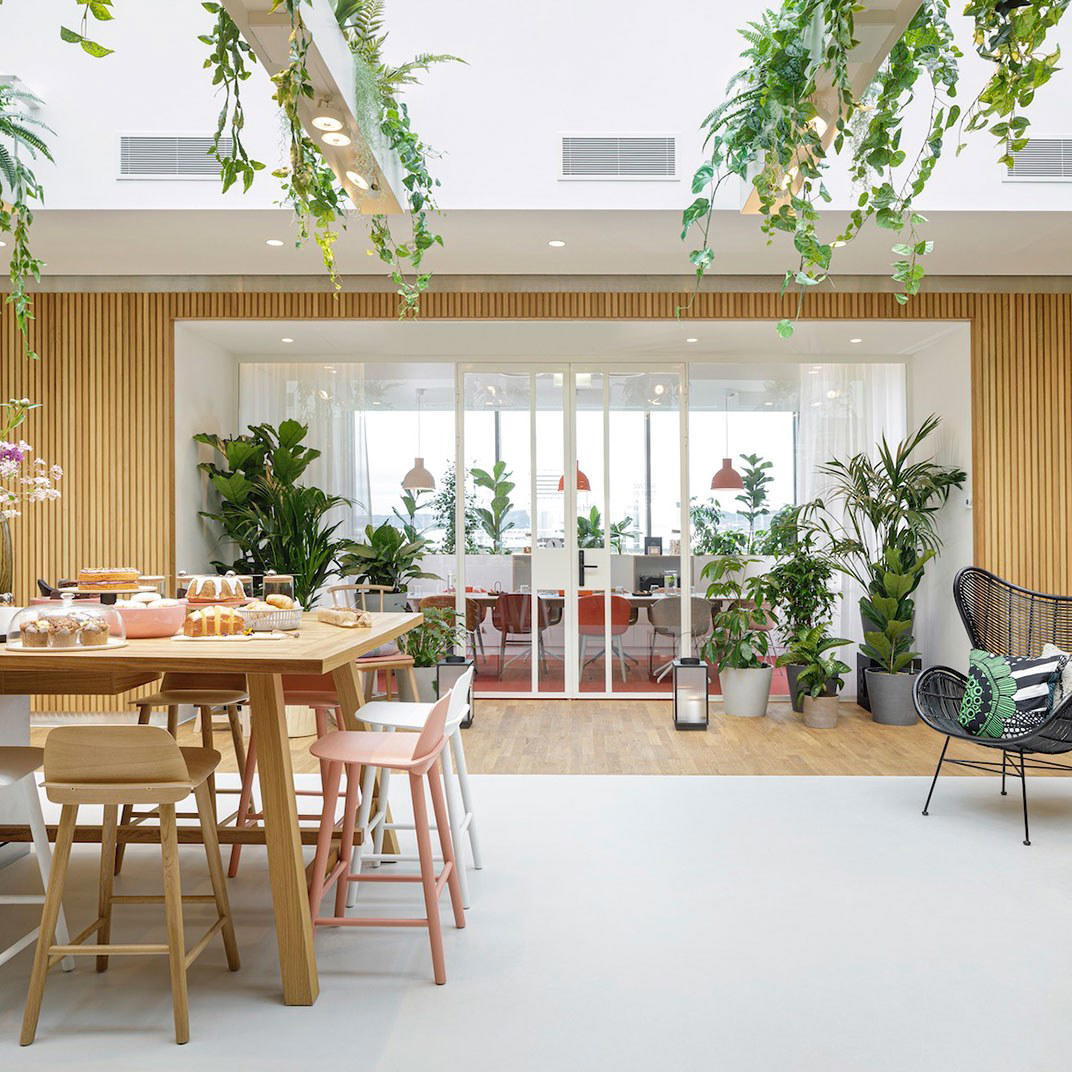
A Different Register of Vienna Hospitality
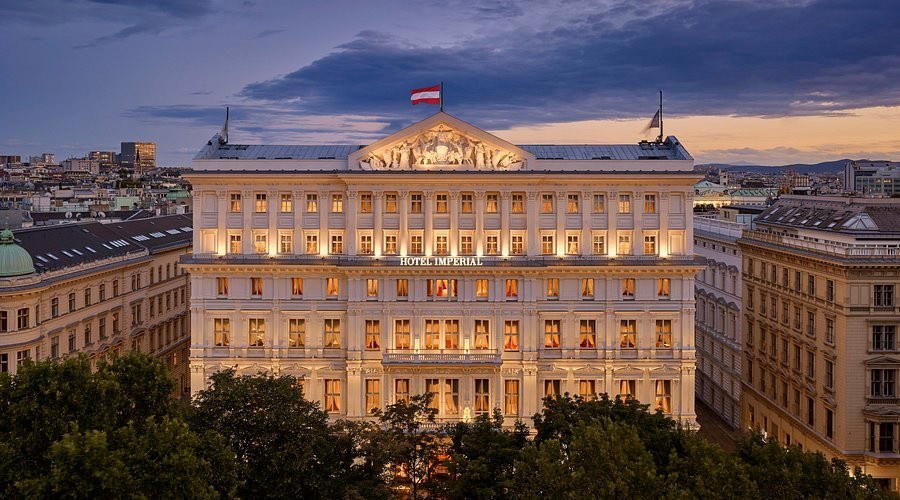
Vienna's hotel market divides cleanly into two camps. On one side sit the grand imperial addresses along the Ringstrasse, Hotel Sacher Wien, Hotel Imperial, and Rosewood Vienna, where ceremony, marble, and white-glove service are the primary product. On the other side, a smaller cohort of design-forward properties has emerged that treats the hotel room as a living unit rather than a transient sleeping space. Zoku Vienna belongs firmly to this second group. The Michelin Selected designation it carries in the 2025 guide places it inside a recognised tier of quality.
The address is Perspektivstrasse 6, in the 2nd district, away from the Innere Stadt's tourist pressure. That positioning is a signal in itself. Properties choosing the 2nd district are not competing for the traveller whose primary criterion is walking distance to the Staatsoper. They are targeting residents-by-week: the consultant on a six-night engagement, the creative visiting for a festival, the remote worker who needs a desk that functions as well as the bed. The neighbourhood's relative quiet, its proximity to the Prater and the Donaukanal, and its less performative character suit that user profile precisely.
The Format as the Menu
In food criticism, a menu's architecture reveals a kitchen's actual priorities more reliably than any press release. The same logic applies to hotel room design. Zoku's room format, a compact footprint at ground level that opens into a raised sleeping loft above a working and living zone, is essentially a spatial argument. The argument is that the desk and the kitchen counter matter as much as the bed, and that the conventional hotel room's hierarchy (bed dominant, everything else residual) is wrong for the guest who stays more than two nights.
This format, developed by the Zoku brand across its European properties, sits in contrast to the extended-stay apartment model, which typically sacrifices design coherence for square footage. It also sits in contrast to the boutique hotel model, which typically sacrifices functional living space for aesthetic density. The loft unit tries to hold both. Whether it succeeds depends on the specific guest: solo travellers and couples on working visits tend to find the proportions work; groups requiring separate sleeping and social space will find the format limiting.
Where Zoku properties consistently perform is in the shared infrastructure. Communal kitchens, co-working zones, and social spaces designed to function at different times of day give the format its coherence. A guest who never uses those spaces is, in effect, paying for a well-designed compact room. A guest who uses them regularly gets something closer to a serviced residence with hotel-grade housekeeping.
Where Zoku Vienna Sits in the City's Accommodation Tiers
The Michelin Selected status positions Zoku Vienna in a specific quality bracket: not the full-star hotel category, but above the generic extended-stay market. For context, the 2025 Michelin Hotels selection in Vienna includes properties across several style registers, from historic grand hotels to contemporary design addresses. Inclusion signals a minimum standard of quality and consistency, not a specific format or price point.
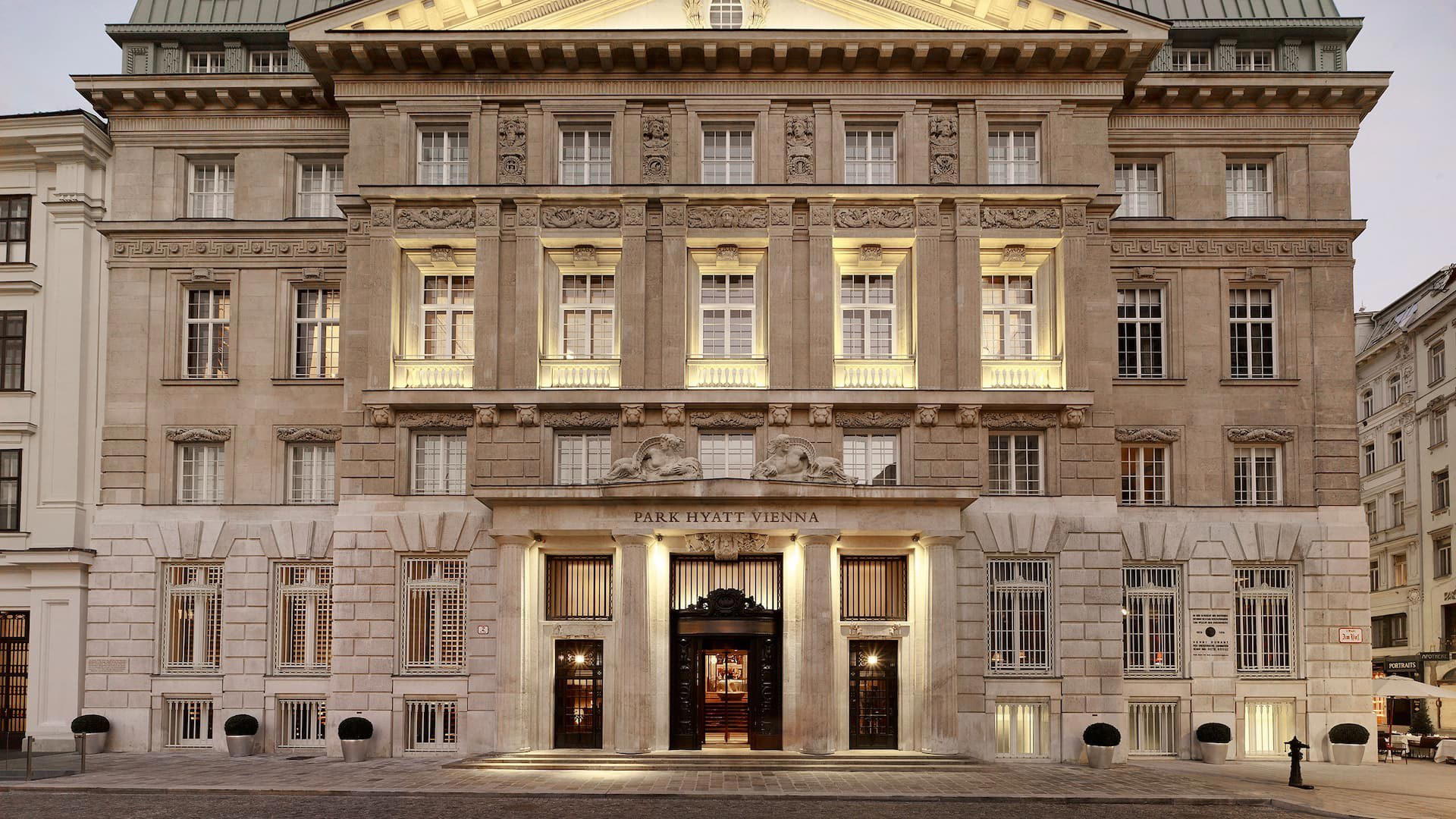
Travellers weighing the hotel against Vienna's other design-forward options will find a different comparable set than the classical tier. Hotel Sans Souci Wien in the 7th district offers a similar design sensibility with a more traditional hotel structure. 25hours Hotel Vienna at MuseumsQuartier targets a comparable audience with a louder aesthetic register. The Amauris Vienna and Park Hyatt Vienna occupy a considerably more formal and expensive tier. A by Adina Vienna Danube is the closest structural parallel, another aparthotel concept near the Danube, and comparing the two is instructive: Adina prioritises apartment scale, Zoku prioritises community infrastructure and design coherence at smaller unit sizes.
The 2nd District as Context
The Leopoldstadt, Vienna's 2nd district, has shifted considerably over the past decade. Once primarily known for the Prater and its working-class character, it now holds a growing concentration of independent restaurants, wine bars, and design studios. The Karmelitermarkt, a short distance from Perspektivstrasse, anchors a food scene that is distinctly less formal than the Innere Stadt's restaurant culture. For travellers interested in Vienna beyond the museum quarter and the Ringstrasse circuit, the 2nd district offers a more granular version of the city.
That said, central Vienna's major sites remain accessible by public transport. The U1 and U2 lines connect the district efficiently to the 1st, and the tram network covers shorter distances with frequency.
Planning a Stay
The hotel is suited to stays of three nights or more, at which point the format's living-space logic starts to pay off. Shorter stays can feel like paying for infrastructure you won't fully use. The 2nd district location means guests arriving by air from Vienna International Airport can reach the property via the CAT (City Airport Train) to Wien Mitte and then tram or taxi, a transfer of roughly 30 to 40 minutes under normal conditions.
Properties like Schloss Mönchstein in Salzburg or Rosewood Schloss Fuschl near Salzburg represent the grander end of Austrian hospitality if the trip extends beyond the capital. In the Alps, the range runs from wellness-focused properties like Naturhotel Waldklause in Längenfeld and Alpen-Wellness Resort Hochfirst in Obergurgl to resort addresses such as Grand Tirolia Kitzbühel and Hotel Almhof Schneider in Lech. Activity-oriented options include LEADING Hotel Hochgurgl, Aktiv & Wellnesshotel Bergfried in Tux, Sportresidenz Zillertal in Uderns, and Bergblick in Grän. Family-focused travellers might consider Family Nature Resort Moar Gut in Grossarl. Lake-country alternatives include Hotel Schloss Seefels in Techelsberg and Falkensteiner Schlosshotel Velden.
Zoku's position within Vienna's accommodation landscape is defined by its live-work layout, community spaces, and design coherence rather than ceremony or maximalism.
Comparison Snapshot
Comparable venues nearby, for context on price, style, and recognition.
| Venue | Cuisine | Price | Awards | Notes |
|---|---|---|---|---|
| Zoku ViennaThis venue — the venue you are viewing | Hybrid home-office aparthotel for business travelers and remote workers. | $$ | Not listed | Not listed |
| 25hours Hotel Vienna at MuseumsQuartier | Urban lifestyle design hotel in a renovated 1970s building | $$$ | Not listed | Hofburg |
| Graetzlhotel Belvedere | Urban boutique in repurposed ground-floor spaces | $$ | Not listed | Wieden |
| Graetzlhotel Karmelitermarkt | Urban studio apartments in repurposed ground-floor shops | $$$ | 3-Star | Praterstern Wien Nord |
| Austria Trend Hotel Schloss Wilhelminenberg | Historic castle hotel blending modern comfort with imperial heritage | $$$ | 4-Star | Dornbach |
| Graetzlhotel Meidlinger Markt | Urban apartment hotel in neighborhood grätzl style | $$ | 3-Star | Gaudenzdorf |
Recognition history
Dated appearances from independent guides and award organizations, with the underlying list record or original source where available.
Michelin Selected
Michelin
Continue exploring
More in Vienna
Hotels in Vienna
Browse all →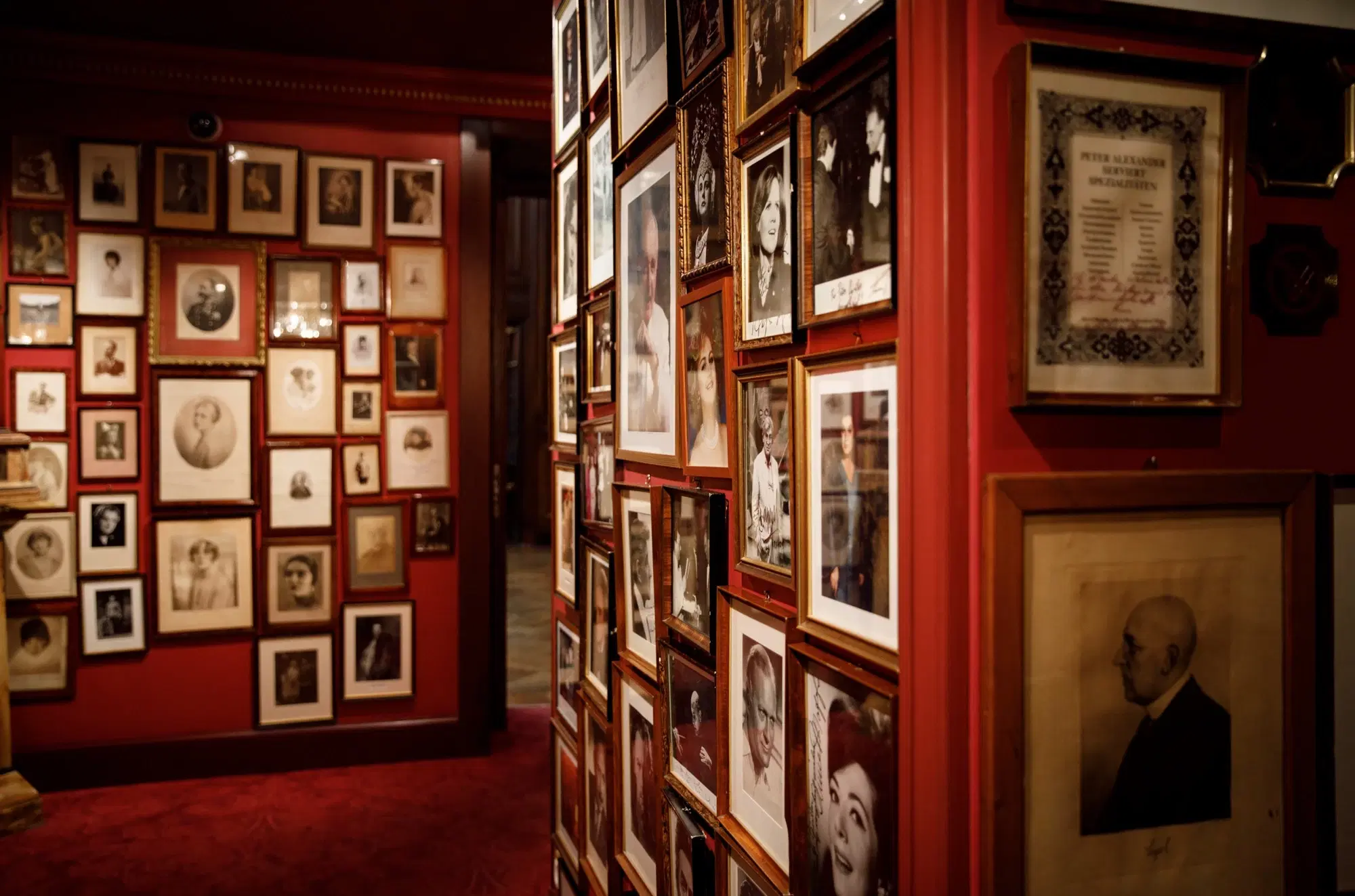
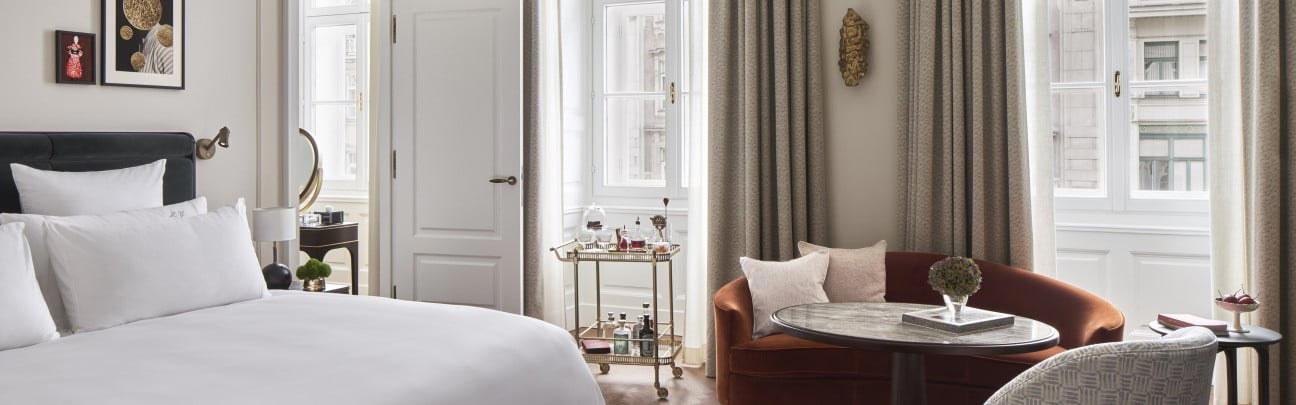
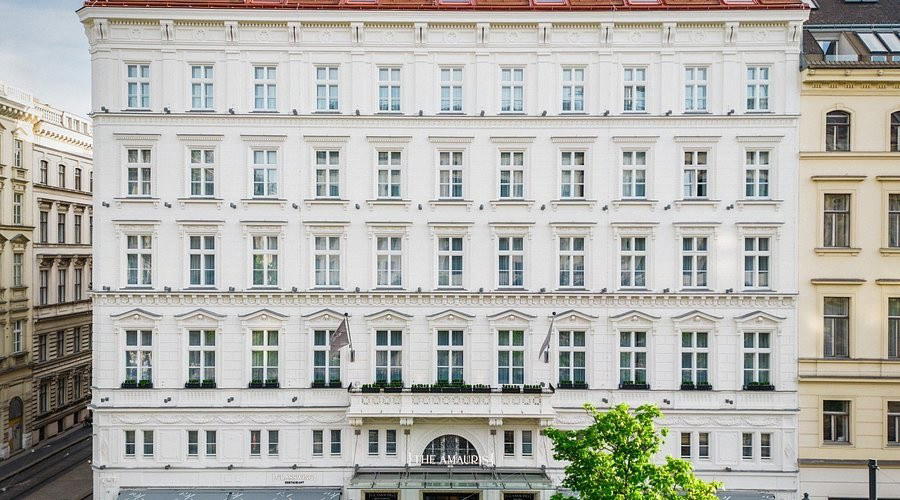
Bars in Vienna
Browse all →
Restaurants in Vienna
Browse all →
At a Glance
- Modern
- Trendy
- Minimalist
- Business Trip
- Weekend Escape
- Rooftop Pool
- Terrace
- Design Destination
- Panoramic View
- Wi Fi
- Meeting Rooms
- Restaurant
- Skyline
- Wi Fi
- Meeting Rooms
- Restaurant
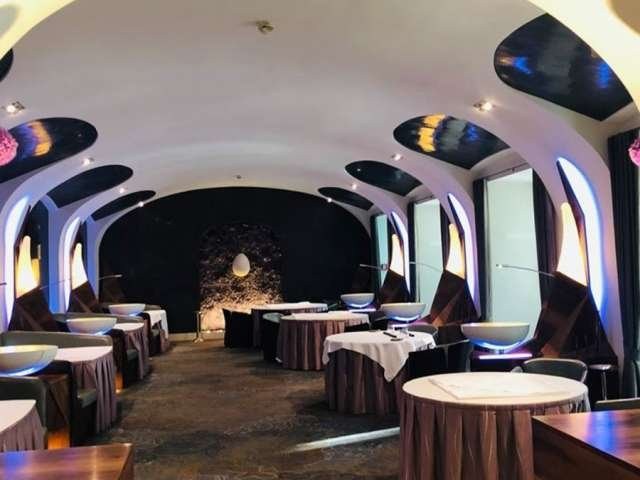
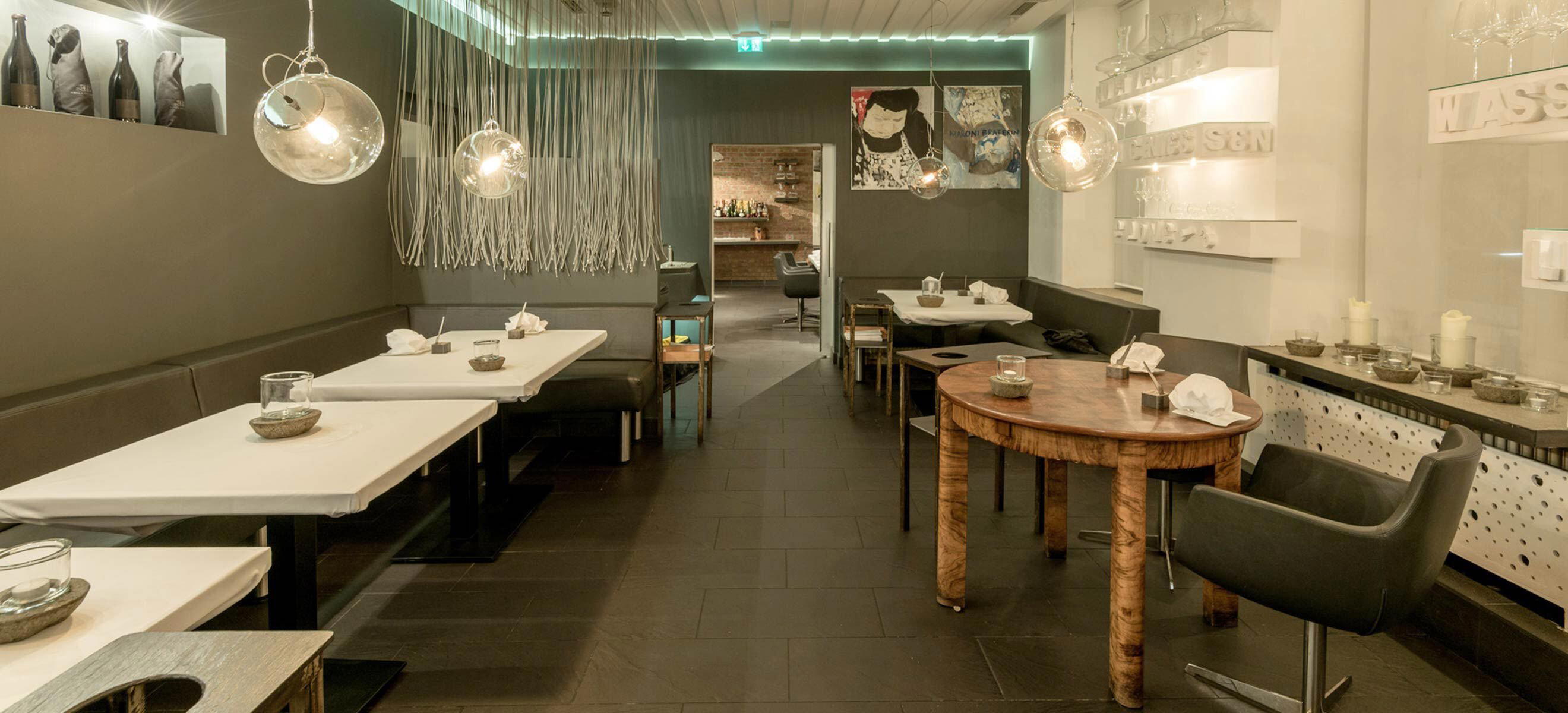
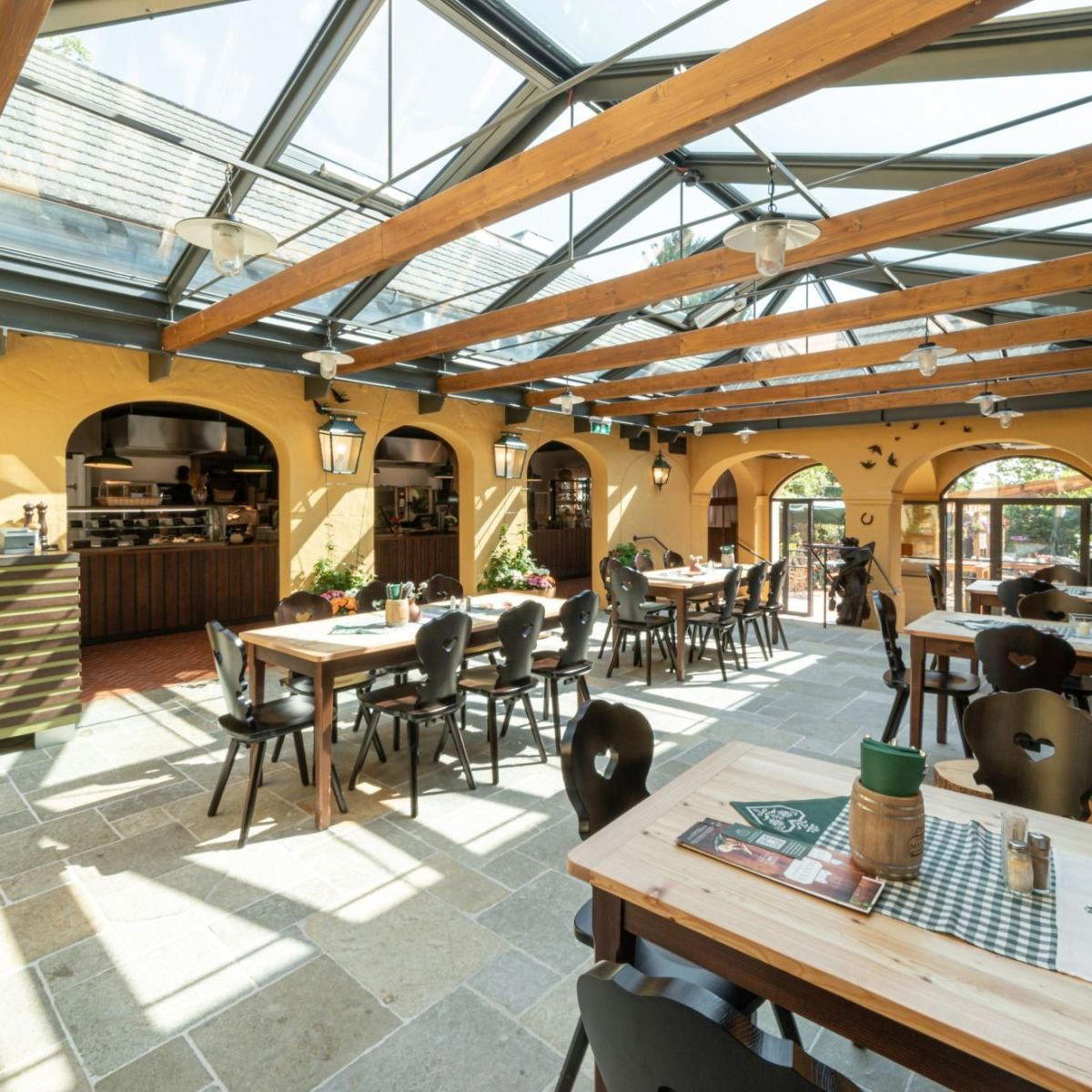
Bright, modern interiors with a relaxed, playful vibe ideal for work and social interaction.