← Guides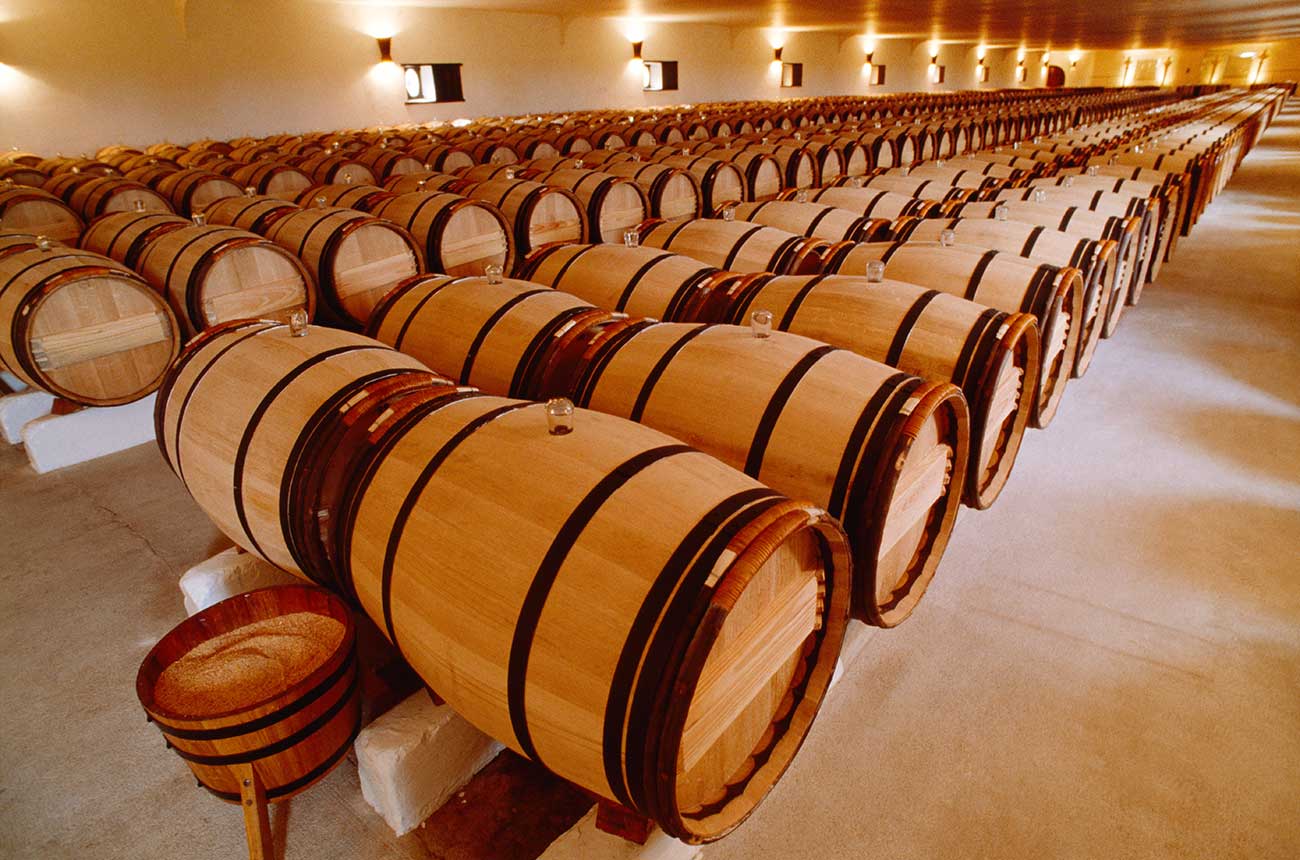
Planning a Bordeaux en primeur visit offers a distinctive opportunity to taste and evaluate the latest vintages before they are bottled. Discover essential tips for taking full advantage of your trip to this prestigious wine region.
Planning a Bordeaux en primeur visit offers a distinctive opportunity to taste and evaluate the latest vintages before they are bottled. Discover essential tips for taking full advantage of your trip to this prestigious wine region.
Yes, you can visit Bordeaux during en primeur, but the châteaux decide who gets in, and most of the doors that matter open only to the trade. For private collectors, the realistic route runs through a négociant or a UK/US merchant with existing château relationships, not through a direct email to Château Pichon Baron. The experience, when you do get inside, is unlike any other wine trip: barrel samples pulled straight from the chai, the technical team still deep in élevage decisions, and a vintage that exists only as potential. Here is how to actually make it happen.
The en primeur campaign is structured around the Bordeaux trade, not the end consumer. The Union des Grands Crus de Bordeaux (UGCB)1 organises the main tasting week, which draws nearly 5,000 wine industry professionals from around the world. Access is restricted to industry professionals,2 accredited press, importers, and négociants. Private individuals do not receive invitations through the UGCB directly.
Beyond the collective tasting, individual châteaux run their own appointment schedules during the same week, and particularly sought-after estates (the first growths, Pétrus, Le Pin, the Pomerol micro-cuvées) operate on invitation lists that have been closed to new entrants for years. Château Mouton Rothschild, Château Latour, and Château Margaux do not take cold enquiries from private visitors during primeur week. Their allocation of tasting slots goes to the négociants of the Place de Bordeaux, who in turn serve their merchant clients.
The practical bottleneck: even if you secure a merchant introduction, the tasting week is compressed. Appointment lengths vary by estate, so confirm scheduling details with your merchant. You will taste barrel samples, typically drawn from multiple parcels and blended to approximate the final assemblage, that are still evolving. Tasting a 2025 Pauillac from barrel requires projecting forward through 18 to 24 months of further élevage,3 sometimes longer for the premiers crus. This is not a leisure tasting; it is a working session.
En Primeur Week 2026, presenting the 2025 vintage, runs from April 20 to 23, 2026, in Bordeaux.4 Registration is now open through the UGCB (ugcb.net).4 Château tastings on April 21 to 23 run from 9.30am to 6pm and are limited to industry professionals and the press.2 Places for those château tastings are subject to availability, with confirmations sent by email.4
Individual château appointment windows open and close on their own schedules, coordinated through the négociant network. If you are travelling with a merchant, they will handle appointment logistics on your behalf, the châteaux do not release appointment slots publicly.
For the release of en primeur offers (the point at which you actually commit capital), château properties generally release en primeur prices within two months of the tastings.3 The Wine Society, for example, emails members as each château releases its price, with a reservation window typically of 48 to 72 hours.5 Having a merchant relationship in place before you travel is not optional; it is the mechanism.
There are three realistic routes for a private collector:
Travel with a specialist merchant. Several UK and US fine wine merchants, Berry Bros. & Rudd, Justerini & Brooks, Farr Vintners, Bordeaux Index, and Acker among them, organise client trips to Bordeaux during primeur week. These trips draw on the merchant's existing négociant relationships to secure château appointments that would be inaccessible to an individual. The merchant acts as your credential. Costs vary by itinerary and are not standardised across merchants; contact each directly for current programme details.
Engage a Bordeaux-based négociant directly. If you have an existing relationship with a négociant on the Place de Bordeaux, or can be introduced through a merchant, some négociants will include serious private clients in their tasting rounds. This route requires a demonstrable purchase history and is not available to first-time visitors without an introduction.
Attend the CIVB's consumer-facing events. The Conseil Interprofessionnel du Vin de Bordeaux (CIVB) runs public-facing wine tourism programmes year-round, and some primeur-adjacent events are open to consumers. These do not provide access to the classified growth châteaux during tasting week, but they offer a legitimate entry point into the appellation's broader culture.
Arrive in Bordeaux in April and the city is still cool, the Gironde grey, the plane trees just budding. The châteaux, by contrast, are in full operational mode. The grand tasting at Hangar 14 on April 20 runs from 9:00 a.m. to 4:30 p.m. across three time slots,2 while the château circuit fills the days that follow. Each appointment follows a similar structure: a brief welcome from the technical team, a walk through the chai, and then the tasting itself.
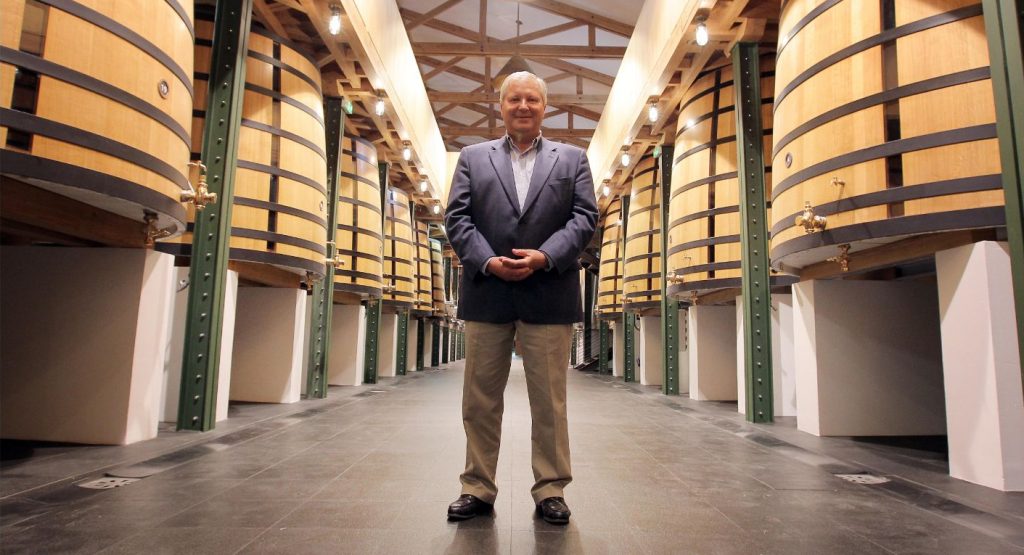
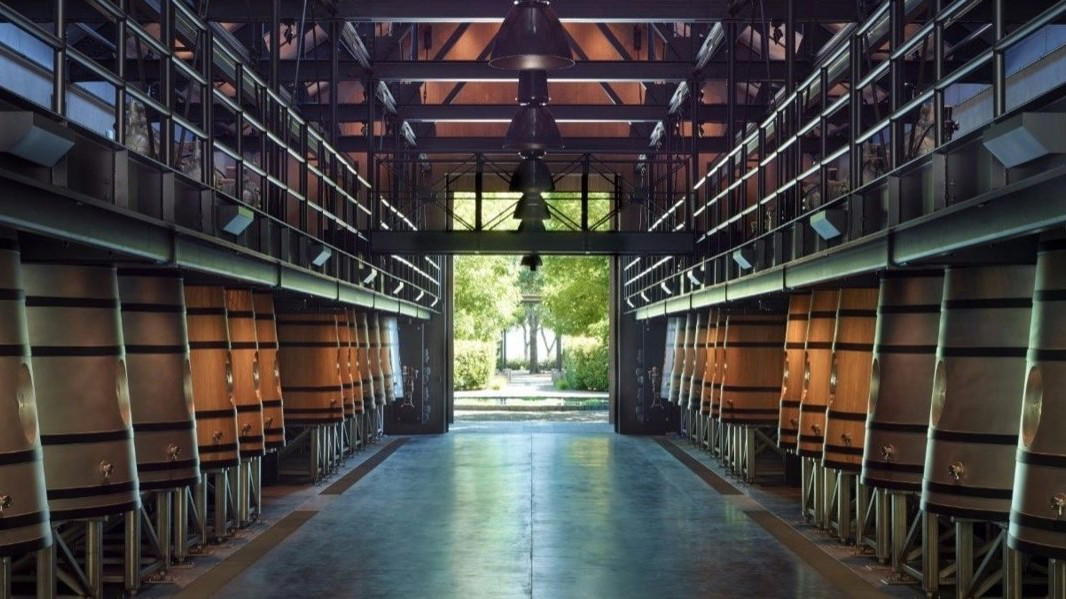
The barrel samples are the point. At a classified growth, you might taste four to six component lots, the Cabernet Sauvignon from the plateau parcels separately from the Merlot from the lower terraces, the press wine held aside, before the team presents the proposed assemblage. The winemaker is often in the room, and the conversation is technical: extraction levels, the decision on new oak percentage, whether the vintage's natural acidity allows for earlier drinking than the previous release.
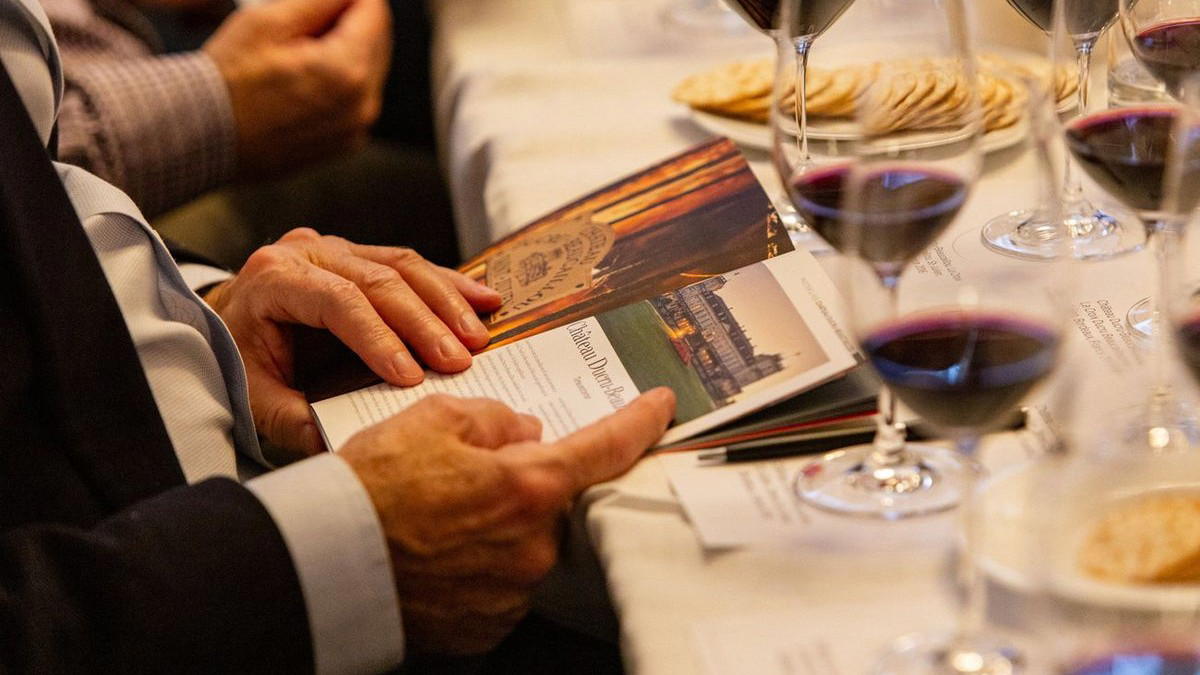
The samples themselves are challenging. A barrel sample of a 2025 Saint-Julien in April 2026 will be cloudy, still showing primary fruit and raw tannin, with oak integration incomplete. Experienced primeur visitors spit consistently; the volume across a week is considerable, and no château spells this out, but the practice is universally expected among trade visitors.
Evenings during primeur week are their own circuit: négociant dinners, merchant client events, and the occasional château dinner for favoured buyers. These are where relationships are built and allocations are quietly discussed. The social layer is inseparable from the commercial one.
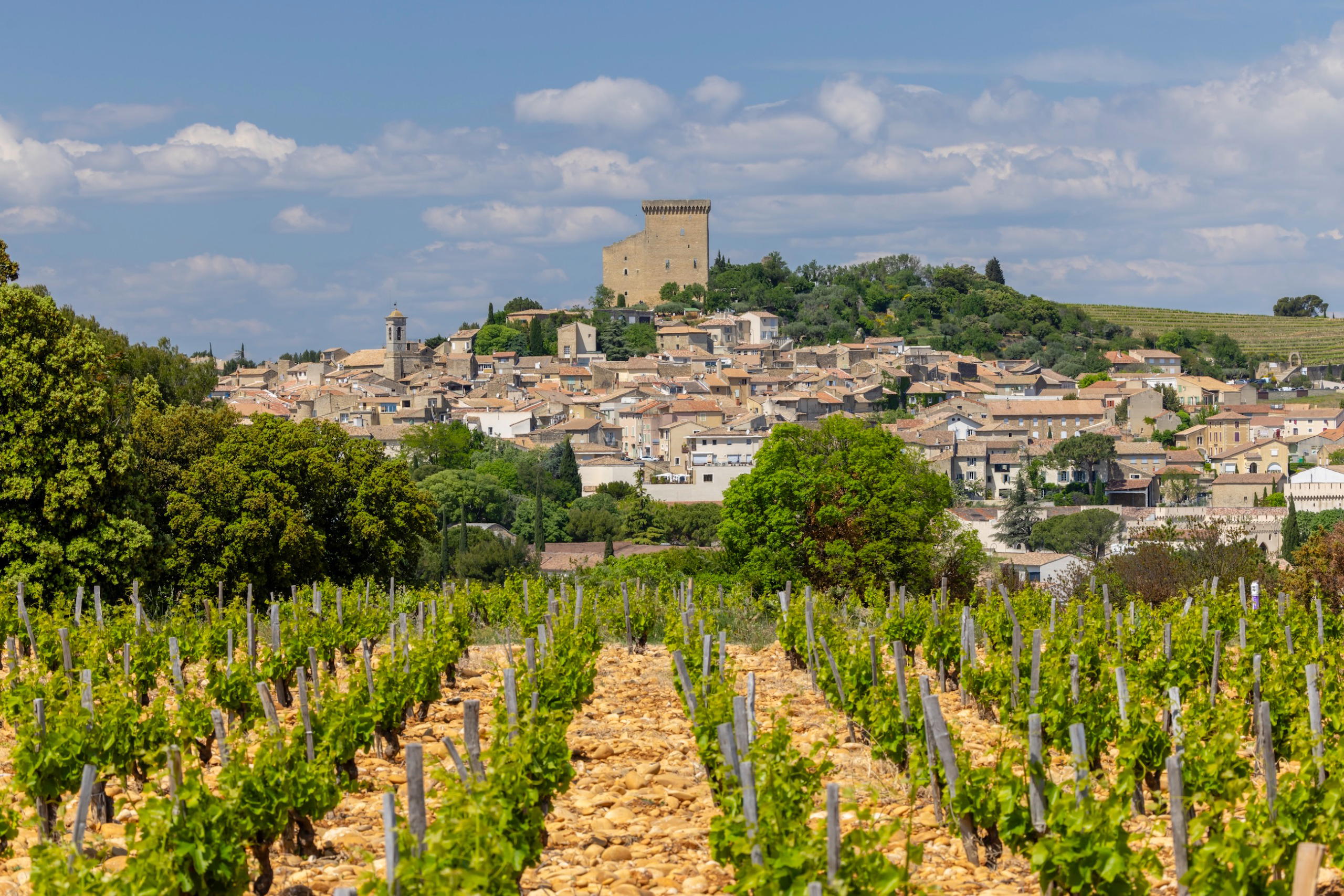
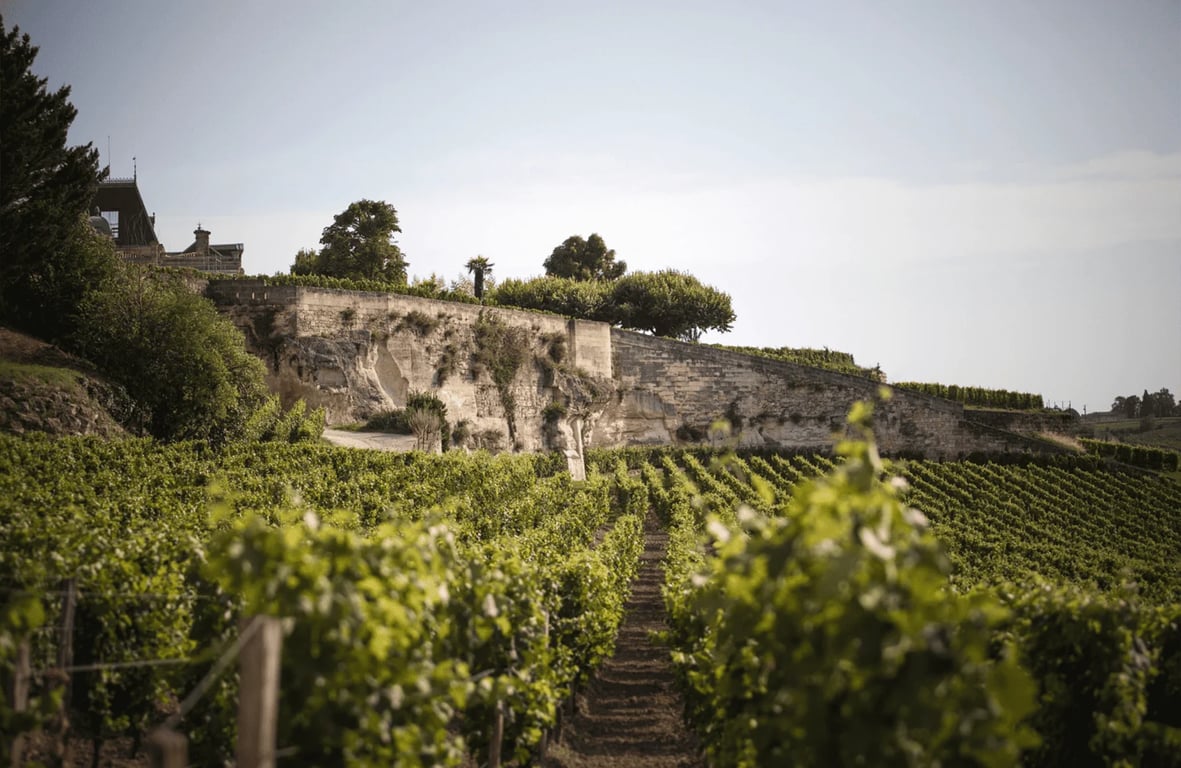
Outside the tasting schedule, the Médoc and Saint-Émilion are worth the drive. The limestone plateau of Saint-Émilion, with Château Ausone's terraced vines above the town, reads differently in spring than in harvest season, quieter, the vines just budding. Pomerol's flat plateau, where Pétrus's blue clay sits almost indistinguishably among its neighbours, rewards the visit precisely because it refuses to look like what it is.
A merchant-organised primeur trip will carry a programme fee covering accommodation, transport between châteaux, and the tasting appointments themselves. Contact Berry Bros. & Rudd, Farr Vintners, or Bordeaux Index directly for current itinerary pricing. Budget separately for flights into Bordeaux-Mérignac (BOD) and for evening meals, which are not always included.
The larger financial commitment is the en primeur purchase itself. En primeur prices are set in euros by the châteaux and released through the Place de Bordeaux; UK merchants quote in sterling, typically including duty and VAT on delivery. Buyers pay in advance and receive physical stock after bottling and shipment, usually two years later.6 Storage costs accrue from the point of delivery. The total outlay, purchase price plus duty, VAT, and bonded storage, should be modelled before the trip, not during it. Merchants typically circulate a main printed offer around early July, following the release period,5 and merchants will provide indicative pricing from prior vintages as a planning reference before that point.
Arriving without a merchant introduction. Cold-contacting châteaux directly during primeur week does not work for the classified growths. The appointment system runs through the négociant network. If you have not established a merchant relationship before travelling, you will spend the week at the CIVB tasting room rather than in the chais of the Médoc.
Treating barrel samples like finished wines. Spitting is expected and respected. Visitors who do not spit signal inexperience; winemakers notice. More practically, tasting eight châteaux in a day without spitting makes coherent note-taking impossible by the third stop.
Committing to purchases during the trip. The pressure to buy during primeur week, from merchants, from the atmosphere, from the excitement of the barrel room, is real. Some vintages trade below their primeur release on the secondary market within a few years. Decide your allocation strategy before you travel, not in the chai.
Ignoring the right bank. Many first-time primeur visitors focus exclusively on the Médoc's classified growths and miss Saint-Émilion and Pomerol entirely. Several right-bank estates, Vieux Château Certan, L'Église-Clinet, Clos Fourtet, often have more flexible appointment schedules and offer particularly instructive barrel tastings of the week.
The trip is the credential-building exercise; the allocation is the outcome. Merchants assign their best primeur allocations to clients with purchase history. If this is your first primeur campaign, buy something, even a case of a cru bourgeois or a second wine, to establish the relationship. Château Léoville-Barton's second wine, La Réserve de Léoville-Barton, and Château Pichon Baron's Les Tourelles de Longueville are legitimate entry points that also happen to be worth drinking.
For the first growths and the Pomerol micro-estates, allocation lists are effectively closed to new entrants without a multi-year merchant relationship. The secondary market, Liv-ex, Hart Davis Hart, Sotheby's Wine, is the realistic route for specific back-vintages. Courtiers on the Place de Bordeaux take a 2% commission on each en primeur transaction,3 a cost worth factoring when comparing release price against secondary market alternatives.
Track the Liv-ex 100 and Liv-ex Fine Wine 1000 indices for price context on the estates you are considering. Release price versus secondary market price is the key variable; for some vintages and some châteaux, the en primeur entry point is materially lower, and for others it is not.
| Channel | Access Level | Cost to Access | Lead Time | How to Initiate |
|---|---|---|---|---|
| Merchant-organised trip (Berry Bros., Farr Vintners, Bordeaux Index) | Classified growths, right bank appointments | Programme fee (unpublished, contact merchant) | Book months in advance; primeur week fills early | Contact merchant directly; purchase history helps |
| Négociant introduction (Place de Bordeaux) | First growths possible; requires existing relationship | No separate fee; purchase commitment expected | Relationship must pre-exist the trip | Via merchant referral only |
| CIVB consumer programme | Generic tastings; no classified growth chai access | Variable; some events free | N/A | bordeaux.com |
| Independent château visit (outside primeur week) | Many estates open year-round by appointment | Tasting fees vary by estate | Advance booking typical; varies by estate, confirm directly | Direct to château or via wine tourism platforms |
If merchant access to primeur week is not available this cycle, three alternatives deliver comparable depth:
Harvest week (late September, October). Several châteaux accept visitors during harvest, and the experience, watching the sorting table, tasting just-fermented juice, is more visceral than barrel samples six months later. Château Smith Haut Lafitte and Château Pontet-Canet both have structured visitor programmes that extend into harvest season.
A post-release Médoc itinerary. Outside primeur week, many classified growths accept appointment requests from private visitors, particularly in the quieter months of January, February, and November. Château Léoville-Poyferré, Château Gruaud-Larose, and Château Beychevelle all have visitor programmes. The wines you taste will be the current release rather than barrel samples, but the chais, the terroir, and the winemaker conversations are the same.
Saint-Émilion as a standalone destination. The town itself is a UNESCO World Heritage site, and the limestone plateau's producers, Château Canon,Château Figeac, Clos de l'Oratoire, are more accessible to private visitors than their Médoc counterparts. The right bank's garage wine culture also means smaller producers with genuine openness to direct relationships.
En primeur week in Bordeaux is worth the effort if you are building a cellar position across multiple vintages, have an existing merchant relationship to rely on, and can evaluate barrel samples with enough experience to make purchase decisions on incomplete wines. The trip pays for itself, in access, in relationships, and in the ability to taste a vintage before committing capital, if those conditions are met.
If you are new to Bordeaux, a post-release visit to the Médoc or Saint-Émilion will teach you more about the appellation than a primeur week spent in waiting rooms. Build the merchant relationship first, taste a few back-vintages, and return for primeur once you have the context to use it.
En primeur week in Bordeaux offers something genuinely singular: barrel samples of wines that will not be bottled and delivered for 18 to 24 months,7 tasted in the chais where they are still becoming. That window is real, but only if the merchant relationship is already in place. Arriving in Bordeaux during primeur week without that infrastructure means watching the circuit from the outside.
The allocation list is the only route that reliably works for the wines that matter most. Establish a purchase history with one or two specialist merchants, Berry Bros. & Rudd, Farr Vintners, Bordeaux Index, and ask explicitly about client primeur trips for the 2025 campaign. You can also contact participating estates or reach the UGCB directly at primeurs@ugcb.net2 to understand which merchant firms are accredited for the week. The trip follows from that relationship, not the other way around.
For collectors who are not yet at that stage, a harvest-season visit or a post-release Médoc itinerary delivers the terroir, the winemakers, and the chais without the commercial pressure of primeur week, and often with more time and more candour from the people pouring the wine. Primeur is a tool for those who already know how to use it; for everyone else, Bordeaux rewards patience.
Not directly. The UGCB tasting is limited to industry professionals.2 Private collectors access the week through specialist merchants who hold those credentials and organise client trips. Contact merchants such as Berry Bros. & Rudd, Farr Vintners, or Bordeaux Index to ask about their 2025 primeur client programmes.
Château properties generally release en primeur prices within two months of the tastings.3 Individual châteaux set their own release timing; some release within days of the tasting week closing, others hold for weeks. The UGCB sets no fixed release schedule, confirm with your merchant, who will notify you as offers open.
In practice, no. Château tastings during April 21 to 23 are by reservation and reserved for sector operators and the press.8 Château Latour, Château Margaux, Château Mouton Rothschild, and their peers allocate primeur week slots to négociants and their merchant clients. Cold enquiries from private individuals are not accommodated.
It depends on the vintage and the estate. En primeur offers a release-price entry point, but some vintages trade below their primeur price on the secondary market within a few years. Before committing, compare the merchant's en primeur quote against current Liv-ex pricing for comparable back-vintages from the same estate. Decide your allocation budget before the trip, the atmosphere in the barrel room is not a neutral environment for financial decisions.
Yes, many classified growths and cru bourgeois estates accept private visitor appointments year-round, particularly outside the busy harvest and primeur periods. Château Smith Haut Lafitte, Château Pontet-Canet, and several Saint-Émilion estates including Château Canon have structured visitor programmes. Book directly with the château or through the CIVB's wine tourism portal at bordeaux.com.
Get the App
Take the shortlist into the En Primeur Club app for concierge access, saved places, and the next step after discovery.
Get Exclusive AccessMore from the editors