← Guides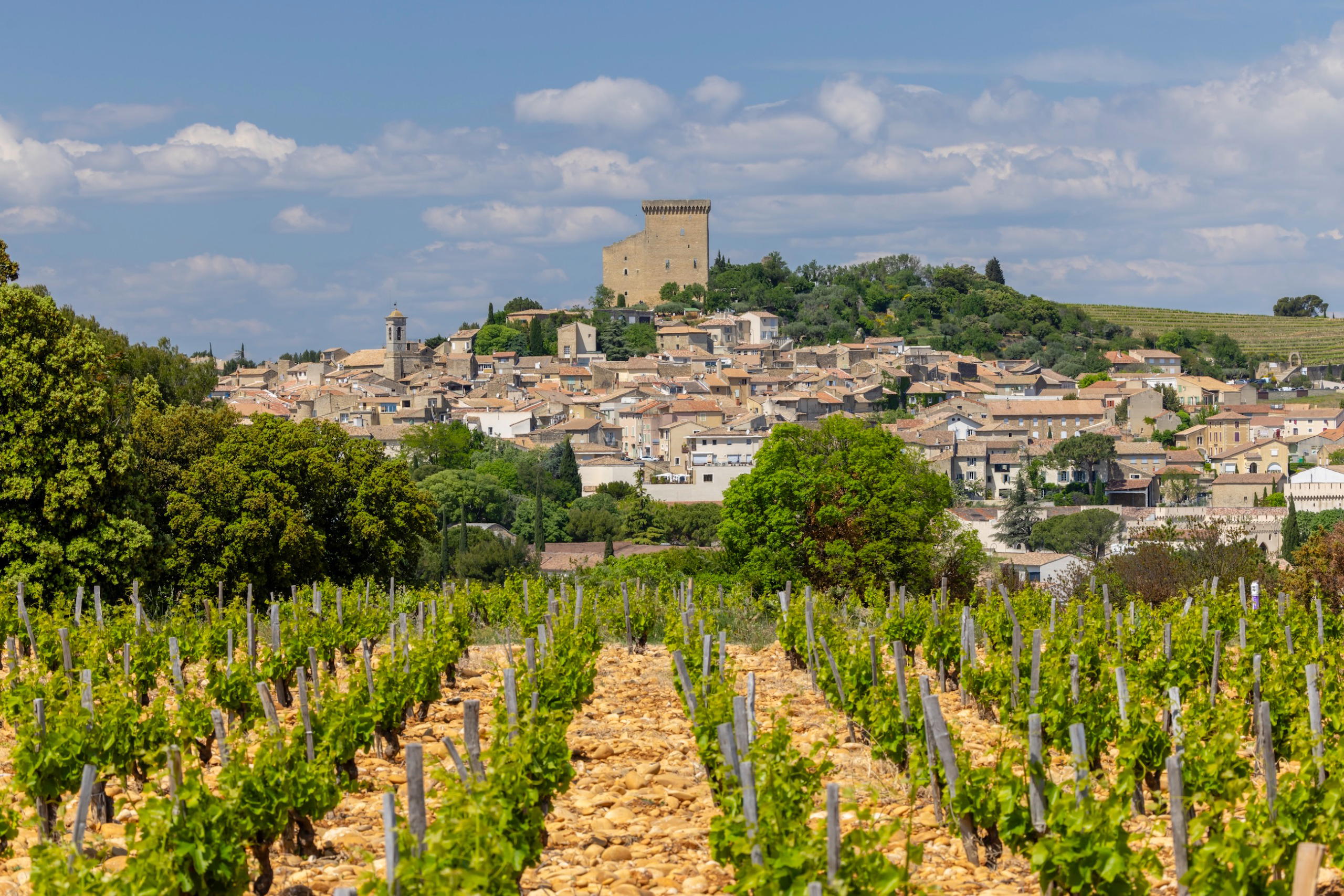
Michelin’s Bordeaux grapes selection gives three grapes to nine châteaux, puts three first growths at two, and omits Latour.
Michelin’s Bordeaux grapes selection gives three grapes to nine châteaux, puts three first growths at two, and omits Latour.
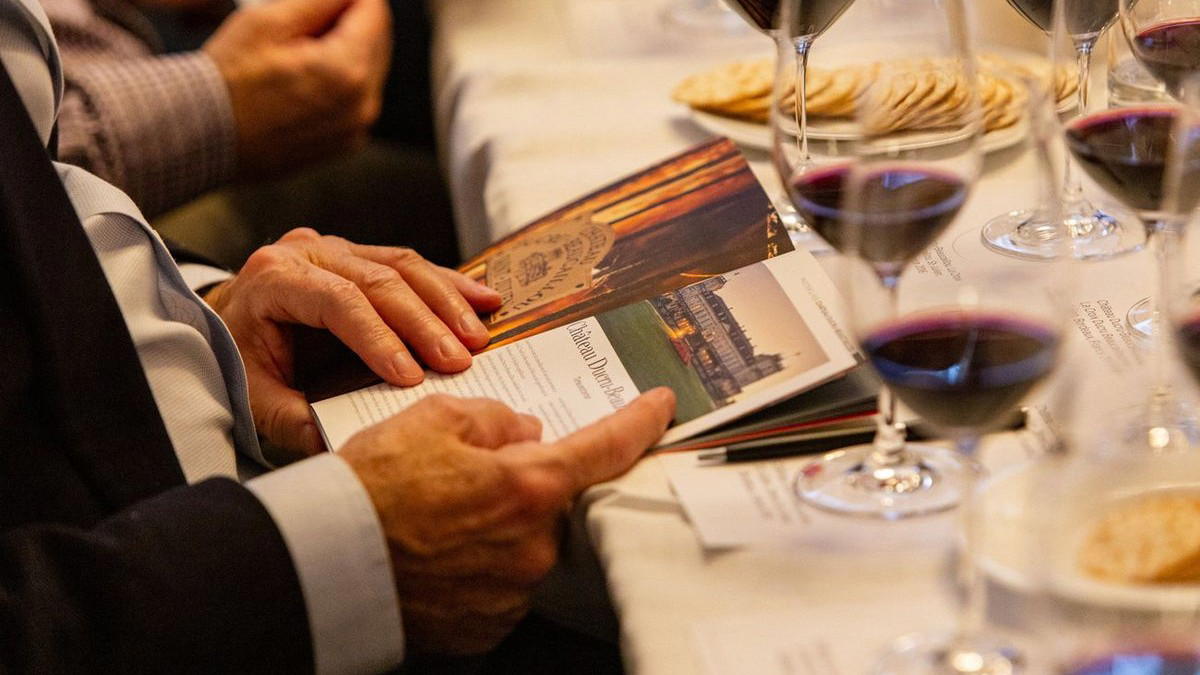
At Bordeaux’s Cité du Vin, Michelin put a new set of grapes beside the region’s oldest hierarchies: the 2026 Michelin Bordeaux châteaux ranking awards three grapes to nine estates, gives two grapes to Mouton Rothschild, Margaux and Haut-Brion, and leaves Château Latour unlisted while its evaluation remains incomplete. The first Bordeaux edition follows Michelin’s Burgundy debut earlier in the year, and the scarcity is built in from the start, nine châteaux at three grapes, 16 at two, 37 at one, and 21 more in the Michelin Selected tier (Decanter) (Decanter1).
Lafite Rothschild gives Michelin’s top tier an anchor in Pauillac: a first growth carrying three grapes in the inaugural Bordeaux selection. In a list where several 1855 first growths sit one level lower, Lafite’s placement keeps at least one of Bordeaux’s old aristocrats at the summit of Michelin’s new shorthand (Decanter) (Decanter1).
The collector read is cleaner. Michelin’s three grapes do not replace Lafite’s first-growth status; they add another travel-facing signal to an estate already treated as a benchmark.
Details:
| Château | Appellation | Michelin Grapes | 1855 Classification | Notable Feature |
|---|---|---|---|---|
| Château Lafite Rothschild | Pauillac | 3 | First Growth | Old aristocrat at Michelin summit |
| Château Montrose | Saint-Estèphe | 3 | Second Growth | Refined vineyard management on historic plots |
| Château Léoville Las Cases | Saint-Julien | 3 | Second Growth | Super second polished to top tier |
| Château d'Yquem | Sauternes | 3 | Premier Cru Supérieur | Only sweet wine in top tier |
| Château Petrus | Pomerol | 3 | N/A | Pomerol's most expected three-grape name |
| Château Mouton Rothschild | Pauillac | 2 | First Growth | First growth with two grapes |
| Château Margaux | Margaux | 2 | First Growth | First growth with two grapes |
| Château Haut-Brion | Pessac-Léognan | 2 | First Growth | First growth with two grapes |
| Château Latour | Pauillac | Unlisted | First Growth | Evaluation incomplete |
Montrose is one of the selection’s sharpest talking points: a Saint-Estèphe 1855 second growth awarded three grapes while Mouton Rothschild, Margaux and Haut-Brion receive two. Michelin highlighted recent work at Montrose to further refine vineyard management, with the grand vin focused on the estate’s leading historic plots (Decanter) (Decanter1).
That detail gives the ranking something more concrete than label hierarchy. Montrose’s three grapes read as a vote for long-view estate work rather than a simple echo of the 1855 order. Saint-Estèphe has always offered a different register of Médoc power, less perfume-first than Pauillac or Margaux, more about architecture and endurance, and Michelin has placed Montrose in the same top band as Lafite, d’Yquem and Petrus.
Léoville Las Cases gives Saint-Julien a three-grape flag in Michelin’s first Bordeaux selection. Like Montrose, it is an 1855 second growth now placed in Michelin’s top tier, a result that will sit neatly in the notebook of anyone who has ever used the phrase “super second” with a straight face.
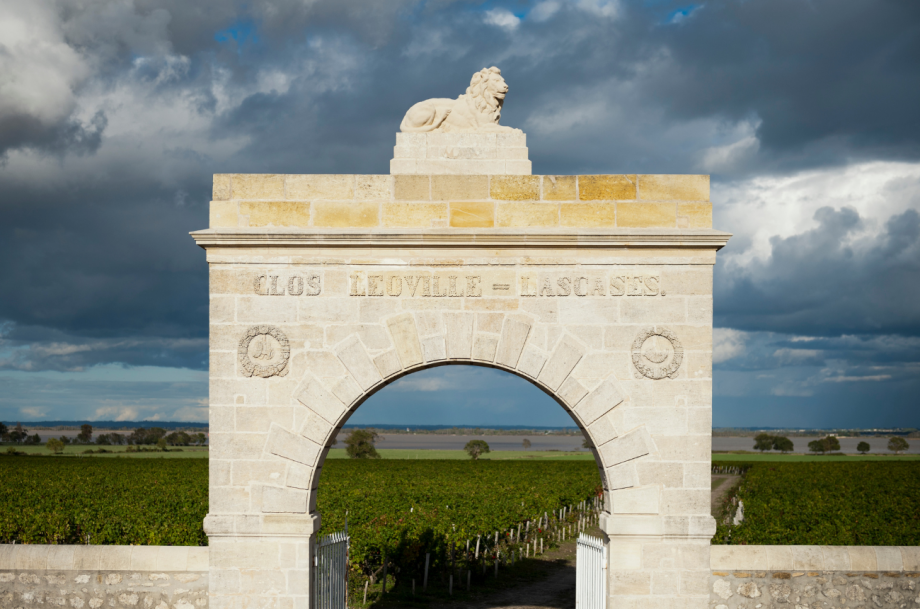
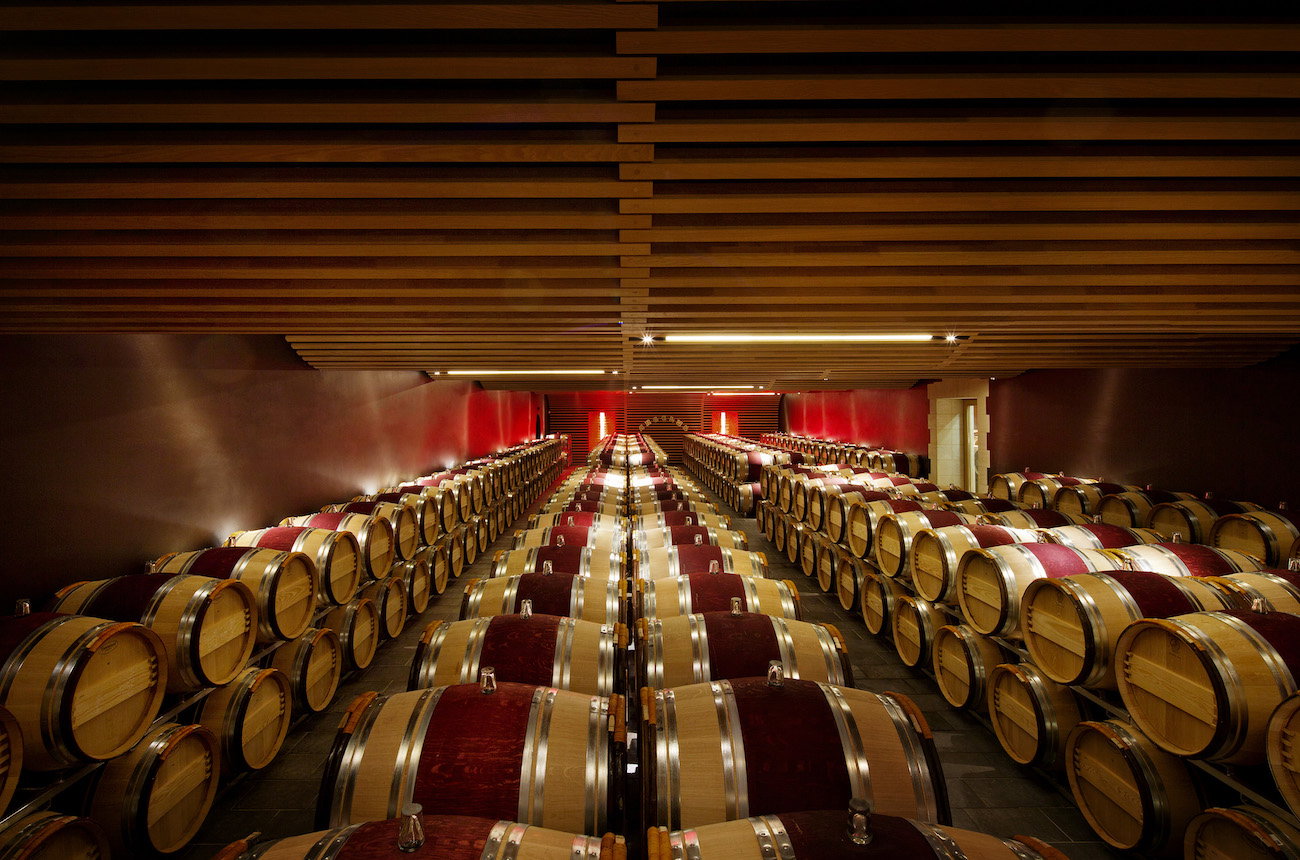
Michelin’s choice does not need to argue against the 1855 Classification; it simply adds a present-tense layer to it. The old hierarchy says second growth. Michelin says three grapes. Collectors can hold both ideas in the same glass.
D’Yquem’s three grapes give Sauternes a place in Michelin’s top Bordeaux tier, which matters in a selection otherwise dominated by Left Bank reds and Right Bank icons. The estate stands apart even within this list: Sauternes is not a variation on Médoc or Pomerol, but a different grammar of Bordeaux altogether (Decanter1).
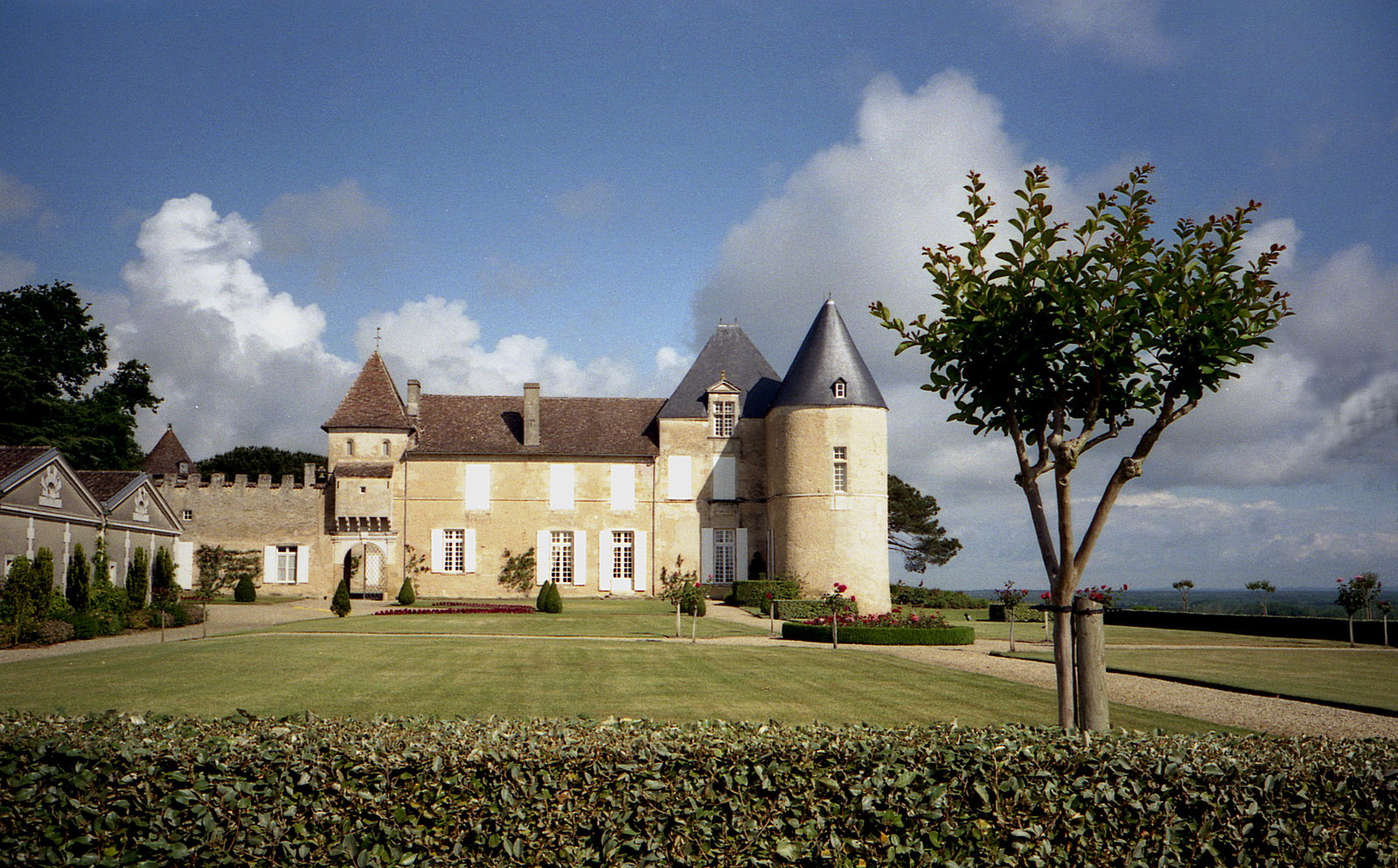
For collectors, d’Yquem’s presence prevents the Michelin Bordeaux châteaux ranking from becoming a Cabernet-and-Merlot exercise. The selection covers the Sauternes region, including Sauternes and Barsac, and Michelin’s top tier names d’Yquem directly. That inclusion keeps sweet Bordeaux in the fine-wine conversation at a moment when many modern lists and cellars lean heavily dry.
For travel, Sauternes changes the rhythm of a Bordeaux itinerary. The visit is not just another château stop after Pauillac or Saint-Émilion; it asks you to move south, change the table, and think about pairing rather than only verticals. D’Yquem’s three grapes should push more collectors to build a day around the appellation rather than treating it as an afterthought after the Médoc.
Petrus gives Pomerol its most expected three-grape name, though in Bordeaux nothing about Petrus is ordinary in practice. Michelin places it in the top tier alongside La Conseillante and Lafleur, making Pomerol among the more concentrated zones of three-grape estates in the new selection.
If Michelin’s grapes become a planning tool, Petrus will be the Pomerol pin everyone notices first, even if few visitors will pass through the gate.
Its position beside Petrus and Lafleur in Michelin’s top tier also sharpens the Right Bank story. Pomerol has no 1855 ladder to lean on, yet Michelin gives the appellation three places among the nine three-grape estates. For readers who still organize Bordeaux through Médoc categories, this is the part of the Michelin Bordeaux châteaux ranking that forces a second look.
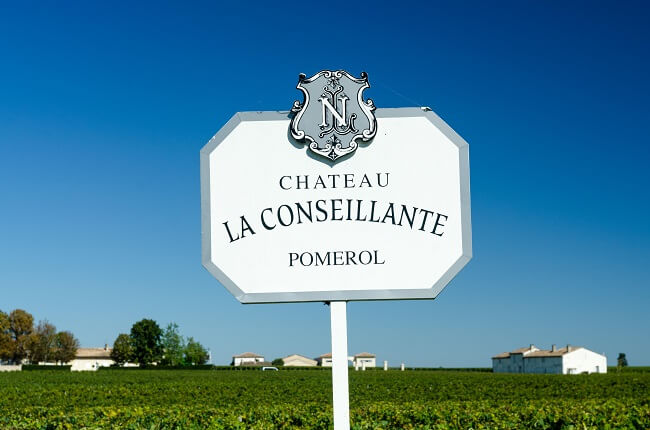
What should you look for? First, the category: three grapes, not simply selection. Second, the neighborhood: Pomerol, where estate scale and access often feel different from the ceremonial grandeur of the Left Bank.
Lafleur adds a different edge to the three-grape list: Michelin identifies it with Pomerol while noting that Lafleur is now a Vin de France. That single parenthetical is catnip for collectors because it separates reputation from appellation wording on a label.
In a Bordeaux ranking built for readers who know the usual classifications, Lafleur is the reminder that category language can lag behind the wine in the glass and the estate in the cellar. Michelin’s selection places it beside Petrus and La Conseillante in the top tier, giving Pomerol a trio that will dominate conversation among Right Bank loyalists.
Details:
Cheval Blanc gives Saint-Émilion one of its two three-grape estates in Michelin’s first Bordeaux selection. Alongside Figeac, it places the appellation firmly in the top tier rather than leaving Pomerol to carry the Right Bank alone.
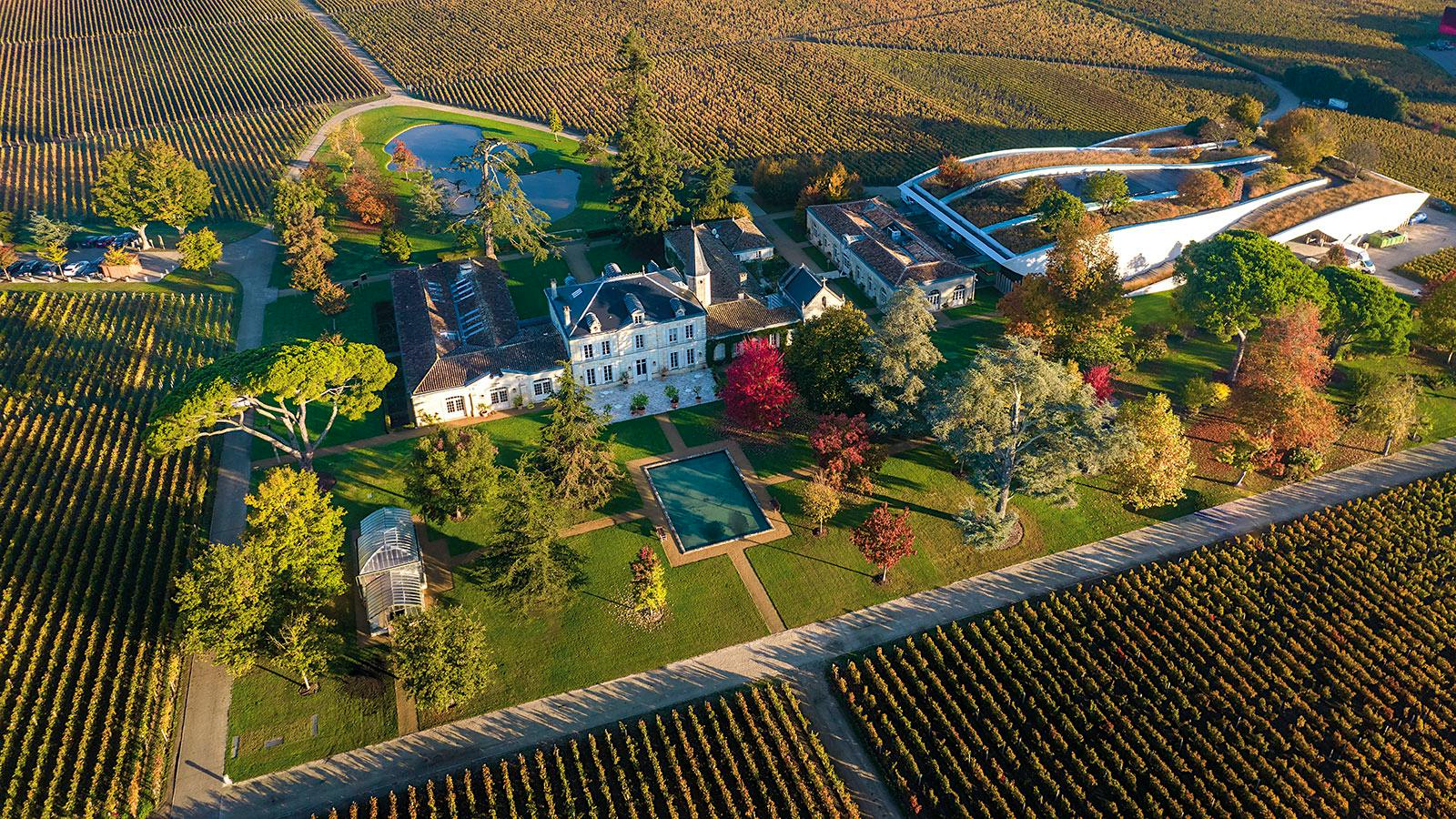
The estate’s listed address at 1 lieu-dit Cheval Blanc puts the visit in Saint-Émilion proper, where the travel experience differs sharply from the Médoc’s long château routes. Here, the village, restaurants and estates sit closer together; a day can move from cellar appointment to dining table without the same sense of distance. Michelin’s grapes do not rank restaurants here, but Michelin as a travel language inevitably affects how visitors stitch wine and hospitality into one itinerary.
For collectors, Cheval Blanc’s three grapes add a new badge to a label already heavy with meaning. For travelers, the address is the useful part: the château can be placed cleanly on a Saint-Émilion day with Figeac, rather than treated as an abstract Right Bank trophy.
Details:
Figeac completes Saint-Émilion’s three-grape pair with Cheval Blanc. In Michelin’s inaugural Bordeaux selection, that puts the estate into the same top tier as Lafite, Montrose, Léoville Las Cases, d’Yquem, Petrus, La Conseillante and Lafleur.
For itinerary planning, Figeac offers some of the clearest practical structure among the three-grape names: weekday hours are listed, with a midday closure and weekends closed. That is the sort of detail that separates a collector’s fantasy route from a usable calendar. Saint-Émilion rewards that discipline. Too many visitors try to turn the Right Bank into a scenic loop; the better version is slower, appointment-led, and anchored by two or three names with real purpose.
Figeac’s three grapes will also matter to readers comparing systems. Michelin’s grapes are not the Saint-Émilion classification, not 1855, and not a critic score. They are another layer, one that speaks to estate consistency through Michelin’s inspection process and to the way a château now appears inside a broader travel conversation.
Details:
Mouton Rothschild receiving two grapes, not three, is one of the selection’s most debated facts. The estate is an 1855 first growth, yet Michelin places it in the second tier with 15 other estates rather than among the nine at the summit.
This is where the Michelin Bordeaux châteaux ranking stops being a simple applause list. If the system merely mirrored Bordeaux’s old hierarchy, Mouton would sit automatically with Lafite. It does not. Michelin’s first edition instead puts Mouton in the same two-grape band as estates including Pichon Comtesse, Pichon Baron, Palmer, Angélus, Canon, Vieux Château Certan and Les Carmes Haut-Brion.
For collectors, nothing about this changes Mouton’s place in the cellar. For travelers, it changes the conversation before a trip. You can now ask a more pointed question: are you visiting for the label, for the estate experience, for comparative tasting, or for the story of Bordeaux power? Mouton still answers the first and fourth questions with force. Michelin has made the second question harder to ignore.
Château Margaux also lands at two grapes, a placement that will jar anyone who expected the 1855 first growths to move as a bloc. In the old Bordeaux shorthand, Margaux is a fixed point. In Michelin’s first grapes selection, it is one tier below Lafite, Montrose and Léoville Las Cases.
The nuance is important. Two grapes is not an exclusion; it is still a high placement in a selection where 37 properties received one grape and 21 more were listed as Michelin Selected. But because the top tier includes two 1855 second growths from the Left Bank, Margaux’s two grapes carry more weight than a simple ranking line might suggest.
For a traveler, Margaux the appellation remains one of the Médoc’s most evocative addresses, but this ranking invites a tighter itinerary logic. If Michelin’s annual reassessments become part of wine tourism planning, château visits in Margaux may be read against neighboring appointments with a sharper eye: not only what the bottle means, but how the estate receives, explains and frames its work over time.
Haut-Brion brings Pessac-Léognan into the two-grape first-growth conversation. Michelin’s selection covers the Left Bank broadly, including the Médoc and Pessac-Léognan, and Haut-Brion’s placement confirms that the guide is not simply drawing a line around the northern Médoc.
Like Mouton and Margaux, Haut-Brion receives two grapes rather than three. That creates a rare public separation between first-growth identity and Michelin’s new wine-estate tiering. The result is not a demotion in the old sense, because Michelin does not own the 1855 Classification and does not claim to rewrite it. It is a parallel reading.
For visitors staying in Bordeaux city, Haut-Brion’s appellation carries a practical advantage: Pessac-Léognan sits far closer to the city than Pauillac or Saint-Estèphe. Michelin’s two-grape mark will still carry weight in trip planning, particularly for travelers who want a classified-growth experience without building a whole day around the Médoc. The estate’s absence from the three-grape group, however, will keep collector debate alive until the next annual reassessment.
Latour is the empty space in Michelin’s inaugural Bordeaux selection. The Pauillac first growth is not listed, and Michelin stated that, for a small number of estates including Château Latour, its evaluation process had not been fully completed by the time the selection was finalized.
That distinction matters. Michelin framed the omission as process rather than final judgment, and the guide emphasized that the selection will be reassessed annually. Still, in a region where omission itself becomes conversation, Latour’s absence will be read closely by collectors and travelers alike.
For now, the cleanest interpretation is restraint: do not treat Latour as rejected, and do not pretend the blank line means nothing. The estate is one of the highest-profile names missing from the first edition. In a guide built around repeat inspection and annual revision, that makes Latour the bottle-shaped question hanging over the 2027 update.
Michelin’s first Bordeaux grapes selection counts nine three-grape châteaux, 16 two-grape estates, 37 one-grape properties and 21 listed as Michelin Selected. It spans the Left Bank, the Right Bank and Sauternes, then sets those estates inside a system that began in Burgundy earlier in the year.
The list will not replace 1855, Parker points, en primeur pricing or the private judgments collectors make after a decade of pulling corks. It will sit beside them. For Bordeaux travel, that may be the real consequence: a new shorthand for deciding which gates to approach, which appointments to prioritize, and which famous labels now have to share a leading line with neighbors whose work Michelin has placed in the same glass.
The Michelin Bordeaux châteaux ranking is a new wine estate classification system launched in 2026 at Bordeaux's Cité du Vin. It awards estates between one and three grapes based on current quality and vineyard management, following Michelin's earlier Burgundy wine guide debut.
Nine estates received three grapes in the inaugural Michelin Bordeaux châteaux ranking, including Château Lafite Rothschild, Château Montrose, Château Léoville Las Cases, Château d'Yquem, and Château Petrus. The full list includes estates from Pauillac, Saint-Estèphe, Saint-Julien, Sauternes, and Pomerol.
Michelin awarded Château Montrose three grapes based on recent vineyard management refinements and the estate's focus on its leading historic plots. The ranking evaluates current estate work rather than simply echoing the 1855 Classification, making it a present-tense assessment independent of traditional hierarchies.
The Michelin Bordeaux selection includes 83 châteaux total: nine estates with three grapes, 16 with two grapes, 37 with one grape, and 21 more in the Michelin Selected tier. The scarcity is intentional, focusing on a curated selection rather than comprehensive coverage.
Château Latour does not appear in the inaugural Michelin Bordeaux châteaux ranking because its evaluation remains incomplete. This notable absence leaves one of the 1855 first growths unlisted while Michelin continues its assessment process.
Get the App
Take the shortlist into the En Primeur Club app for concierge access, saved places, and the next step after discovery.
Get Exclusive AccessMore from the editors