← Guides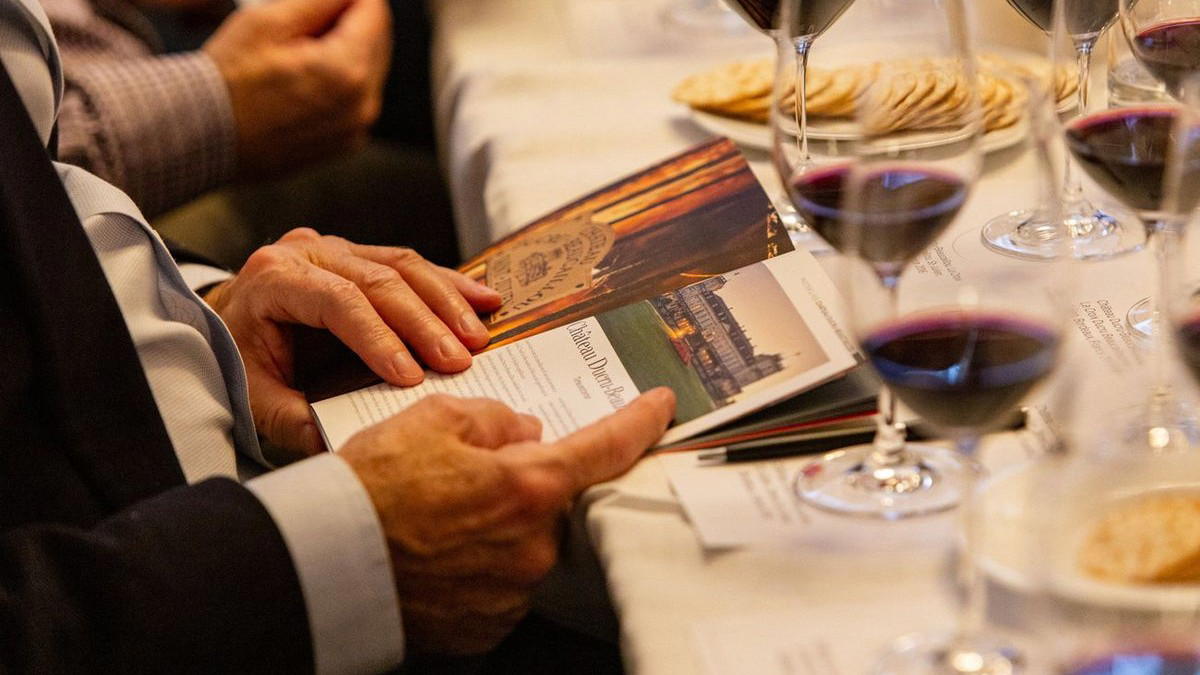
Can You Actually Get Into Bordeaux En Primeur Week 2026? The short answer: not easily, and not through the front door.
Can You Actually Get Into Bordeaux En Primeur Week 2026? The short answer: not easily, and not through the front door.
The short answer: not easily, and not through the front door. Bordeaux's En Primeur week, the annual barrel-tasting campaign held each spring, typically in late April, with the full presentation period spanning three to four weeks,1 when the trade descends on the Médoc, Saint-Émilion, and Pomerol to taste the previous harvest from cask, is structured as a trade event. Négociants, importers, journalists, and MW-credentialed buyers hold the invitations. Private collectors are not on the primary guest list. That said, routes exist, and the collectors who find them tend to be the ones who've spent years building the right relationships.
If you're arriving in Bordeaux during En Primeur week without a trade credential or a pre-existing relationship with a château or a négociant, you will not be tasting barrel samples at Pétrus or Léoville-Barton. But if you've spent two or three years cultivating a merchant who holds allocations at the estates you care about, the picture changes, slowly, and selectively.
En Primeur week is not a wine festival. There are no public tasting rooms, no ticketed events, no walk-in counters. The UGCB En Primeur Week 2026 is expected to draw nearly 5,000 wine industry professionals,2 a figure that conveys the scale of the trade mobilisation, and also why private access is so fiercely rationed.
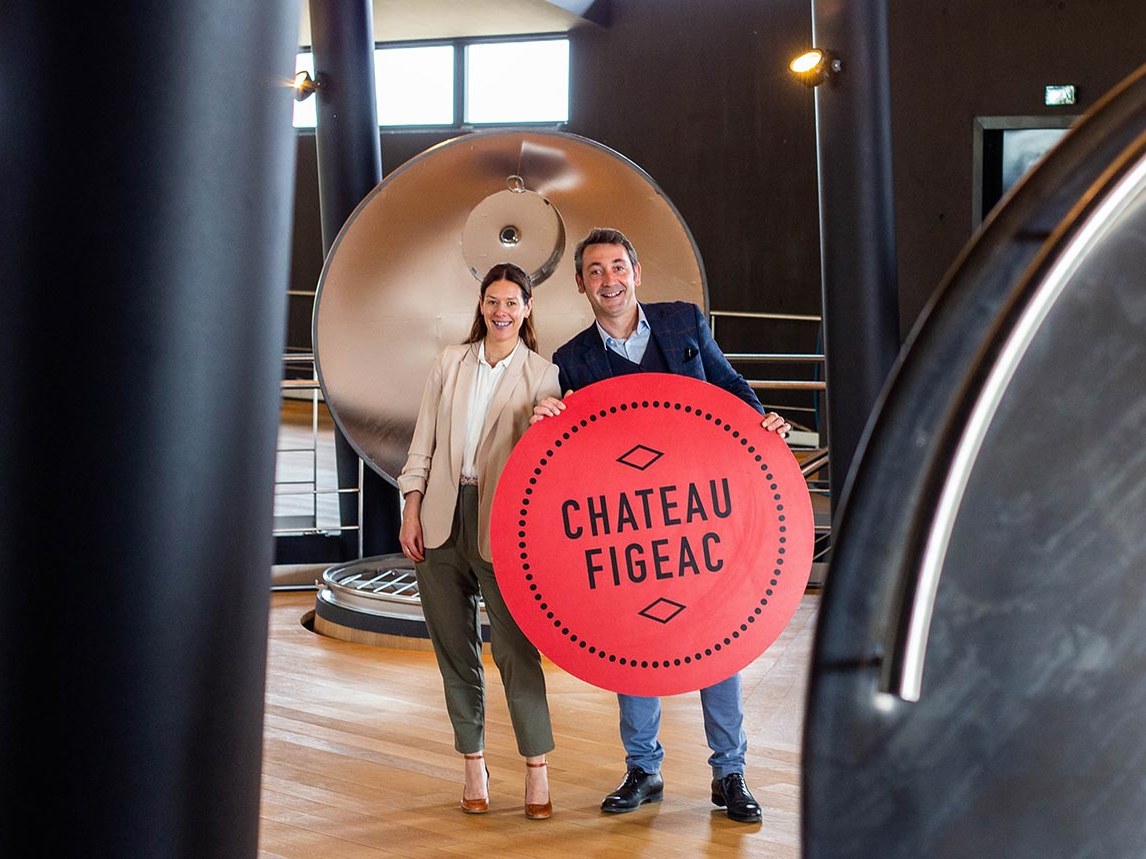
At the château level, the experience is a working tasting. You arrive at the winery, say, Château Ducru-Beaucaillou in Saint-Julien, or Château Figeac on the Saint-Émilion plateau, and you're led to a barrel hall or a dedicated tasting room. The technical director presents the blend: the assemblage percentages, the parcel breakdown, the oak regime. You taste from barrel, the wine is still raw, tannic, and incomplete, which is precisely the point. The skill is in projecting forward, reading structure through the noise of new wood and CO₂.
Attendees at En Primeur Week taste up to 200 wines a day during group tastings organised by the UGCB, at winemaking consultancies, or directly at the estates.1 The UGCB circuit is efficient but not intimate. The château-by-château appointments, the ones collectors actually want, are arranged weeks in advance through négociants or importers who hold standing relationships with the estates. For particularly prestigious names, events are held by appointment only at the château itself,3 and they are not advertised publicly.
The atmosphere during the week is intensely professional. The Chartrons district in Bordeaux fills with buyers from London, Tokyo, Hong Kong, and New York. Restaurants around the Place des Quinconces are booked solid. The social calendar, dinners hosted by négociants, late-evening tastings at merchant offices, is where the real intelligence gets exchanged. Collectors who've been brought in by a merchant tend to experience this layer: the dinner at a négociant's townhouse, the informal comparison of barrel samples over a late meal. That's the access worth having.
The En Primeur system is built on the Place de Bordeaux, the three-tier structure of châteaux, négociants, and courtiers that has governed Bordeaux trade for centuries. Châteaux release their wines to a small circle of négociants, who then distribute to importers and merchants worldwide. Courtiers receive a commission of 2% on the total of each En Primeur transaction,3 a structure that keeps the trade chain tightly defined and leaves no natural entry point for private buyers. The barrel week exists to let that chain evaluate the vintage before committing to allocations. It is, structurally, a B2B event.
The demand side compounds the access problem. For a leading estates, the five first growths, the leading Pomerol and Saint-Émilion properties, the number of trade buyers seeking appointments far exceeds available slots. A château like Château Mouton Rothschild has no commercial incentive to open its barrel week to private visitors when its négociant allocation is oversubscribed before the campaign begins. Allocations to merchants are often based on longstanding relationships and prior purchases,4 which means the same dynamic that governs merchant access governs collector access one tier down.
The press layer adds further competition. Jancis Robinson, Antonio Galloni, and the Decanter team all hold standing access. Their scores, published within weeks of the campaign, move allocation prices before most private buyers have confirmed their merchant relationships. By the time a collector learns that the 2025 vintage is shaping up as a strong year in Pauillac, the UGCB does not publish vintage assessments in advance of the campaign, the négociant allocation windows are already closing.
The UGCB tasting circuit for the 2025 vintage runs in spring 2026. Registration for the April 20 grand tasting and château tastings (April 21 to 23) is open via the official UGCB registration link; château tasting confirmations are sent separately.5 The UGCB does not publish its accreditation calendar far in advance, and the château-by-château appointment schedule is never made public. Confirm directly with the UGCB or your négociant contact for the precise window.
Château release prices are generally published within two months of the En Primeur tastings,3 typically landing in May and June, sometimes stretching into summer for estates that hold back. Wines are generally released (bottled and delivered) between 18 and 24 months after En Primeur sales, sometimes longer for Sauternes or premiers crus classés.3 The en primeur offer window at the merchant level runs from those first releases through to the following autumn, though particularly sought-after allocations at the summit estates sell out within days of the opening offer.
The practical implication: if you want to taste during barrel week rather than simply buy en primeur, your window to arrange access is not during the campaign itself, it's in the preceding autumn and winter, when you're building or deepening the merchant relationship that will eventually yield an invitation.
There are three realistic routes for a private collector, ranked by reliability:
1. Through a négociant or fine wine merchant with château relationships. This is the primary route. Merchants like Berry Bros. & Rudd, Corney & Barrow, Farr Vintners, and Bordeaux-based négociants such as CVBG or Millésima maintain standing relationships with châteaux and, in some cases, can bring a valued private client to a barrel appointment. The threshold is not simply spend, it's the depth and duration of the relationship. A collector who has bought en primeur through the same merchant for five or more years, across multiple vintages, and who has shown consistent interest in the estates (not just the trophy labels) is the profile that occasionally gets brought along. You can explore Berry Bros. & Rudd's en primeur programme at bbr.com/en-primeur as a starting point for building that merchant relationship.
2. Through the UGCB accreditation process. The UGCB does offer accreditation to trade professionals and, in some cases, to serious collectors who can demonstrate a professional or semi-professional engagement with wine, a wine school credential, a column, a buying role for a restaurant or hotel. This is not a consumer ticket. The UGCB's accreditation process is not publicly documented in detail; contact the UGCB directly at ugcb.net to understand current criteria.
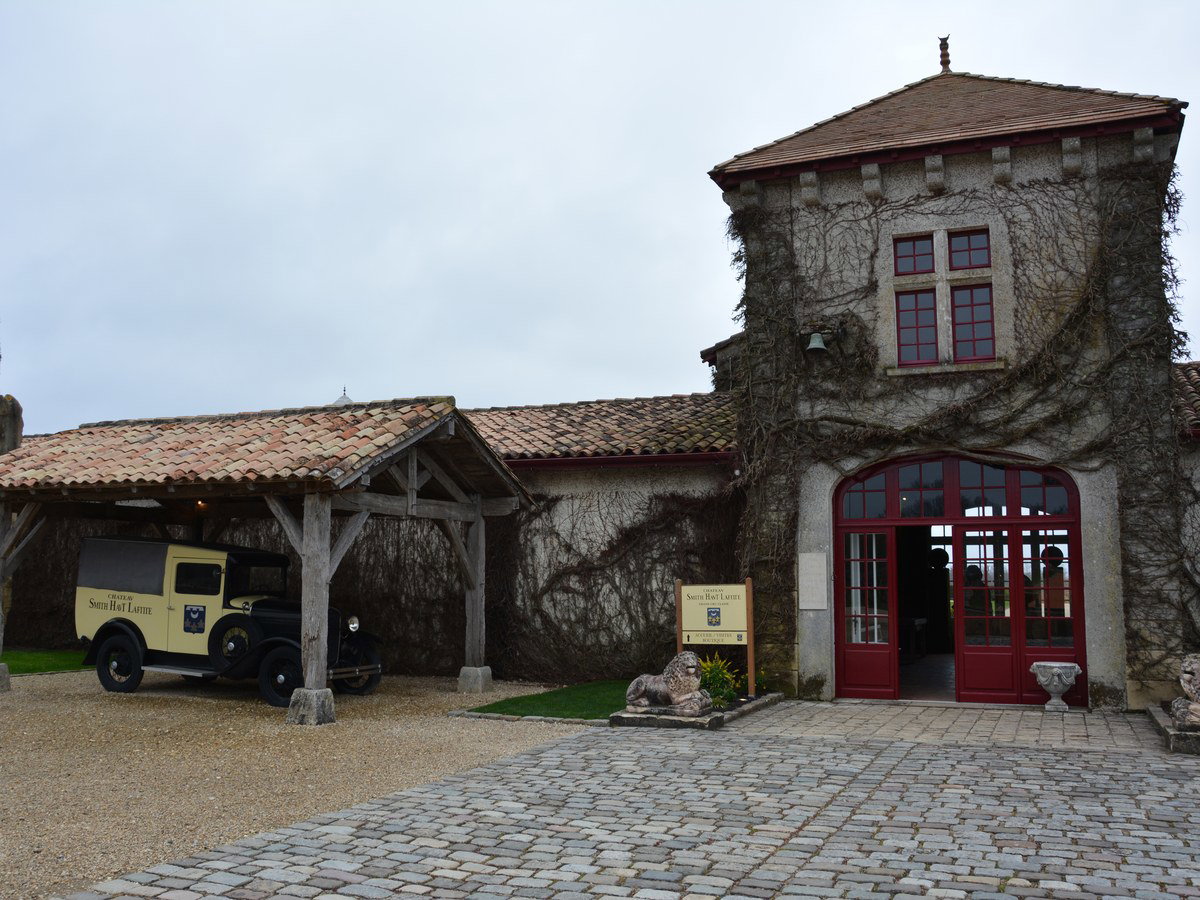
3. Satellite and second-label tastings. A small number of châteaux, particularly those in the Cru Bourgeois tier and some Cru Classé estates in the Graves and Pessac-Léognan, are more accessible during the campaign week than the headline names. These are not consolation prizes: Château Smith Haut Lafitte, Château Pape Clément, and Domaine de Chevalier all produce wines that reward serious attention, and their barrel week access is less fiercely contested.
The collectors who eventually find their way into barrel week appointments share a few consistent behaviours. They buy en primeur consistently, not opportunistically,4 and the same logic that governs merchant allocations applies one tier down to the collector. They visit Bordeaux outside of campaign week: a September harvest visit, a January cellar appointment when the winemaker has more time. They ask their merchant not for access to the first growths but for access to the estates where the merchant's relationship is genuinely close, often a second or third growth where the négociant holds a meaningful allocation share.
The seasonal calendar matters. The worst time to ask for barrel week access is during barrel week itself, every merchant contact is already overcommitted. A useful time is October or November, after the harvest, when you can express considered interest in the vintage character and ask whether there's a path to a spring appointment. Harvest visits in September are separately bookable at many châteaux and serve as a natural relationship-building moment, Château Léoville-Poyferré and Château Lagrange in Saint-Julien, for instance, have historically been more open to harvest-period visits than some peers, though policies change and should be confirmed directly with the estates.
One tactic insiders use: the second wine. Buying the second wine of a first growth, Les Forts de Latour, Le Petit Mouton, Pavillon Rouge du Château Margaux, through the same merchant who holds the grand vin allocation builds allocation history at the estate level without requiring the full grand vin budget. Savings of up to 30% can be made buying en primeur compared with the price tag on a bottled wine,6 so the financial logic of building that history is sound even before access is on the table. For context on recent pricing: Château Lafite Rothschild priced its 2024 Grand Vin about 29% below its 2023 release (€405) and Carruades de Lafite about 23% below, a level not seen for roughly a decade,7 a reminder that en primeur pricing can move sharply, and that being in a merchant's book for the less celebrated vintages is what secures allocation when the strong years arrive.
En Primeur barrel week access is worth pursuing if you buy Bordeaux seriously and consistently, if you have a multi-year relationship with a fine wine merchant, and if you're genuinely interested in the analytical exercise of tasting unfinished wine, which is a specific skill, not a pleasure tasting. It suits collectors who want to make allocation decisions from firsthand assessment rather than relying on critic scores alone.
It is not worth pursuing if your Bordeaux buying is occasional, if you're primarily interested in the social atmosphere of a wine festival, or if your goal is simply to taste great Bordeaux. For that last ambition, there are far better routes.
| Route | Access Difficulty | Vintage Tasted | How to Book | Best For |
|---|---|---|---|---|
| En Primeur barrel week (château appointment) | high, trade/merchant relationship required | Current vintage from barrel | Via négociant or merchant contact; no public booking | Serious collectors making allocation decisions |
| UGCB accredited tasting circuit | High, professional credential required | Current vintage from barrel | Apply via ugcb.net; criteria not publicly detailed | Trade professionals, credentialed buyers |
| Château cellar visit (off-season) | Moderate, most Cru Classé estates accept bookings outside campaign week | Released vintages | Direct to château; many use online booking forms | Collectors wanting estate context and bottled wine |
| Bordeaux wine tourism (La Cité du Vin) | Low, open to all | Various released vintages | Book via laciteduvin.com | Enthusiasts building regional knowledge |
| Merchant en primeur offer (buying futures) | Low to moderate, depends on allocation tier | Current vintage futures | Via merchant en primeur campaign (e.g. bbr.com/en-primeur) | Collectors who want the wine, not the visit |
For collectors who want to taste Bordeaux seriously without the trade credential, three alternatives deliver genuine depth:
La Cité du Vin, Bordeaux. The permanent wine museum on the Garonne quay runs rotating tastings and masterclasses across the year, including sessions focused on Bordeaux appellations and specific vintages. A well-curated vertical of Pauillac or Saint-Émilion across five vintages teaches more about the region than a single barrel sample. Book through laciteduvin.com.
Off-season château visits. Between May and September, many Cru Classé estates open for booked visits, Château Pichon Baron, Château Cos d'Estournel, and Château Cheval Blanc all have visitor programmes. The wines are bottled, the winemaker is less harried, and the conversation is often more candid than during the pressure of campaign week.
Merchant en primeur tastings in London or New York. Berry Bros. & Rudd, Justerini & Brooks, and Farr Vintners all run en primeur tasting events for clients during the campaign period, typically in April and May, after the trade has returned from Bordeaux with barrel samples. These are the closest most collectors will get to tasting the current vintage before it's bottled. The UGCB does not publish a schedule for these merchant events; confirm with your merchant contact whether client tastings are planned for the 2025 vintage campaign.
Barrel week access is not impossible for private collectors, but it is genuinely hard, and the path runs through years of relationship-building rather than any single booking move. The collectors who get in are the ones who've been buying consistently through a merchant with real château relationships, who've visited Bordeaux outside of campaign week, and who've demonstrated that they're serious about the region rather than just the trophy allocations.
If that describes you, the conversation to have is with your merchant contact in October or November, not in March when the campaign is already underway. Ask specifically about estates where the merchant holds a meaningful allocation share, not the first growths where every buyer is competing for the same slots.
If it doesn't describe you yet, the en primeur offer itself, buying futures through a merchant's campaign, is the more immediate priority. Release prices for the 2024 vintage were discounted by an average 25% on the 2023 wines,7 which means the financial case for being in a merchant's book, even without barrel week access, is as strong as it's been in years. The visit can follow the relationship; the allocation window won't wait. For most collectors, the merchant tasting in London or the off-season château appointment delivers more considered insight than a rushed barrel sample during especially competitive week among the Bordeaux calendar.
The barrel is where the wine begins; the relationship is what gets you in the room to taste it.
Not through official channels. The UGCB tasting circuit and château barrel appointments are structured for trade buyers, négociants, and accredited press. Private collectors can occasionally gain access through a fine wine merchant who holds château relationships and brings valued clients, but this requires a multi-year buying relationship, not a one-off request. The UGCB does offer accreditation to some semi-professional buyers; contact them directly at ugcb.net to understand current criteria.
The grand tasting is scheduled for April 20, with château tastings running April 21 to 23. The UGCB does not publish its full accreditation calendar far in advance, and the complete château-by-château appointment schedule is not made public. Confirm directly with the UGCB or your négociant contact for the precise schedule.
Through a fine wine merchant's en primeur campaign. Merchants including Berry Bros. & Rudd (bbr.com/en-primeur), Farr Vintners, and Justerini & Brooks release en primeur offers to clients from May onward, after the trade has tasted from barrel in Bordeaux. Allocations at the summit estates sell quickly, register with your merchant before the campaign opens, not after the first releases land.
La Cité du Vin is open year-round and runs tastings and masterclasses independently of the trade campaign. It won't give you access to barrel samples of the current vintage, but its rotating programme, including appellation-focused sessions and vertical tastings of released wines, is a practical way to deepen regional knowledge. Book through laciteduvin.com.
May through September, when the harvest pressure has passed and many Cru Classé estates open for booked visits. Château Pichon Baron, Château Cos d'Estournel, and Château Cheval Blanc all run visitor programmes during this period. September harvest visits are a separate category, some estates accept small groups during picking, and serve as a natural relationship-building moment if you're working toward eventual barrel week access. Confirm availability and booking procedures directly with each estate, as policies vary and change.
Get the App
Take the shortlist into the En Primeur Club app for concierge access, saved places, and the next step after discovery.
Get Exclusive AccessMore from the editors