Yes, but not by walking up to the gate in Reims. Ruinart1 opens its Gallo-Roman crayères to visitors through a structured program of guided experiences, bookable directly through the maison's website. The catch: availability is limited, particularly immersive formats sell out weeks in advance, and the art-integrated visits, the ones worth planning a trip around, require more lead time than most travelers expect. Confirm current availability directly with Ruinart before building travel plans around a specific date.
Forty Metres Below Reims: What the Crayères Actually Are
Inside the Crayères: What the Visit Is Actually Like
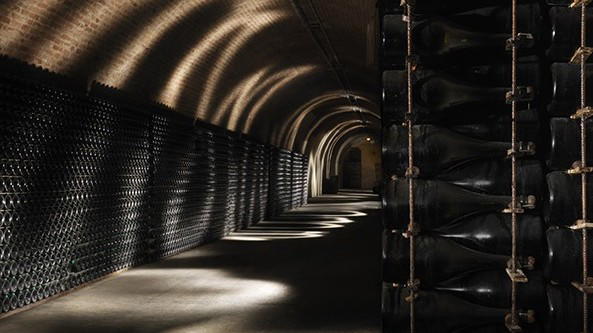
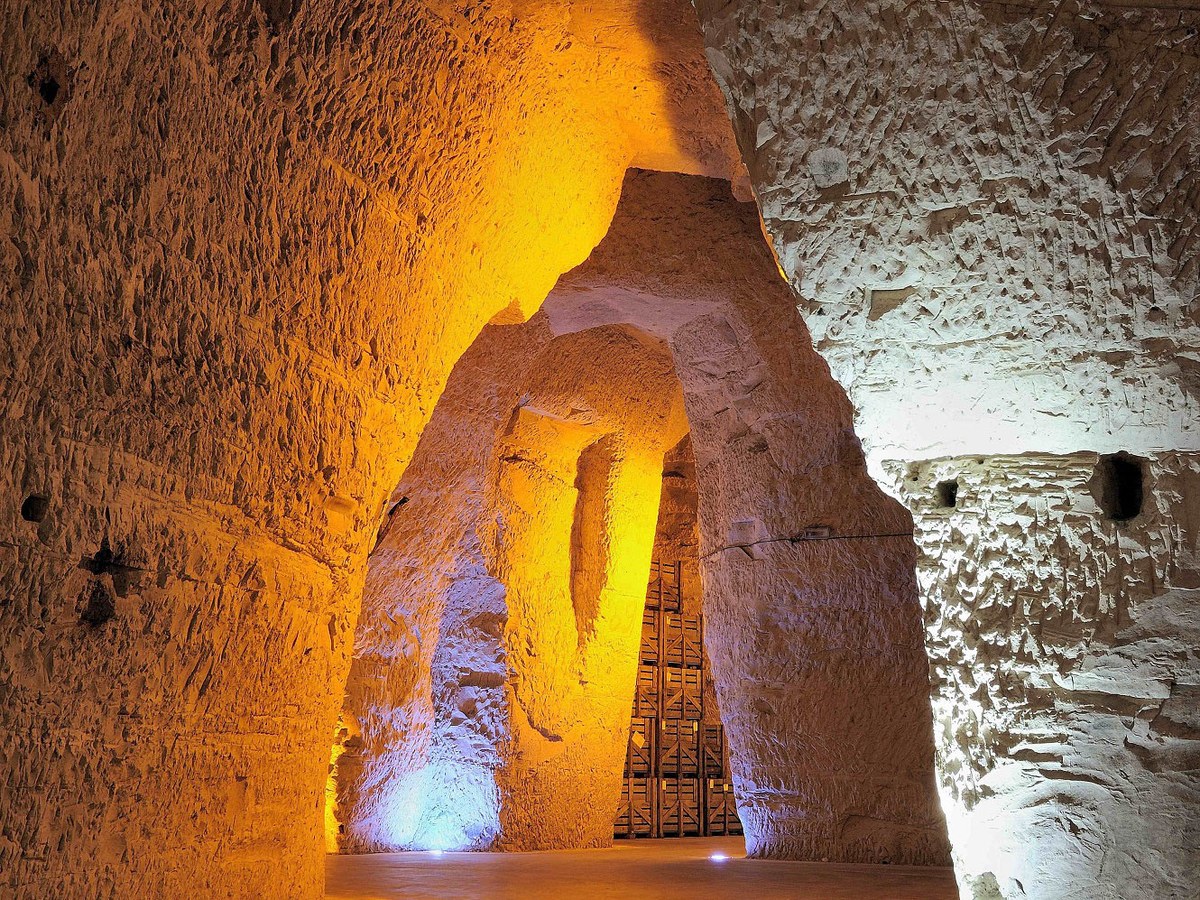
The crayères are not a cellar in any conventional sense. Carved from chalk by Gallo-Roman quarrymen and later adopted by the Ruinart family, these cathedral-like shafts descend deep below the streets of Reims. The effect is immediate: the air is cool, the silence is geological, and the scale of the tunnels reads as architecture rather than storage. Walking into them feels less like a winery visit and more like entering a geological event. Confirm current conditions directly with Ruinart.
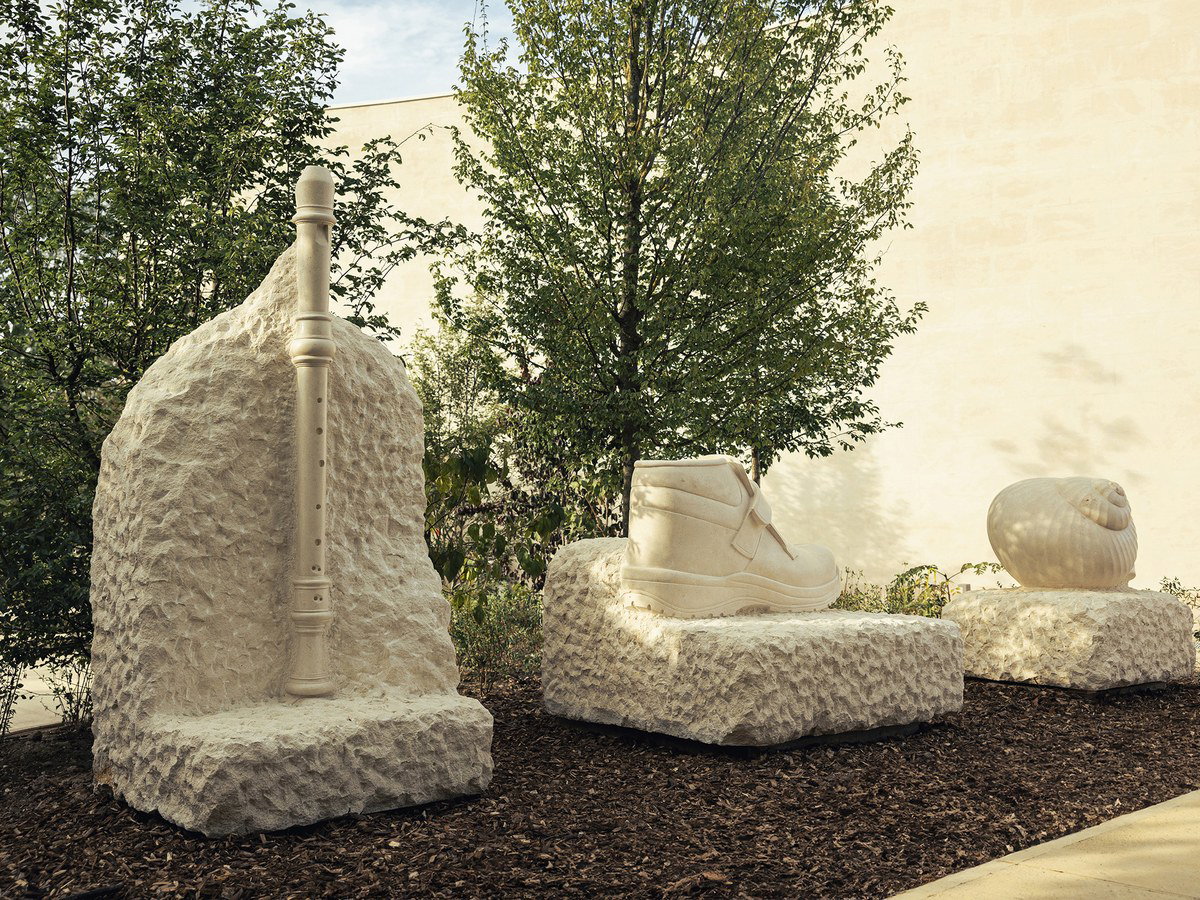
Ruinart has built its visitor program around two distinct registers: the wine itself and contemporary art. The maison's Carte Blanche art program has invited artists since 2008 to create works exhibited globally, including at major art fairs.2 Carte Blanche artists are invited to Reims for a residency with the house, its vineyards, and its crayères,3 the resulting commissions are site-specific responses to chalk, depth, and light rather than decorative additions. Ruinart is present at more than 30 international art fairs in Europe, Asia, and the United States, including Art Basel and Frieze,2 which gives the program a reach well beyond Reims. The installation you encounter during your visit will depend on the current commission cycle; check the maison's website to confirm which artist's work is in place.
The Ruinart crayères are open to guided tours throughout the year.4 The standard guided visit takes you through the tunnels with a maison guide, covers the history of the house and the chalk geology, and ends with a tasting. A guided tour of the chalk cellars with tasting of two cuvées is priced at €90 per adult, with a €50 child rate for ages 7 to 17, effective 1 January 2026.5 The premium Chardonnay Signature Tour goes further: it is a two-hour guided tour limited to 12 places, followed by a tasting of three cuvées.1 The Chardonnay Signature Tour costs €110 for adults and €60 for children aged 7 to 17; children under 7 are free.1 Both French and English are available.1
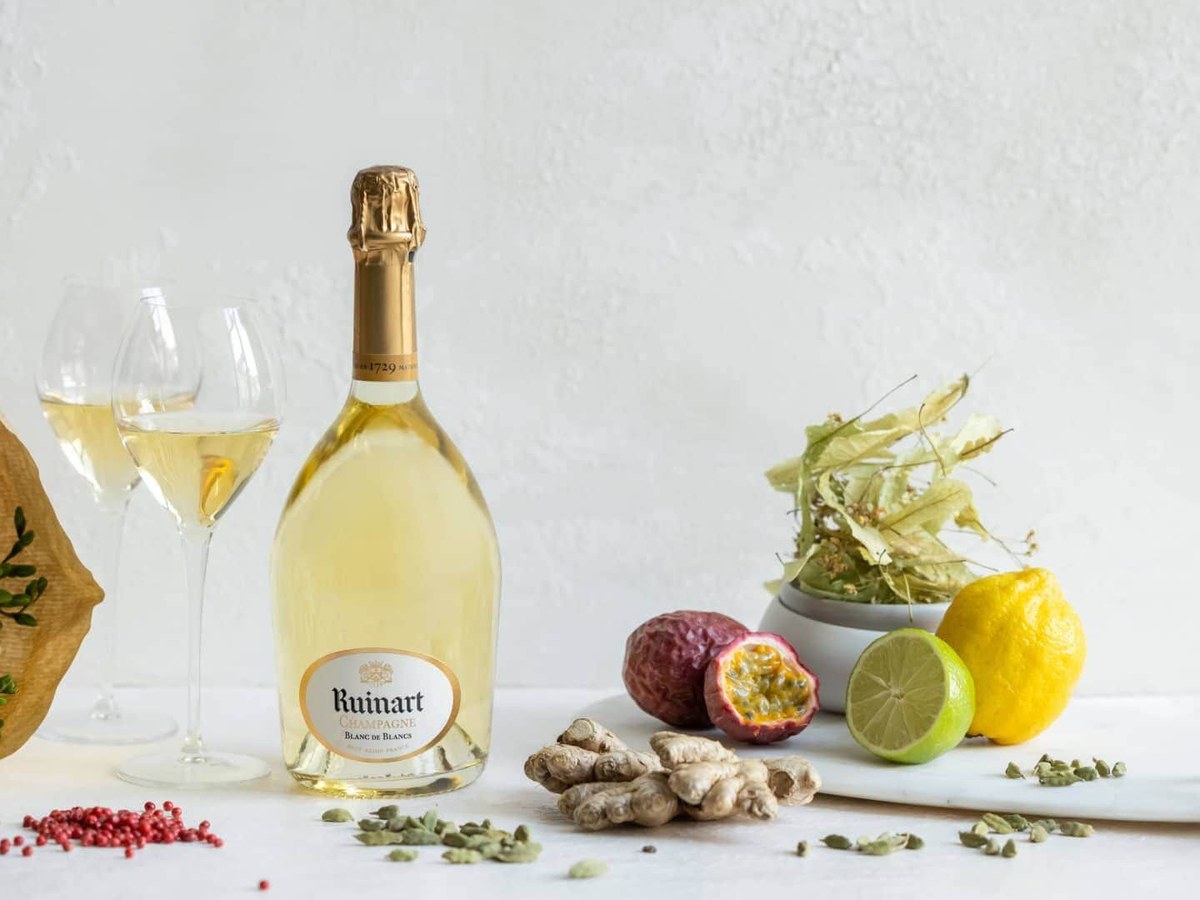
The tasting itself reveals the house style plainly. Ruinart's Blanc de Blancs, 100% Chardonnay, the signature expression, draws from the Côte des Blancs and the Montagne de Reims, with reserve wines blended in to maintain consistency across vintages. The chalk of the crayères is not incidental to the wine's character: the same geology that built the caves shapes the drainage and minerality of the vineyards above. Tasting the wine in the space where it aged makes that connection concrete rather than abstract.
For visitors who want to extend the experience further, Ruinart offers a Ruinart Lunch every Friday and Saturday, a four-course lunch paired with two glasses of Ruinart Champagne.1 Tours begin at the Nicolas Ruinart Pavilion, which serves as the meeting place and starting point for guided tours.6 The Pavilion has a total area of 1,400 m², with 700 m² accessible to the public,6 and it is open Monday through Sunday, 9:00 AM to 7:00 PM, closed on May 1 and November 11.6
Why a Slot in the Crayères Is Harder to Get Than It Looks
Ruinart is not a large-production house by Champagne standards, and it has never positioned itself as a volume visitor destination. The crayères are a UNESCO World Heritage Site (listed as part of the Champagne hillsides, houses, and cellars designation), which imposes conservation constraints on visitor numbers. The premium Chardonnay Signature Tour is limited to 12 places,1 meaning total daily capacity is low relative to demand from both wine tourists and art visitors drawn by the residency program.
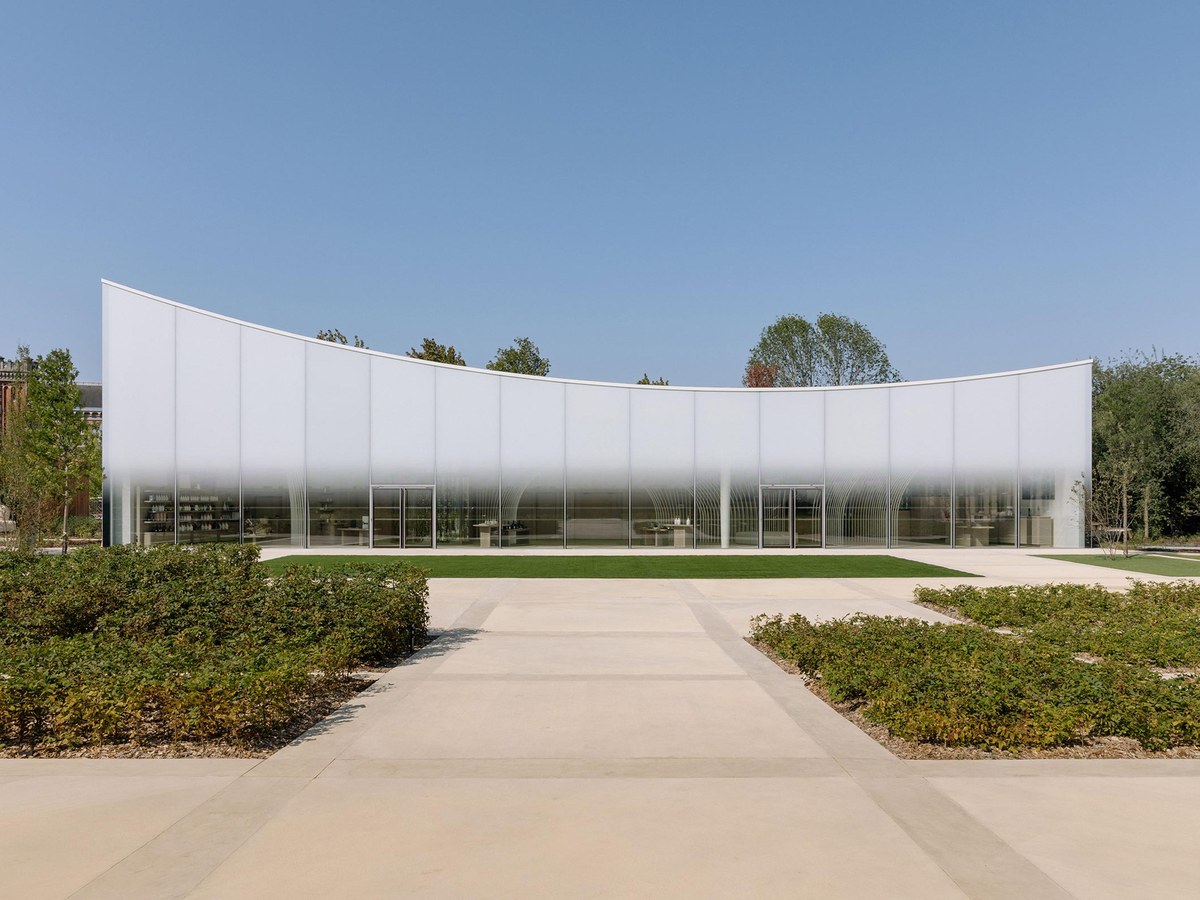
Reims concentrates Champagne tourism: Taittinger, Veuve Clicquot, Pommery, and Mumm all operate visitor programs within the city, and the town draws significant inbound traffic from Paris (roughly 50 minutes by TGV). Ruinart sits at 4 rue des Crayères,1 slightly outside the main tourist circuit, which filters out casual walk-ins but does not reduce demand from serious visitors. The art program adds a second audience: contemporary art collectors and gallery-goers who follow the Carte Blanche commissions and may arrive knowing the artist's work before they know the wine.
Particularly sought-after formats, private visits, the extended art-and-tasting experiences, are not always publicly listed with open availability. Some are reserved for trade, press, or clients of the maison's allocation network. The publicly bookable program is real and accessible, but it represents a subset of what the house offers.
When Ruinart's Visit Calendar Opens, and When It Closes
The booking page on the maison's website carries rolling availability. Bookings for the Chardonnay Signature Tour are available for the beginning of 2026,1 check the site early and book as soon as a preferred date appears. Confirm current availability and lead times directly with Ruinart before planning travel around a specific date.
Seasonal calendar: Spring (April through June) and early autumn (September through October) are the peak windows for Champagne tourism, and availability in the crayères tightens accordingly. Harvest, typically mid-September through October in the Marne, brings press and trade visits that absorb some capacity. July and August see high general tourist traffic in Reims. The quieter windows are November through February, when availability is more open. The art installation also tends to be freshest at the start of a new commission cycle; check when the current residency work was installed before booking.
How to Actually Book a Visit to the Crayères
The primary booking channel is Ruinart's official reservations page,1 where the maison lists its publicly available visit formats with pricing and availability. This is the route that works for individual travelers and small groups. There is no Tock, Resy, or Viator listing for the core experiences.
For private visits, either for groups or for clients seeking a more tailored encounter with the art program, the route is direct contact with the maison's hospitality team. Visitors can reach Ruinart by email at visitesruinart@ruinart.com1 or by phone at +33 (0)3 26 77 51 52.1 The public booking page will not surface private formats; direct contact is the correct path for those.
Trade and press access operates through a separate channel entirely, coordinated through Ruinart's communications and commercial teams. If you are a sommelier, buyer, or journalist, the maison's UK or US importer is the right first contact, not the consumer booking page.
Money vs. time tradeoffs: The standard guided visit with tasting of two cuvées is priced at €90 per adult, with a €50 child rate for ages 7 to 17,5 and is one accessible format by both price and availability. The Chardonnay Signature Tour, at €110 for adults, extends the tasting to three cuvées1 and requires more lead time, but it is the format that includes one expansive encounter with the art installation. Book the standard visit if your window is short; invest the lead time in the Signature Tour if the art residency is the draw.
Parking is available at Maison Ruinart seven days a week, within the limits of available places,1 useful if you are driving from elsewhere in the Marne rather than arriving by train from Paris.
Who You'll Share the Crayères With
The visitor mix at Ruinart skews toward wine-literate travelers rather than general tourists, people who have already visited Épernay or the Côte des Blancs and are seeking something more considered. The Carte Blanche program draws a distinct second cohort: collectors and art-world visitors who may arrive knowing the commissioned artist's work but little about Blanc de Blancs. The two groups tend to find each other useful company. What you will not encounter is a large coach group; the premium format caps at 12 places,1 and the format does not accommodate mass throughput.
Allocation Strategy: Getting Bottles, Not Just the Visit
The visit and the allocation are separate problems. Attending a crayères experience does not automatically place you on Ruinart's allocation list for prestige cuvées, the Dom Ruinart Blanc de Blancs and Dom Ruinart Rosé, the house's vintage-dated top tier, are distributed through the maison's négociant and fine wine merchant network rather than direct-to-consumer. In the UK, Berry Bros. & Rudd and Justerini & Brooks carry allocation; in the US, the distribution runs through LVMH's import network.
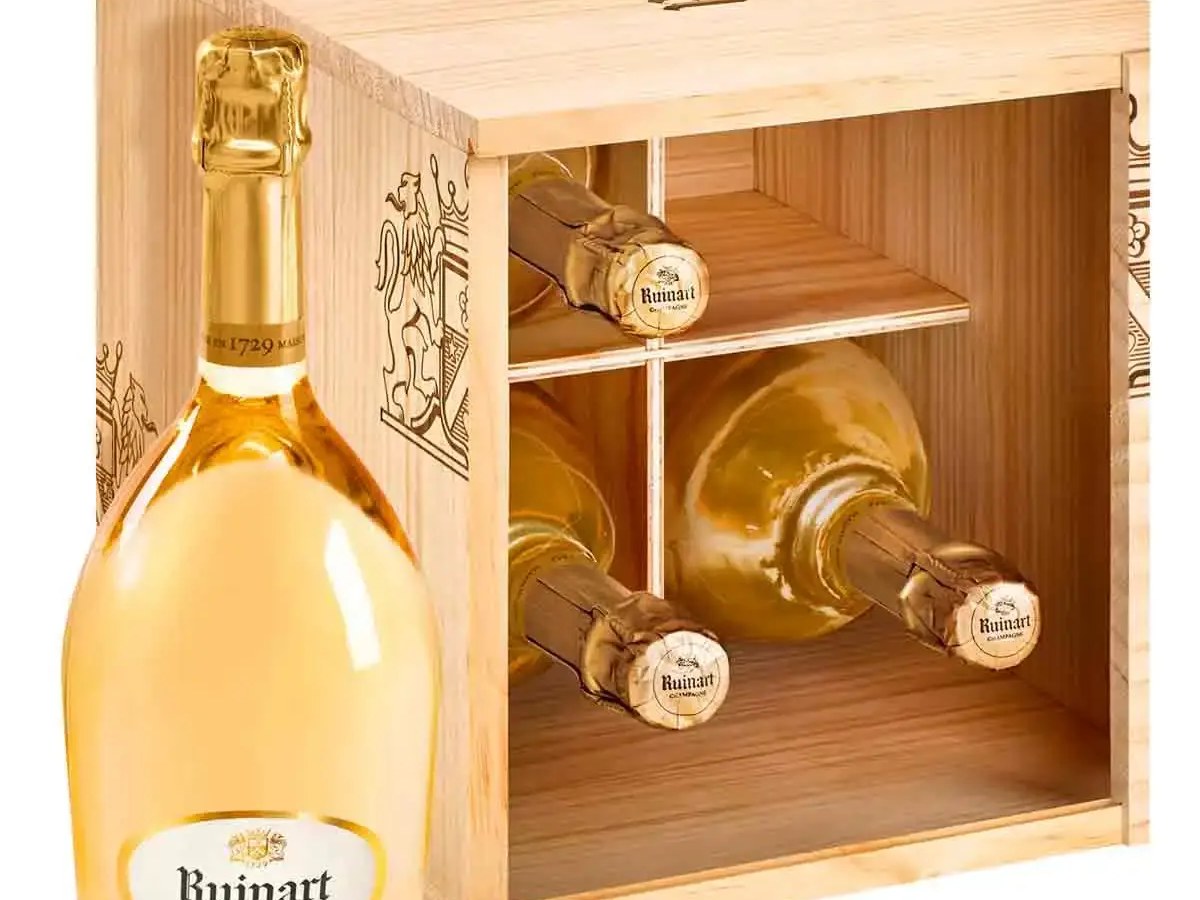
Building a purchase history with a fine wine merchant who holds Ruinart allocation is one reliable route to securing Dom Ruinart on release. The R de Ruinart and the non-vintage Blanc de Blancs are more widely available through specialist retailers and do not require allocation relationships.
Who Should Make the Trip, and When
The crayères visit earns its place on an itinerary if you are already traveling to Reims or the Marne, if contemporary art is part of your interest alongside wine, or if you want to understand why Chardonnay from chalk tastes the way it does. It is not the right choice if you are primarily seeking a tasting of the Dom Ruinart vintage wines, those are better accessed through a merchant tasting or a fine wine event where the bottles are already open. The visit is strongest as a contextual experience: the wine makes more sense after you have stood in the chalk.
Pairs well with a morning at the Musée des Beaux-Arts in Reims, lunch at Le Foch (a short walk from the cathedral), and an afternoon visit to Taittinger's crayères for comparison, Taittinger's are also UNESCO-listed and offer a different architectural character.
Alternatives That Scratch the Same Itch
Reims Crayères Visits: Ruinart vs. the Alternatives
| Maison | Crayères Access | Art Program | Booking Difficulty | How to Book |
|---|---|---|---|---|
| Ruinart | Yes, UNESCO-listed; Signature Tour capped at 12 places1 | Yes, Carte Blanche program since 20082 | Moderate; premium formats require lead time | Direct via Ruinart website;1 private visits by request |
| Taittinger | Yes, Gallo-Roman crayères, UNESCO-listed | No dedicated art program | Low to moderate; public tours widely available | Direct via Taittinger website |
| Veuve Clicquot | Yes, chalk cellars in Reims | Occasional brand collaborations | Moderate; popular with general tourists | Direct via Veuve Clicquot website |
| Pommery | Yes, extensive cellars at depth | Yes, Les Crayères art space, permanent and temporary works | Low to moderate; public program well-established | Direct via Pommery website |
If the art-in-chalk combination is the draw, Pommery is the closest alternative: its Les Crayères program has hosted large-scale installations for years and the cellars are among the more architecturally dramatic in Reims. Taittinger offers the purest chalk-and-wine experience without the art layer, and its public tour program is easier to book on short notice. For a Blanc de Blancs-focused tasting outside Reims, Salon in Le Mesnil-sur-Oger is the benchmark, but access there is trade and press only, with no public visit program.
Worth the Trip to Reims?
For a wine traveler who already understands what Chardonnay from chalk can do, the Ruinart crayères visit is one of the more coherent experiences in Champagne, not because it is especially lavish, but because the space, the wine, and the art program are genuinely integrated rather than assembled for tourism. The standard visit at €905 is accessible and worth doing. The Chardonnay Signature Tour, two hours, 12 places, three cuvées,1 is worth the additional lead time if the Carte Blanche residency is part of your interest.
Book through the maison's reservations page1 as early as your schedule allows, slots for early 2026 are already open,1 and the premium formats fill before the standard program does. For Dom Ruinart allocation, the visit is context rather than mechanism; build the merchant relationship separately. The crayères are the reason to go to Reims; the wine is what stays with you once you're back home, a Blanc de Blancs that makes more sense for having stood in the chalk where it aged.
Frequently Asked Questions
How far in advance do you need to book a Ruinart crayères visit?
For the standard guided visit, checking availability four to six weeks ahead is a practical starting point; premium and private formats typically require more lead time. The maison's website carries rolling availability, confirm current lead times directly with Ruinart before planning travel around a specific date.
Does visiting the Ruinart crayères give you access to Dom Ruinart allocation?
No. The visit program and the allocation for Dom Ruinart Blanc de Blancs and Dom Ruinart Rosé are separate. Prestige cuvée allocation runs through fine wine merchants and the LVMH import network, not through the consumer visit program. Building a purchase history with a merchant who holds Ruinart allocation is the more reliable route to securing bottles on release.
What is the Ruinart Carte Blanche art program, and which artists have participated?
Ruinart's Carte Blanche program has commissioned contemporary artists to create works since 2008, with artists invited to Reims to engage directly with the Maison, its vineyards, and the crayères. The program rotates, so the installation in place during your visit will depend on the current commission cycle. Check the maison's website or contact them directly to confirm which artist's work is currently installed.
Can you walk into Ruinart without a reservation?
No. Ruinart does not operate a walk-in visitor policy. All visits to the crayères are by prior booking through the maison's website or, for private formats, by direct arrangement with the hospitality team. Arriving without a reservation will not gain you entry.
Is the Ruinart Chardonnay Signature Tour suitable for visitors primarily interested in the art rather than the wine?
Yes, with the caveat that the tour is structured around the wine and the house's history, with the art installation as an integrated element rather than a standalone gallery experience. Visitors drawn primarily by the Carte Blanche commission will find the context useful rather than intrusive. Pommery's Les Crayères program in Reims offers a more art-forward alternative if the wine component is secondary to your interest.
Get the App
Keep the guide close to the booking moment.
Take the shortlist into the En Primeur Club app for concierge access, saved places, and the next step after discovery.
Get Exclusive AccessMore from the editors