← Guides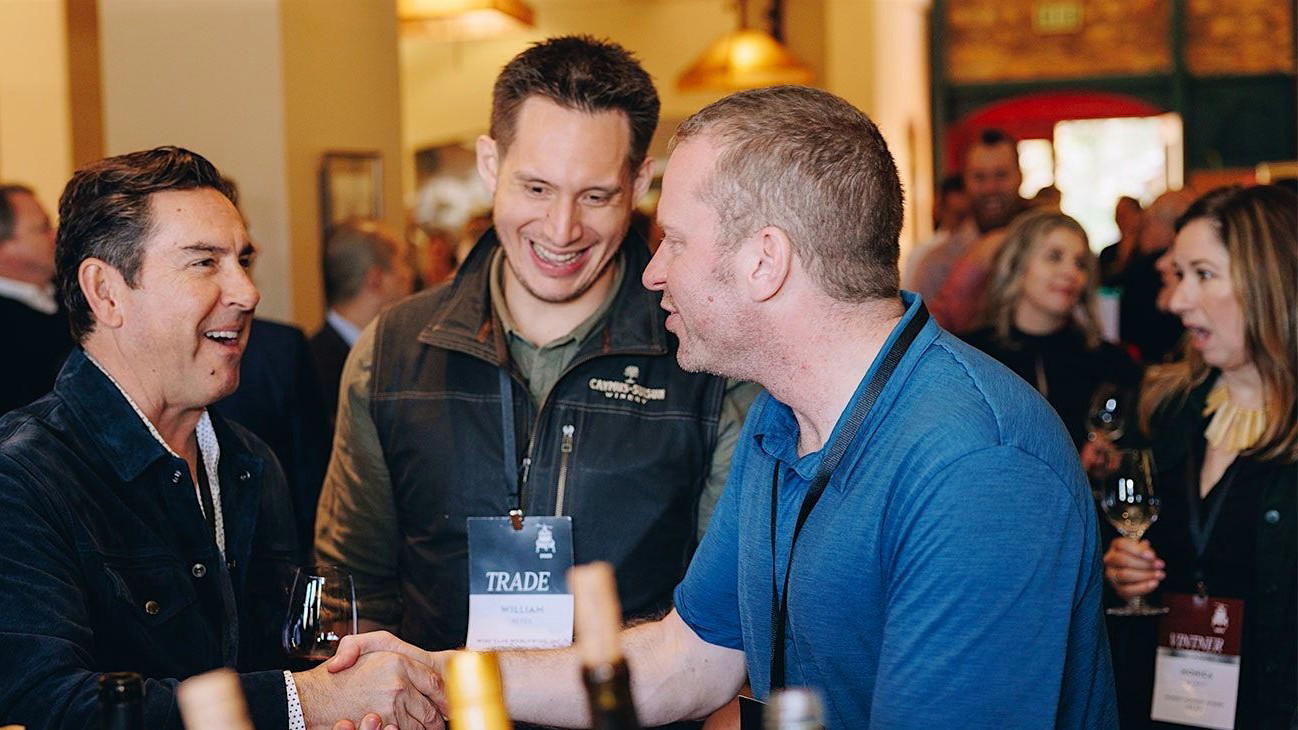
Premiere Napa Valley 2026: Your Access Guide to a Trade-Only Barrel Auction Yes, you can attend Premiere Napa Valley, but not as a member of the public.
Premiere Napa Valley 2026: Your Access Guide to a Trade-Only Barrel Auction Yes, you can attend Premiere Napa Valley, but not as a member of the public.
Yes, you can attend Premiere Napa Valley, but not as a member of the public. The auction is open only to those in the wine trade,1 and access runs through a credentialed application process that the Napa Valley Vintners (NVV)2 controls. For most collectors, the realistic route is either a trade credential, a relationship with a participating winery, or a seat alongside a licensed buyer. The event does not publish open ticket sales. If you're not in the trade, your path in is narrower, but it exists.
The auction is held annually each February,3 structured as a trade event, meaning attendance is restricted to wine trade professionals: importers, distributors, retailers, restaurateurs, and sommeliers with verifiable credentials. The auction is open only to members of the wine trade, most often merchants or restaurants.3 For the 2026 event, more than 1,000 trade members traveled to Napa Valley from 25 states and 12 countries, with additional bidders joining online.4
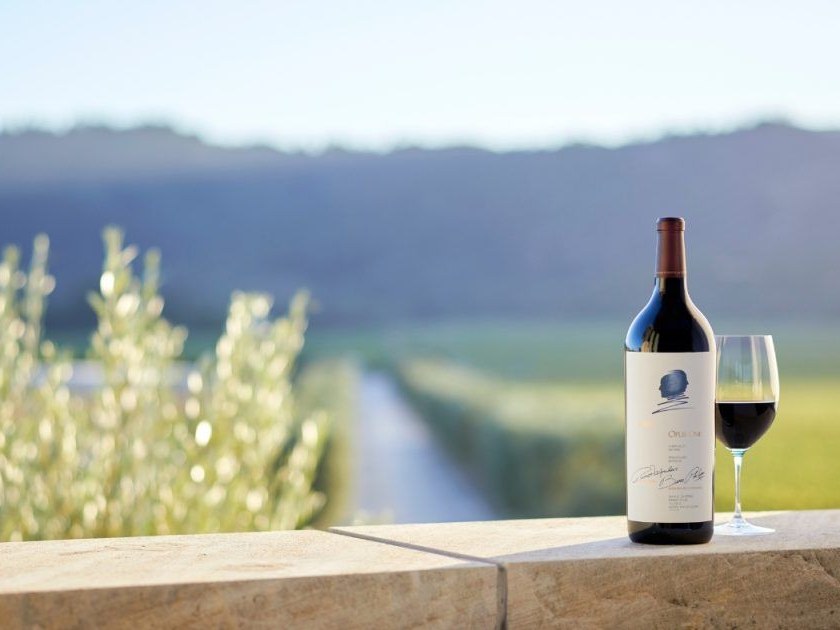
The scarcity is structural. Winemakers craft lots ranging from 60 to 240 bottles,5 distinctive cuvées assembled specifically for the auction by producers including Stag's Leap Wine Cellars, Lokoya, Diamond Creek, Shafer, Silver Oak, Schramsberg, and more than 150 other Napa wineries. Once the gavel falls, that wine does not exist again. Collectors who want access to wines that never enter normal allocation channels, no mailing list, no merchant, no secondary market at release, have to be in the room.
There are three realistic routes, ranked by reliability:
1. Trade credential via the NVV application. A current license in retail, wholesale, import, or food service qualifies you: licensed members of the wine trade are invited to register at premierenapavalley.com.5 The NVV reviews applications and approves buyers based on trade standing. This is the primary channel and the one the NVV controls entirely.
2. Winery invitation. Participating wineries receive a limited number of guest passes for clients and trade partners. If you have a direct relationship with a Napa producer, particularly one that pours at the event, reaching out to their sales or hospitality team before registration closes is worth the call. This route is relationship-dependent and not guaranteed, but it is how many non-trade enthusiasts have attended over the years.
3. Charity and benefit access. The NVV also runs a consumer-facing charitable component tied to the broader auction week. This is a separate event from the trade barrel auction itself, and the access mechanics differ. Check the NVV's event calendar for the current year's consumer programming, it is one accessible entry point for collectors without trade credentials.
The NVV does not publish a fixed registration drop time or a specific number of buyer slots. Premiere Napa Valley 2026 was scheduled for February 21,6 and bidding on 2026 lots opened on February 6, 2026.5 For future editions, the exact registration window varies year to year, so confirm the current timeline directly with the NVV before planning travel. The trade contact is Brandy Leonards, Trade Relations Director, at 707.968.4222.6
The auction calendar shapes when your odds improve or collapse. February is the event itself, registration is already closed or closing. The window to act is November through January, when the NVV typically opens buyer registration and participating wineries are still assembling their lots. Harvest season (September, October) is when winery relationships are most active; a visit to a participating producer during harvest is the natural moment to raise the conversation about Premiere access. Summer is the dead zone for auction access, nothing opens, and outreach to wineries yields slower responses.
If you are in the trade, apply early. The NVV reviews credentials, and late applications risk missing the window entirely. If you are not in the trade, the winery-invitation route requires meaningful lead time, plan well ahead of the event, not a few weeks before.
The money-vs-time tradeoff is real here. The faster route is to engage a wine consultant or broker who already holds trade credentials and attends annually; they can bid on your behalf, though you will pay a premium for the service and lose the room experience entirely. The patient route is to build a direct relationship with one or two participating wineries over multiple vintages, visit, buy from their mailing list, attend their library releases, and let the invitation come naturally. That path is measured in vintages, not months, but yields durable access.
For the lots themselves: white wines from the auction begin to arrive in market in the fall; red wine releases are expected to age in barrel for up to three years before release.7 Budget accordingly. Prices at Premiere Napa Valley are not published in advance by the NVV; lot estimates, when available, come from the auction catalog distributed to registered buyers.
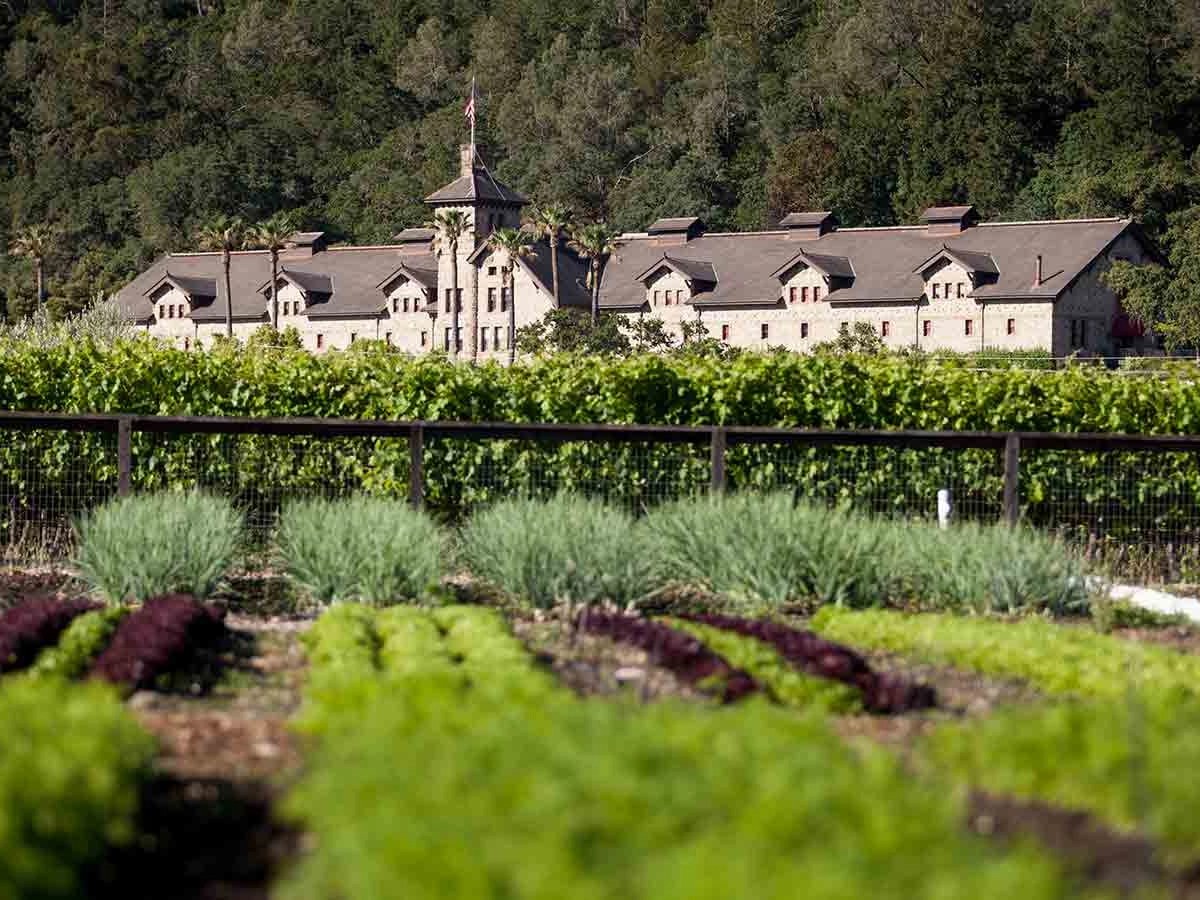
The buyer floor at Premiere Napa Valley is a cross-section of the American fine wine trade: sommeliers from major restaurant groups, buyers for high-end retail chains, independent wine merchants, and importers with Napa-focused portfolios. The 2026 event featured 181 lots exclusively for more than 1,000 trade members, with bidding held at Greystone at the Culinary Institute of America.2 If you attend via a winery invitation, you may be seated in the winery's hospitality area rather than on the main buyer floor, a different vantage point, but still inside the event.
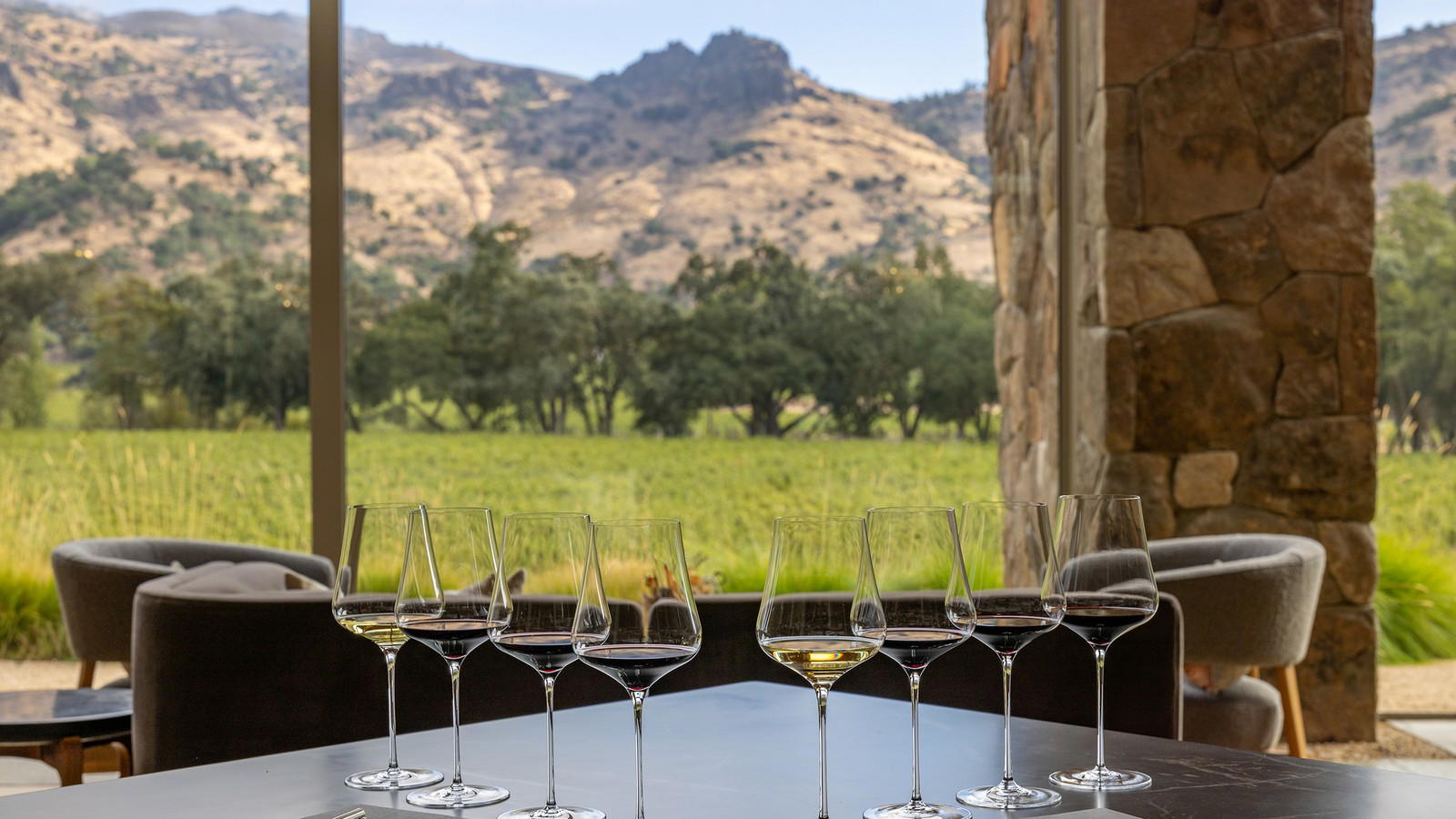
Premiere Napa Valley kicks off three days prior to the auction, when trade members travel to the valley to taste wines and network with vintners.8 The days before the live auction are structured around barrel tastings, registered buyers move through a large tasting hall where participating wineries pour their auction lots directly from barrel. There are usually between 180 and 230 different auction lots available for bidding, and all of them are made available to taste for members of the trade.9 This is the practical heart of the event: you taste the wine before you bid, often with the winemaker standing behind the table.
The tasting format is open, no appointment, no fixed flight. You work the room at your own pace, returning to lots that interest you, comparing notes with other buyers. The catalog lists each lot's varietal composition, barrel program, and projected release date. Winemakers are present and candid; this is not a consumer tasting where the talking points are polished.
The auction is held at CIA Greystone.10 Bidding moves quickly on a leading lots. The atmosphere is competitive but collegial, these buyers see each other every year. For a first-time attendee, the barrel tasting days are the more valuable experience; the auction floor rewards those who have done their homework in the tasting hall.
| Route | Access Difficulty | Cost Range | Lead Time | How to Access |
|---|---|---|---|---|
| Premiere Napa Valley (trade credential) | High, trade only | Lot-dependent; confirm with NVV | Apply Nov, Jan; confirm with NVV | NVV application portal |
| Napa Valley Vintners consumer events (auction week) | Moderate, open to public | N/A, confirm with NVV | Register when announced | NVV event calendar |
| Winery mailing list (e.g., Harlan, Screaming Eagle) | high, waitlists measured in years | N/A, confirm with each winery | Years on waitlist | Direct winery contact |
| Hart Davis Hart / Acker auction houses | Low, open registration | Secondary market premiums apply | Days to weeks | Auction house websites |
| Napa Valley wine merchant (e.g., Wally's, K&L) | Low to moderate | Retail plus merchant markup | Immediate to weeks | Direct purchase |
If Premiere access is not available to you this cycle, these routes scratch the same itch:
Napa Valley Vintners consumer programming during auction week. The NVV typically organizes consumer-facing events alongside the trade auction. These are especially direct substitute, same week, same valley, some of the same producers pouring. Check the NVV calendar as the event approaches.
Winery library and futures releases. Several Premiere participants offer futures or library releases directly to mailing-list members. These are not auction lots, but they are allocated wines from the same estates, often at prices below secondary market. A listing of accounts that sell Premiere Napa Valley wines is available at premierenapavalley.com.7
Established auction houses. Hart Davis Hart, Acker, and Zachys regularly offer Napa trophy bottles, including past Premiere lots that have come back to market. You pay secondary premiums, but the access barrier is a registration form, not a trade credential.
Harvest visits to participating wineries. September and October in Napa are when winemakers are most present and most willing to talk. A harvest visit to a Premiere participant, booked directly through the winery's hospitality team, puts you in the room with the people who control invitation access for the following February.
Premiere is built for trade professionals who buy Napa wine at volume and want access to wines that will never appear on a retail shelf. If that describes you, the application process is worth the effort every year. Members of the wine trade are welcome to attend and bid via the Wine Trade Portal.11
For collectors without trade credentials, the calculus is different. The winery-invitation route is worth pursuing if you have an existing relationship with a participating producer and are genuinely interested in bidding, not just attending. The barrel tasting days alone, even without bidding, are among the more concentrated Napa tasting experiences available anywhere. For a serious collector planning a Napa trip in February, the effort to secure an invitation is proportionate to the experience.
Skip the chase if you are primarily interested in drinking current-release Napa Cabernet. Lots are sold in five, 10, or 20-case increments available only to the winning bidder,12 these are futures priced for collectors, not casual drinkers. The alternatives above will serve you better.
Premiere Napa Valley is one of the few places in the American wine calendar where you can taste barrel samples from Screaming Eagle and more than 150 other Napa producers in a single room, then bid on wines that will never appear anywhere else. But it is not available to everyone, and the NVV is not going to lower the trade-credential bar to accommodate enthusiast demand.
For trade professionals, the application is direct: apply early through the NVV, confirm the registration window directly with Brandy Leonards at the trade relations office, and plan your February around it. Premiere Napa Valley 2027 will take place February 24 to 27, 2027,4 the planning horizon is already open. For collectors outside the trade, the winery-invitation route is one reliable path, but it requires relationship capital built over multiple vintages, not a single email in January. The consumer programming during auction week is one accessible entry point and worth attending on its own terms.
The auction lots are for patient buyers: futures that age in barrel before delivery, priced at the summit of the Napa market. If you want the wine now, the secondary market is faster. If you want the experience of tasting from barrel with the winemaker and bidding on something that exists nowhere else, Premiere is the only place that delivers it, and the trade credential is the only route that reliably works. For most collectors, the smarter first move is a harvest visit to a participating winery; the Premiere invitation tends to follow from there, one vintage at a time.
Not through the standard registration process, which is restricted to credentialed trade buyers. The realistic routes for collectors without trade credentials are a winery invitation from a participating producer or the NVV's consumer-facing events during auction week. Check the Napa Valley Vintners' Premiere page for current consumer programming details.
Applications go through the Napa Valley Vintners directly. The NVV reviews trade credentials, retail licenses, import/distribution credentials, food service licenses, and approves buyers accordingly. The exact registration window varies by year, so confirm the timeline directly with the NVV's Trade Relations Director before planning travel.
Auction lots are barrel futures, the wine is not yet bottled at the time of the auction. White wines from the auction begin to arrive in market in the fall; red wine releases are expected to age in barrel for up to three years before release. Confirm the specific delivery timeline for any lot you bid on with the NVV or the producing winery directly.
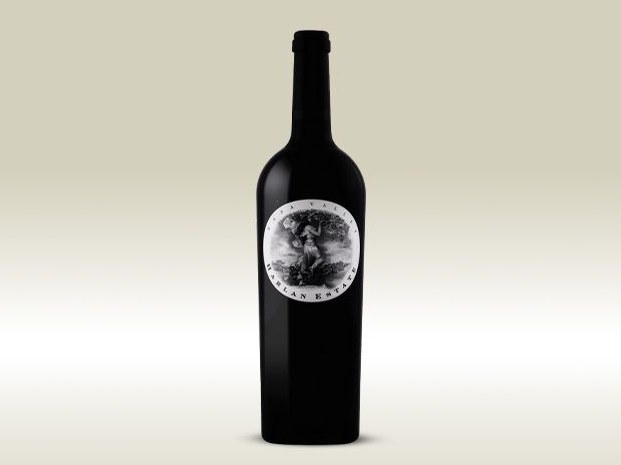
More than 150 Napa Valley wineries participate, ranging from trophy producers, Harlan Estate, Screaming Eagle, Opus One, Colgin, Stag's Leap Wine Cellars, to smaller family estates. The full participant list for each year's auction is published in the auction catalog distributed to registered buyers and on the NVV's event page as the auction approaches.
Occasionally, past Premiere lots appear at established auction houses, Hart Davis Hart, Acker, and Zachys have all offered them. These are secondary-market sales, so prices reflect collector premiums above the original hammer price. There is no guarantee of availability; monitor auction house catalogs in the months following the event if you are looking for a specific lot. A listing of accounts that sell Premiere Napa Valley wines is also available at premierenapavalley.com.
Get the App
Take the shortlist into the En Primeur Club app for concierge access, saved places, and the next step after discovery.
Get Exclusive AccessMore from the editors