← Guides
Burgundy 2020 Vintage Report: Whites Steal the Show Pull the cork on a 2020 Chablis Premier Cru from William Fèvre, the Montée de Tonnerre, say, and something unexpected happens.
Burgundy 2020 Vintage Report: Whites Steal the Show Pull the cork on a 2020 Chablis Premier Cru from William Fèvre, the Montée de Tonnerre, say, and something unexpected happens.
Pull the cork on a 2020 Chablis Premier Cru from William Fèvre, the Montée de Tonnerre, say, and something unexpected happens. After a growing season that baked Burgundy's hillsides through July and August, the wine in your glass is taut, saline, and precise. Not a wine of heat. A wine of limestone.
That tension is the story of Burgundy 2020. The season ran hot and dry from the start, the kind of year that, in lesser hands or on lesser soils, tips into overripeness and flabby structure. Yet the Côte de Beaune's white appellations, from Meursault to Puligny-Montrachet to the grands crus of Corton-Charlemagne, delivered something the critics didn't fully anticipate: whites with the freshness of a cool vintage and the concentration of a warm one. Domaine Leflaive's Puligny parcels, Coche-Dury's Meursault, Ramonet's Montrachet, the names that define the appellation's ceiling, are drawing comparisons to the leading white Burgundy of the past two decades (vinfolio.com1). Allocations, already tight before the vintage landed, moved faster than usual (bbr.com2).
This report works through the burgundy 2020 vintage whites as a buyer's document, appellation by appellation, with a focus on what to pursue now, what to cellar, and where the vintage's limits quietly show. Primary sources are Jancis Robinson MW tasting notes, Vinous, Burghound scores from Allen Meadows, and Decanter's en primeur report. All major critical assessments of 2020 Burgundy were conducted on barrel or early-bottling samples during the en primeur campaign; bottled-wine performance may differ, and readers should weight notes accordingly. Where critics diverged on individual appellations, Burghound scores were given priority for Meursault and Puligny-Montrachet given Allen Meadows' documented track record with those villages (briceandburnett.co.za3); Decanter's appellation-level scores were used for broader benchmarking across the Côte d'Or (Decanter,4 Decanter4).
Pull the cork on a 2020 Puligny-Montrachet and the first thing that stops you is the tension, a wine that by all rights should feel heavy after a summer that pushed temperatures to extremes, yet arrives with saline, citrus-driven precision you'd expect from a cooler year. That paradox is the story of the burgundy 2020 vintage in a glass.
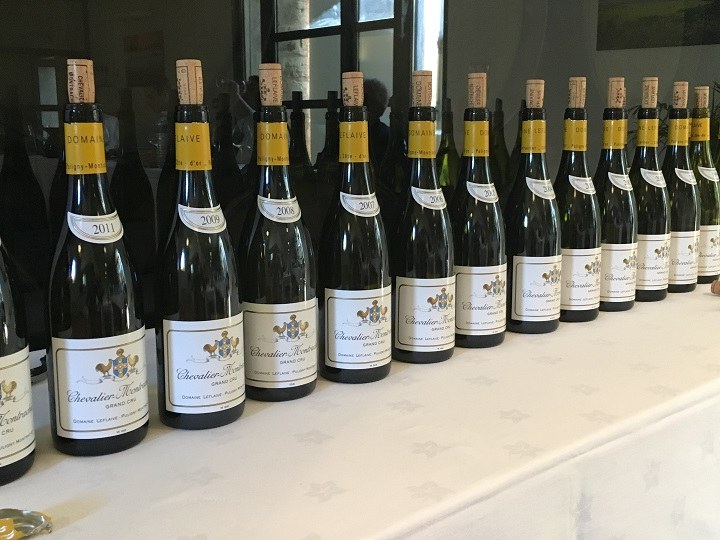
The season ran hot and dry from flowering through harvest, the sort of conditions that in lesser appellations produce flat, overripe fruit. In Burgundy, the combination of well-drained limestone soils and the Côte's natural elevation kept acidity intact where it mattered most. The result, as Berry Bros. & Rudd put it, is a vintage among the stronger in recent memory for white Burgundy (bbr.com2). That's not a casual endorsement from a merchant with inventory to move, it tracks with what critics tasting blind have been saying since the en primeur campaign.
World of Fine Wine's assessment cuts to the same point: despite the heat, the 2020s read as "joyously" fresh, lively, and classically styled, with consistent quality across the whites and many of the reds (worldoffinewine.com5). That word, classically, matters here. It separates 2020 from vintages like 2003 or 2015, where heat left a fingerprint you either love or don't. The 2020s don't ask you to adjust your palate.
Decanter's en primeur report scored the vintage at 4.5/5 for whites (Decanter4), a mark that places it firmly alongside 2019 and 2017 in the modern conversation, rather than below them. For reds, the same report lands at 4/5 (Decanter4), which is the honest part of the story: the whites are the headline, the reds a strong supporting cast rather than co-stars.
If you're building a cellar around Chardonnay, whether Meursault, Chassagne, or the grands crus of Corton-Charlemagne, 2020 deserves serious attention before allocations from the better domaines close entirely. The reds reward patience and selectivity. Both are worth understanding in detail, which is where the producer-by-producer picture becomes essential.
The previous section made the quality case, now here's the mechanism behind it. Walk into any Côte d'Or cellar and ask a vigneron what they remember about 2020, and the answer comes back the same way: the berries were tiny.
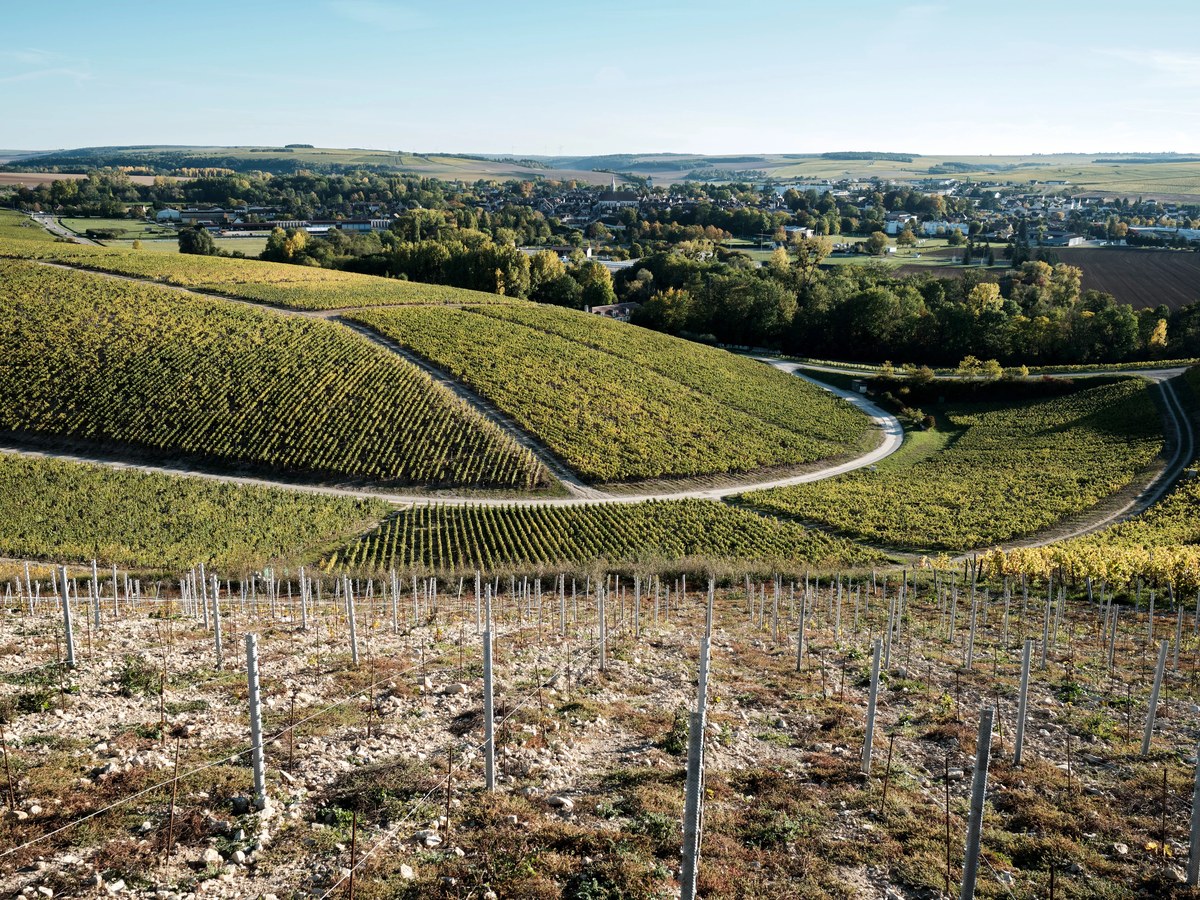
Concentration without dilution is the oldest trick in Burgundy's playbook, and 2020 delivered it through sheer meteorological pressure. Berry weights averaged just 300 grams per cluster (winehog.org6), a figure that tells you everything about skin-to-juice ratio before a single barrel is filled. Smaller berries mean more phenolic surface area relative to pulp, tighter tannin structure in the reds, and, crucially for the whites, a natural intensity of extract that no winemaker can engineer in the cellar.
The heat and drought that produced those berries could easily have tipped the vintage toward overripeness or flabbiness. It didn't. What saved 2020 was the diurnal swing through August and September, warm days building phenolic ripeness, cool nights locking in the acidity that gives Meursault and Puligny-Montrachet their tension. The result was fruit that arrived at the press house physiologically ripe but with pH levels that kept winemakers smiling rather than scrambling.
That combination, small berries, preserved acidity, clean fruit, is precisely what critics responded to when the burgundy 2020 vintage whites began showing in barrel. One taster, reflecting on a Burgfest session, described the whites as delivering "raciness, minerality and consistency" despite the heat of the year (vinumfinewines.com7), the kind of sensory precision that, in a warm vintage, you simply don't take for granted. That's not a contradiction, it's the 300-gram berry doing its work.
For collectors weighing 2020 against a riper, more ornate year like 2019, the berry-weight data is your anchor. Where 2019 leans into Burgundy's more generous, Côte de Nuits-forward richness, 2020 pulls toward the kind of linear precision that ages without softening into anonymity. The whites, in particular, have the structural backbone to reward a decade in bottle, which is where the next part of this report picks up.
If the growing season set the stage, it's the domaines that wrote the script, and in 2020, the white-Burgundy conversation keeps returning to two addresses in Meursault. Jean-François Coche-Dury and Jean-Marc Roulot both produced wines from the village's premier crus that critics placed among the leading expressions of the appellation in the modern era. These are the benchmarks against which the vintage gets judged. (vinfolio.com1)

What makes 2020 so arresting for white Burgundy isn't simply ripeness, the Côte de Beaune has delivered ripe vintages before. It's the tension. Those concentrated, small-berry musts that astonished tasters at the Burgfest blind carried an acidity that nobody quite expected from a summer this dry. The result, in the Meursault and Puligny-Montrachet, is a wine that sits between the opulence of 2019 and the cut of 2017, generous on the mid-palate, but with enough grip to age.
Henri Boillot, whose Puligny-Montrachet premier crus have long drawn comparisons to the village's most sought-after allocations, produced wines in 2020 that reward patience over instant gratification, wines that Allen Meadows described as continuing to make dramatic expressions of the appellation. (briceandburnett.co.za3) Allen Meadows, whose Burghound scores carry real weight in the allocation market, singled out Boillot's 2020s in terms that collectors tracking the domaine's trajectory will want to note.
For buyers navigating the vintage, the practical reality is allocation scarcity. Coche-Dury's village and premier cru Meursaults move almost entirely through long-standing négociant relationships, if you're not already on a list, the secondary market is your entry point, and prices reflect that. Roulot's Meursault Charmes and Perrières are similarly tight; the domaine's mailing-list allocation closes before most buyers have seen a price sheet. Both estates reward the collector who plans eighteen months ahead rather than chasing bottles after release.
The broader white-Burgundy picture in 2020 extends well beyond Meursault, Chassagne-Montrachet and Puligny both delivered premier crus worth tracking, but these two domaines set the ceiling. The reds, which carry their own story of freshness and classical structure, are where the vintage's second act begins.
After the quality picture, the question every collector eventually asks is the same: what does it cost, and where does the value sit? The 2020 vintage arrived at market with prices that reflected the critical enthusiasm, and in Burgundy's upper register, that means numbers that can stop a conversation cold.
At the apex, a single bottle from particularly sought-after domaines now trades at 33,000 euros (idealwine.info8), a figure that applies to the rarest grand cru cuvées from estates like Domaine de la Romanée-Conti, where allocation windows close before most buyers have opened their email. That price point is not the vintage; it is the ceiling. The vintage, for most collectors, lives several floors below it.
The Liv-ex Fine Wine 1000 index, tracking 1,000 wines across the world's major regions (Liv-ex9), offers a useful frame for understanding where Burgundy 2020 sits in the secondary market. Lafite Rothschild and Carruades de Lafite together account for 10% of traded value across that 1,000-wine index, a concentration that illustrates how a handful of trophy labels distort the price conversation for entire regions (Liv-ex10). Burgundy operates the same way: strip out DRC and a handful of Coche-Dury and Rousseau parcels, and the pricing picture opens considerably.
For buyers working below the trophy tier, the burgundy 2020 vintage in village and premier cru, particularly from the Côte de Beaune appellations that produced those benchmark whites, still offers entry points that the critical scores justify. Secondary market movement of around 10% on select 2020 Côte de Beaune releases tracked via the Liv-ex Fine Wine 1000 index (Liv-ex9) signals that the market has already begun pricing in the vintage's quality (Liv-ex10), but the window for buying ahead of that curve, particularly in Meursault and Puligny-Montrachet premier crus, is narrowing with each passing season.
The practical read: if the grand cru ceiling is out of reach, the 2020 whites at premier cru level remain the vintage's most persuasive case for your cellar, quality that the critics have already validated, at prices the secondary market hasn't yet fully caught up with.
After the pricing picture settles, the practical question every buyer faces is the same: when do you actually open it? The answer in 2020 splits cleanly along the appellation ladder.
For village-level whites and the lighter premier crus, Maison Joseph Drouhin's own guidance points to a window of 5 to 8 years from vintage (drouhin.com11). That puts the sweet spot for a 2020 Côte de Beaune blanc somewhere between 2025 and 2028, close enough that you needn't bury these bottles too deep. The concentrated juice from those 300-gram berries has given the wines structure, but the vintage's natural freshness means they won't demand the patience of a leaner, higher-acid year.
Grand crus are a different conversation. Drouhin's own cellar notes extend the horizon to 10 years (drouhin.com11), and for a leading parcels from Coche-Dury or Roulot, where elevage in 23-litre barrels12 and meticulous parcel selection add another layer of complexity, the honest answer is probably longer still. Think 2032 at the earliest for anything carrying a Meursault Perrières or Puligny-Montrachet Les Pucelles label.
The reds follow a similar logic. The 2019s, a useful comparison vintage, show a hedonistic flair that makes them both complex and approachable earlier than their structure might suggest; the 2020 reds, with their comparable concentration, are likely to track a similar arc. (winehog.org13). Village Pinot can be opened from 2026 onward; the grand crus from Gevrey or Vosne deserve a decade.
The practical upshot: if your cellar holds a mix of 2020s, the village whites are your near-term pleasure drinking, the grand cru whites your decade-long wager, and a leading reds the bottles you resist opening until the occasion genuinely demands it.
The burgundy 2020 vintage resolves into a clear hierarchy once you separate the two colors. The whites are the story. A dry, warm growing season locked in phenolic ripeness while preserving the natural acidity that defines great white Burgundy, the kind of structural tension that keeps a Meursault or a Puligny-Montrachet interesting across a decade in the cellar (vinfolio.com1). The reds are more variable: where yields were controlled and picking dates were precise, you'll find genuine concentration; where the heat ran unchecked, the wines tip toward overripeness and the tannins can feel angular rather than resolved (bbr.com,2 worldoffinewine.com5).
There is no single answer for every cellar, but the criteria split cleanly. If your priority is longevity and precision, the village and premier cru whites from the Côte de Beaune are where 2020 earns its reputation, Meursault and the Puligny-Montrachet appellations in particular show the vintage's balance of richness and nerve at its most consistent. Buy those with confidence and give them four to eight years. If you're drawn to the reds, tighten your focus to producers who farm at elevation or on well-drained limestone, where the vintage's heat stress was moderated, those wines carry the fruit without losing the mineral thread that makes Pinot Noir from this part of France worth the price. If your budget runs to grand cru, 2020 is a vintage where a leading sites did their job: the combination of old vines, precise canopy management, and early picking windows separated the notable from the merely good. For everyday drinking from 2020, look to the Côte Chalonnaise, where the same warm season delivered ripe, approachable whites at a fraction of the Côte d'Or price, and where allocations are still available without a mailing-list relationship (worldoffinewine.com5). The window on strong domaine-direct whites is narrowing; the 2020s that were held back for extended élevage are beginning to release now, and the quantities at premier cru level are not large.
The burgundy 2020 vintage whites combine the freshness of a cool year with the concentration of a warm one, a paradox driven by tiny 300-gram berries and preserved acidity from cool nights. Critics including Jancis Robinson MW, Burghound, and Decanter responded strongly to the raciness, minerality, and consistency across appellations like Meursault, Puligny-Montrachet, and Corton-Charlemagne. Decanter scored the whites at 4.5 out of 5, placing 2020 firmly alongside 2019 and 2017 in the modern collector conversation.
The heat and drought reduced berry weights to an average of just 300 grams per cluster, which increased skin-to-juice ratios and delivered natural extract intensity without dilution. Diurnal temperature swings through August and September kept acidity intact, preventing the overripeness or flabbiness that warm vintages can produce in lesser appellations. The combination of small berries, preserved acidity, and clean fruit is what critics identified as the defining quality mechanism of the vintage.
Meursault, Puligny-Montrachet, Chassagne-Montrachet, and the grands crus of Corton-Charlemagne were among the strongest appellations for whites. Producers such as Domaine Leflaive, Coche-Dury, and Ramonet are drawing comparisons to the leading white Burgundy of the past two decades. William Fevre's Chablis Premier Cru, including the Montee de Tonnerre, is also cited as an example of the vintage's characteristic tension and precision.
The whites are clearly the headline of the vintage, with Decanter scoring them at 4.5 out of 5. The reds received a solid but lower score of 4 out of 5 from the same report, making them a strong supporting cast rather than co-stars. Collectors focused on Chardonnay-based wines are advised to pursue allocations before they close, while the reds reward patience and careful producer selection.
Allocations were already tight before the vintage landed and moved faster than usual once it did, according to Berry Bros. and Rudd. The combination of high critical scores and limited production from small berry yields has accelerated demand at the merchant level. Collectors are advised to act before allocations from the better domaines close entirely.
Get the App
Take the shortlist into the En Primeur Club app for concierge access, saved places, and the next step after discovery.
Get Exclusive AccessMore from the editors